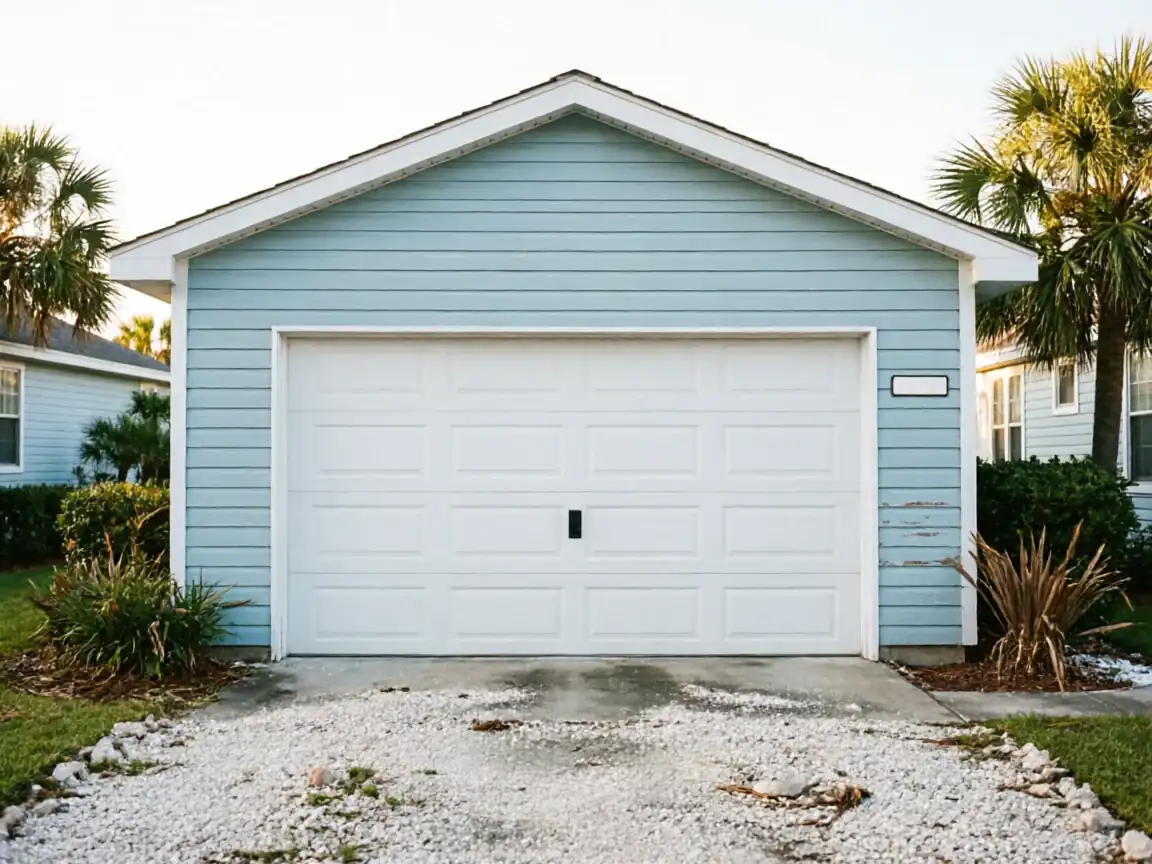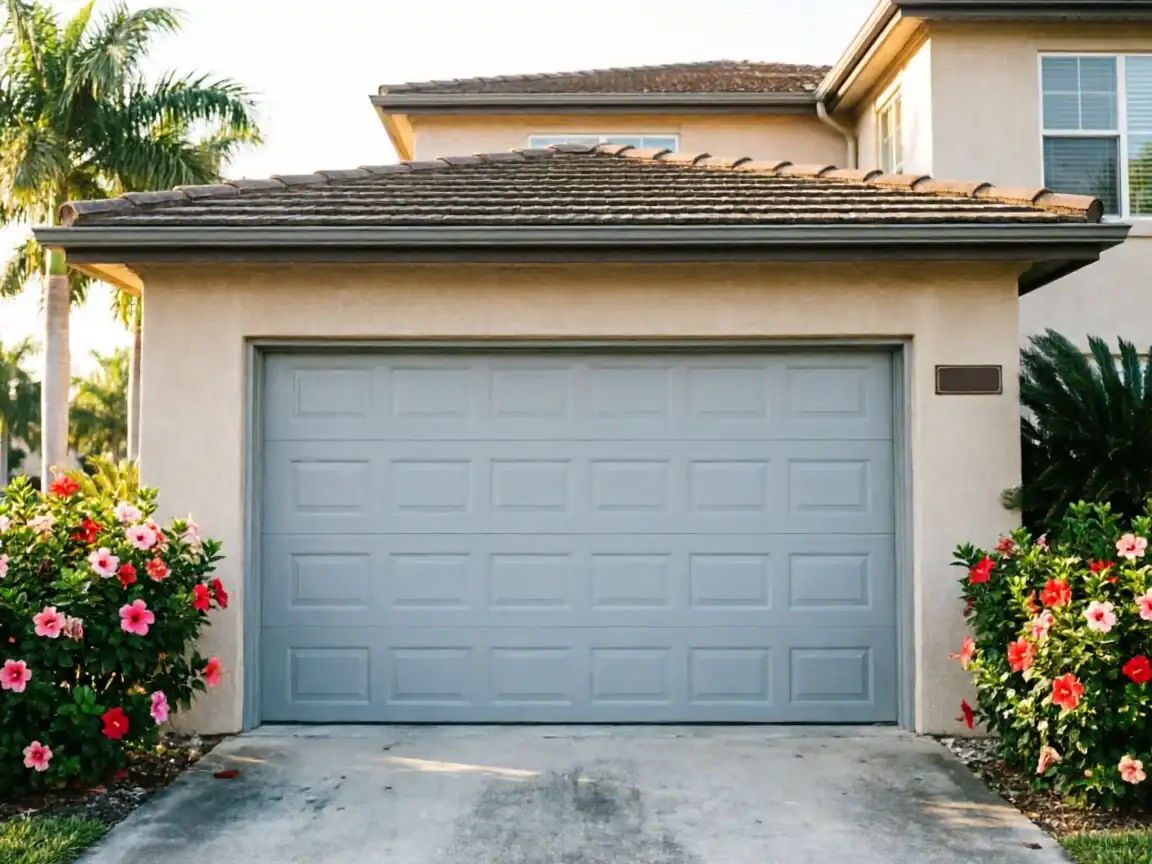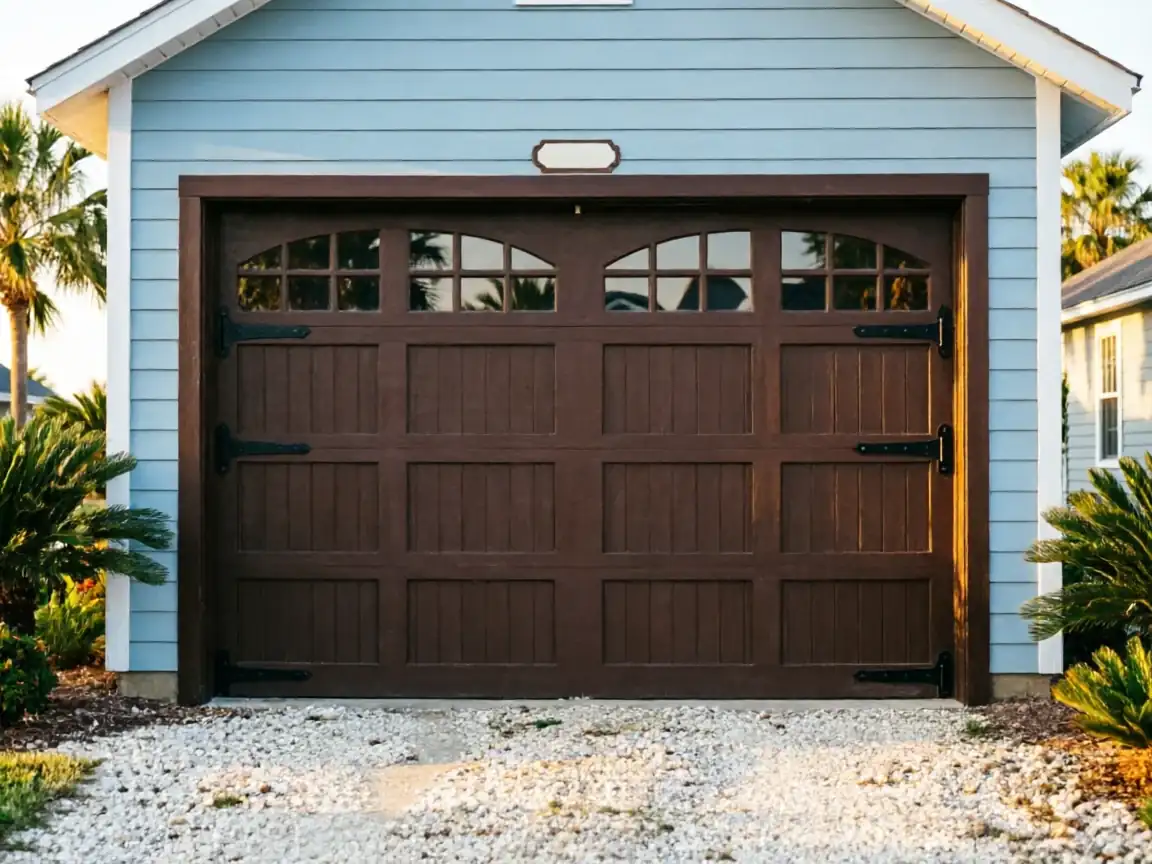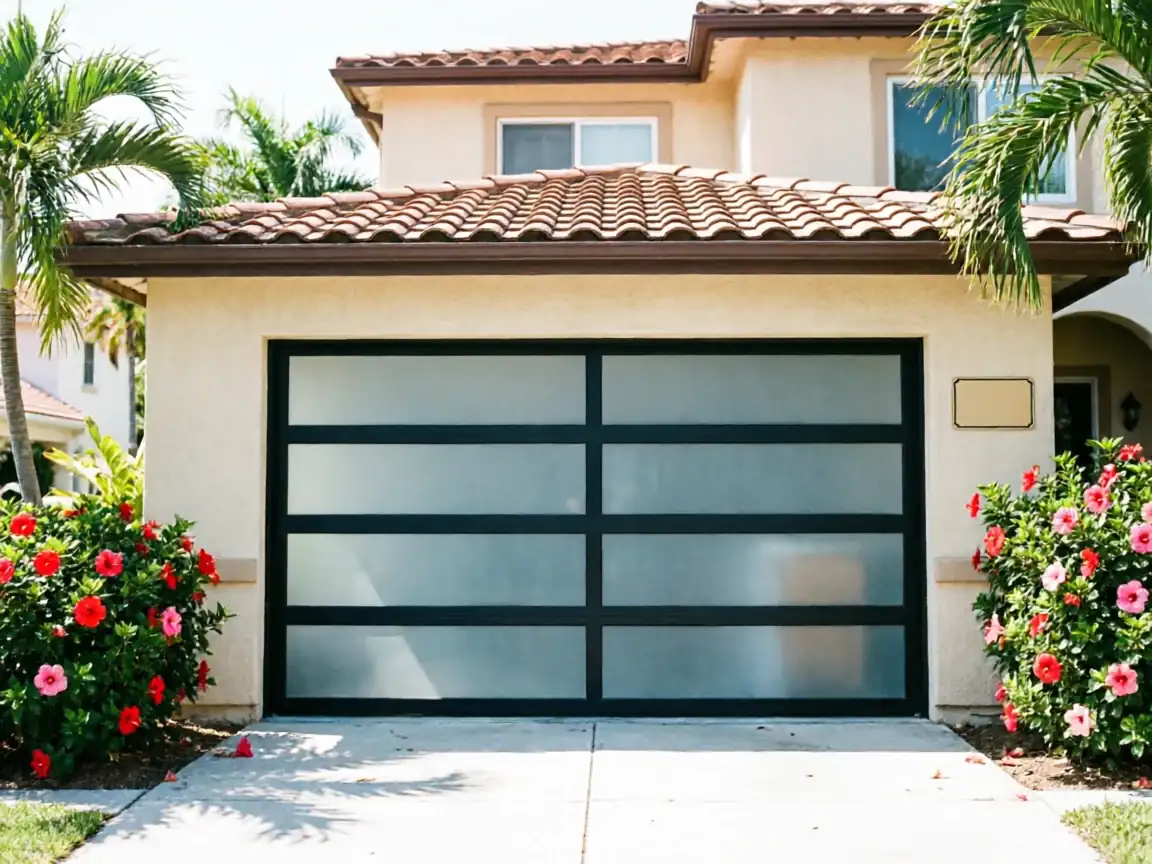
What the Housing Means for Your Door
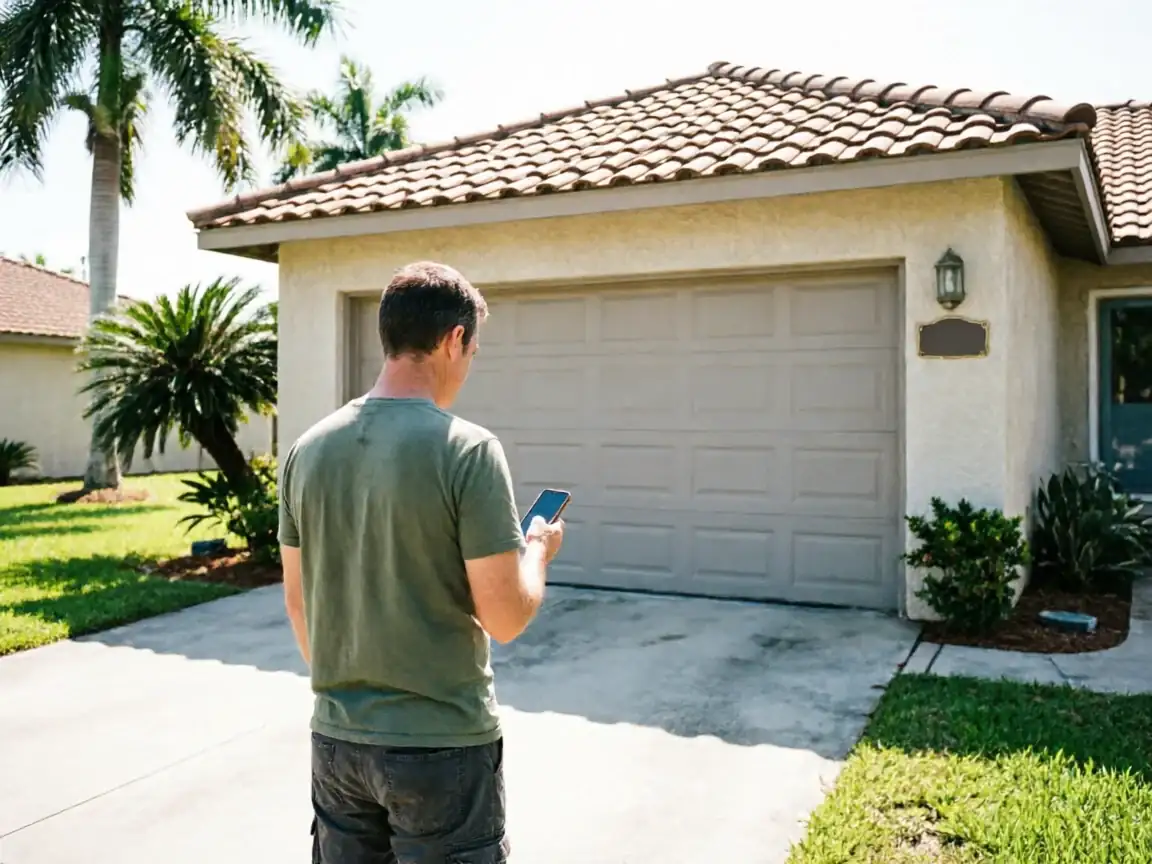
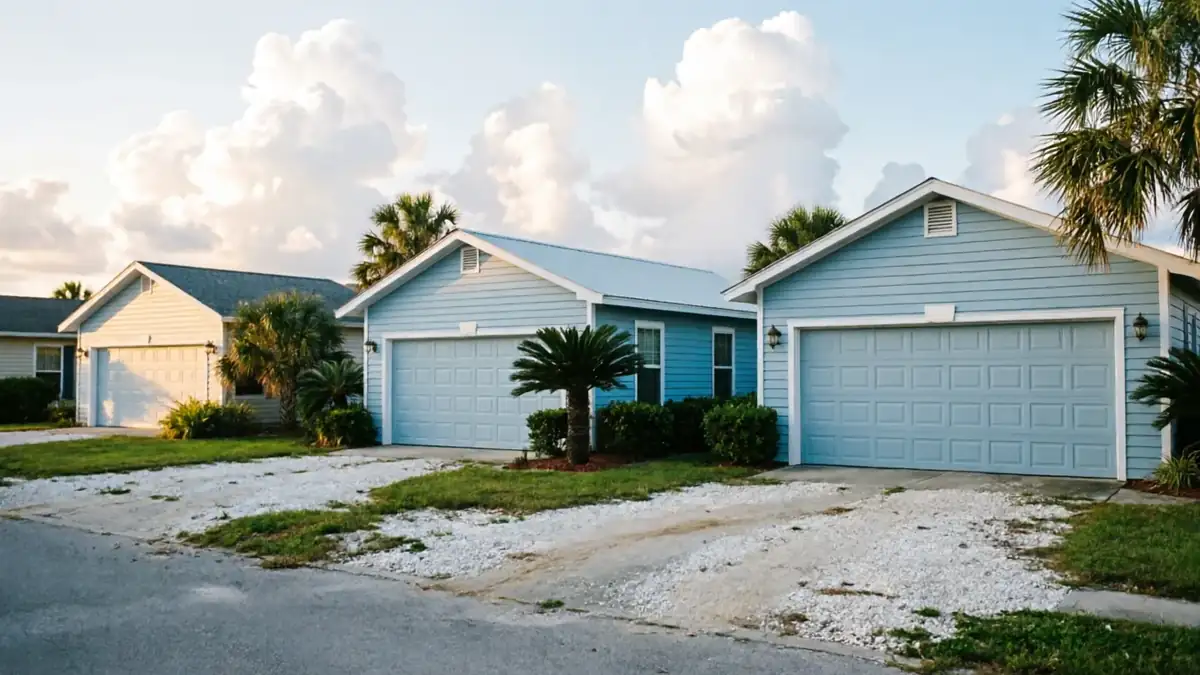
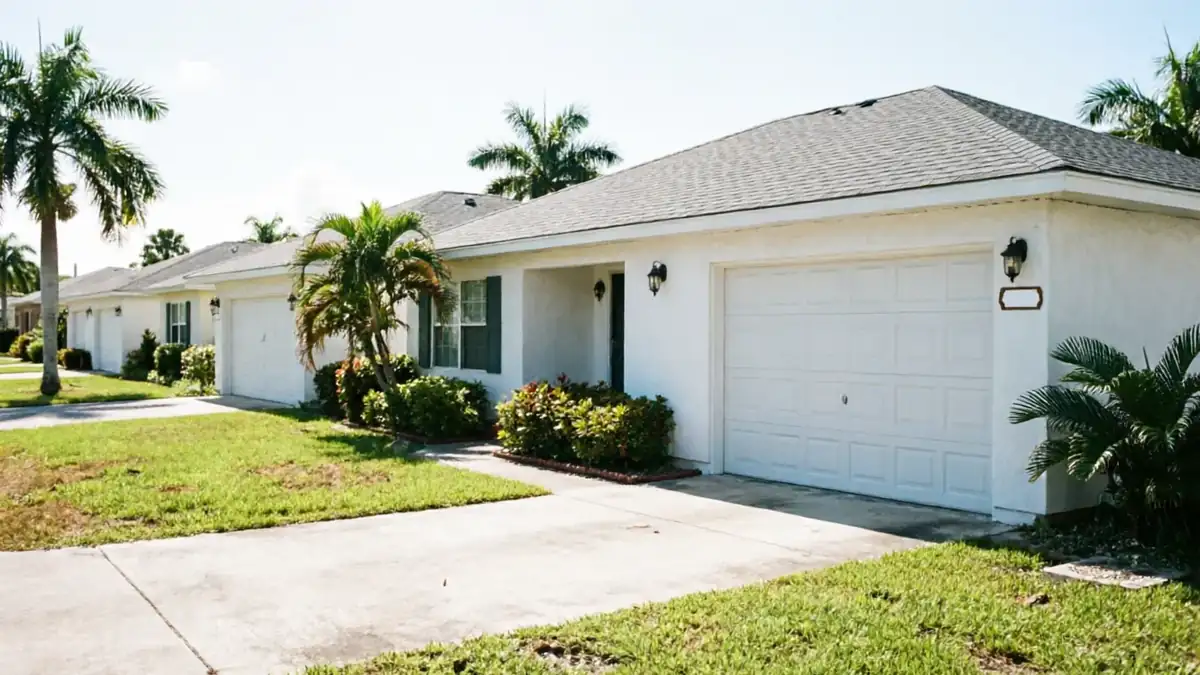
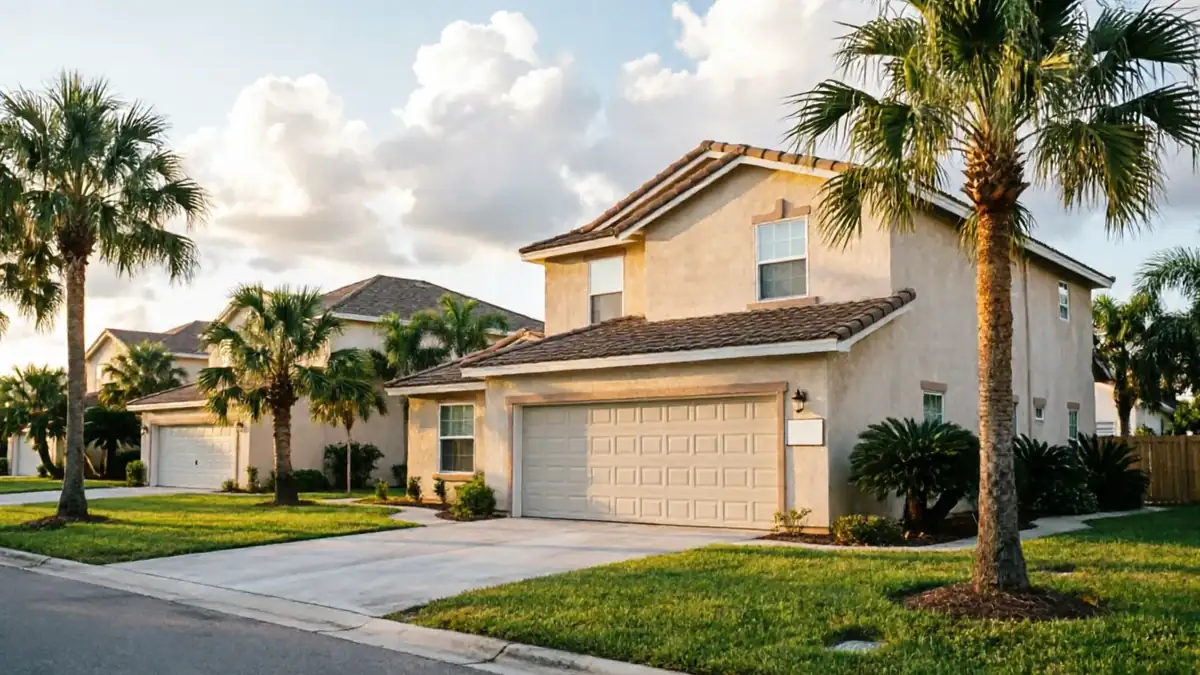
Trinity is one of the newer pockets we work in. The broader service area we cover runs from houses built in 1958 up through 2005, with a median year of 1979 - but Trinity itself sits right at that 2005 end of the range. That changes what we see when we pull into a driveway here.
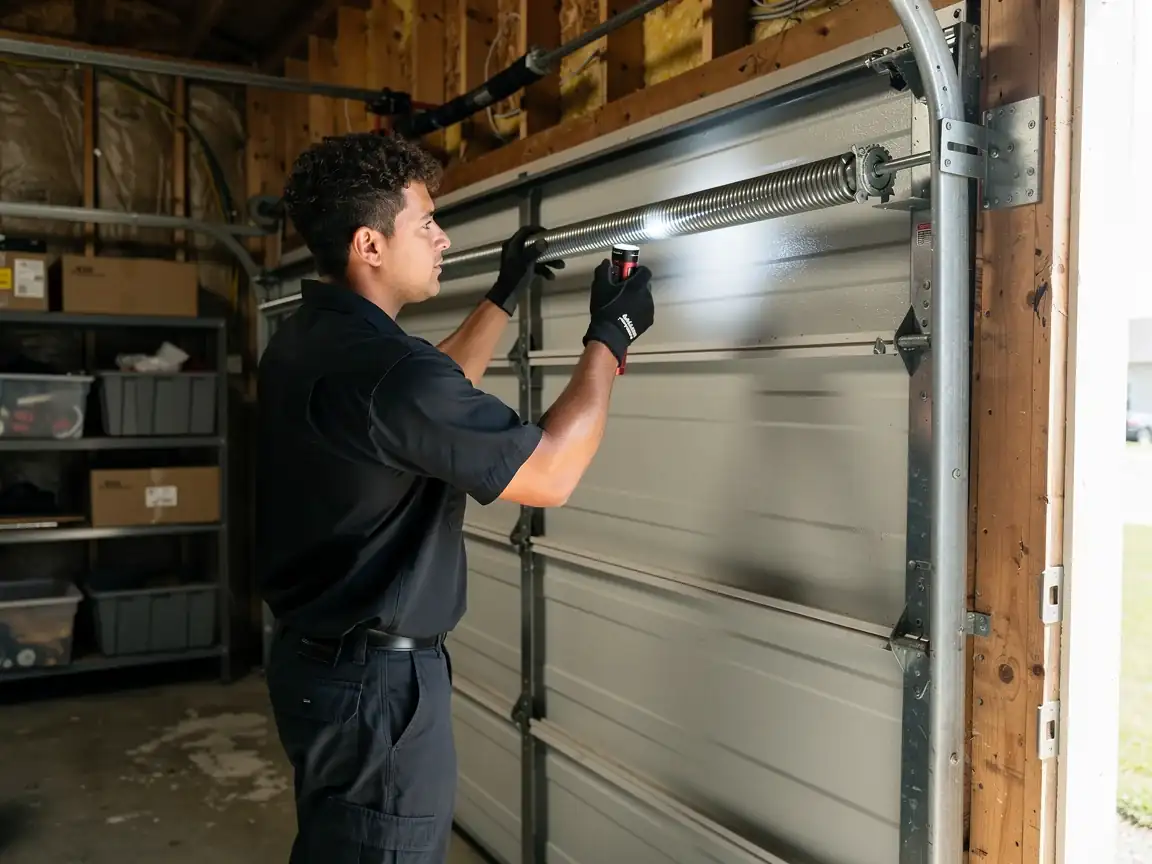
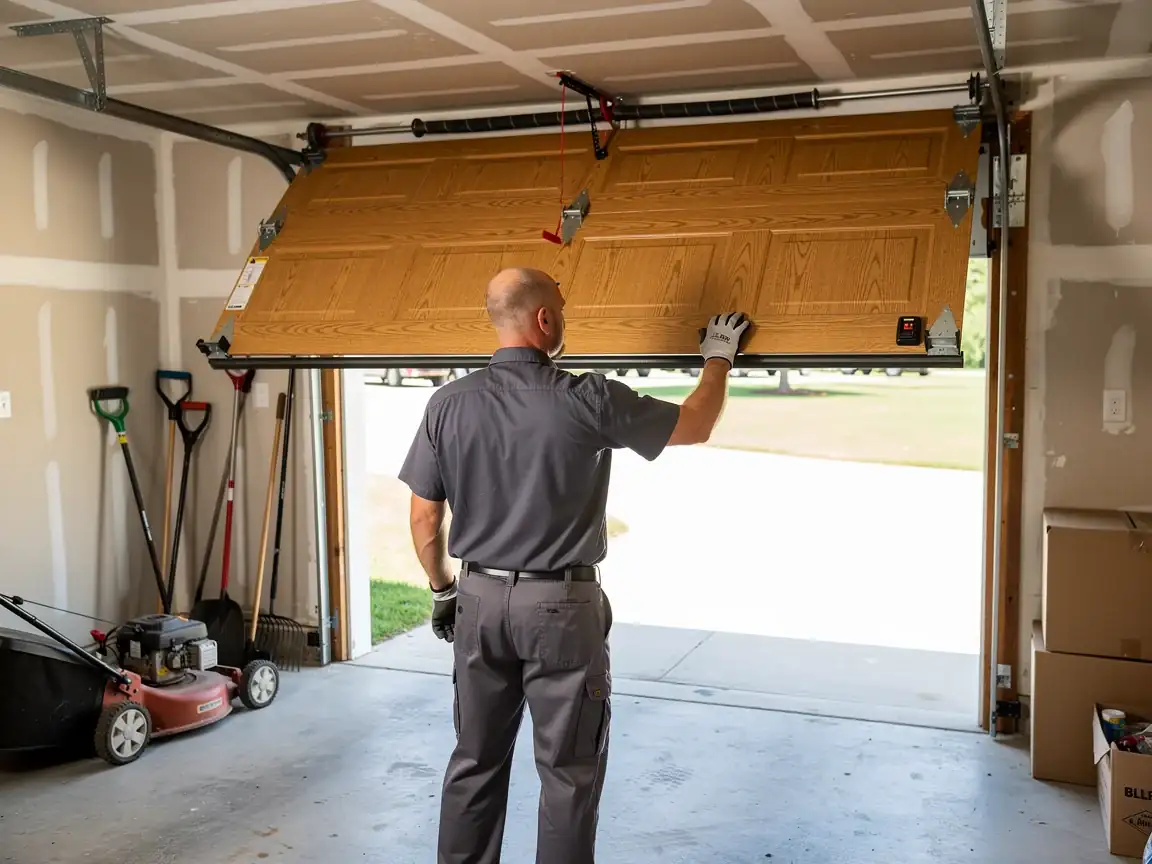
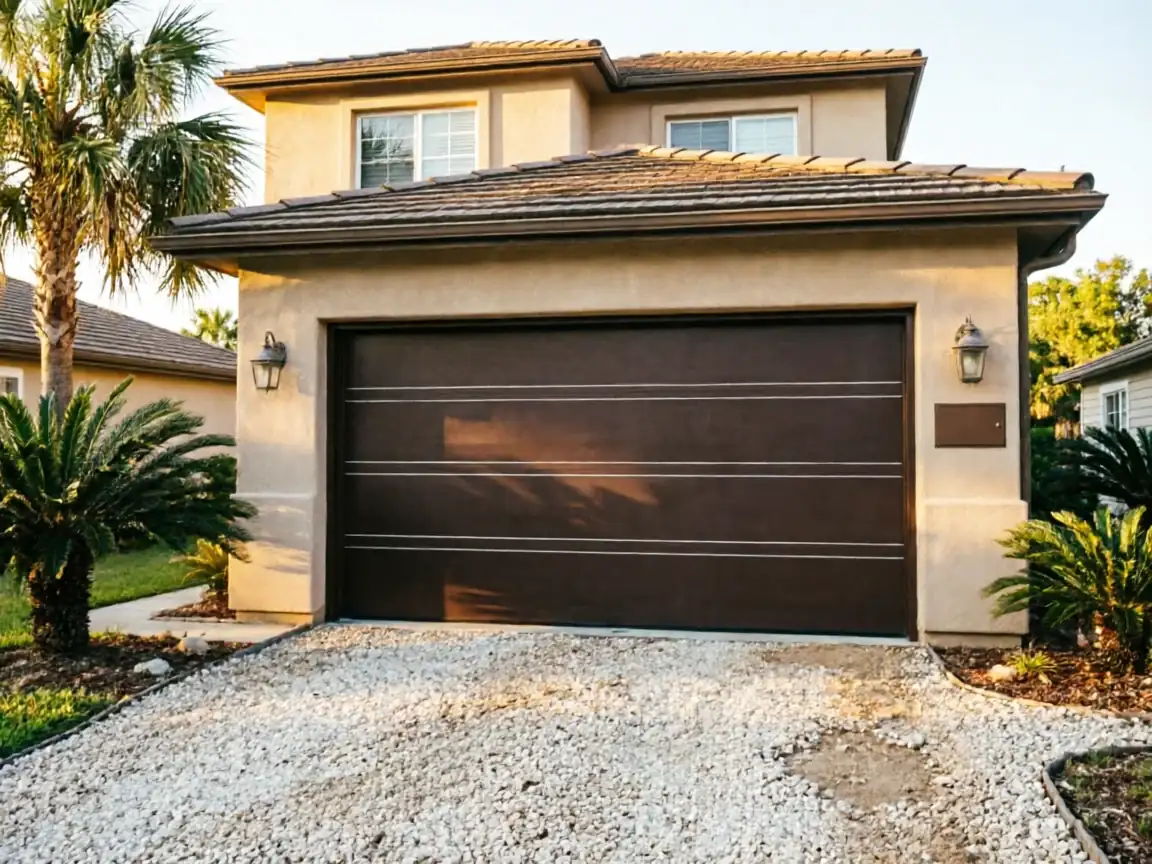
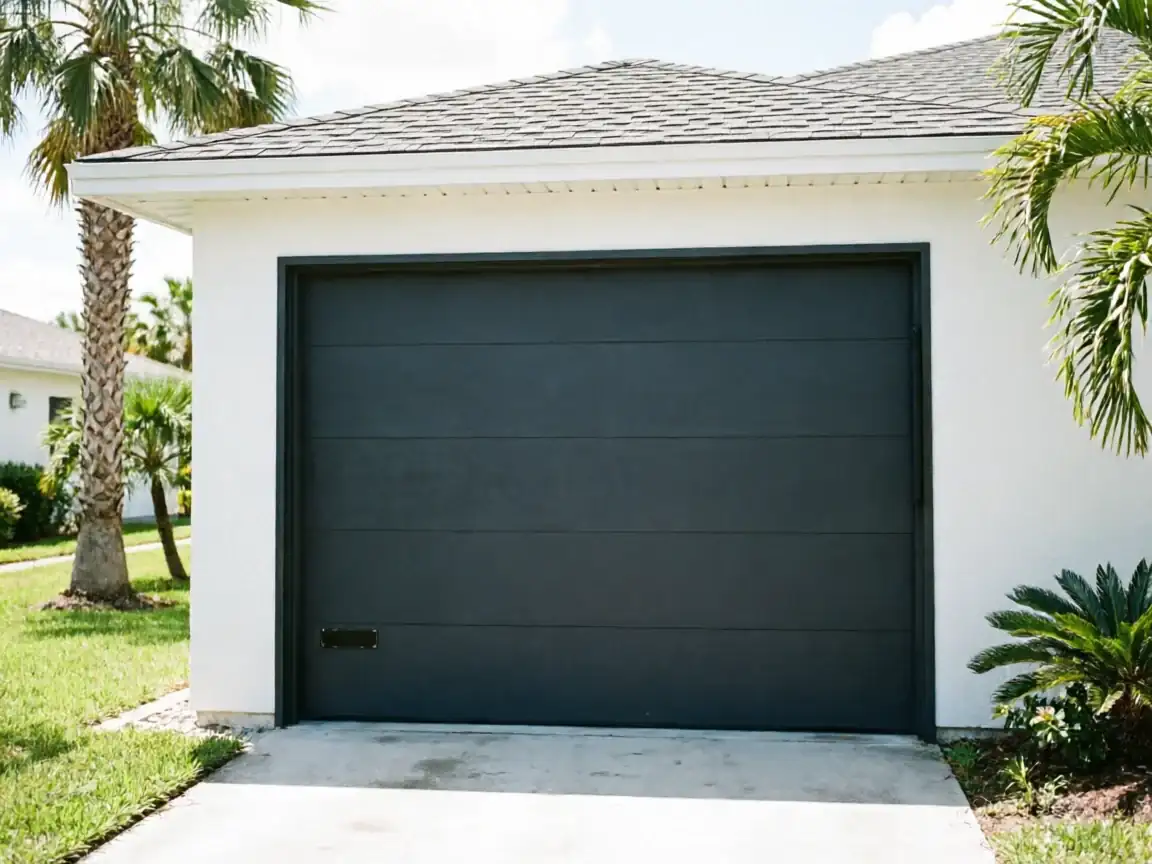
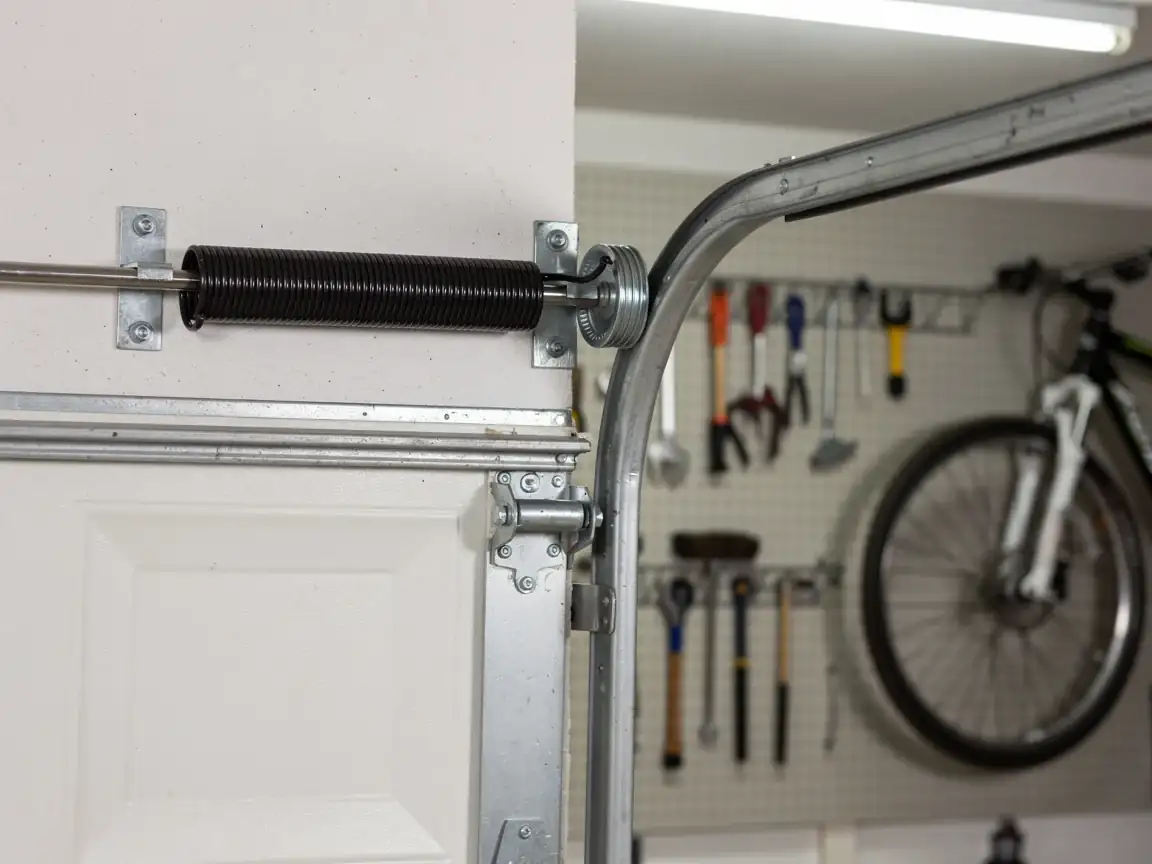
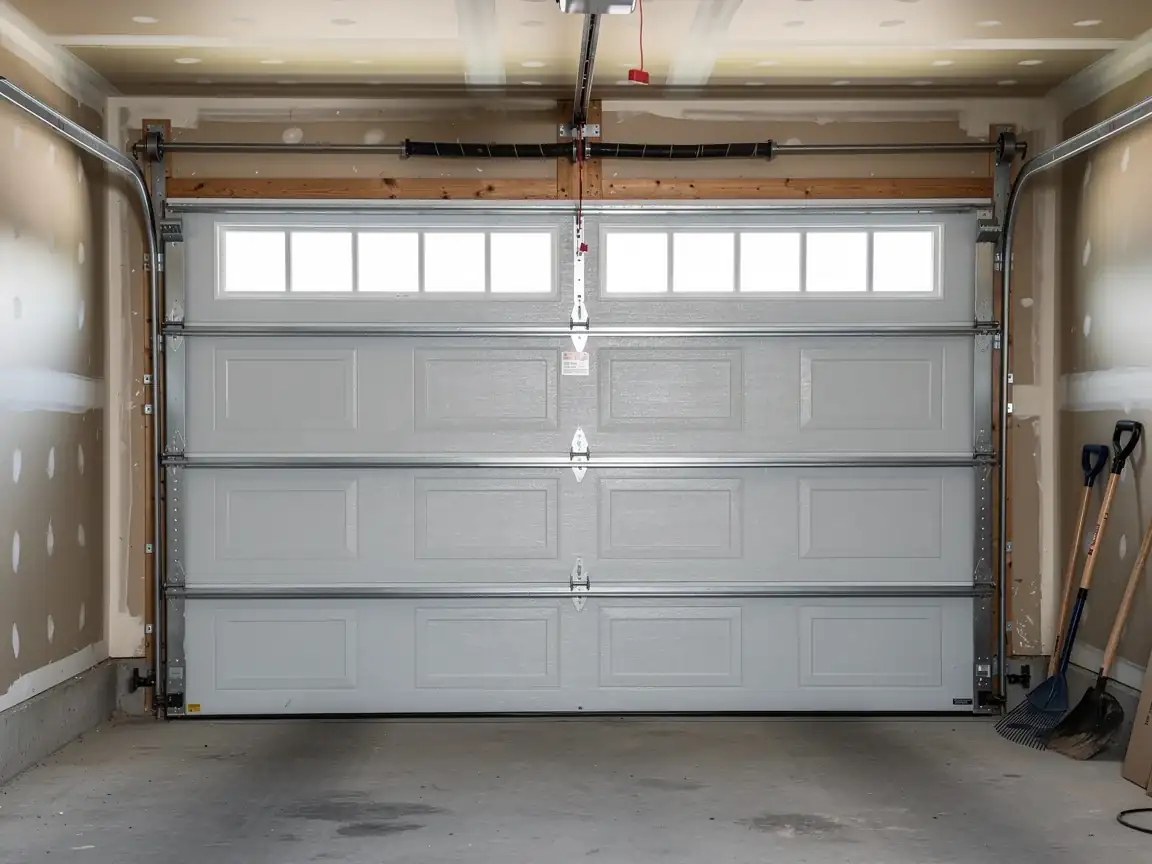
A house built around 2005 almost never has the old side-mounted torsion setup you find on a 1970s build. You're looking at a center-mounted torsion spring over the header, a steel or insulated composite panel door, and an opener that's likely a belt or chain-drive unit from a mainstream manufacturer rather than something obsolete. The failure points are different too. On a newer door the spring itself usually isn't the weak link for the first fifteen to twenty years - it's the opener's circuit board, the travel sensors, or a roller that was never a great one from the factory.
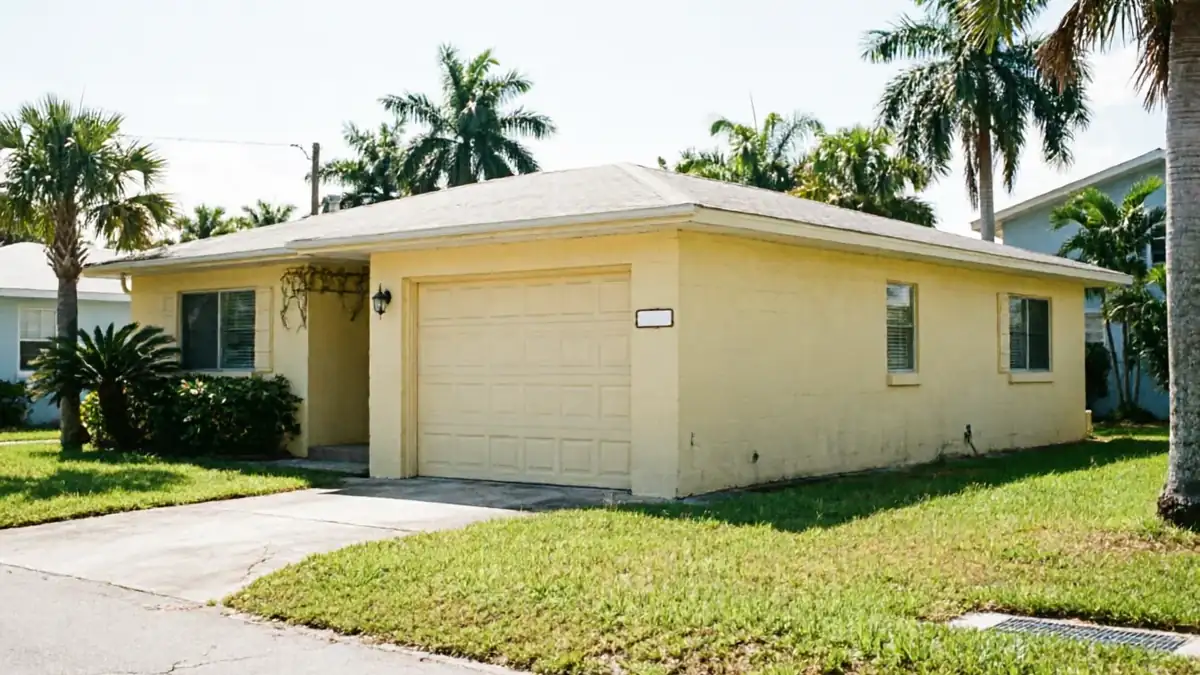
We're not guessing at this. The age of the building stock tells us what's likely behind the door before we open the truck. A 2005-era double door in Trinity and a 1970s single door six miles away in the older part of the service area are two different jobs, even if the symptom on the phone sounds the same - "door won't go up."
When We Can Get There
We run out of Dunedin, and Trinity is about 15 miles from our shop. We don't keep a depot or a crew stationed in Trinity, so every call here is a drive, not a walk-down-the-street job. That's worth saying plainly rather than promising something we can't back up with a fact.
What that drive means in practice: we schedule Trinity calls alongside other work on that side of the service area when we can, which keeps the trip efficient. It doesn't mean we treat Trinity as an afterthought - it means we're honest that we're not around the corner.
The mild temperate climate here doesn't push us toward emergency same-day promises the way a region with real winter would. Garage door failures in this climate are rarely weather-driven; they're almost always mechanical wear or an opener component giving out. That lets us plan the drive rather than treat every call as a scramble.
The Usual Work Here
On a neighborhood built mostly in the 2000s
The calls we get tend to cluster around openers rather than springs. Circuit boards fail, logic units stop talking to remotes, and safety sensors drift out of alignment after years of lawn equipment bumping them. We also see rollers that were plastic from the factory and are just worn out after two decades of daily cycles - that's a wear item, not a defect, and swapping them out is usually a straightforward job.
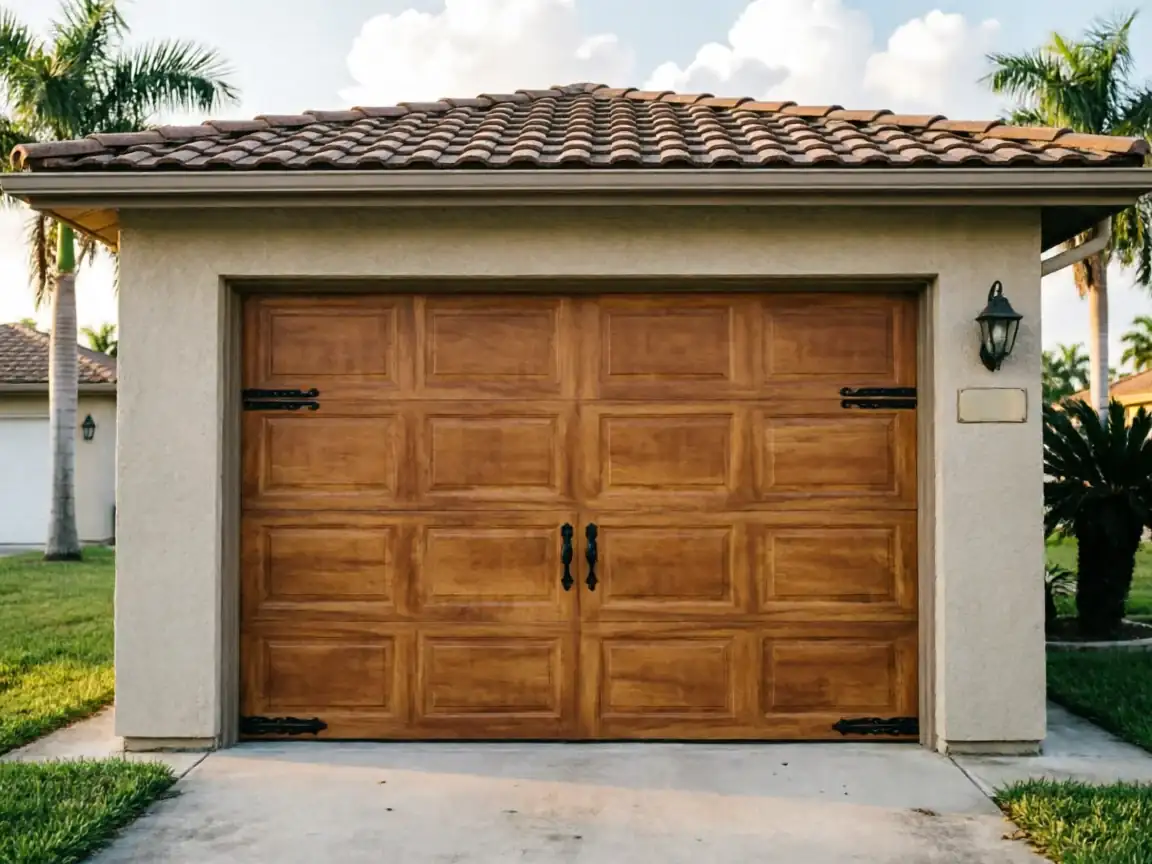
Steel panel doors from this era can dent
And insulated composite doors can delaminate at a corner if water's been getting behind the skin for a while. Neither is catastrophic, but neither fixes itself.
One honest limit: if a 2005-era opener's control board is dead and the unit is an older model
Parts availability isn't guaranteed. Sometimes the right call is a new opener rather than hunting for a board that's been discontinued. We'll tell you which is the better move before we quote it, not after.
The Houses Here
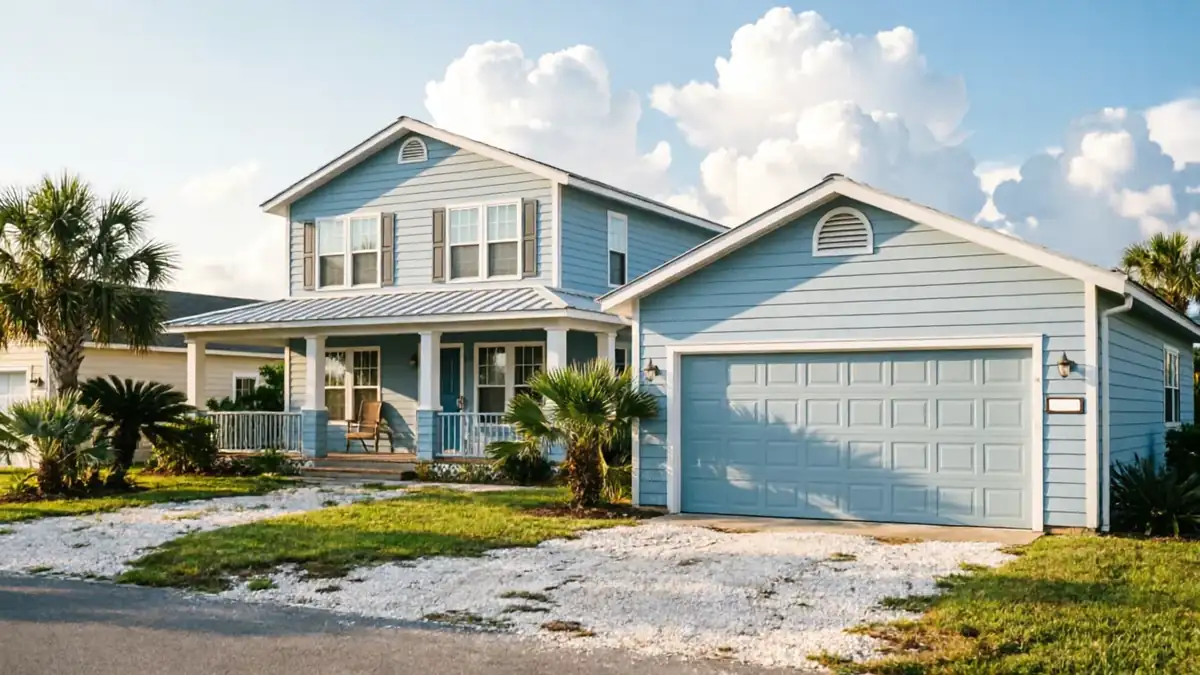
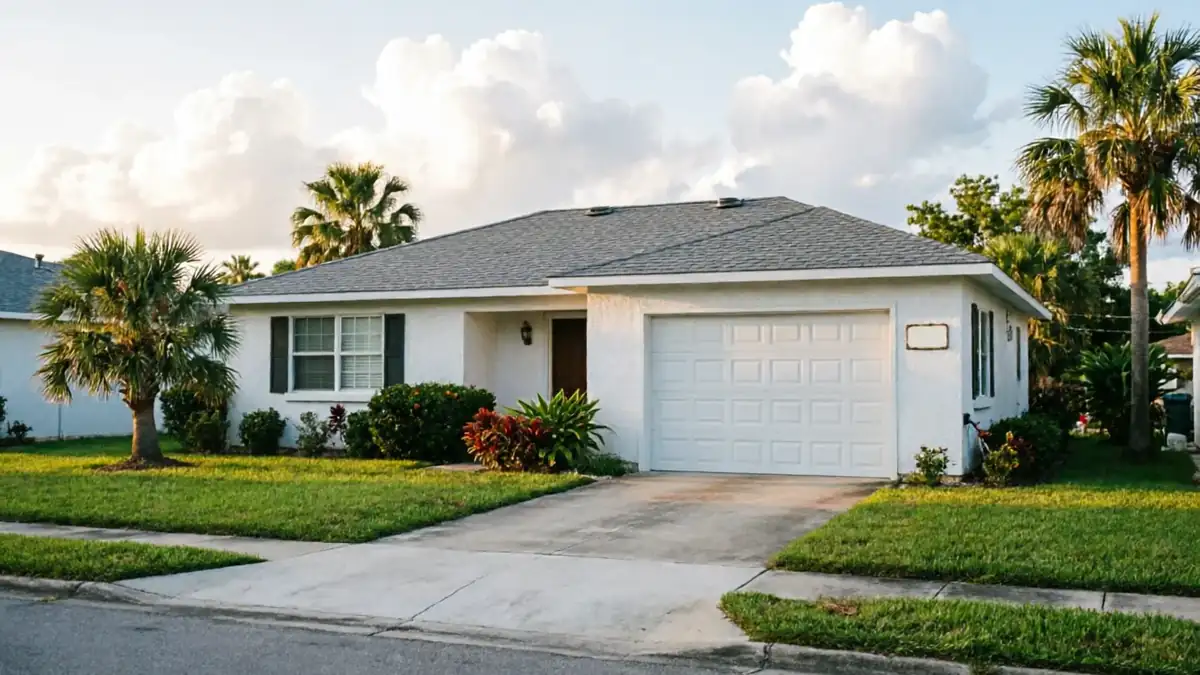
With 6,934 households in Trinity and a median household income of $113,125, this is a newer-build, higher-income corner of the service area compared to the broader footprint, where the median household income across 67,618 owner-occupied houses sits at $84,220. That income gap tends to show up in the doors themselves - more insulated steel and composite panel doors, fewer bare single-skin originals, and openers with battery backup or smart-home features rather than a bare chain drive.
It also means homeowners here are often replacing a door or opener because they want an upgrade, not because the old one is falling apart. That's a different conversation than we have in the older sections of the service area, where a 1970s door is frequently past the point where repair makes sense.
We don't inflate that conversation into something it isn't. A 2005 door with a failing sensor doesn't need a new door. We fix what needs fixing and say so when it doesn't.