The Cost of This Job
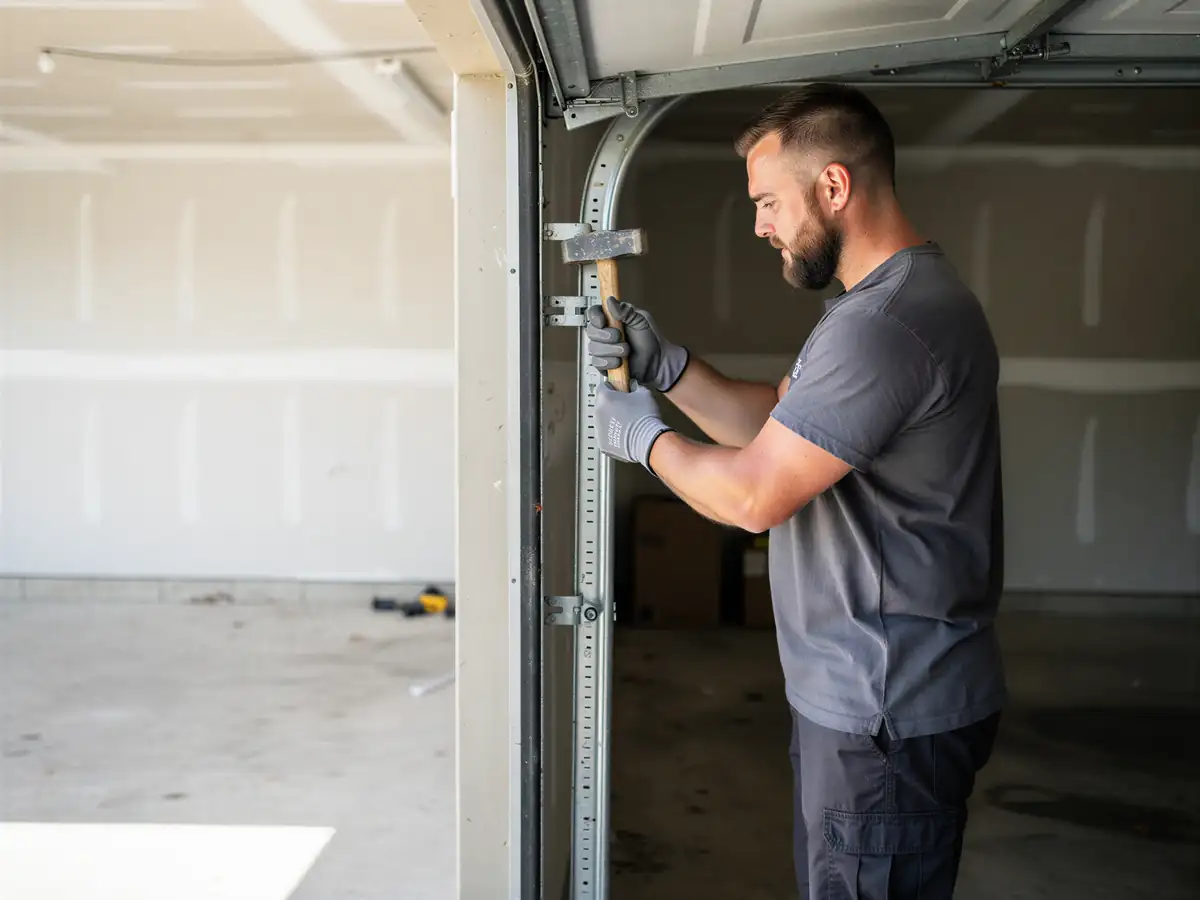
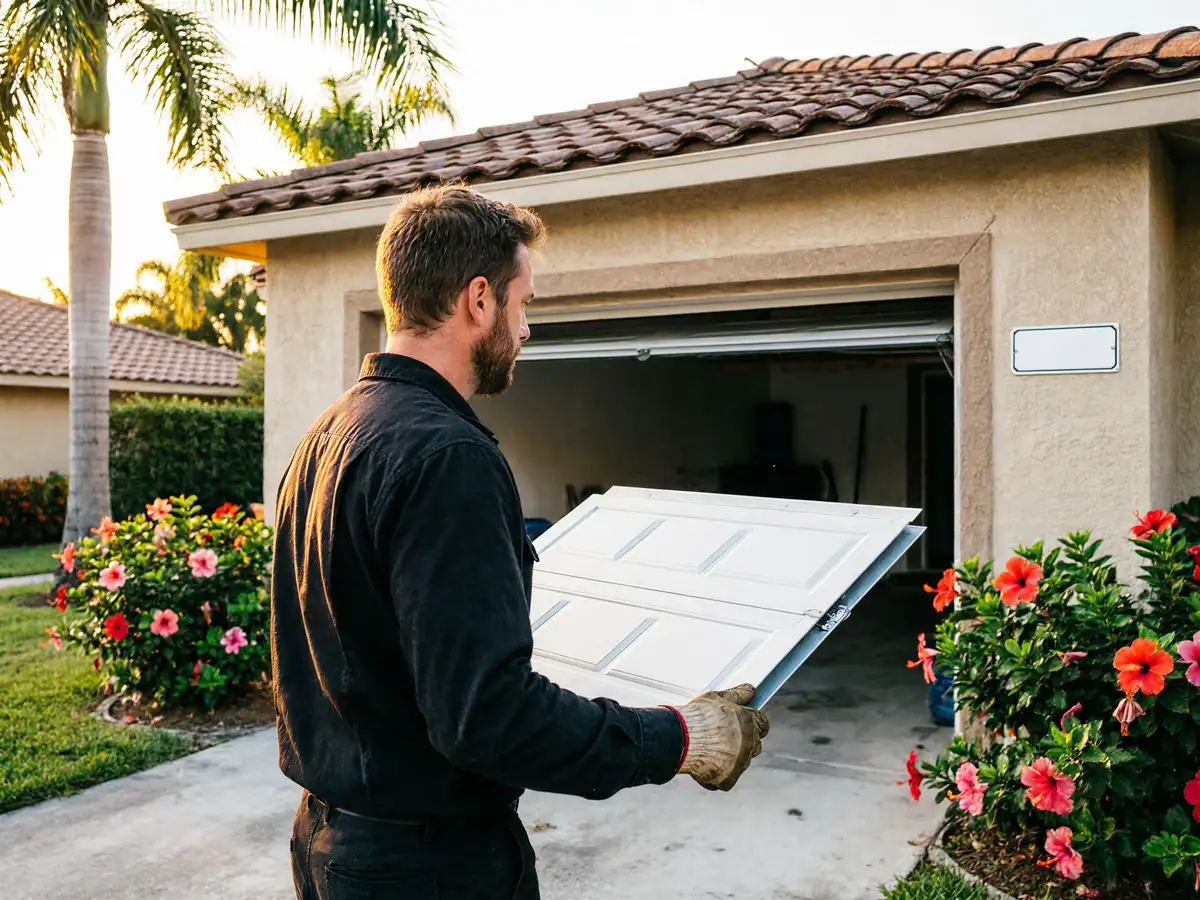
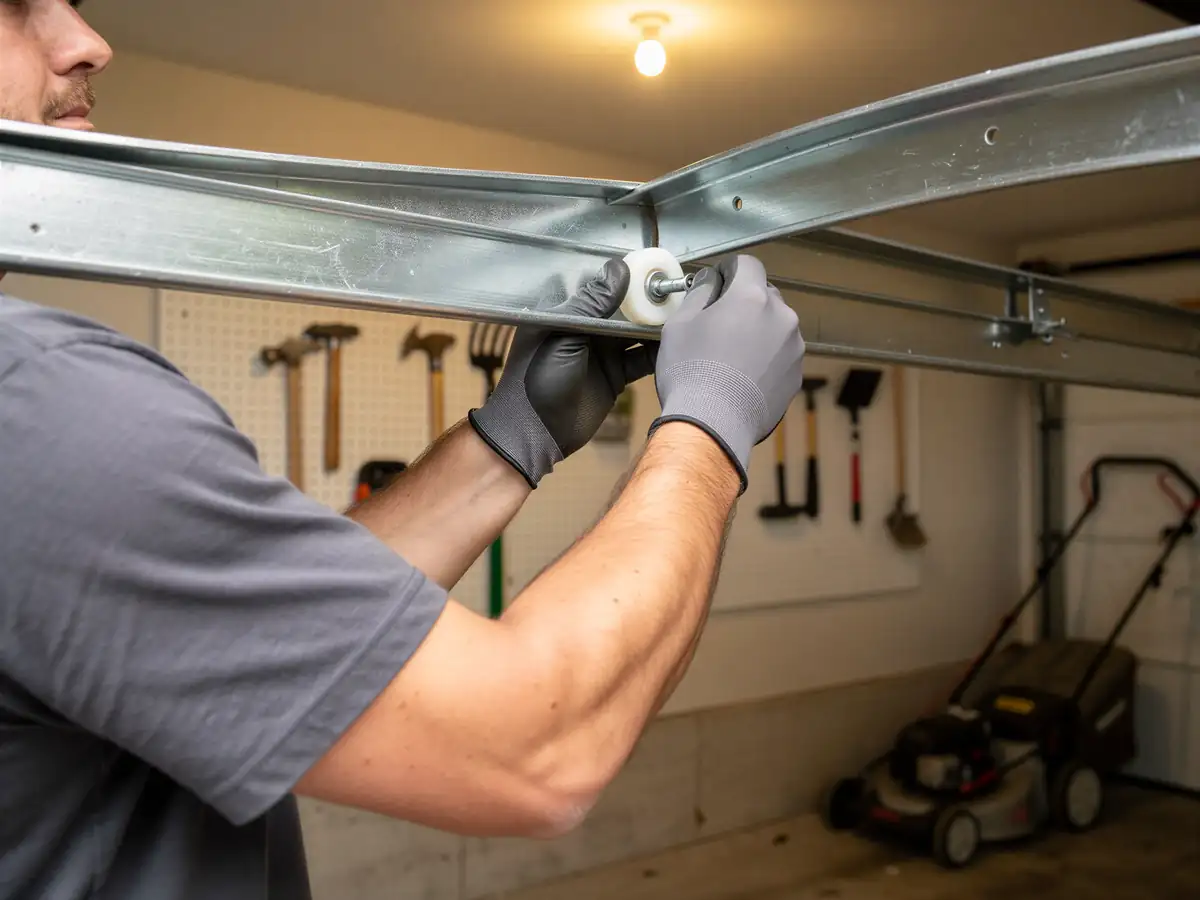
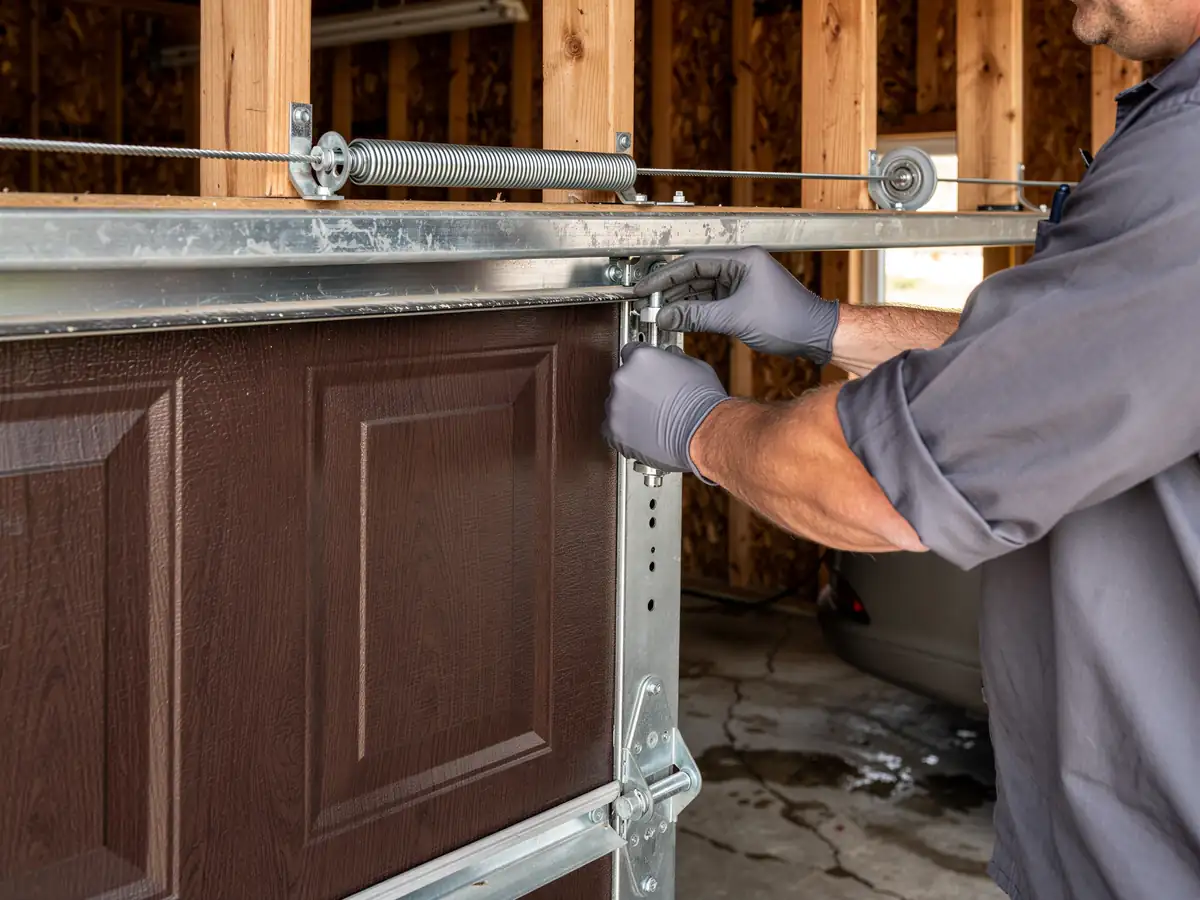
We can't give you a number over the phone before we've seen the door, and we won't pretend otherwise. What drives the cost on an older door isn't the door itself - it's what's behind it. A torsion spring swap on a door built when the house went up is a different job than replacing hardware that's been swapped out twice already by someone else. If your house is part of the 1958-2005 build range common across this area, with a lot of stock dating to the late 1970s, the original rollers, cables, and drums are often long past serviceable, even if the panel itself still looks fine. We'll tell you straight if a repair is throwing good money at a door that's going to need the same call again in a year. Sometimes the honest answer is that a $200 fix now buys you two more years, and a full replacement buys you fifteen. We'd rather you know that going in than find out after we've already opened the truck.
What Is Going On
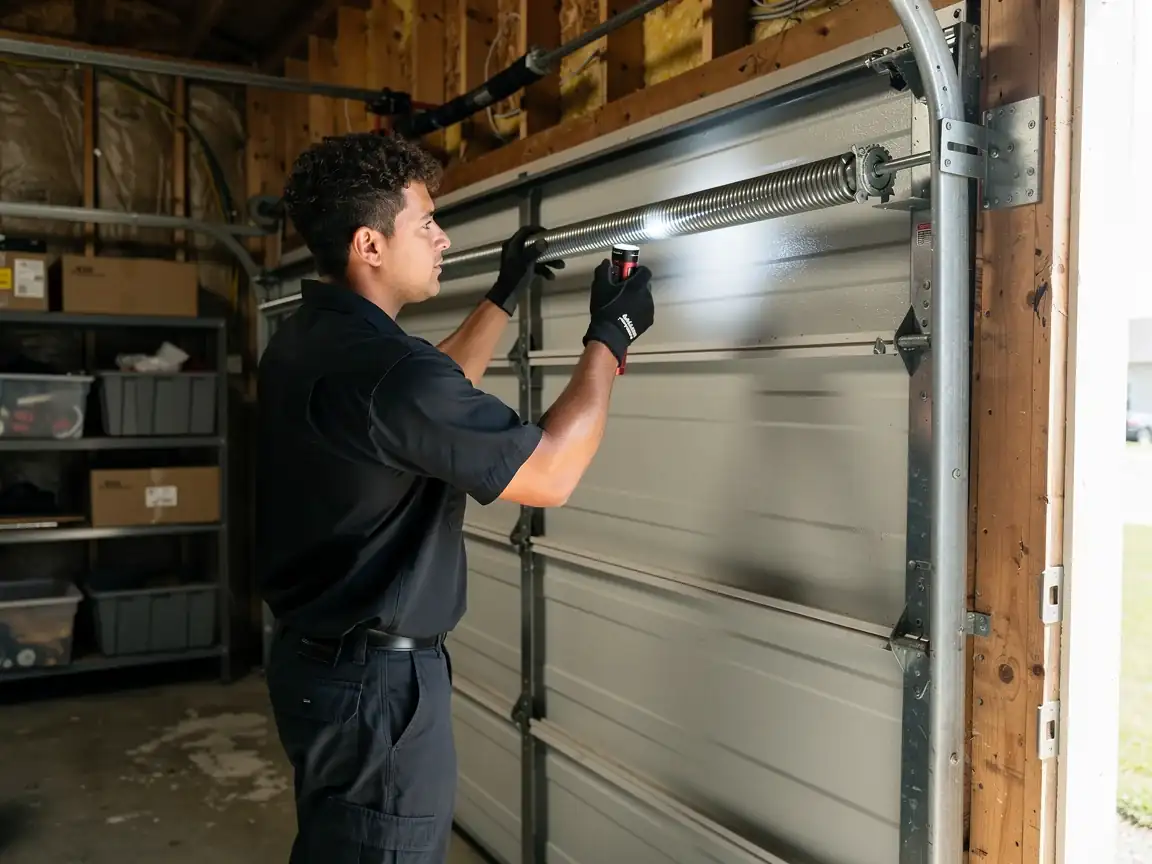
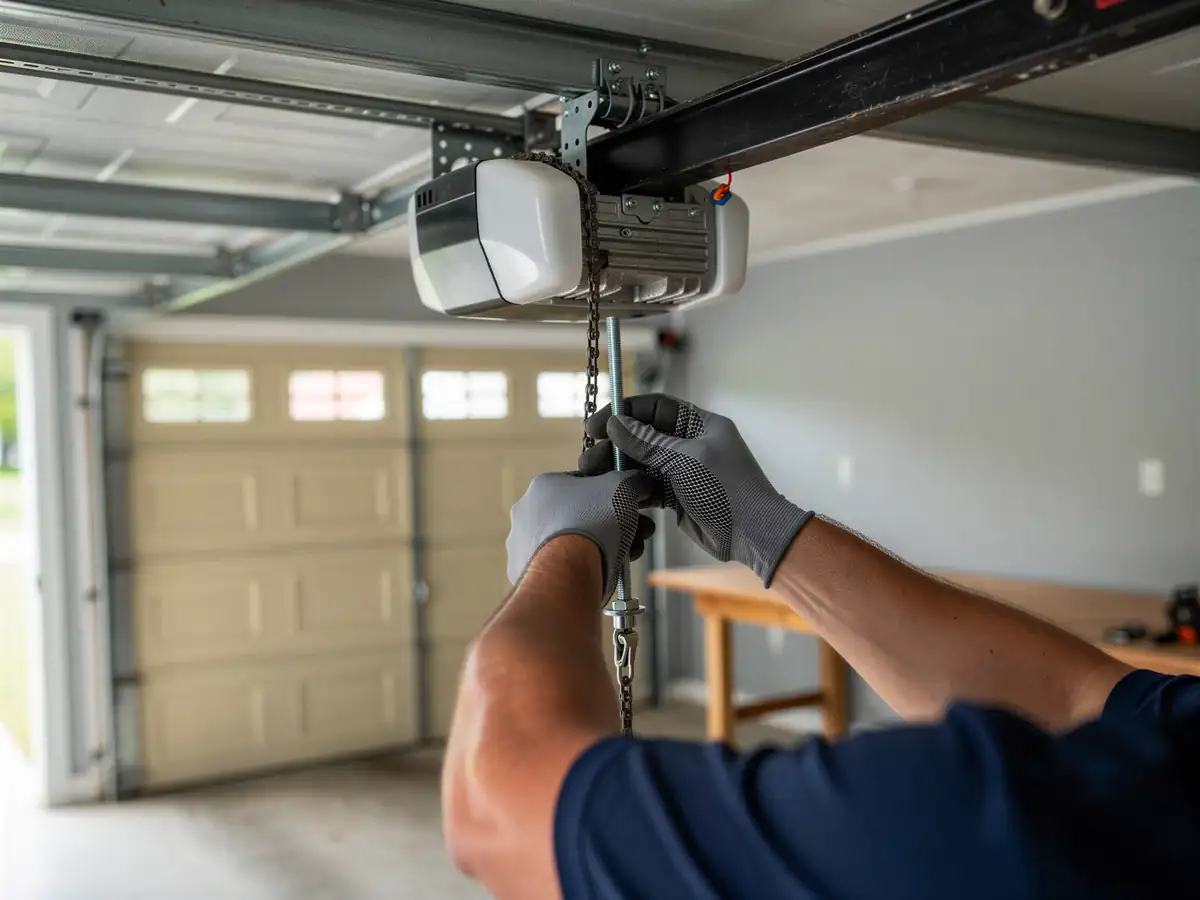
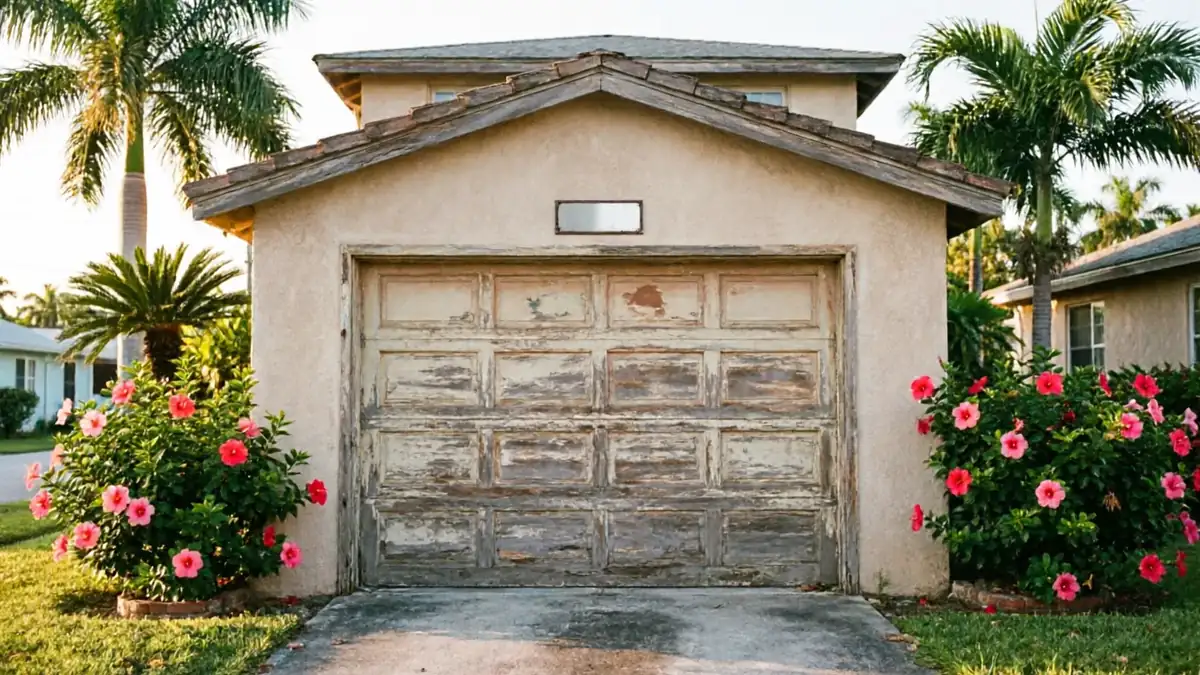
Dunedin and the surrounding area span a mix of housing built mostly between 1958 and 2005, with the median closer to 1979 and a lot of neighborhoods still running original 1960s and 70s stock. That matters here because a door from that era was built to a spec nobody uses anymore - single-layer steel or wood panels, lighter-gauge track, and springs sized for hardware that's since been replaced twice over in most newer builds. When we get called to one of those original installs, the panel is often the least of the problem. The torsion spring has usually outlived its wind count, the drums show wear you can't see from the driveway, and the opener - if it's been swapped once already - doesn't match the door's original weight. None of that means the door is junk. It means the fix has to match the actual age of what's behind the panel, not just what's wrong today.
How Local Conditions Play In
placeholder