Why It Happens Here
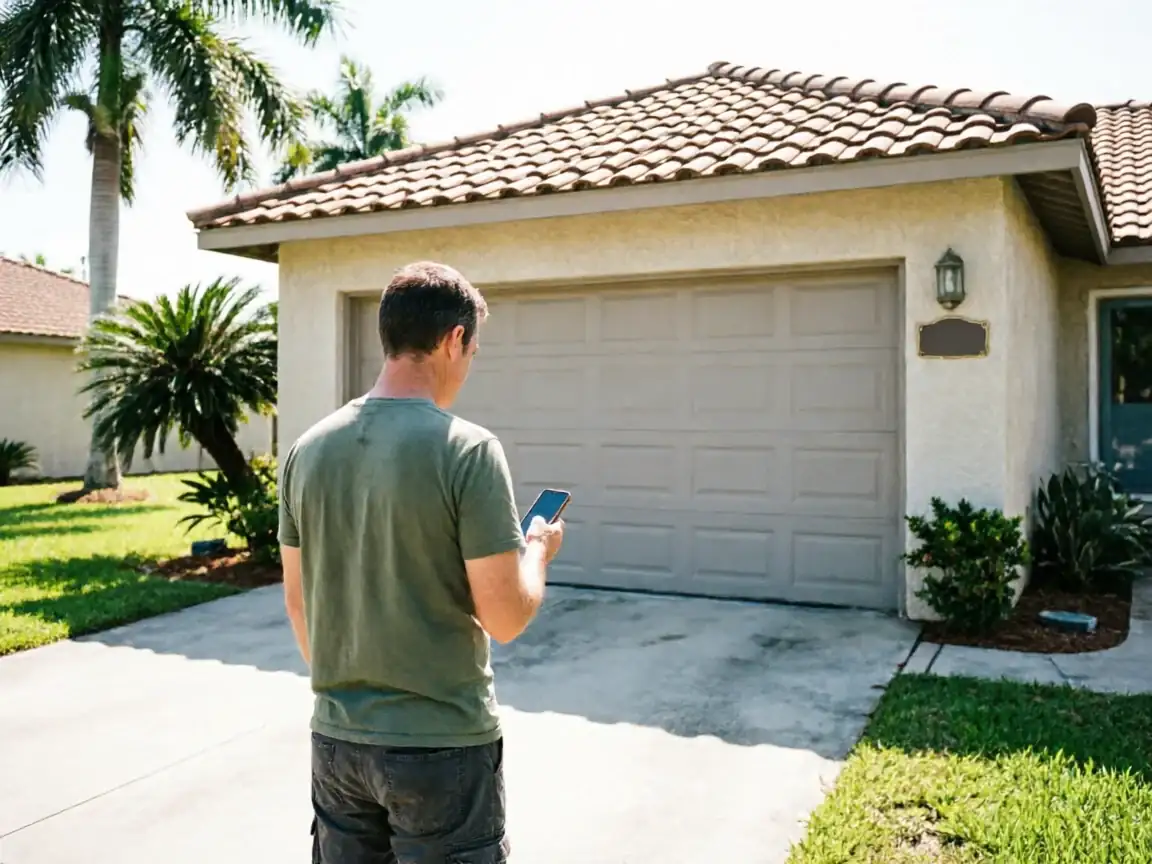
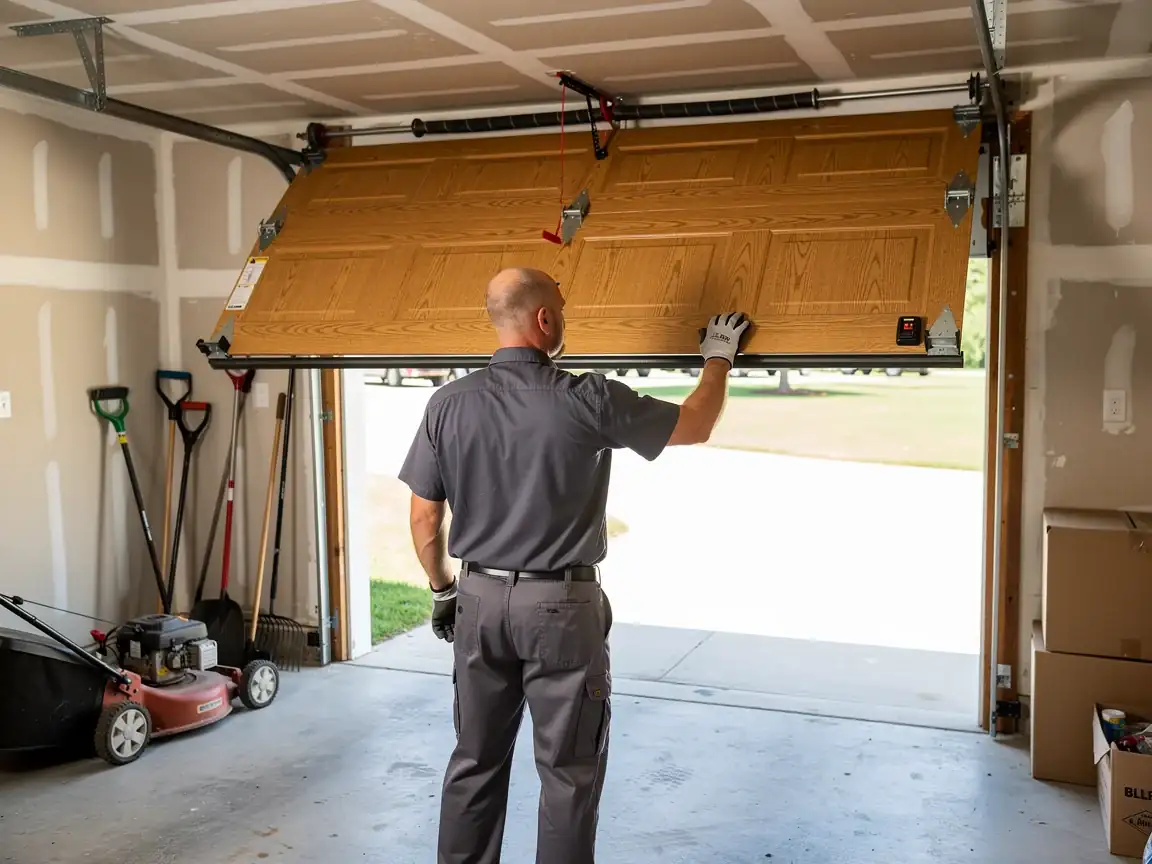
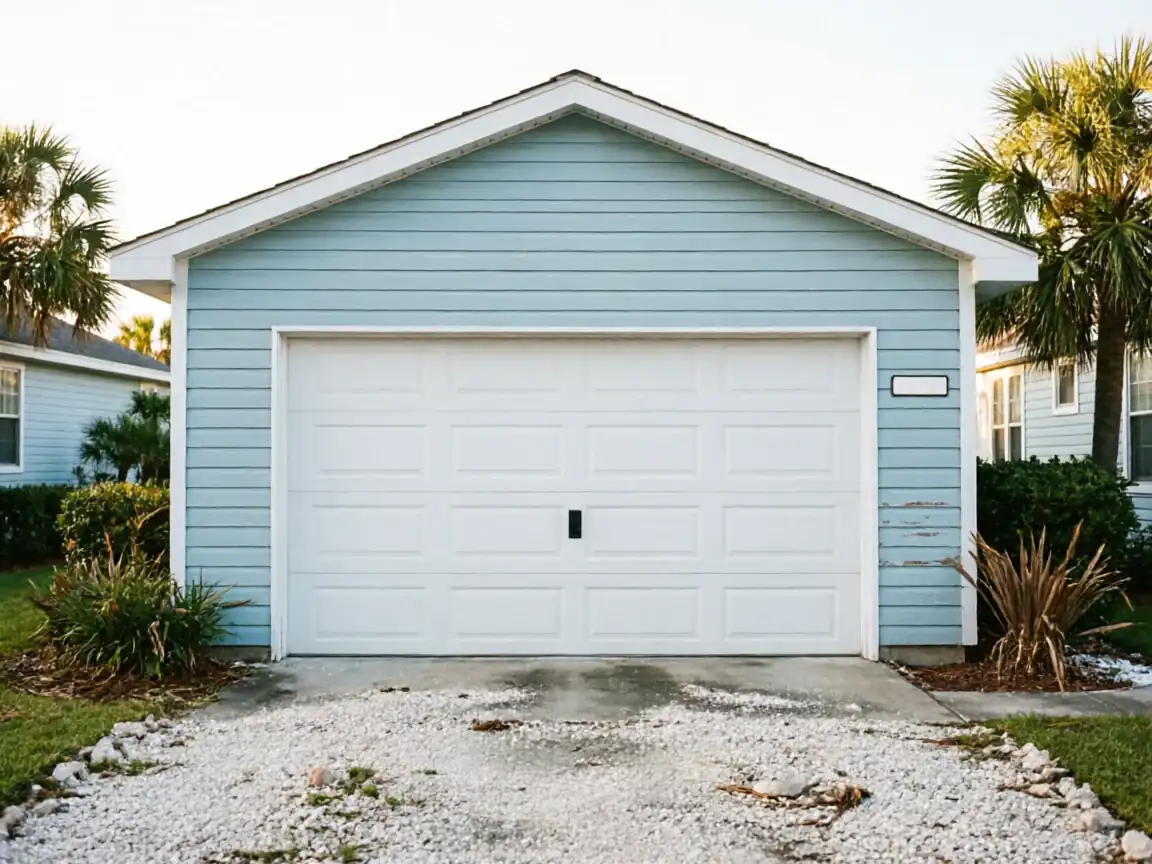
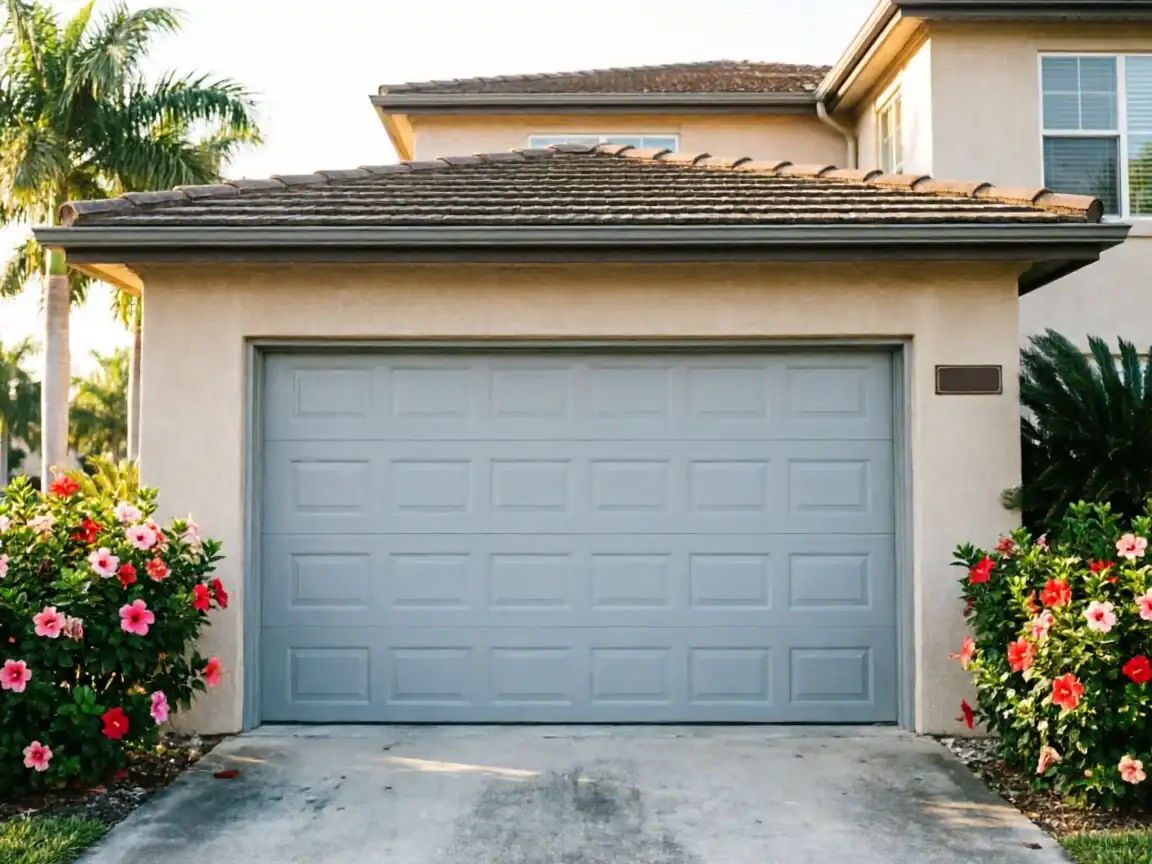
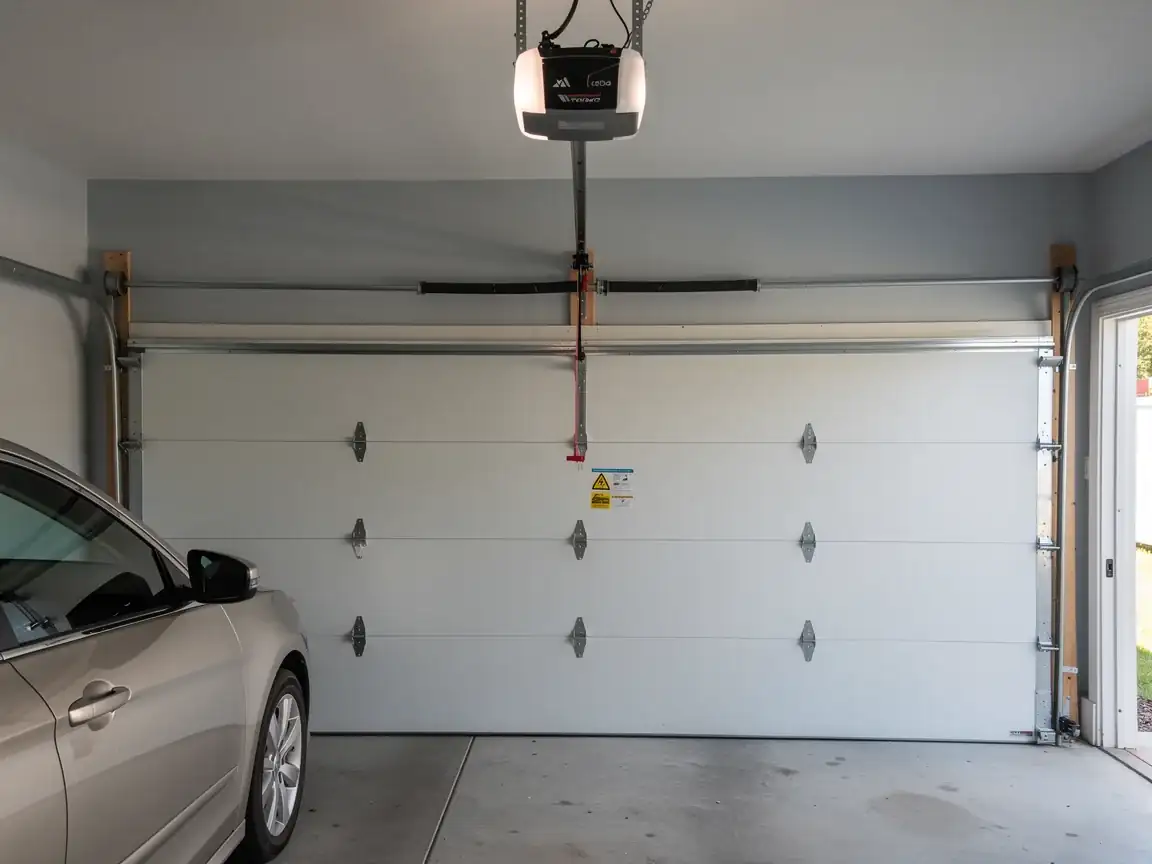
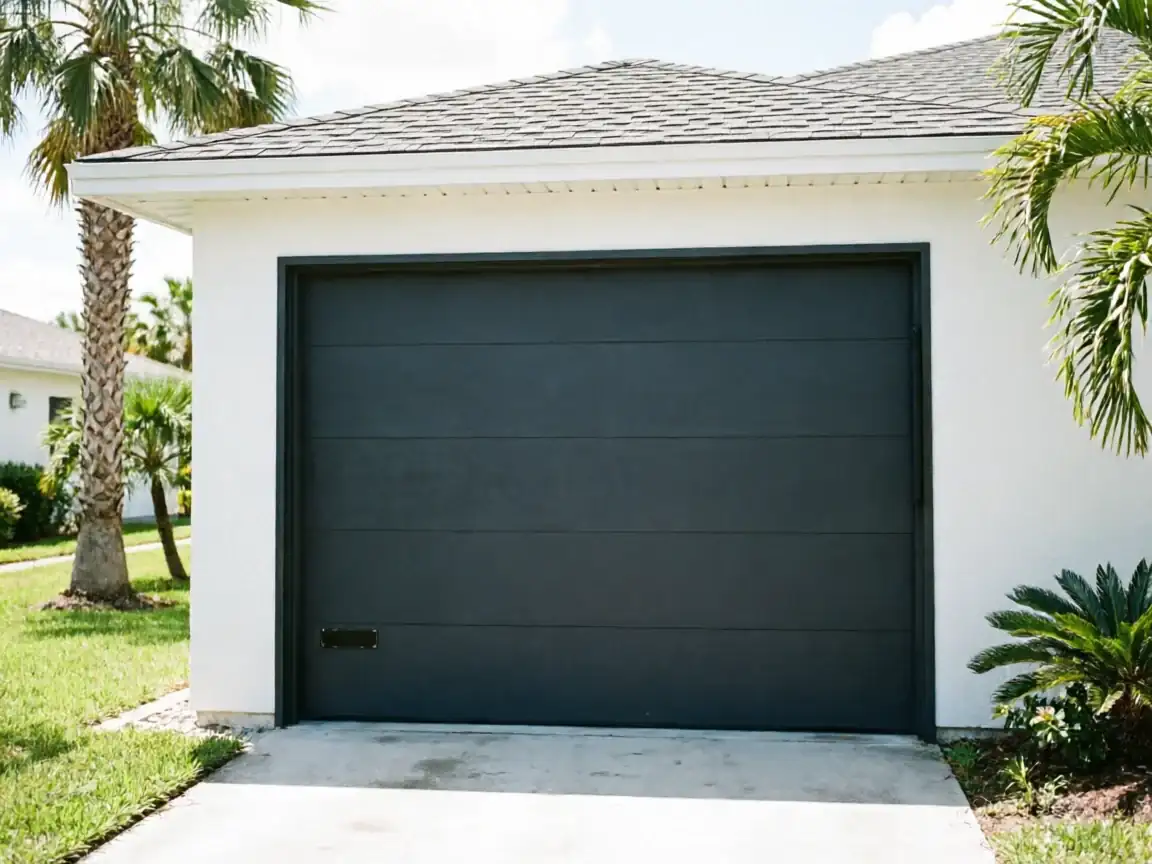
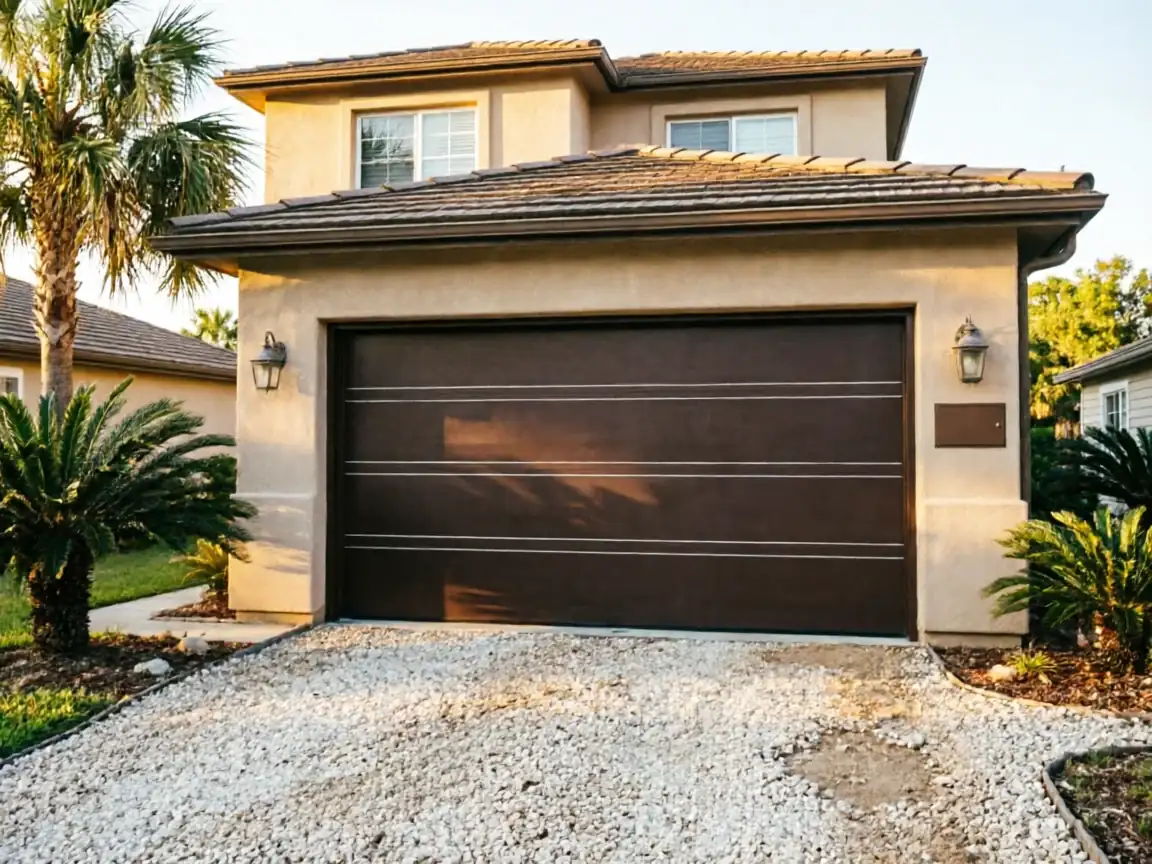
Trinity's housing stock centers on a median build year of 2005, which puts this suburb at the newer end of what we see across the wider service area. That matters for panel work in a specific way: almost nothing here has been swapped out yet. The doors that went up with these houses are, in most cases, still the doors on the house today - same panels, same factory finish, same roller and hinge hardware from the original install. A door that age hasn't earned a full replacement in most owners' eyes, but the panels have taken twenty years of Florida sun and the kind of daily opening and closing that wears thin-gauge steel faster than people expect. Builder-grade doors from that era were specified to a price point, not to last forever, and the skin gauge on a lot of them is noticeably thinner than what goes into a door today. So the fault you're looking at usually isn't the whole door failing - it's one or two panels on a door that's otherwise sound, which is exactly the job panel replacement is built for.
Getting It Booked In
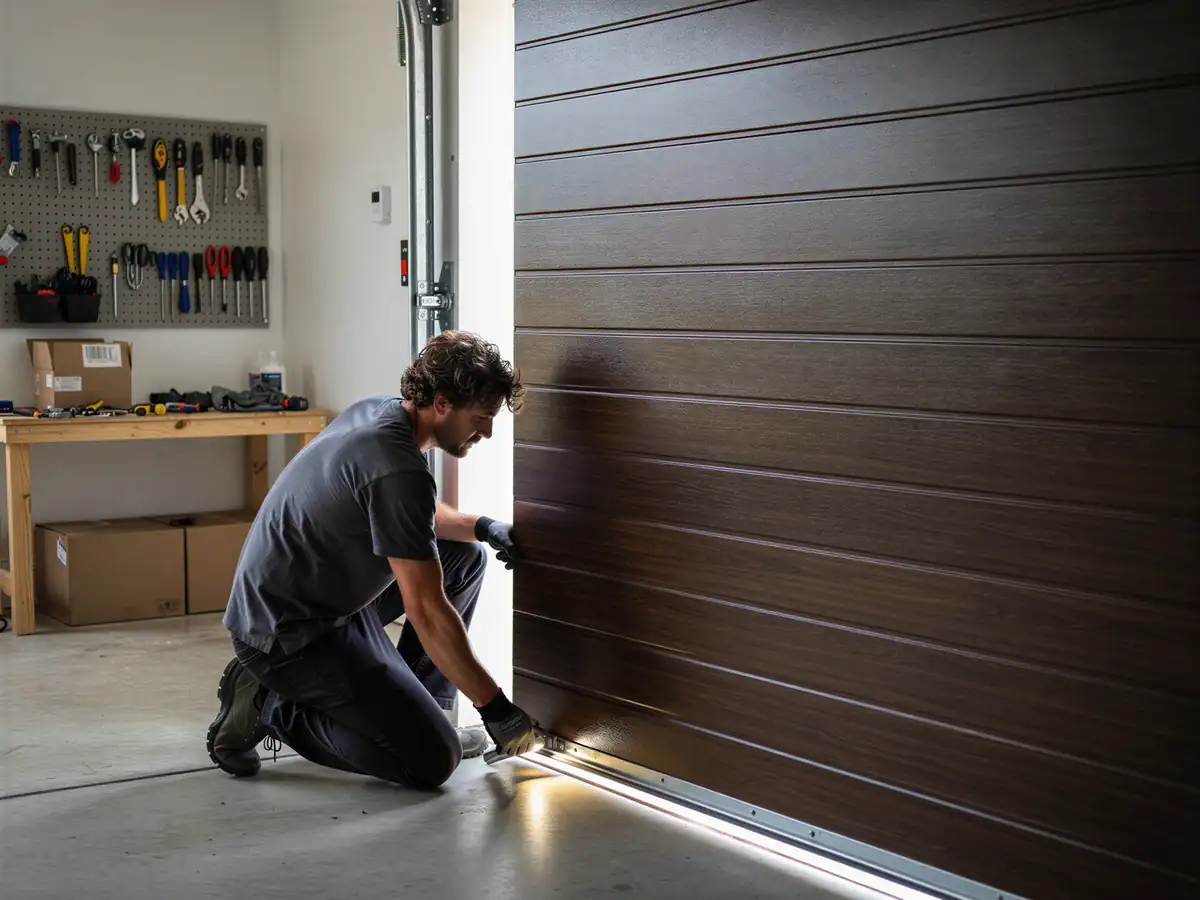
We run this job out of Dunedin, about 15 miles from Trinity, so there's no local branch to swing by and no walk-in counter here. Booking works the same way it does for the rest of the service area: a call to confirm which panel section is damaged, rough dimensions, and the door's manufacturer if you can find it on the inside rail or end stile. Because panel sourcing on a 2005-built door often means tracking down a line that may be out of production, we'd rather confirm those details before the truck heads out than guess and show up with the wrong stock. If your door is one of the more common builder lines from that era, we can usually move faster. If it's an unusual profile, expect the first visit to be about measuring and matching rather than swapping the panel same-day.
What Can Go Wrong
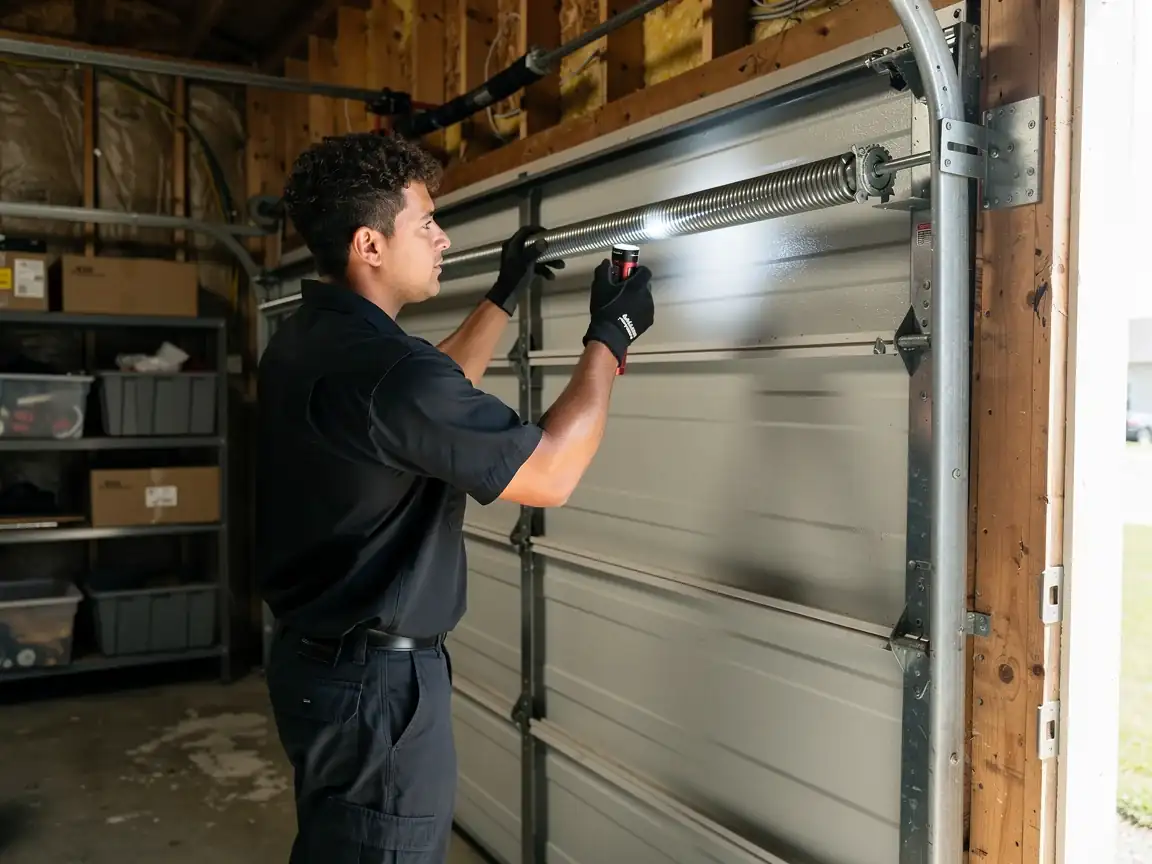
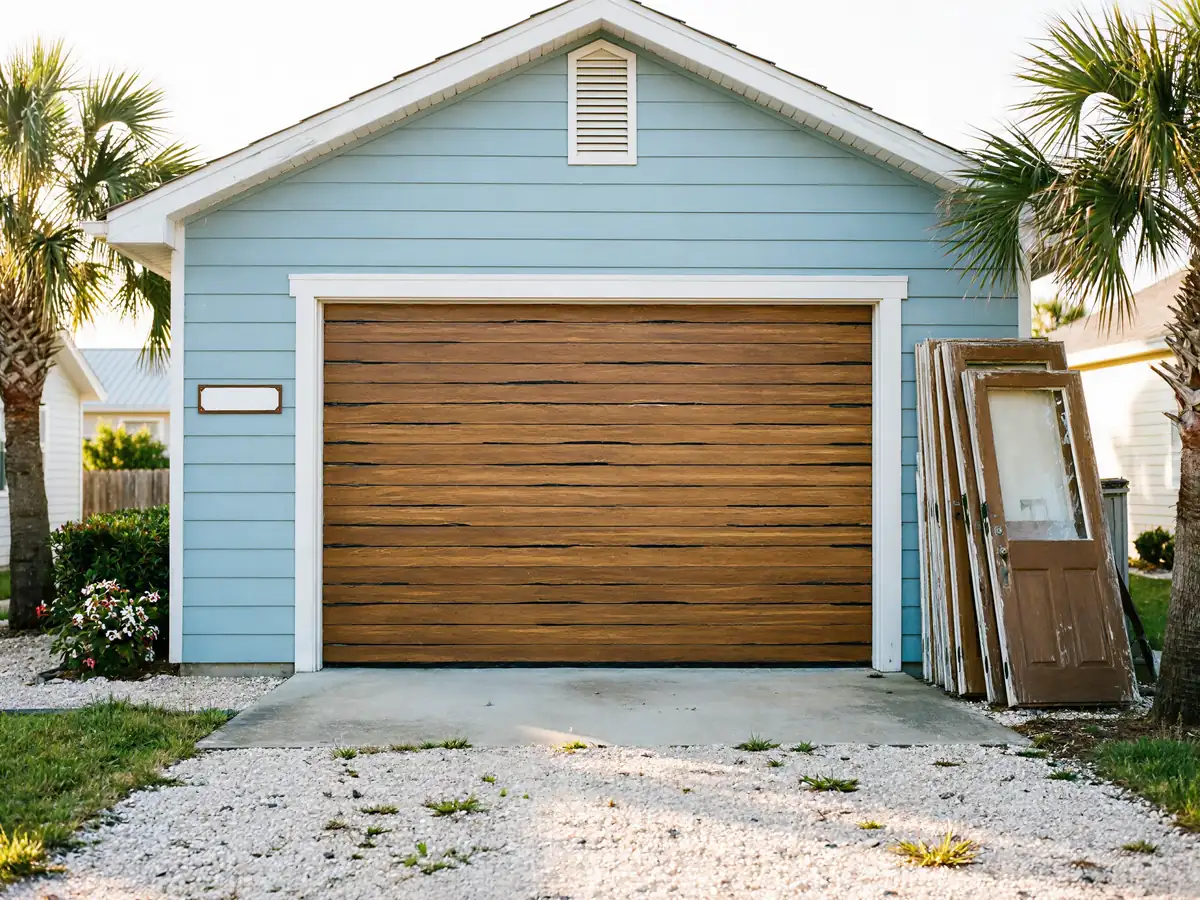
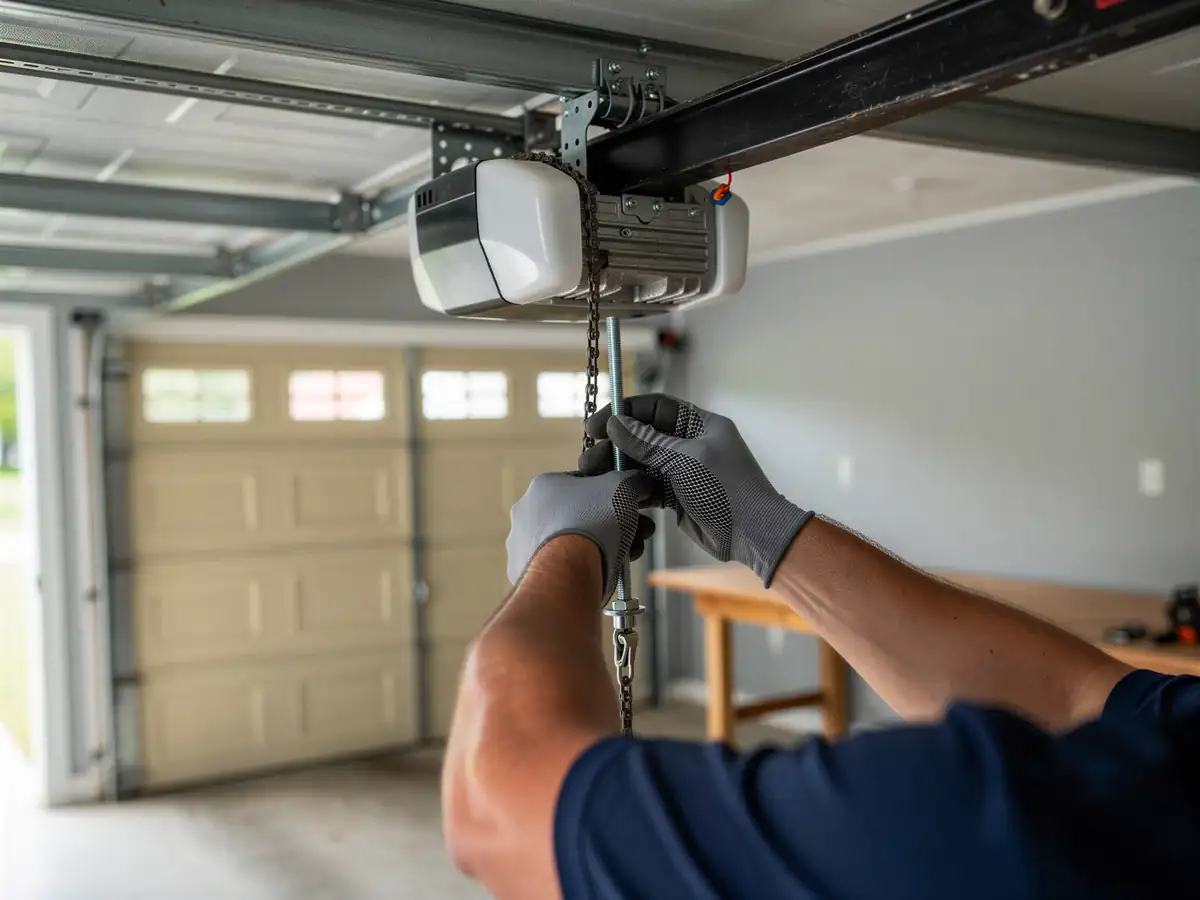
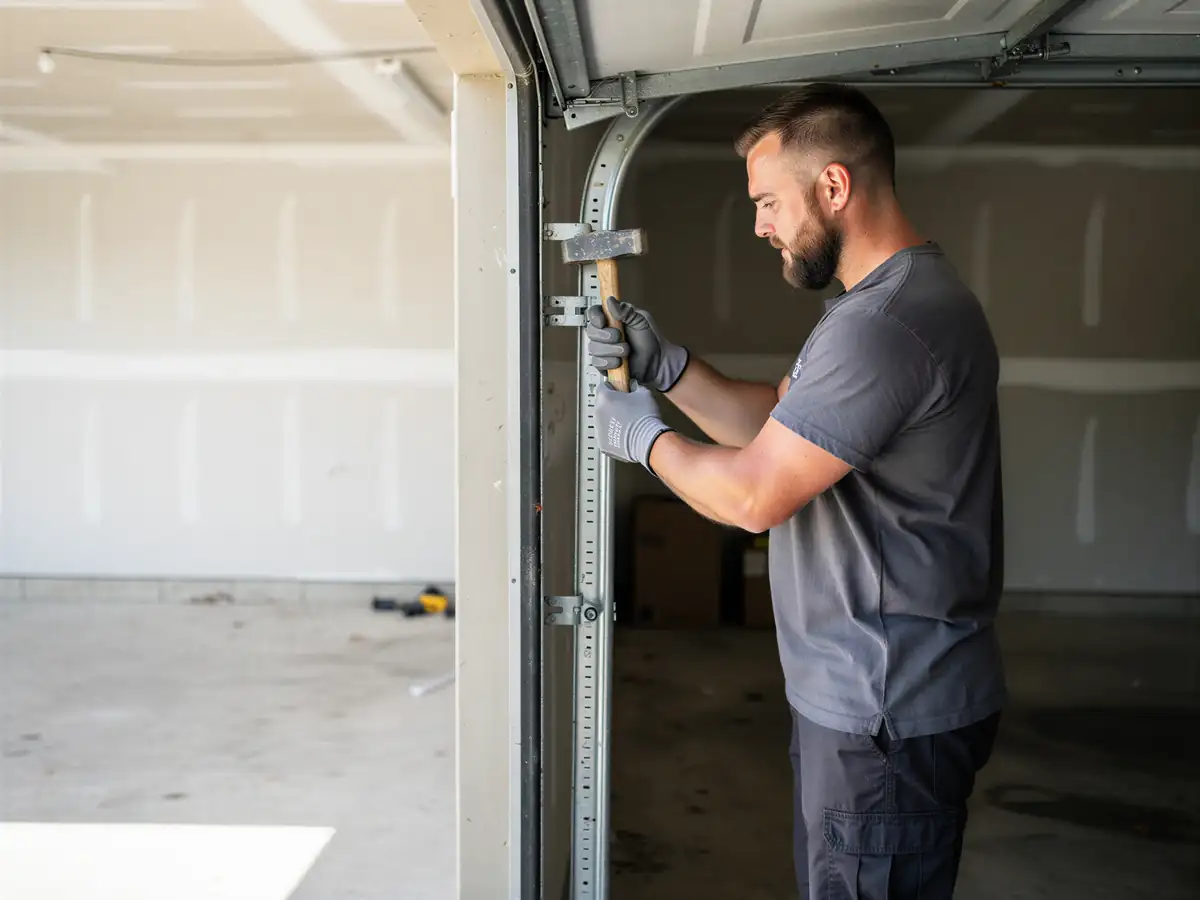
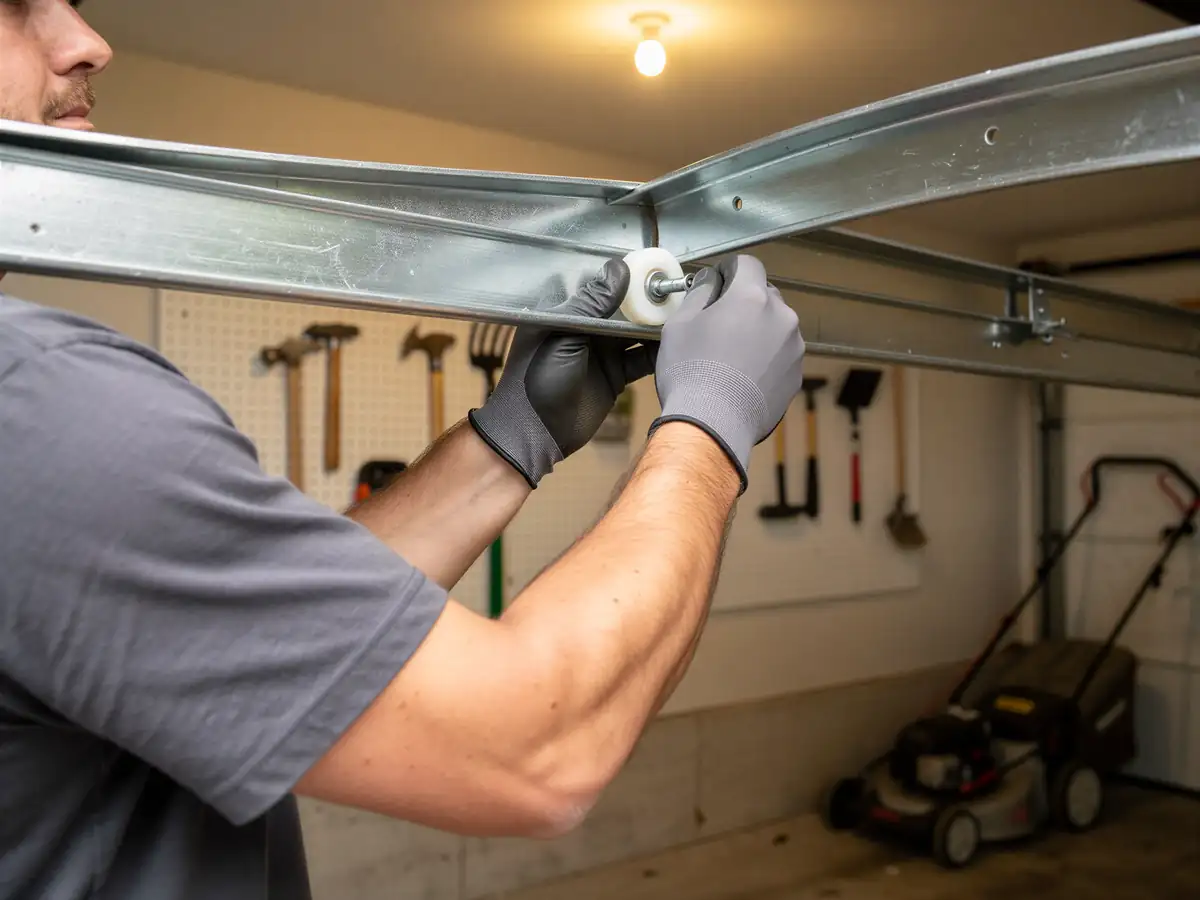
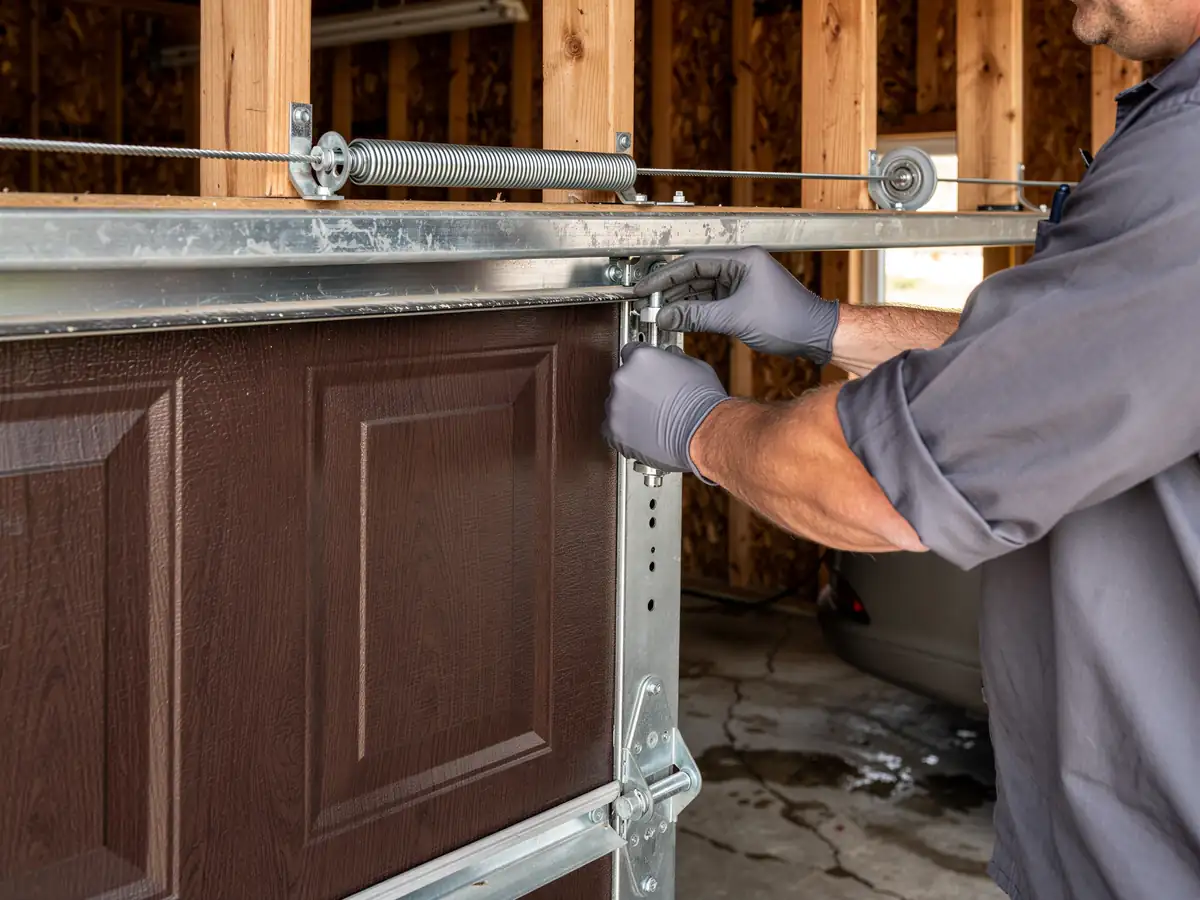
The main risk on a door this age is panel mismatch - finding a panel that's the right width and track profile but a slightly different finish or rib pattern than the eighteen other panels on the door, because the exact builder-grade line from 2005 isn't made anymore. The second risk is hardware: original hinges and rollers from a 2005 install have had two decades of cycles, and pulling one panel can expose a hinge that's worn enough to need replacing at the same time, which wasn't part of the original scope. We'll flag that before we commit to the swap, not after. We don't recommend forcing a mismatched panel onto a door just to save a trip - it looks wrong from the driveway and it can throw the door's balance off if the new panel is a different weight than the one it replaced.
The Symptom
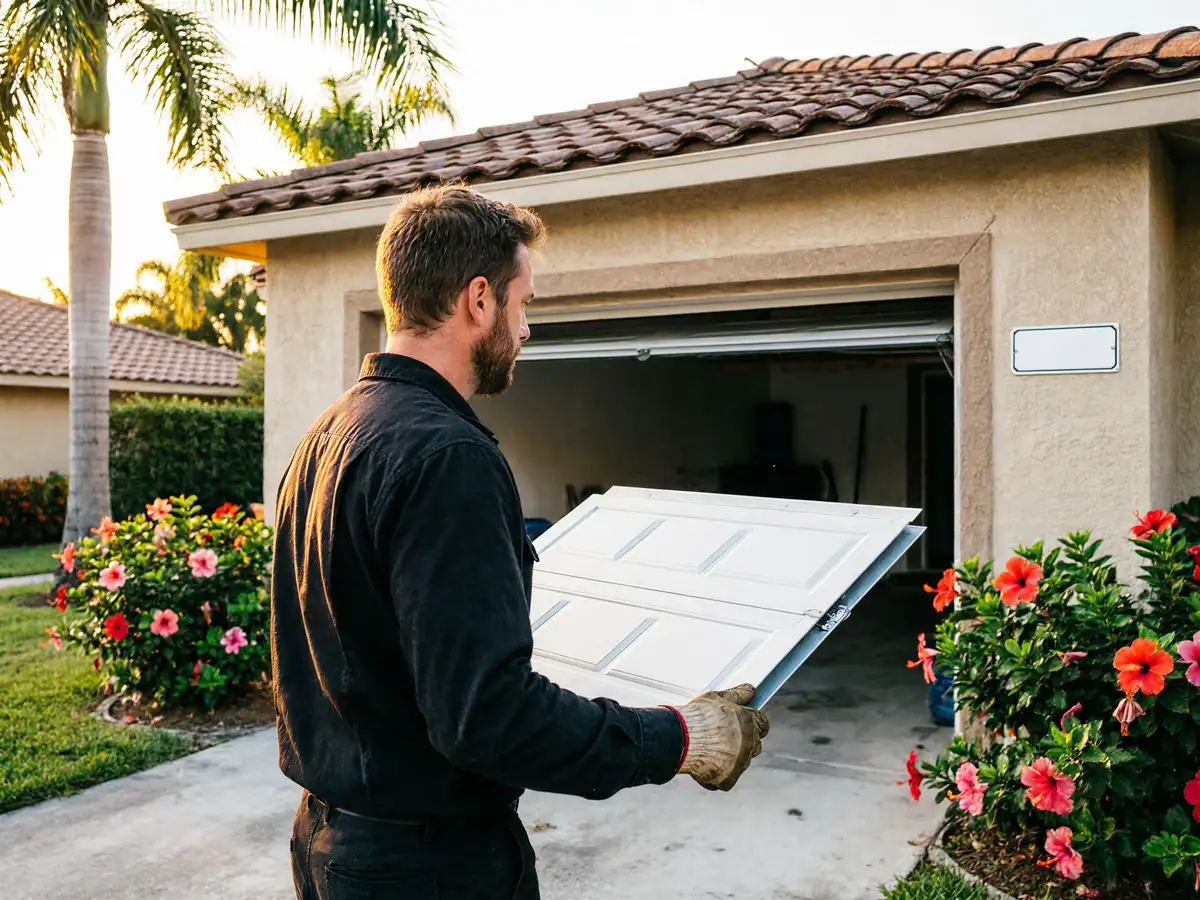
Most calls for this in Trinity start the same way: a dent or a crease on the bottom or second panel, usually from a car bumper, a bike, or stored equipment a few inches too far forward. On the thinner steel common to 2005-era builder doors, a dent doesn't stay a dent - it tends to bow the panel slightly, which puts uneven pressure on the track as the door travels and can make the door bind or run rough even though the opener and spring are fine. Sun fading and chalking on the factory finish is the other common one; twenty years of exposure can leave one panel noticeably lighter than the rest, especially on south-facing doors, and a straight color match is harder once a finish has aged that long.