Why It Happens Here
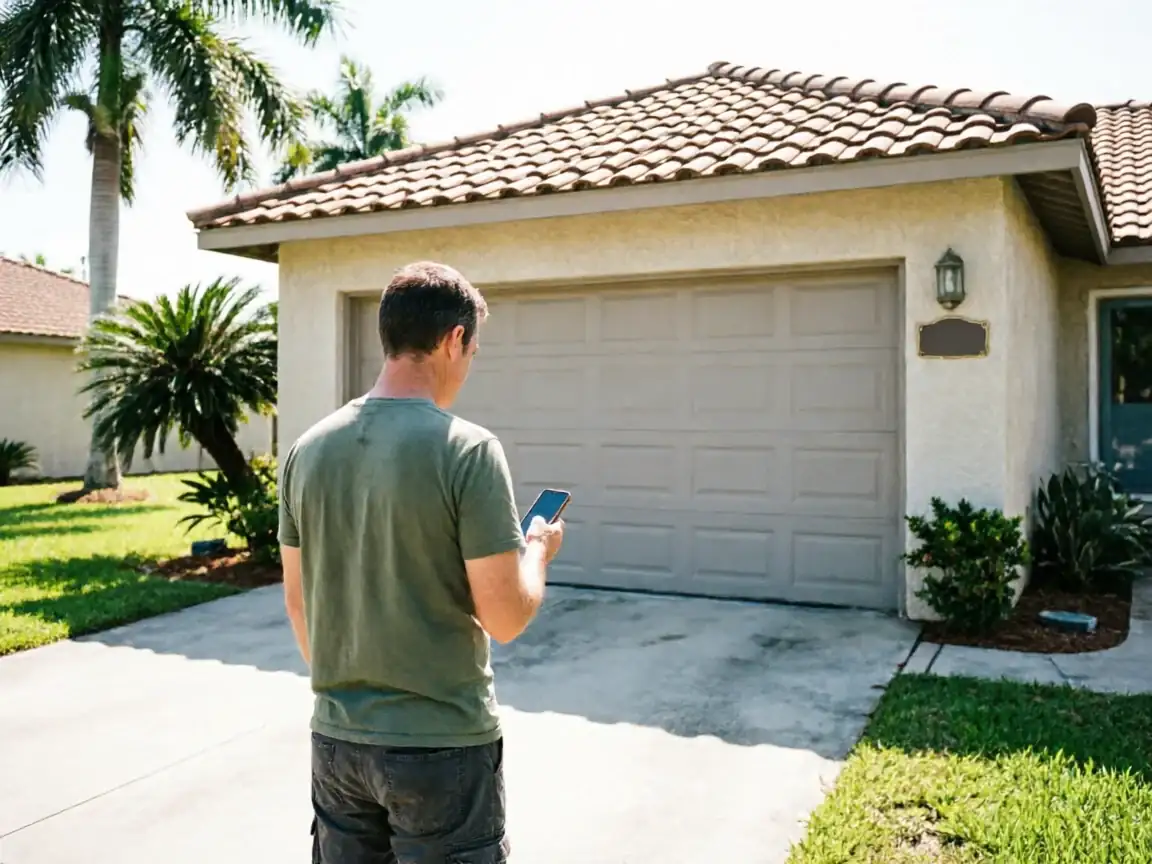
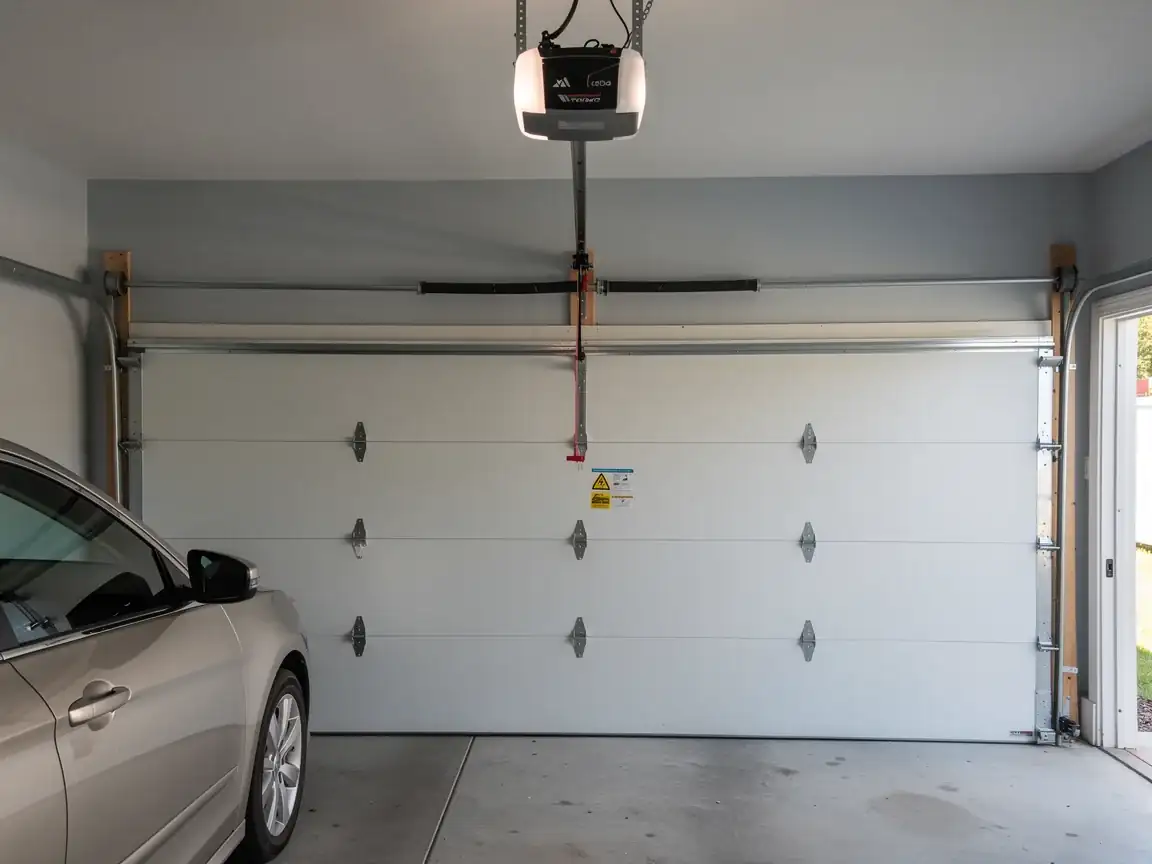
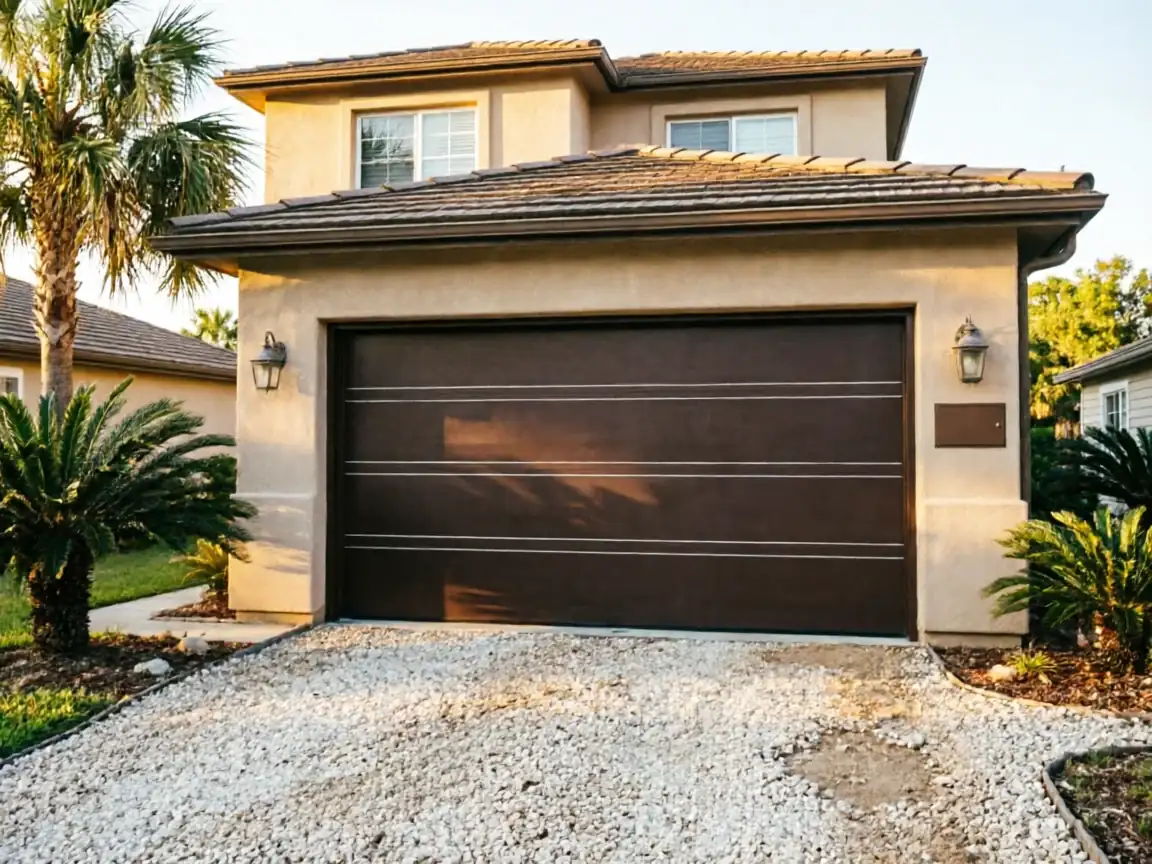
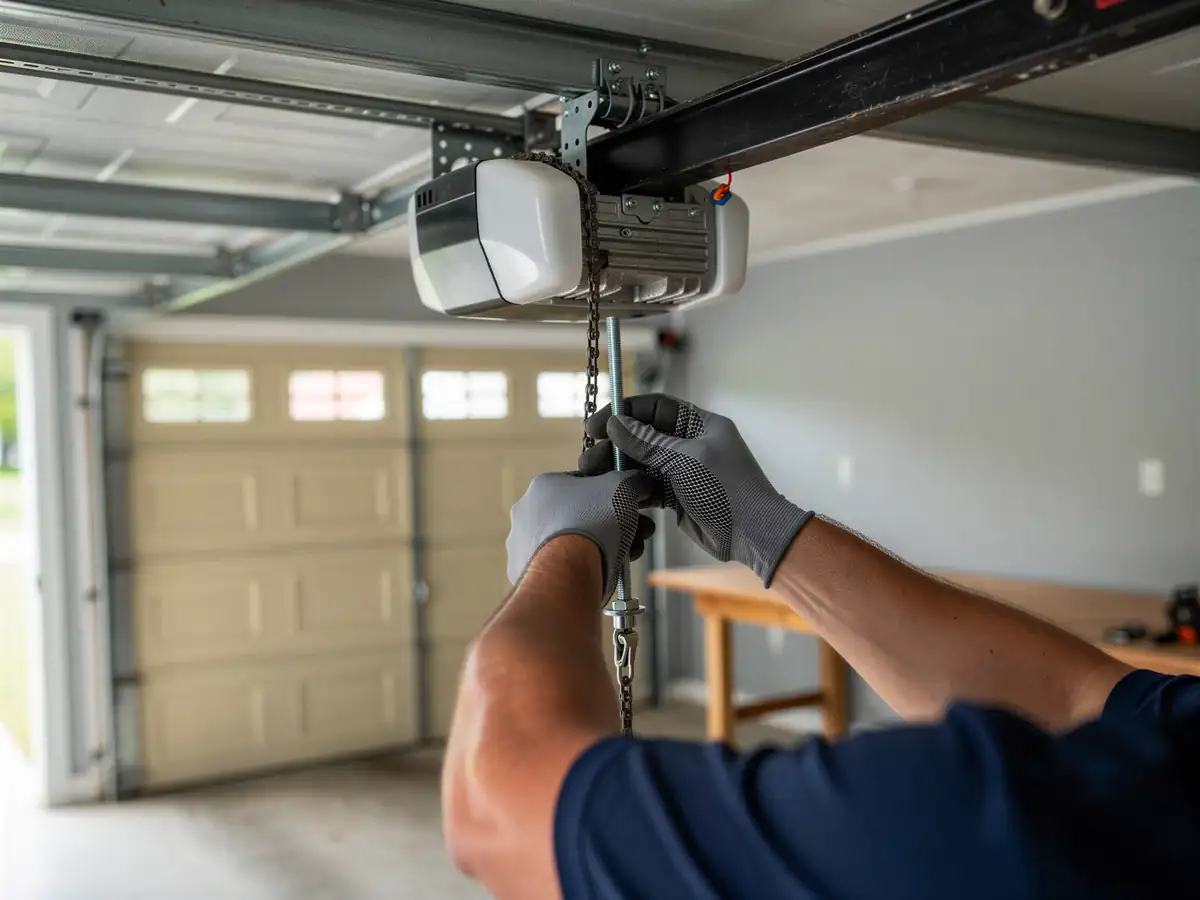
The fault we see most in Trinity isn't a snapped spring or a bent track - it's a dead or glitching logic board inside the opener head unit. That's different from what we pull out of older Dunedin neighborhoods, and the reason is the build year. Housing across this service area runs from 1958 up through 2005, with Trinity sitting right at the newer end of that range. A house built in 2005 didn't get a stripped-down chain drive with a pull-cord and a light bulb. It got a factory-installed belt or screw-drive opener with a circuit board, a wall console, and in a lot of cases battery backup wired in from day one.
Those boards don't fail the way old mechanical openers fail. They don't wear out a gear over twenty years of grinding - they corrode. Florida's mild, humid air gets into the housing over time and eats at relay contacts and solder joints slowly, until one day the opener either stops responding to the remote or starts doing things on its own, like reversing halfway up. It's a different repair conversation than the one we have in a 1970s neighborhood, and it's worth knowing that going in.
Getting It Booked In
We run out of Dunedin, and Trinity sits about 15 miles from there. There's no branch or drop-in counter out this way, so booking a job here means setting a time and working it into the day's route rather than catching someone on a walk-by. That's true of most of the suburbs we cover at this distance - it's just the shape of the territory.
When you call, have the opener's brand and the age of the house handy if you know it. Since most Trinity homes were built close to 2005, we can usually guess the opener generation before we even pull into the driveway, which cuts down on guesswork once we're there. If the unit is original to the house, that's useful information by itself.
The Cost of This Job
We're not going to put a number here we can't back up
But we can tell you what drives the cost up or down in a neighborhood like Trinity. Household income in the area runs well above the service-area median, and that tracks with what we find installed - belt-drive units with wall consoles and keypad entry rather than the bare-bones chain-drive openers that came standard in older, lower-cost builds closer to Dunedin.
Those newer units cost more to fix when the problem is the logic board itself
Because that board is often a sealed assembly rather than a handful of separate relays and switches you can swap individually. On the other hand, if the fault turns out to be something simpler - a worn wall button, a misaligned safety sensor, a weak battery backup - the job is quick and the board never gets touched. The honest answer is that we won't know which one it is, or give you a number, until we've got the cover off and a meter on it.
What Can Go Wrong
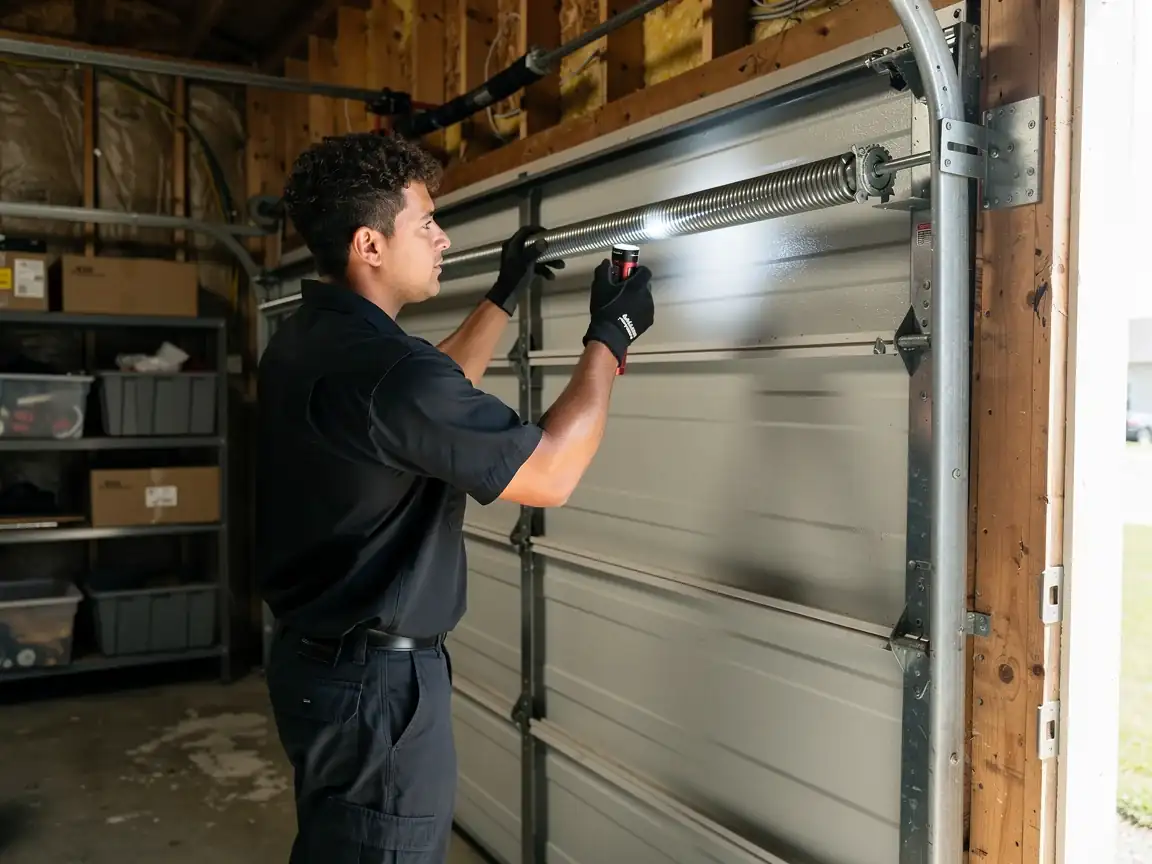
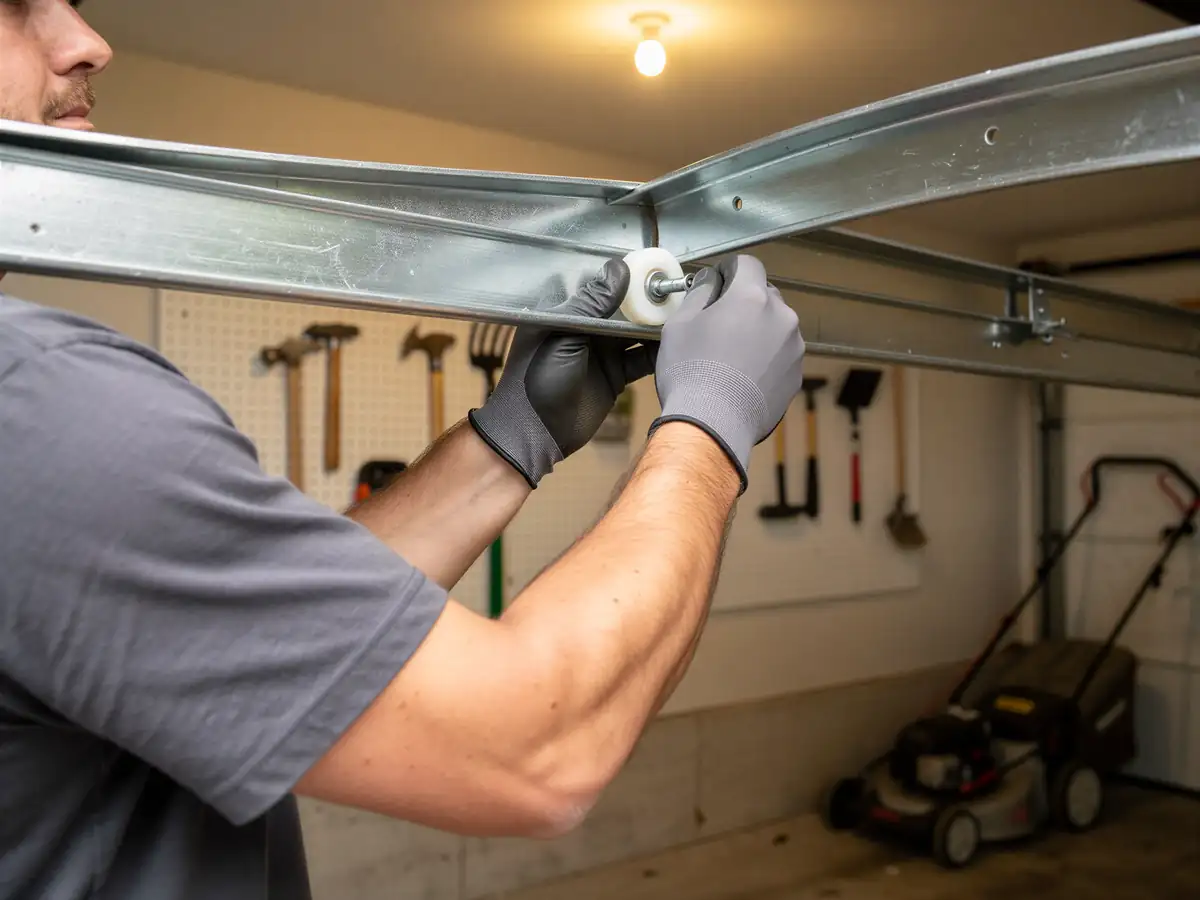
On the newer opener stock common in Trinity, the usual suspects are the logic board, the safety-eye sensors near the floor, the wall console, and - on belt-drive units specifically - the drive belt itself stretching or slipping off its pulley over time. Capacitor failure inside the board is common enough that it's often the first thing we check if the motor hums but the door doesn't move.
We also see battery backup units that have quietly died without anyone noticing, because the opener keeps working fine on AC power until the next outage, at which point the door won't budge. None of this is dramatic. It's mostly small components failing one at a time inside a unit that, being 15-20 years old at the oldest in this neighborhood, is just getting into its failure window.
The Symptom
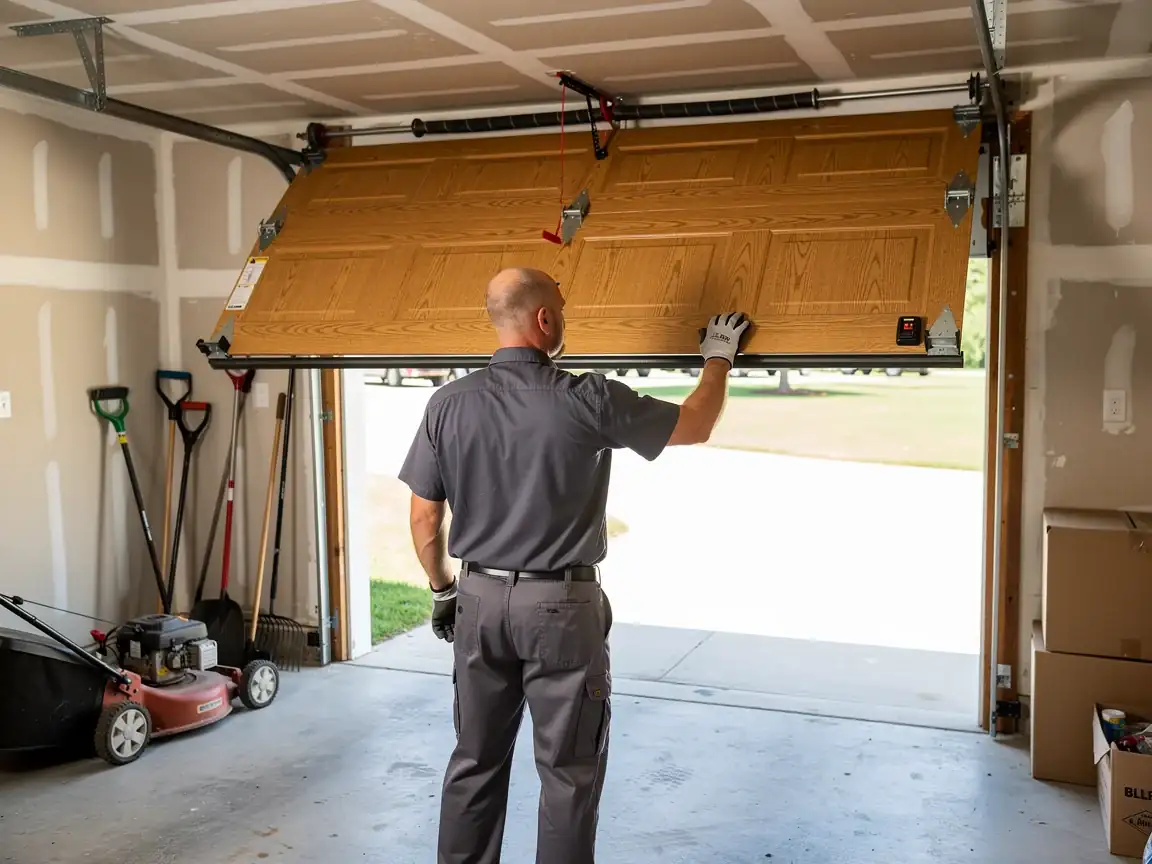
The call we get from Trinity is usually some version of: the remote does nothing, or the door starts up and then reverses on its own before it's even halfway open. Sometimes it's a clicking sound from the head unit with no motion at all, which almost always points to the board or the motor capacitor rather than anything mechanical on the door itself.
Less often, someone tells us the wall button works but the remote doesn't, which usually isolates the fault to the receiver circuit on the board rather than the whole unit. We ask these questions on the phone first, because narrowing it down before the truck leaves Dunedin saves a trip if the fix turns out to be something you can do yourself, like replacing a dead remote battery.
What the Repair Takes
If the logic board is the problem, the honest limitation is parts
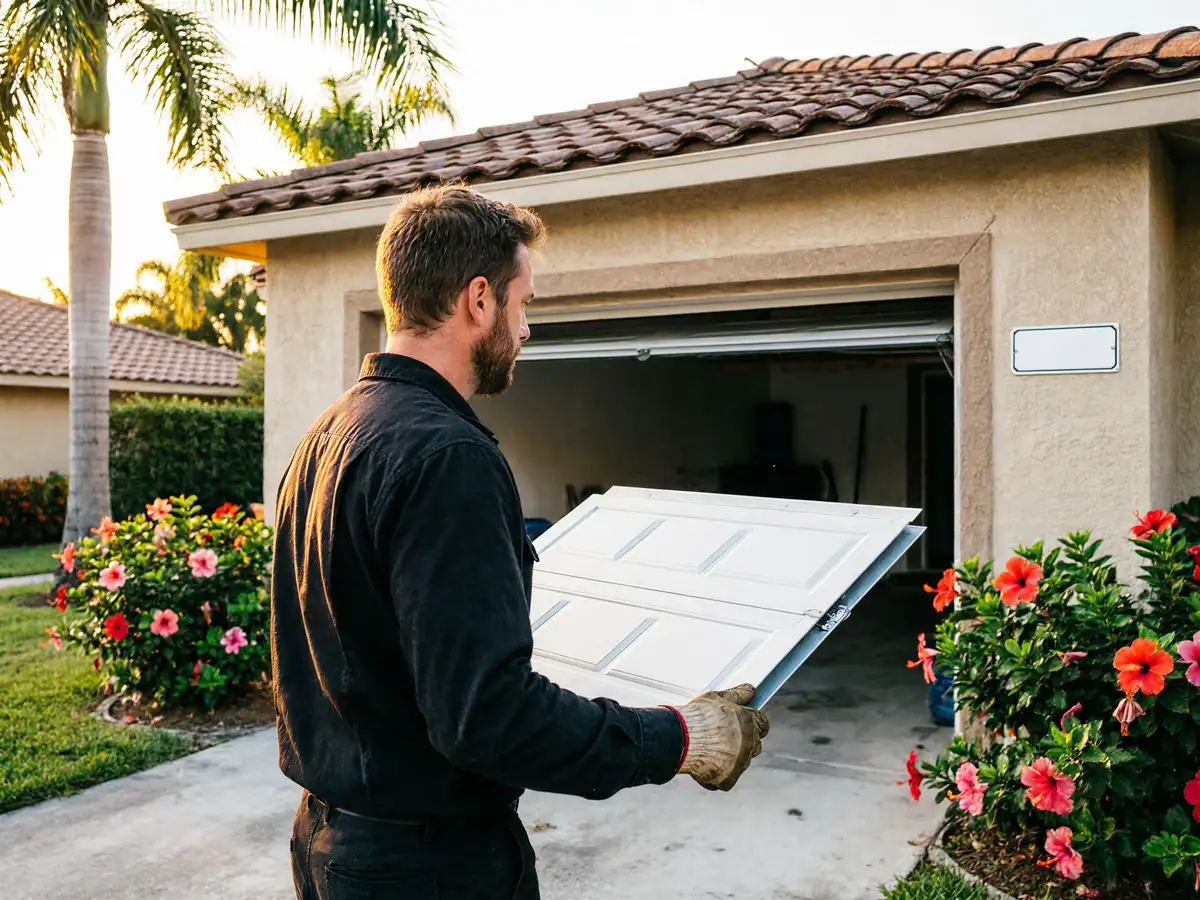
Not every board is a stock item on the truck - some models need to be ordered, especially on less common belt-drive units, and that can mean a second visit rather than a same-day fix. We'd rather tell you that up front than pretend every board is sitting in a bin.
When the board is a straightforward swap, the job itself is fast
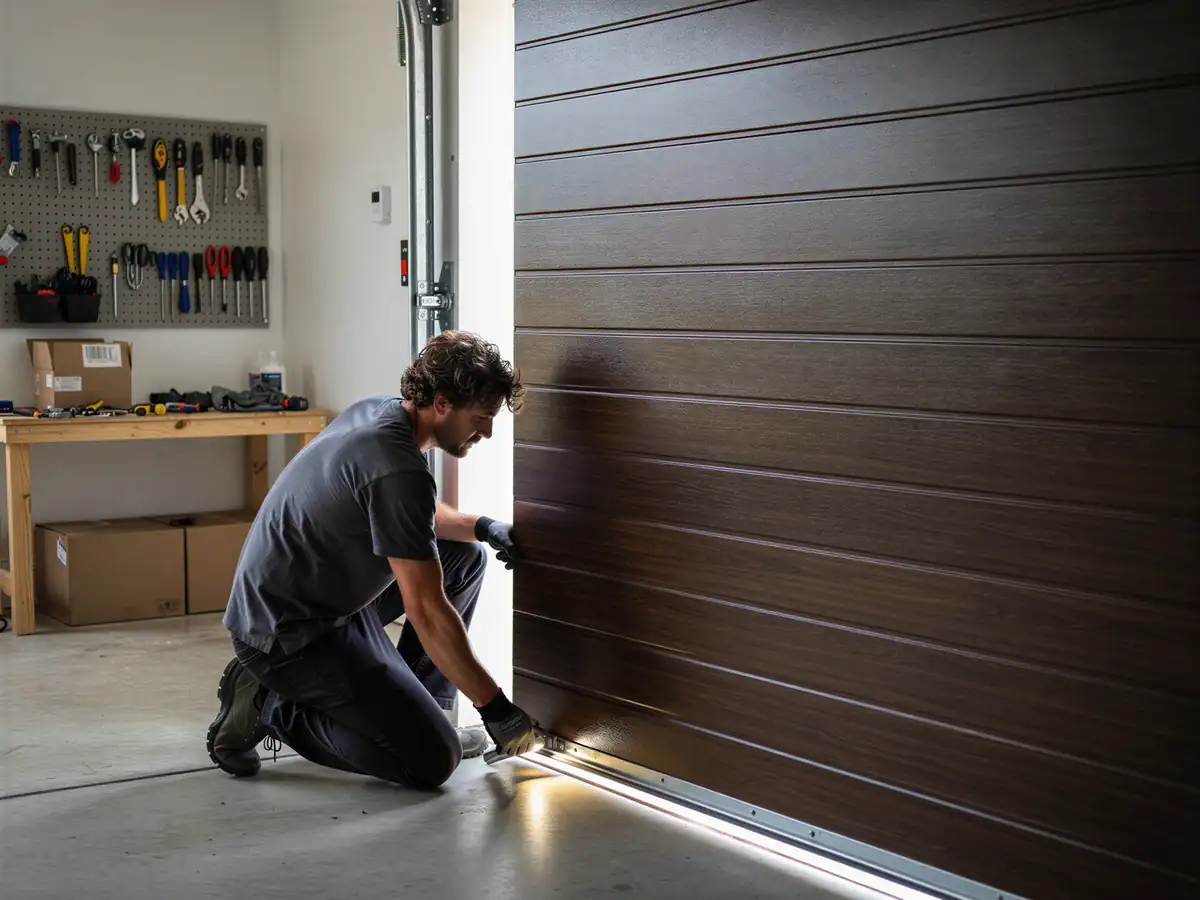
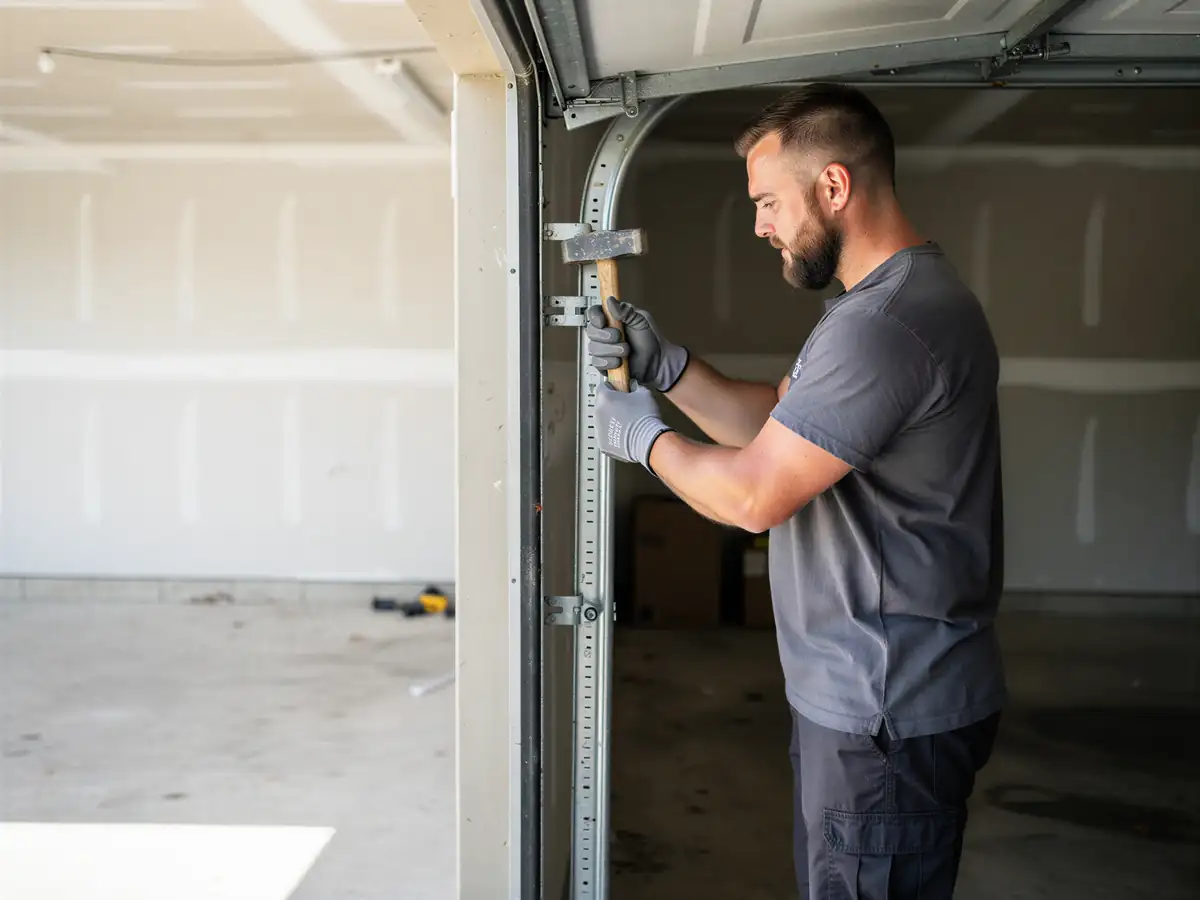
Disconnect, remove, replace, re-program the remotes and keypad, test the safety reverse. Sensor and wall console fixes are quicker still. What takes longer is diagnosis when the symptom is intermittent - a board that only fails in heat, or a connection that's loose rather than broken clean - because that sometimes means watching the unit run a few cycles before we can say for certain what's actually failing.