What the Housing Means for Your Door
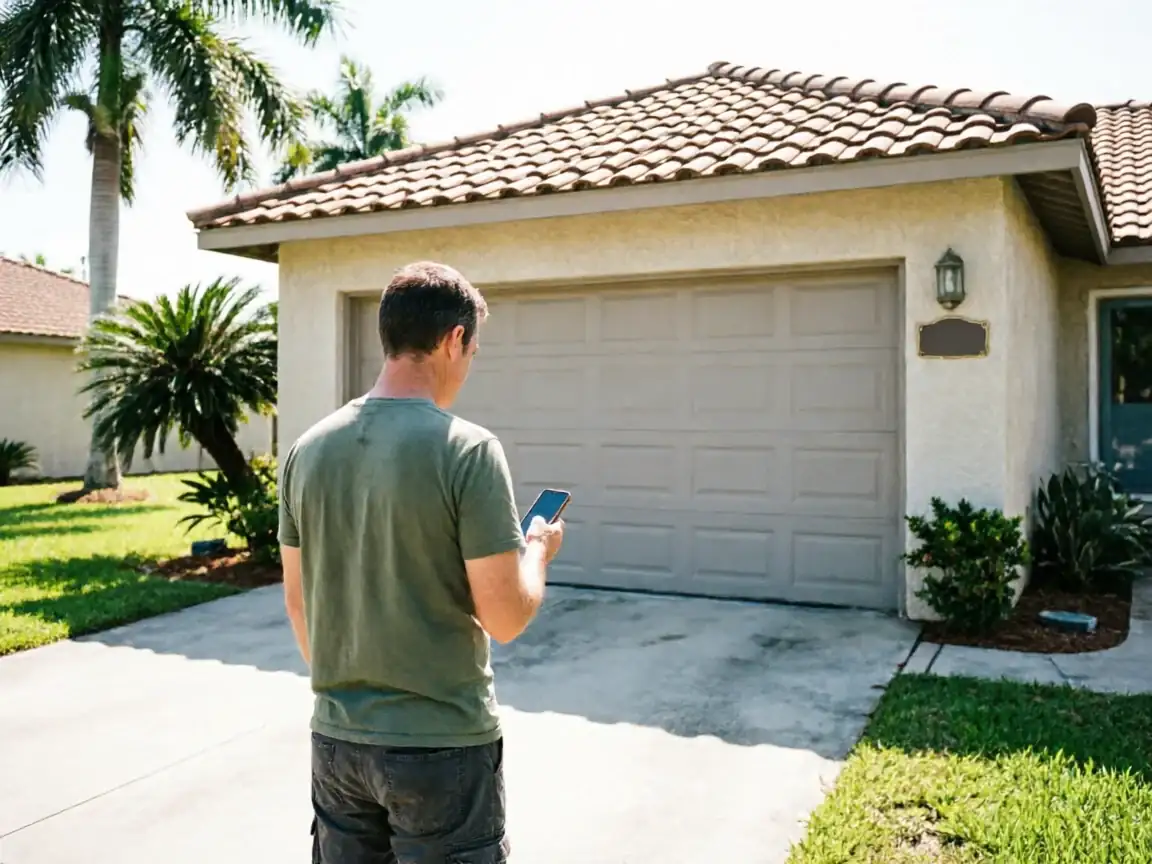
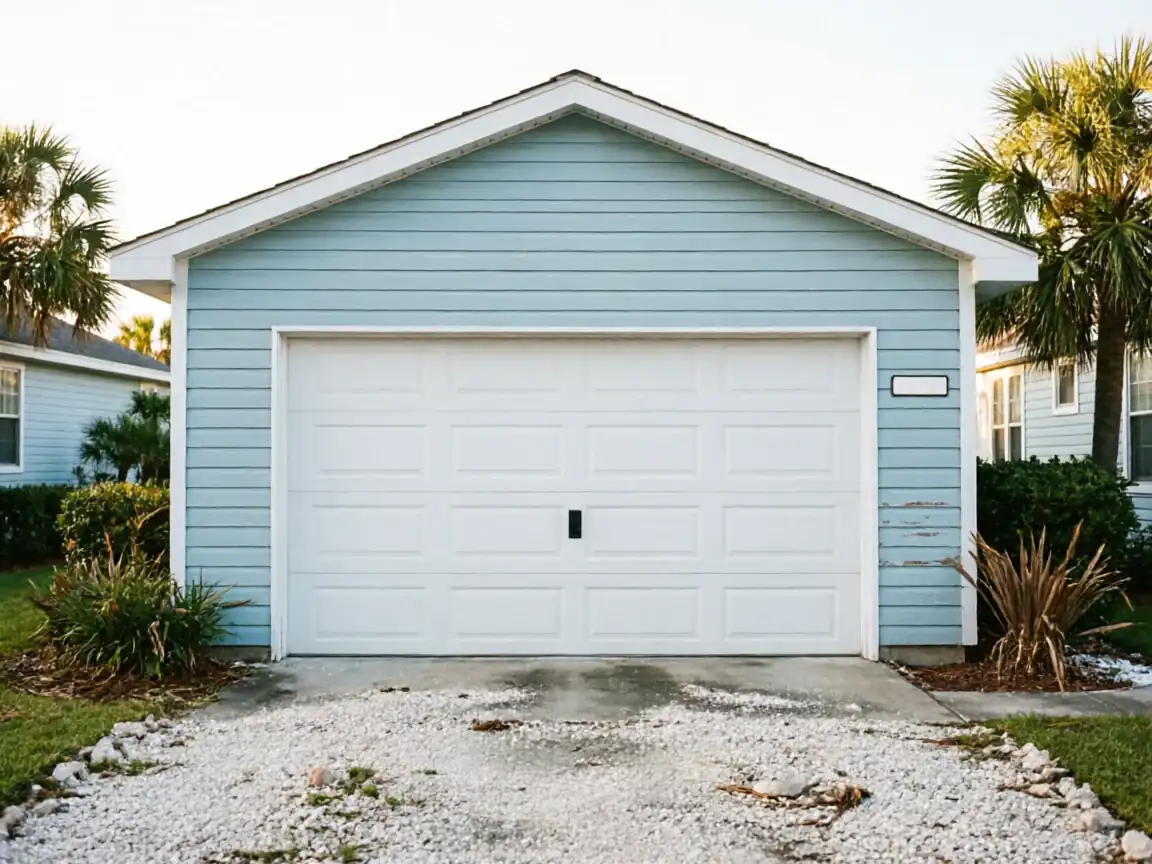
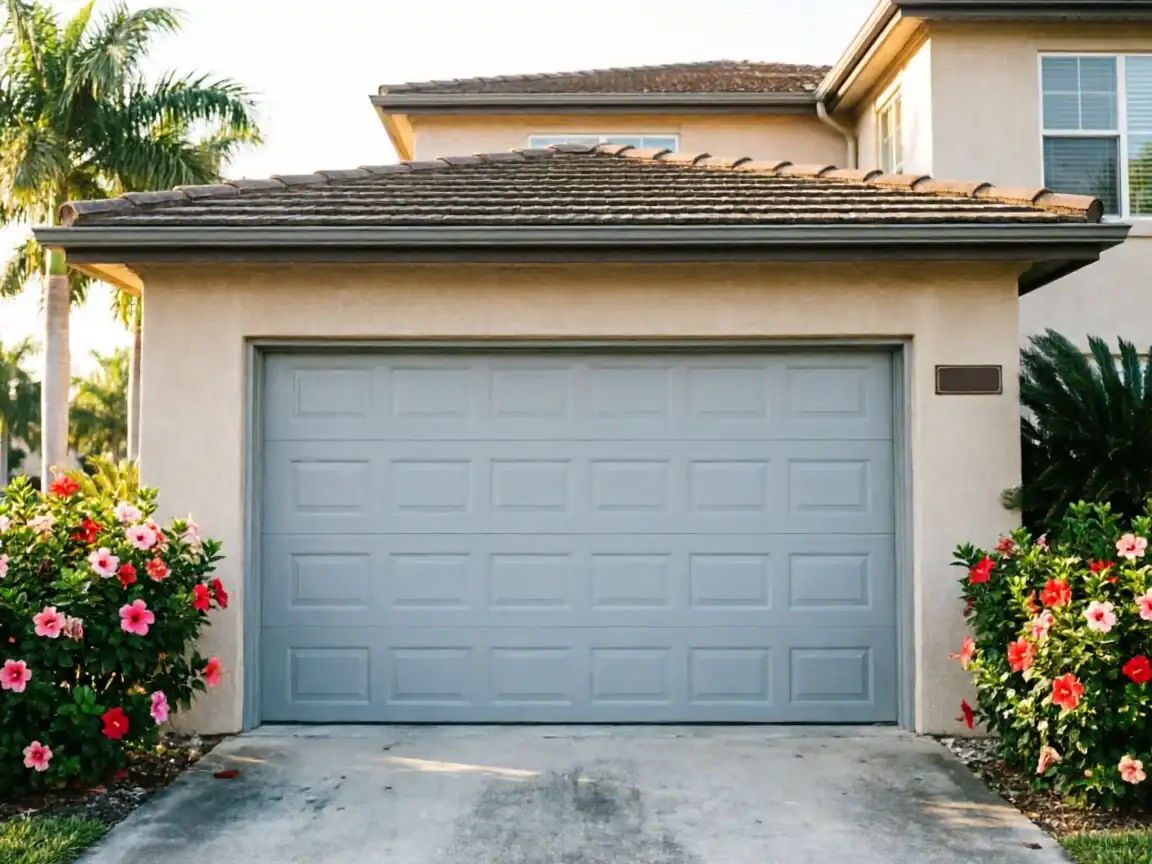
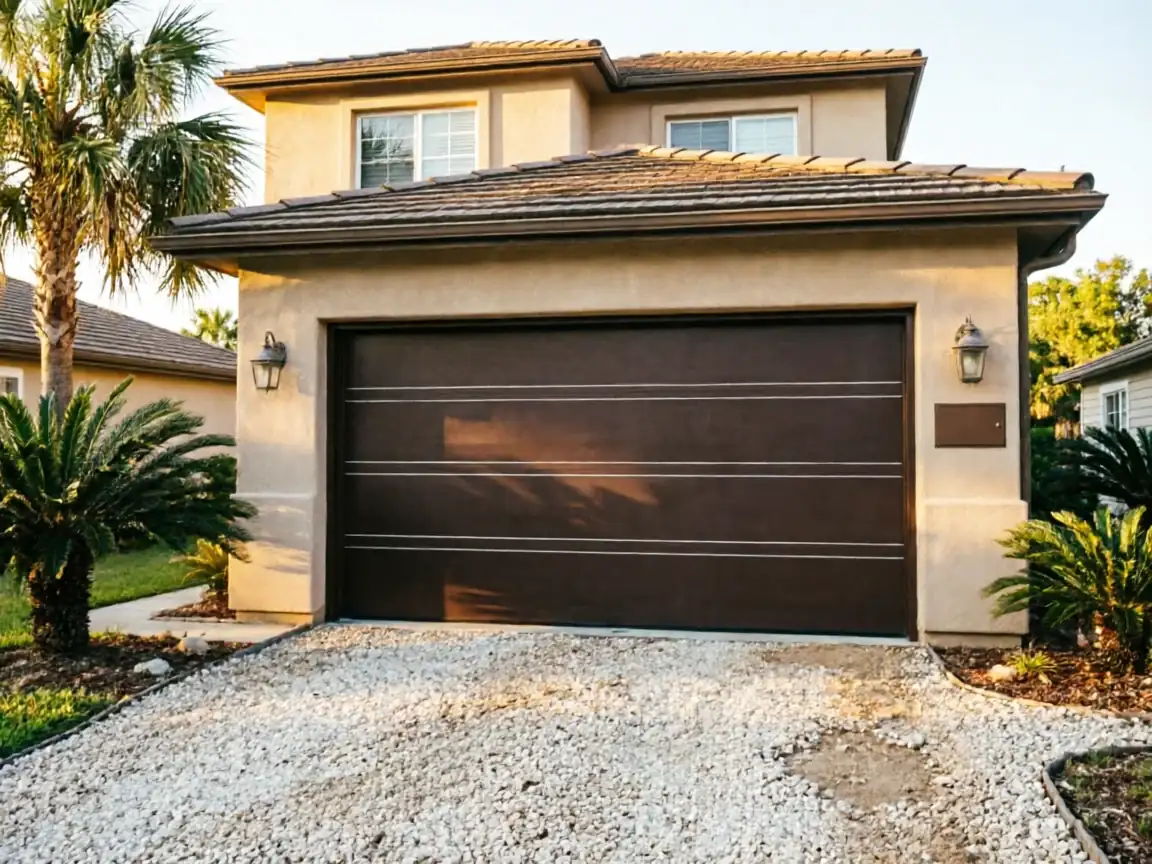
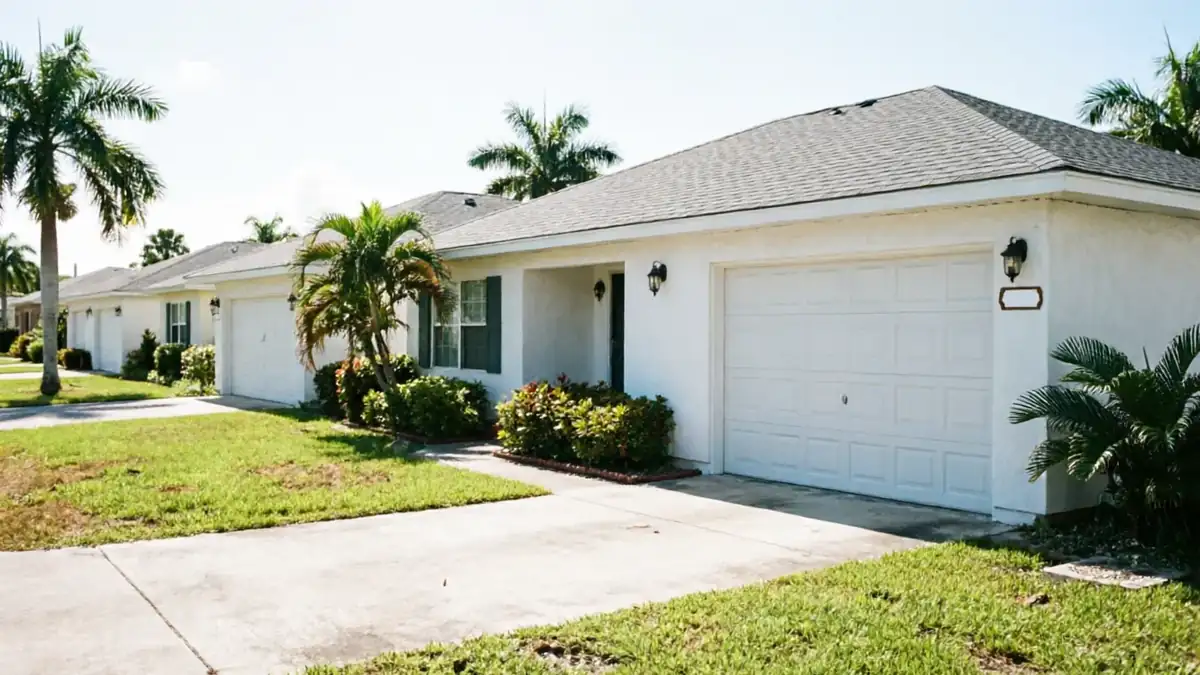
Westchase is one of the newer pockets we work in. The median build year here lands around 2001, well past the service-area median of 1979 and outside the 1960s-70s stock that makes up most of the 27 communities we cover. That gap matters more than it sounds like it should.
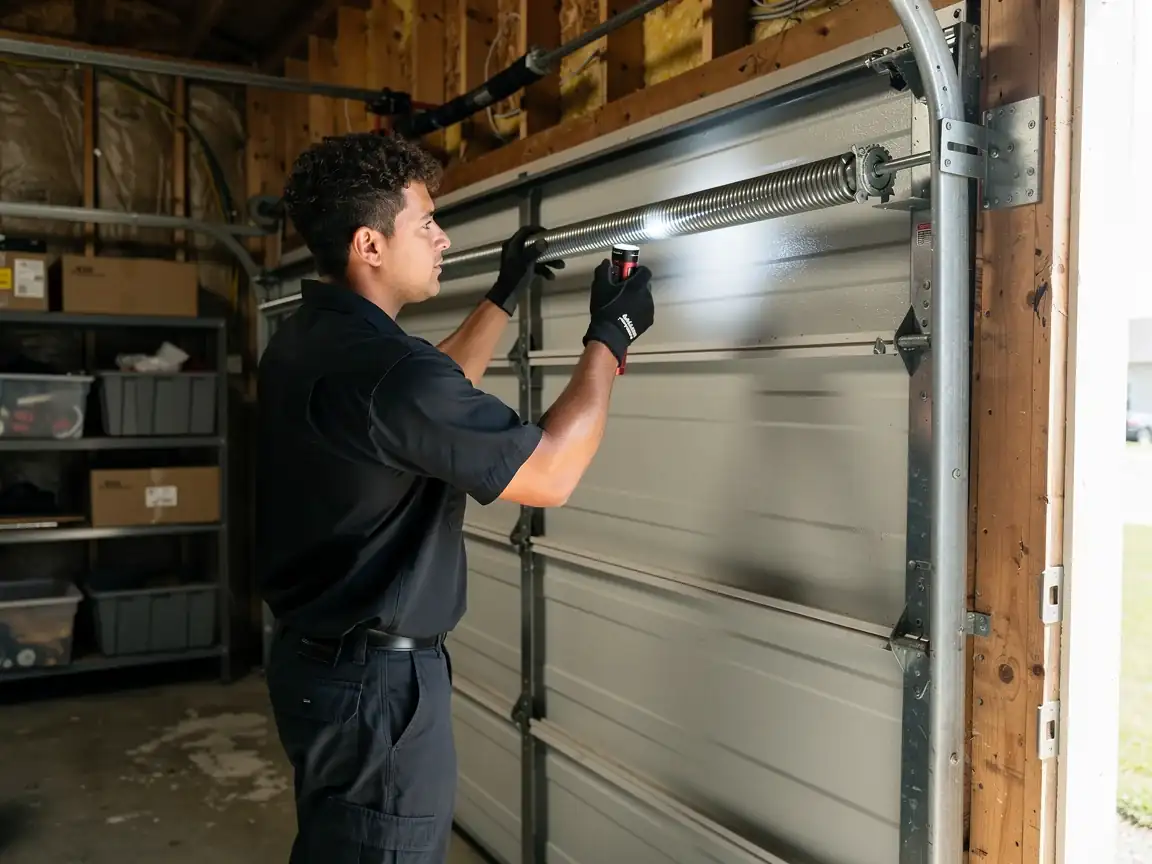
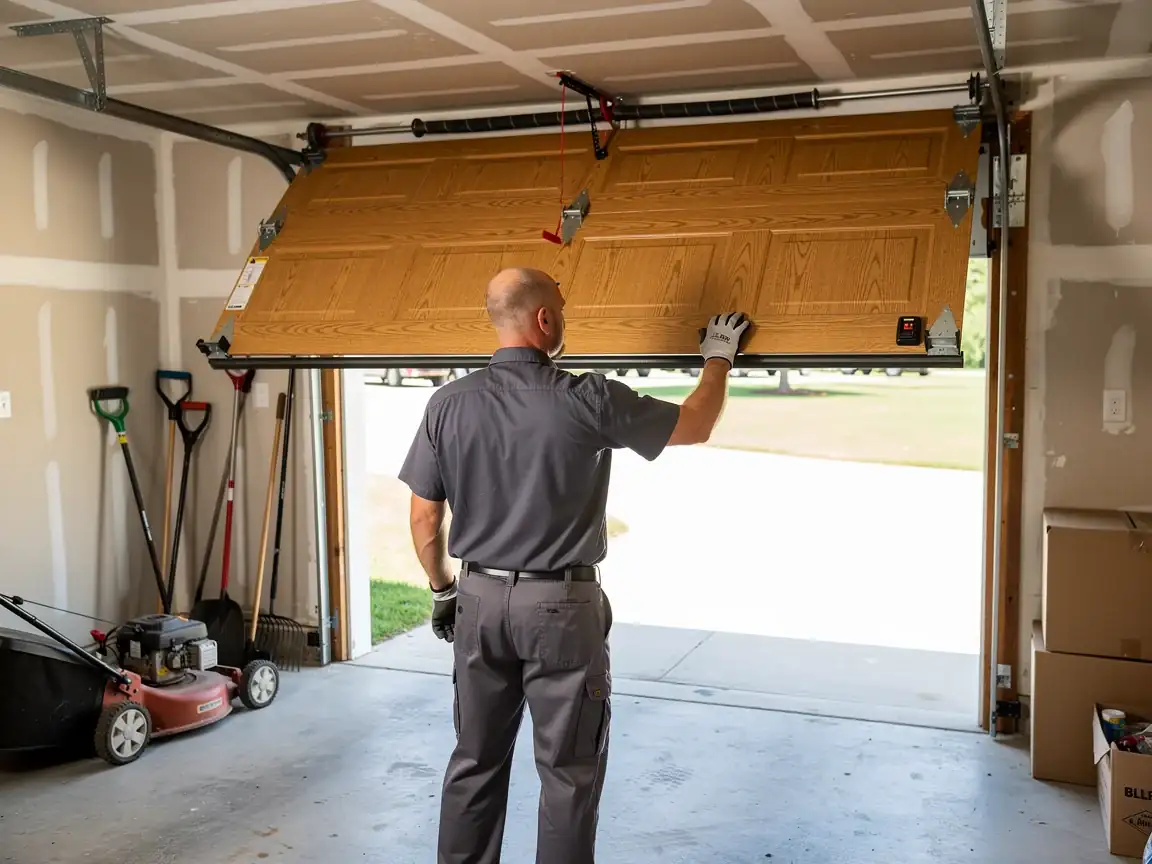
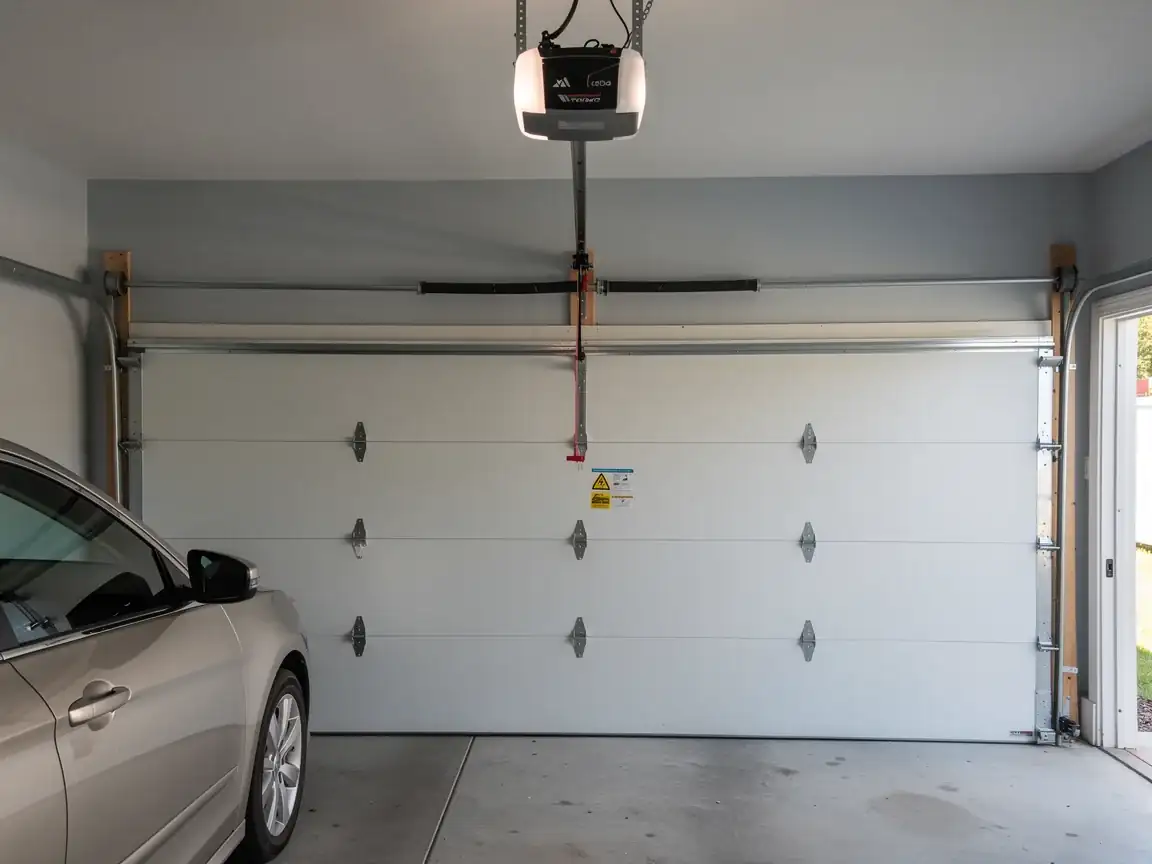
A door built in 2001 almost always came with a lighter steel panel, a factory-installed torsion system, and an opener with a circuit board instead of a mechanical relay. The failure points are different from what we see on an older Dunedin-area house. You're less likely to be fighting a worn pulley-and-cable extension setup and more likely dealing with a opener logic board, a worn drive gear, or safety sensors that have drifted out of alignment after years of use.
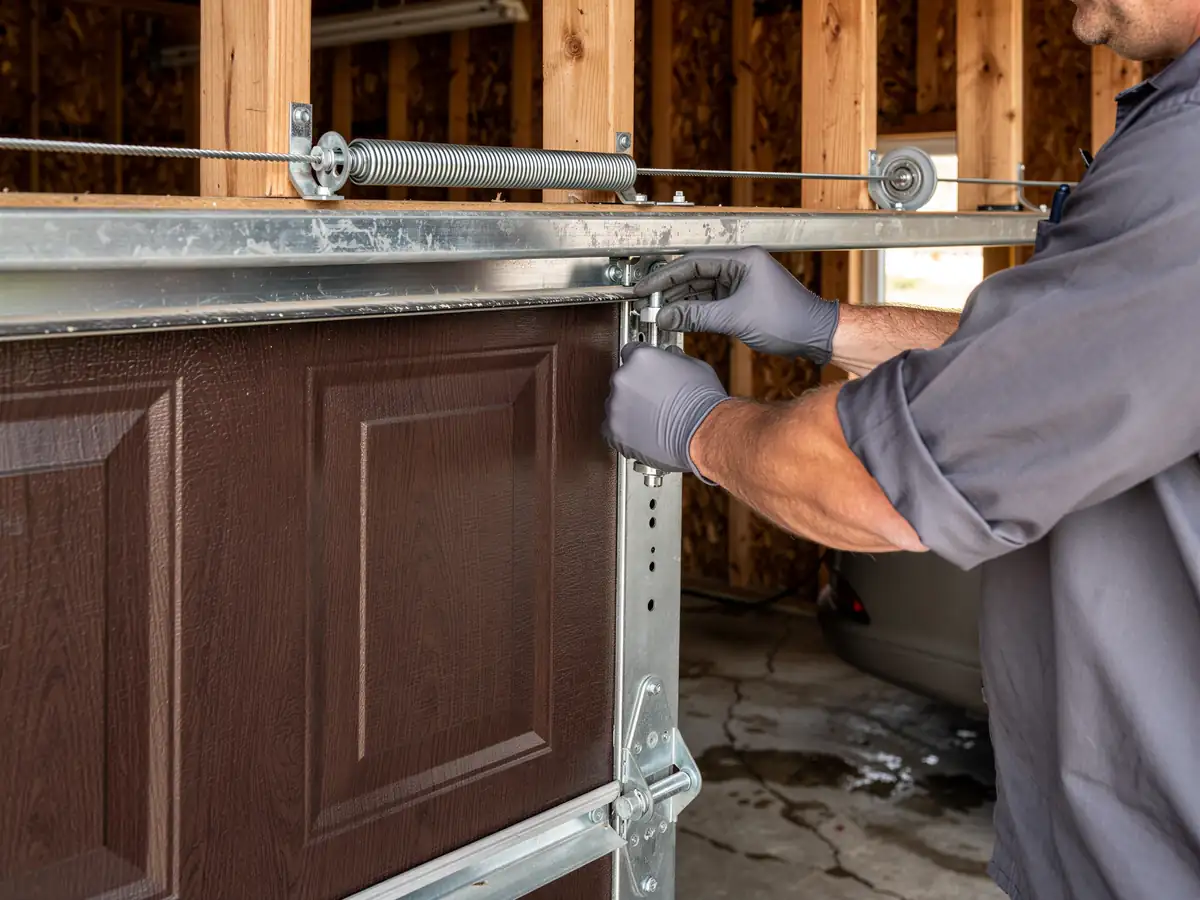
The springs themselves are usually original torsion springs rated for a lighter door, which means when they go, they go cleanly rather than from decades of patched repairs. That's actually good news for the repair - fewer surprises hiding behind the panel.
We won't pretend every house in Westchase fits this profile exactly. Some streets saw later infill construction, and a handful of homes were customized with heavier doors than the builder standard. But as a starting point, newer hardware is the right assumption here.
When We Can Get There
We run out of Dunedin, and Westchase sits about 13 miles from there. We don't keep a crew or a truck stationed in the area, so we're not going to tell you we've got someone around the corner - we don't. What we can tell you is that the drive is a known quantity for us, not a special trip, since Westchase is a regular stop on our route through this part of the service area.
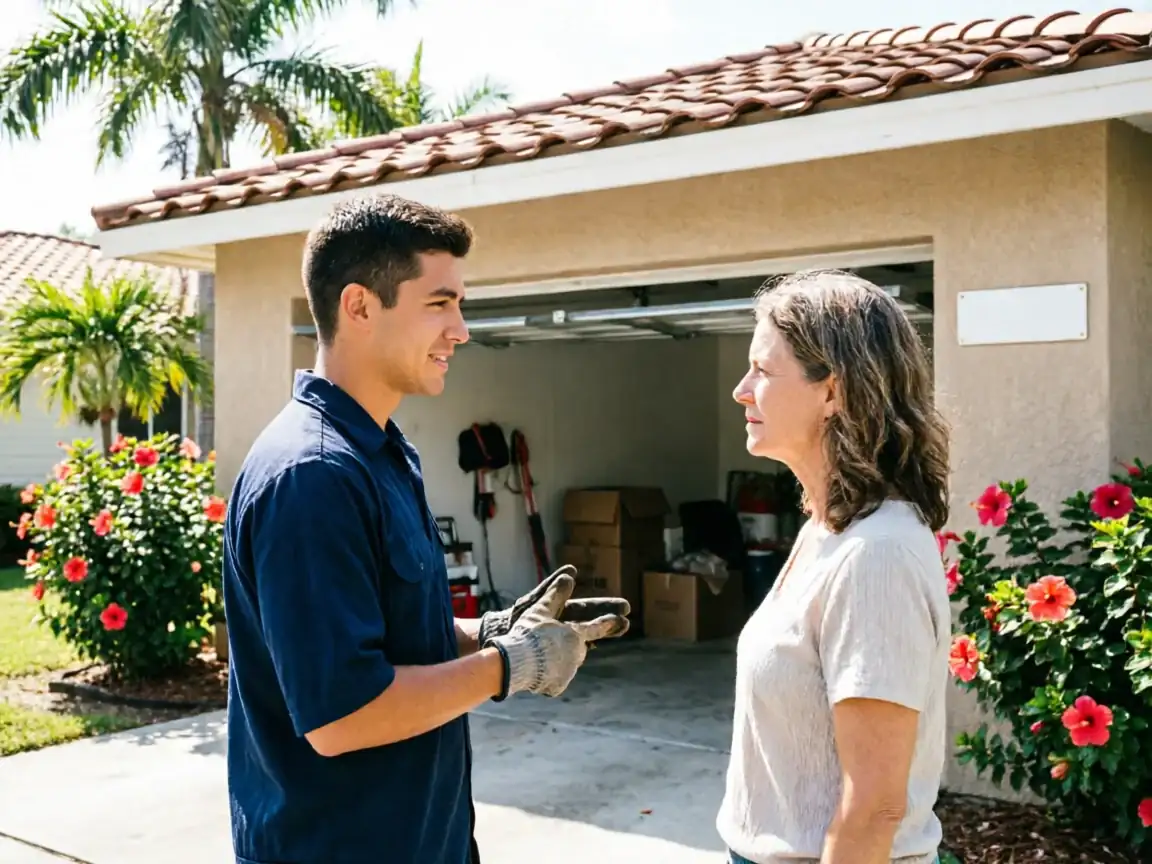
If you're calling about a door that won't close or a spring that let go, say so when you call. That kind of job gets scheduled differently than a routine opener tune-up, and knowing the situation up front helps us plan the trip out to you without wasted time.
The Usual Work Here
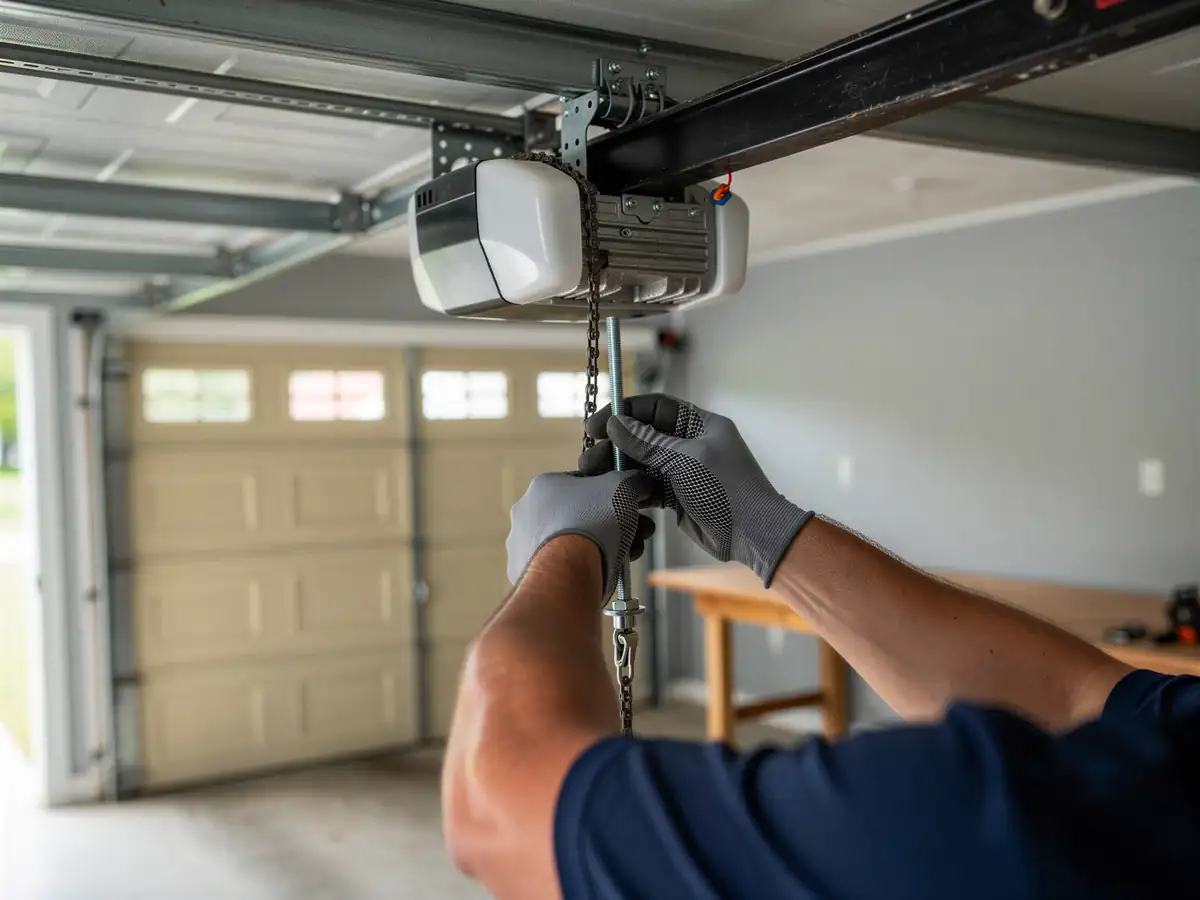
Given the age of the housing stock, the calls we get from Westchase skew toward openers more than they do toward springs and cables
Circuit boards fail, logic sensors lose alignment, and remotes stop pairing after a few years - all more common on houses from this era than on the older torsion setups we see elsewhere in the service area.
That said, torsion springs do eventually wear out no matter when the door was installed
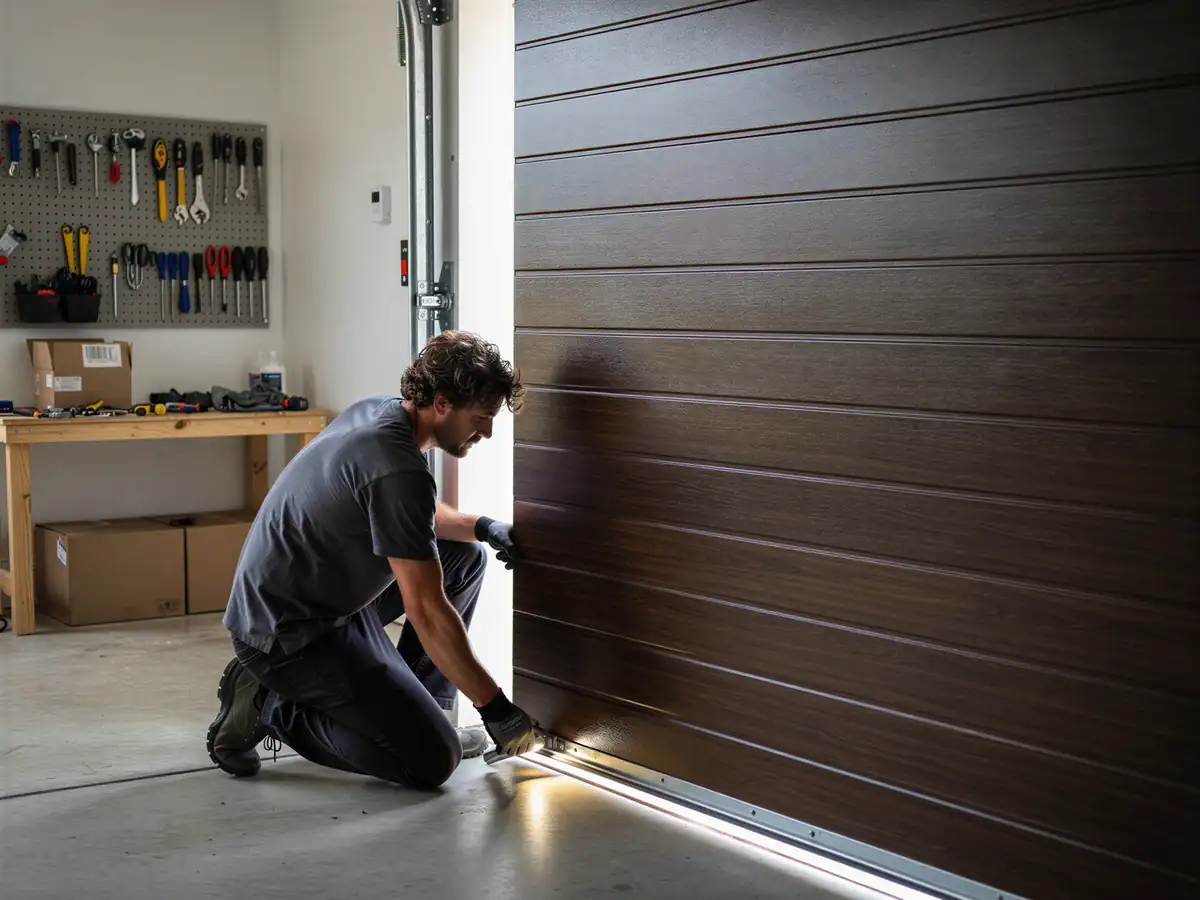
And a 2001-era spring is now old enough that we're starting to see first-generation failures on these doors. When that happens, the repair is usually straightforward because the hardware hasn't been modified or patched over the years the way older doors often have.
One honest limitation
If a part is proprietary to a specific builder-installed opener model from that era and the manufacturer has discontinued it, we may need to replace the opener rather than repair it. We'll tell you that up front rather than stringing out a repair that isn't worth doing.
The Houses Here
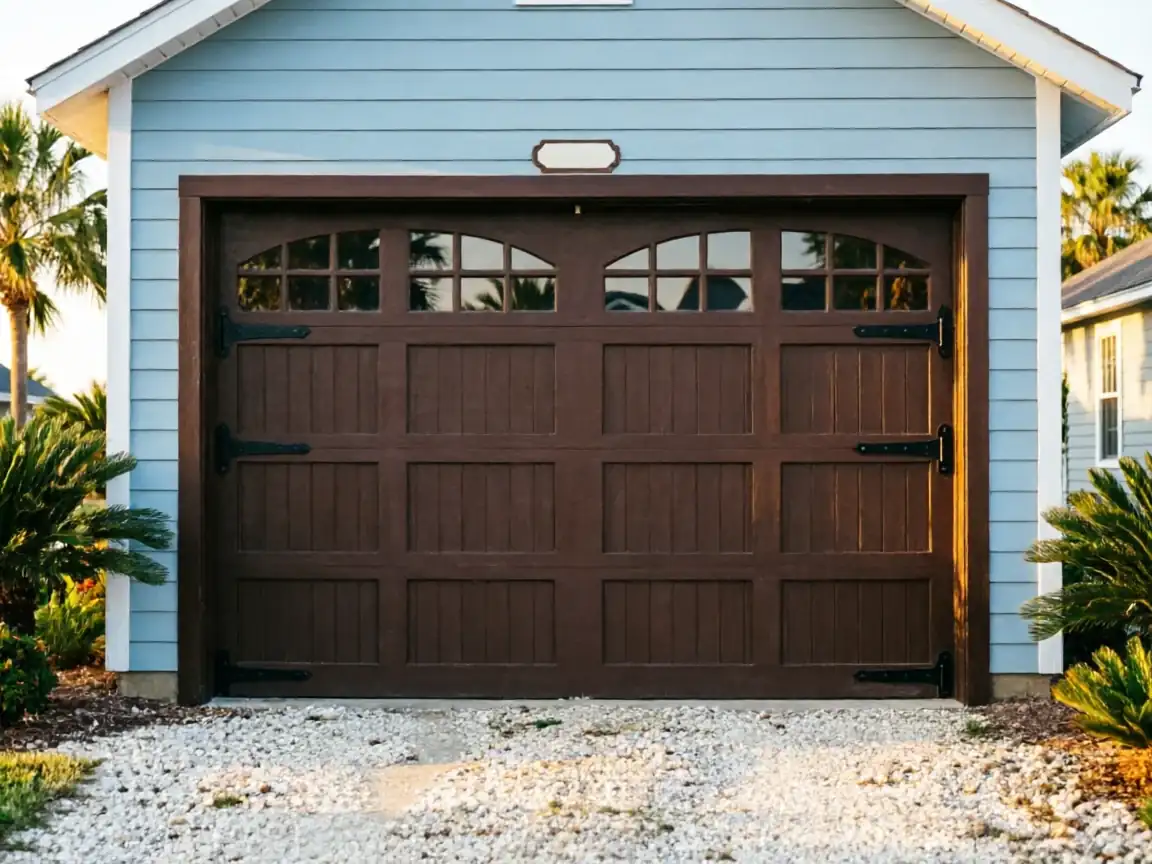
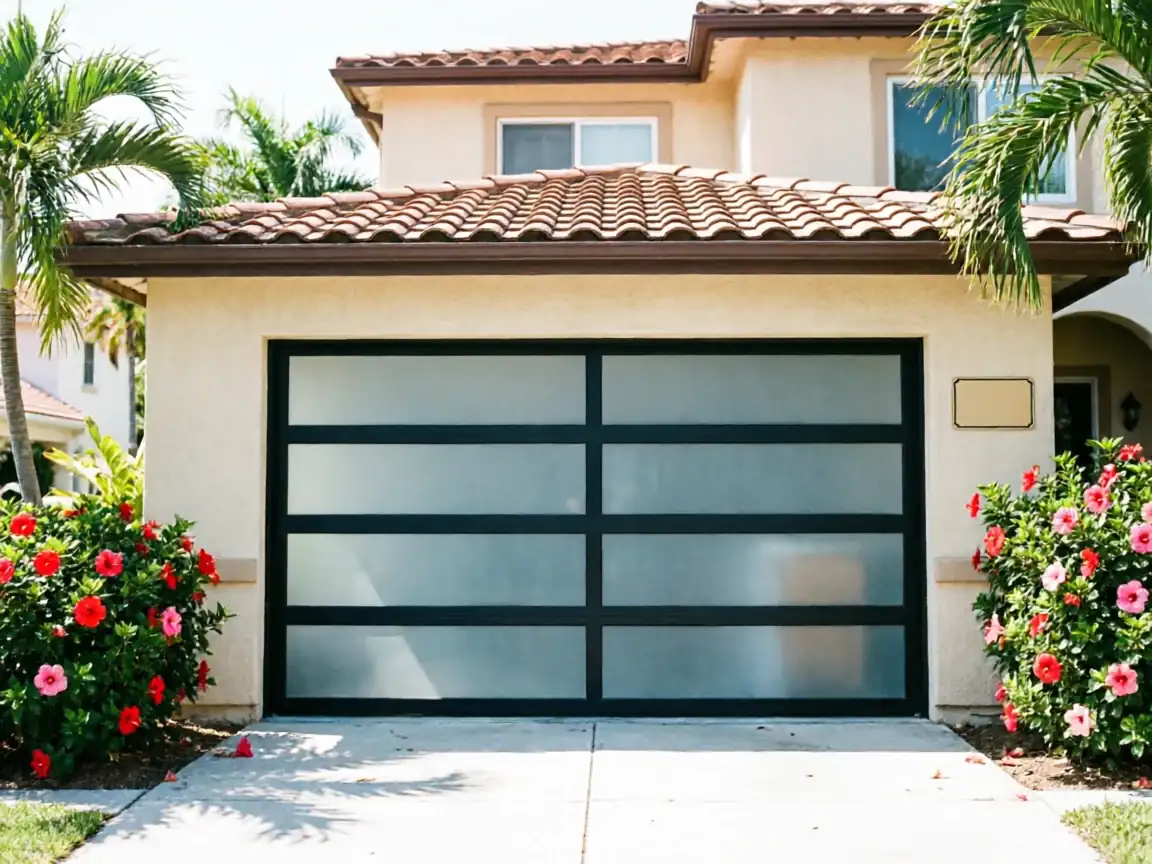
Westchase households report a median income of $120,070, noticeably higher than the $84,220 median across the wider service area, and that shows up in the kind of doors and openers we find - more insulated panels, more Wi-Fi-connected opener units, fewer bare steel doors with no insulation at all. With roughly 9,783 households in the area, it's a meaningful chunk of newer construction relative to the mostly 1960s-70s stock that makes up most of Dunedin's surrounding communities.
The climate here is mild temperate like the rest of the region, so you're not dealing with the extreme heat or cold swings that stress springs and openers in other parts of the country. That's one less variable working against your hardware, which is part of why a well-built 2001 door can still be running fine on its original spring today.