The Cost of This Job
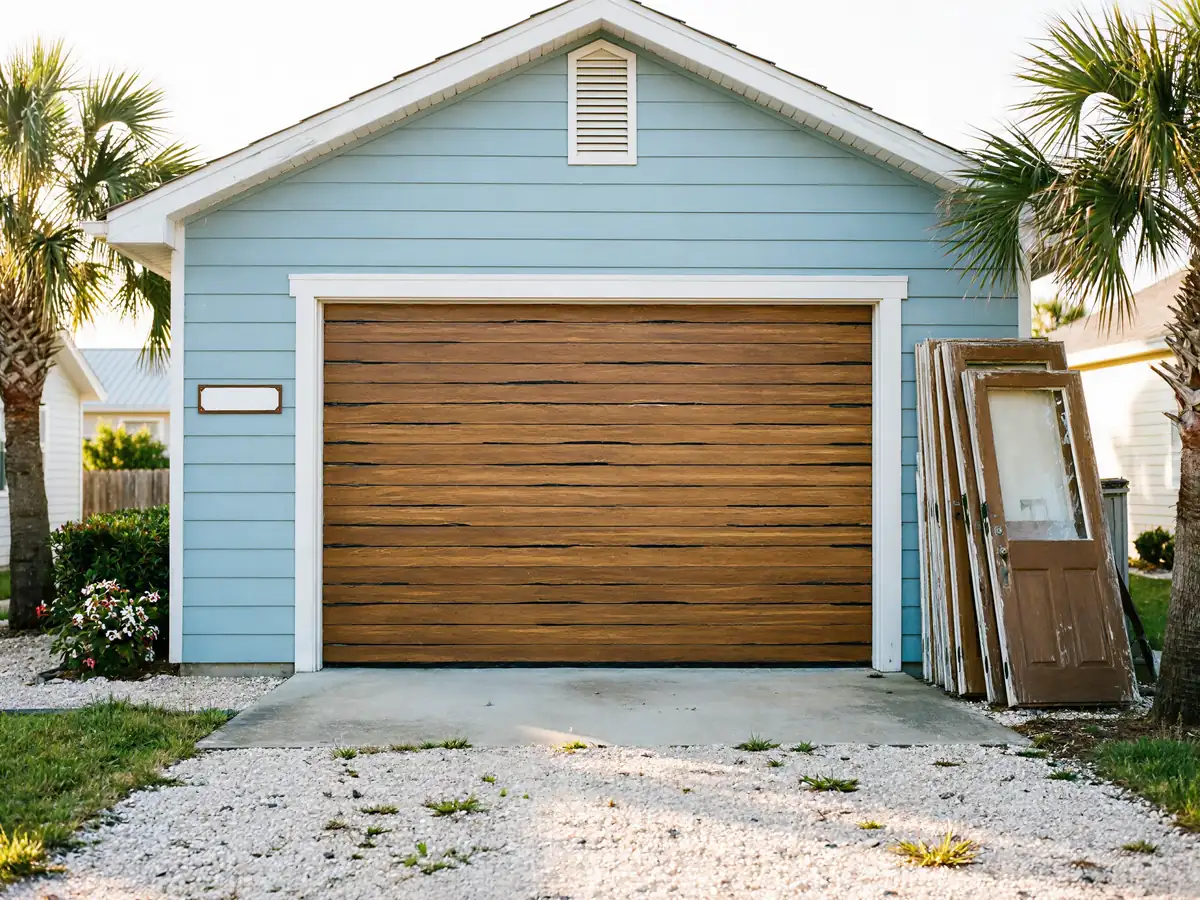
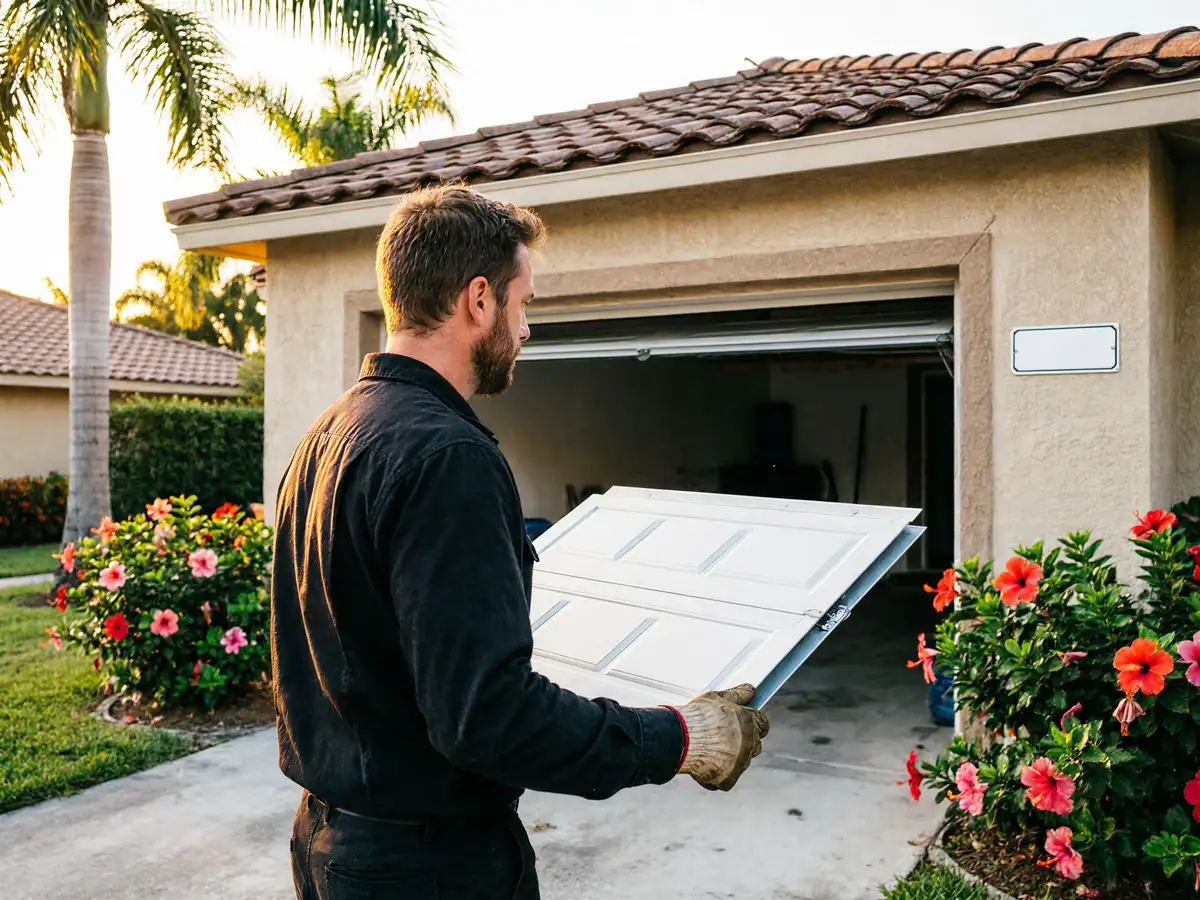
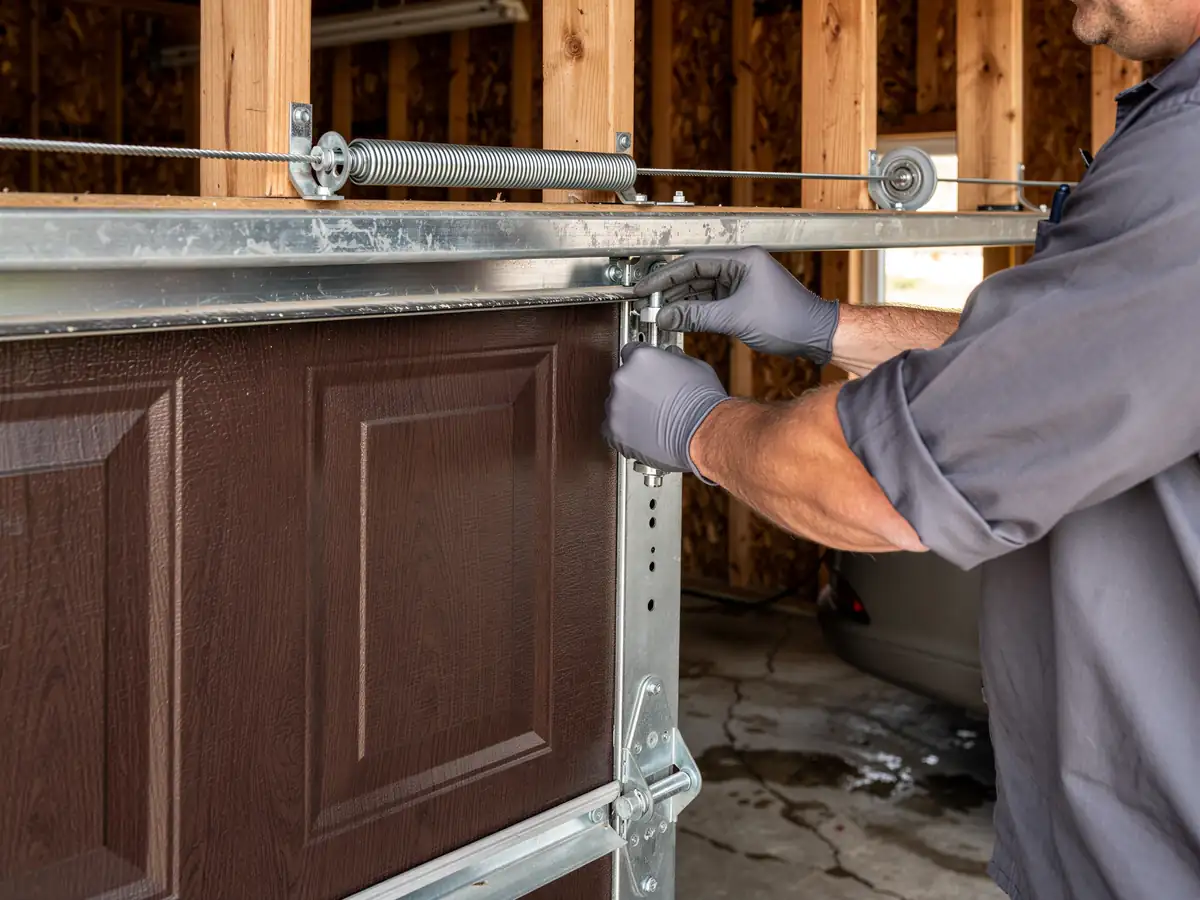
What a job costs here depends more on the age of the door than anything else. Dunedin's housing stock runs 1958 to 2005, with the median build year sitting around 1979. A door that age is almost never insulated, because it went up before insulation rules for garage doors were part of the code. That changes the math on repair versus replace: fixing a 1979-era hollow steel door is usually cheap parts-wise, but matching it means living with the same lack of insulation. Swapping it for a current door costs more up front but changes the thermal performance of the whole garage. Across the service area, 67,618 owner-occupied houses and a median household income of $84,220 put most jobs here in the mid-range steel and composite category rather than premium custom wood. I don't carry exact prices in this writeup - that's a conversation for your specific door, panel count, and track condition, not a number I'll guess at here. What I can tell you is that the age of the house is usually the first thing that tells me which way a repair estimate is going to go.
What Is Going On
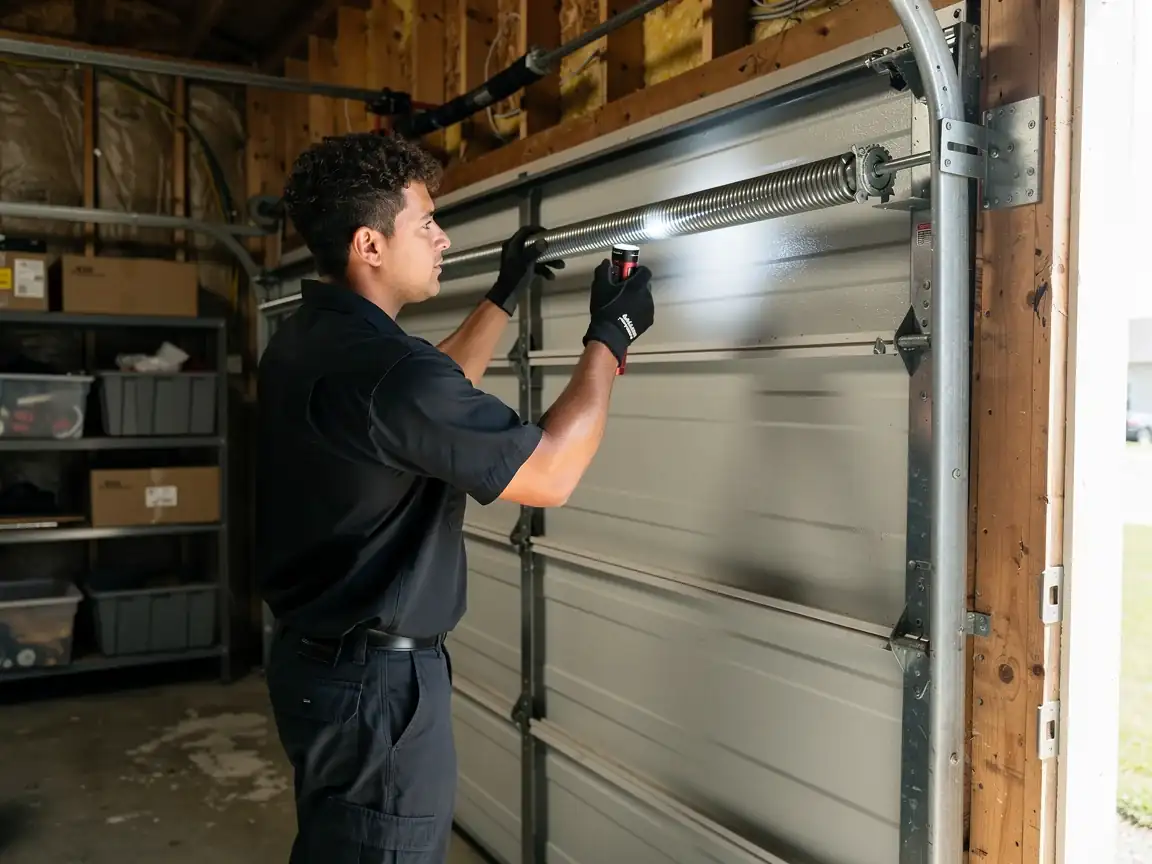
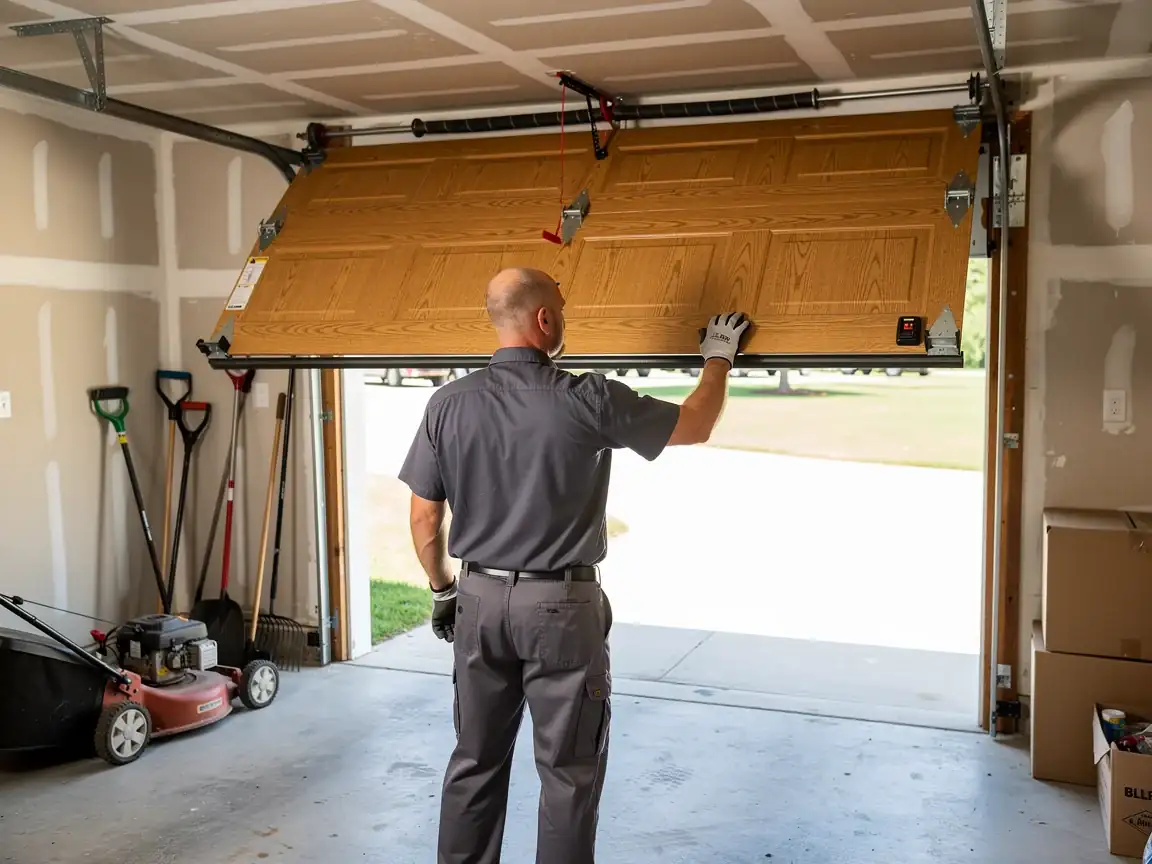
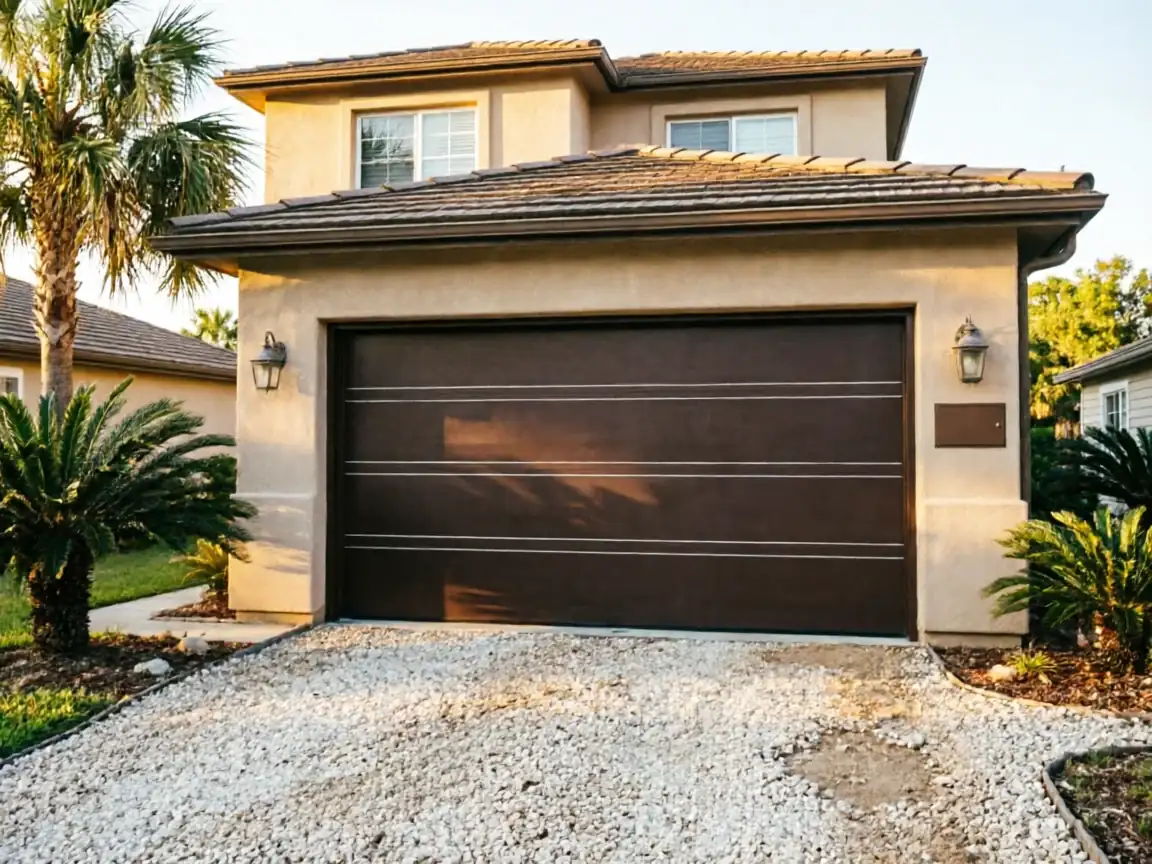
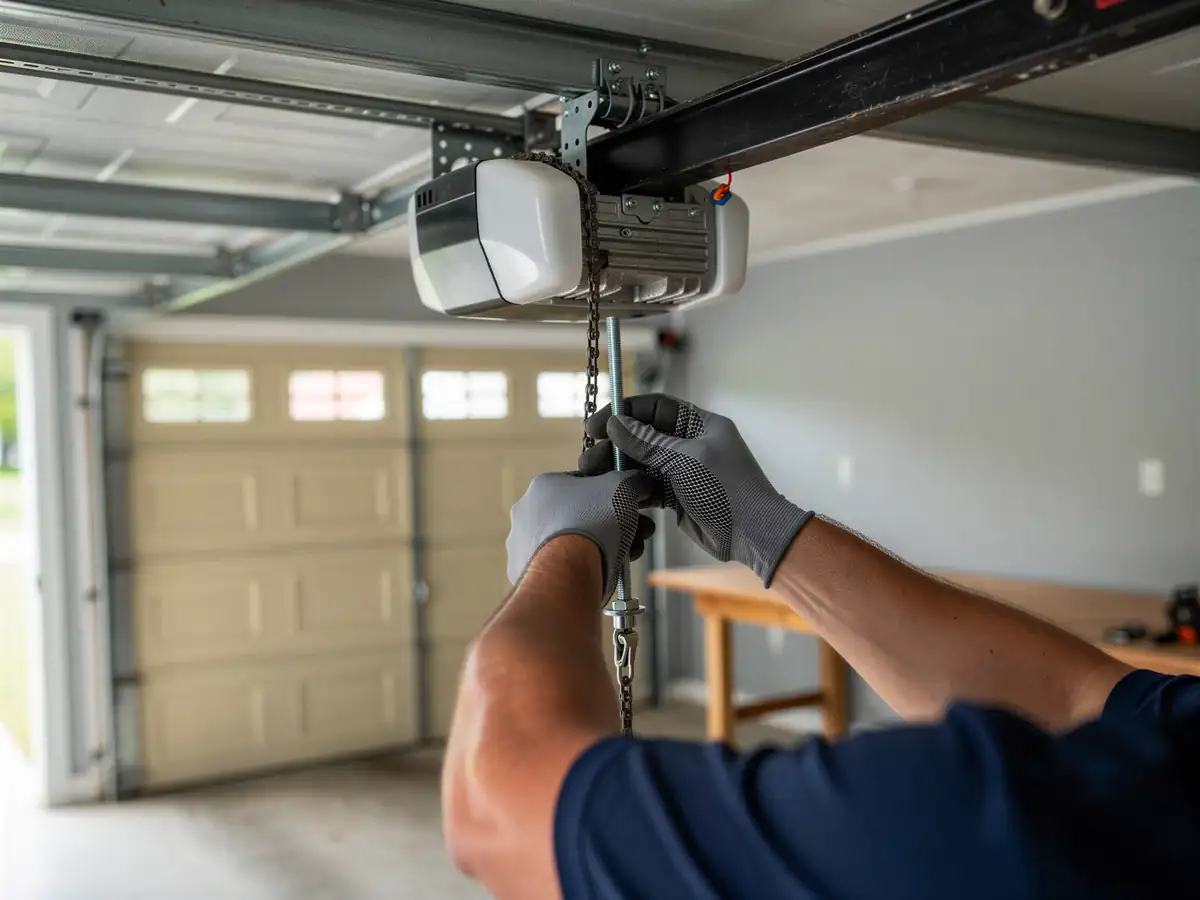
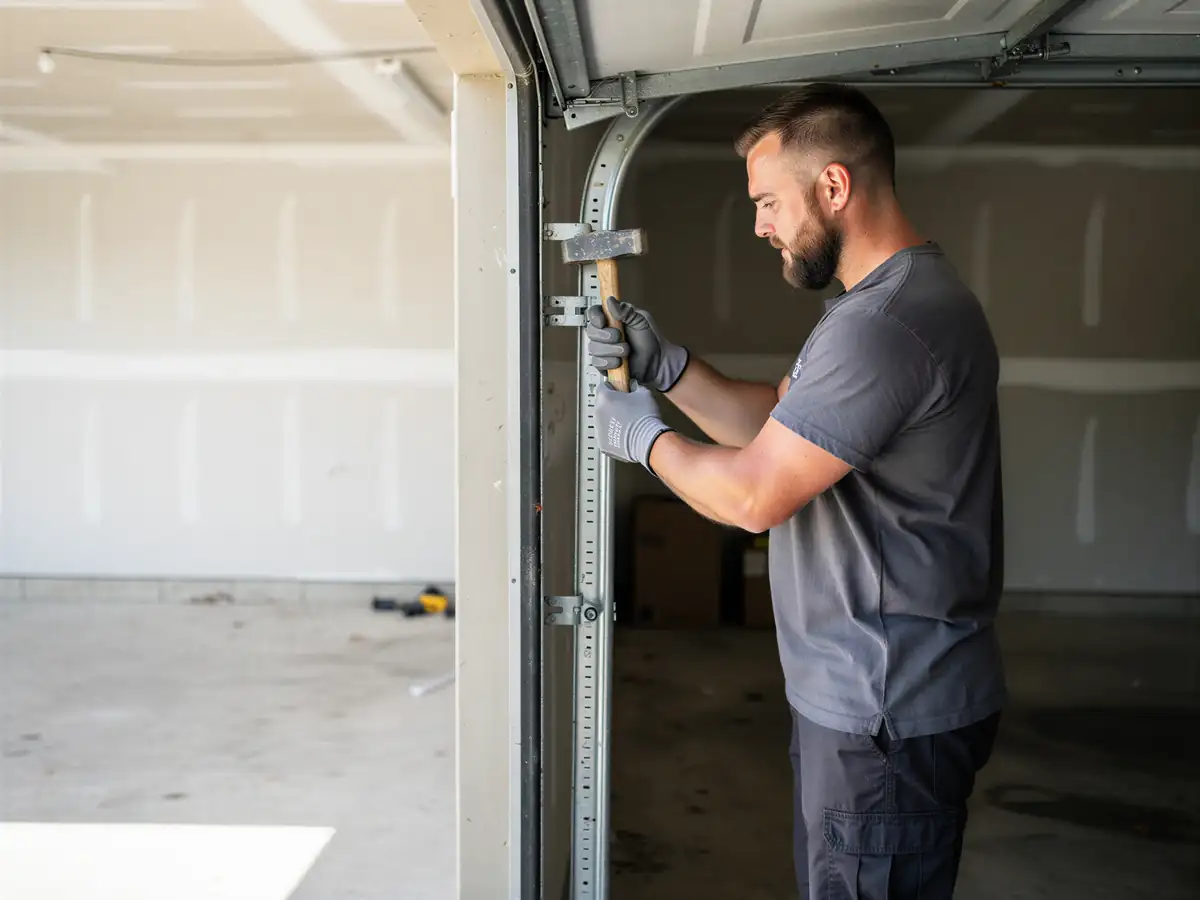
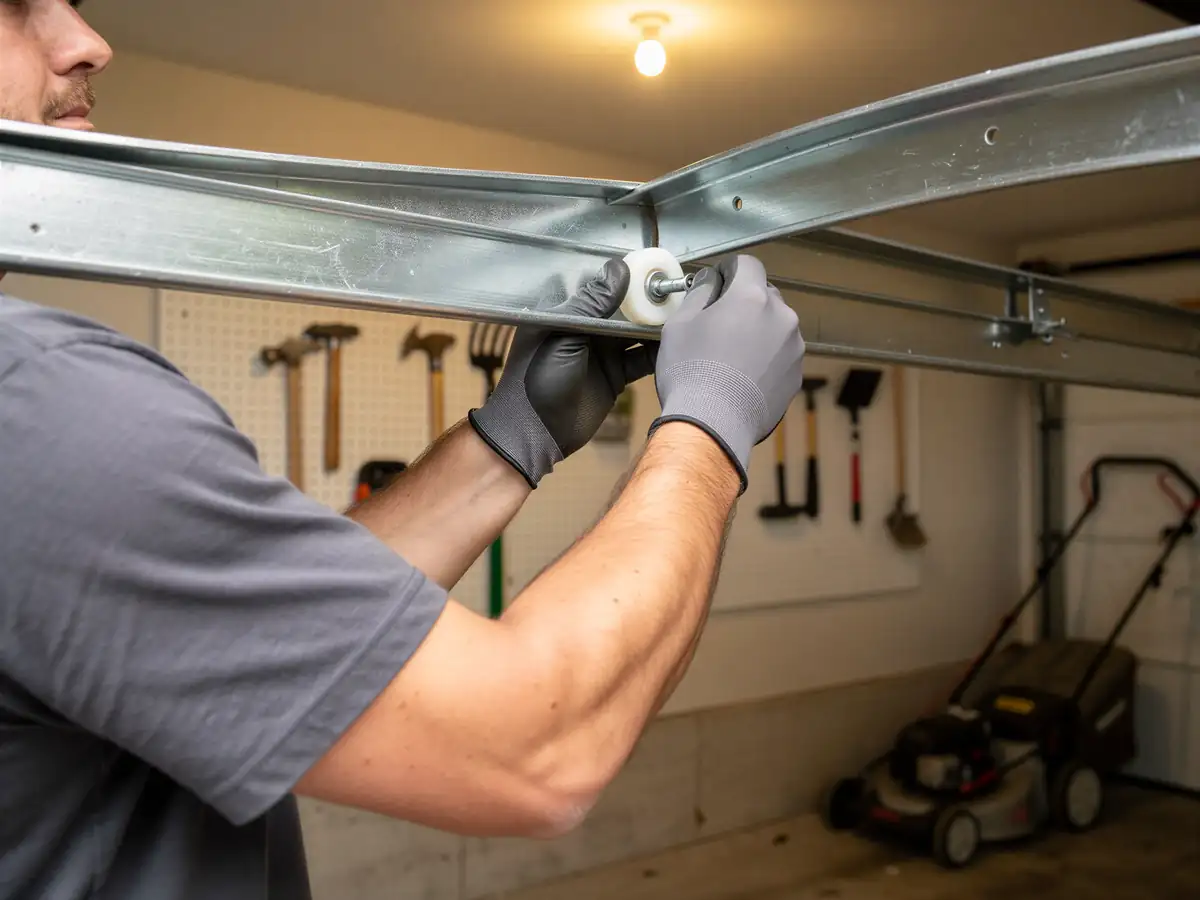
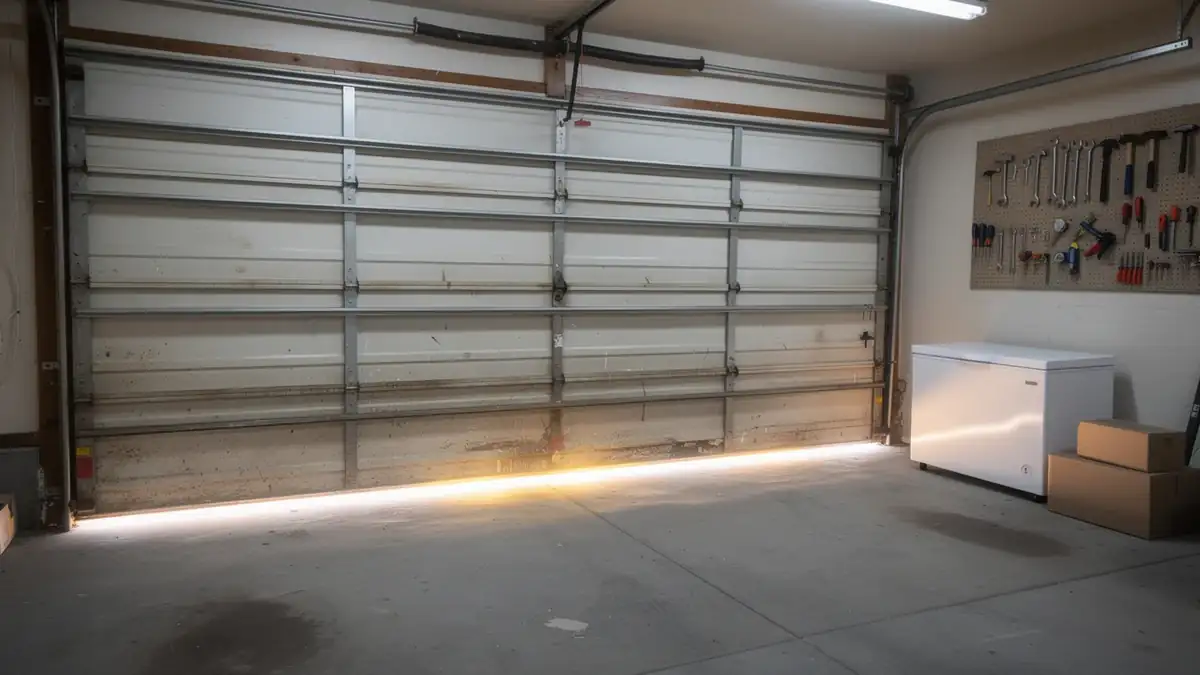
Across the 27 named communities this company works in, the bulk of the housing stock dates to the 1960s and 70s. That matters because garage doors from that era were built to a different standard than what's sold today - thinner steel, no thermal break, hardware sized for lighter panels. When a spring or cable fails on one of these doors, the fix is usually straightforward, but the door itself is often the weak link, not the part that broke. A lot of what looks like a broken opener is actually a door that's heavier than it should be, dragging on worn rollers, because nobody ever updated the panel since the house was built. If your garage faces a street in one of the older pockets of town, that history is probably still hanging in the opening. The honest answer, more often than I'd like, is that the door itself has outlived its hardware, and the smart fix is a new door rather than another round of patching the old one.
How Local Conditions Play In
Put the housing age and the climate together and you get a specific kind of garage door problem, not a generic one. A door built for a Dunedin house around 1979 was never spec'd against today's insulation expectations, because those rules came later than the construction itself. Add a mild, humid climate that doesn't force anyone to upgrade on a timeline, and you end up with doors that are old enough to be mechanically tired but never pushed hard enough by weather to fail outright. That's why so many service calls here are about noise, drag, or a door that's slowly gotten harder to lift - not sudden breakdowns. It also means replacement decisions in Dunedin are driven more by how the door feels to operate than by storm damage or freeze cracking you'd see further north. I'll flag the limitation plainly: I can't tell you from a houses's build year alone whether your specific door is insulated or not - some were upgraded along the way. That's a five-minute look at the panel, not a guess based on the neighborhood.