Why It Happens Here
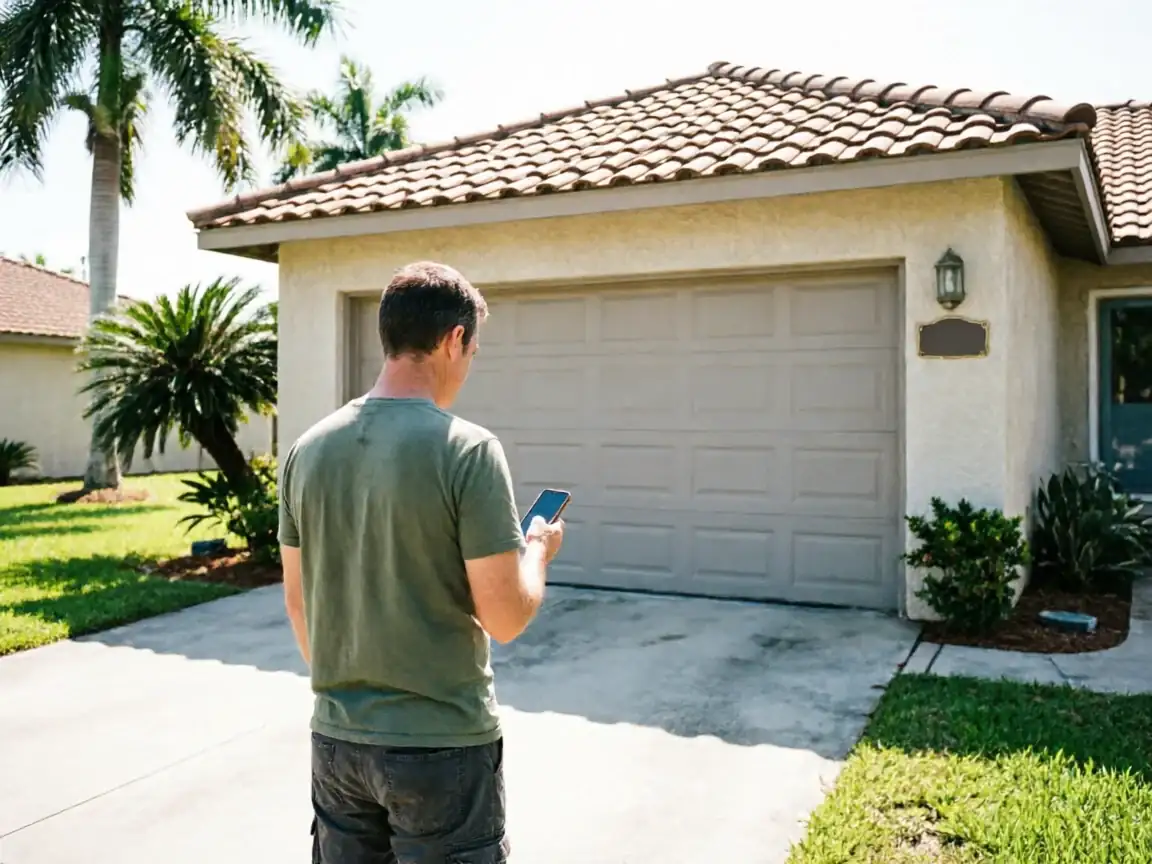
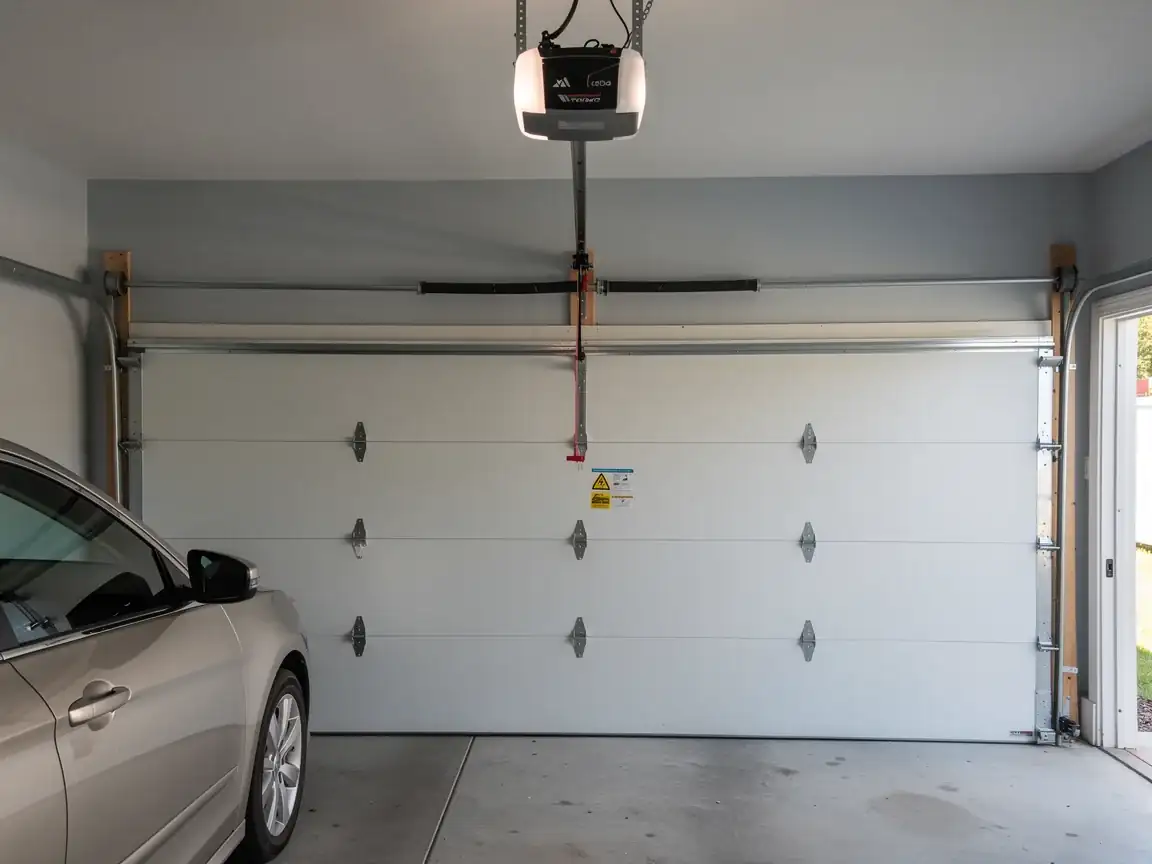
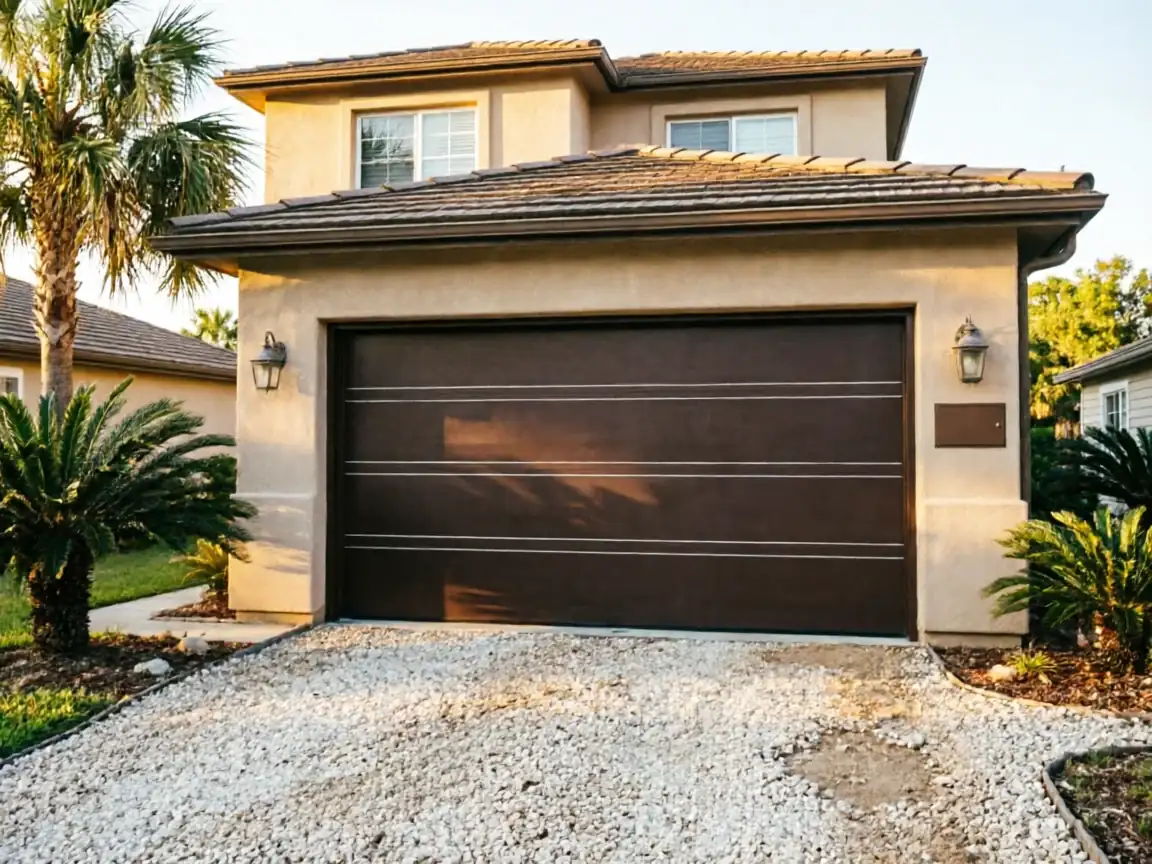
Trinity sits 15 miles from our Dunedin shop, which is the first thing to understand about how a call here plays out - a tech isn't crossing town, he's crossing the whole service area, so the job gets planned, not walked into. That drive matters less for the kind of trouble Trinity sees, though. Across the wider area, housing runs from 1958 up through 2005, with most of it dating to the 60s and 70s. Trinity sits at the far end of that range - its homes are newer, built right around 2005 on average. That means you're not fighting original torsion hardware or a door nobody makes parts for anymore. You're dealing with factory steel sectional doors, standard-lift torsion springs, and openers with circuit boards instead of mechanical relays. The failures are more electronic than mechanical: a logic board that won't learn a new remote, a safety sensor knocked out of alignment, a wall console that's stopped talking to the head unit. The springs still wear out - they're rated for cycles, not years - but you're far less likely to find a door held together by whatever was on hand in 1975.
Getting It Booked In
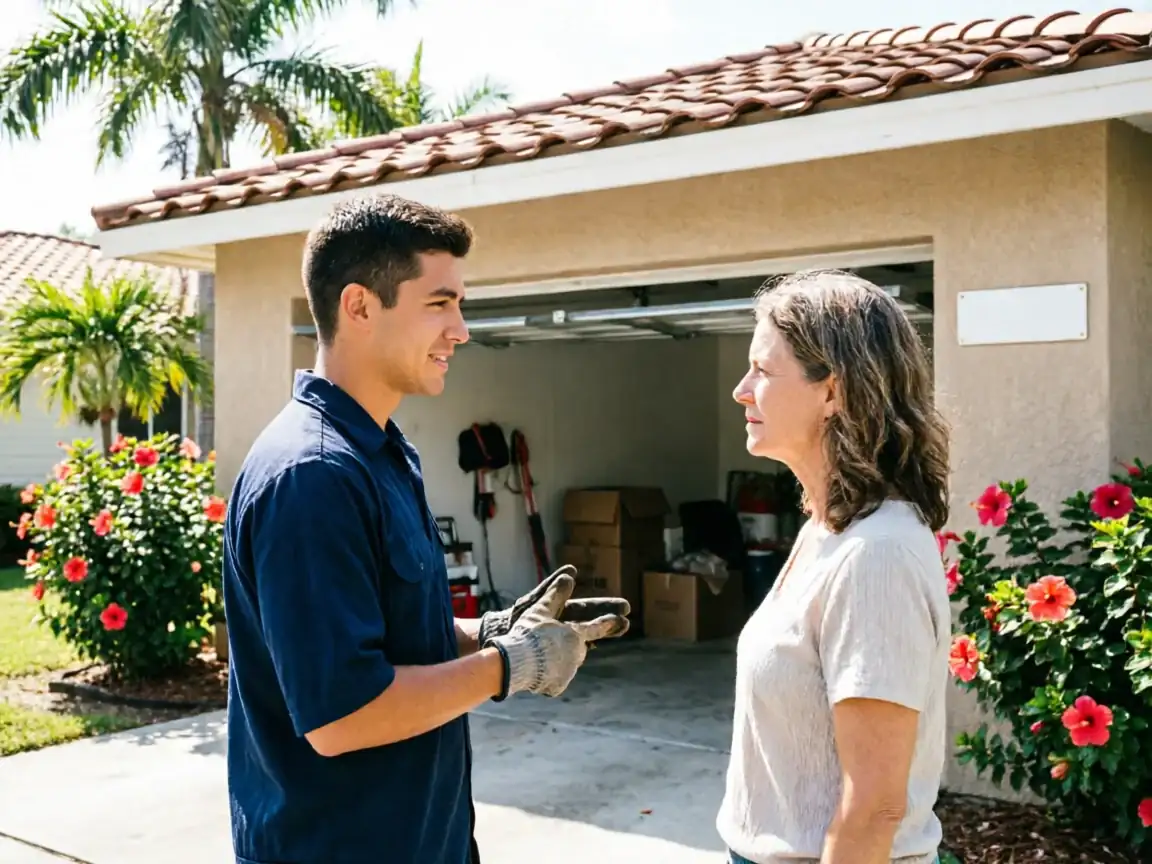
Because the truck is coming from Dunedin, we ask what's wrong before we're on the road, not after. A dead opener, a door stuck halfway, a spring that's let go with a bang - each of those needs a different box of parts loaded before the 15-mile drive even starts. If you can tell us the brand on the opener's motor housing or whether the door still moves on manual release, that one detail can save a second trip. We don't run a branch out of Trinity, so there's no walk-in counter here - every job starts with a call and a quick description of what the door is actually doing.
What Can Go Wrong
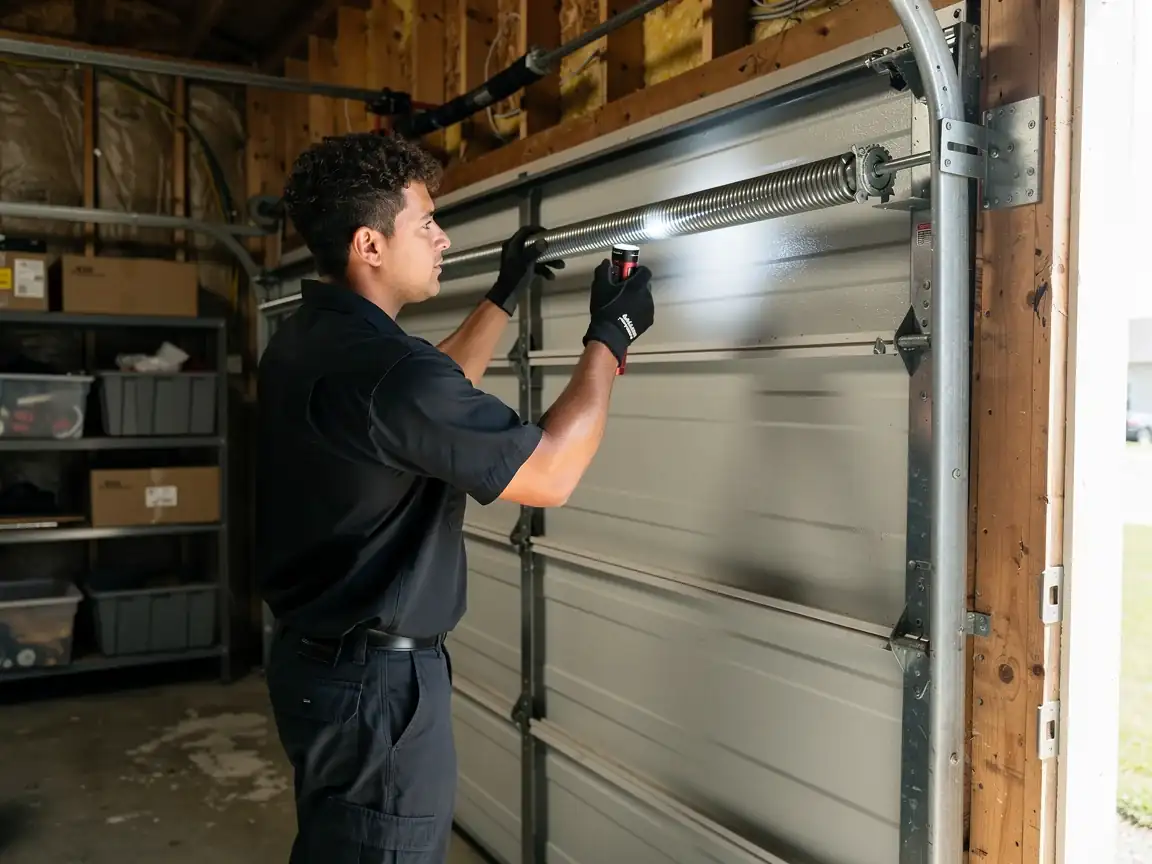
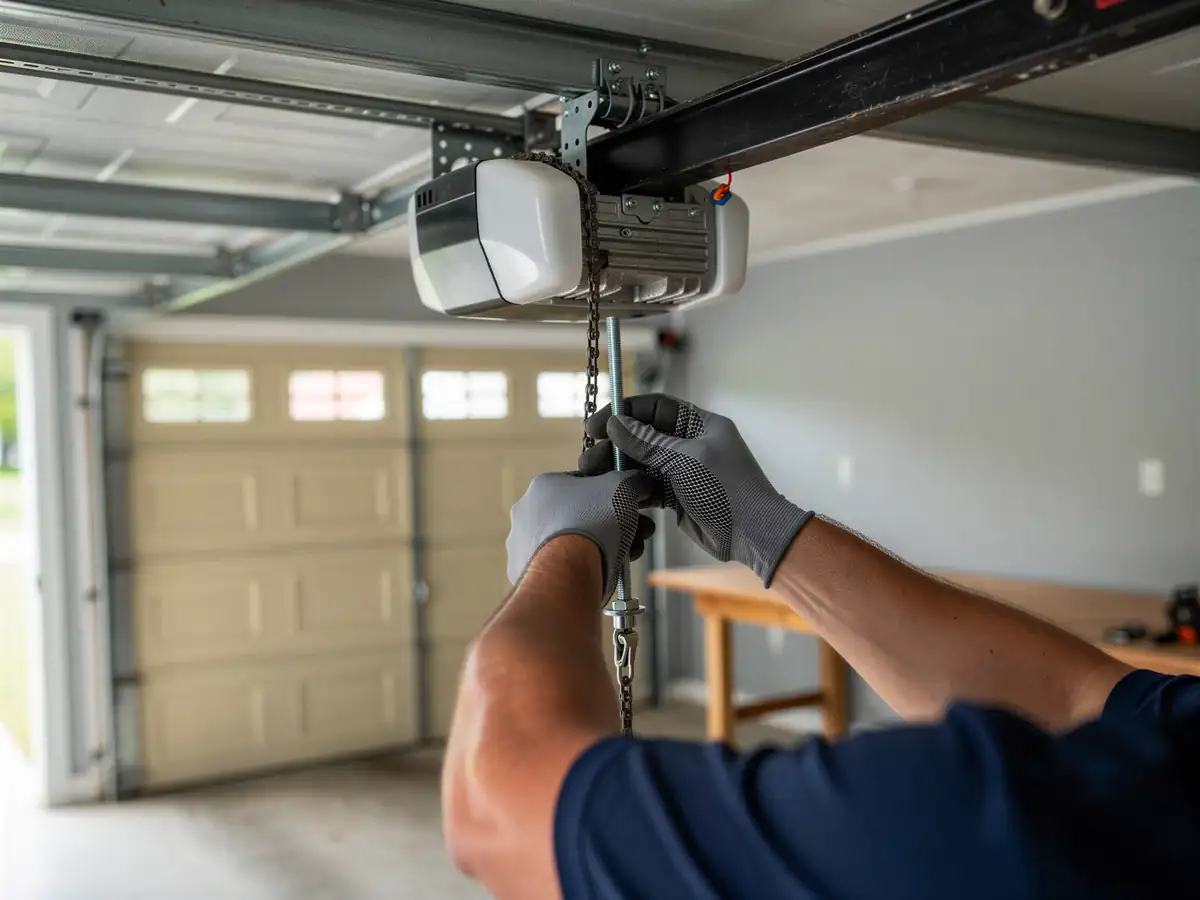
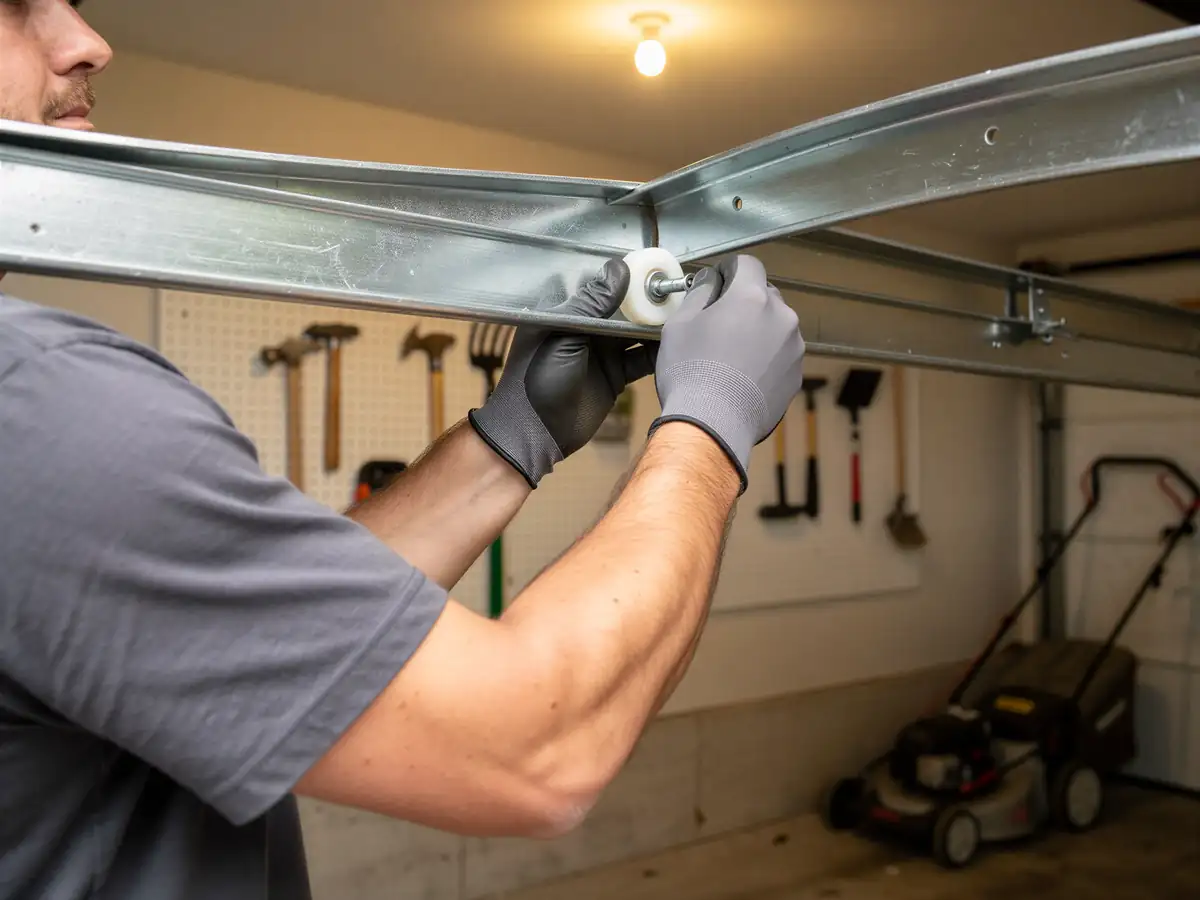
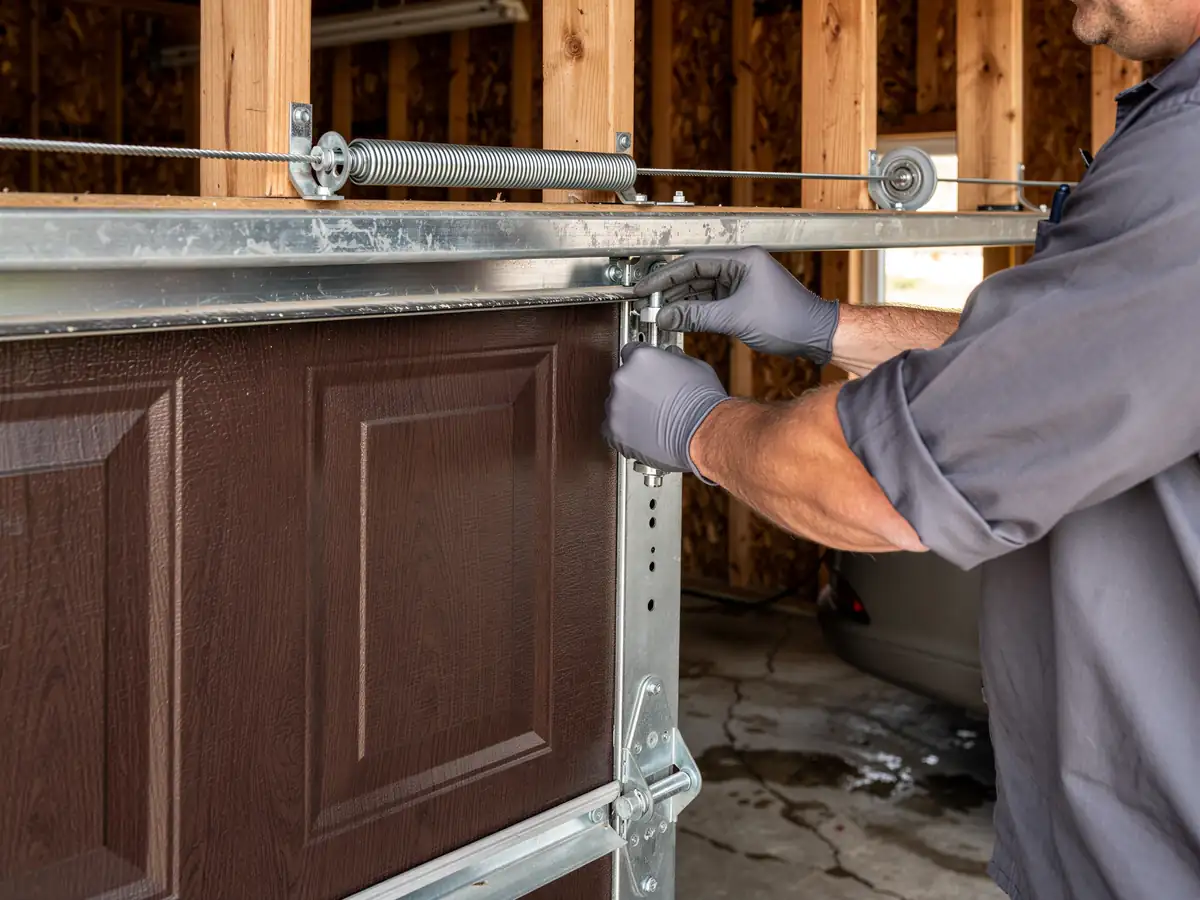
On a door this age, the opener is usually the weak link before the door itself is. Logic boards fail outright, limit switches drift and cause the door to reverse for no visible reason, and battery backup units (where fitted) die quietly until a power blip leaves the door stuck shut. Torsion springs on a 2005-era double door are still wound to a cycle count, and once that count runs out, the spring doesn't warn you - it just lets go, usually with a loud bang and a door that won't budge. Rollers on steel doors from this period are often nylon rather than the old steel-on-steel kind, so a bad roller sounds like grinding rather than squeaking. None of this is specific to a bad batch of doors; it's the ordinary wear pattern for hardware installed in the early-to-mid 2000s and now two decades into service.
The Symptom
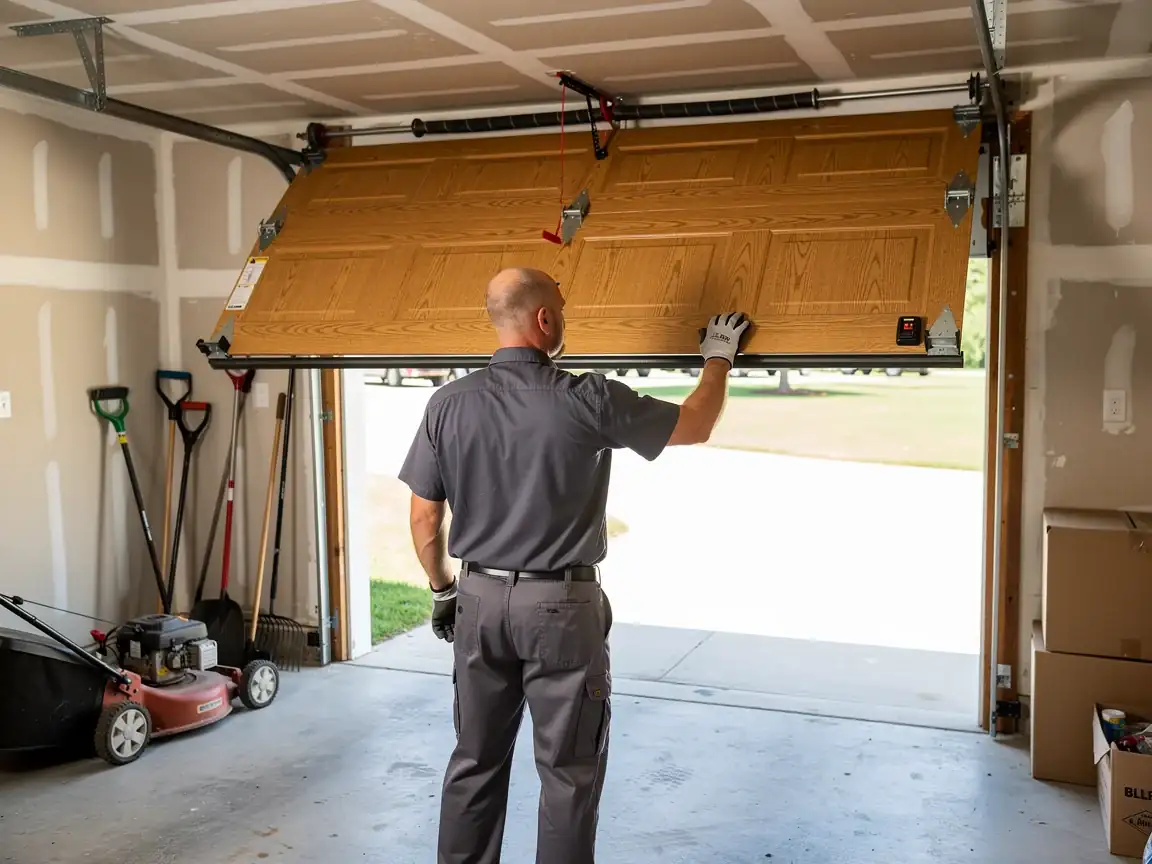
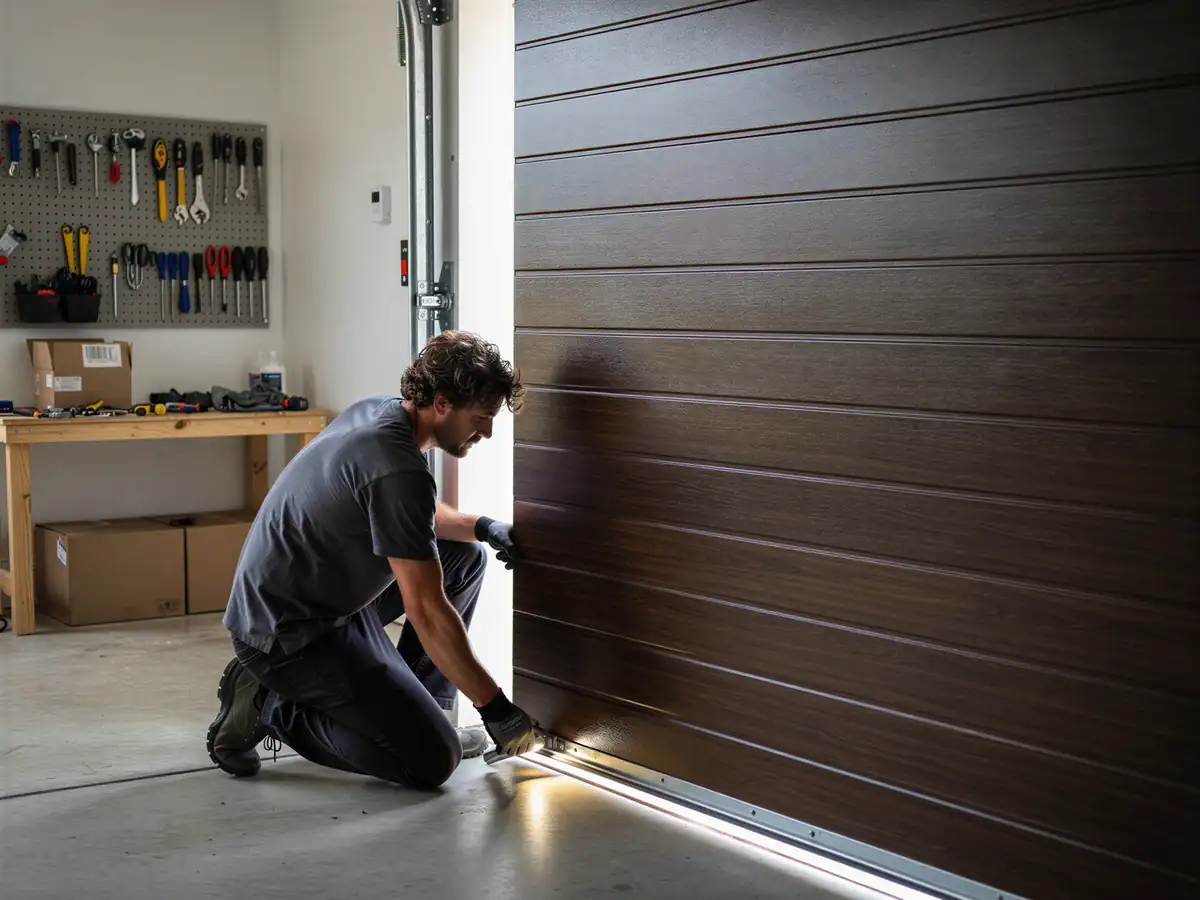
The call we get most from houses this age is an opener that runs but the door barely moves, or moves a few inches and reverses. That's almost never the motor - it's either a spring that's lost tension, pulling against a motor that was never meant to lift the door's full weight, or a sensor eye near the bottom of the track that's gone out of alignment and tells the opener there's an obstruction. A door that opens fine by hand but won't open with the opener points at the electronics; a door that's heavy to lift by hand too points at the spring.