The Cost of This Job
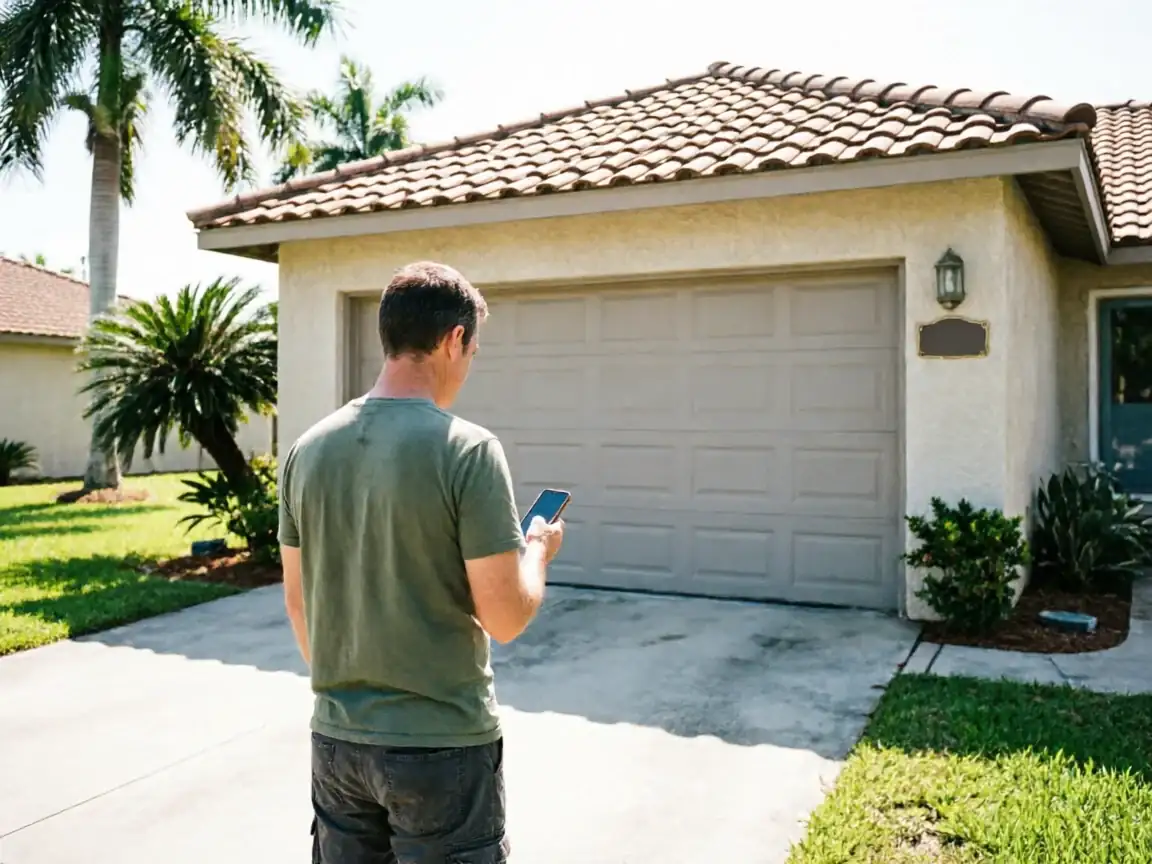
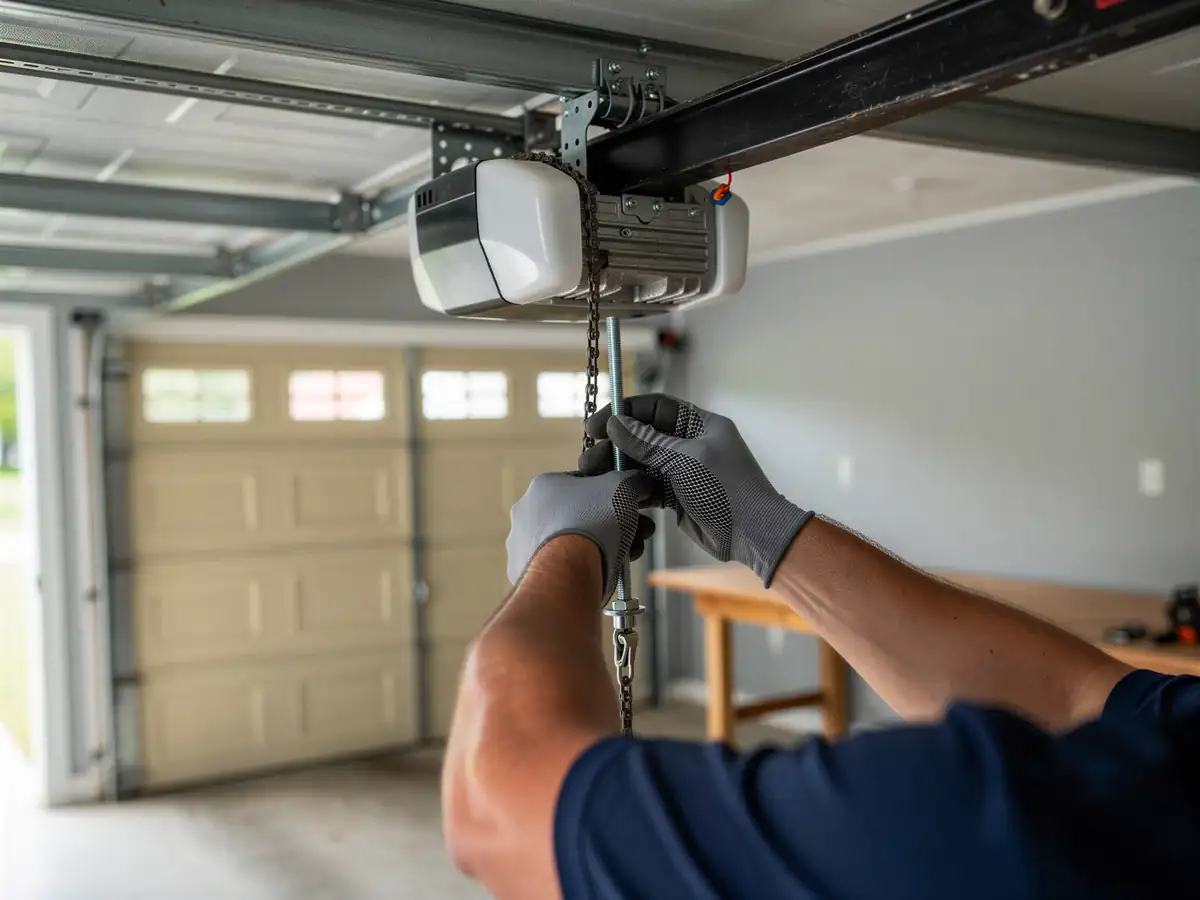
What you pay to fix an opener that dies in a power cut depends mostly on what's already bolted to your ceiling. Dunedin housing runs from 1958 up through 2005, with the median build year sitting at 1979 - so a lot of garages still have the original chain-drive opener, or a replacement from the 90s that was never swapped for anything newer. Those units don't have a logic board that plays nice with battery backup add-ons, so the fix is usually a full opener swap rather than a part. Newer houses in the mix, built closer to 2005, are more likely to have a circuit board that just needs a capacitor or a control panel, which is a smaller job. We won't quote a number here because we haven't got pricing data to back it up, but the honest truth is: the older the opener, the more likely you're replacing the whole head unit, not patching it. One limitation worth saying out loud - if your opener is an obscure chain-drive model from the 80s, the exact gear kit sometimes isn't sitting on the truck, and we may need a day or two to source it.
What Is Going On
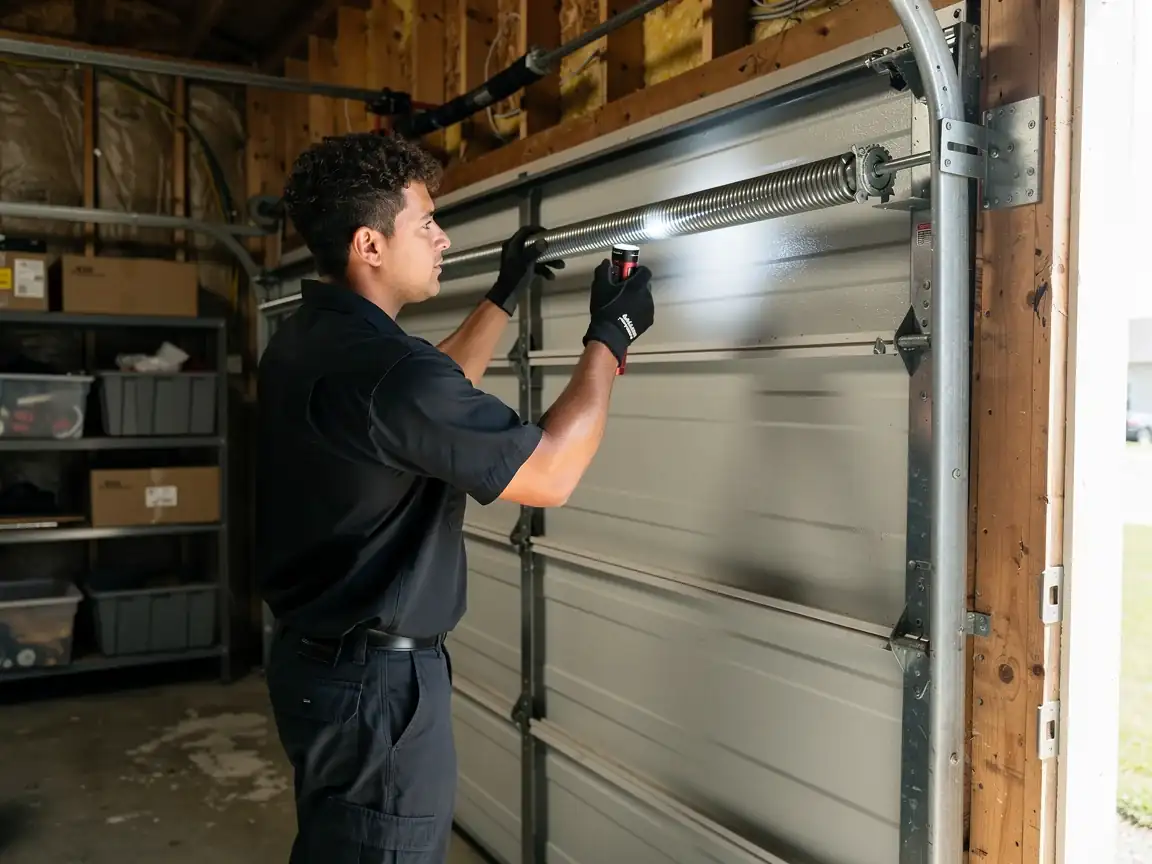
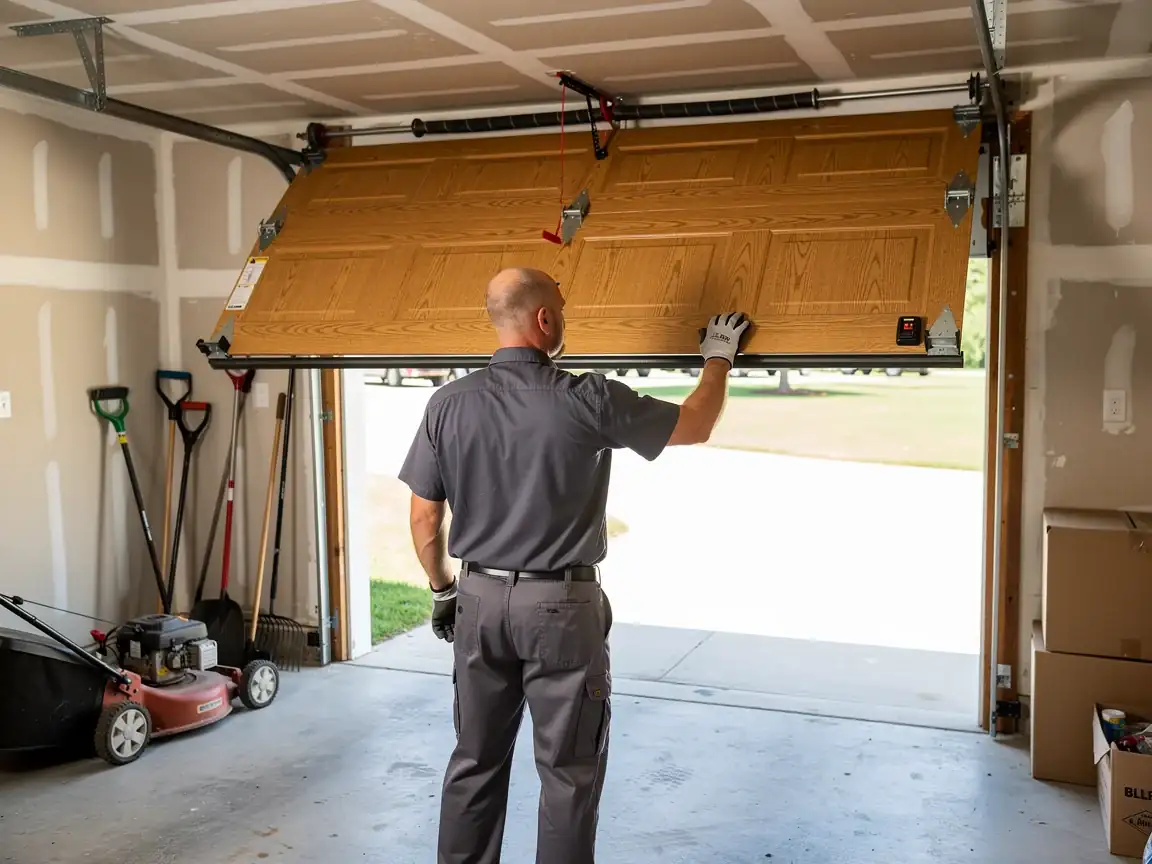
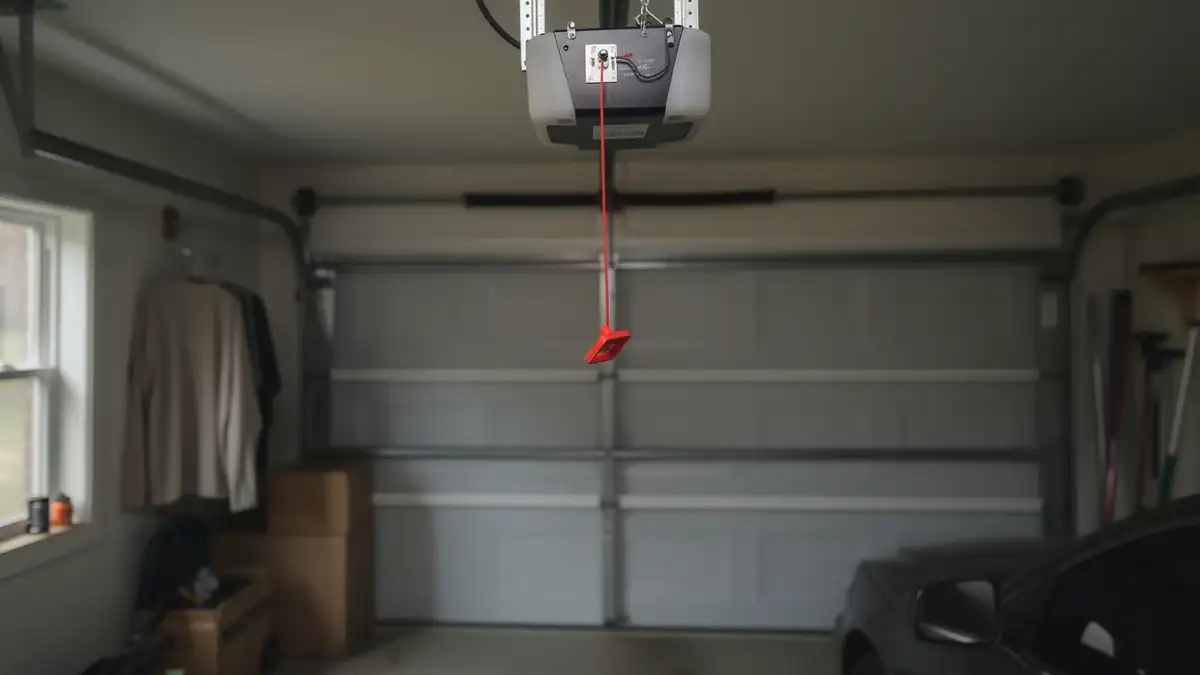
A garage door opener doesn't care about your door - it cares about its own motor and logic board, and both need steady current. When the power cuts, the opener stops mid-cycle, and on most houses built in the 1958-2005 window, that means the door is stuck wherever it was when the lights went out. The manual release cord is there for exactly this, but a lot of owners in this bracket have never pulled it, because the opener installed in their home predates any battery backup as a standard feature. Newer openers carry a small battery that kicks in automatically; the chain-drive units common across Dunedin's older stock just stop. The motor itself usually survives a power cut fine - it's the logic board and the safety sensors that sometimes don't reset cleanly once power comes back, which is why a door that worked before the outage sometimes won't respond after. That's not damage, most of the time. It's a board that needs a manual reset or, on the oldest units, one that's finally worn out and needs replacing outright.
How Local Conditions Play In
Across the 27 named areas that make up this part of the county - from Belleair and Safety Harbor out to Oldsmar, Trinity, and Odessa - the housing stock tells pretty much the same story: mostly 1960s and 70s builds, with openers to match. That consistency matters for power-cut problems specifically, because it means whole neighborhoods are running the same generation of equipment, and when a storm knocks the grid out, you'll often see a cluster of the same opener failure rather than one odd case. With 67,618 owner-occupied houses in the broader service area and a median household income of $84,220, most owners here can reasonably budget for a battery backup unit when they replace an opener, rather than treating the next outage as a surprise. That's less about where the service area sits on a map and more about what's already installed in the garage - a 1979-vintage chain drive doesn't suddenly handle a power cut better because the house next door got a new roof.