Serving Dunedin, FL & nearby
(727) 663-2056
Dunedin, FL

Garage Door Opener Repair for Dunedin-Area Homes

Opener repair for Dunedin homes built 1958-2005, where original hardware and gulf-coast humidity wear out gears, boards, and sensors the same predictable way.

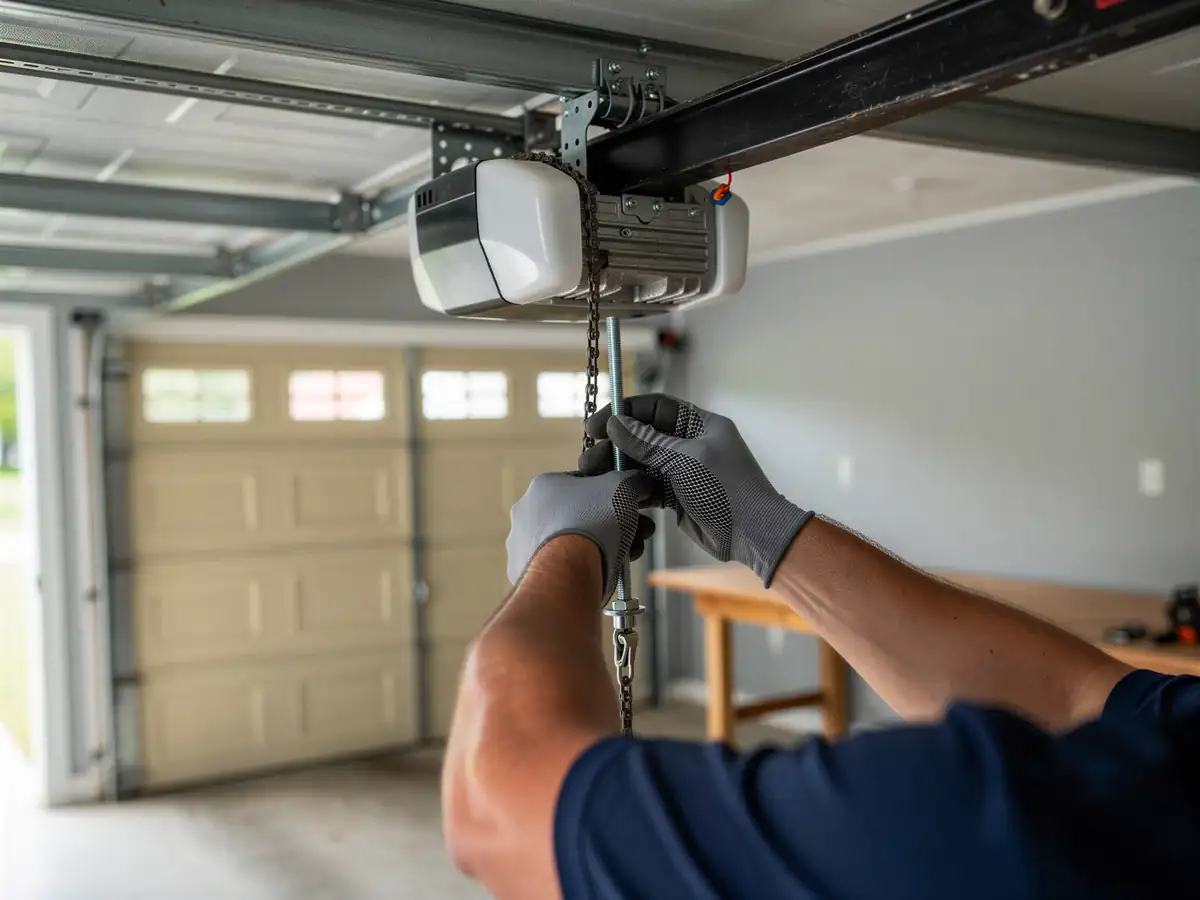
A technician in gray gloves adjusts a garage door opener chain.
Dunedin, FL
8 services
7 service areas
Diagnosis first, then the fix

Why It Happens Here

Most of the houses we work on around here went up between 1958 and 2005, with a lot of that stock dating to the 1960s and 70s across the 27 named areas we cover. That matters for openers because a unit installed when a house was built, or even a first replacement from the 1990s, is well past its working life by now. Gears strip, circuit boards corrode, and the old chain-drive motors just give out from use.

The climate adds its own wear. This is a mild temperate band, which sounds easy on equipment, but it also means steady humidity year-round rather than a hard freeze that would at least dry things out seasonally. Moisture gets into the opener's control board and into the safety sensor wiring at the base of the track, and it does that slowly, over years, which is why a unit can look fine and then quit on a random Tuesday. We see the same failure pattern across the service area - from Belleair and Safety Harbor out to Trinity and Odessa - because the housing ages the same way and the air does the same thing to the electronics everywhere in this band.

None of this means every opener needs replacing. A lot of the calls we run are a $20 sensor or a worn drive gear, not a dead motor.

What the Repair Takes

We start at the wall control and the sensors, because a surprising share of "dead opener" calls turn out to be a sensor knocked out of alignment or a wire chewed through at the junction box - cheap fixes, five minutes of labor once we're on site. If the motor runs but the door won't move, we're looking at the drive gear or belt/chain next, which is a common failure on units that have been running since the house's last door replacement.

If the logic board itself has corroded, that's a different job. Boards don't always fail clean - they can cause intermittent reversal or random activation before they die outright, so we test under load rather than just swapping parts on a guess. We carry common gear kits and sensor assemblies on the truck; a full board or motor replacement sometimes means ordering a specific part, and we'll tell you upfront if that's a next-day situation rather than same-visit.

One honest limit: if your opener is old enough that the manufacturer no longer makes parts for it, repair stops making sense and we'll say so instead of patching something that'll fail again in a month.

What Can Go Wrong

  1. The most common failure we see on older units is the drive gear or sprocket wearing down to the point the motor spins but the carriage doesn't move

    A direct result of decades of use on hardware installed when these houses were new. Close behind that is sensor failure: humidity and years of yard work banging into the sensor brackets near the floor eventually knock the alignment off or corrode the contacts, and the door won't close without them working.

  2. Logic board failure is the one that frustrates people most

    Because it doesn't always look like a board problem. The door might reverse for no reason, respond to the remote inconsistently, or just stop taking commands. On homes with original or early-replacement openers, we also see worn travel limit switches, which makes the door stop short or overrun the floor.

  3. Less common but real

    Capacitor failure on older motor units, which shows up as a motor that hums but won't start. We check for that specifically on anything installed before the 2000s, since it tracks with the age of housing stock in this area.

The Symptom

If your opener hums but the door doesn't move, that's almost always the drive gear, not the motor itself - worth knowing before anyone tells you the whole unit needs replacing. If the door reverses right before it touches the floor, check the sensors first; it's the single most common call we get from owners across this service area, largely because sensor wiring sits low and takes the brunt of humidity and yard debris over the years these houses have been standing.

A remote that works sometimes but not always usually points to the logic board losing its hold on the signal, especially in units old enough to match the 1958-2005 build range common to this area. A door that stops partway and won't finish either direction is often a worn travel limit, not a safety fault, though it can look identical from the driveway.

If you're hearing a sharp grinding noise on open or close, stop using the opener and call before the gear strips completely - running it through that noise is what turns a $150 gear replacement into a $400 motor job.
How it works

From “it’s stuck” to “it’s fixed”

A quick, honest process - no guesswork and no surprises, start to finish.

  1. 1
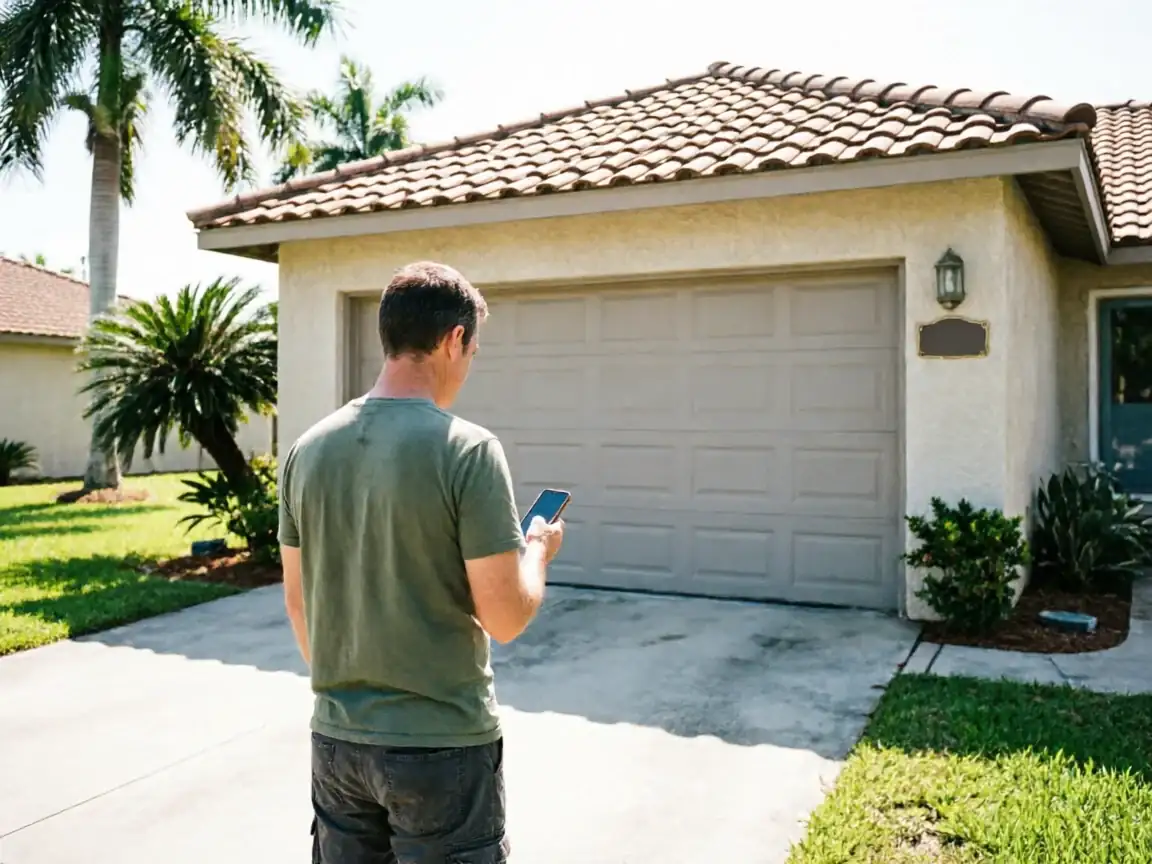
    A man stands in a driveway looking at his phone in front of a closed garage door.

    Tell us what’s wrong

    Describe the symptom - won’t open, loud bang, opener runs but the door won’t move.

  2. 2
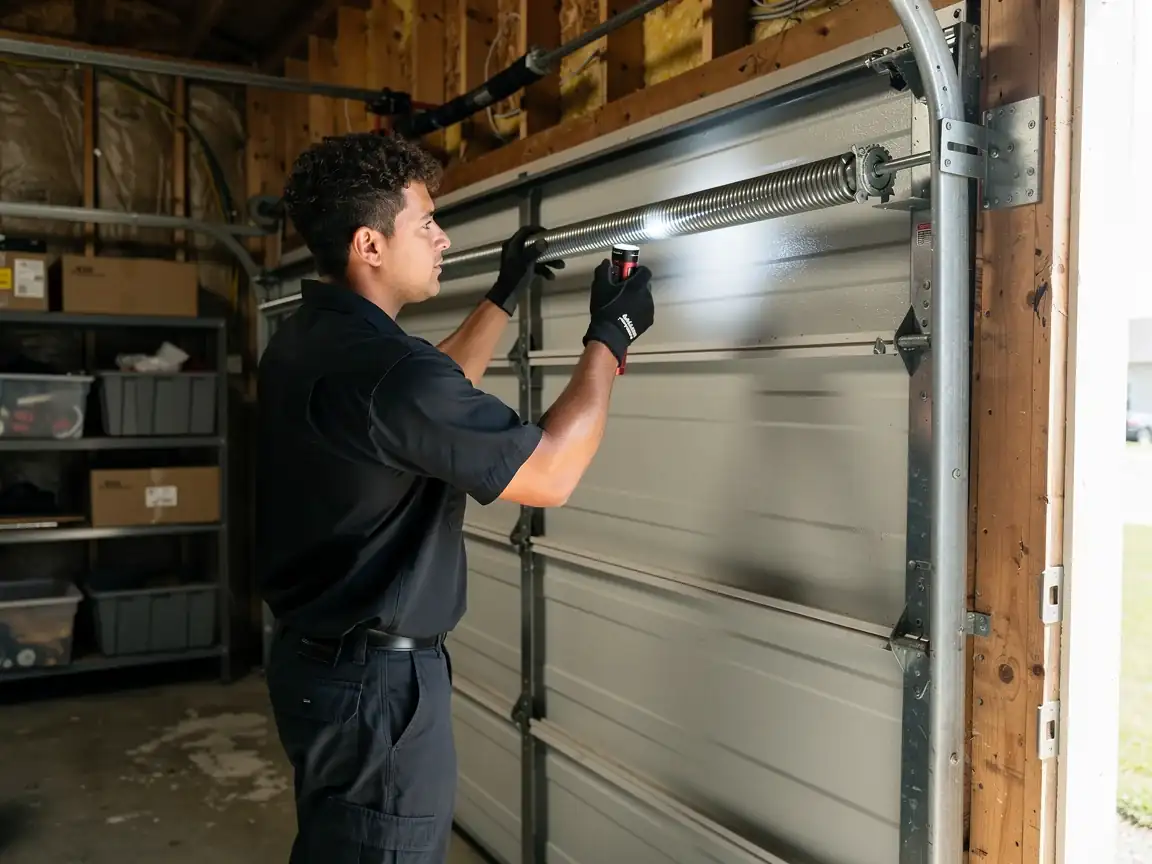
    A technician inspects a garage door torsion spring with a flashlight.

    On-site diagnosis

    A technician tests the door under power and by hand and finds what actually failed.

  3. 3
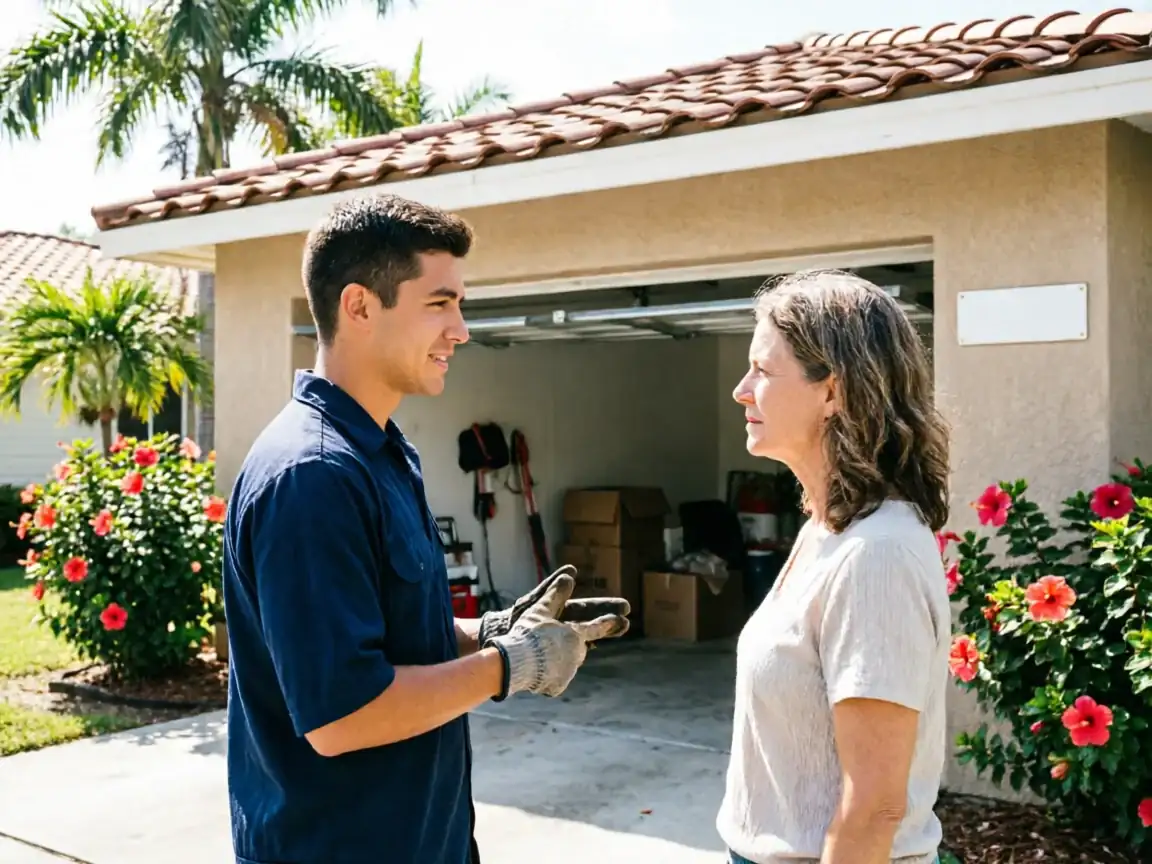
    A technician in work gloves talks to a woman in front of a garage.

    Clear, up-front plan

    You get the fix that’s needed and what drives the cost - before any work starts.

  4. 4
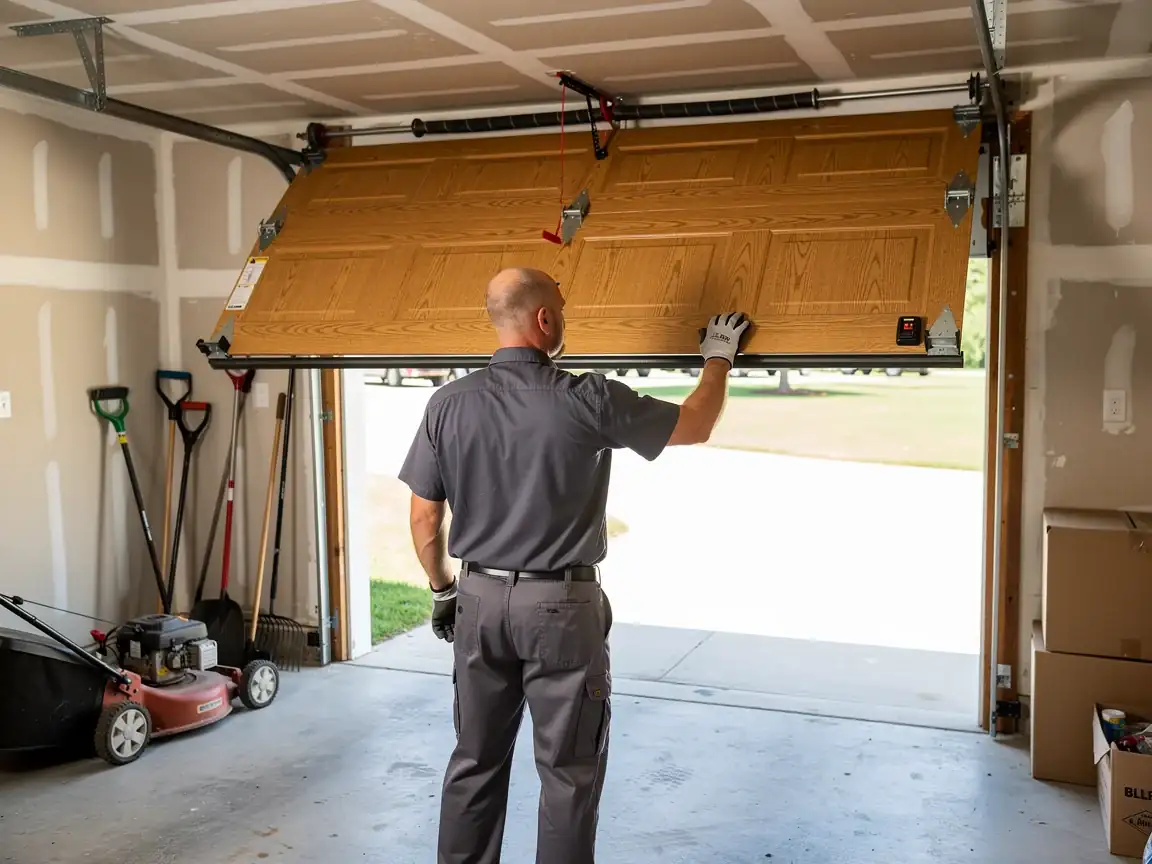
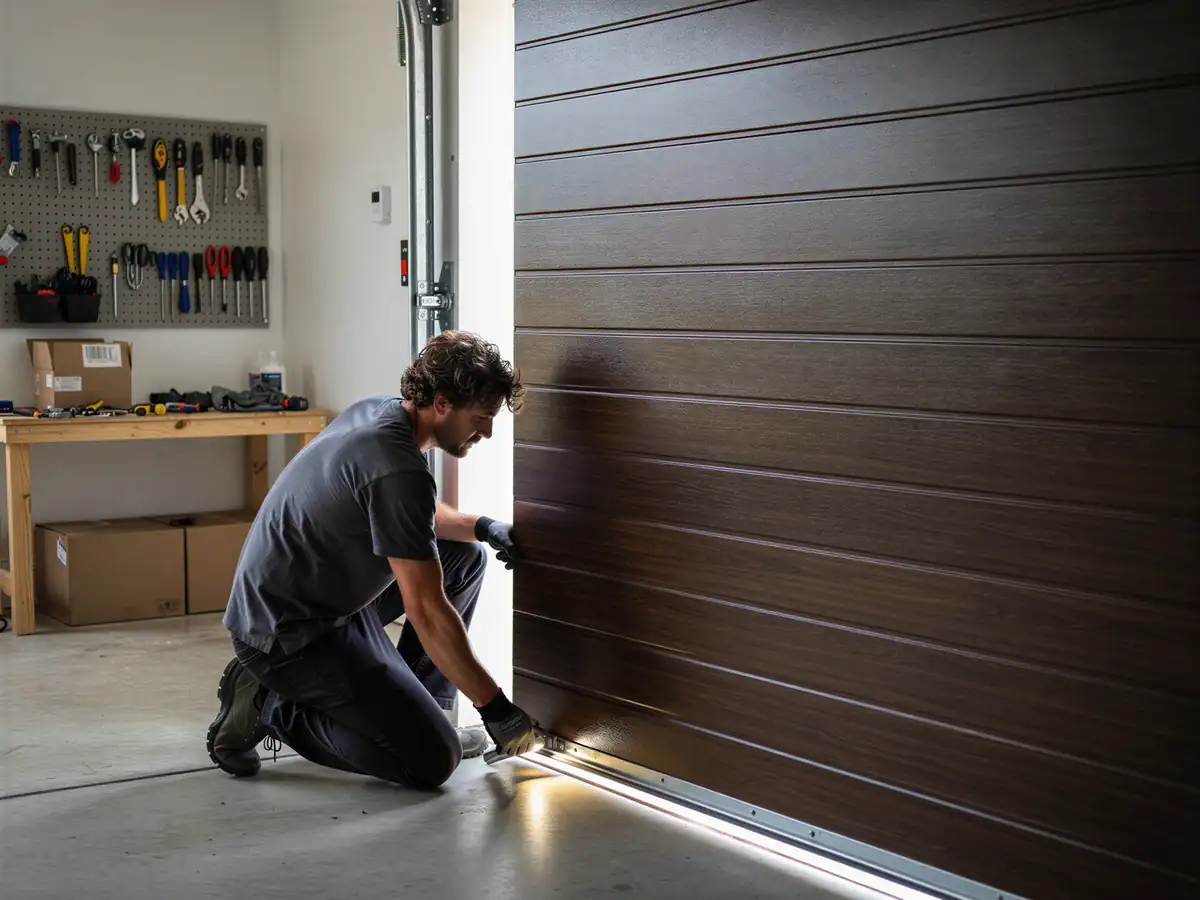
    A technician in a gray uniform is adjusting a brown garage door.

    Repaired & tested

    The repair is done, the door is set true and tested, and the work area left clean.

Not sure which repair your door needs in Dunedin, FL? Describe what it’s doing - every job starts with a diagnosis.

How we work

What to expect

Diagnosis firstEvery visit starts by finding what actually failed - not a pre-written parts list.
The right part for the doorSprings and openers matched to the door’s weight and age, so the fix holds up.
Straight answersWhen a repair makes more sense than a replacement - or the reverse - you hear it plainly.
Clean, careful workTension released safely, hardware set true, the door tested under power before we leave.
36,164Residents in Dunedin
8Garage door services
7Neighborhoods & suburbs
FLServing Dunedin, FL
What we do

Garage Door Services

Repair and installation work for Dunedin homes and businesses.

A technician kneels, inspecting the bottom of a brown garage door.

Garage Door Repair

Dunedin homes built mostly in the 1960s-70s are hitting the age where torsion springs and tracks give out. We fix the door that's stuck, off its track, or won't open.

Learn more
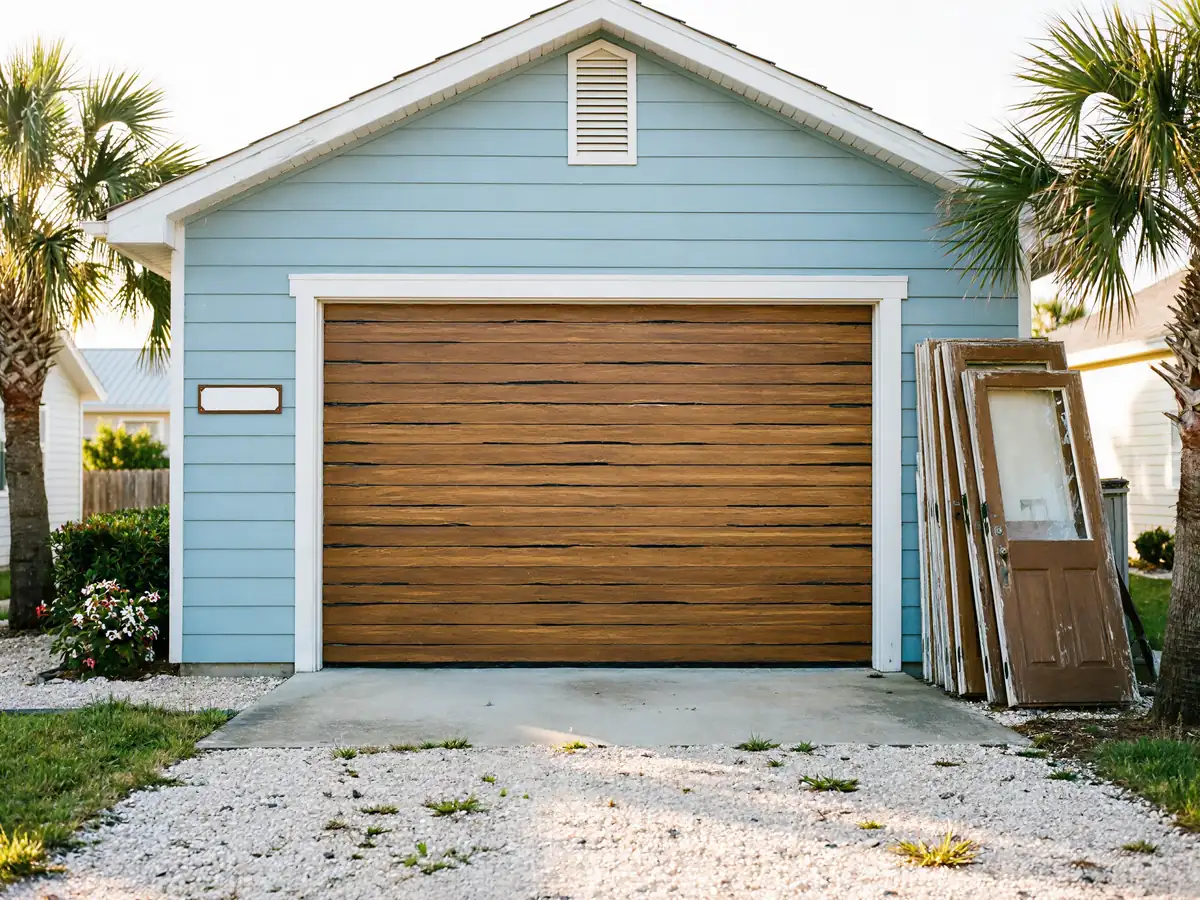
A light blue house has a brown wooden garage door and old doors stacked outside.

Garage Door Installation

Dunedin homes mostly date to 1958-2005, median 1979, so original garage doors are aging out. See why installation beats repair here and what the job involves.

Learn more
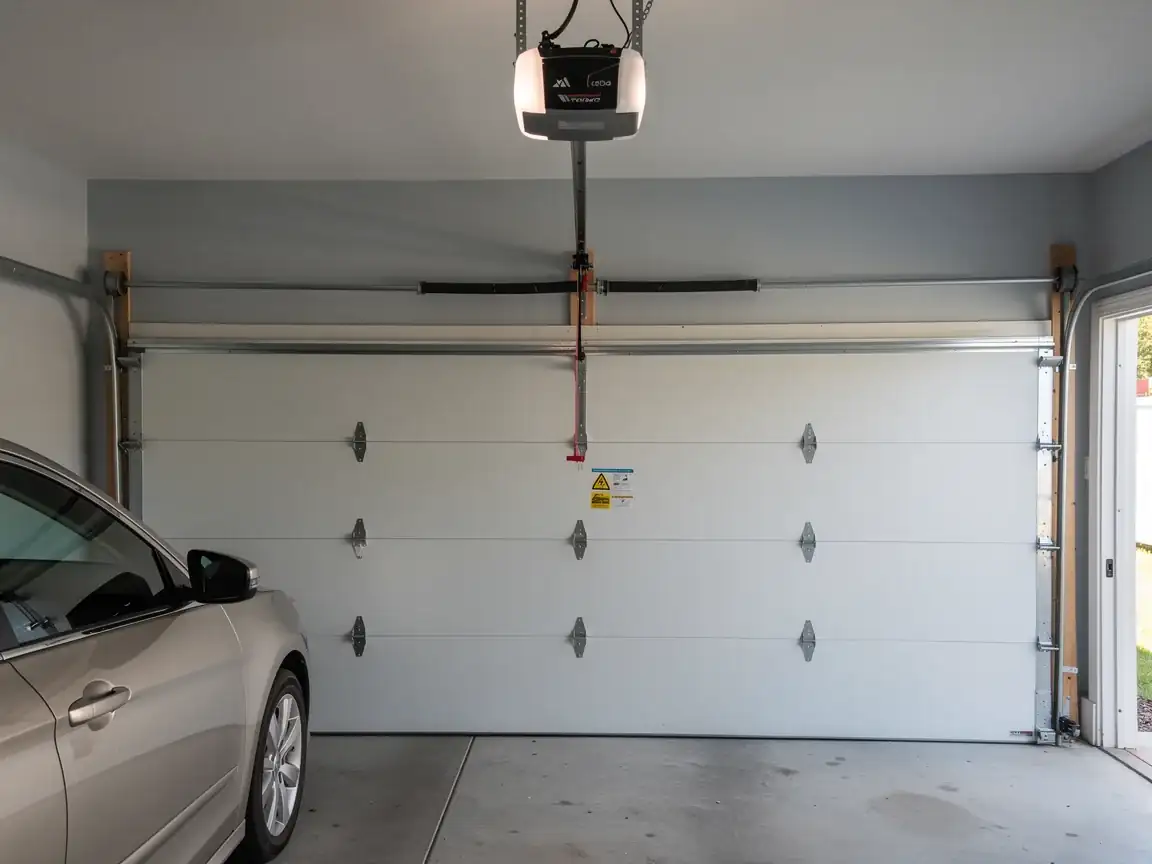
A white garage door is closed with an opener and a torsion spring visible.

Garage Door Service

Dunedin homes mostly date 1958-2005, and the mild Gulf climate wears springs down through corrosion and cycle fatigue, not cold snaps. Here's what that means for your repair.

Learn more
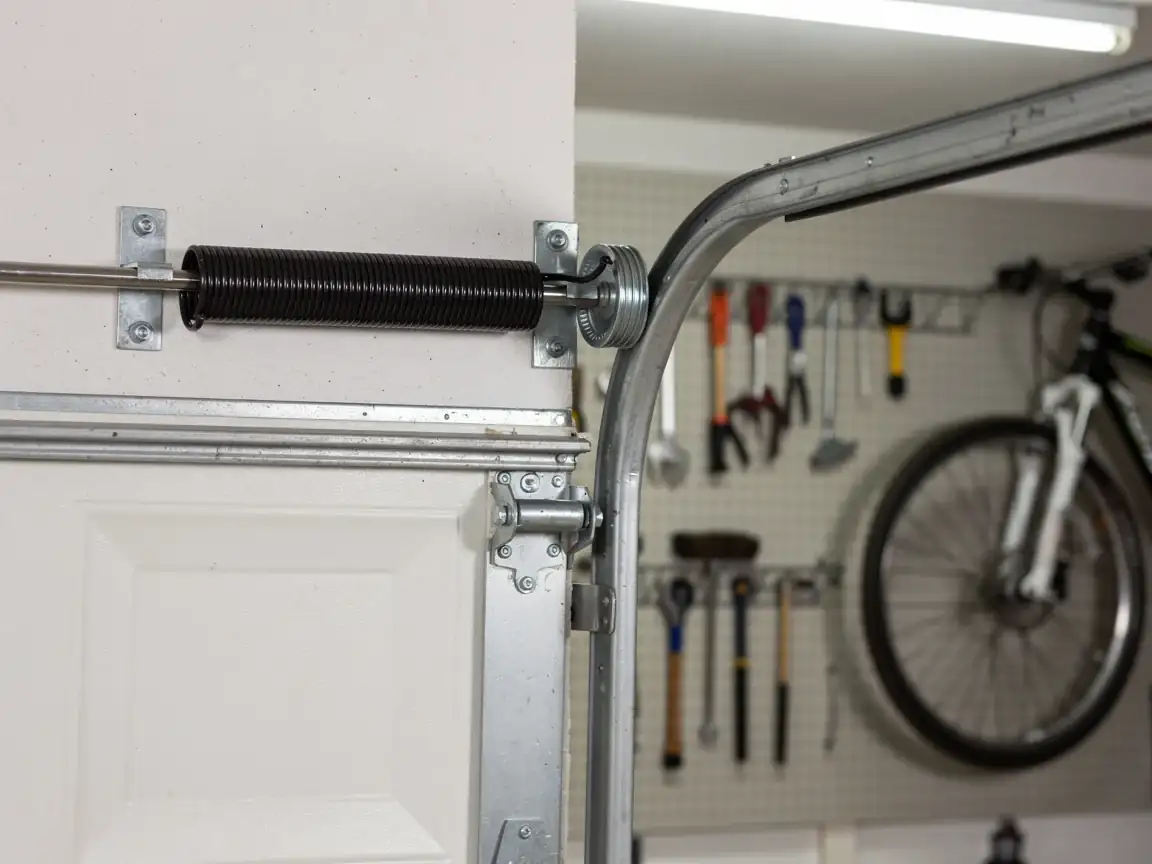
A black torsion spring is mounted above a white garage door.

Opener Repair

Opener repair for Dunedin homes built 1958-2005, where original hardware and gulf-coast humidity wear out gears, boards, and sensors the same predictable way.

Learn more
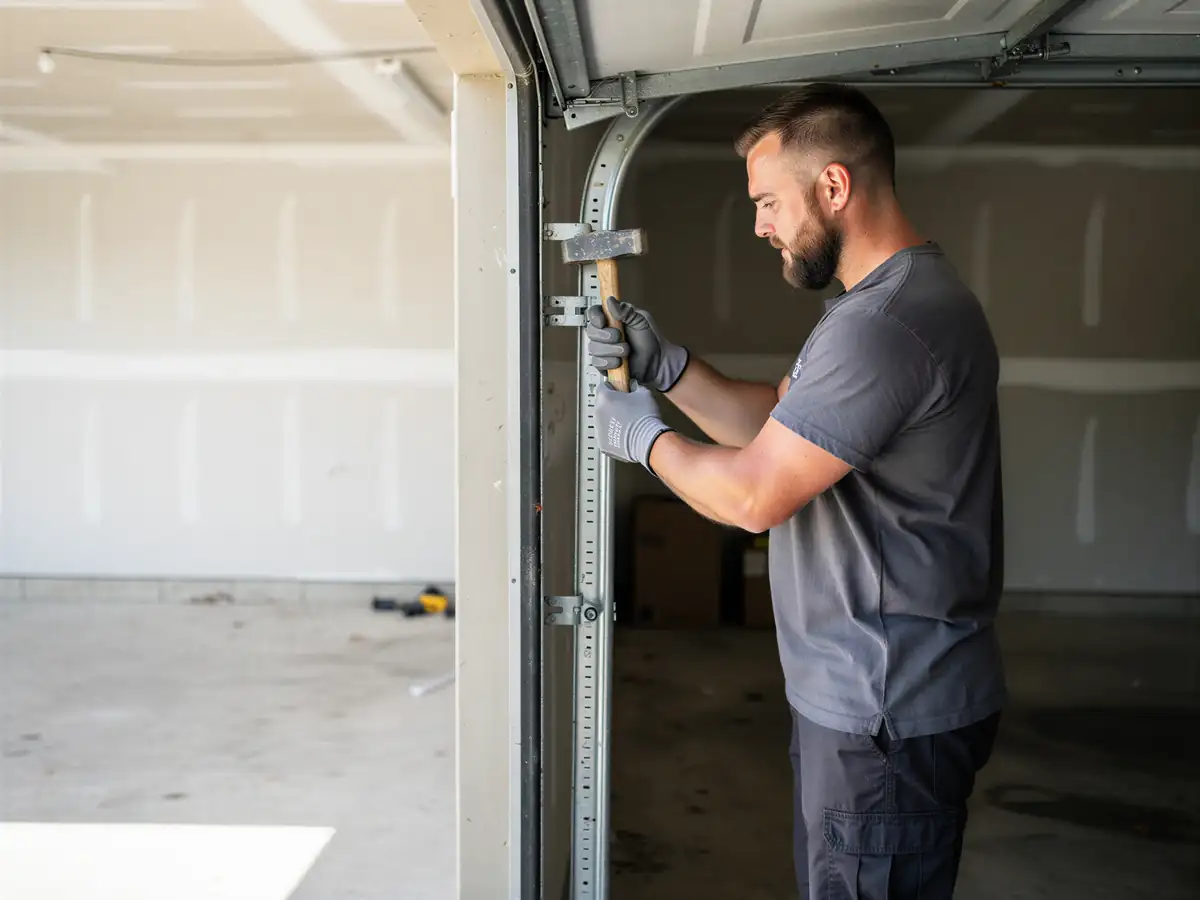
A technician in gloves uses a hammer on a garage door track.

Off-Track Repair

Garage door jumped its track? We work on the 1958-2005 housing stock across this service area and explain what's actually bent, broken, or misaligned.

Learn more
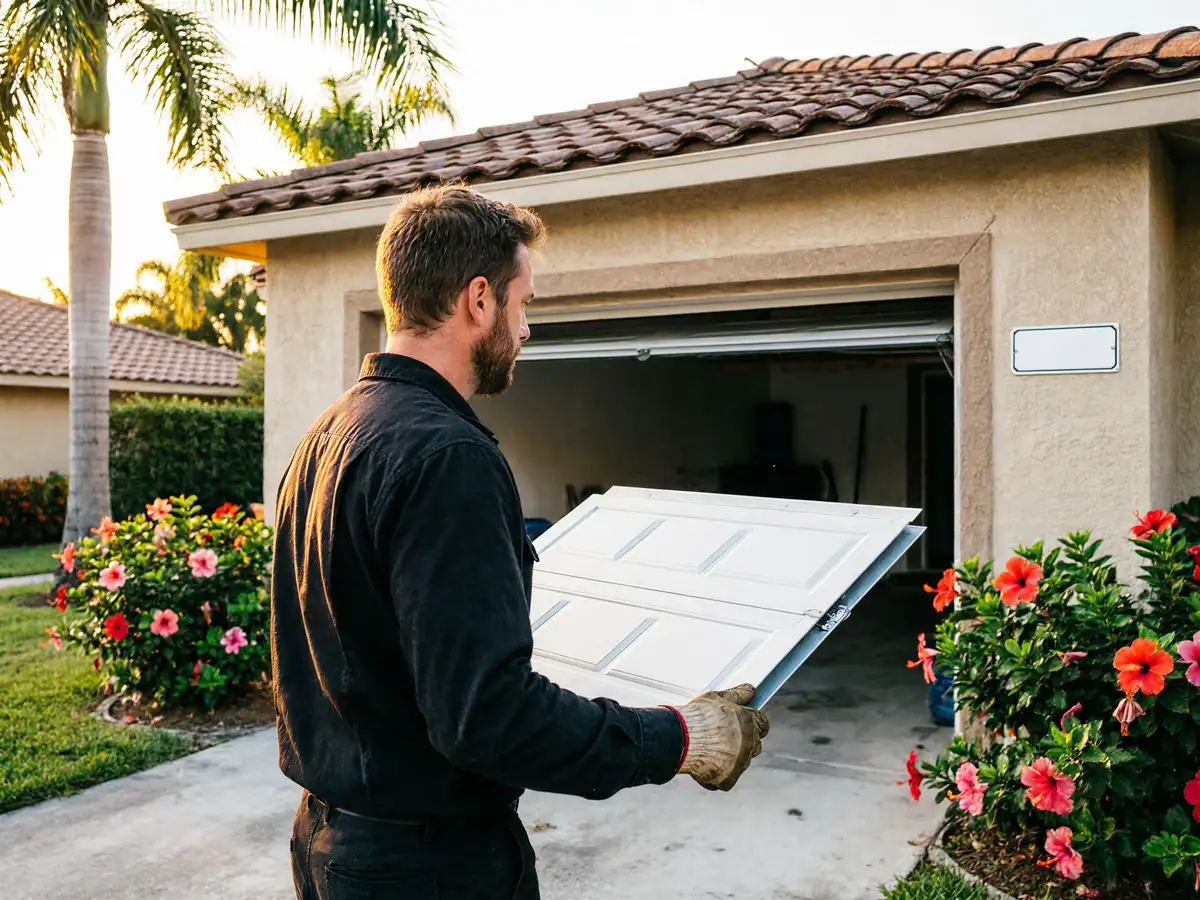
A technician carries a white garage door panel toward an open garage.

Panel Replacement

Dunedin's 1960s-70s steel doors crack and rust at the seams after decades in mild, humid air. We replace single panels or match sections on original hardware.

Learn more
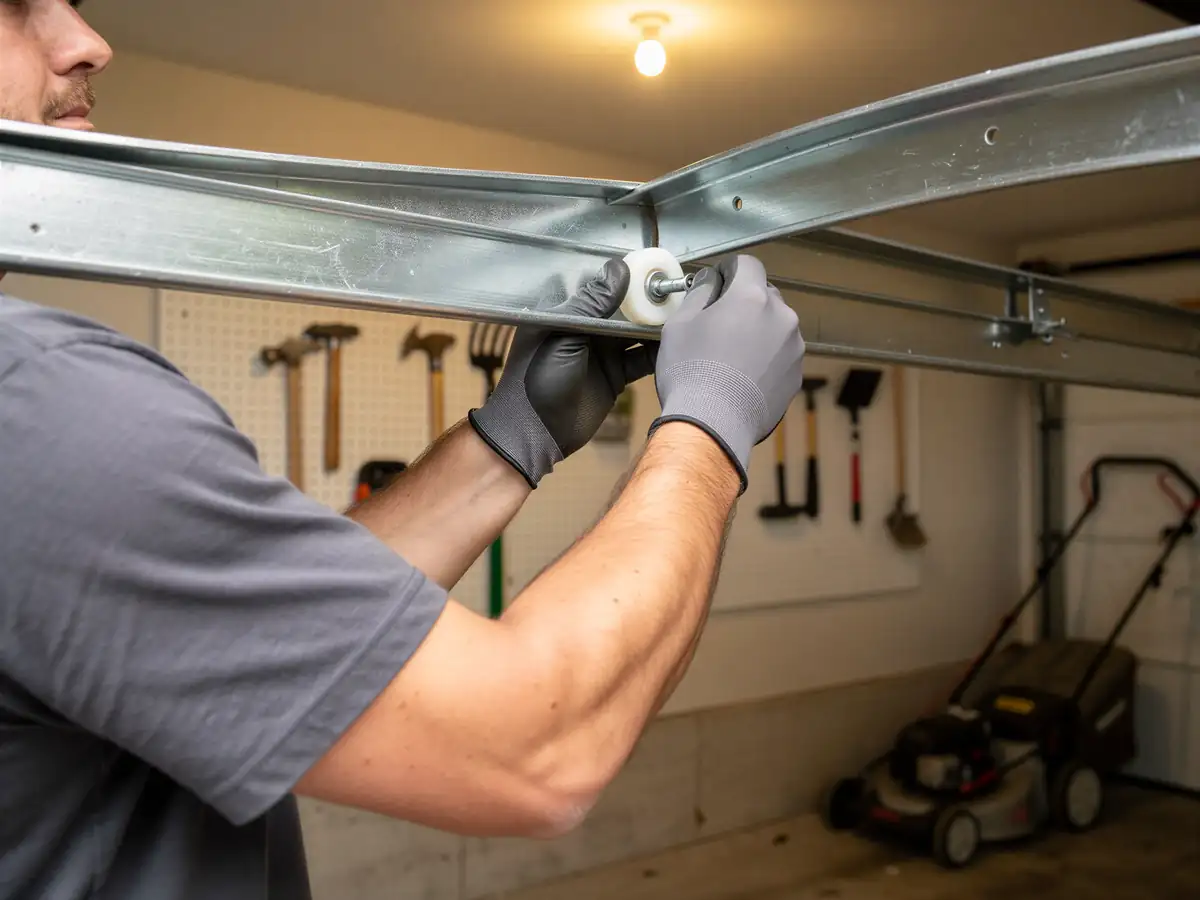
A technician installs a new roller on a garage door track.

Roller Replacement

Dunedin Garage Door Pros replaces worn and cracked rollers on doors built during the area's 1960s-70s construction boom, when steel rollers and bare hinges were standard.

Learn more
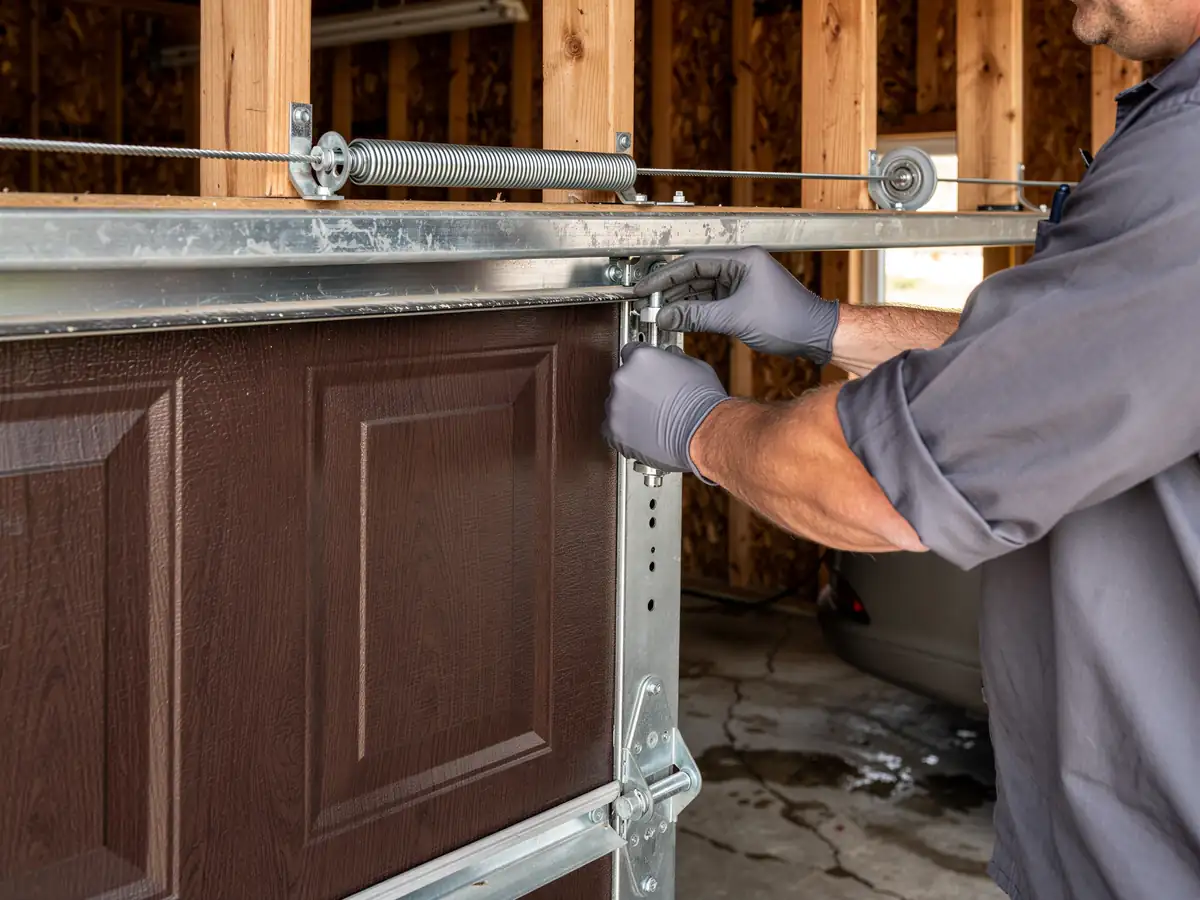
A technician wearing gloves adjusts a brown garage door with a spring and cable system.

Maintenance

Garage door maintenance for Dunedin homes built mostly between 1958 and 2005, where original hardware and mild coastal air wear springs and rollers faster than owners expect.

Learn more
Where we work

Serving Dunedin & nearby

Local garage door service across 7 Dunedin-area neighborhoods and communities - is your street on the list?

7

Dunedin-area neighborhoods & nearby communities we cover

Questions

Frequently asked

Straight answers about garage door repair in Dunedin. Still unsure? Ask us directly.

Why does my garage door opener work fine most days and then fail without warning?

That's the pattern humidity creates. A corroded sensor connection or a board with moisture damage can still function most of the time and then drop out randomly. It's not a sign you did anything wrong - it's steady exposure over years, which is common in houses built in the 1960s-70s era around here.

Is it worth repairing an opener from the 1990s or earlier?

Sometimes, sometimes not. If the motor and board are sound and it's a gear, sensor, or limit switch issue, repair is usually cheaper than replacement. If the manufacturer has stopped making parts for that model, we'll tell you straight that replacement is the better call rather than patch something that'll fail again soon.

Do you work outside Dunedin itself?

Yes - we cover the wider area including Belleair, Safety Harbor, Oldsmar, East Lake, and the other nearby communities, since houses across this service area share the same age range and climate exposure that drives most opener failures.

How do I know if it's the sensors or the board?

If the door reverses before closing or won't close at all, check for a blinking light on the sensor eyes first - that usually means alignment or a wiring break. If the remote and wall button both behave erratically with no sensor light issue, that points to the board.

Ready to get your garage door sorted?

Tell us what it’s doing and where you are in Dunedin - we’ll take it from there.

Request a QuoteCall