Why It Happens Here
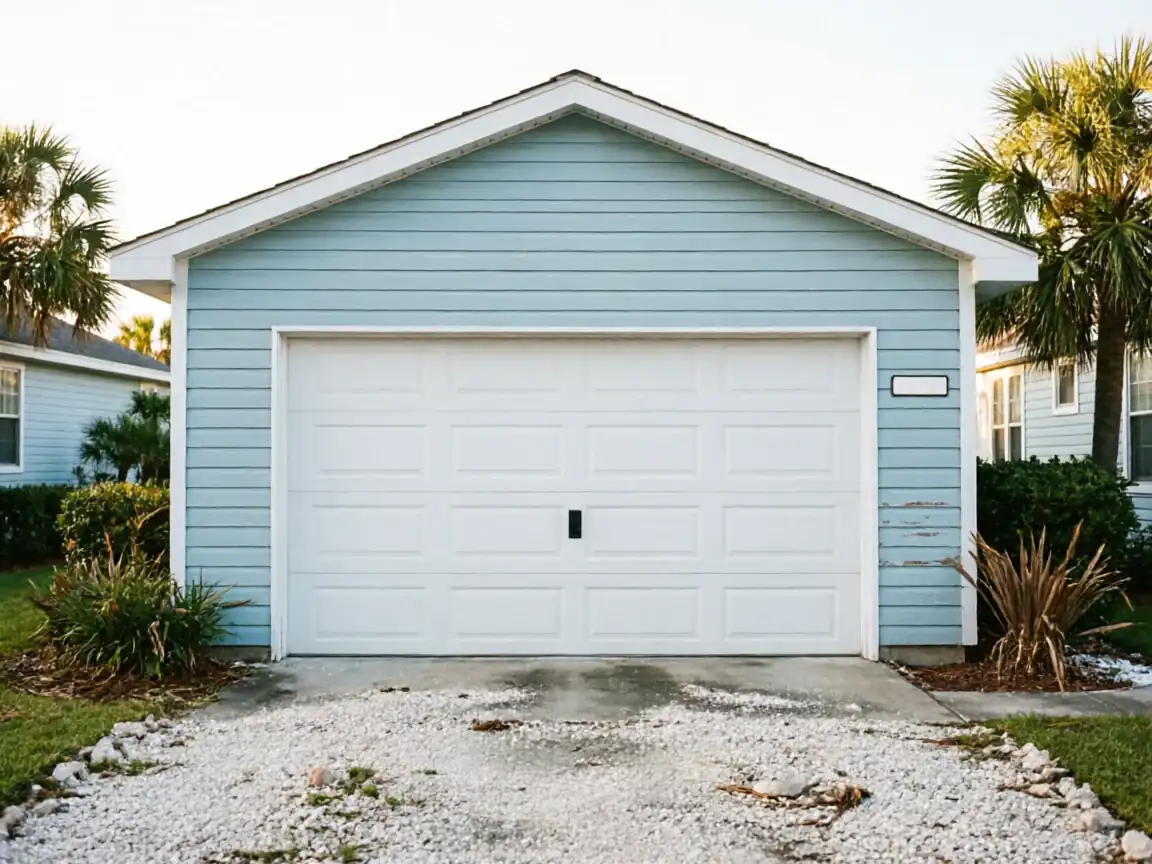
Most houses in this part of Florida went up between 1958 and 2005, with the typical build year sitting around 1979, and that matters for a garage door more than people think. A door installed when a house was built in the 1960s or 70s is still running on hardware designed for that era - steel rollers instead of nylon, single-spring setups on heavier panels, openers with gear sets that were never meant to run thirty-plus years. None of that hardware failed because of a storm or a hard freeze. The climate band here is mild temperate, so you don't get the deep freeze-thaw cycles that crack springs up north. What you get instead is slow, steady wear: lubricant drying out, cables stretching a fraction at a time, hinges loosening a turn a year until nobody notices. In a service area with 67,618 owner-occupied houses and a housing stock concentrated in that 1960s-70s band, the failure mode is almost always the same - a door that's been fine for decades starts sticking, grinding, or slamming the last six inches, and the owner assumes it's the opener when it's actually the spring tension or the track alignment that's drifted out of spec. Maintenance here isn't about weatherproofing against extreme conditions. It's about catching drift before it becomes a broken spring or a jumped track.
What the Repair Takes
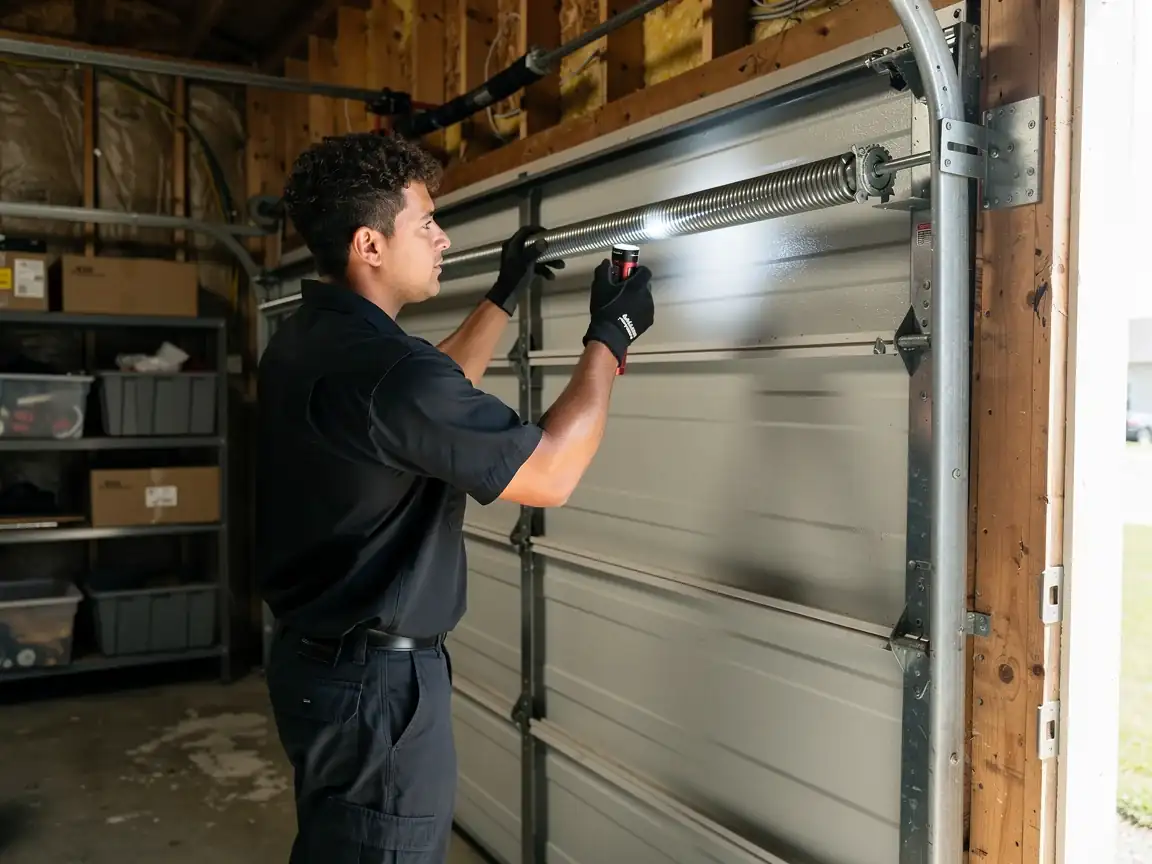
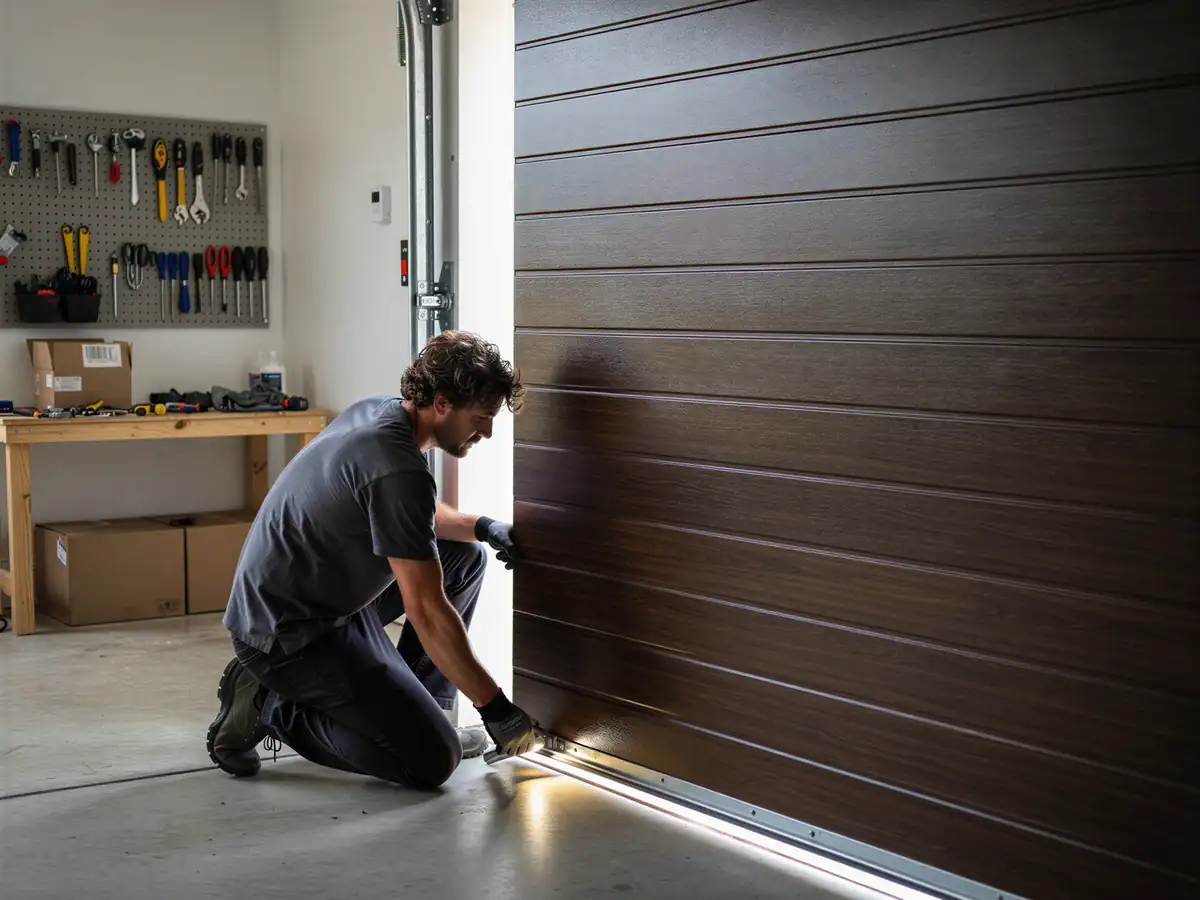
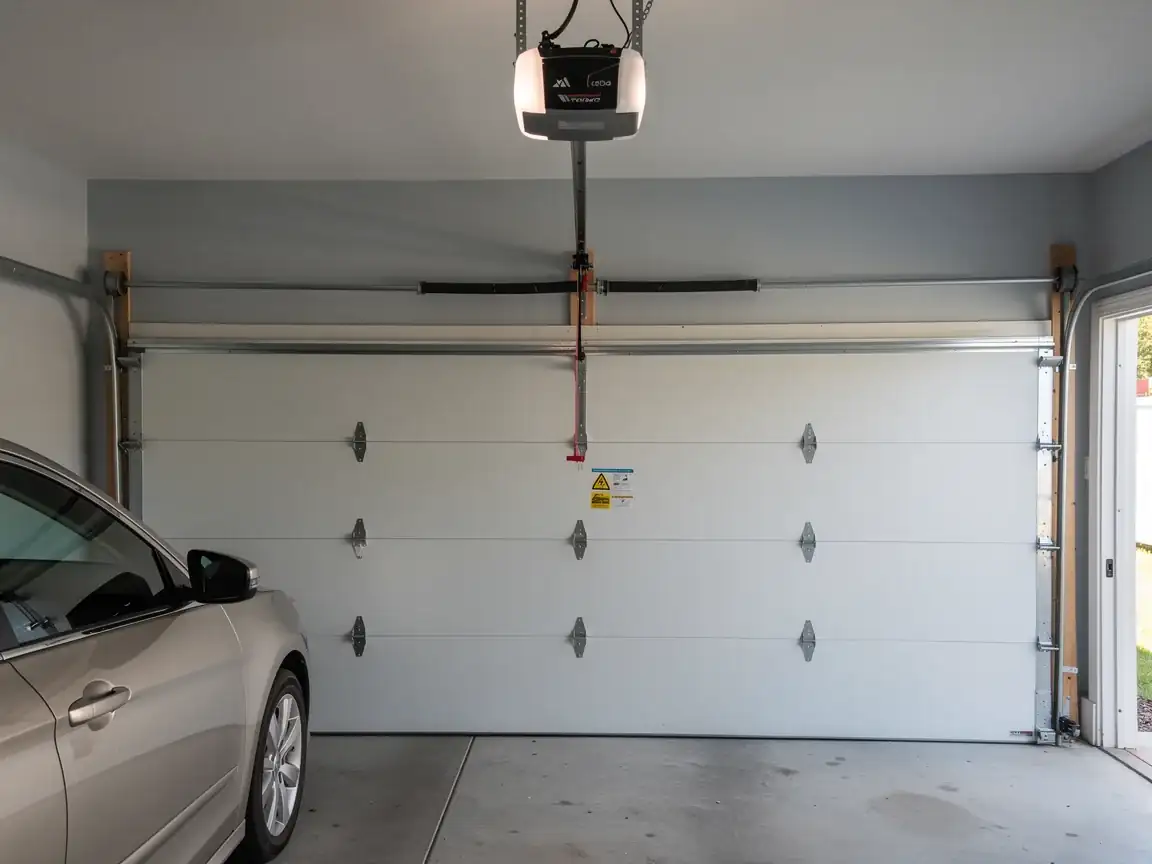
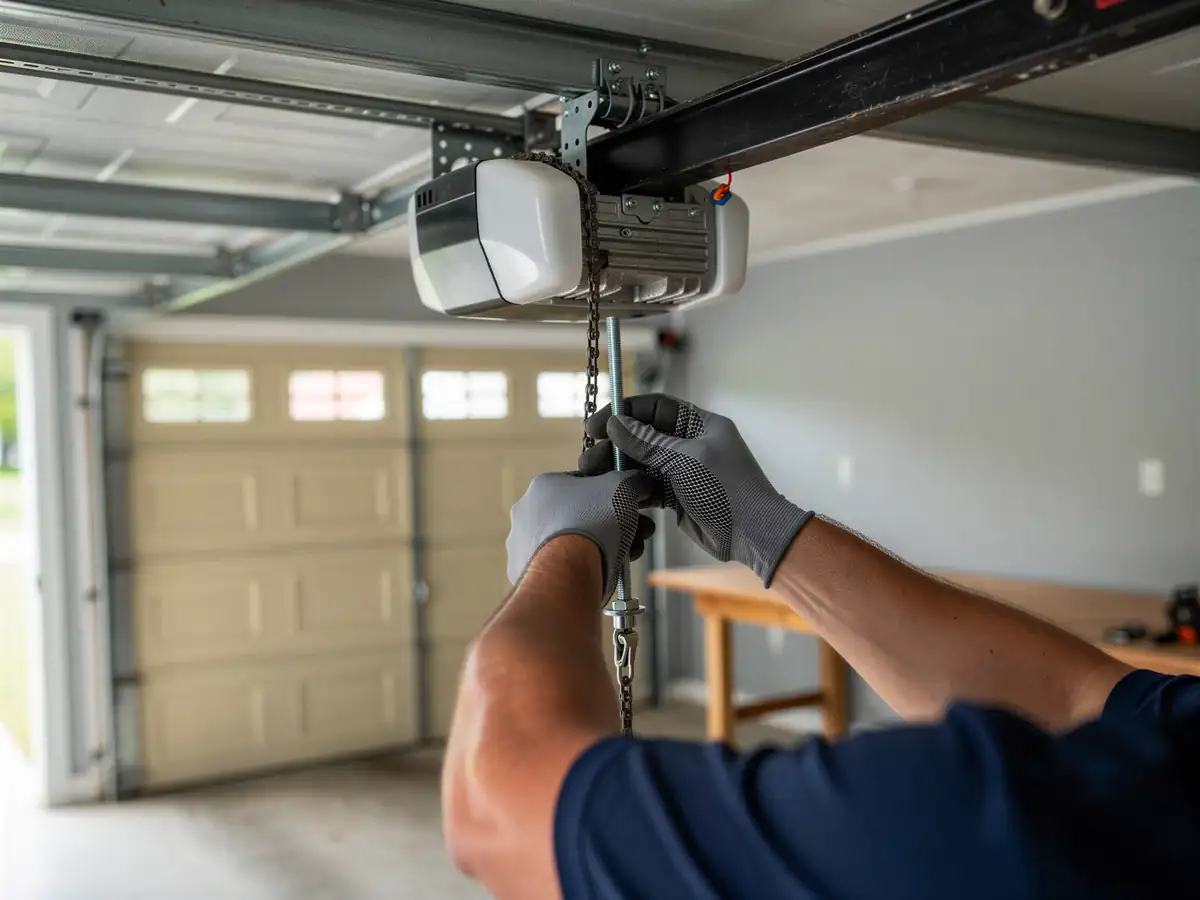
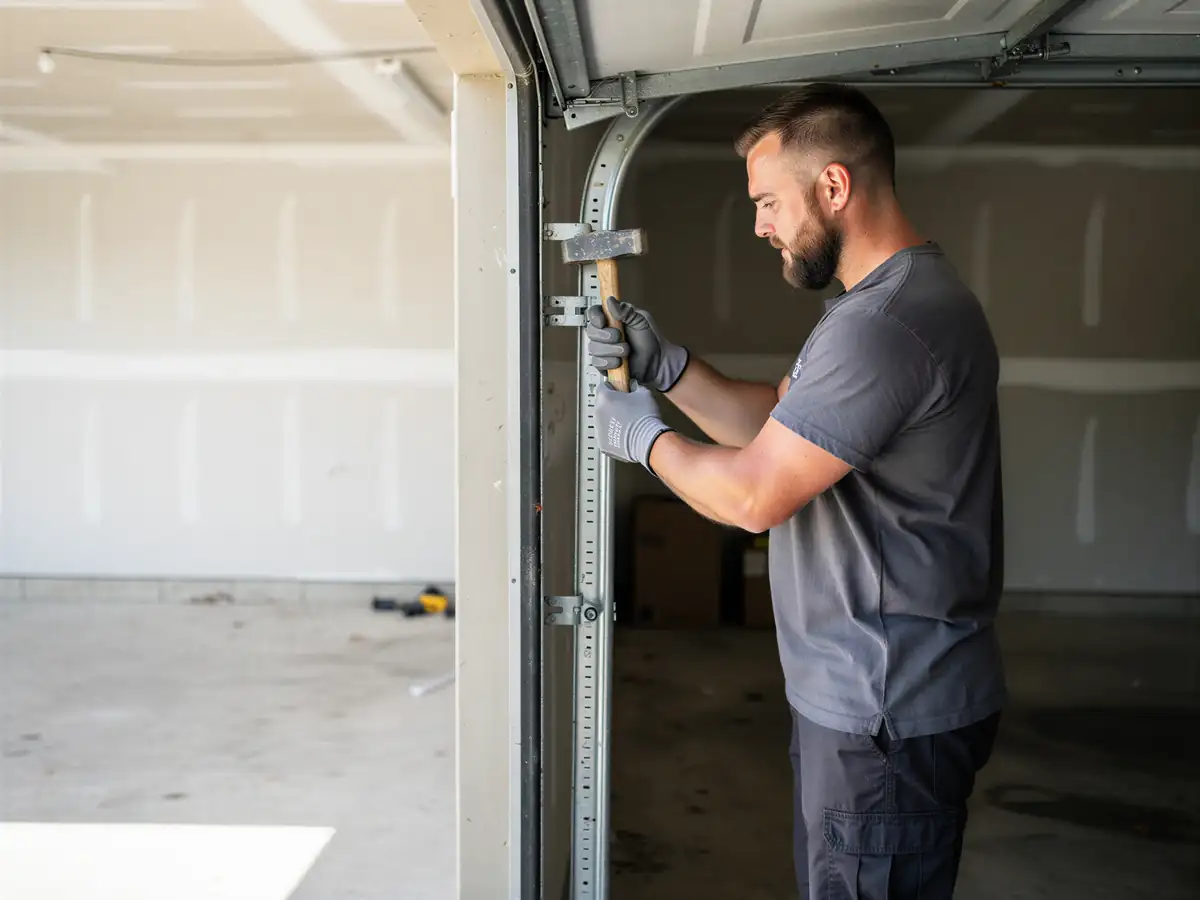
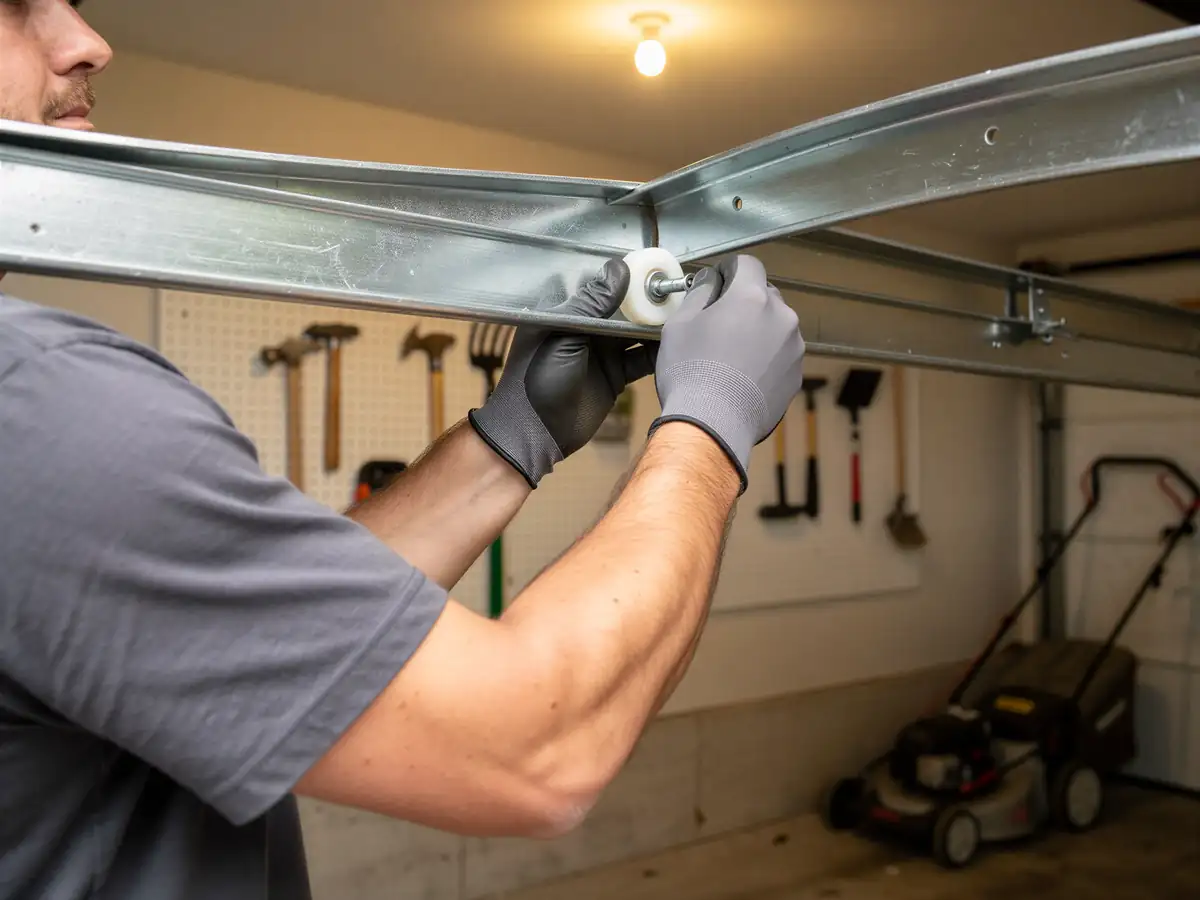
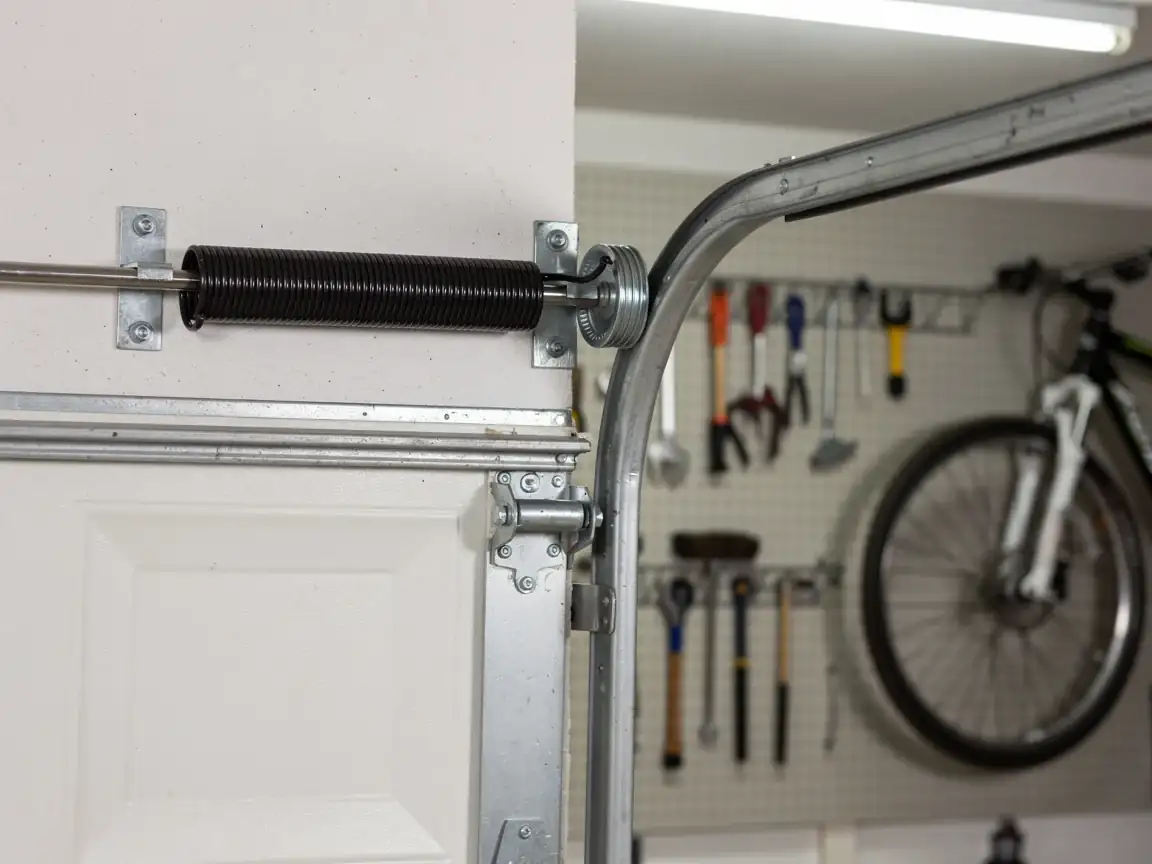
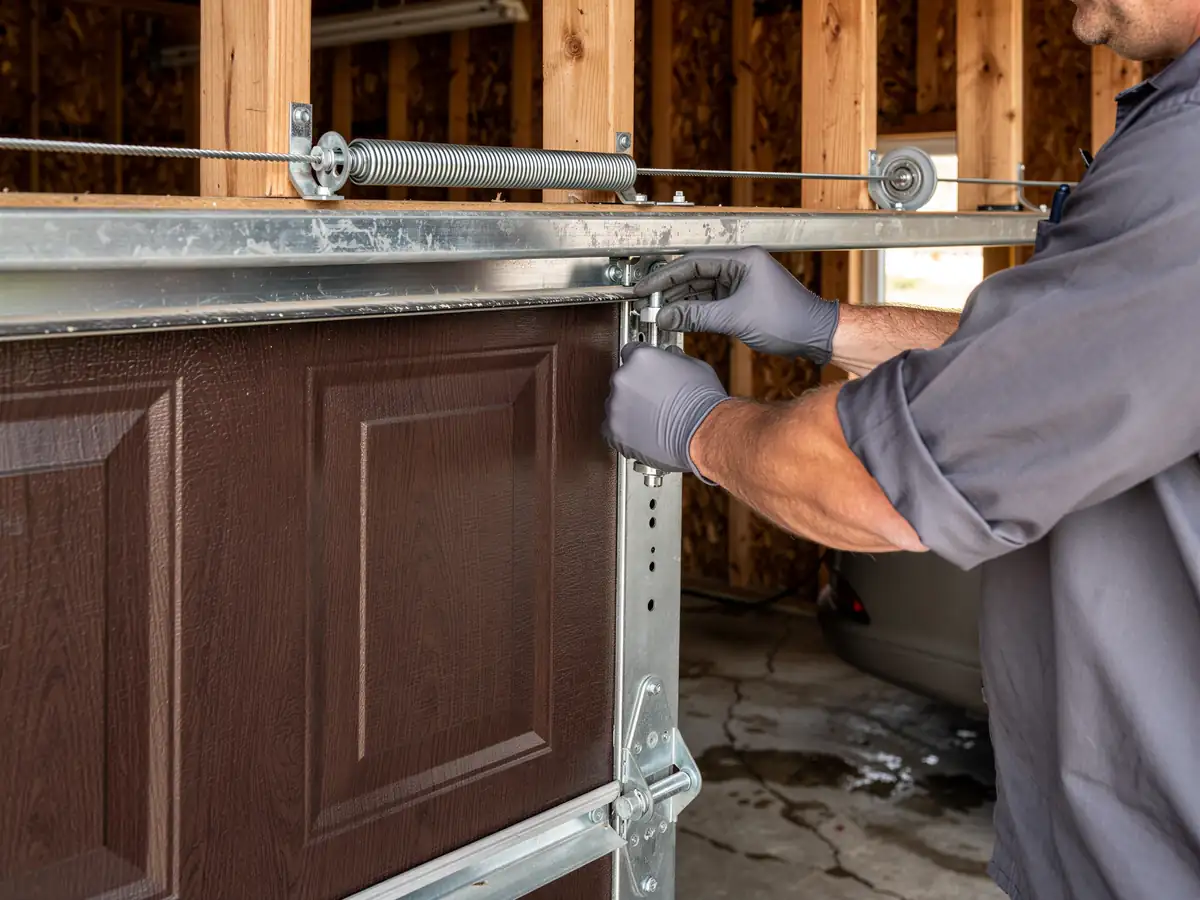
A maintenance visit on a door from this era starts with the springs, because torsion springs on houses built before the 2000s are often the original size and gauge, and they don't last forever even in mild weather. We check tension, look for gap in the coils, and check the winding cones for rust or fatigue cracks. Rollers get pulled and inspected - steel rollers from the original install are usually due for a nylon swap by now, and that alone quiets a door down. Track alignment gets checked with a level, not a guess, since a door that's run slightly crooked for a decade will have worn the rollers unevenly. Cables get checked for fraying at the drum end, where most of the wear happens. The opener gets a look too: chain or belt tension, limit settings, and the force setting, which on older units is often set too high because someone adjusted it once to fix a different problem and never reset it. None of this is a long job on its own. Where it takes time is diagnosing which of these has actually drifted, because a door built with 1970s-era hardware rarely fails in just one place - tension, alignment, and lubrication all move together over the years.
The Symptom
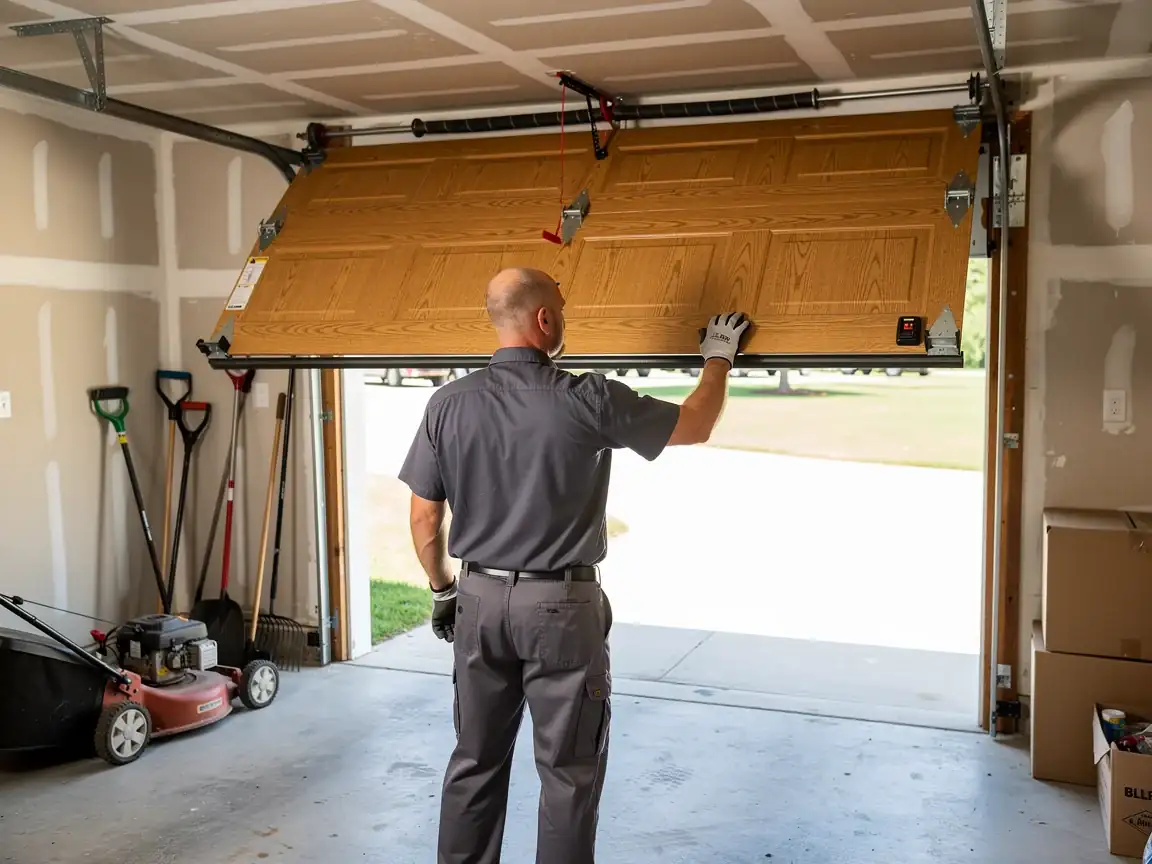
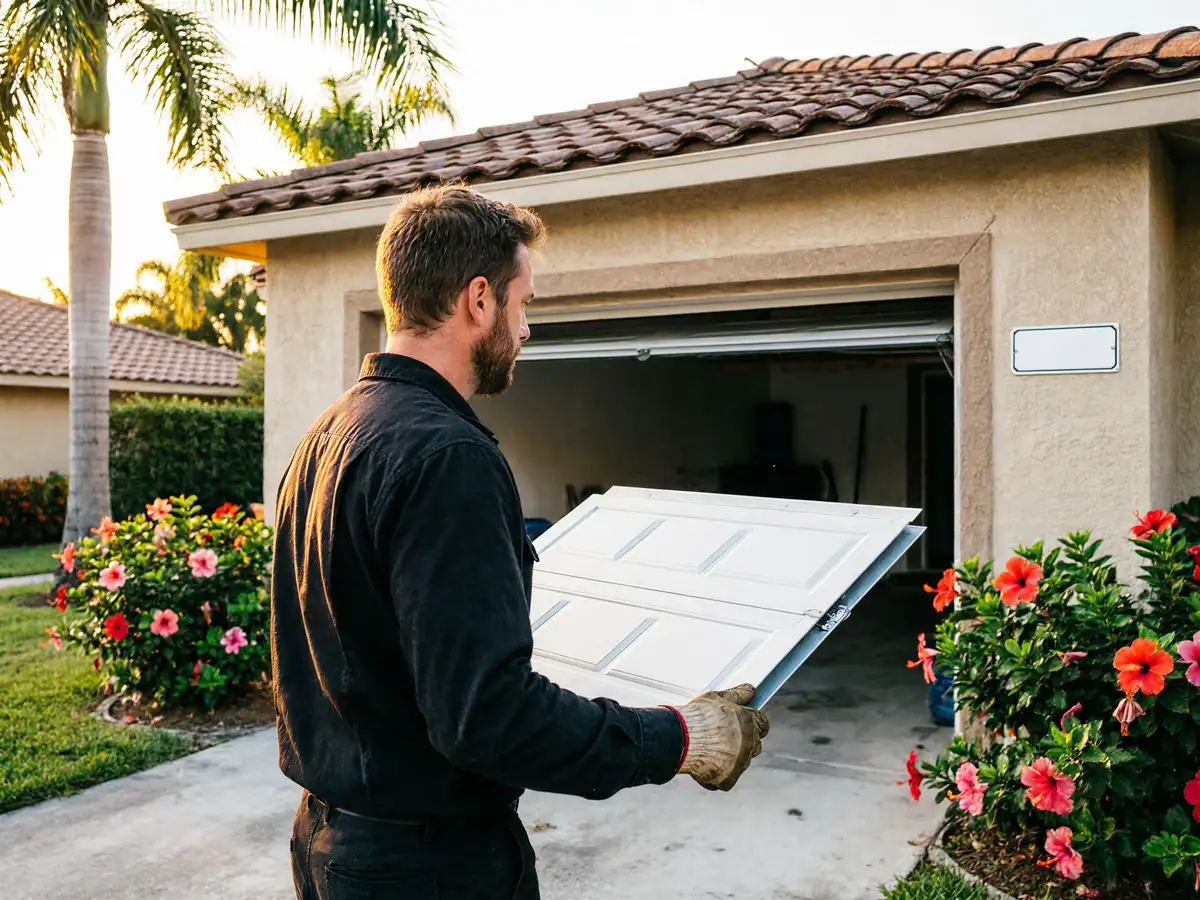
The door that's starting to sag on one side when it's halfway down. The opener that strains and clicks before the door moves at all. A grinding noise at the same spot in the track every time, which usually means a roller is gone, not the track itself. A door that reverses on its own partway through closing - often a force setting fighting a spring that's lost tension, not a safety sensor problem like most owners assume. If any of these sound familiar and the house is one of the many in this area built in the 1960s, 70s, or anywhere through the early 2000s, it's worth having the hardware checked before a slow symptom turns into a stuck door or a dropped panel.