Why It Happens Here
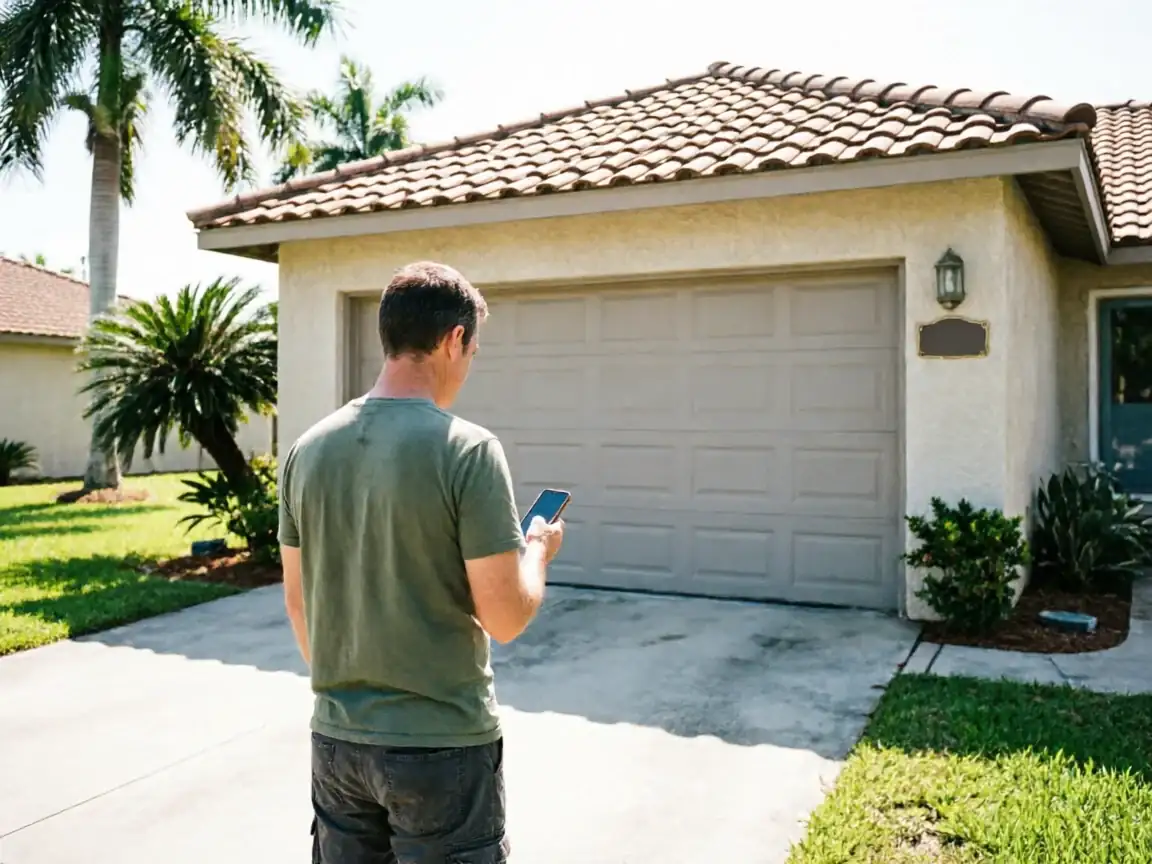
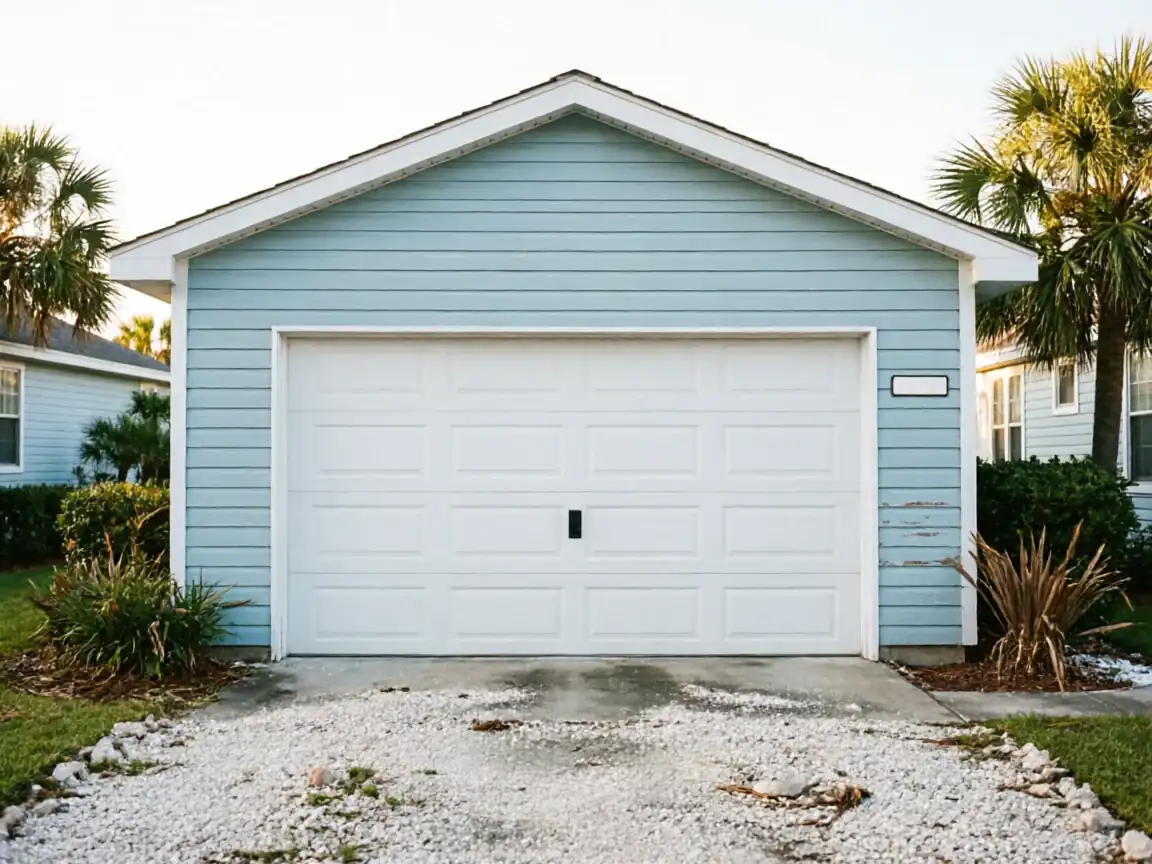
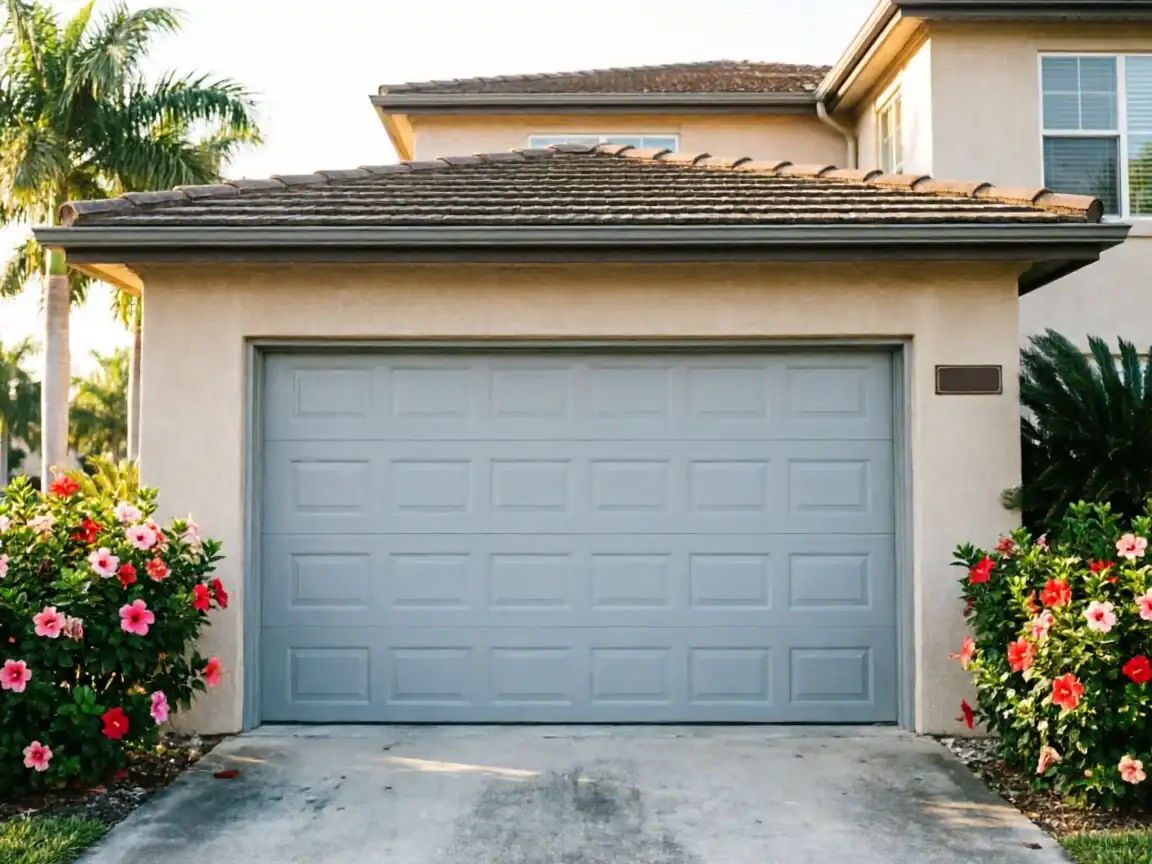
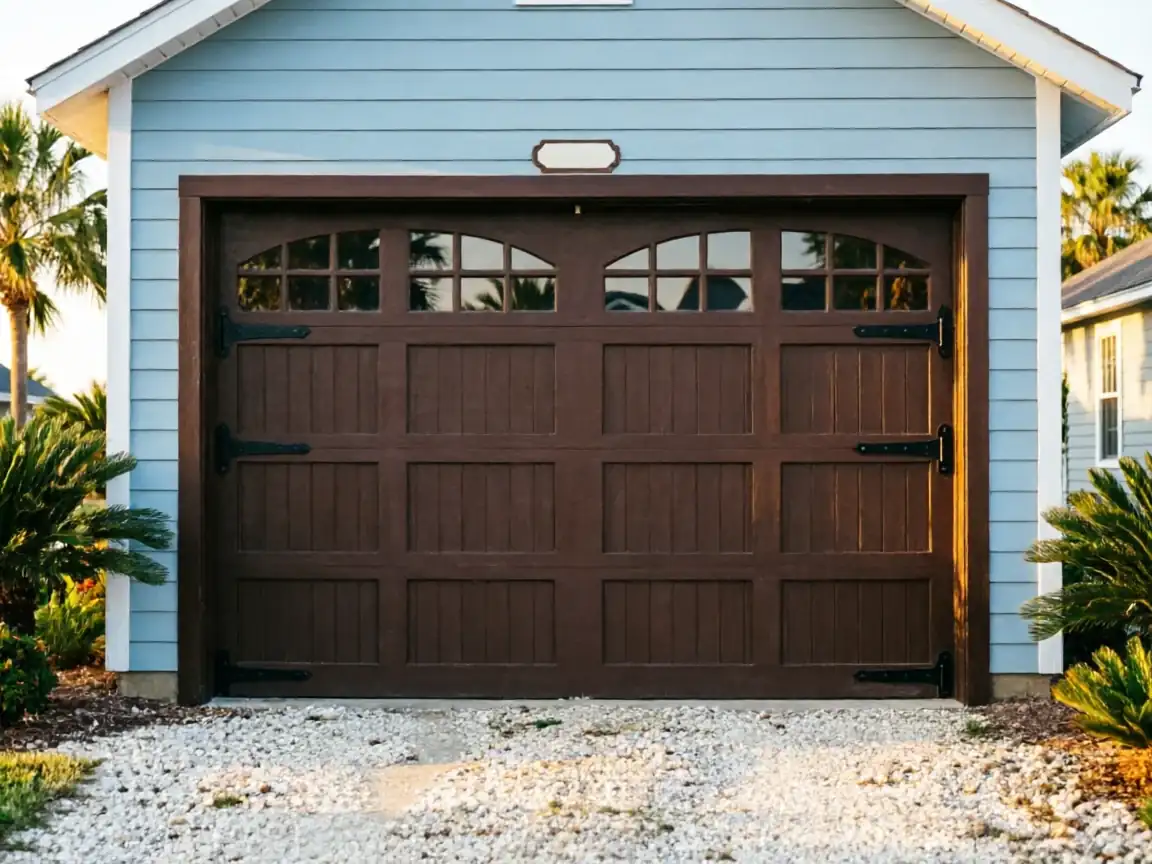
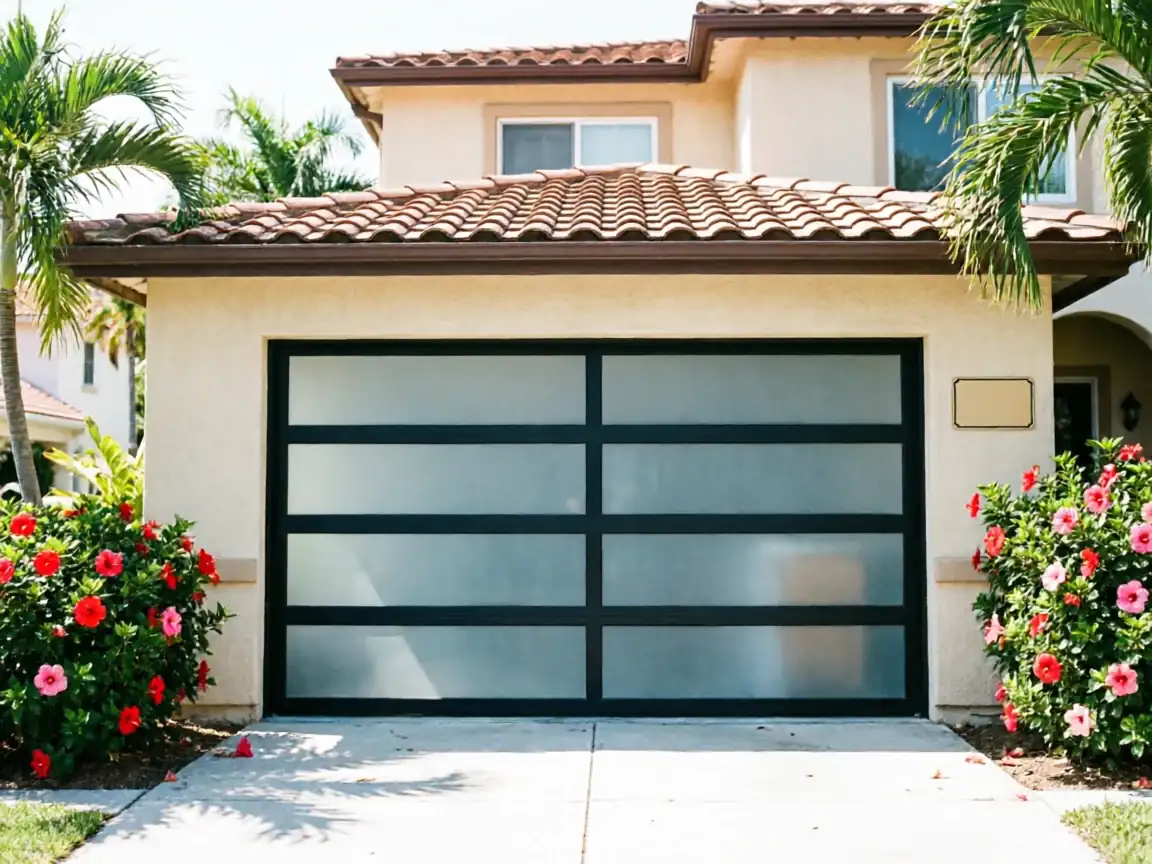
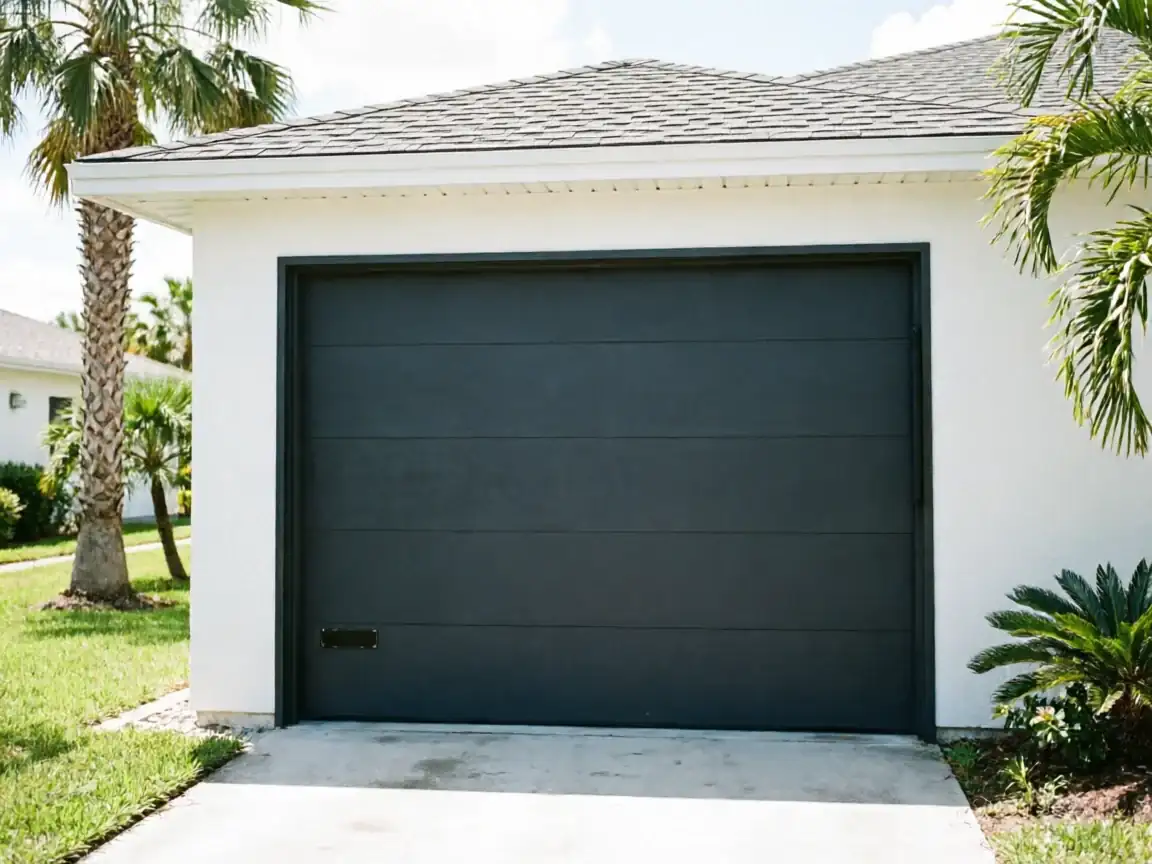
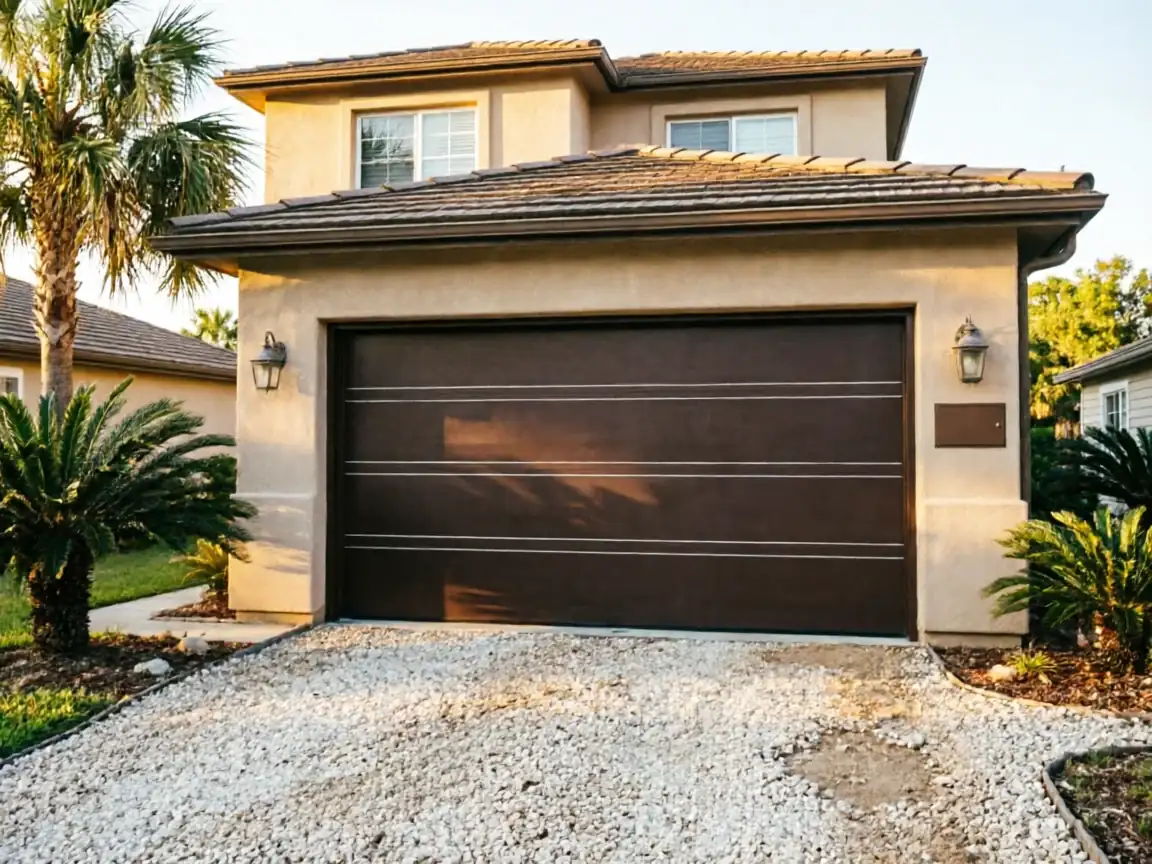
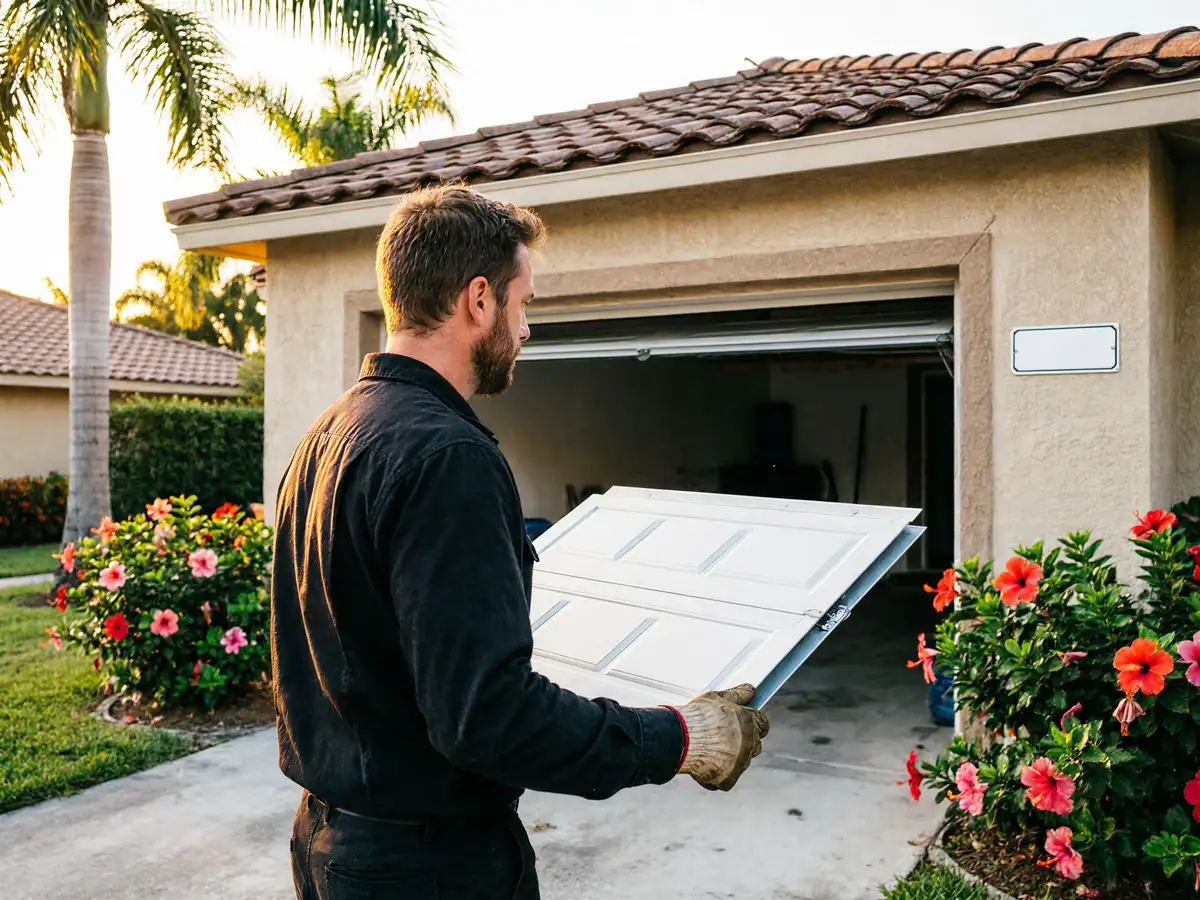
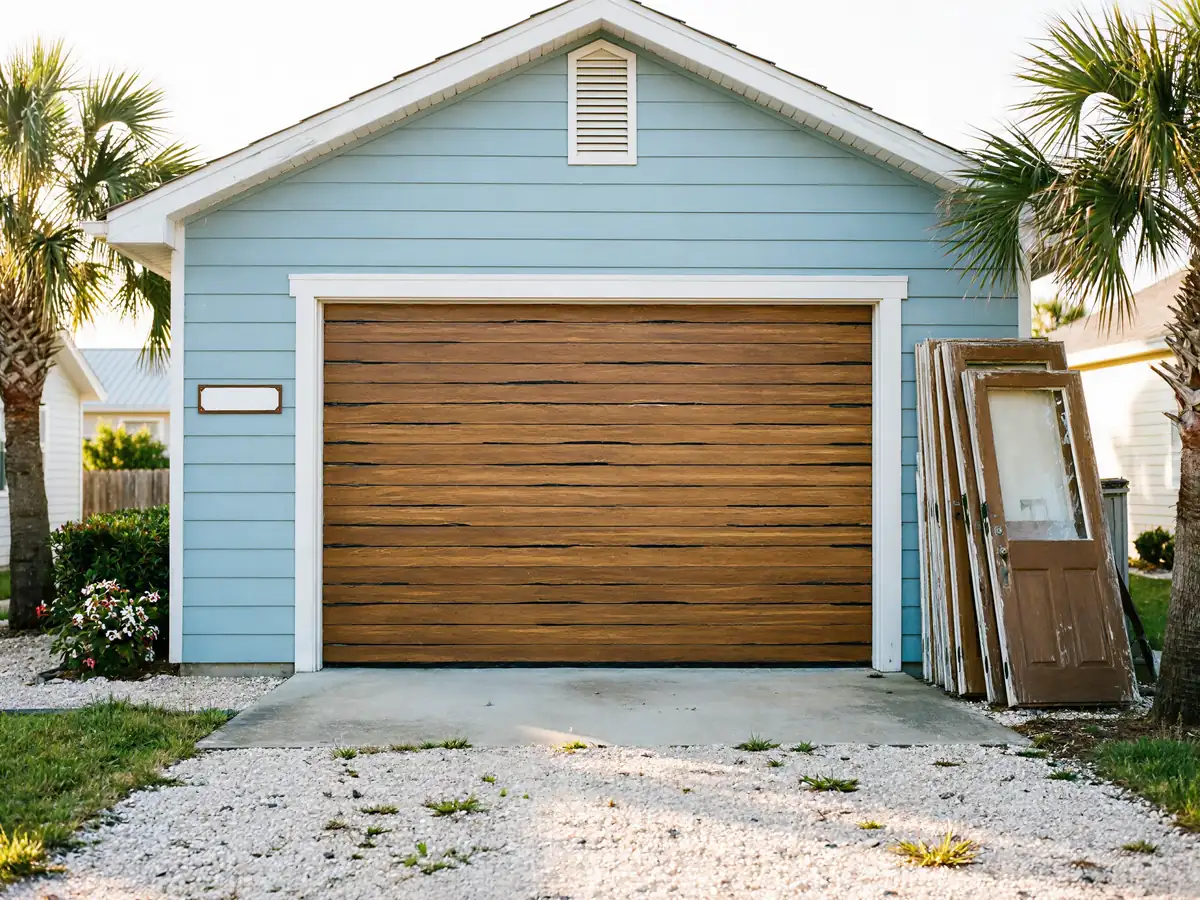
Trinity is a smaller pocket of the service area, just under 7,000 households, which means the work here comes in waves tied to when the subdivisions went up rather than a steady drip of old-house failures. The median build year sits around 2005, so most garages still have their original door, and that door is now pushing two decades old. Builder-grade doors from that era were picked to hit a price point on a new-construction contract, not to last forever. The panels are thinner, the hardware is the minimum the code inspector would sign off on, and the springs were sized for the door's weight on day one, not for twenty years of cycling. When a homeowner in Trinity calls about a new install, it's rarely storm damage. It's a door that's done its job and is now sagging at the bottom panel, rattling on the track, or costing more to patch than to replace. With household income here running well above the rest of the service area, a fair number of these calls are homeowners who've decided it's simpler to replace the whole unit with something insulated and quieter than to keep nursing an original door along.
Getting It Booked In
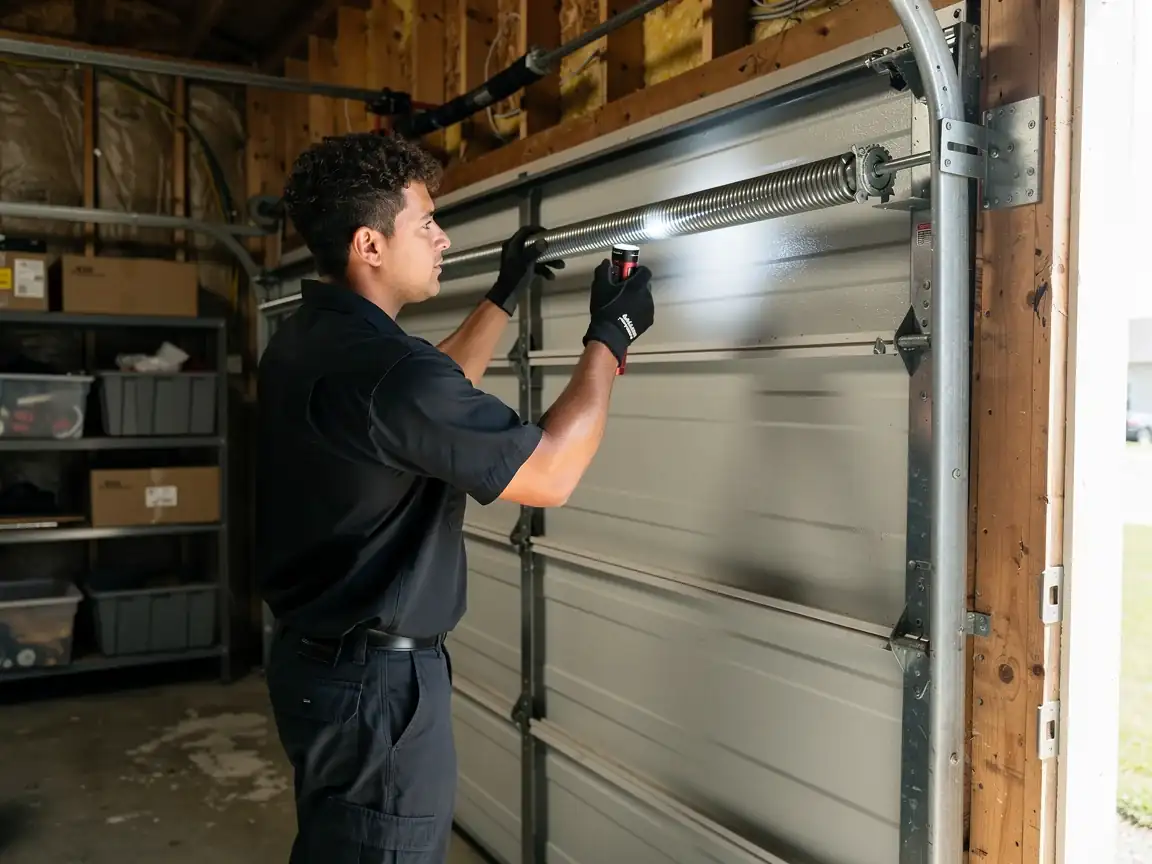
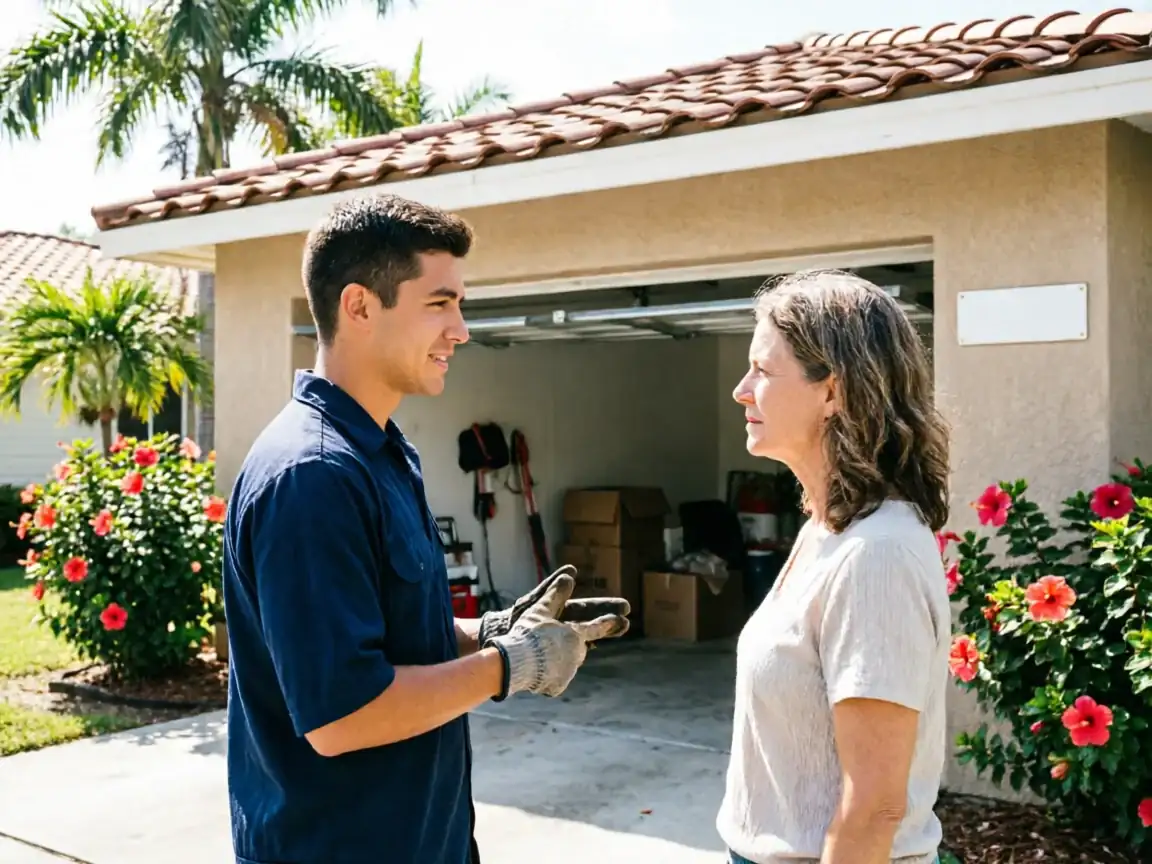
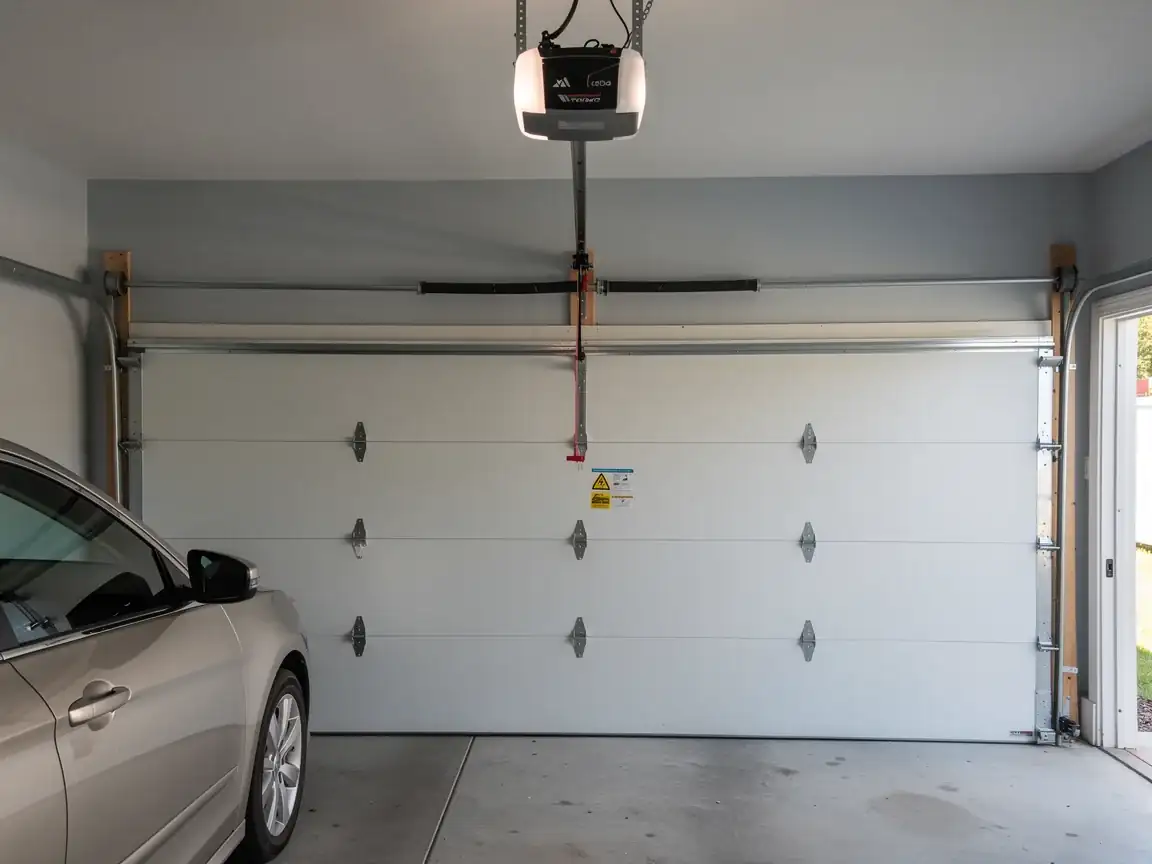
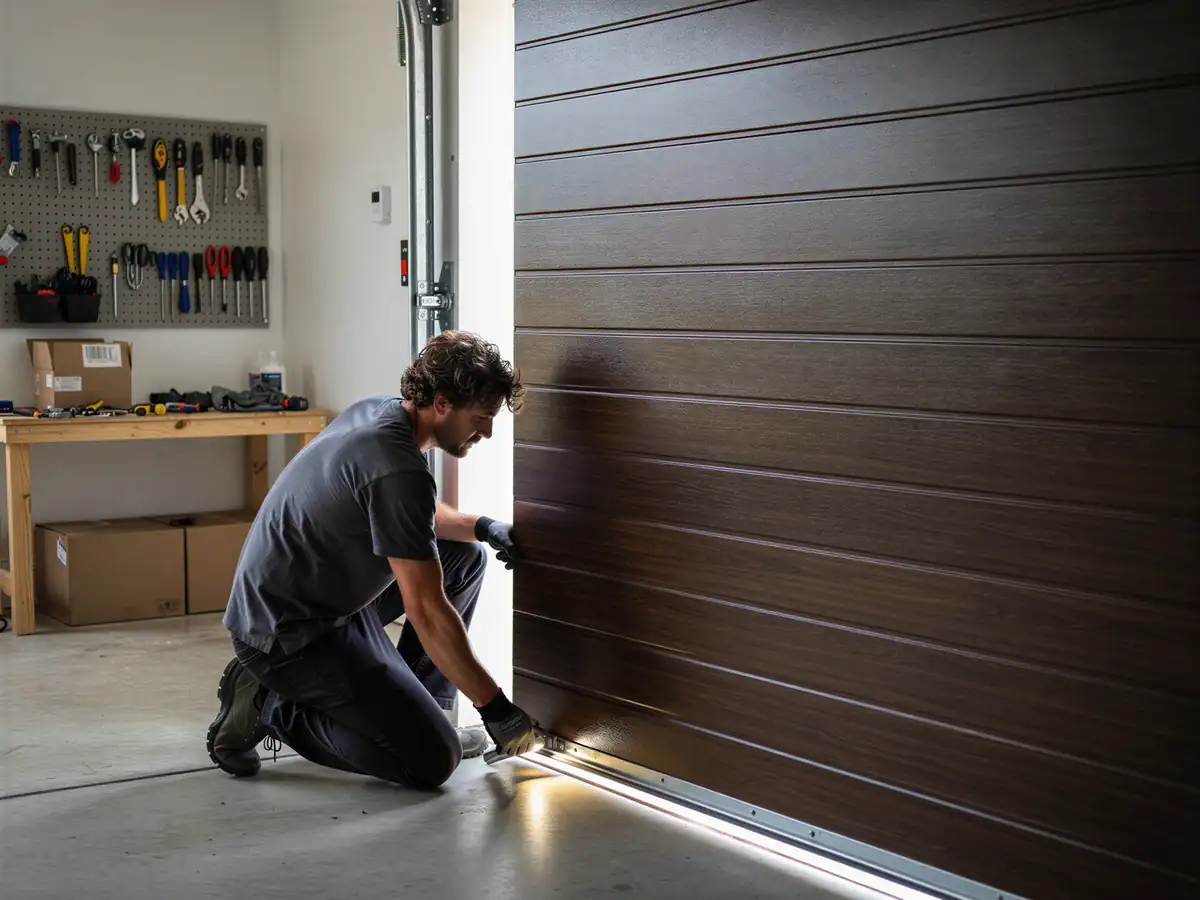
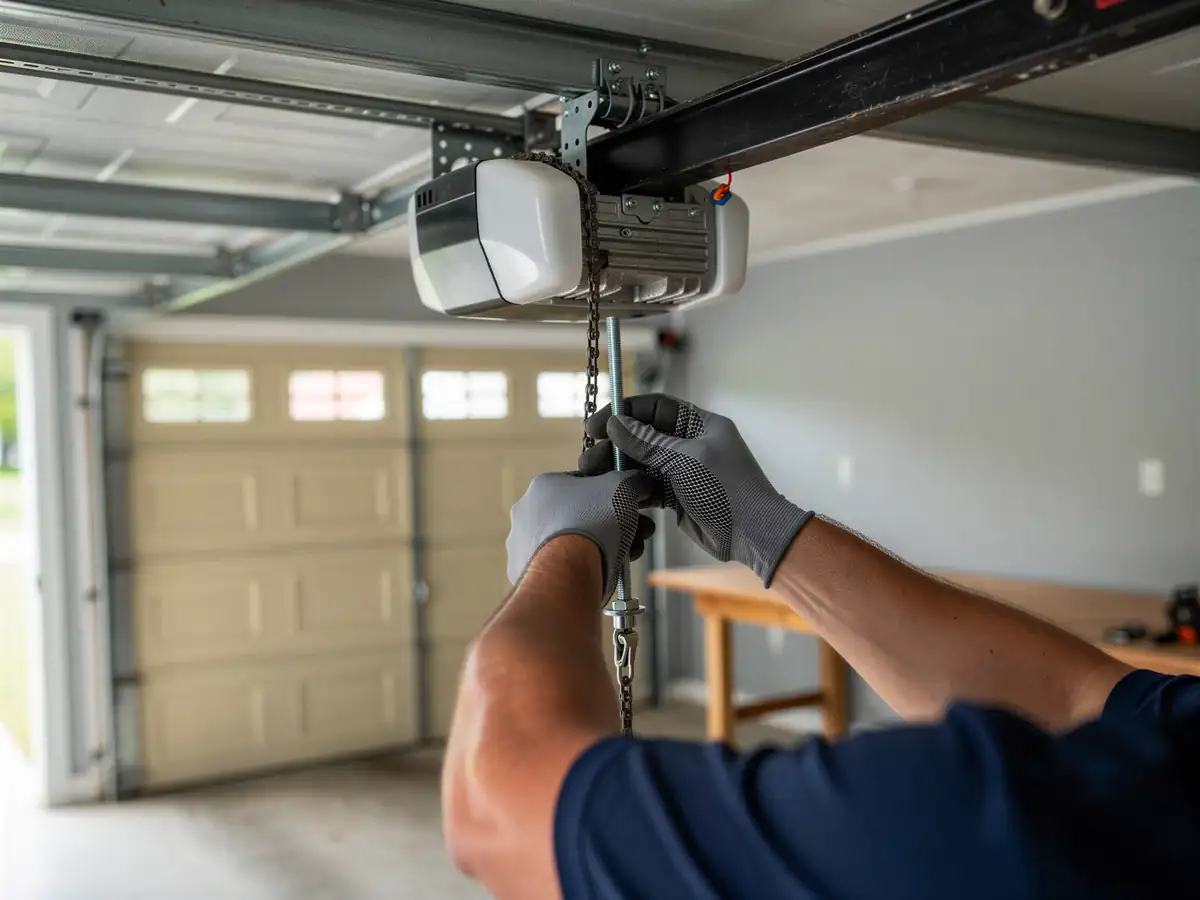
Dunedin Garage Door Pros runs the Trinity job from the Dunedin shop, about 15 miles away. That distance doesn't change what shows up at the house, but it does mean this isn't a drive-by add-on to another stop in the area - a Trinity install gets its own slot on the schedule, same as any other job in the service area. Measuring the opening, confirming the drive type on the opener, and checking headroom for the track all happen at that first visit. If the new door is a standard size with standard hardware, it can often go on the truck same-trip. Anything custom - an oversized opening, a specific insulation spec, a color match - has to be ordered first, and that lead time is set by the supplier, not by us. Worth saying plainly: we don't keep a depot in Trinity, so same-day emergency swaps aren't something we promise here. Scheduled installs are the norm for this suburb.
What Can Go Wrong
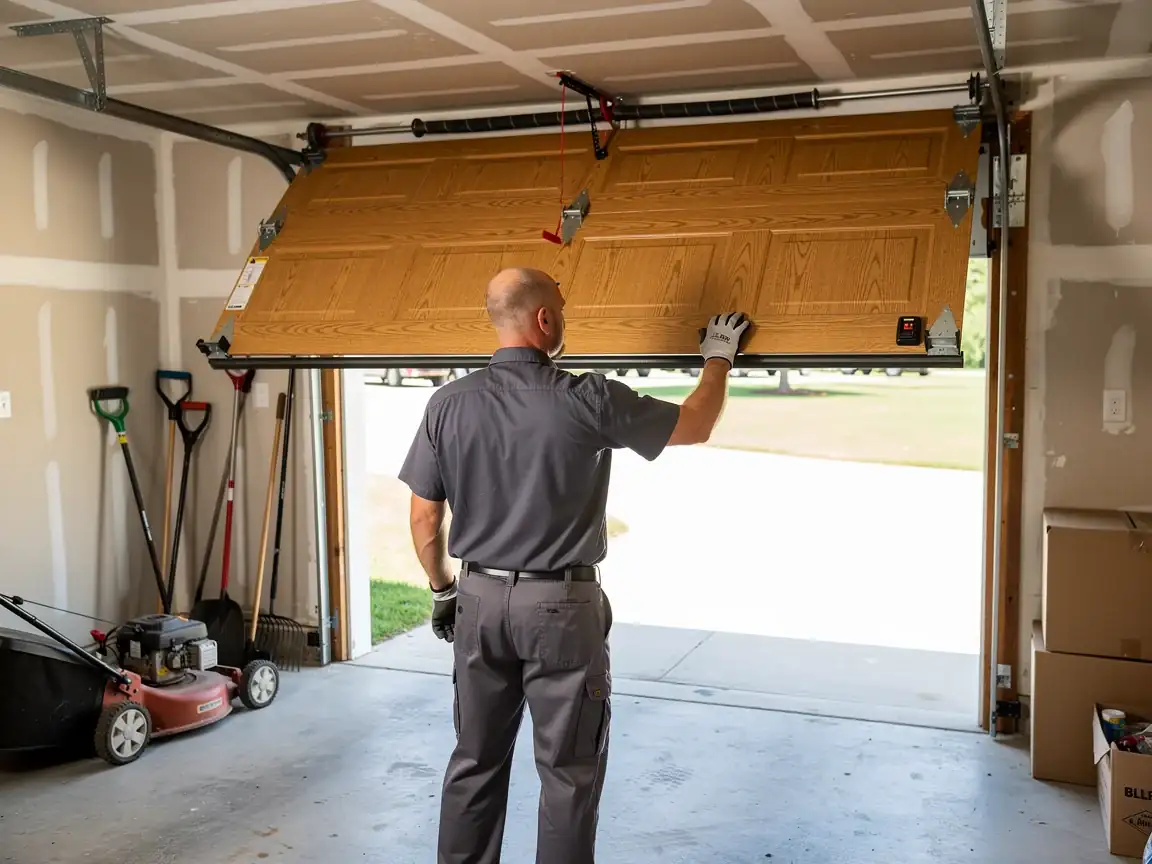
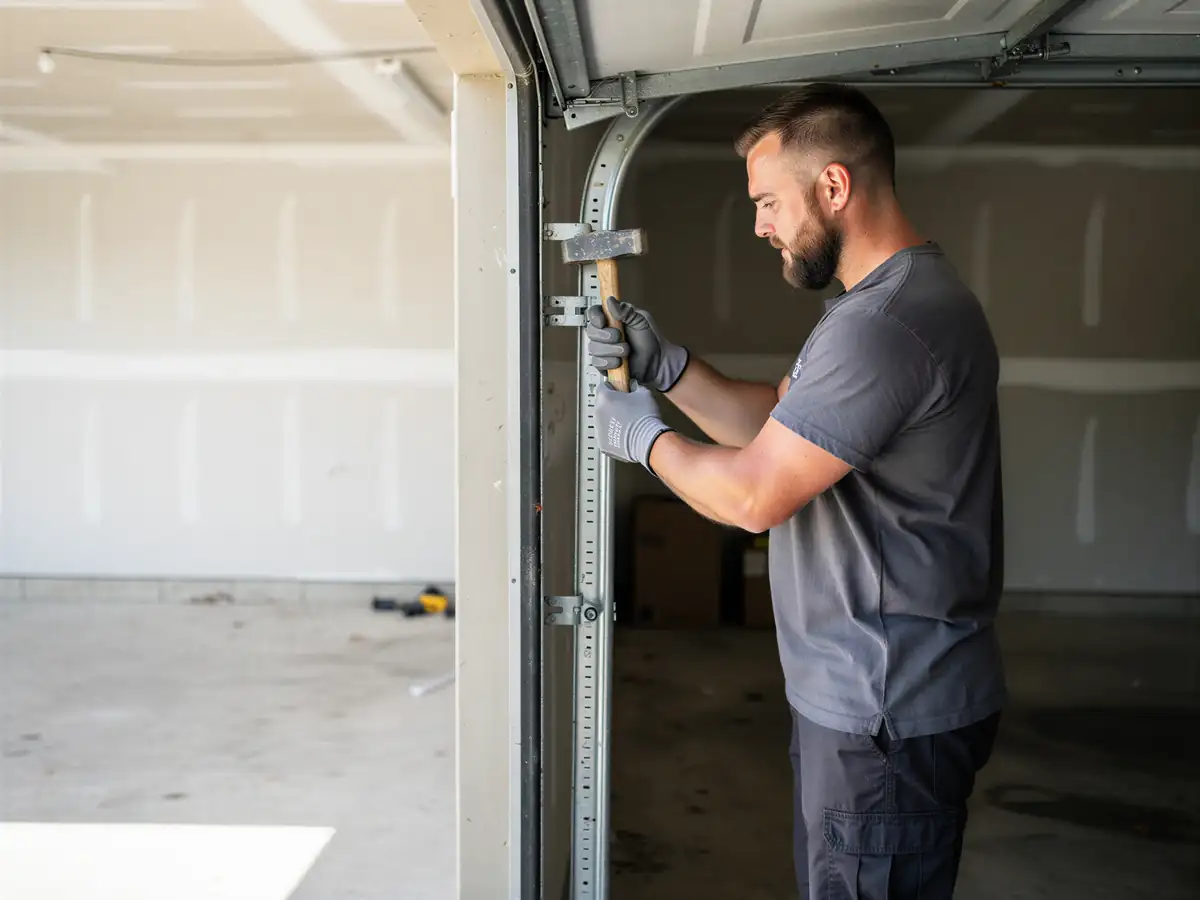
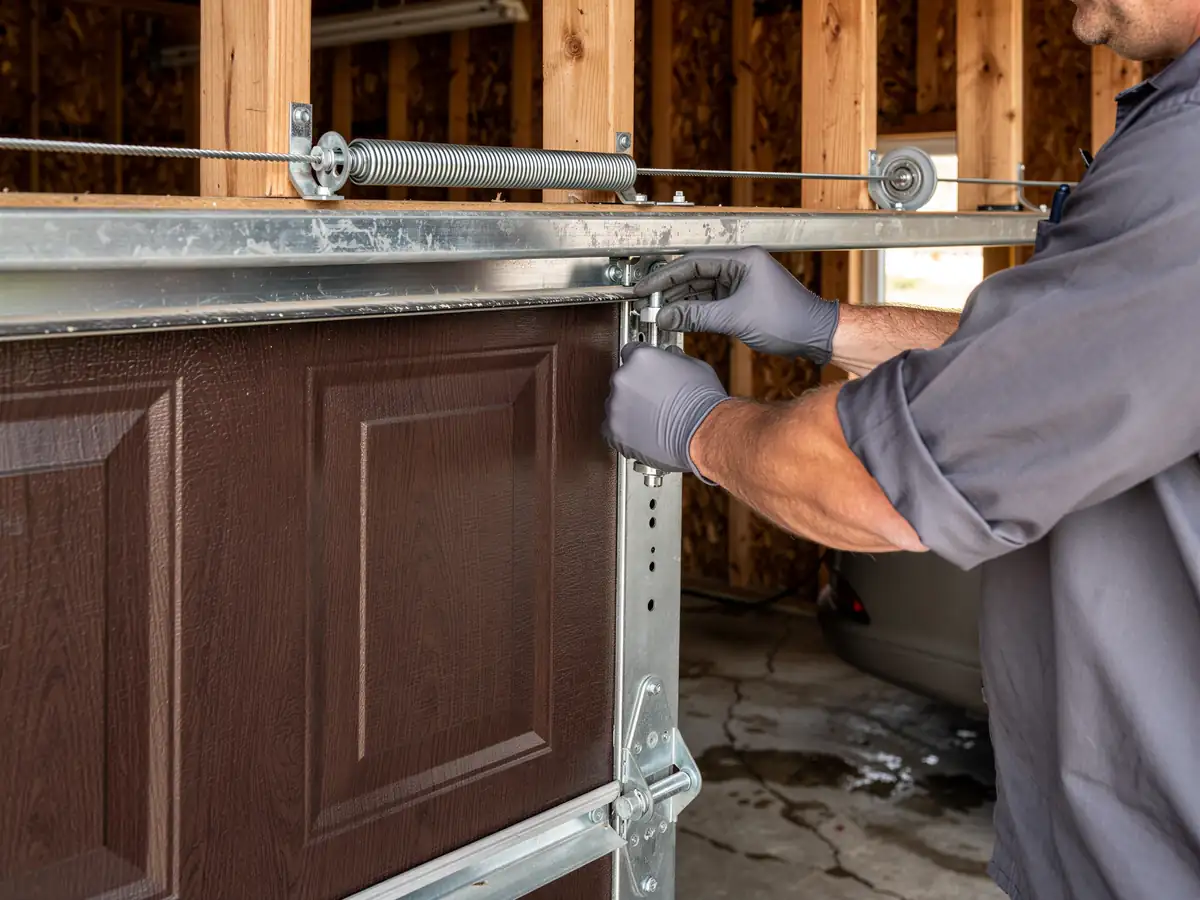
The most common surprise on a Trinity install isn't the door itself, it's what's behind it. Houses built around 2005 were framed to the Florida code of that era, which means the garage opening and the header above it were sized for the original door's weight and wind-load rating. Swap in a heavier insulated door or a wider opening than what's there now, and the track brackets or the header reinforcement may need updating to carry it properly and pass wind-load expectations for this climate. Mild temperate conditions here mean we're not fighting snow load or deep freeze-thaw cycling, but wind-rated hardware still matters for a coastal-adjacent service area. Another thing that catches people off guard: a new door on an old opener can throw the balance off entirely, making the opener strain or the door reverse unexpectedly on close. We check for that before we leave, not after a callback.
The Symptom
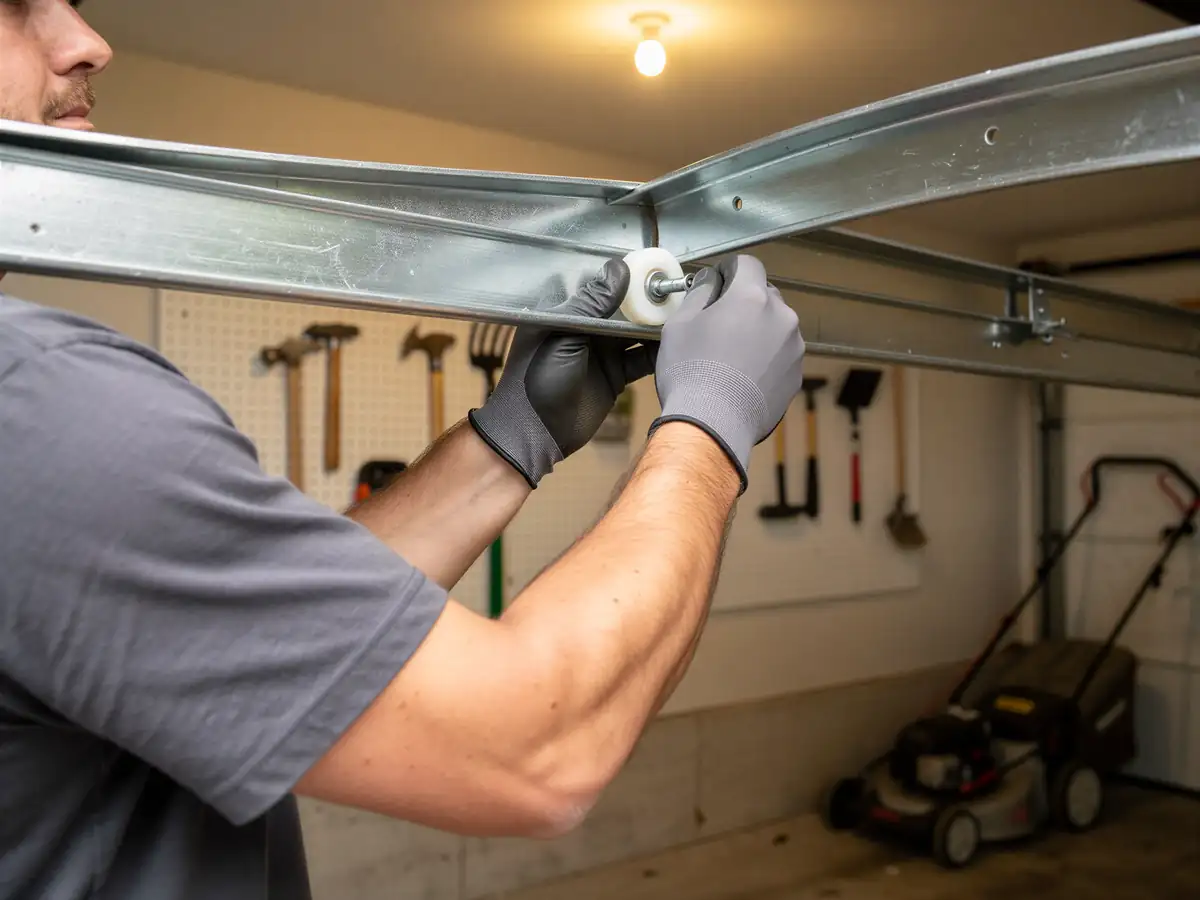
If your garage is one of the original 2005-era builds in Trinity, the door usually tells you it's time before it fails outright. Look for a bottom panel that's started to bow or dent from two decades of the opener pulling against slightly warped track, a door that visibly shudders partway through its travel instead of moving smoothly, or paint that's chalked and peeling in a way that shows the steel underneath is thinning. Noise is another tell - a door that's gotten noticeably louder over the past year, even after a tune-up, often means the panel material itself has fatigued, not just the rollers or hinges. None of these on their own means you need a new door tomorrow, but together they usually mean the original door has given what it had to give.