Why It Happens Here
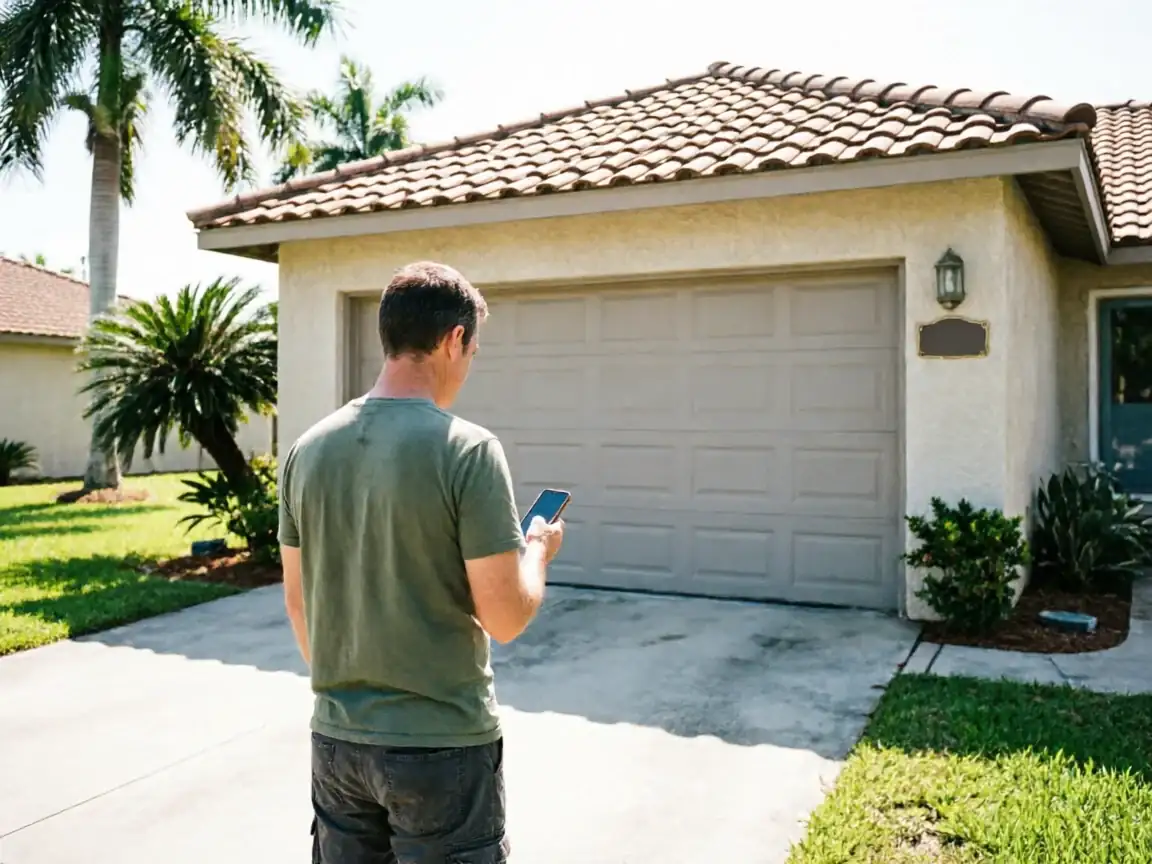
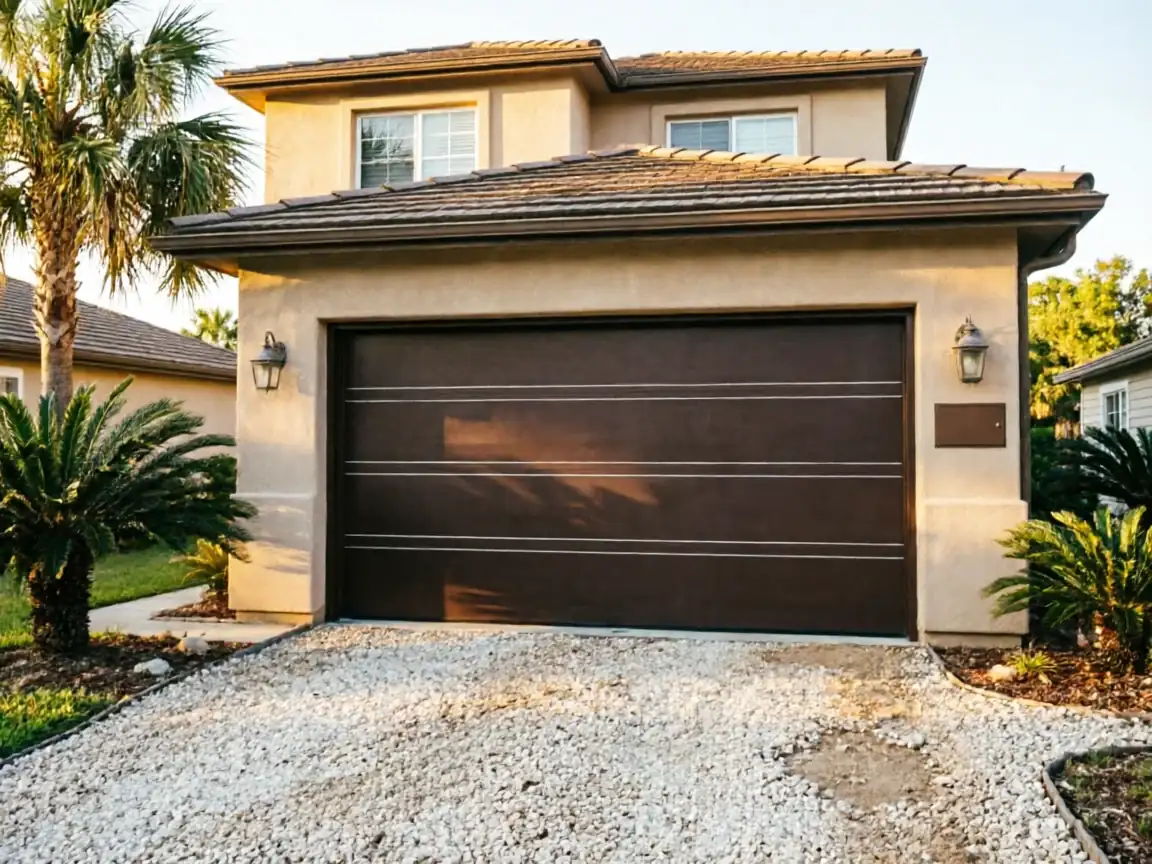
Trinity's median year built sits around 2005, a good quarter-century newer than the wider service area's 1979 median. That matters for maintenance because the failure modes are different. You're not dealing with the original 1970s hardware that still turns up elsewhere in the territory - you're dealing with doors and openers that are now hitting the 15-to-20 year mark where chain-drive motors lose torque, logic boards start throwing intermittent faults, and factory lubrication on rollers and hinges has long since dried out. The mild temperate climate here doesn't put the same stress on steel that a harsher climate would, so corrosion isn't usually the driver. It's age of moving parts, plain and simple. A door that's been opened and closed two or three times a day since 2005 has racked up tens of thousands of cycles, and nobody budgets maintenance time for that until something squeals or sticks.
Getting It Booked In
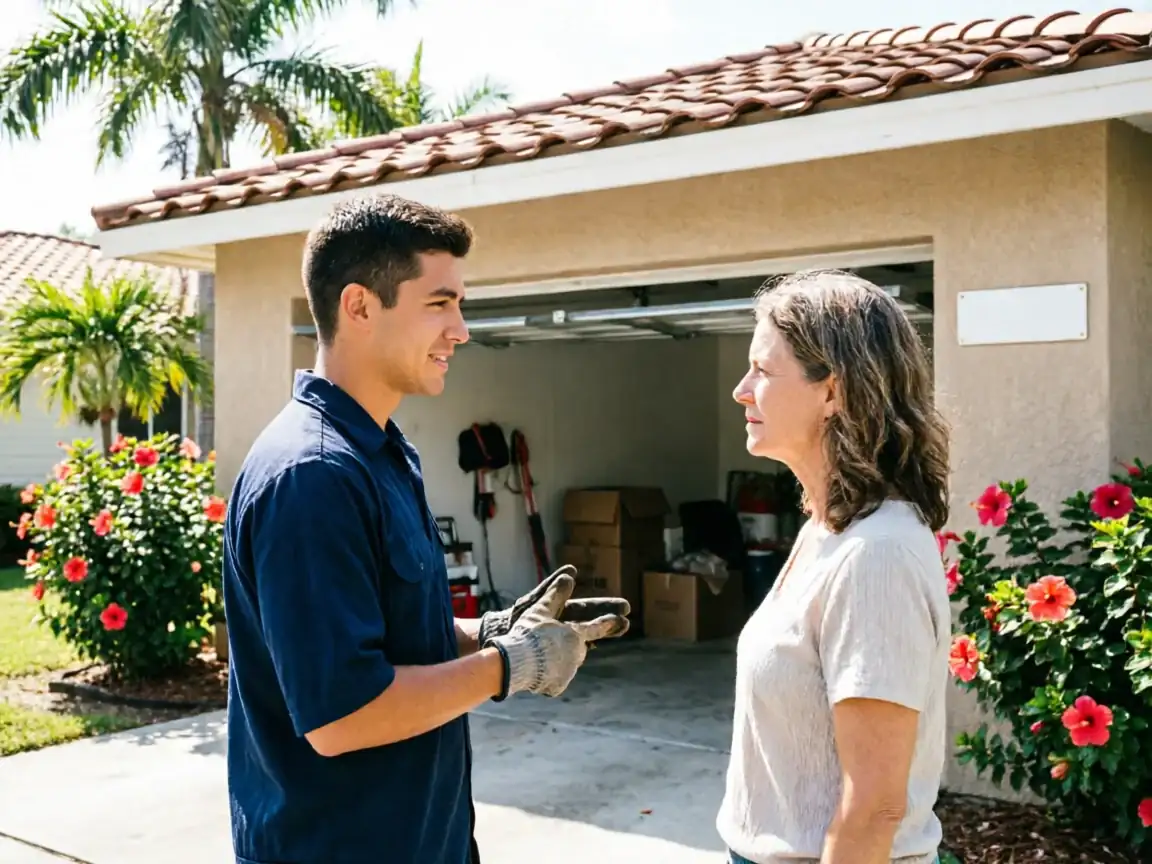
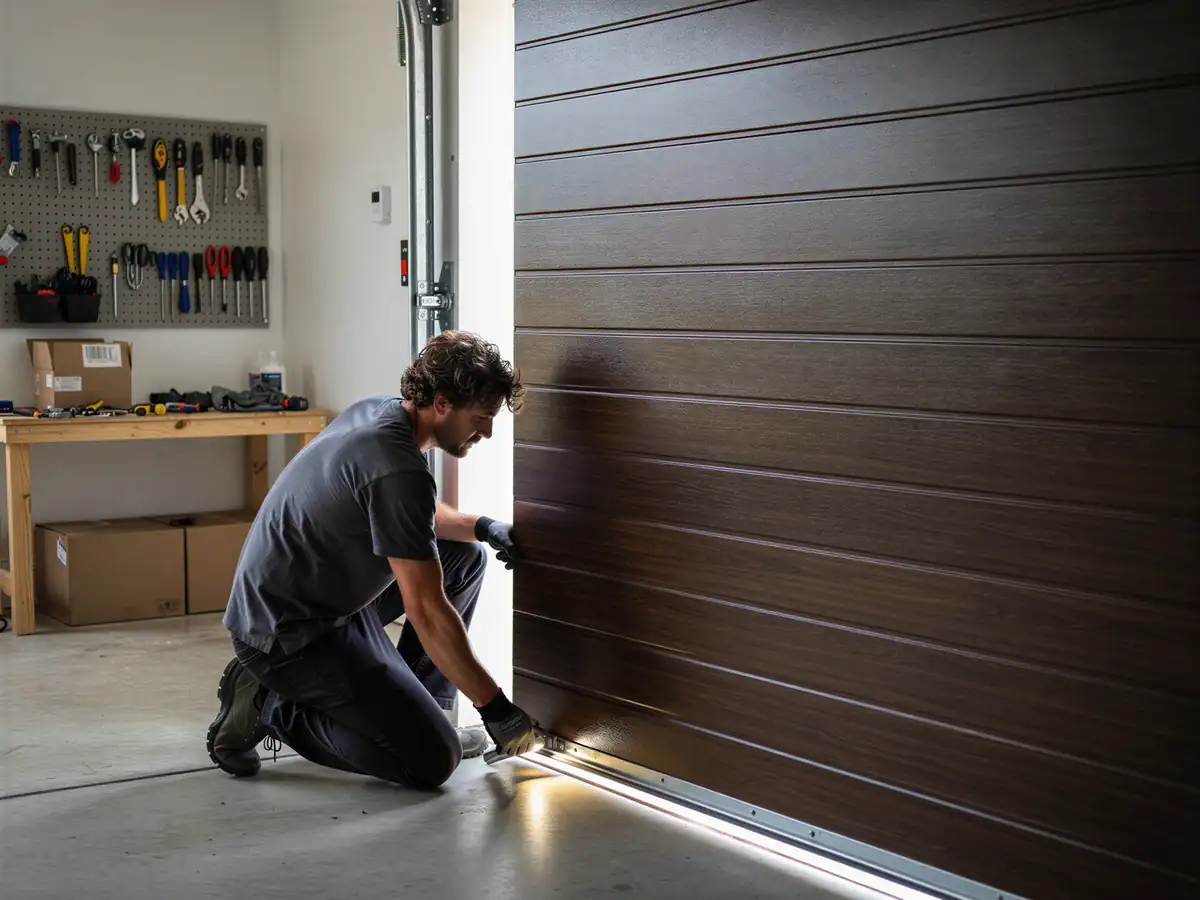
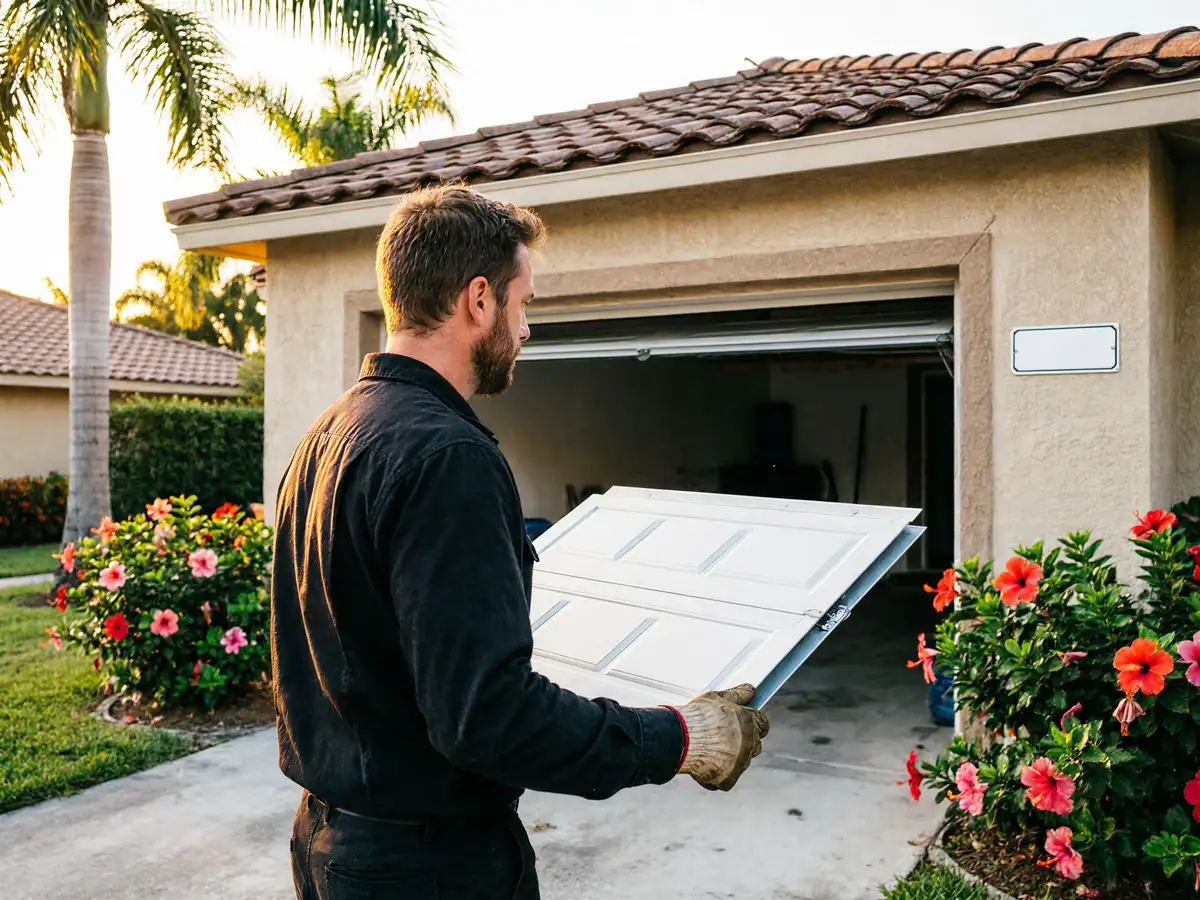
The crew comes out from Dunedin, about 15 miles away, so this isn't a job you book for same-hour service - plan the visit and we'll work it into the route. Maintenance here is usually a planned appointment rather than an emergency call, which suits the kind of wear this neighborhood actually sees: things that get worse slowly, not doors that fail without warning. If you've got a specific symptom - grinding, a door that hangs up partway - mention it when you book so the right parts are on the truck instead of a second trip.
What Can Go Wrong
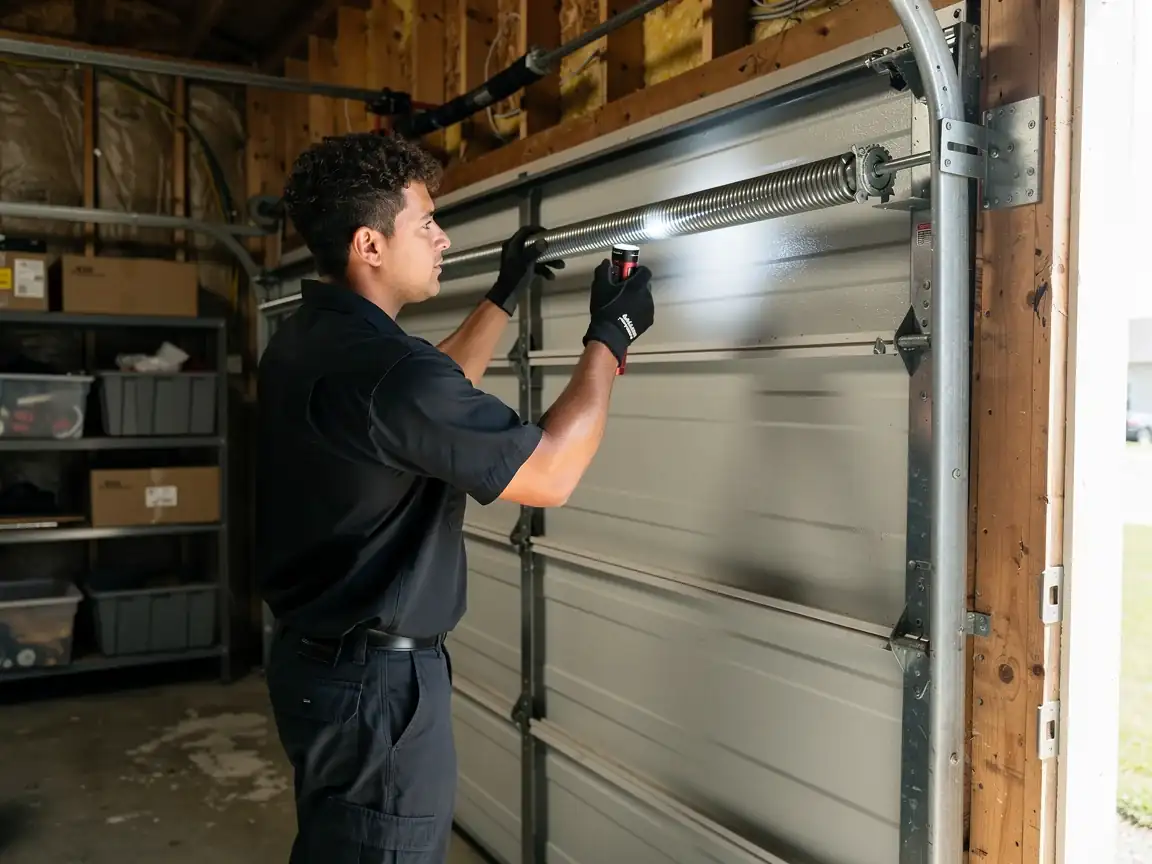
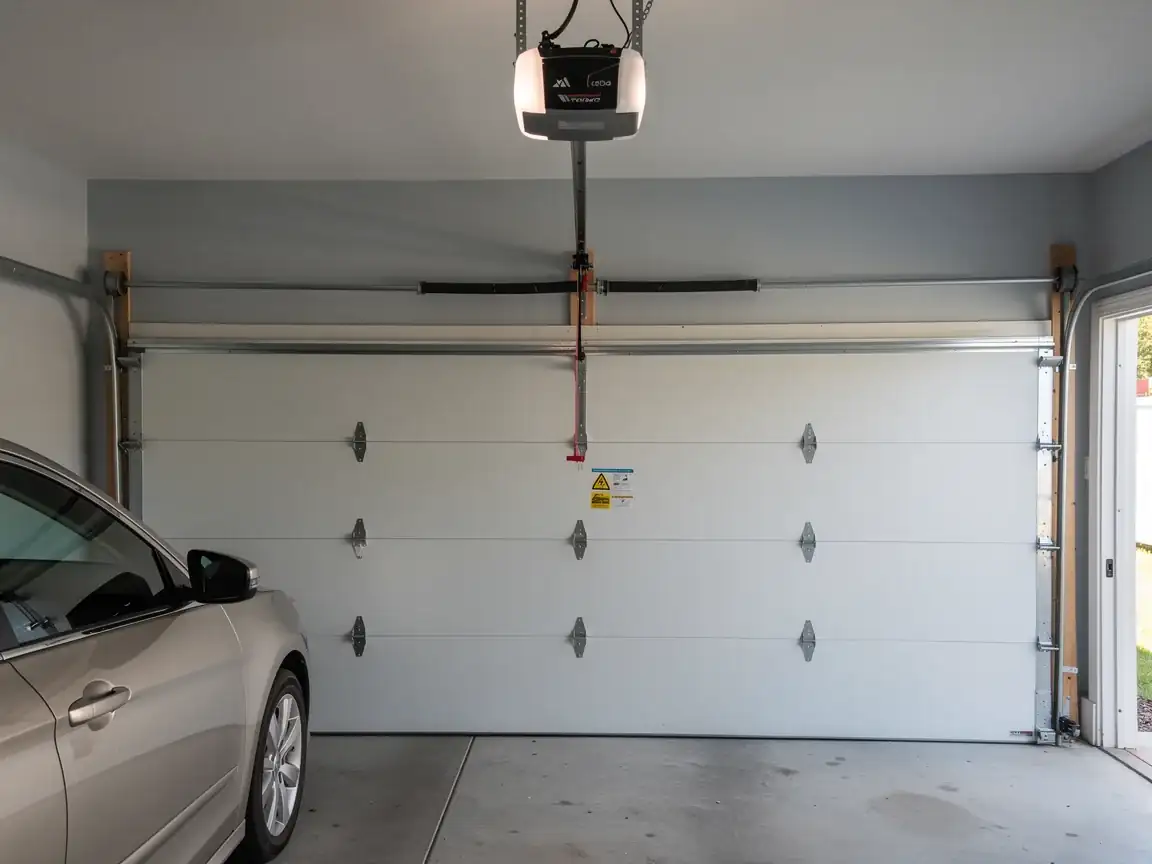
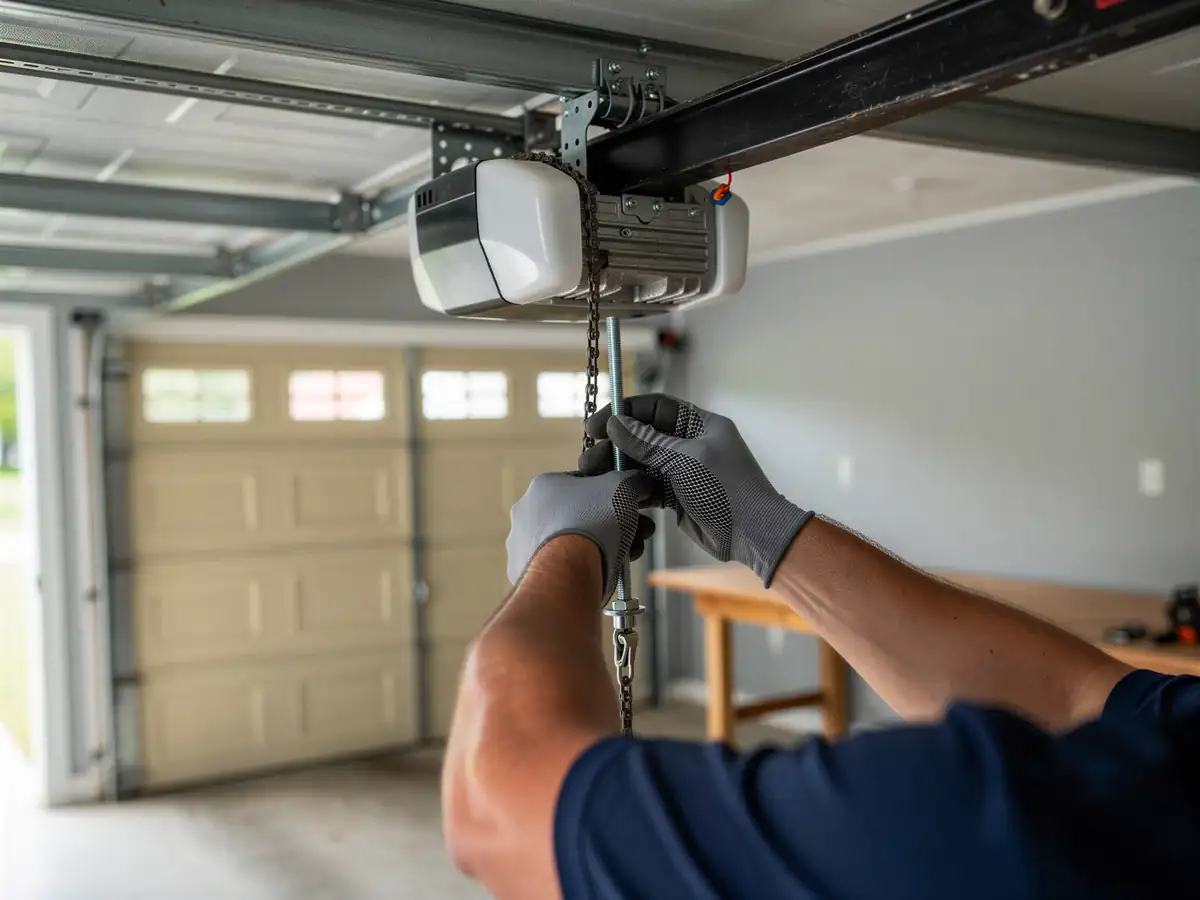
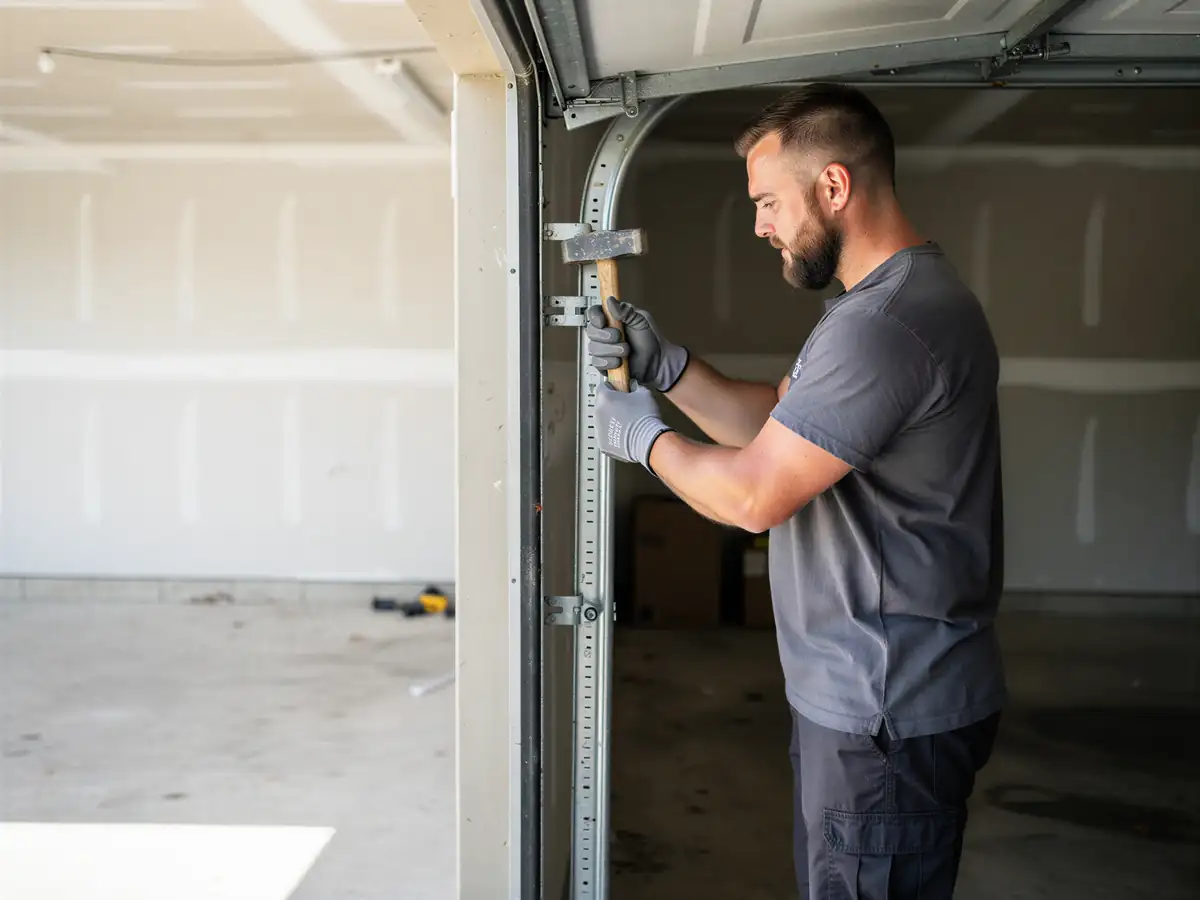
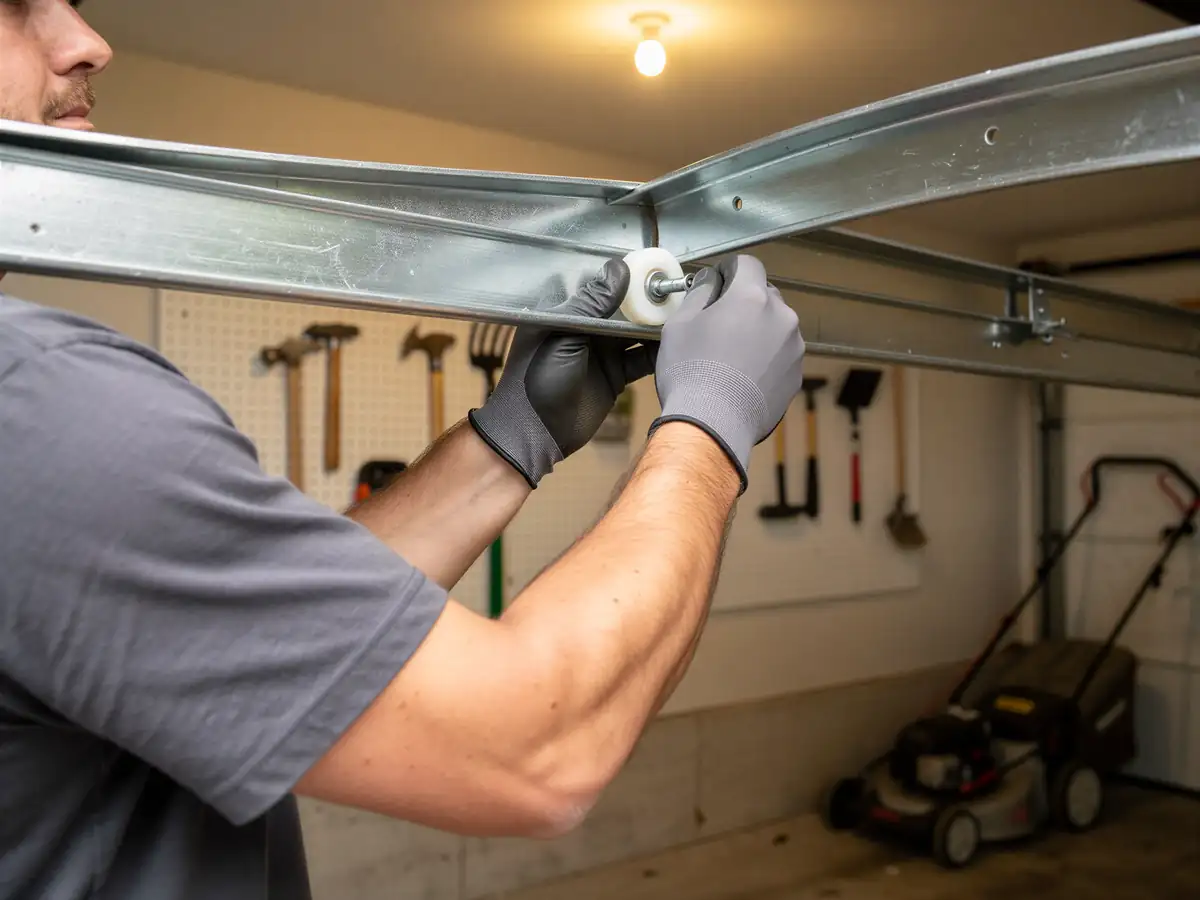
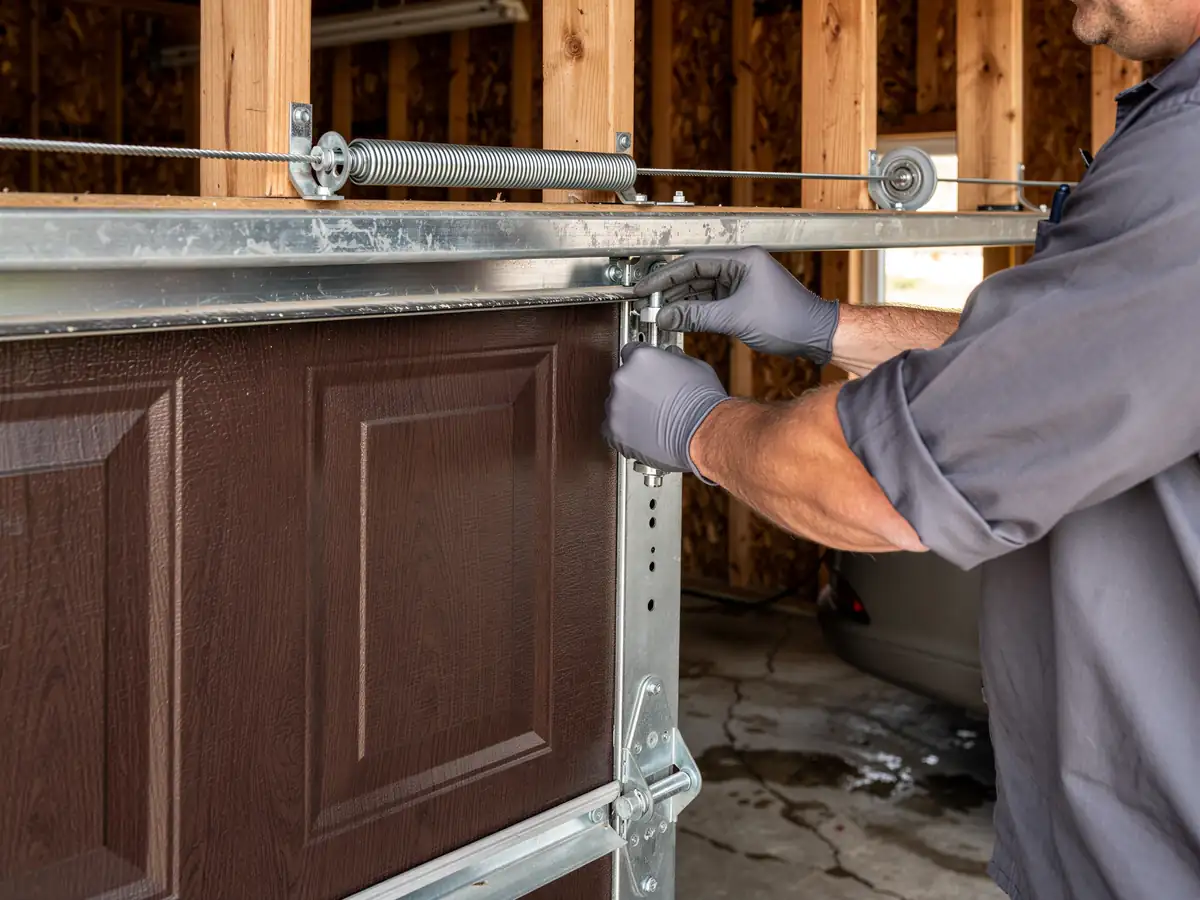
On a door of this age, the usual suspects are the opener's drive gear (plastic gears wear out around this many cycles), the torsion spring reaching its rated cycle limit, and rollers that have gone from smooth-rolling to grinding because the original lubrication is gone. None of these are dramatic failures - they're slow ones. A door that used to close in four seconds now takes six. An opener that used to run quiet now has a rhythmic clack. Those are the early signs on a house built in the early-to-mid 2000s, and they're exactly what a maintenance visit is built to catch before the spring lets go or the opener gear strips entirely.
The Symptom
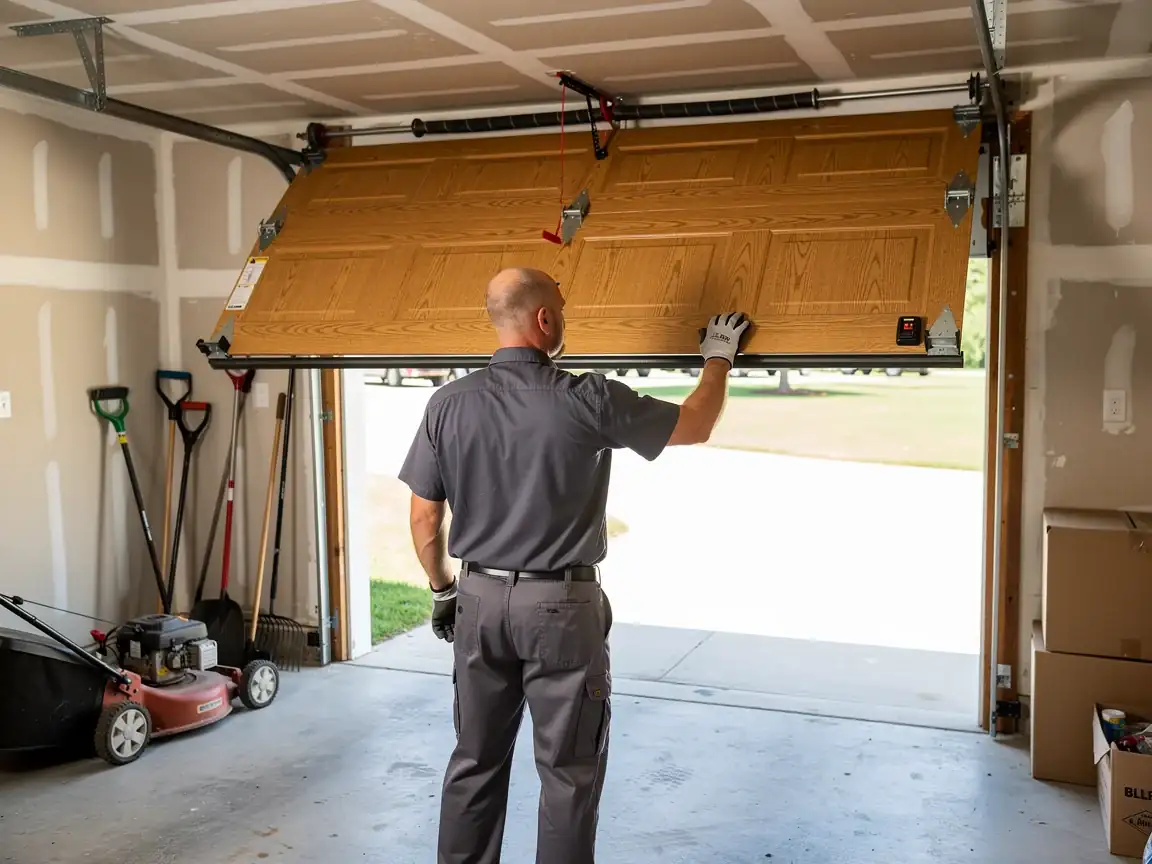
If your door reverses partway through closing, or the opener runs louder than it used to, or you've noticed the door isn't level when it's halfway up - those are the three complaints that come up most on homes from this build era. Any one of them on its own isn't an emergency. Together, or ignored for a season, they point to a spring or cable close to the end of its working life, and that's not a repair you want to discover mid-cycle with the door half open.