Why It Happens Here
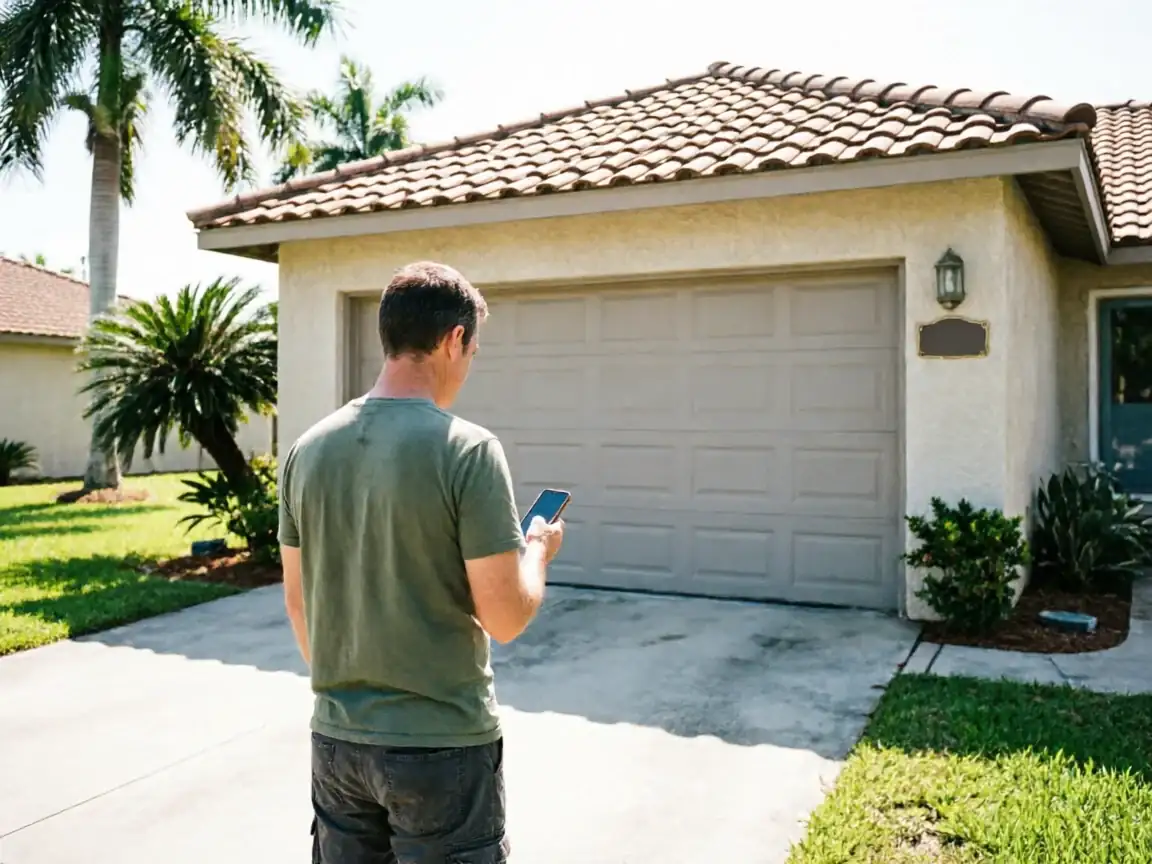
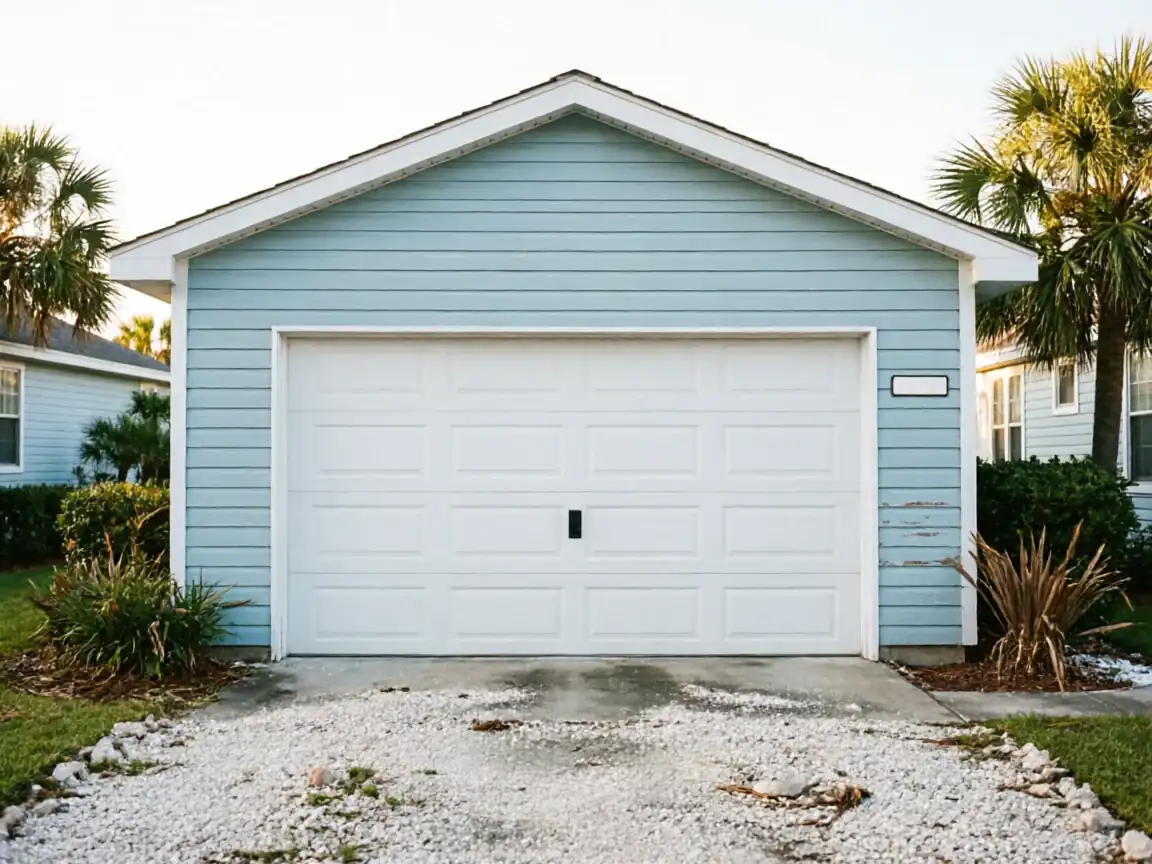
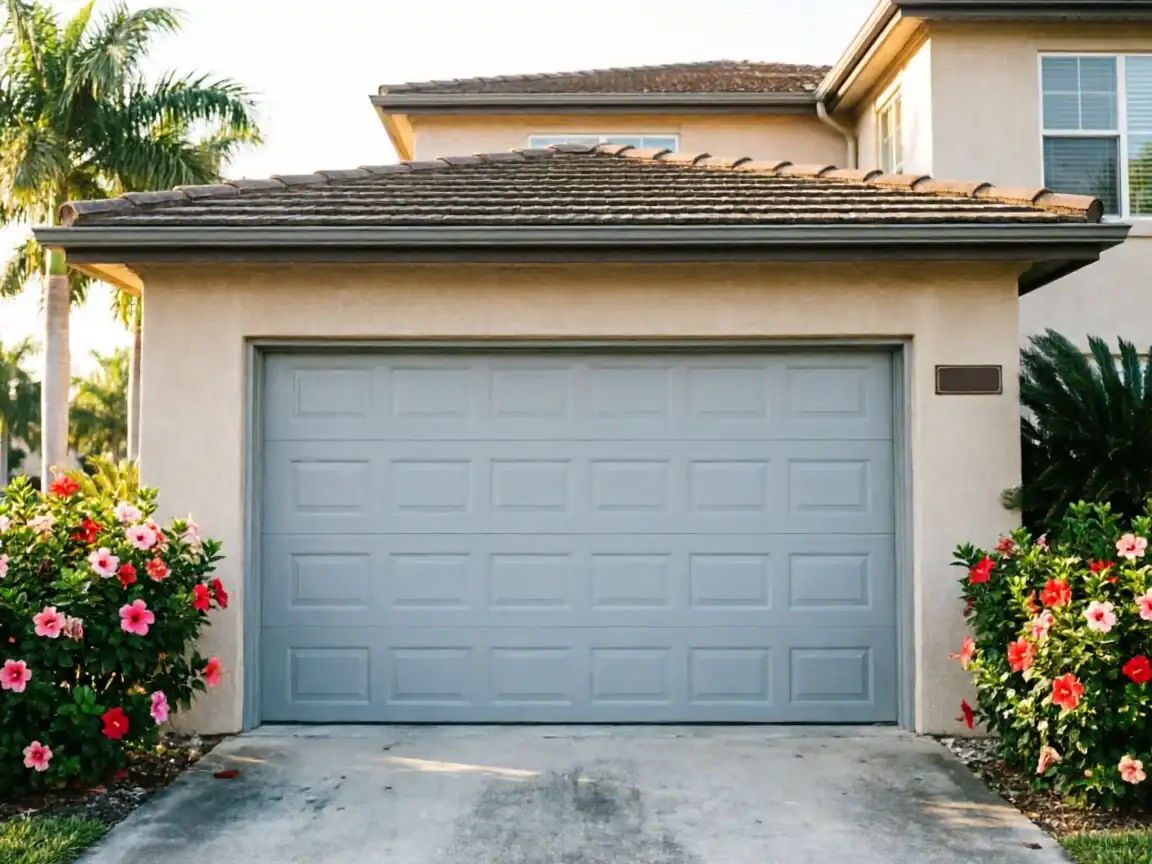
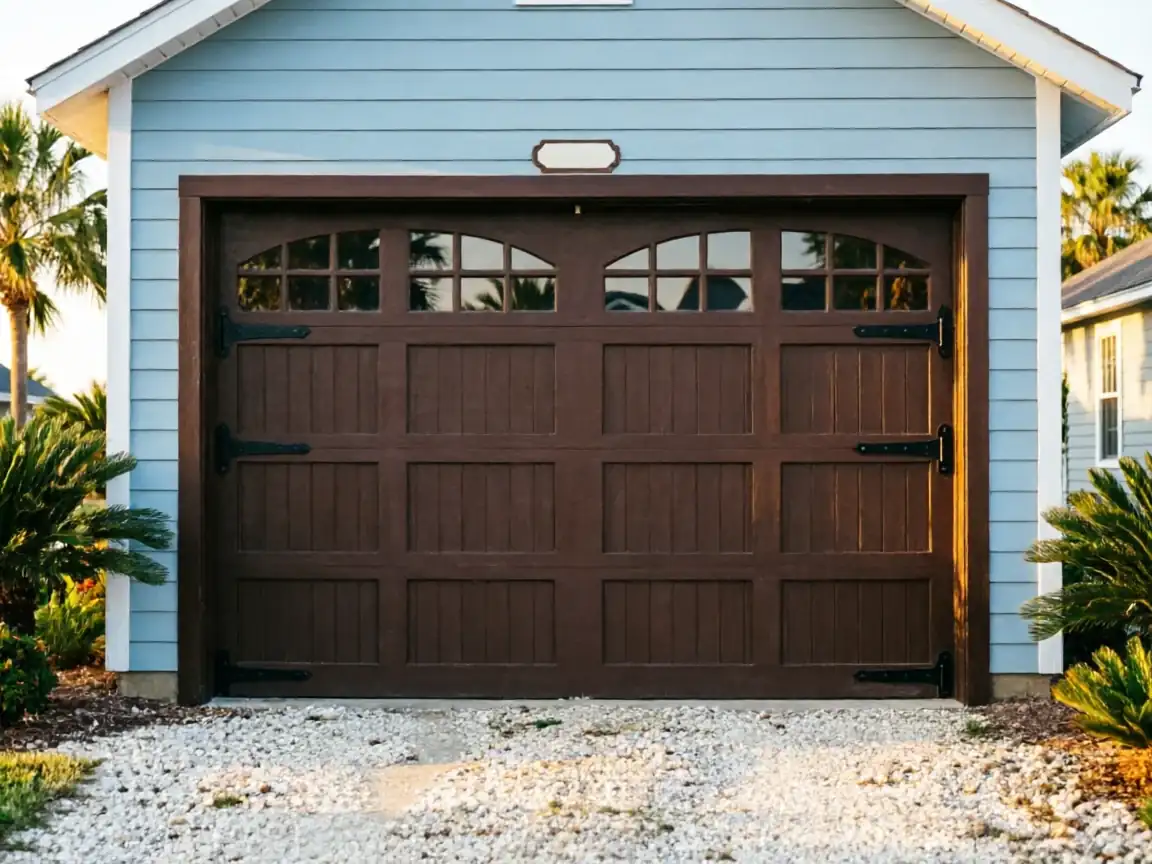
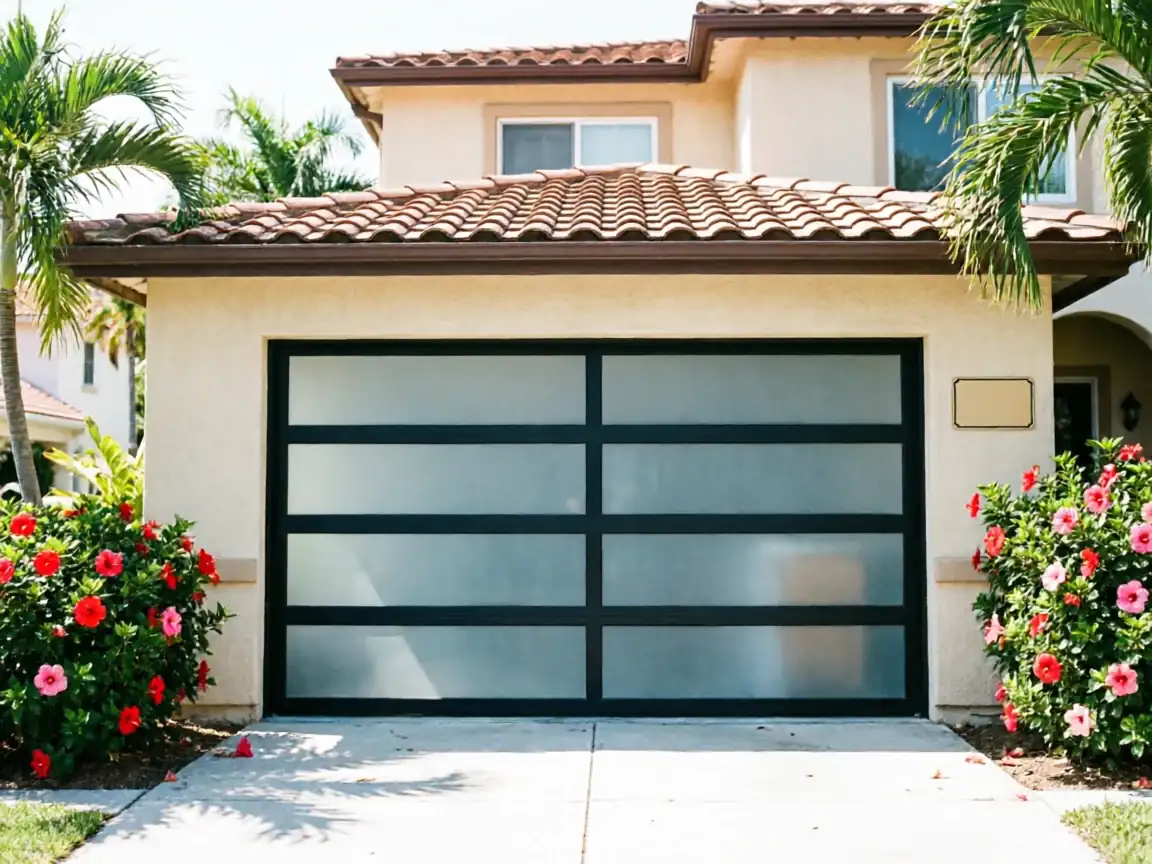
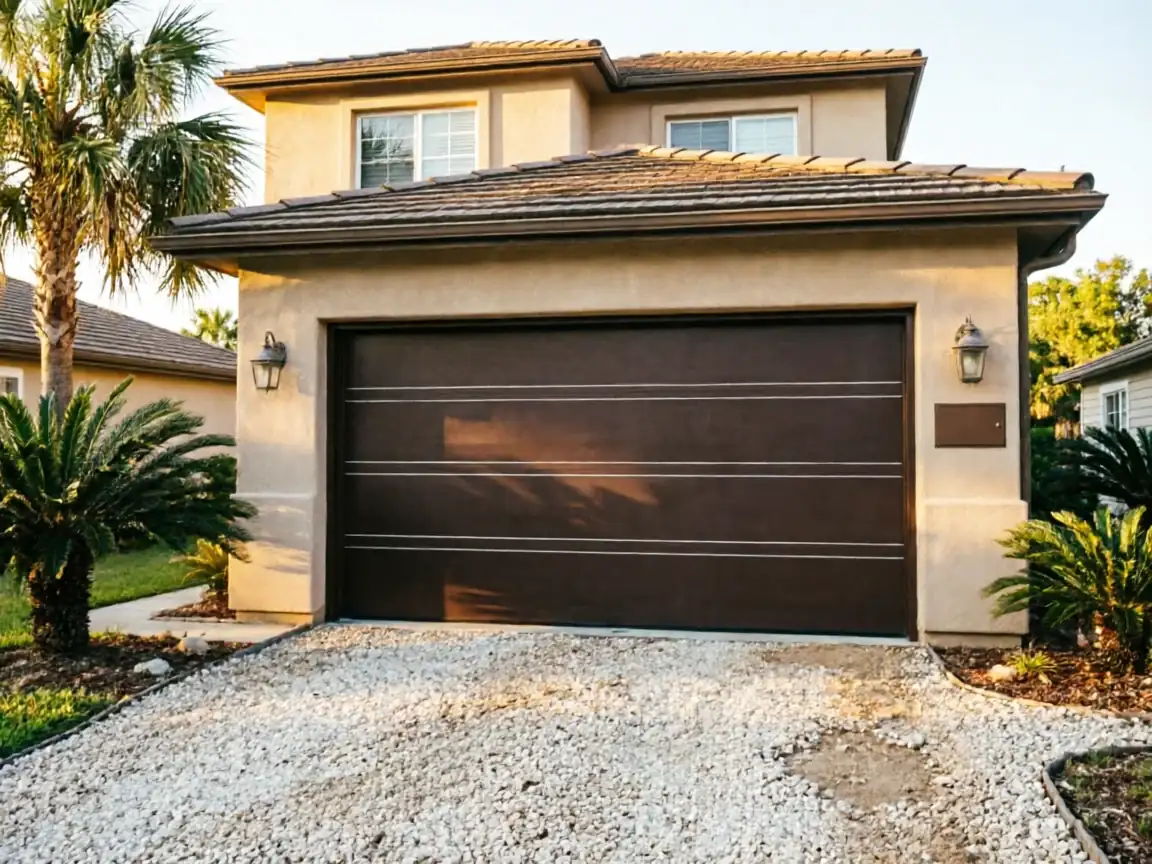
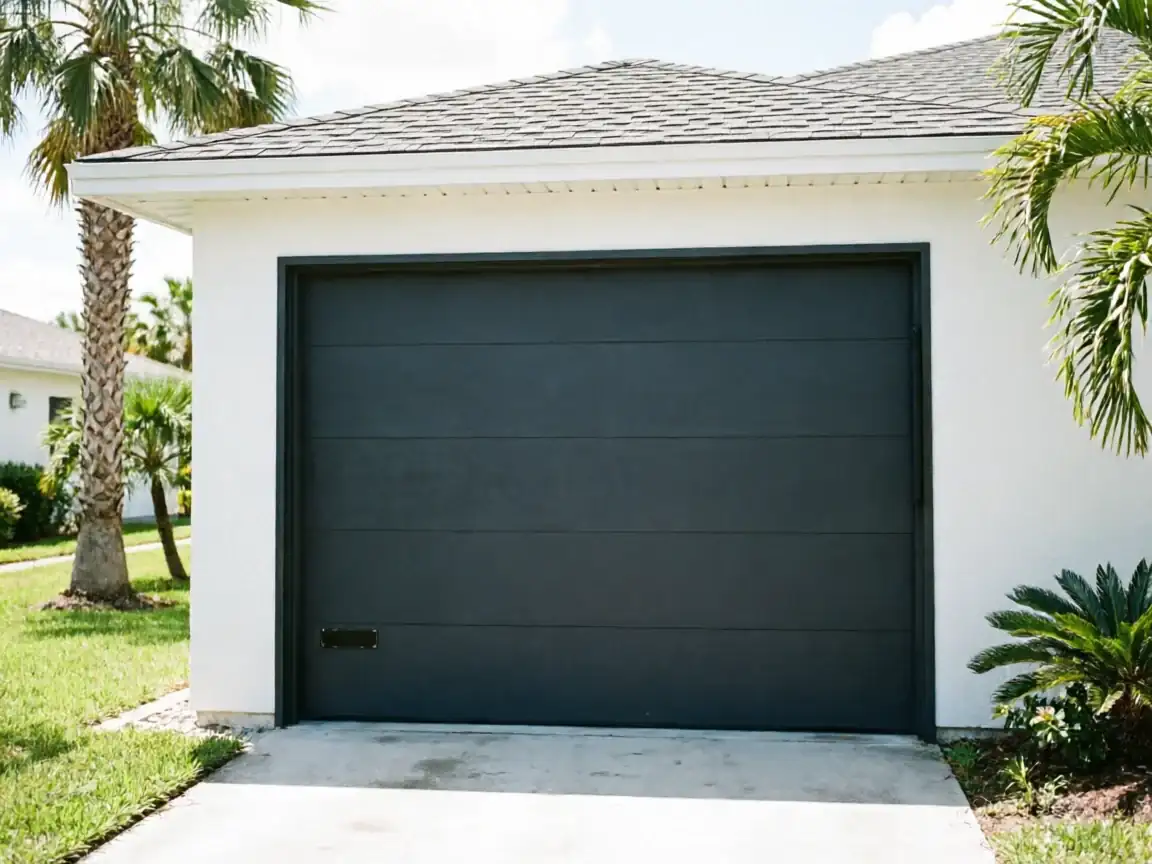
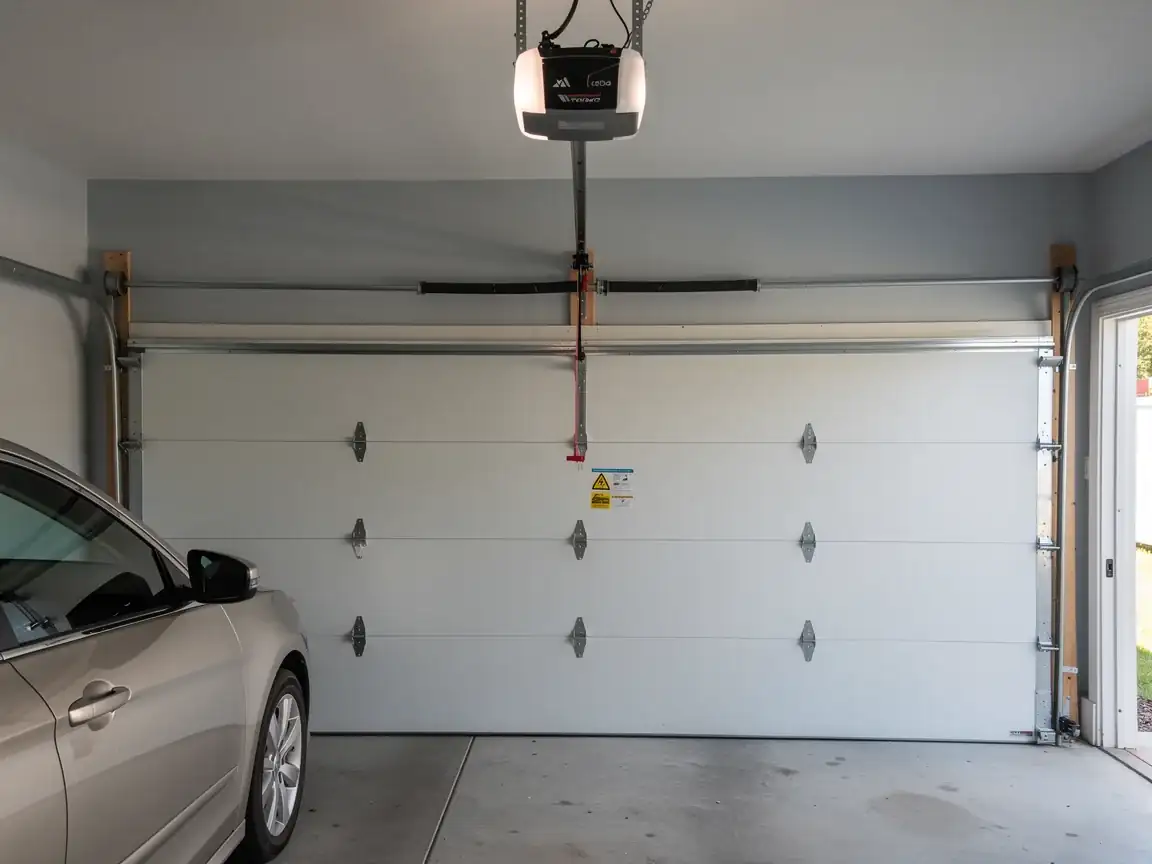
Most of the garage doors we get called out for sit on houses built between 1958 and 2005, with the bulk of that stock going up in the 1960s and 70s across the 27 neighborhoods we cover. Doors from that era are almost always steel, and steel that's been through fifty-plus Florida summers doesn't fail the way a ten-year-old door does. It rusts from the inside out, starting at the bottom panel where water sits after rain, and it spreads along the seams where the galvanized coating wore thin decades ago.
The climate here doesn't swing hard - no deep freezes, no blizzards - but that steady mild, humid band is its own kind of wear. Panels don't crack from cold the way they might up north. They corrode slowly, the kind of damage you don't notice until a seam lets go or a panel buckles under its own weight when the door cycles. On a two-car door, that's usually one or two sections gone bad while the rest of the door is still sound, which is exactly the situation panel replacement is built for instead of a full door swap.
What the Repair Takes
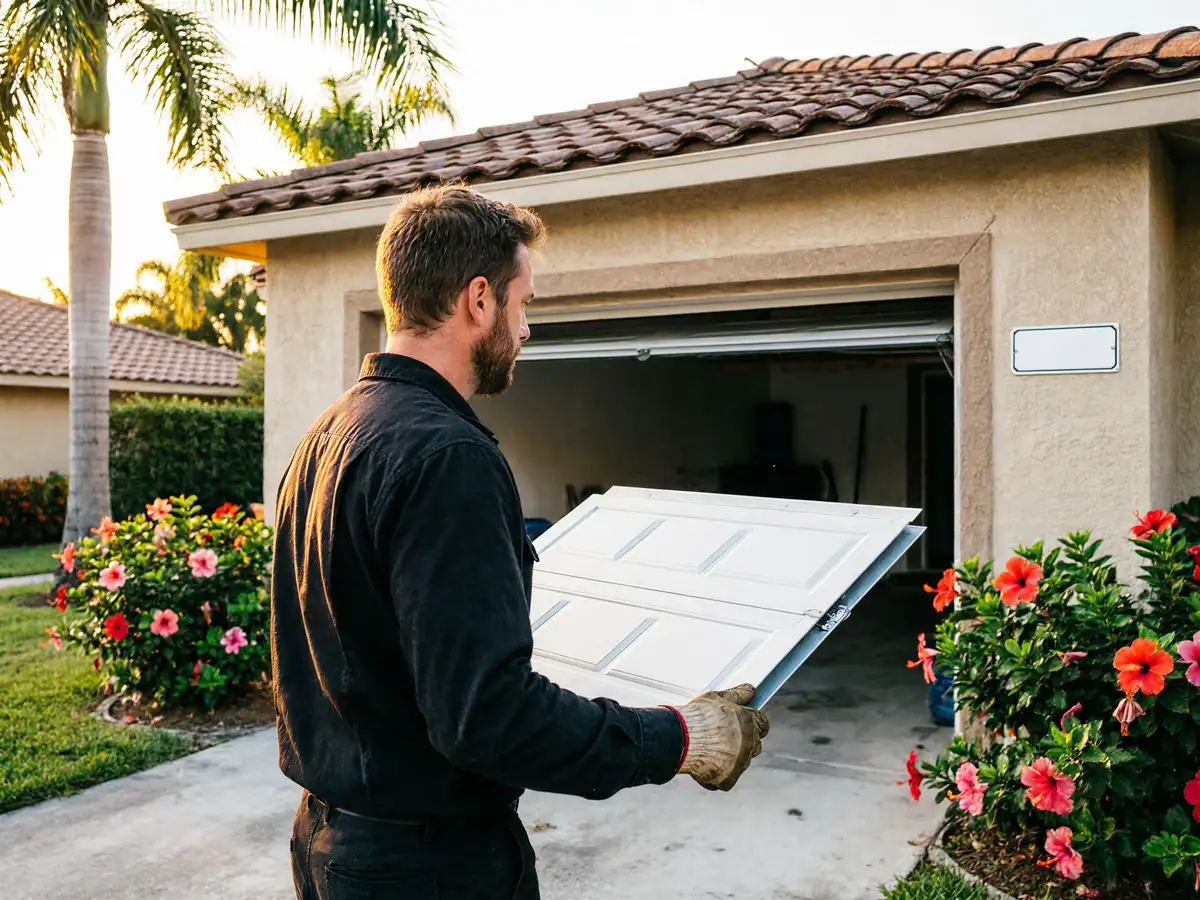
The job starts with matching the panel - manufacturer, height, and groove profile - to what's already hanging in the track. On a door built in the 1970s or 80s that's not always a quick order. Some panel profiles from that period were discontinued years ago, and if your door is one of them, we're sourcing a close match rather than an identical one, or recommending a different fix. That's a real limitation and we'll tell you up front if your door falls into that category.
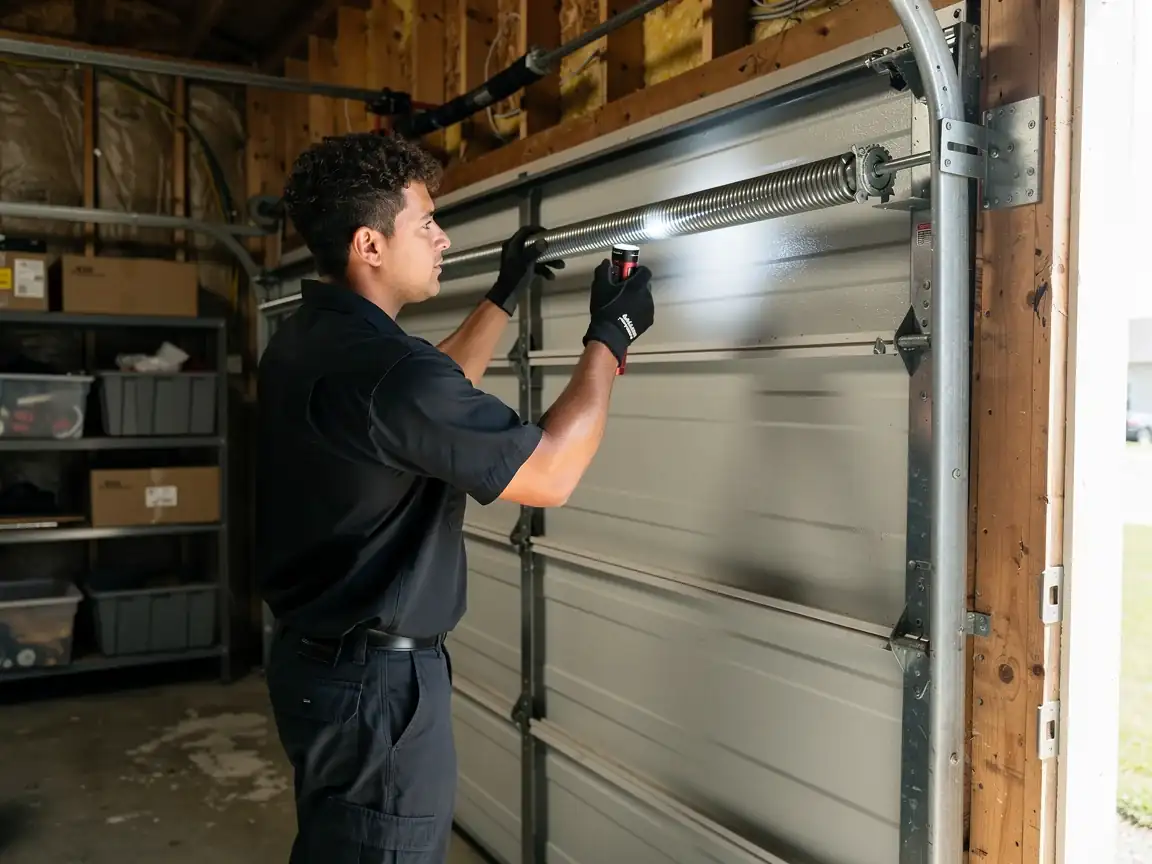
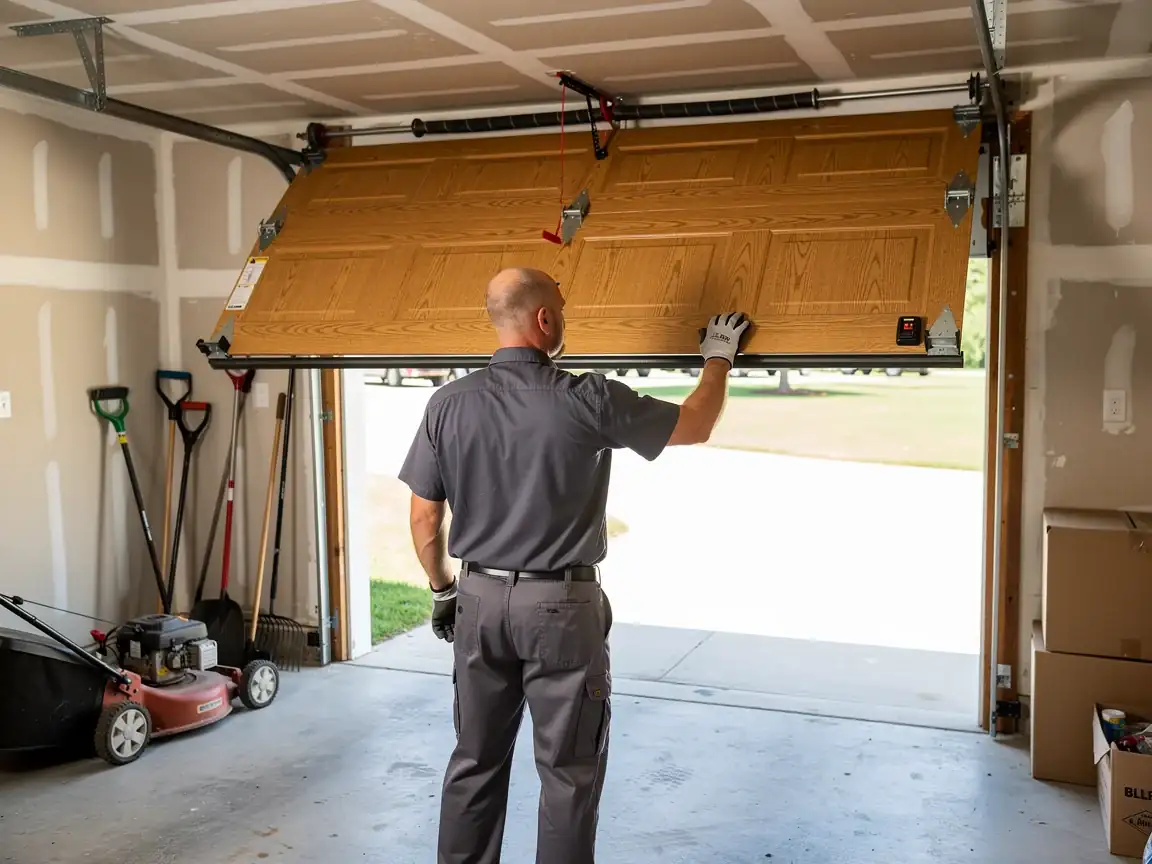
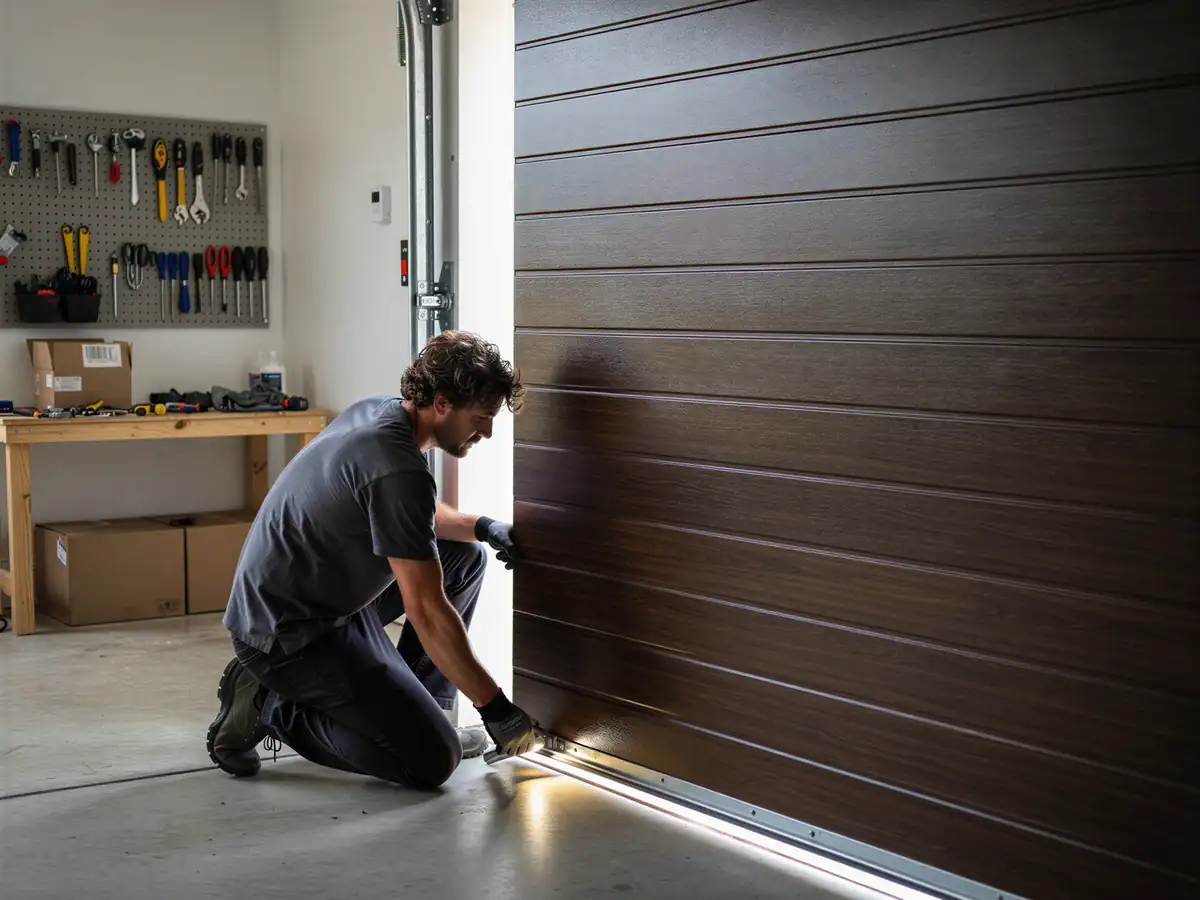
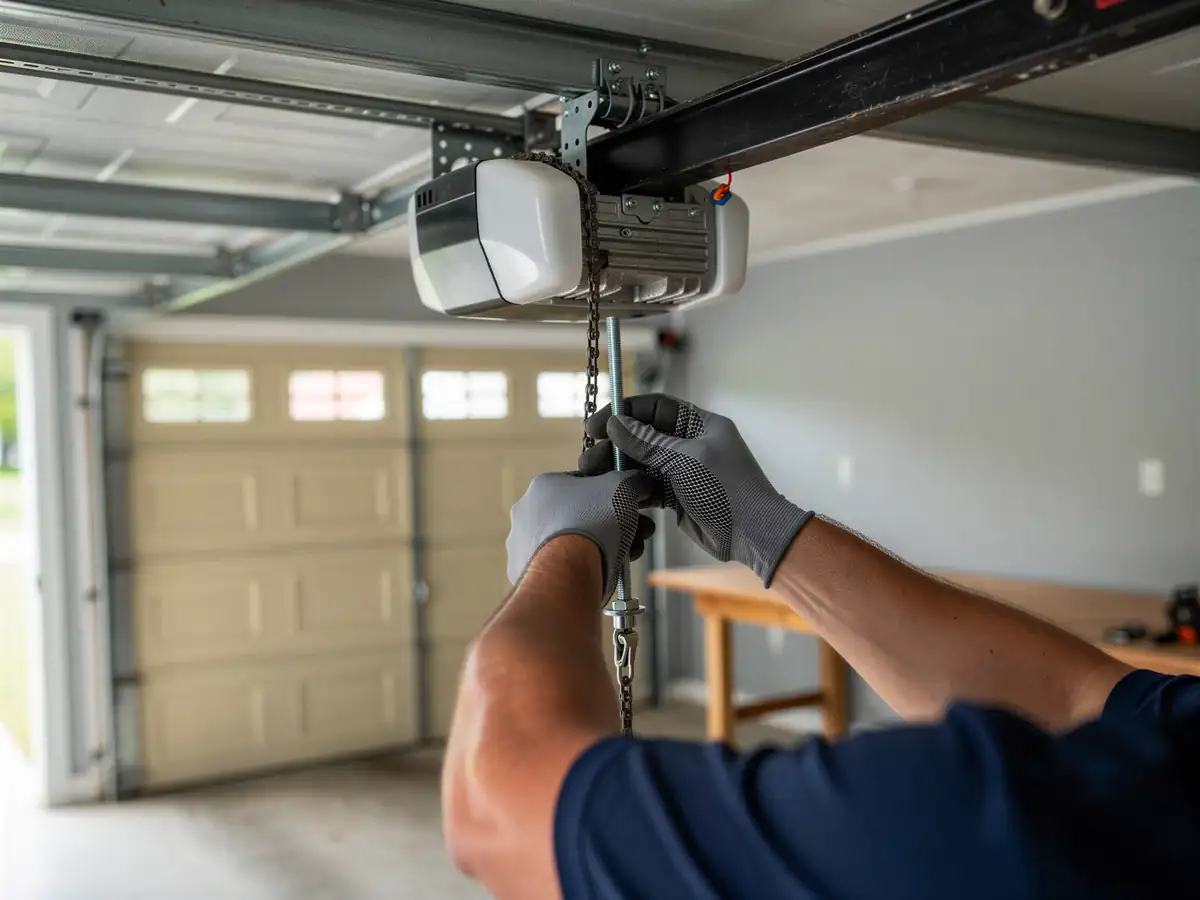
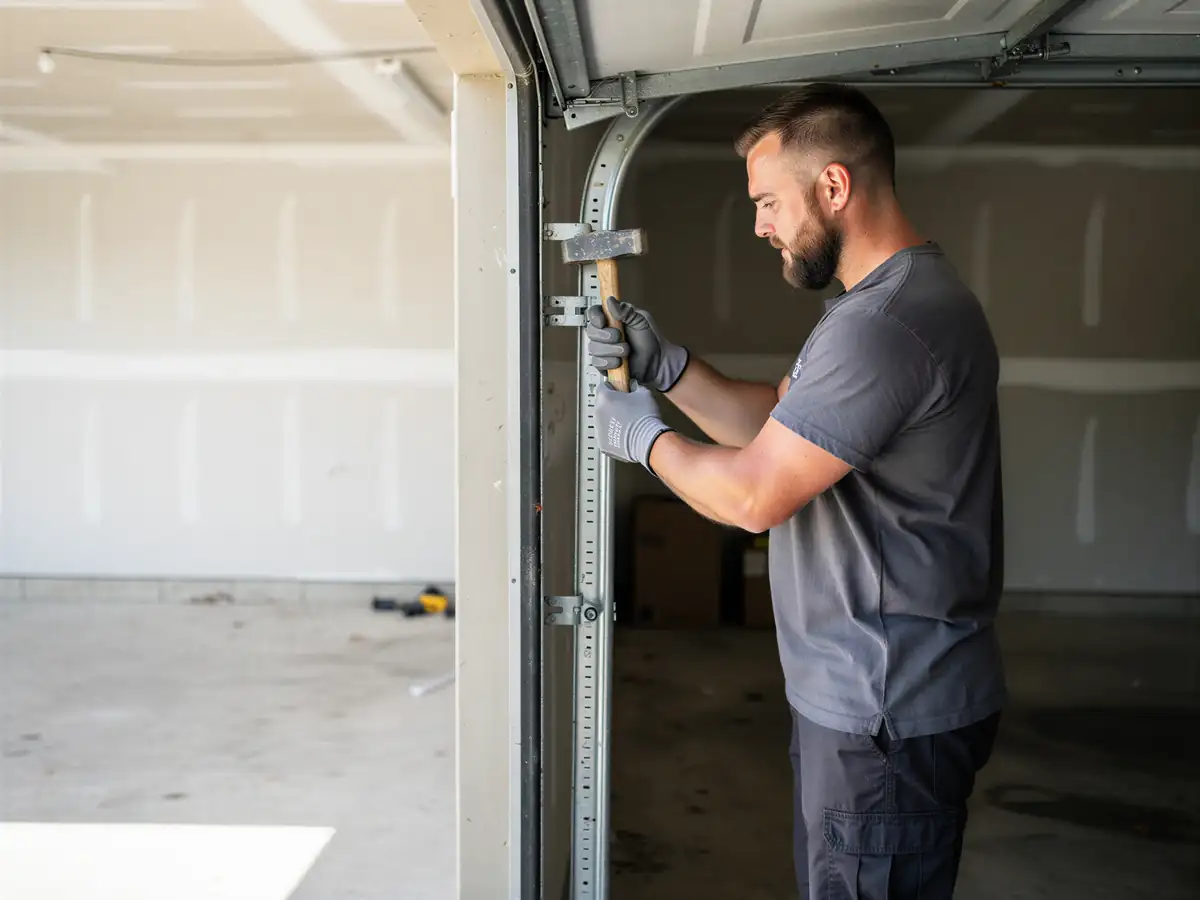
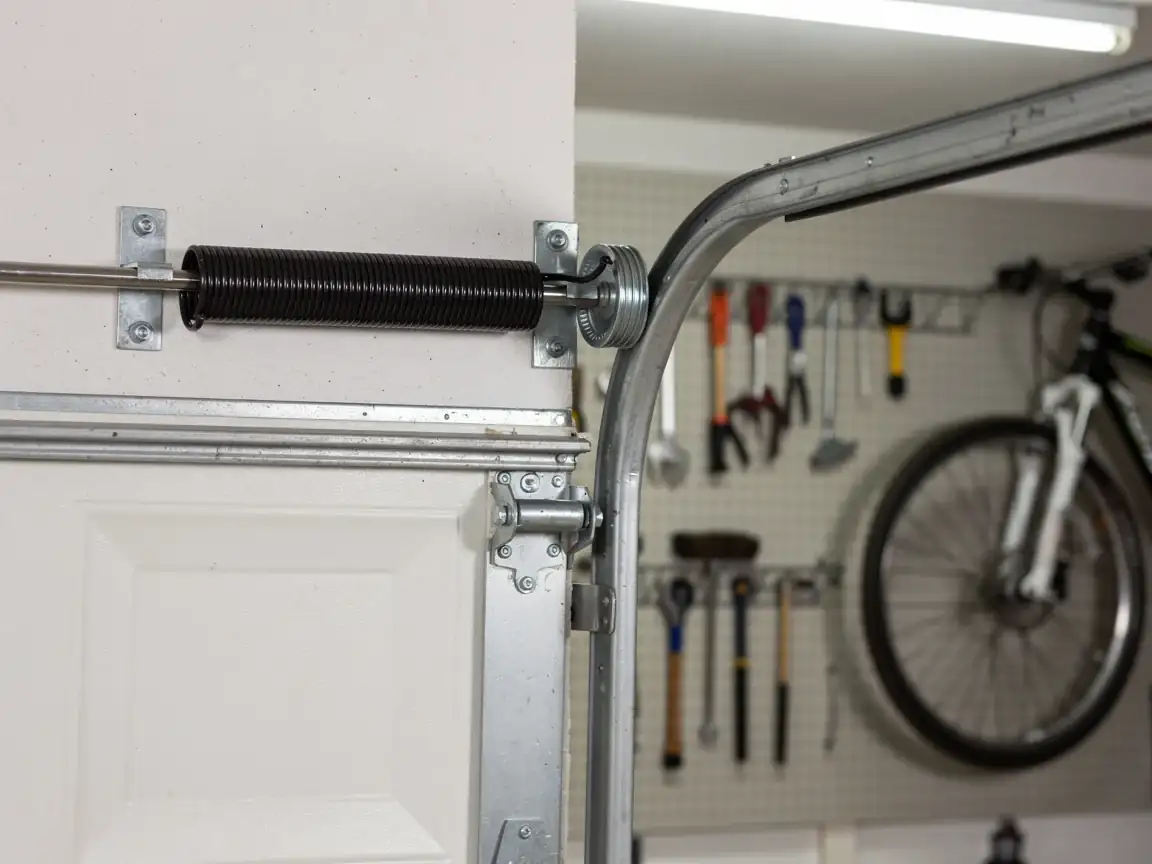
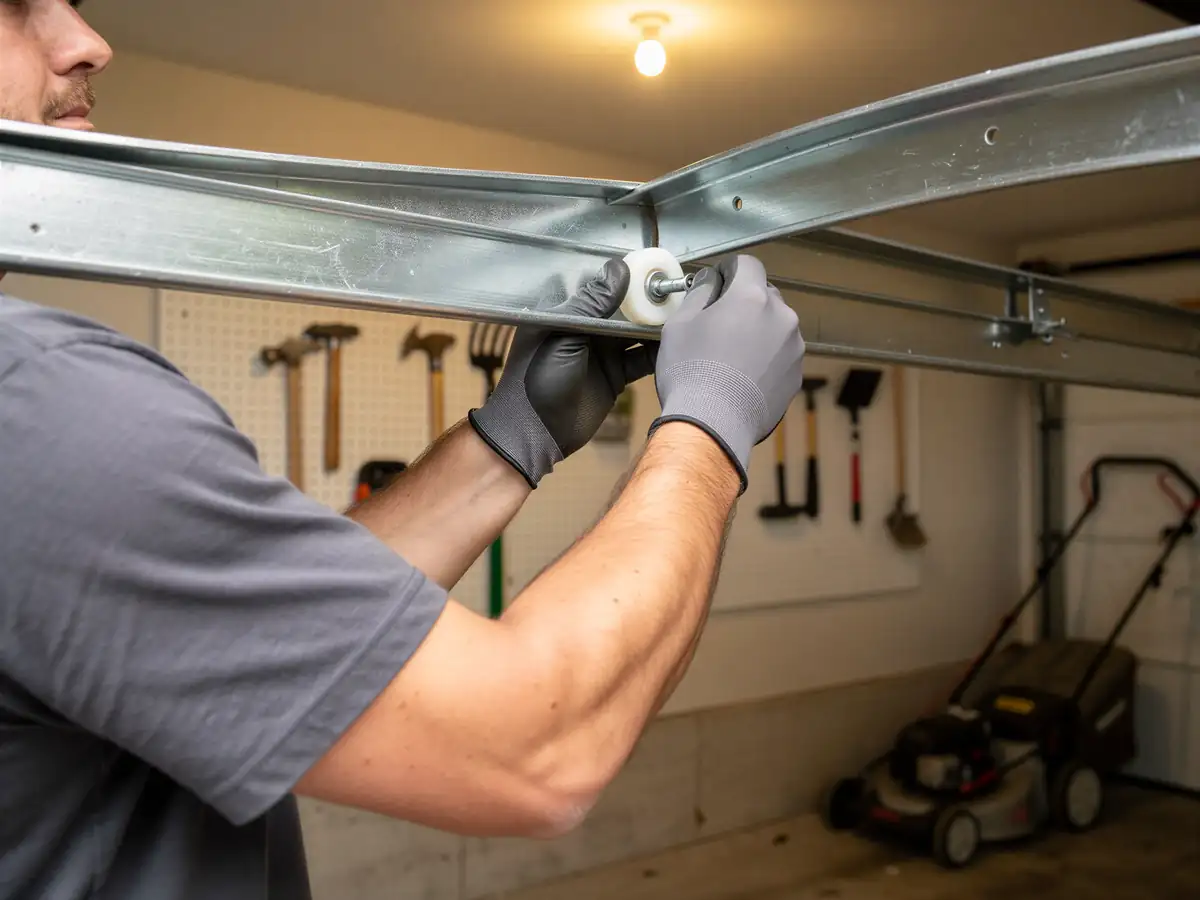
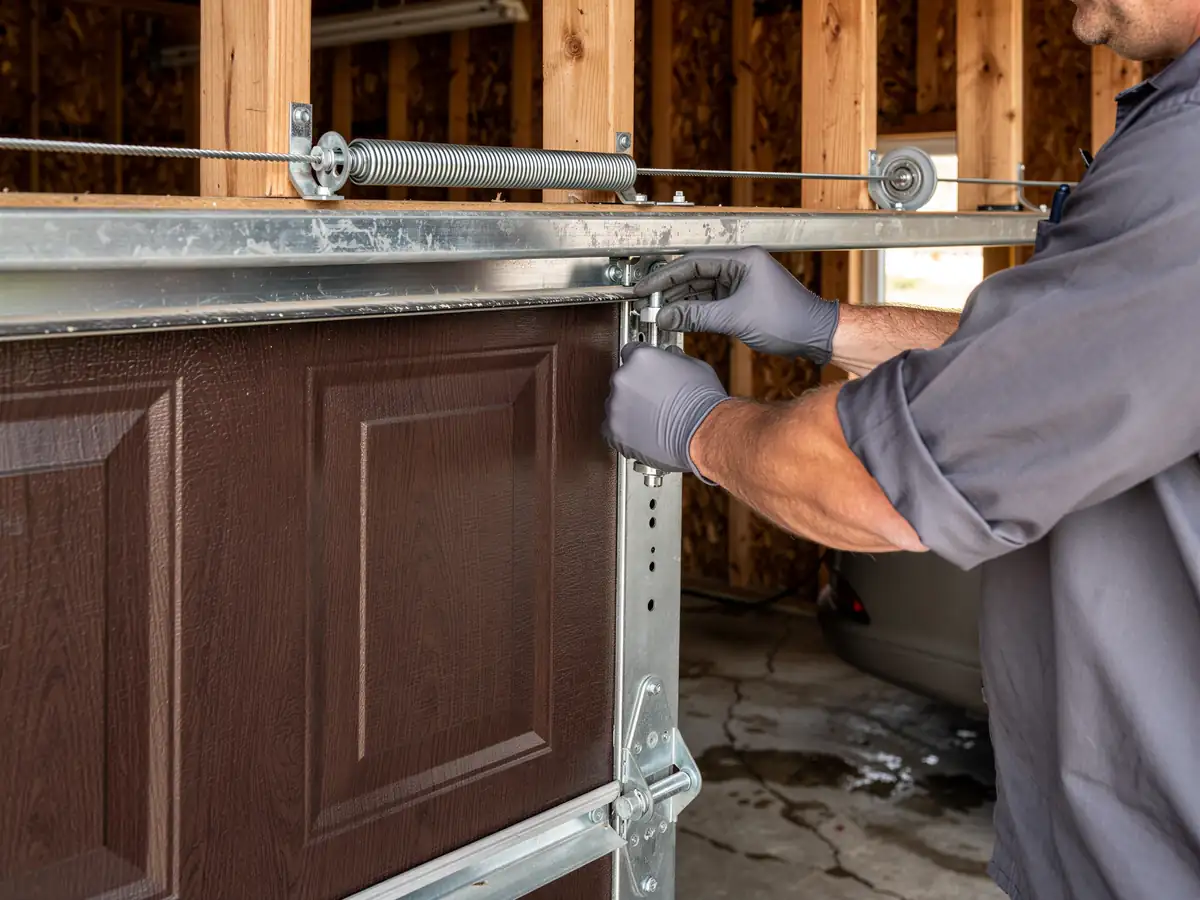
Once the panel is in hand, we pull the damaged section without disturbing the torsion spring or the rest of the panel stack, set the new section into the hinges and rollers, and check the door balance before we call it done. A door that's out of balance after a panel swap will shorten the life of the opener fast, so that check isn't optional.
Most single-panel jobs on a standard double door run the better part of a morning. Bottom panels, which take the brunt of ground moisture, generally take a bit longer because the weatherstrip and sometimes the bottom bracket need attention too.
What Can Go Wrong
The most common complication is color and texture mismatch
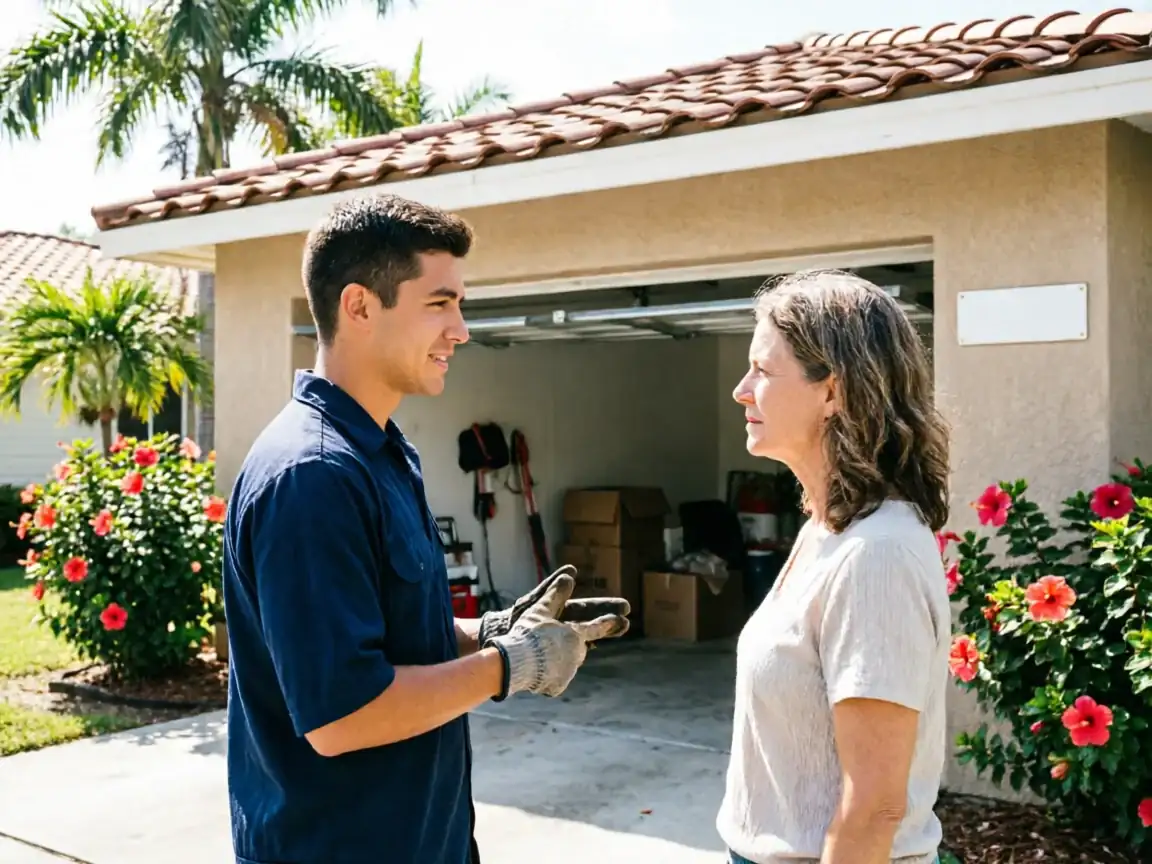
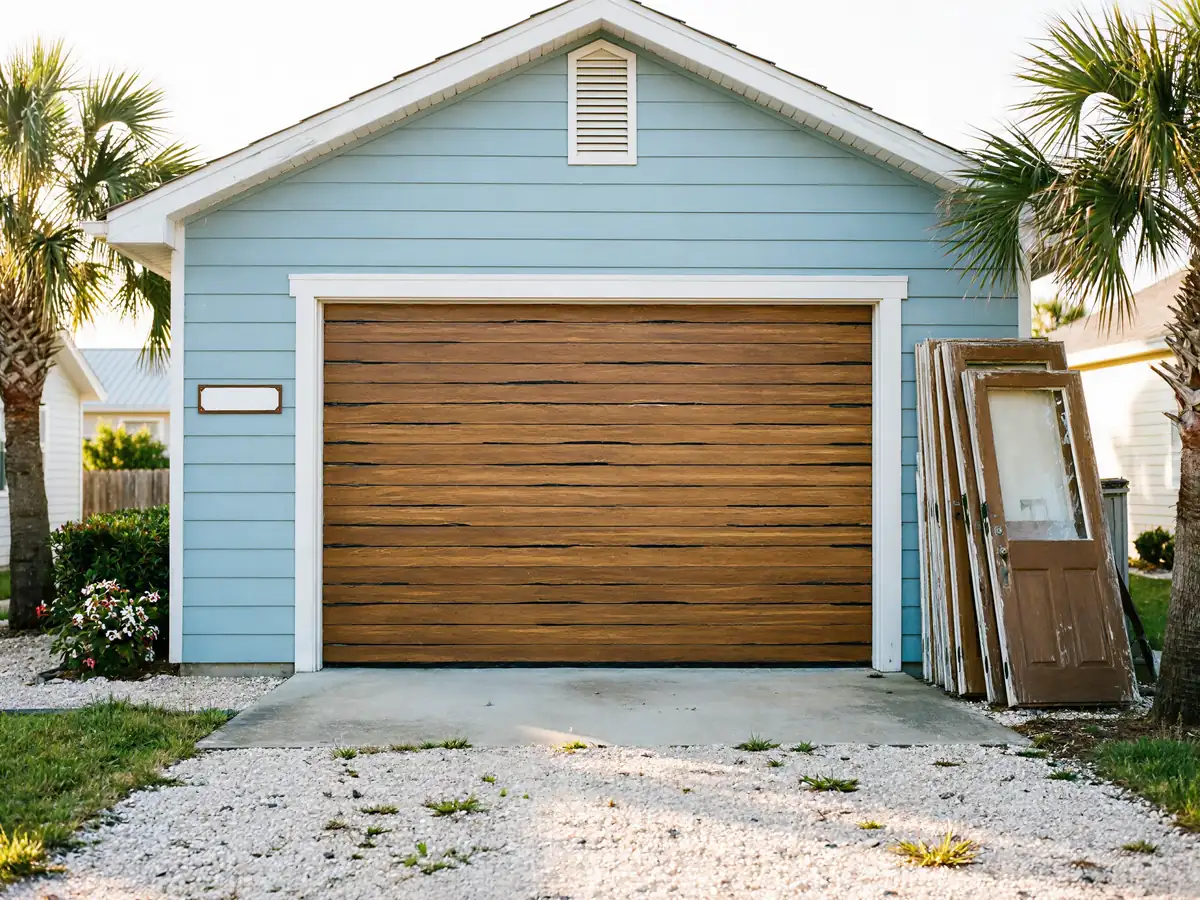
A new panel on a door that's faded for twenty years under Florida sun will look noticeably different, even if the manufacturer and model match. We'll point that out before we order anything, because a homeowner who expects an invisible fix is going to be disappointed by a perfectly good repair.
The second complication is structural
If rust has spread past the one panel you called about and into the panel above or below it, replacing a single section just delays the next call. We check adjacent panels and the track alignment before we quote the job, and if two or three sections are compromised, we'll say so rather than replace one and leave the rest to fail in six months.
Third, on older doors the hinge spacing or roller stem length sometimes doesn't match current hardware exactly
That's a fit issue, not a defect, and it's one more reason panel work on a door from this era takes more judgment than a straight parts swap on a newer door.
The Symptom
Usually it's a dent that's gone from cosmetic to structural - a crease across a panel that's started to bow the section when the door closes. Or it's rust coming through the paint along the bottom edge, with flaking that leaves rust stains on the driveway. Some owners call because the door makes a new scraping sound at one spot in the travel, which often means a bent or corroded panel is catching on the track rather than riding straight.
If the damage is isolated to one or two sections and the rest of the door still runs true, panel replacement is usually the right call instead of replacing the whole door. If the damage is spread across the door, or if the door is original to a house built in the 1960s or 70s and multiple panels show the same corrosion, we'll say that plainly rather than patch one section and send you a bill for a short-term fix.