The Symptom
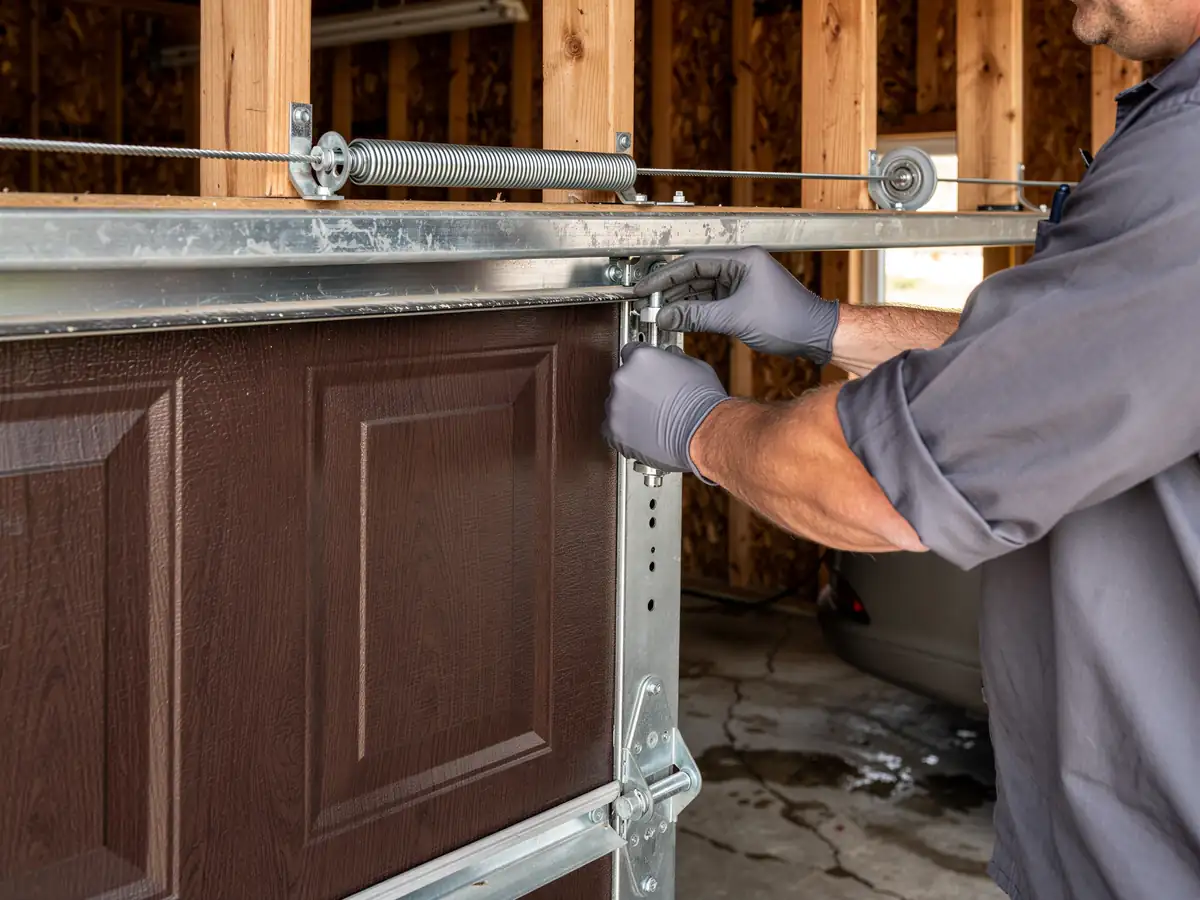
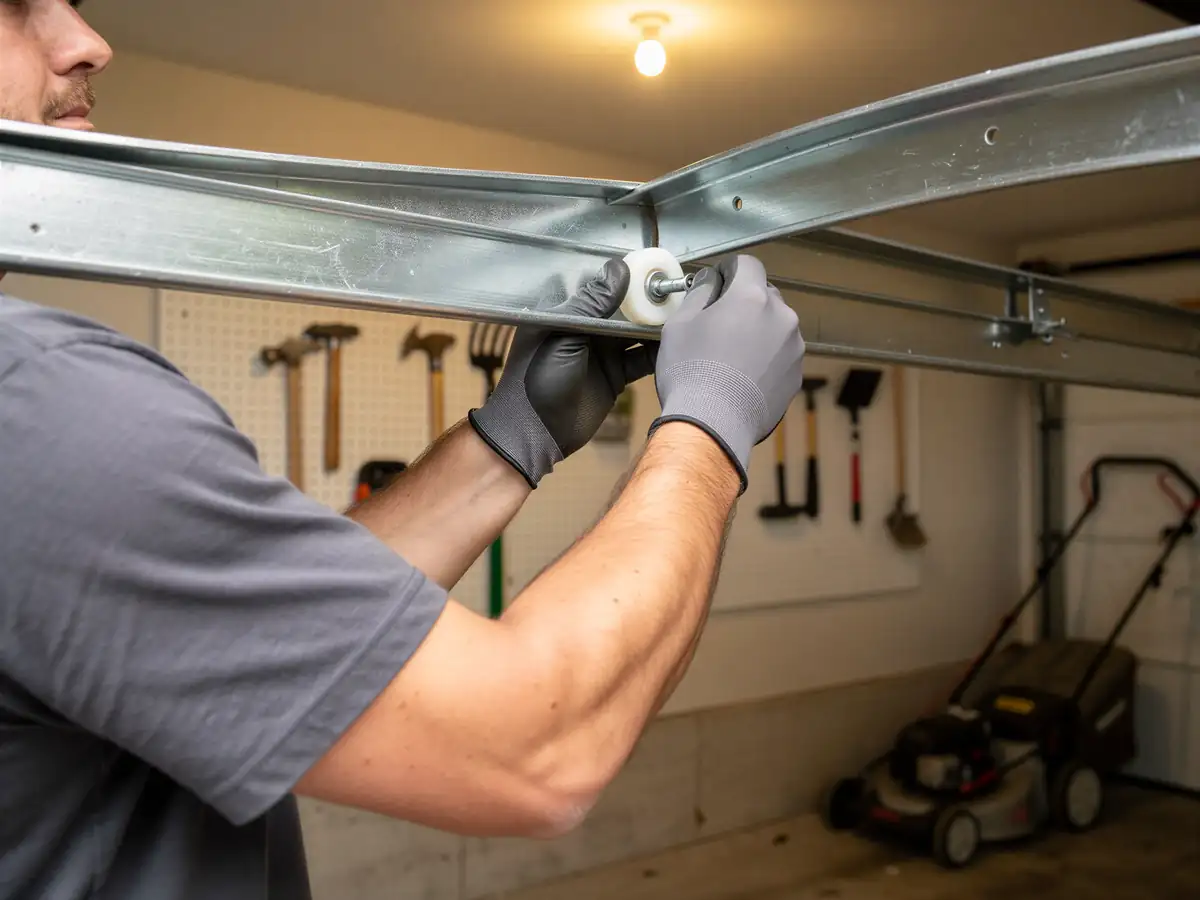
Keystone sits about 14 miles from our shop in Dunedin, which is a 20-25 minute drive depending on the route, so when we schedule a roller job out here we usually try to pair the diagnosis and the fix into one trip rather than two. That matters because roller problems rarely announce themselves cleanly - you don't wake up one day with a door that won't move. It starts as a grinding or popping sound as the door travels, or a shudder right at the spot where the roller crosses from the curved section of track into the vertical run. Some owners notice the door hesitating halfway up, like it's catching on something. It isn't catching on anything - a roller with a worn stem or a flat-spotted wheel is dragging instead of rolling, and every open and close after that wears the track a little more. If you're hearing it, the fix is usually smaller than it sounds right now. If you wait until the door won't move at all, it's often not just rollers anymore.
What Can Go Wrong
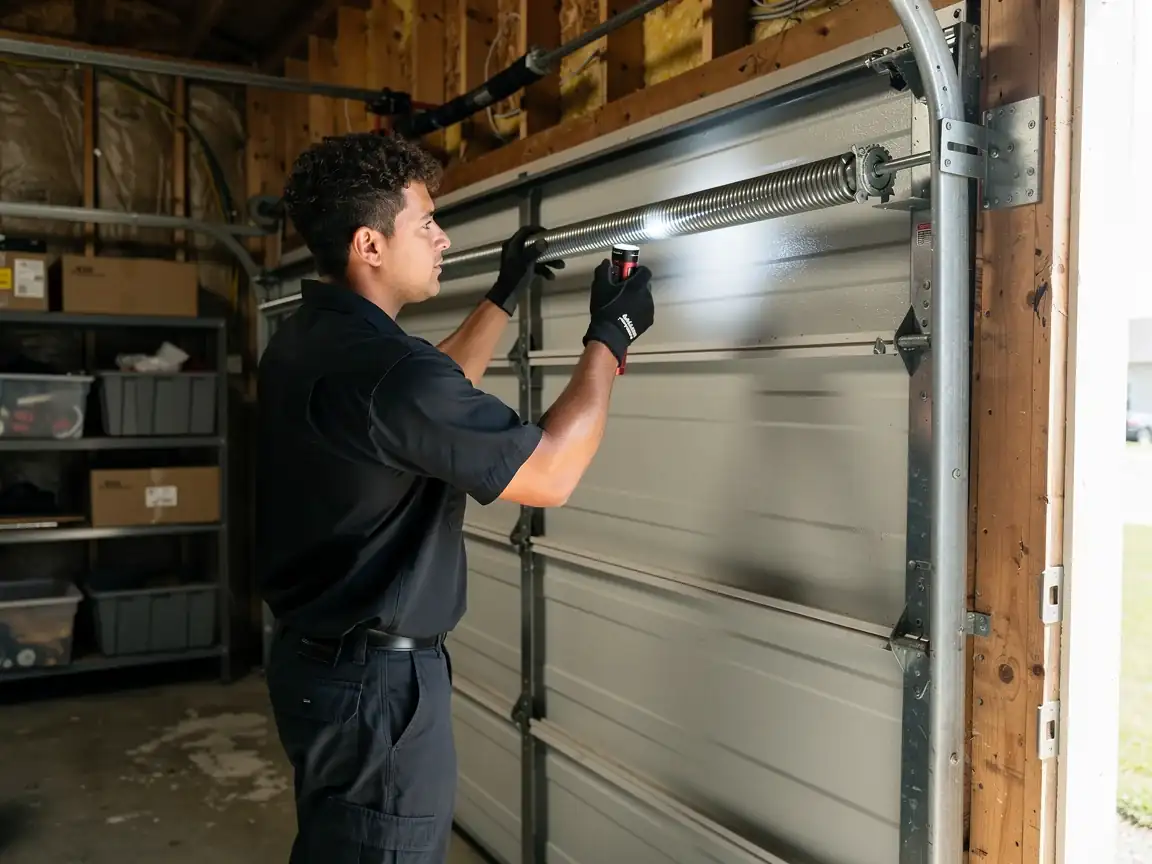
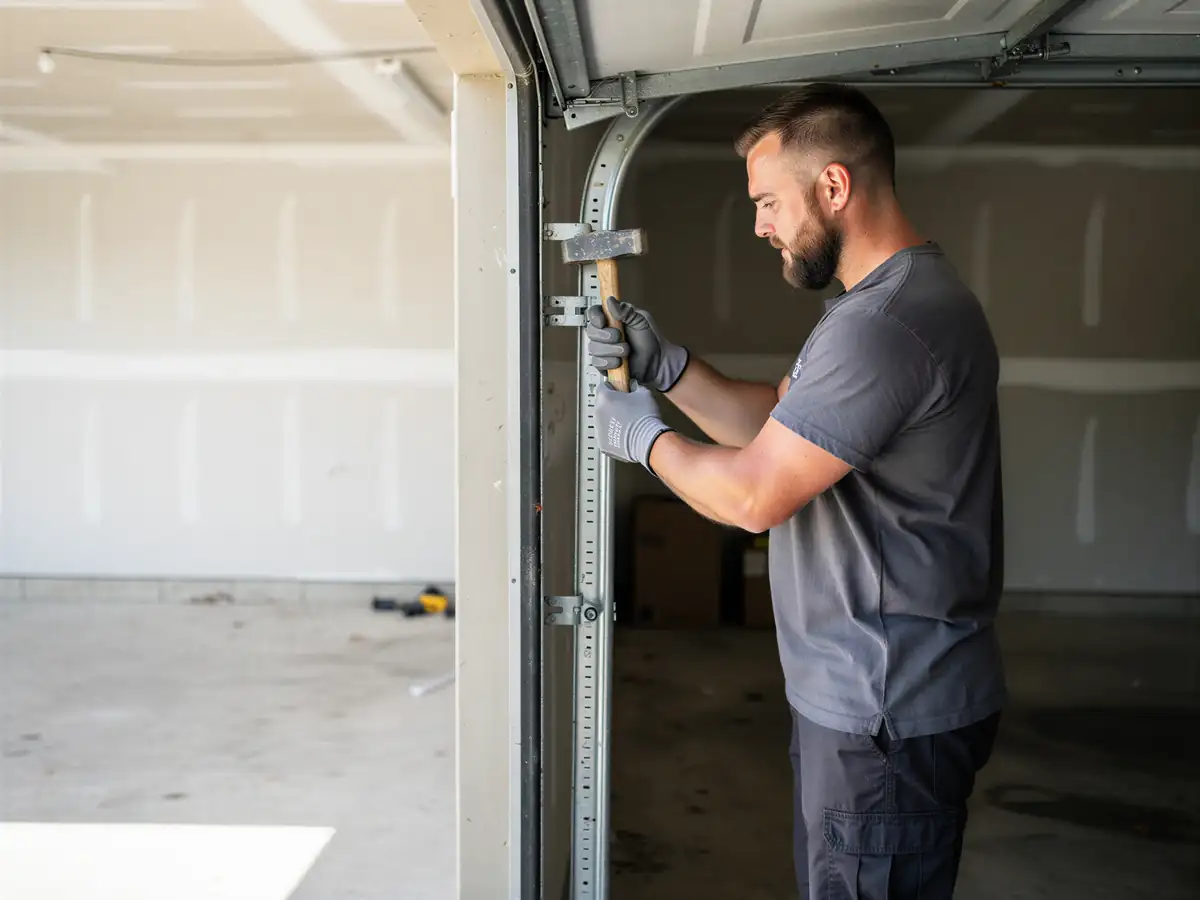
Most houses in Keystone were built around 1998, which puts the garage door hardware on a lot of them at roughly 25-30 years old if it's original - old enough for nylon rollers to crack at the stem or for steel rollers to wear an oval groove into the wheel instead of a round one. That's different from the older post-war stock closer to the center of the service area, where doors and tracks are older still and the failure modes stack up faster. Here, the more common issue is a single bad roller throwing the whole panel out of alignment, which then chews up the track edge where it rides. In this mild, humid climate, rust on steel roller stems is the other thing we watch for - not catastrophic, but it seizes a roller in place so it slides instead of turning, which is worse for the track than a free-spinning worn wheel. We'll also check the roller brackets and hinges while we're in there, since a bent bracket looks like a roller problem until you take the roller out and it's still bent.
The DIY Question
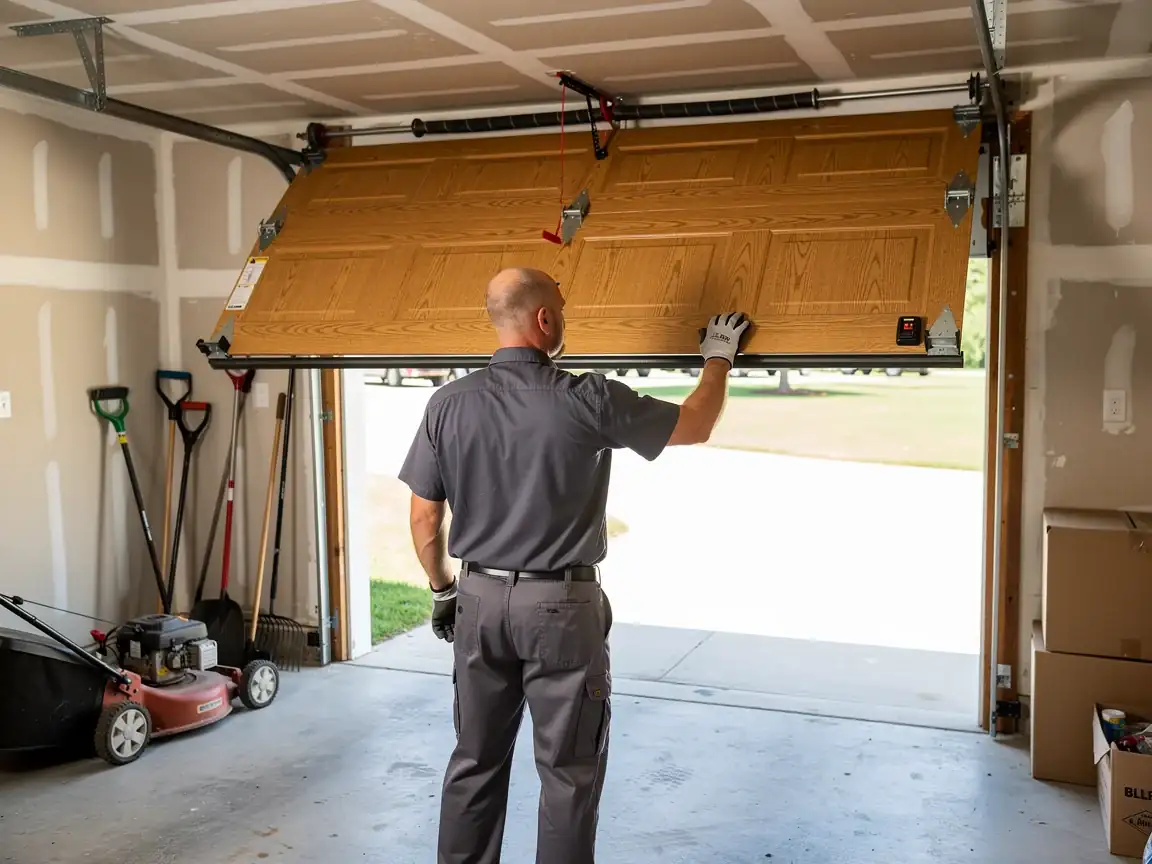
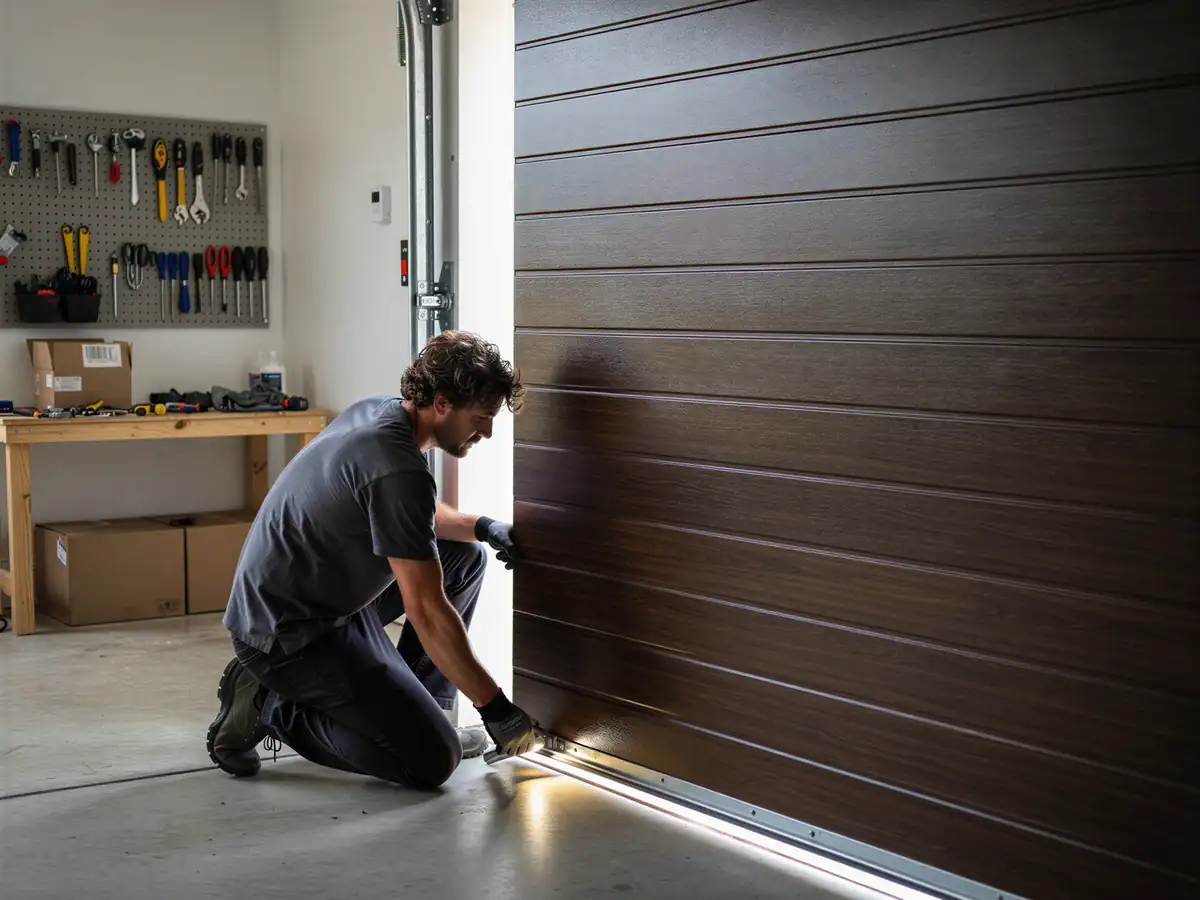
Swapping a single roller on a door that's otherwise in good shape is within reach for a handy homeowner, as long as the door is properly supported and the spring is in good condition - and that's the catch. If the roller failure has already pulled a panel out of square or chewed up the track, you're not replacing a part anymore, you're correcting an alignment problem, and that's where a torsion spring under tension becomes dangerous to work around without the right bars and experience. Given how income levels in Keystone run well above the service area average, a lot of owners here would rather pay for the hour of labor than spend a Saturday under a garage door that might come down wrong. Our honest limit: if you call and the rollers turn out to be the least of it - bent track, cracked panel, a spring near the end of its cycle life - we'll tell you before we start, not after.