The Symptom
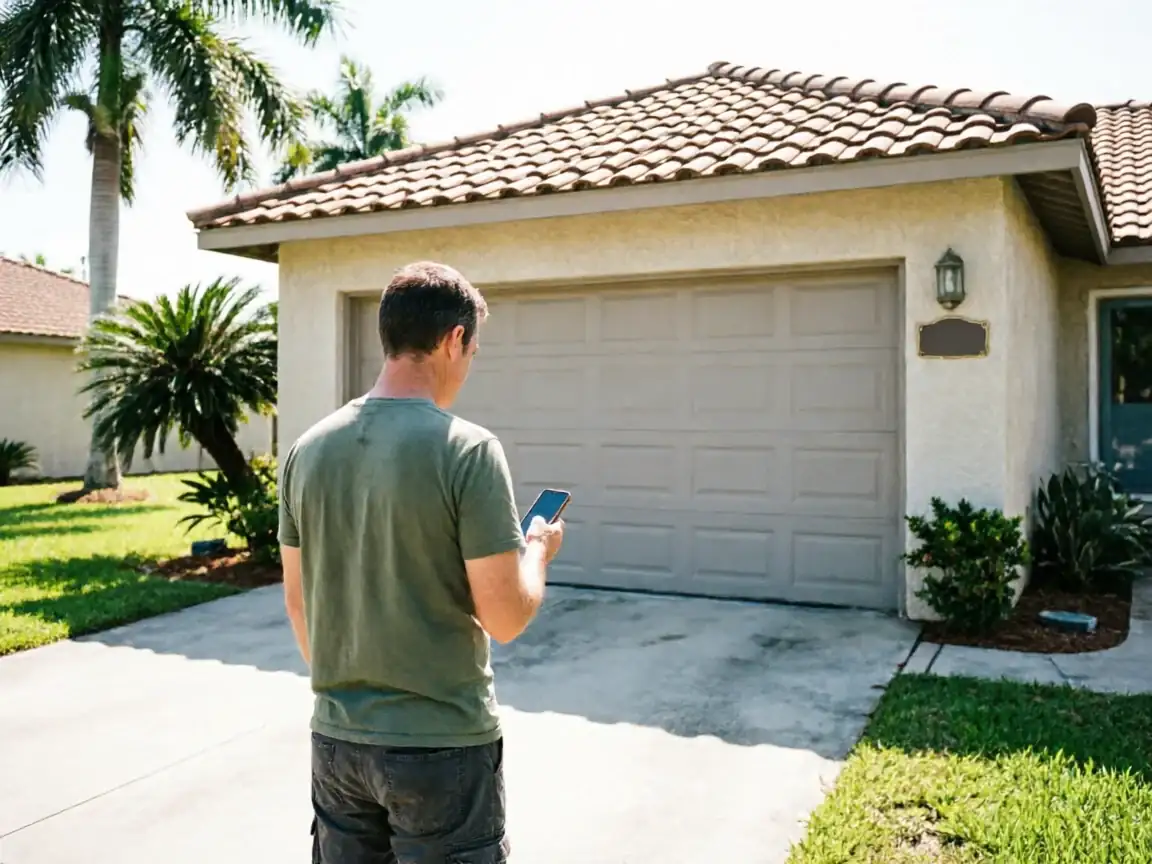
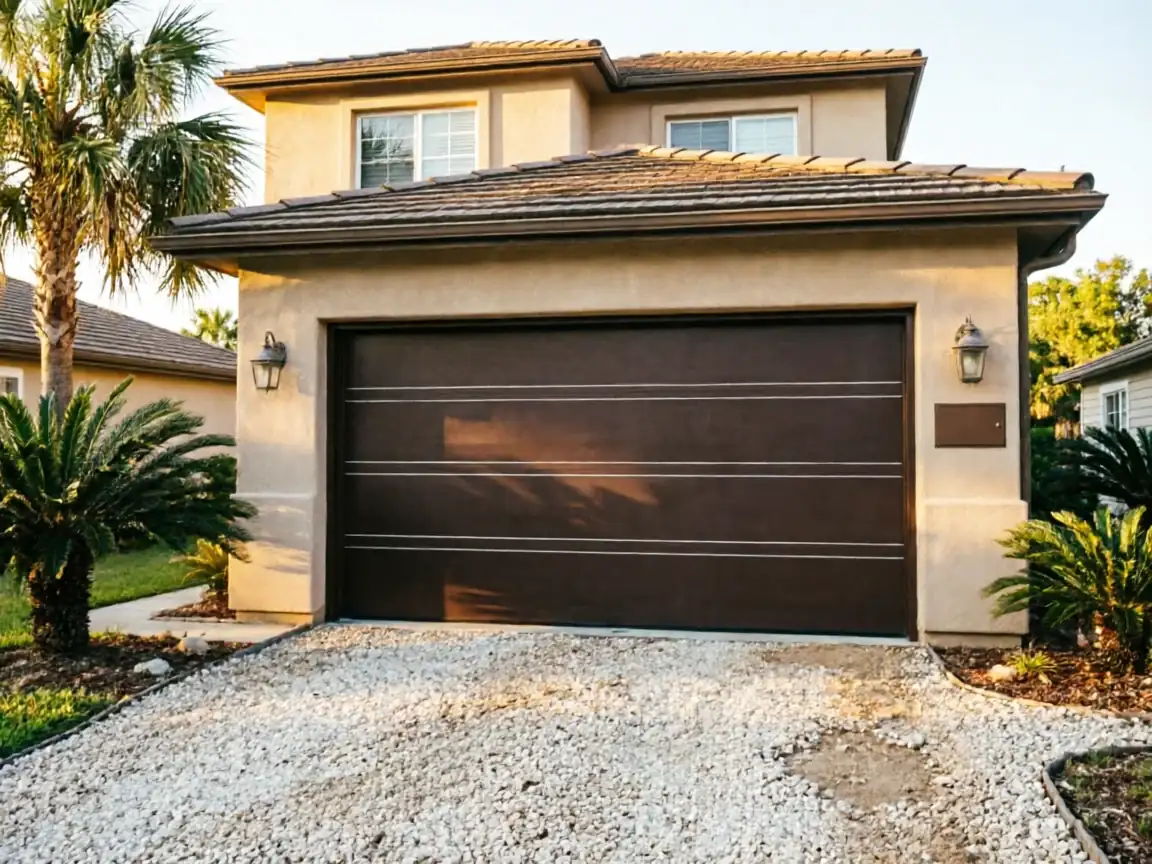
Most houses in Keystone went up around 1998, which puts the garage door hardware on these homes at roughly a quarter century old if nobody's touched it. That's the number that matters here, more than the mileage or the income figures you'll see elsewhere on this site. A door built in the late '90s usually still has its factory rollers, its original track brackets, and in a lot of cases the same end bearings it left the plant with.
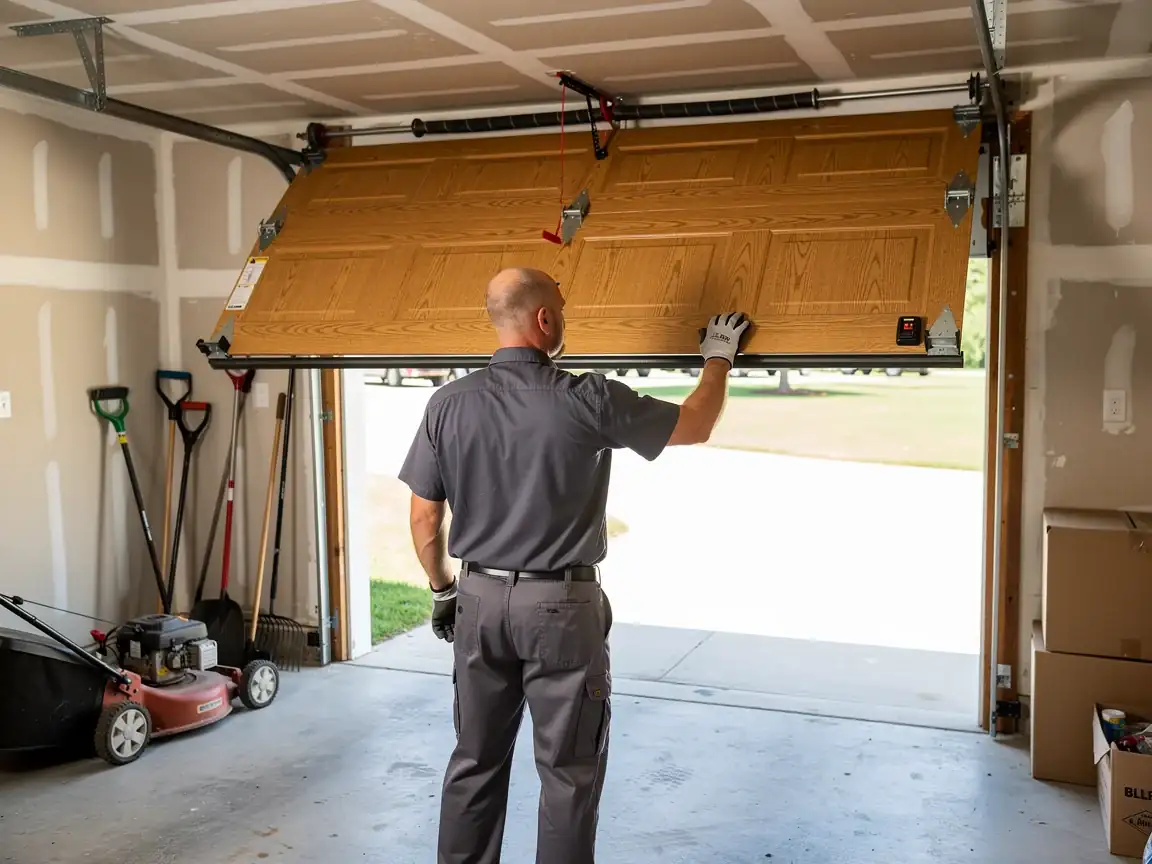
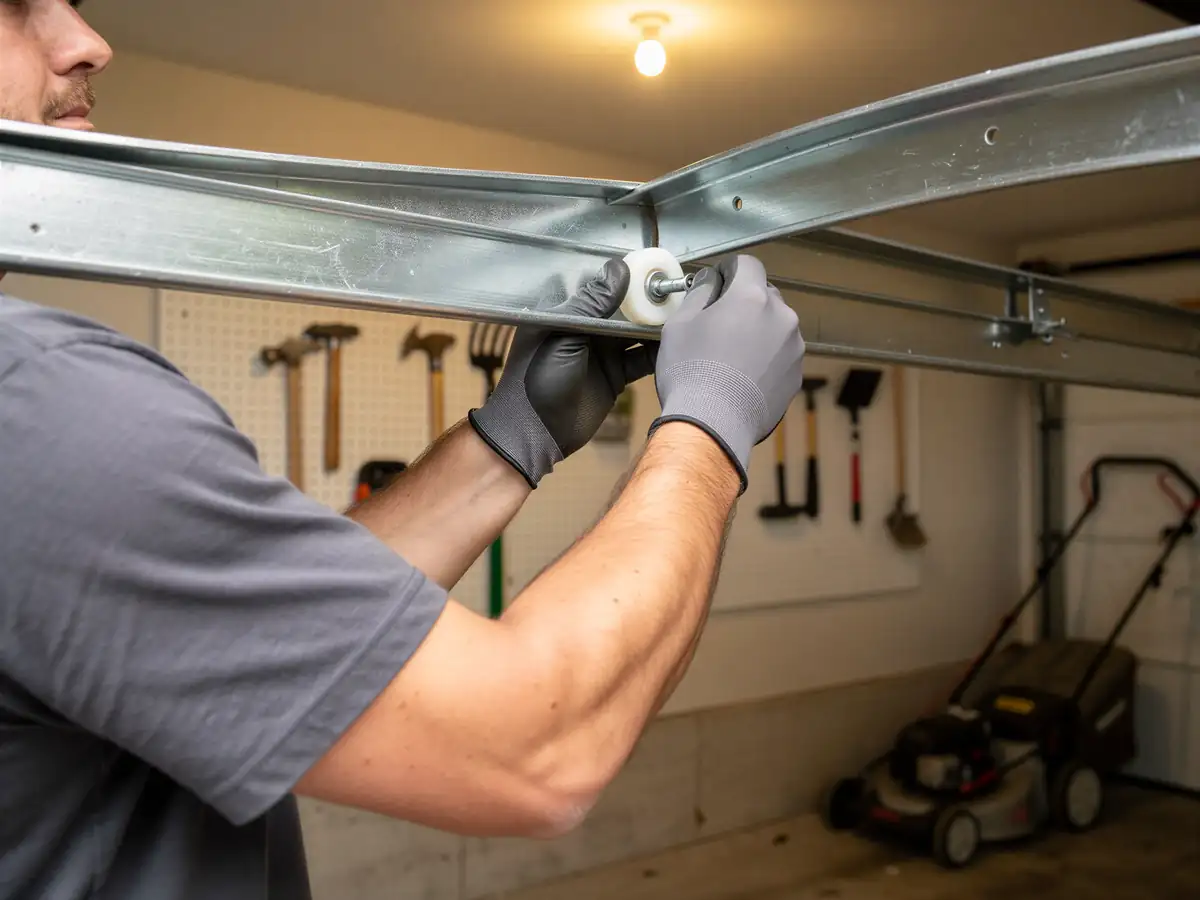
When a door comes off track in a house this age, it's rarely a one-time fluke. The rollers have worn down enough that they no longer ride the track groove cleanly, and one hard stop or one slightly misaligned bracket is enough to pop them out. You'll see the door hang crooked, catch partway up, or stop dead with a grinding sound on one side. Sometimes a cable has jumped its drum at the same time, which changes what the fix looks like.
Keystone sits in the same mild temperate band as the rest of this part of Florida, so humidity and heat cycling play a role too - track brackets mounted to wood framing can work loose over 25 years of expansion and contraction, even without a single storm event to blame.
What Can Go Wrong
On a house this age, an off-track door usually traces back to one of three things: worn rollers that have thinned enough to slip the track, a bent section of track from an impact (a car bumper, a bike, a ladder leaned wrong), or a bracket that's pulled loose from the jamb. Any of these can look like the same symptom - door won't run straight - but they're different repairs.
The original track from a 1998 build is also narrower-gauge than what gets installed today, which matters if a section needs replacing rather than just realigning. We carry stock for common widths, but if your track is an older roll-formed style that's been discontinued, straightening what's there is usually the better call than hunting for a matching replacement piece.
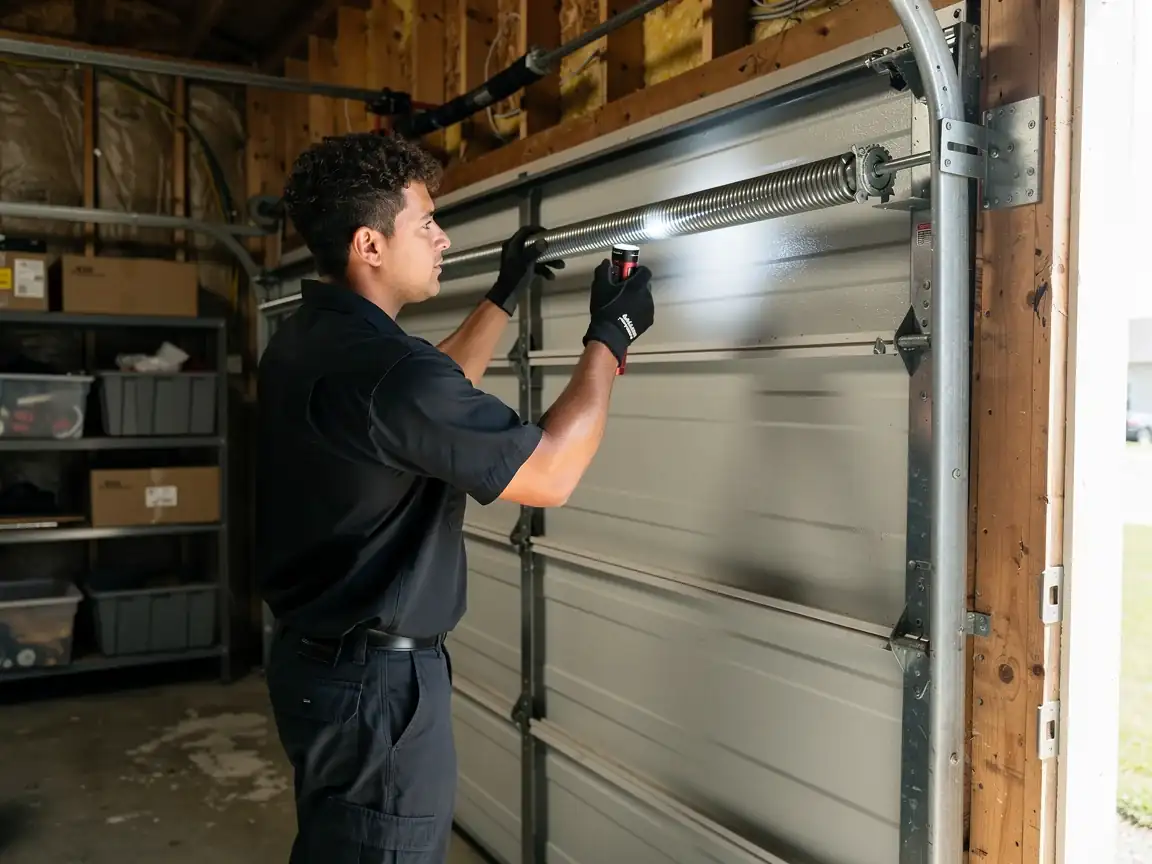
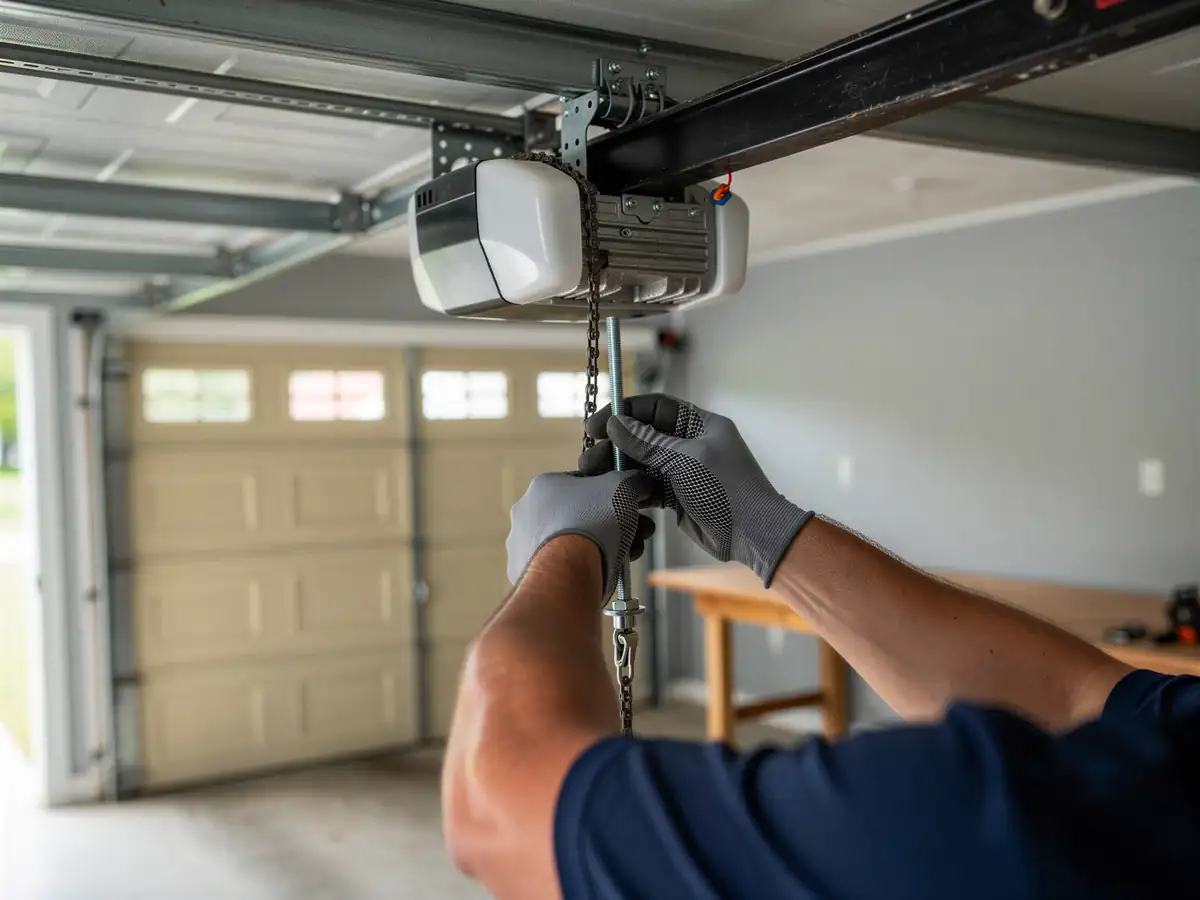
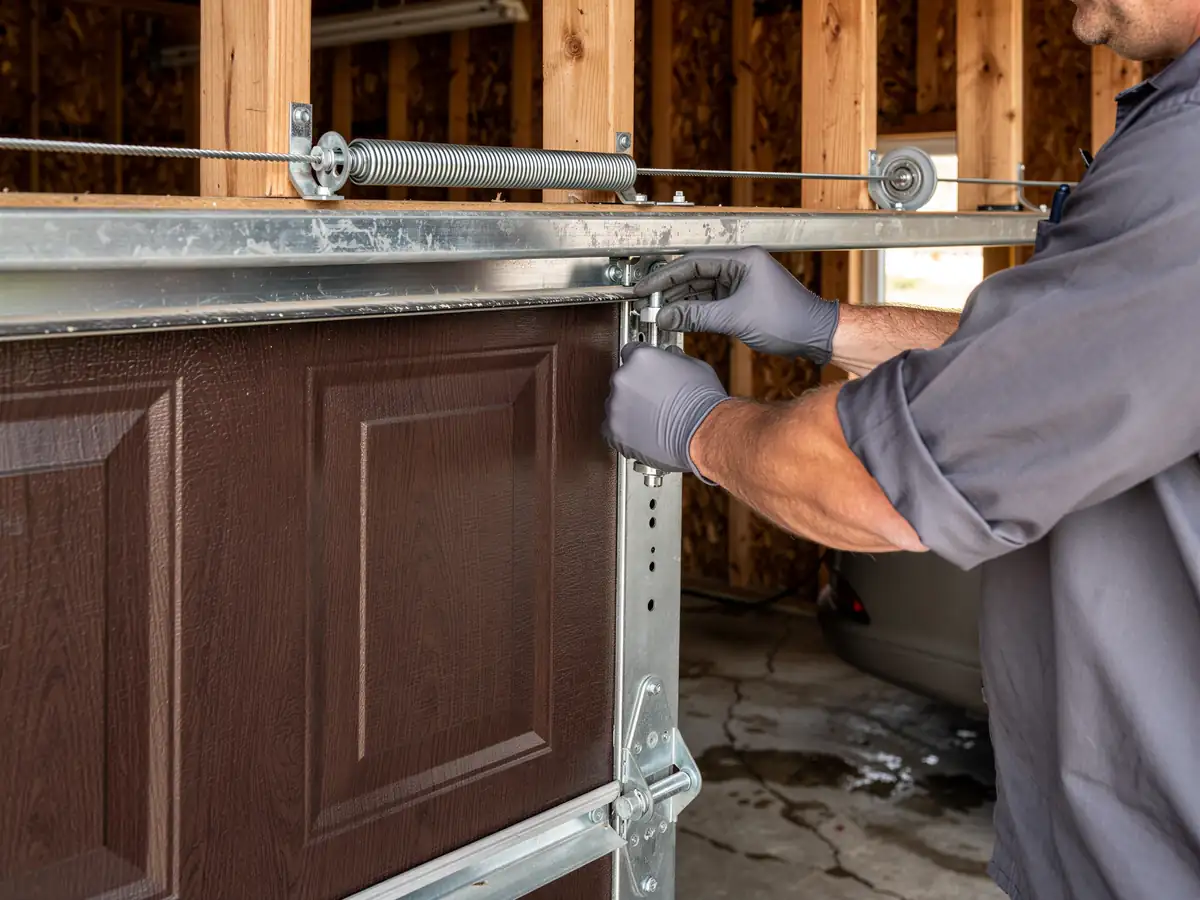
A cable off its drum at the same time as a track problem is the one combination that turns a same-visit fix into something that takes longer - the spring has to be controlled before anyone touches the cable safely, and that's not a shortcut job.
How Long It Takes
A straightforward off-track repair
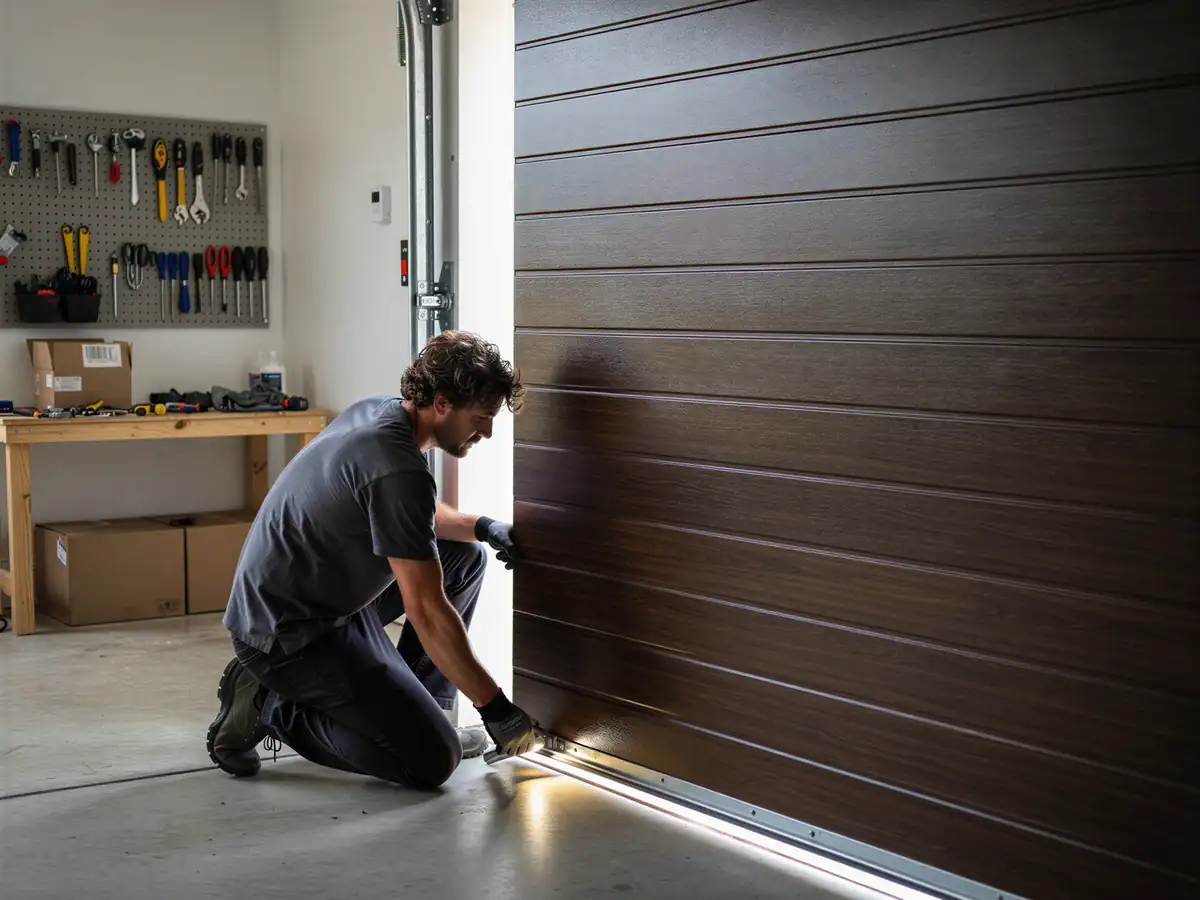
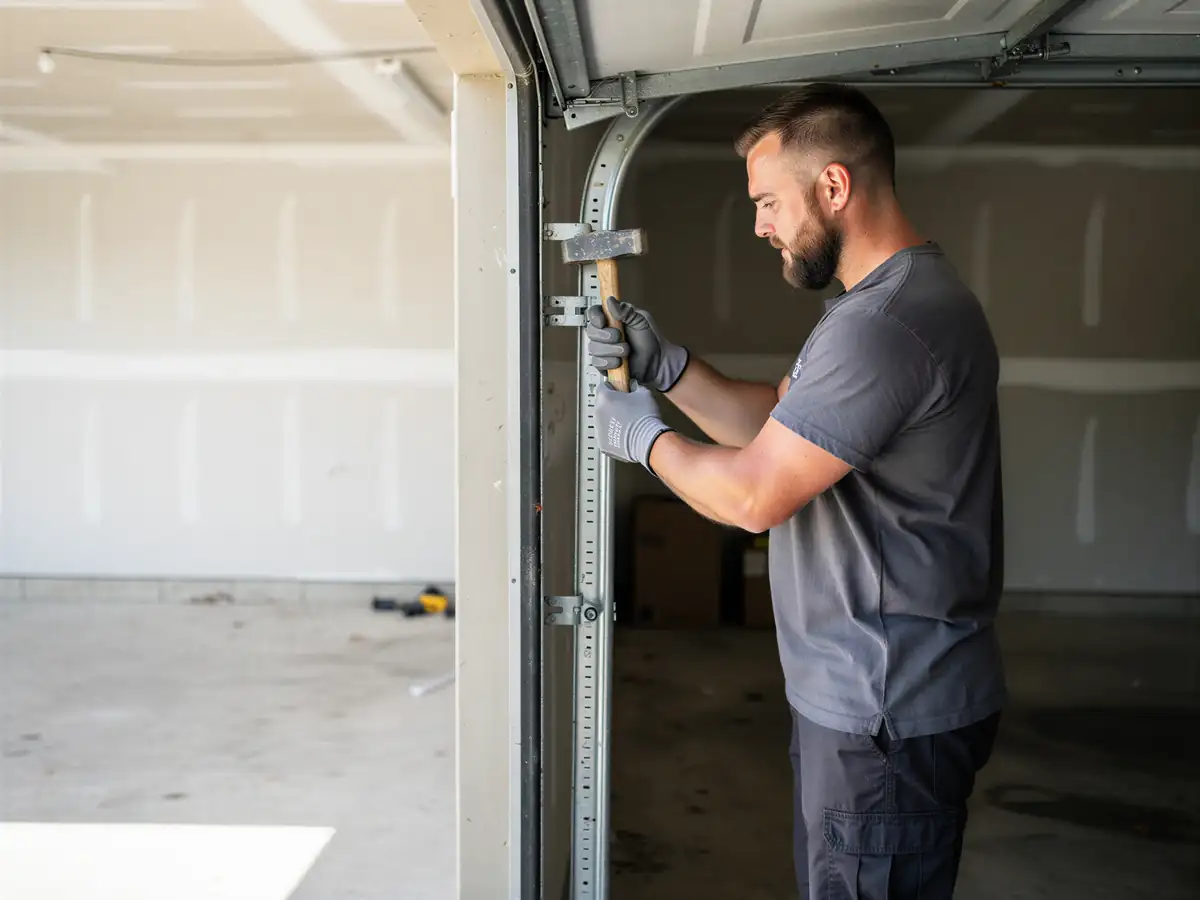
Rollers swapped, track realigned, bracket re-secured - is typically a single visit. Add a bent track section or a cable that's jumped the drum and the job runs longer, since each of those has to be handled in its own order for safety.
We run this call from Dunedin, about 14 miles out
So get in touch before you plan your day around a specific arrival window - we'll give you one when we schedule, not before. There's no local branch in Keystone itself; the truck comes from Dunedin on every call here.
- 14 miles
One limitation worth saying plainly
If the track is bent badly enough in more than one spot, or the bracket has torn out of rotted jamb wood, realignment stops being the right fix. At that point replacing the track section, or in some cases the whole door, costs less over time than repeated adjustments. We'll tell you straight if that's where your door is instead of running the meter on a repair that won't hold.
The DIY Question
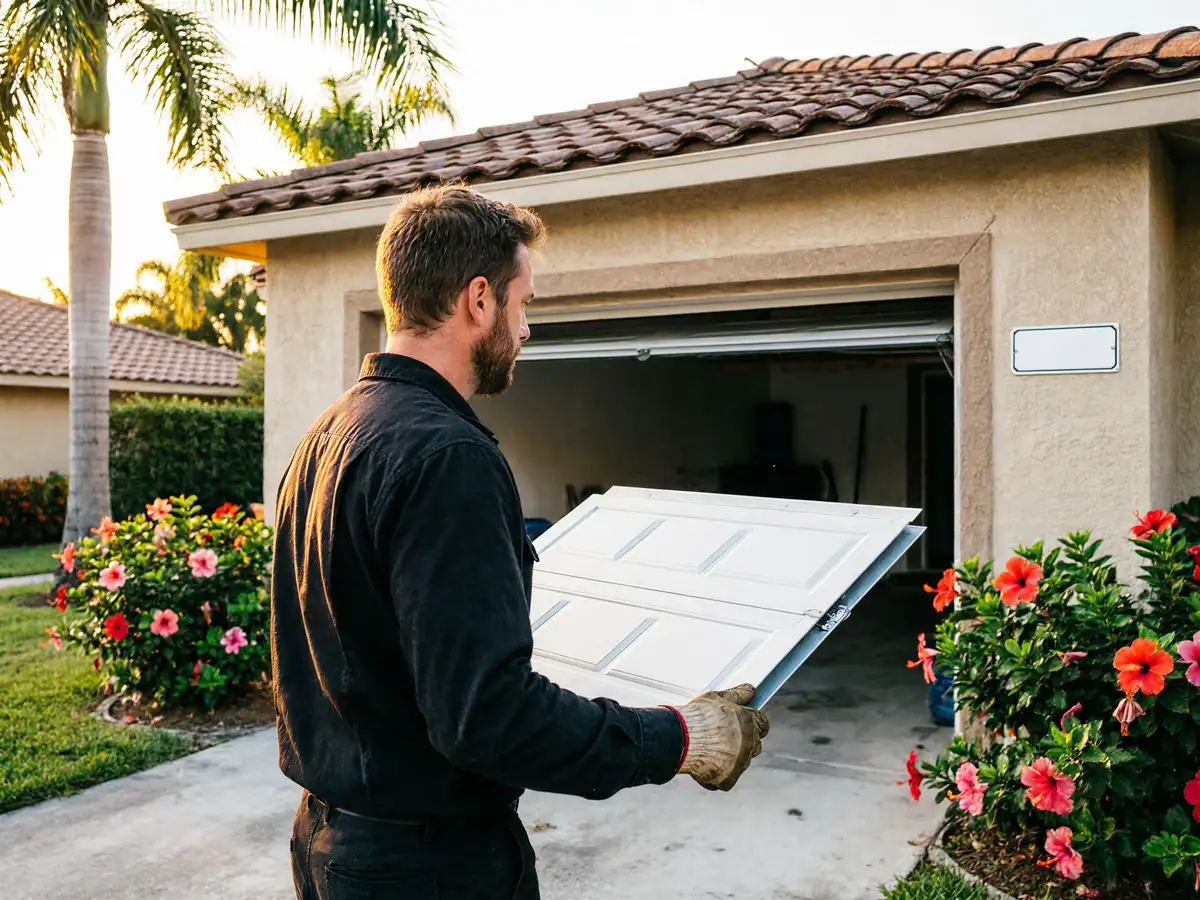
You can often push a door back onto its track yourself if it's just a roller that's slipped and the spring tension hasn't released - but on a door this age, that's a guess you're making blind. If the roller slipped because it's worn through, pushing it back just sets up the next failure, maybe worse.
What you shouldn't do is touch anything if a cable has come off the drum, or if the door is sitting at an angle that suggests the spring let go on one side. That's not a track problem anymore, that's a tensioned-cable problem, and on a 25-year-old setup you don't know what else has fatigued along with it.
If you want a second opinion before calling anyone out, Keystone's garage door page has more on what's common in this area's housing stock. For the fuller rundown on off-track repair as a service rather than this neighborhood's specific wear pattern, that's covered on Dunedin's off-track page.