The Symptom
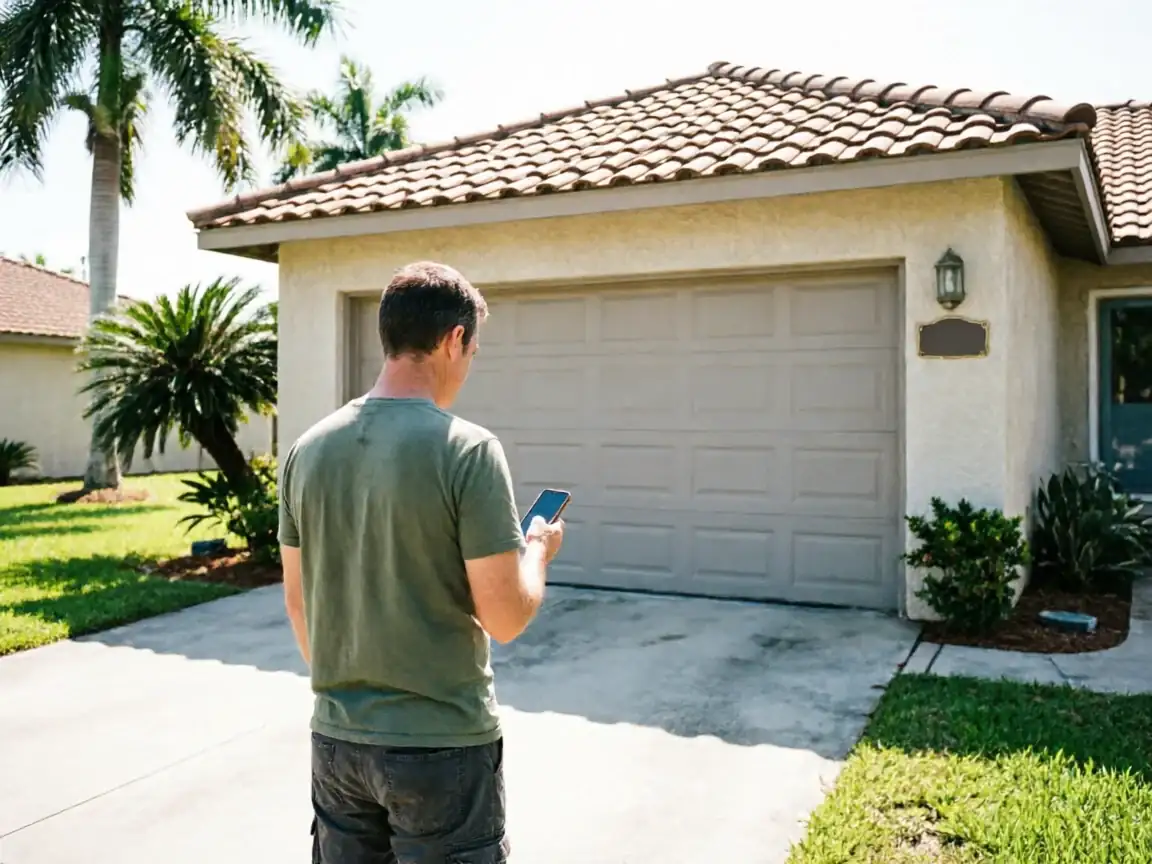
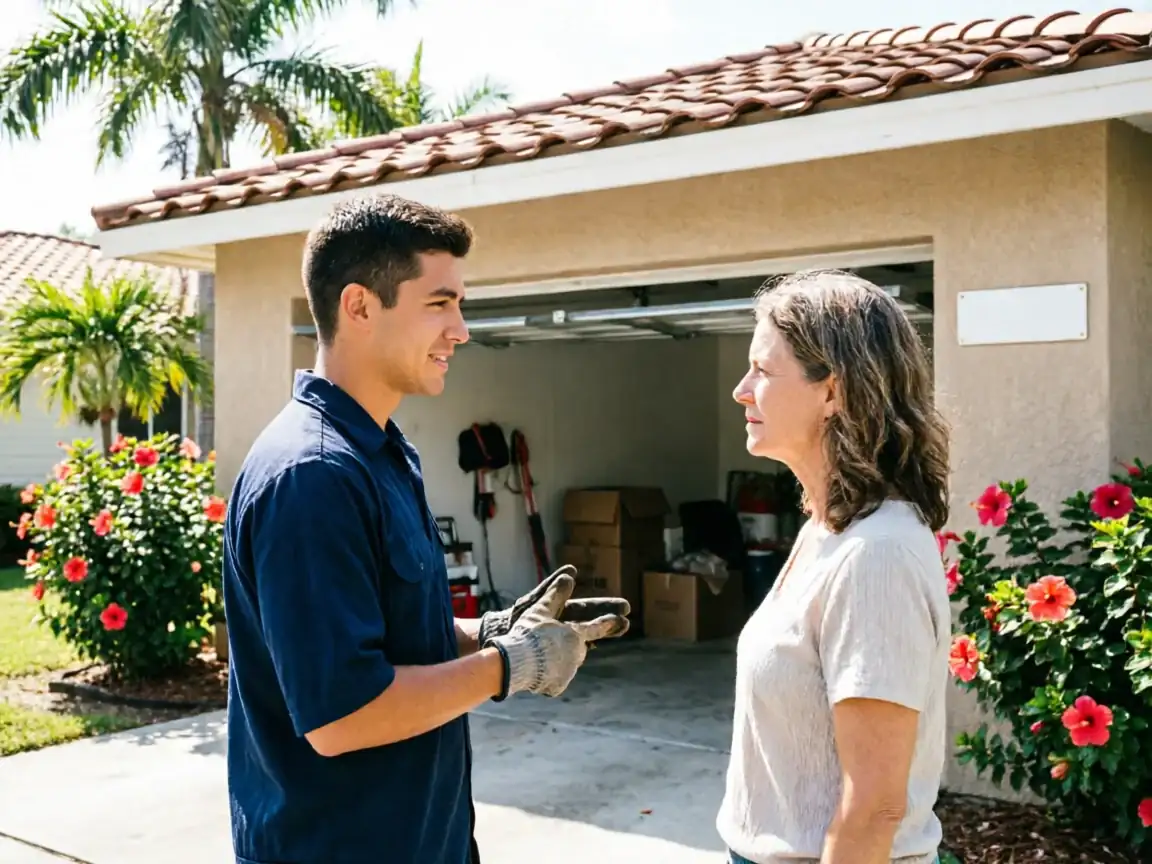
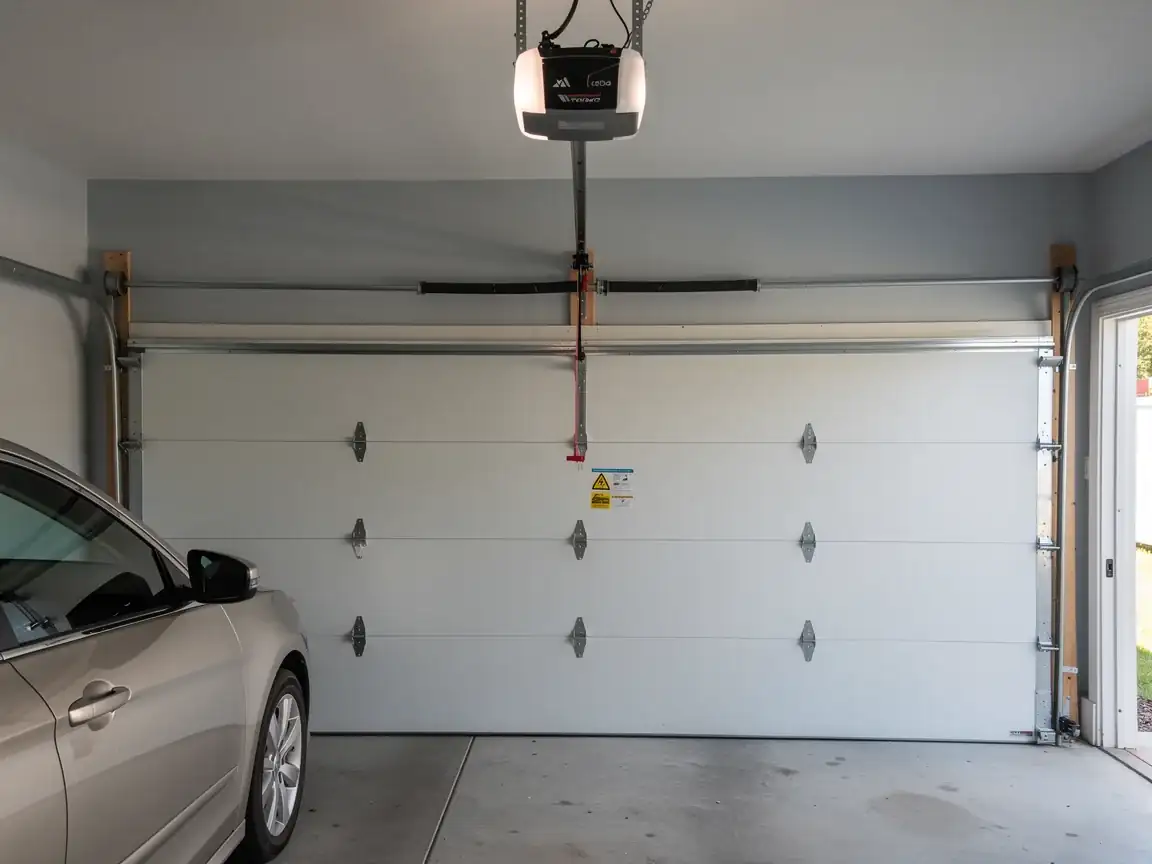
Most garage doors in Keystone are sitting on openers that went in around the same time the house did, with a median build year of 1998. That means a lot of these units are closing in on a quarter century of duty cycles. The symptom that brings people to the phone is usually simple to describe and hard to fix blind: the door hums but doesn't move, the light blinks a code nobody wrote down, or the door reverses itself halfway up for no reason anyone can see. On a chain or belt-drive opener from the late '90s, that's rarely the motor itself. It's more often the logic board losing its memory, a worn drive gear stripping inside the housing, or the safety reversal sensors - the photo-eye pair near the floor - drifting out of alignment after two decades of lawn mowers and bike handlebars bumping the brackets. We come out from Dunedin, about 14 miles south, to look at the actual unit before guessing at parts.
What Can Go Wrong
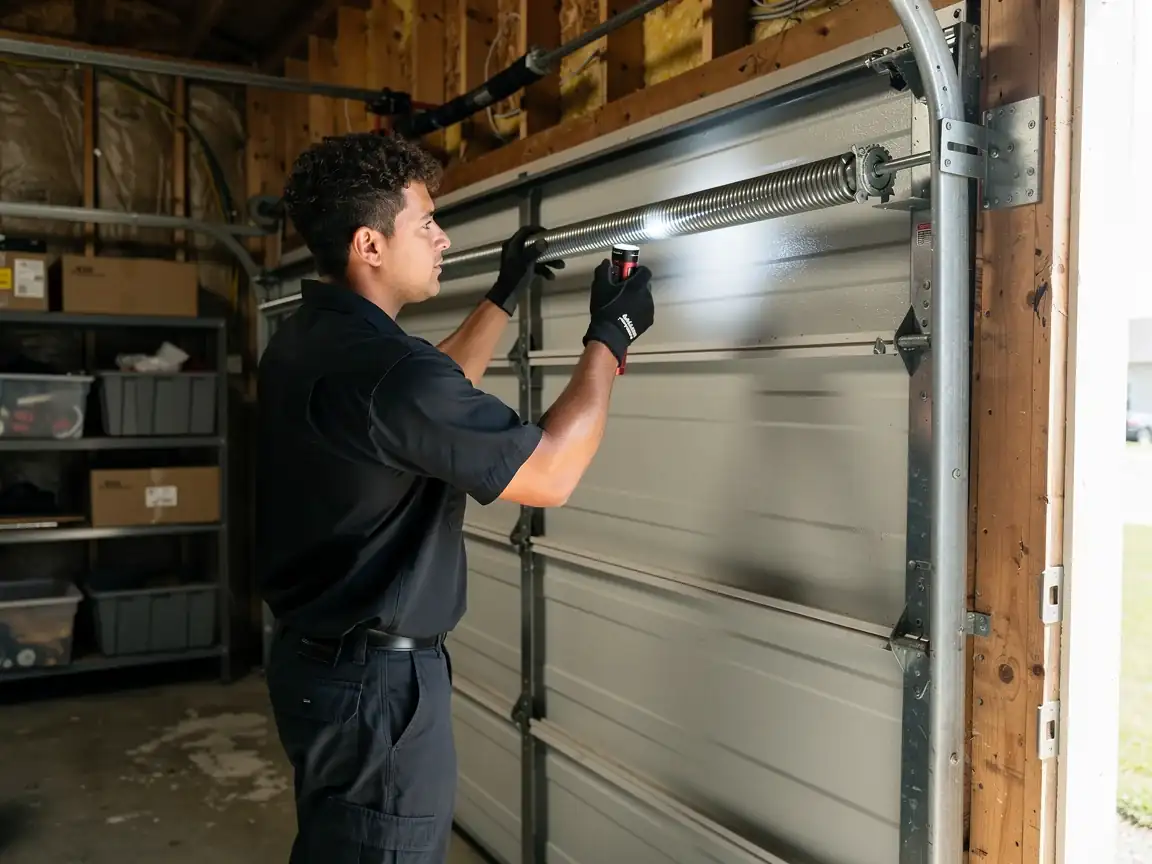
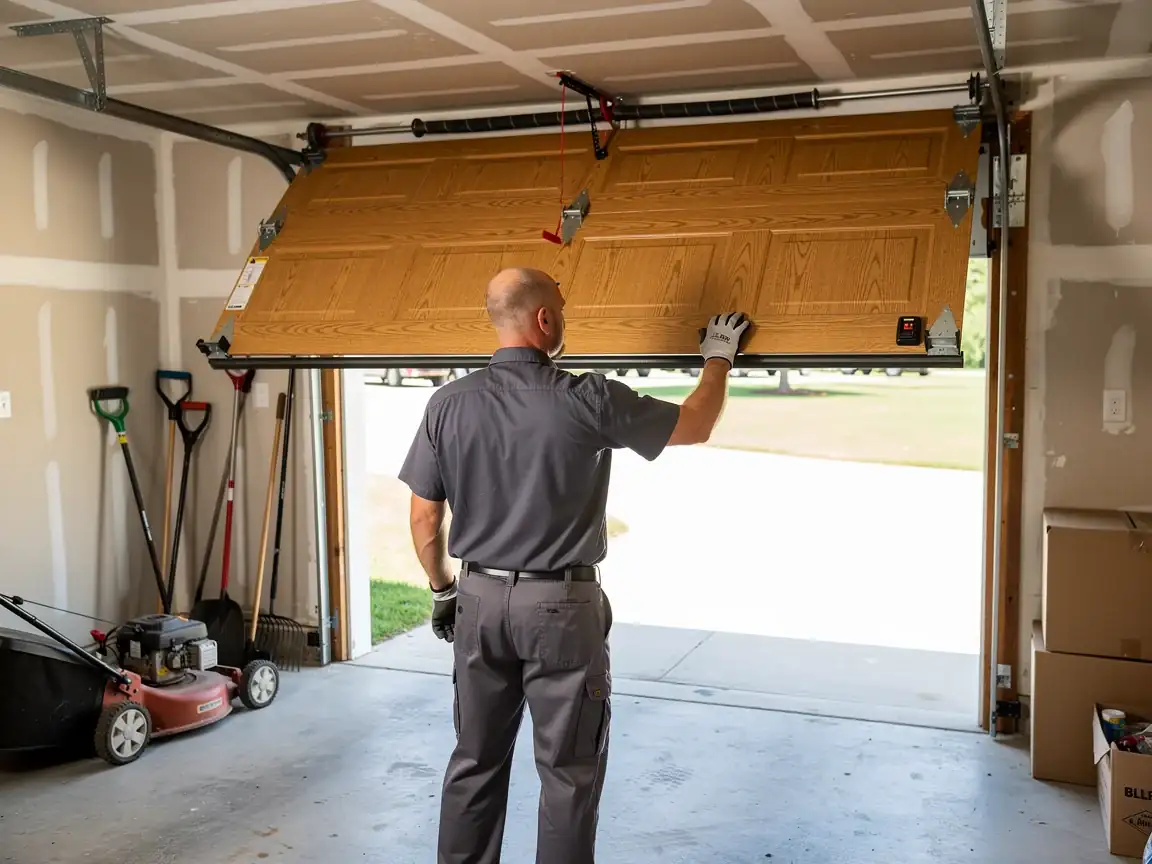
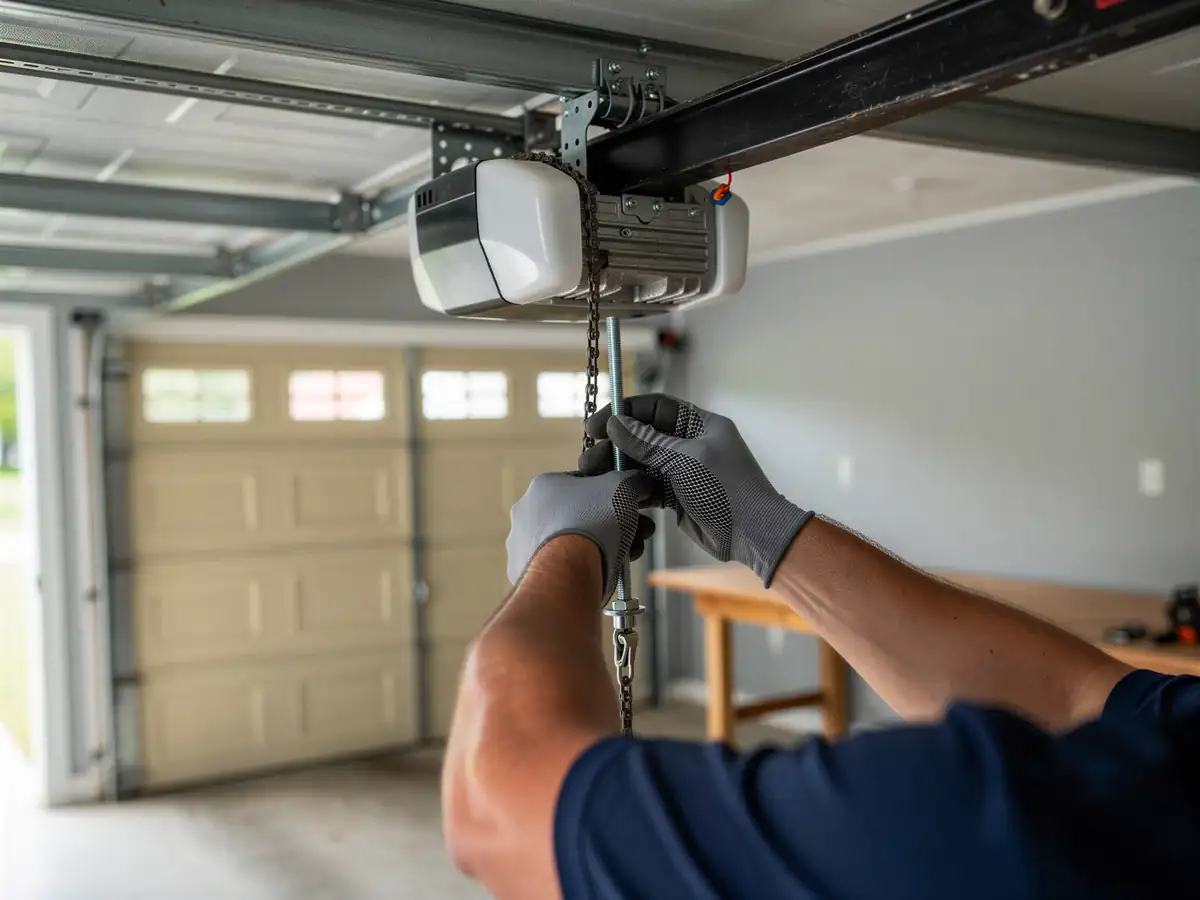
On a 1998-built house, the opener is old enough that its circuit board may simply be past its working life, and some of these boards aren't made anymore - we check what's sourceable before we promise a same-brand fix. The capacitor that gives the motor its starting punch weakens with age and heat, even in this area's mild temperate climate, and a weak cap shows up as a motor that strains, hums, and stalls rather than one that fails outright. The photo-eye sensors are federally required safety equipment on any opener made after 1993, so a house from 1998 has them, but twenty-five years of dust, spiderwebs, or a knocked bracket is enough to throw the beam off and stop the door from closing at all. Drive systems wear differently depending on type: chain drives stretch and need tensioning, belt drives fray at the teeth, and screw drives gum up when the lubricant dries out. Remote and keypad failures are usually simpler - a dead battery or a board that stopped recognizing the code - but on an opener this age, we check the board itself before assuming it's just the remote.
The DIY Question
Swapping a remote battery or wiping dust off a photo-eye lens is fair game for a homeowner, and plenty of Keystone residents call us only after that didn't fix it. Where DIY stops making sense is inside the opener housing itself - the board, the capacitor, and the high-tension drive components carry real risk if you don't know the unit, and a late-'90s board that's already borderline doesn't take kindly to being poked at with a multimeter by trial and error. One honest limitation: if the opener model is old enough that the manufacturer no longer makes the board, we're not going to pretend we can special-order our way around that. At that point replacement is the straight answer, not a repair quote that keeps growing.