The Symptom
Keystone is a small pocket of the service area, around 9,330 households, so the call volume we get from out here is lighter and more scattered than from the bigger named areas closer to Dunedin. That matters for what you notice first: with fewer neighbors running into the same problem on the same week, you're less likely to hear "oh yeah, that happened to us too" from next door. You're usually diagnosing this alone.
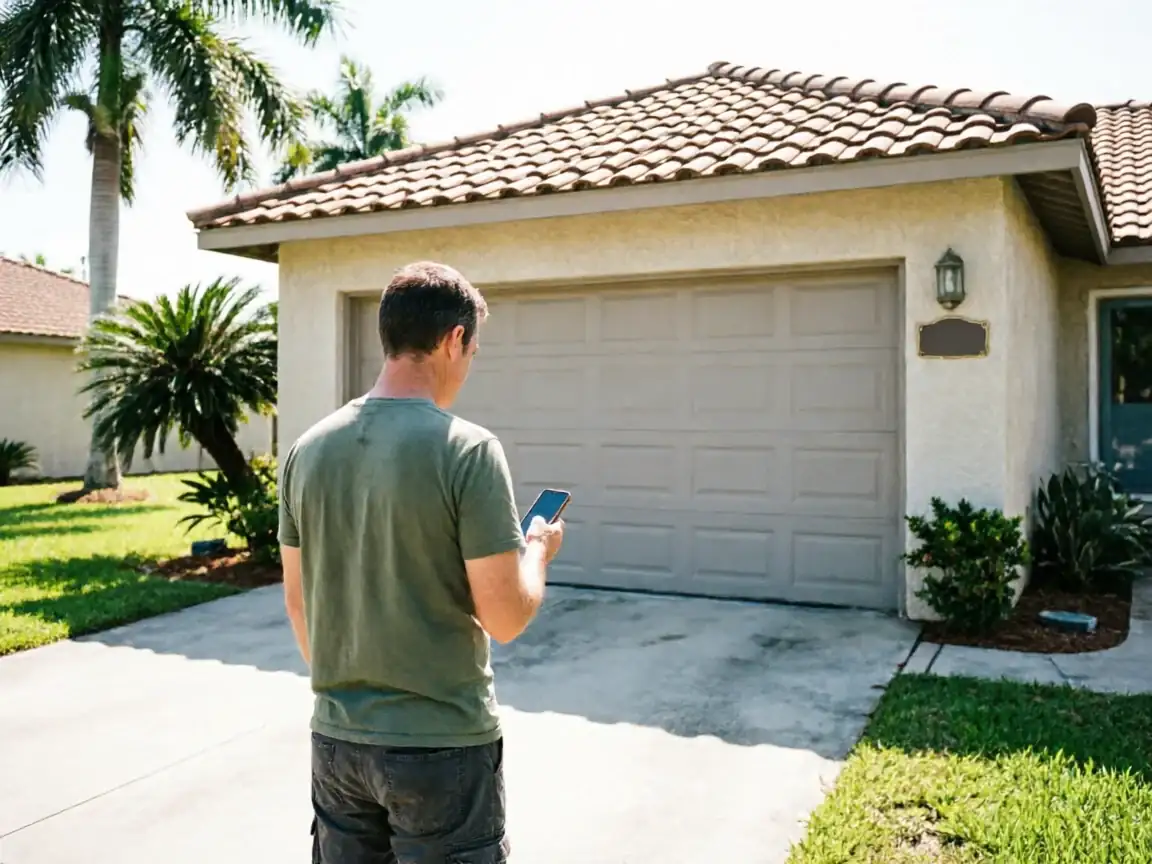
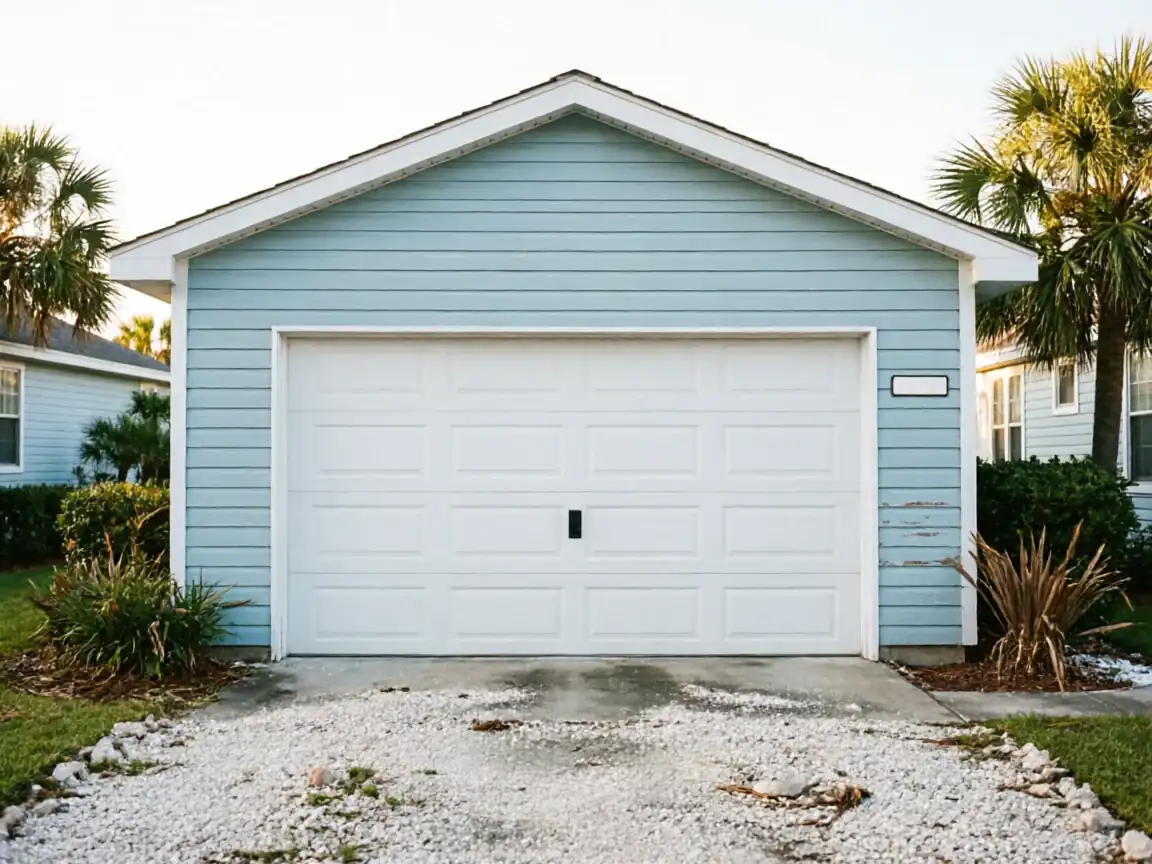
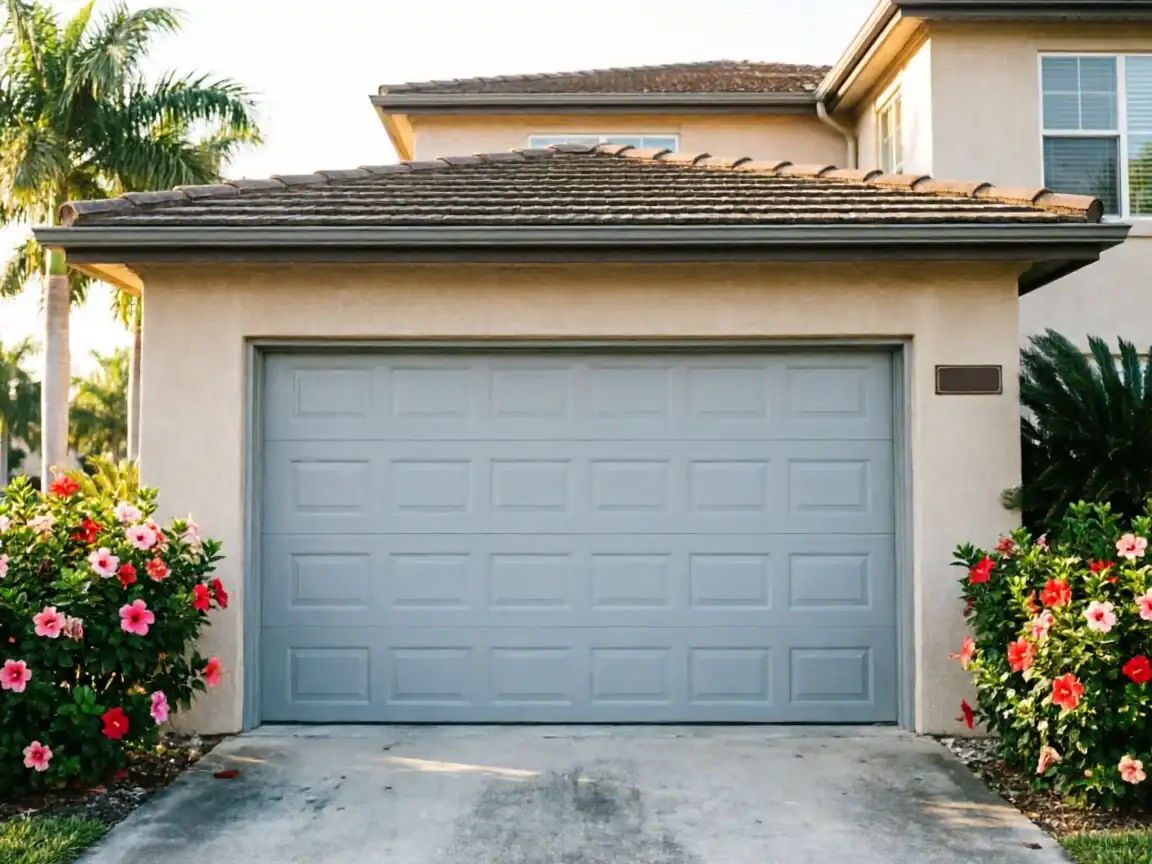
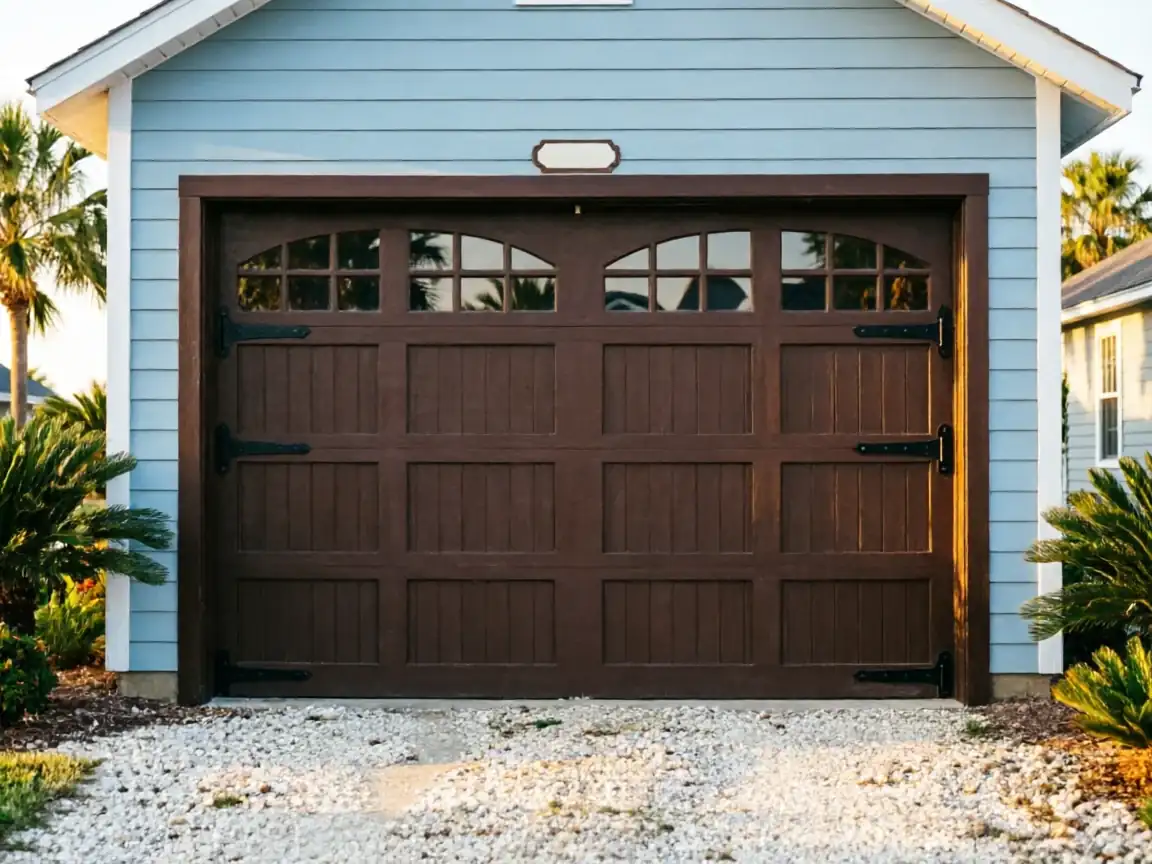
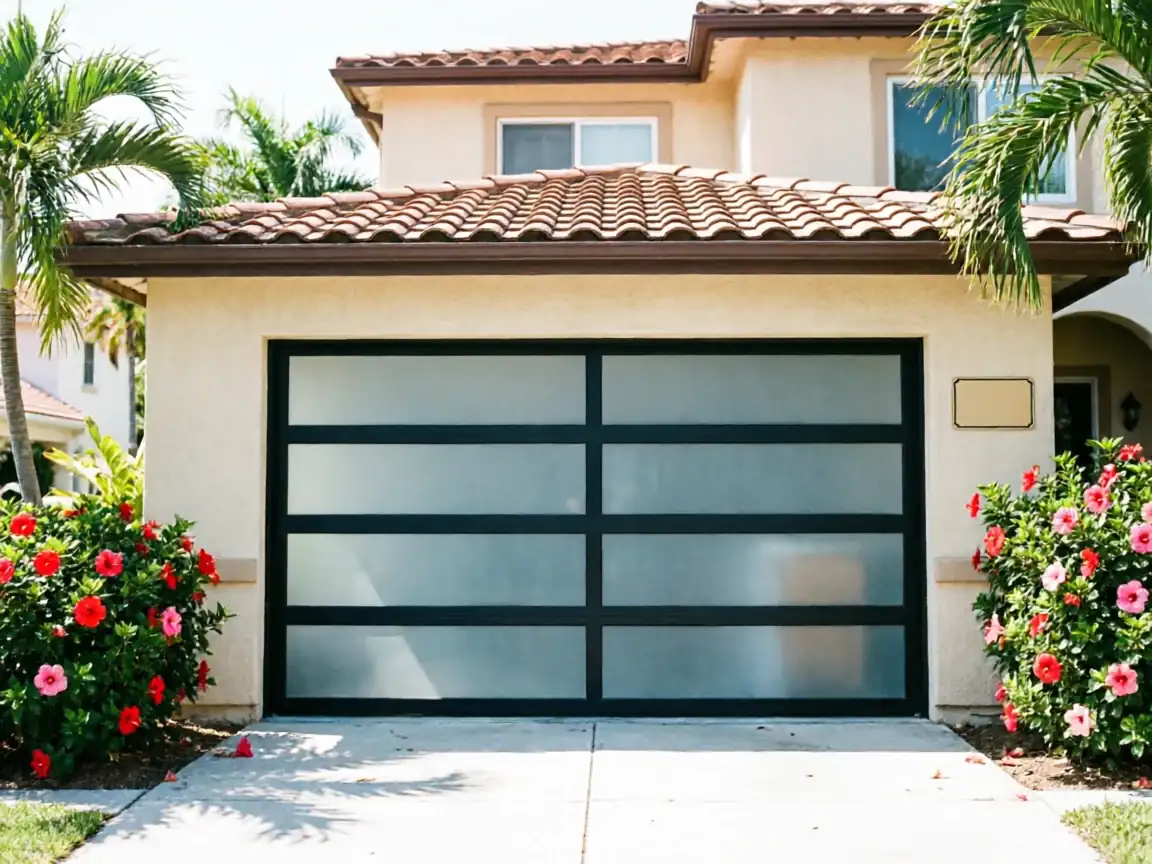
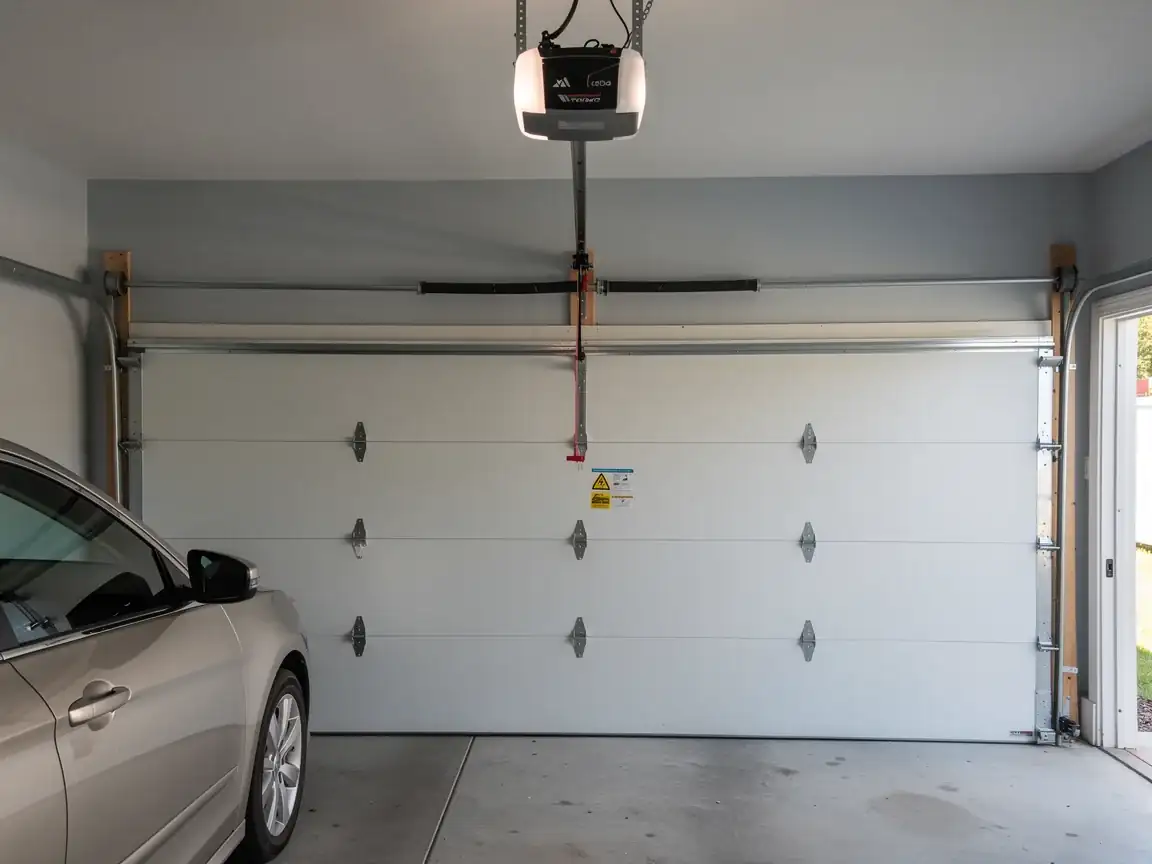
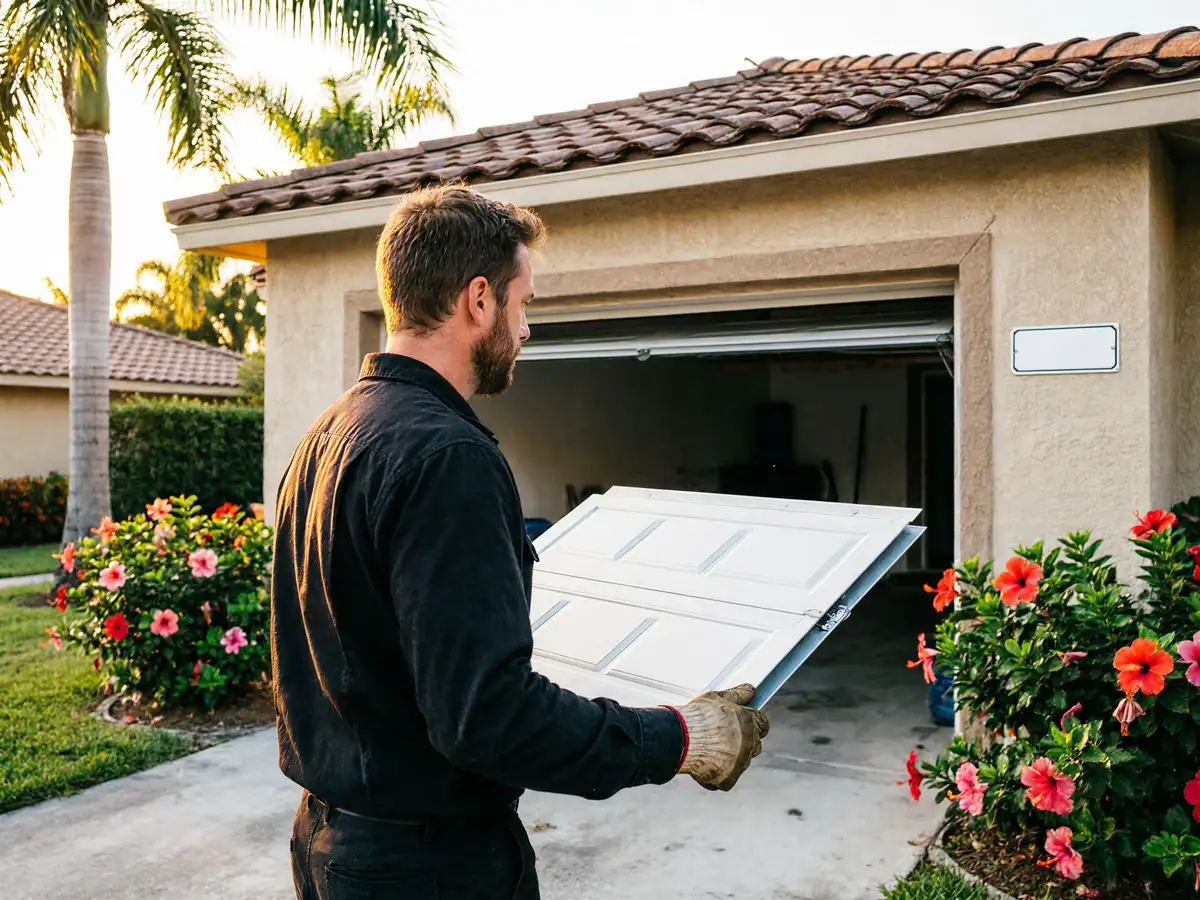
Most Keystone houses went up around 1998, well after the 1960s-70s wave that covers a lot of this part of Florida. That later build date means your door and opener are more likely to be a steel sectional panel on a standard torsion spring setup than the oddball side-mounted or one-piece hardware you'd find on an older house. The symptom still looks the same from the driveway - door won't open, opener runs but the door doesn't move, a bang followed by the door refusing to budge - but what's behind the panel is a newer, more standardized build than what a 1960s Dunedin-area house would have.
The mild temperate climate out here doesn't put the same stress on doors that freeze-thaw regions see, so when something fails on a house this age, it's almost always wear on a moving part, not weather damage to the structure.
What Can Go Wrong
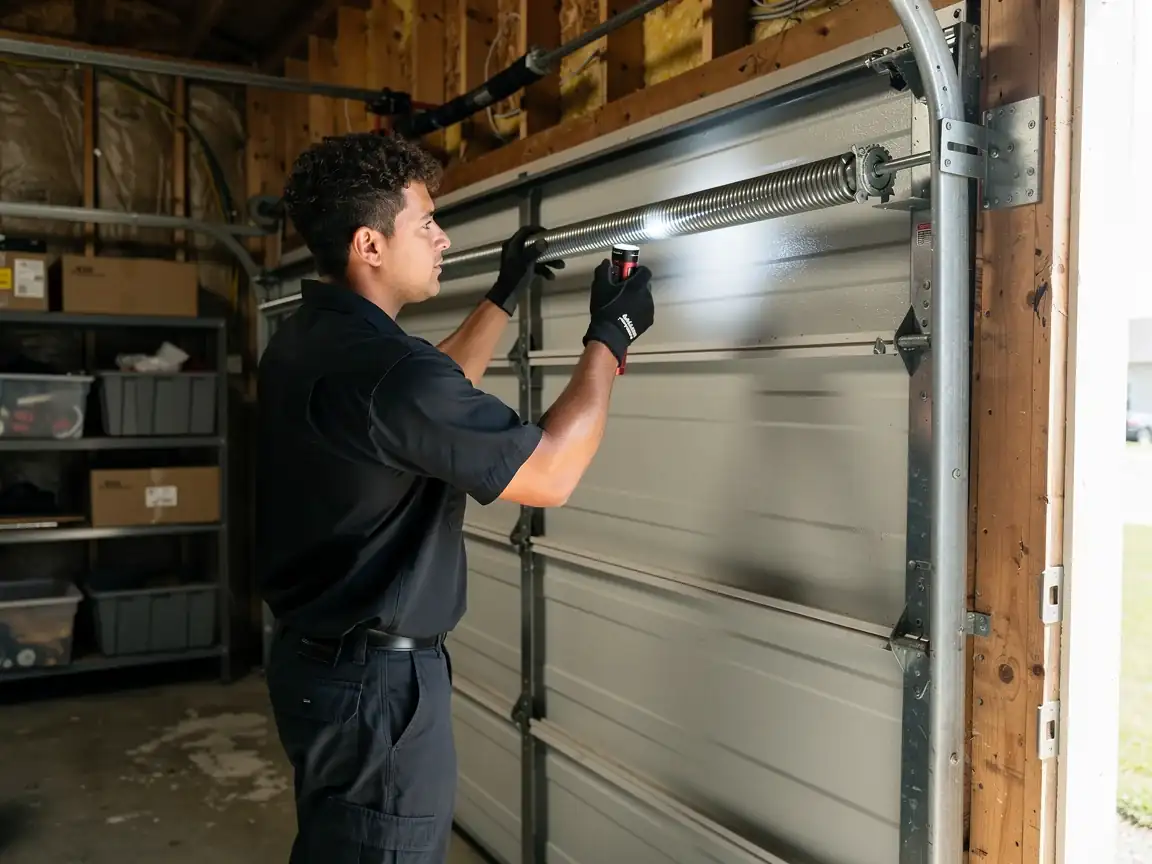
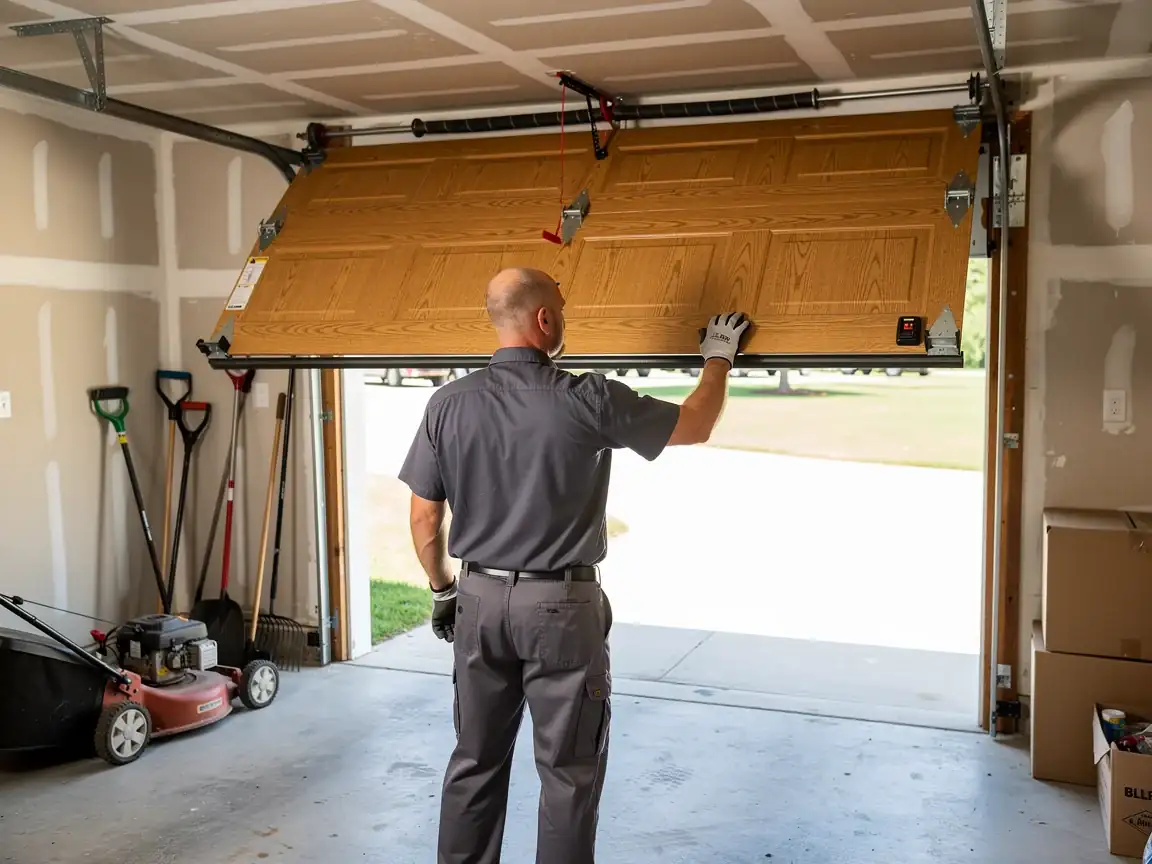
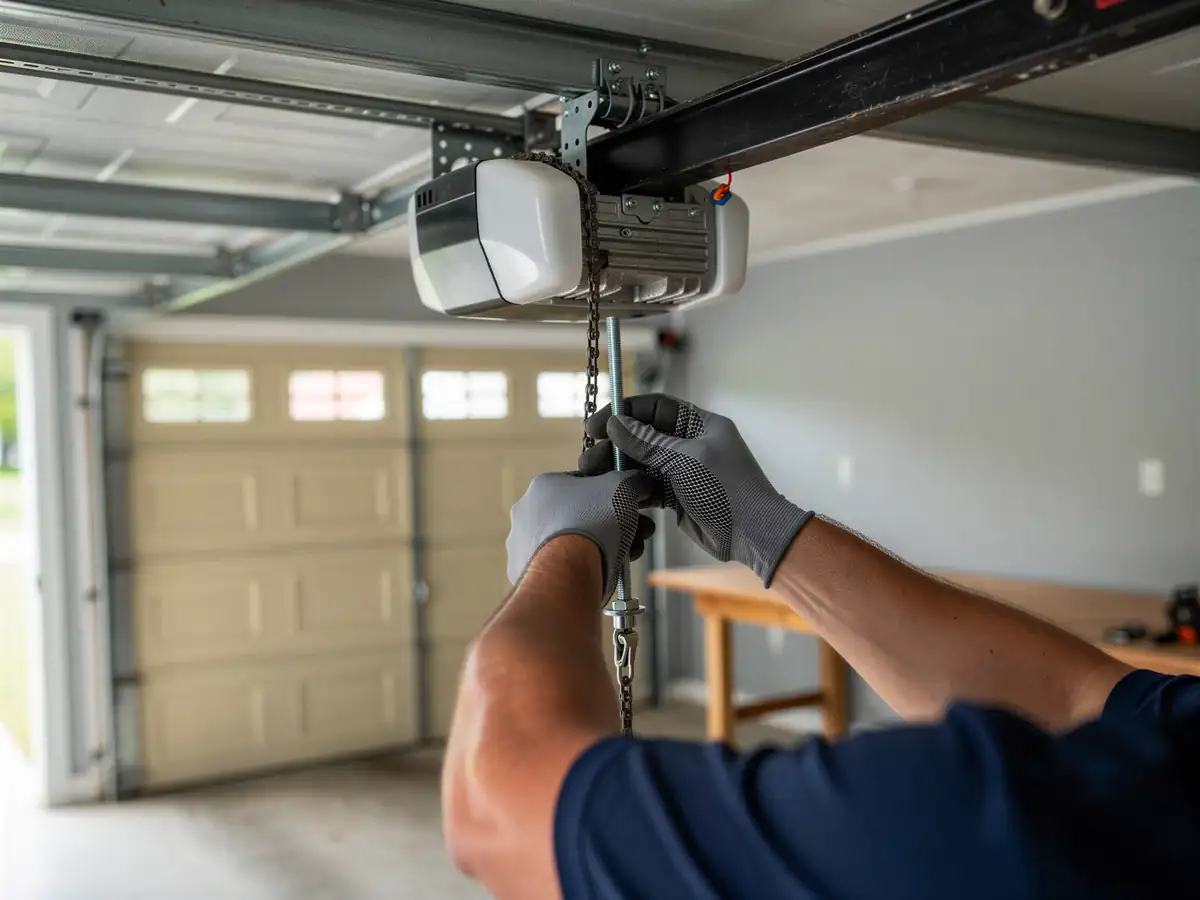
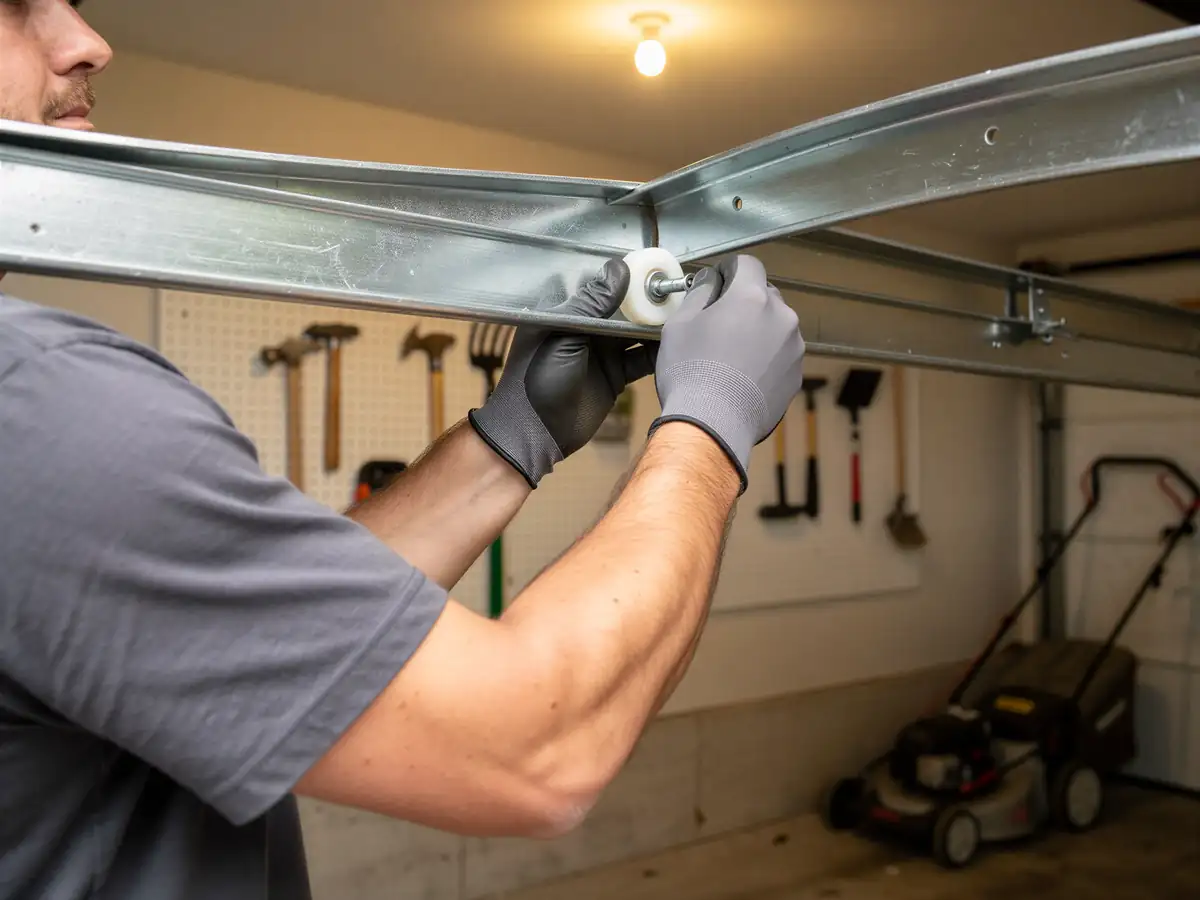
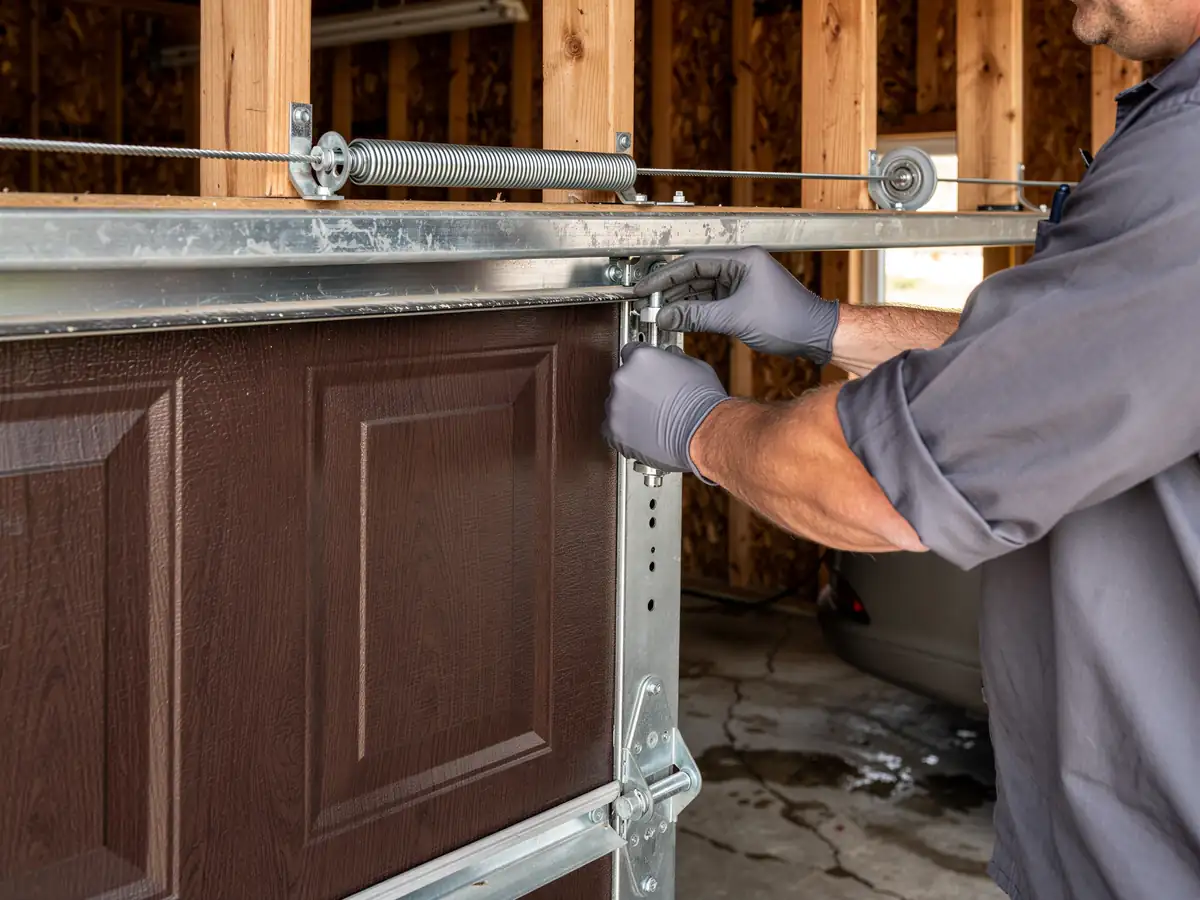
On a door built around the late 1990s, the usual suspects are torsion springs reaching the end of their cycle count, rollers that have worn down from plastic to metal-on-track contact, and openers original to the house finally giving out on the circuit board or the drive gear. These are wear failures, not installation defects, and they show up on a predictable schedule rather than out of nowhere.
What you're less likely to run into here than on an older Dunedin-area house is a door working against hardware nobody stocks anymore - the old side-mount torsion units or the heavy one-piece slab doors from the 1960s and 70s. A 1998-era door uses standard extension or torsion springs and a sectional panel setup that's still common enough that parts aren't a scavenger hunt.
One honest limitation: if your opener is original to a house this age, it may be nearing 25 years old, and a motor failure on something that old is often a replace-not-repair call once we're out there and can look at the actual unit. We won't know which side of that line you're on until we see it.
How Long It Takes
We work out of Dunedin, about 14 miles from Keystone
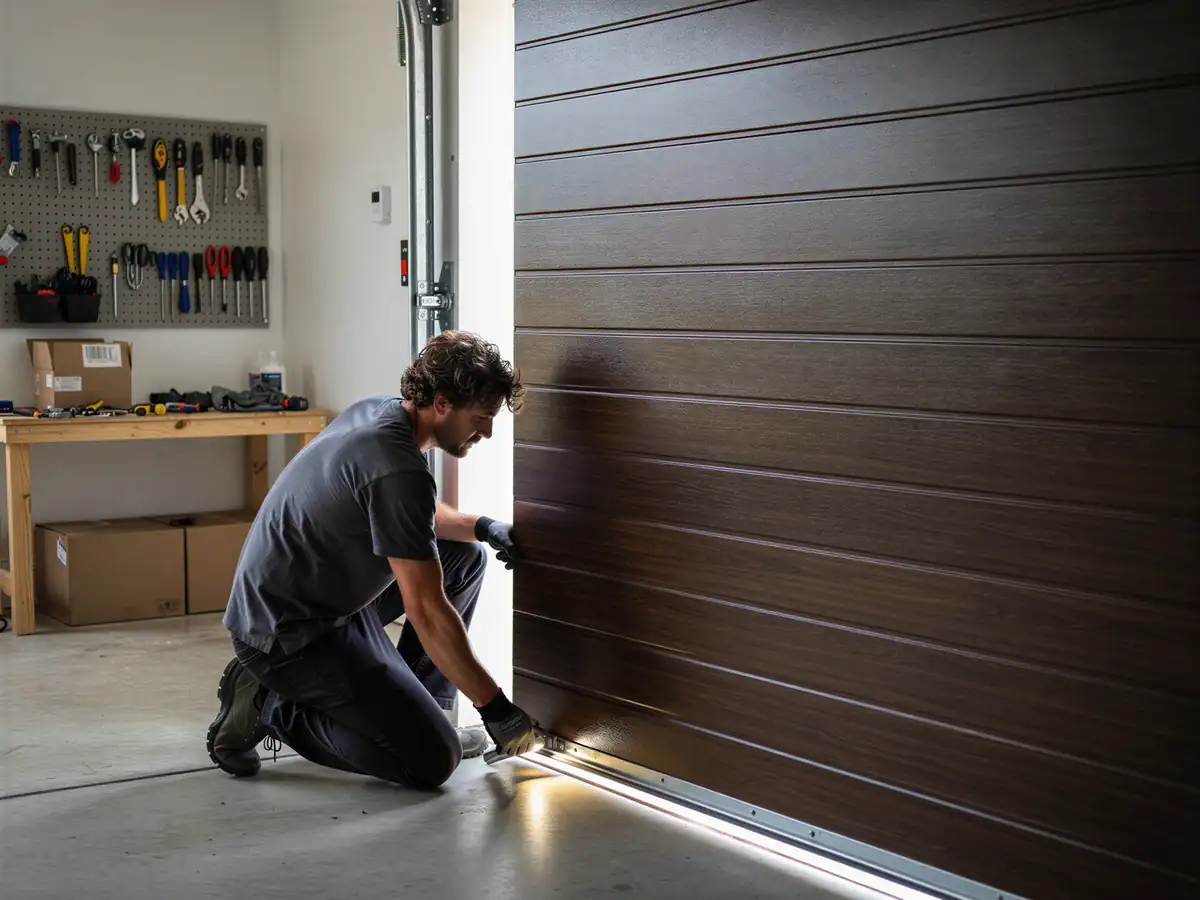
So figure that drive into any visit - we don't keep a branch or a standing crew out this way, and we're not going to promise a window we can't back up for a trip that far out. Once a tech is on site, most of the common jobs on a door this age - spring replacement, roller swap, opener logic board - run on the shorter end because the hardware is standard and parts aren't a special order.
- 14 miles
What stretches a job out isn't the drive
It's parts availability on anything proprietary to a specific opener brand, or a full opener replacement if the unit is original to the house and past rebuilding. We'll tell you on site which category you're in rather than guess over the phone.
The DIY Question
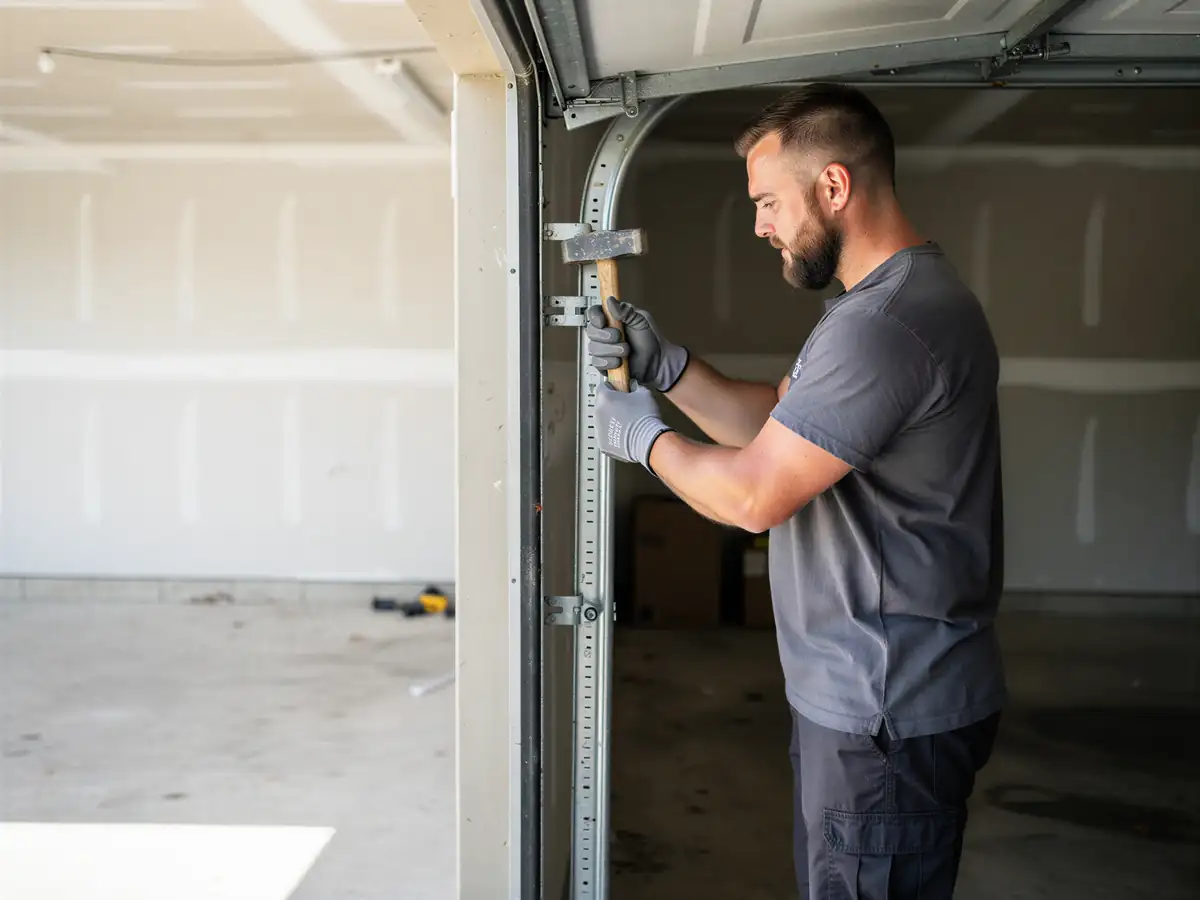
A door built around 1998 is young enough that a lot of the components are still serviceable rather than seized, which makes it tempting to try fixing it yourself. Lubricating hinges and rollers, tightening loose bolts on the track brackets, and clearing the photo-eye sensors of dust are reasonable weekend jobs on a door this age.
Torsion springs are not. A wound spring on a sectional door this size holds enough stored tension to cause a serious injury if it lets go while you're working on it, regardless of how new or old the house is. If the door won't open and you can see the spring is broken or stretched unevenly, that's a call-a-tech job, not a Saturday project.
With a median household income of $155,365 in Keystone, more owners here replace rather than nurse along an aging opener once it's clearly failing, and on a house this age that's often the more sensible call than chasing intermittent electrical faults on a 25-year-old board.