The Symptom
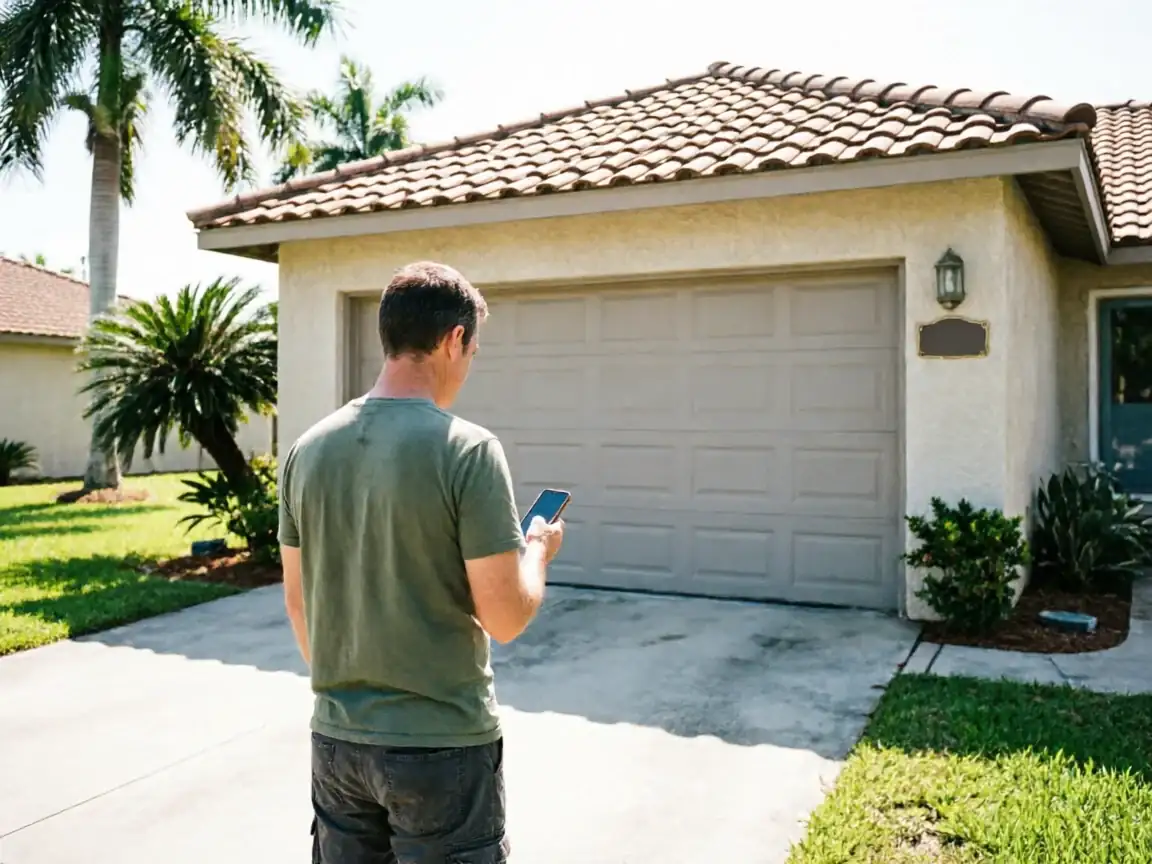
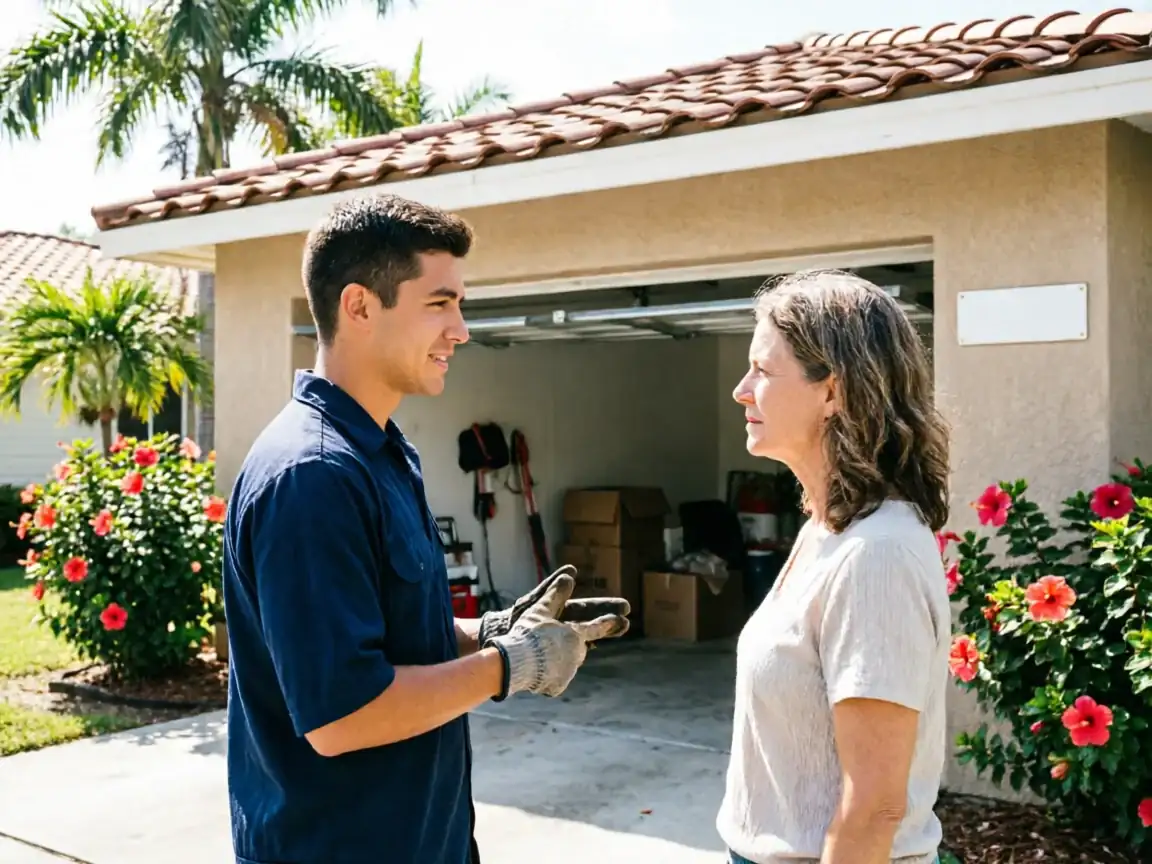
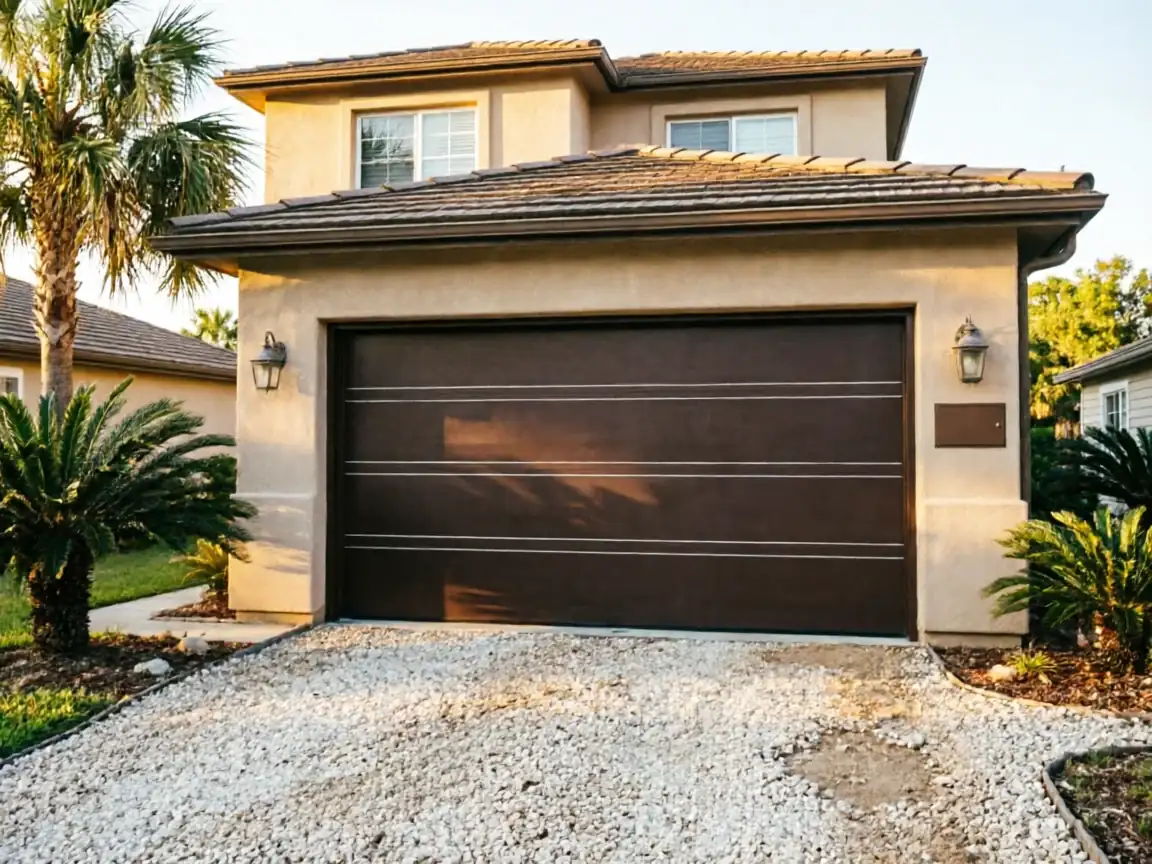
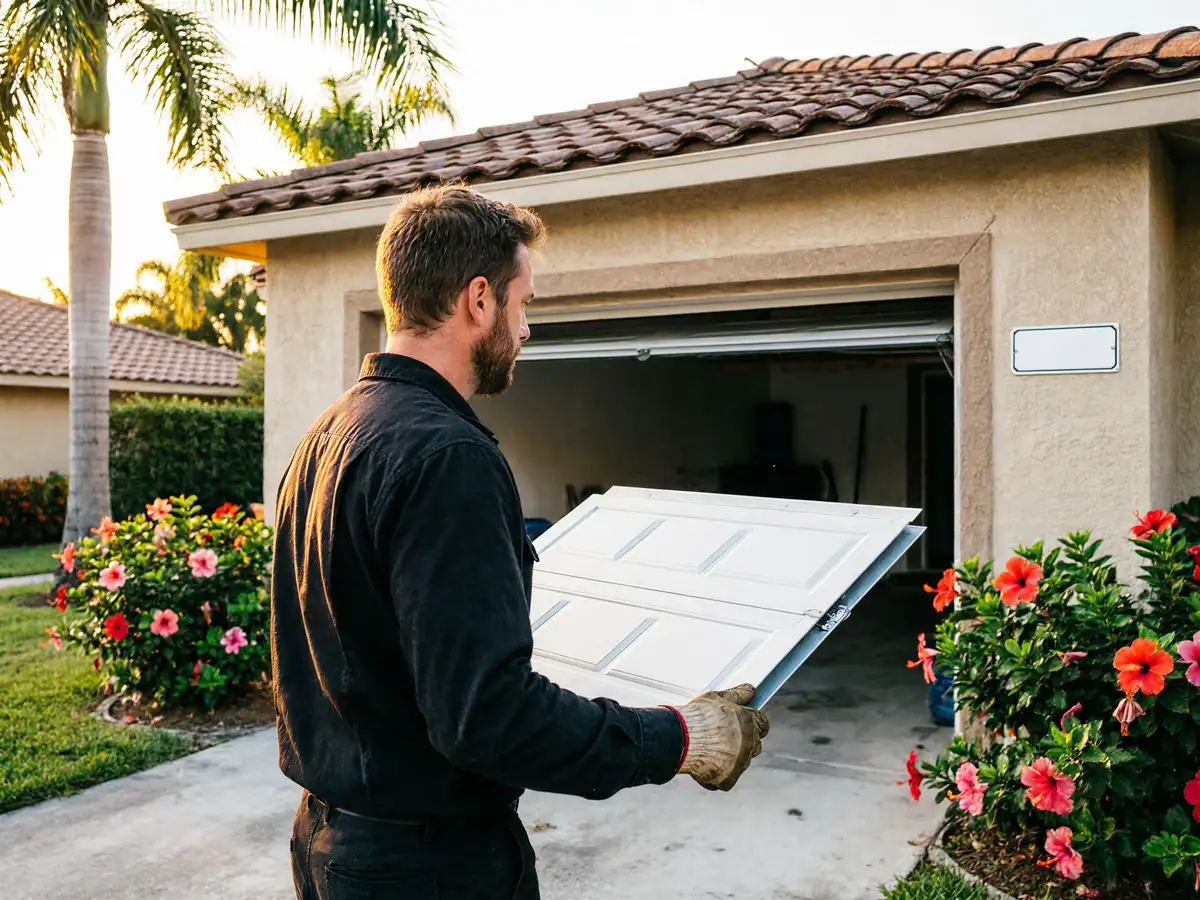
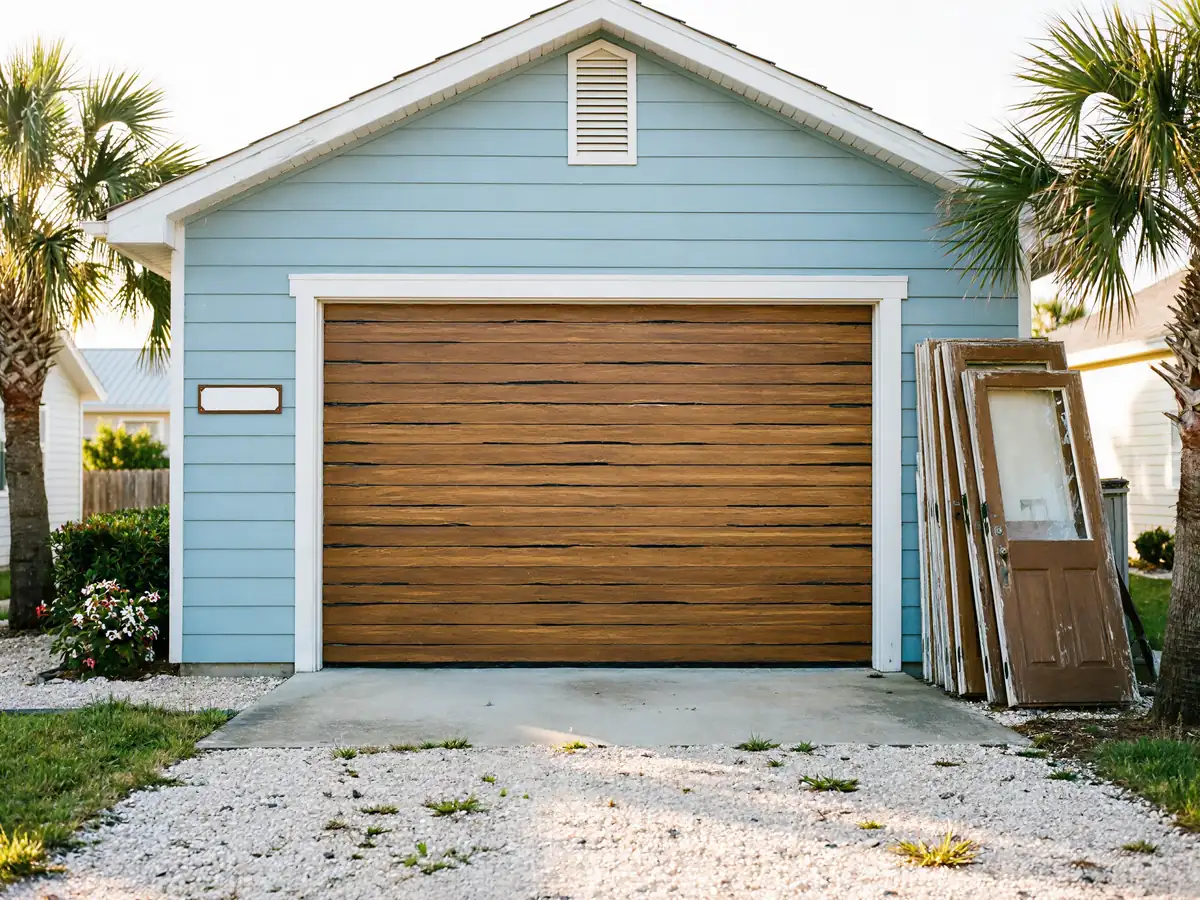
Most of the calls we get from this part of the county aren't about a door that's falling apart. Keystone's housing stock runs newer than what we see across the rest of the Dunedin service area - median build year here is around 1998, versus a median of 1979 for the 27 named communities we cover. That twenty-year gap matters. A door going in during the late 90s came with a steel insulated panel and a chain or belt-drive opener as standard, not the thin single-layer stamped steel or wood composite doors common on older stock closer to the coast. So when a Keystone homeowner calls about installation, it's rarely a door that's failed outright. It's usually a door that's aged out quietly: the opener logic board is tired, the panels have started to bow from years of Florida humidity cycling, or the owner just wants something quieter and better insulated than the builder-grade unit that's been there since the house went up. The symptom is different from what we see in the older neighborhoods we also serve, and it changes what we recommend when we get there.
What Can Go Wrong
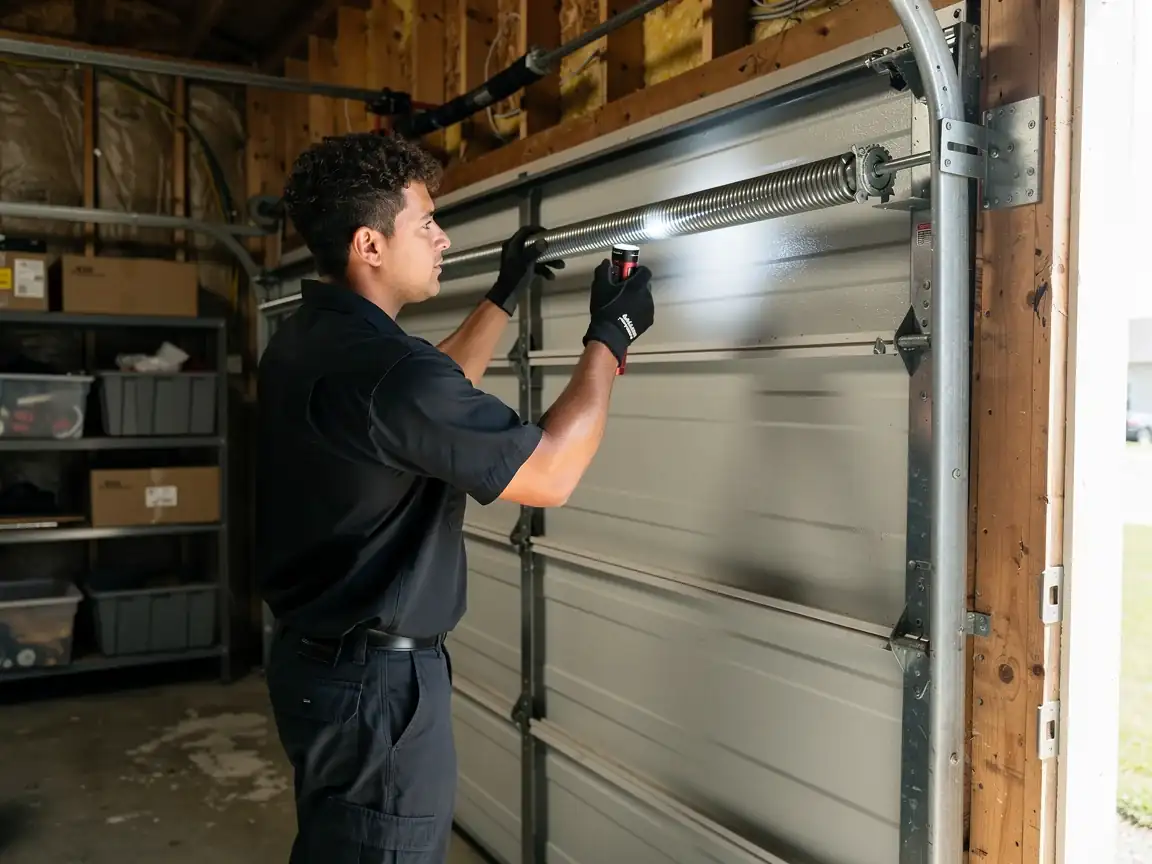
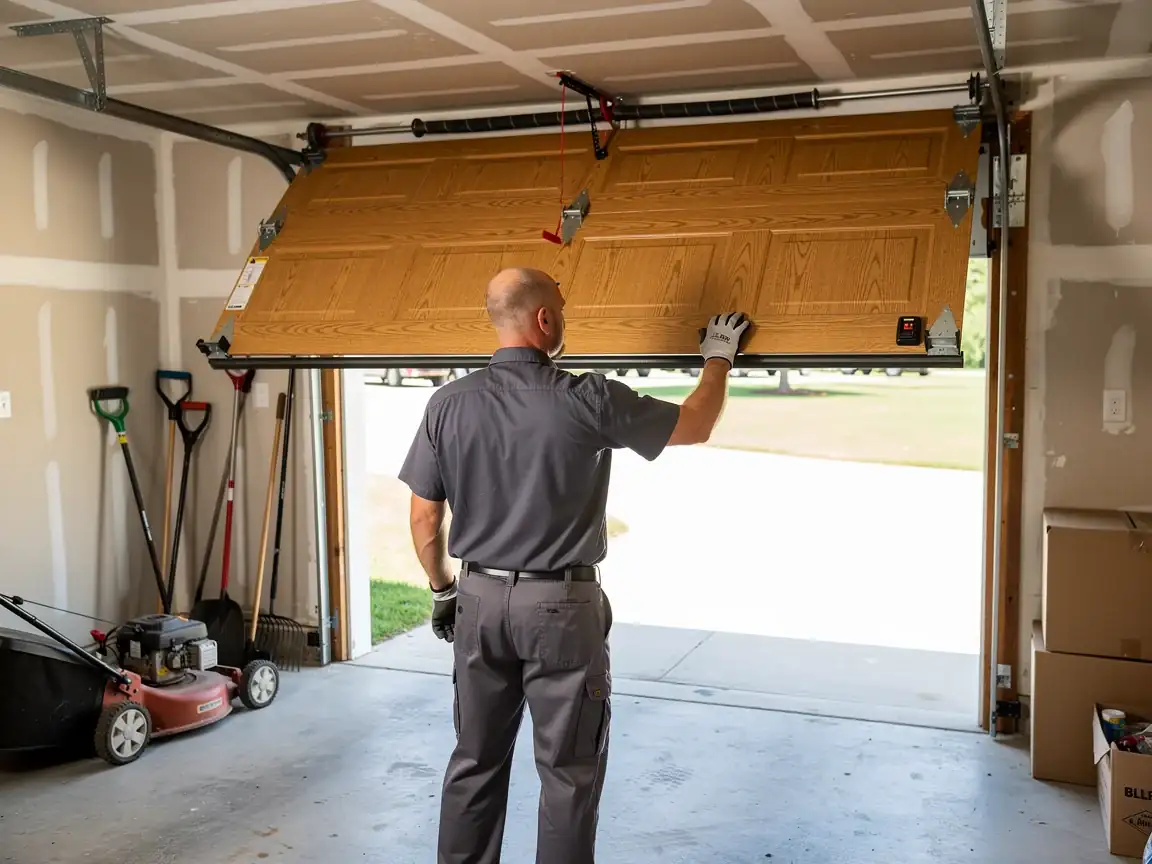
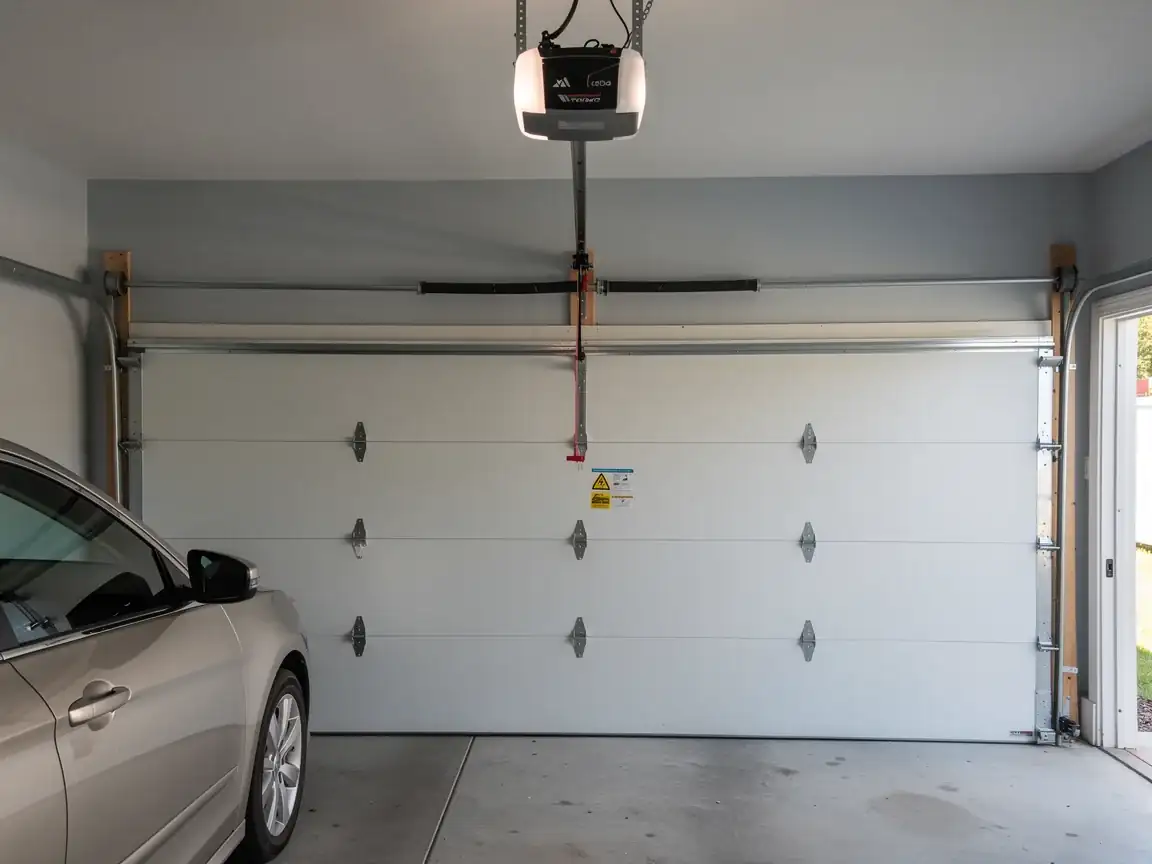
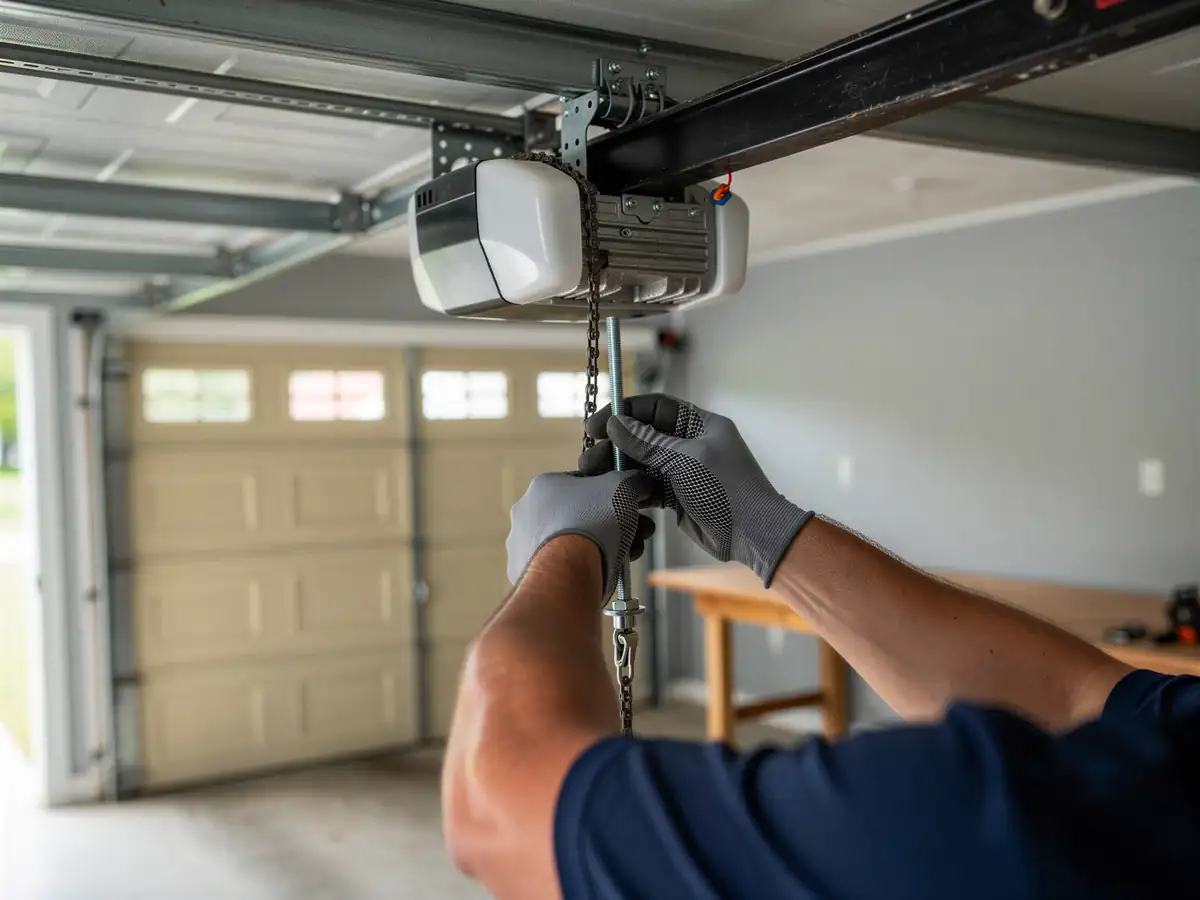
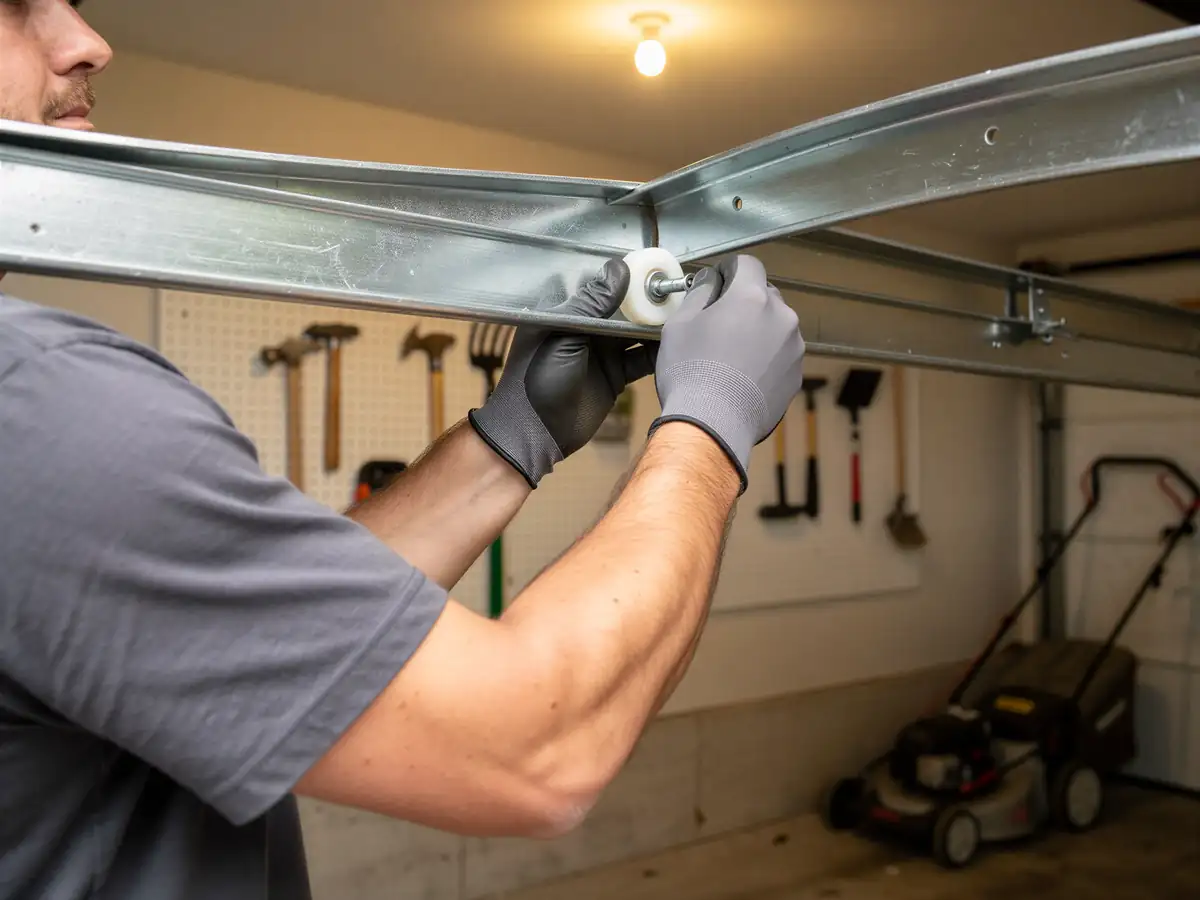
Because Keystone houses are newer, the opening sizes and header clearances tend to follow more standardized builder specs than the mixed-era stock elsewhere in the area - which usually makes measuring and fitting more predictable, not less. Where it gets complicated is track and spring sizing on double-wide openings, which were more common in builds from this period than in older single-car layouts. We also see a fair number of openers from that late-90s/early-2000s window that are still original - chain-drive units nearing or past their expected service life, with worn gears or failing circuit boards. A new door install is a good time to replace that opener too, rather than bolt a new door to hardware that's already on its way out. One other thing worth knowing: the mild temperate climate here means we're not fighting the freeze-thaw damage or heavy snow-load bracing that installers in colder states have to plan for, so the job stays simpler on the structural side than people sometimes expect.
The DIY Question
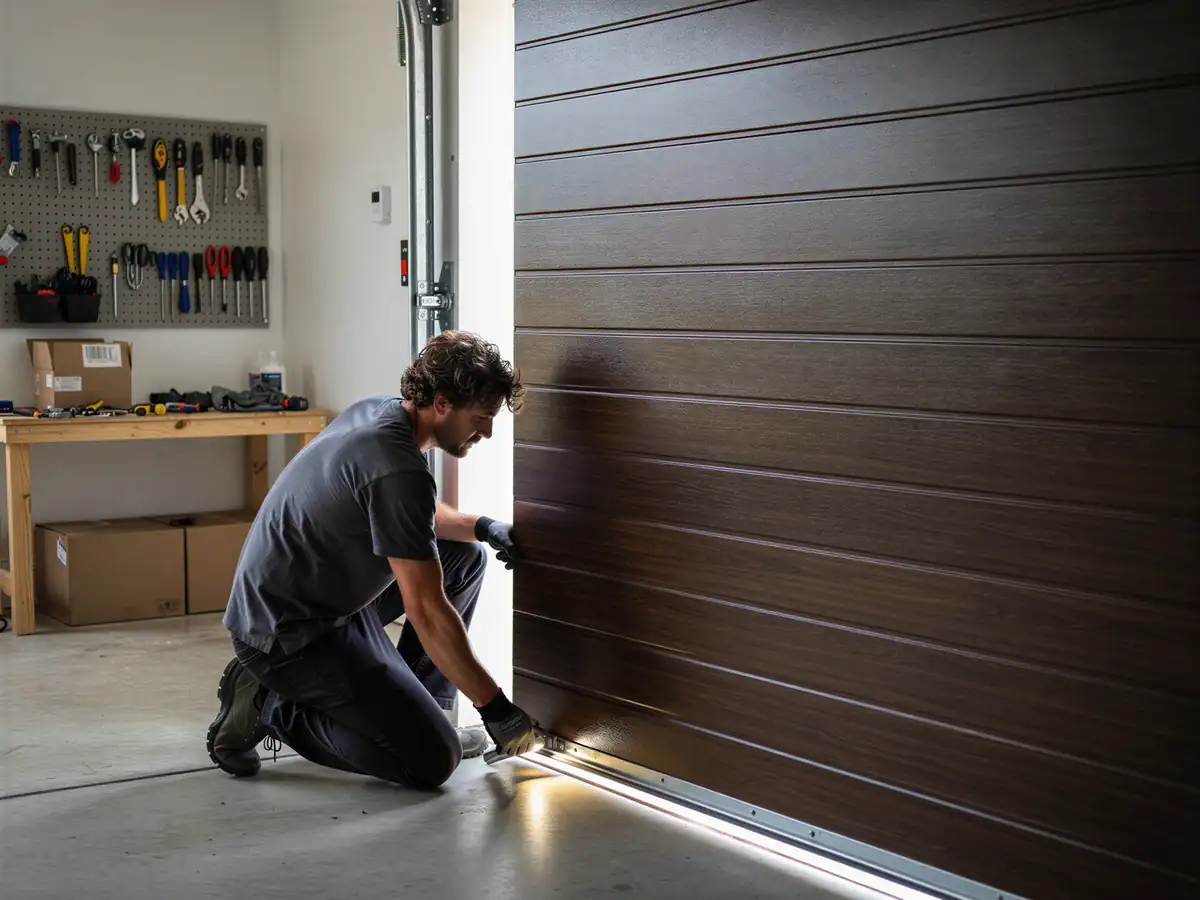
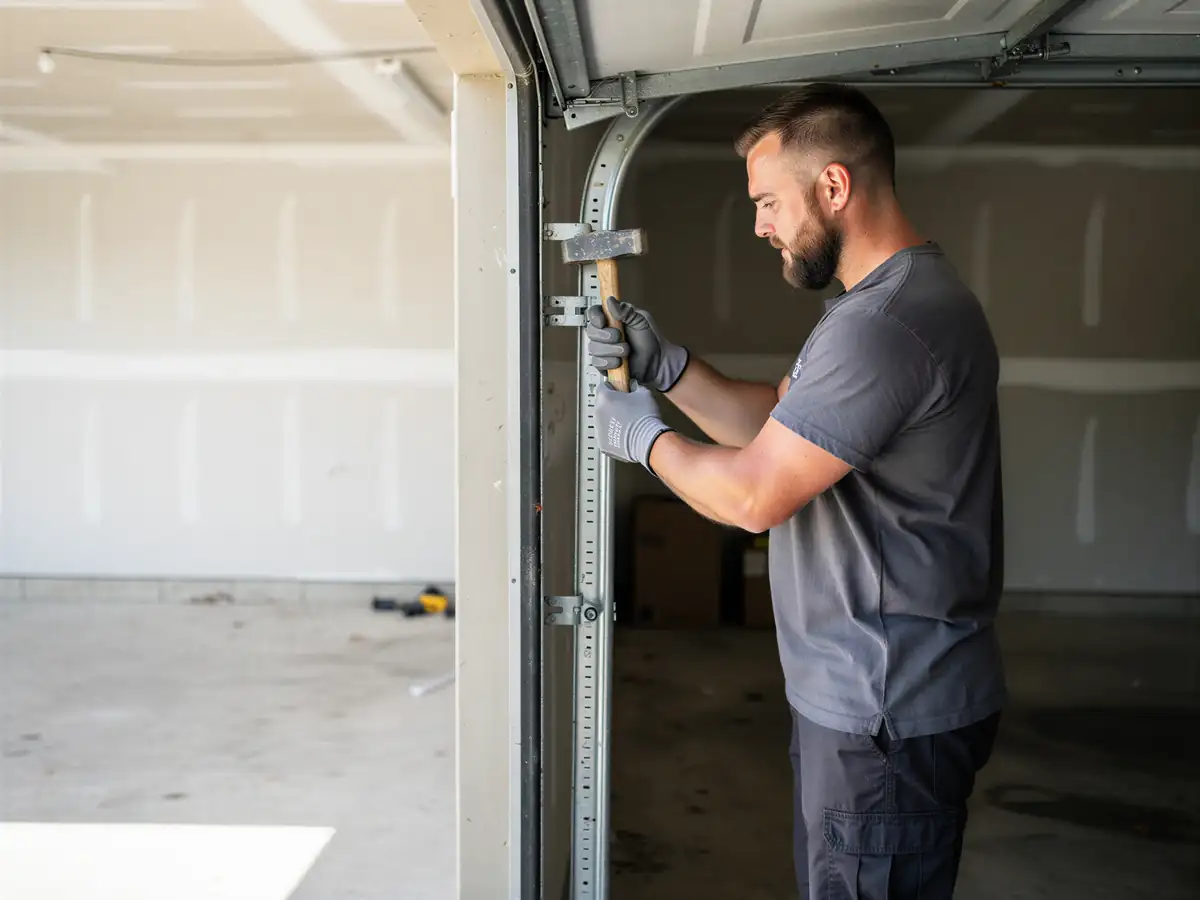
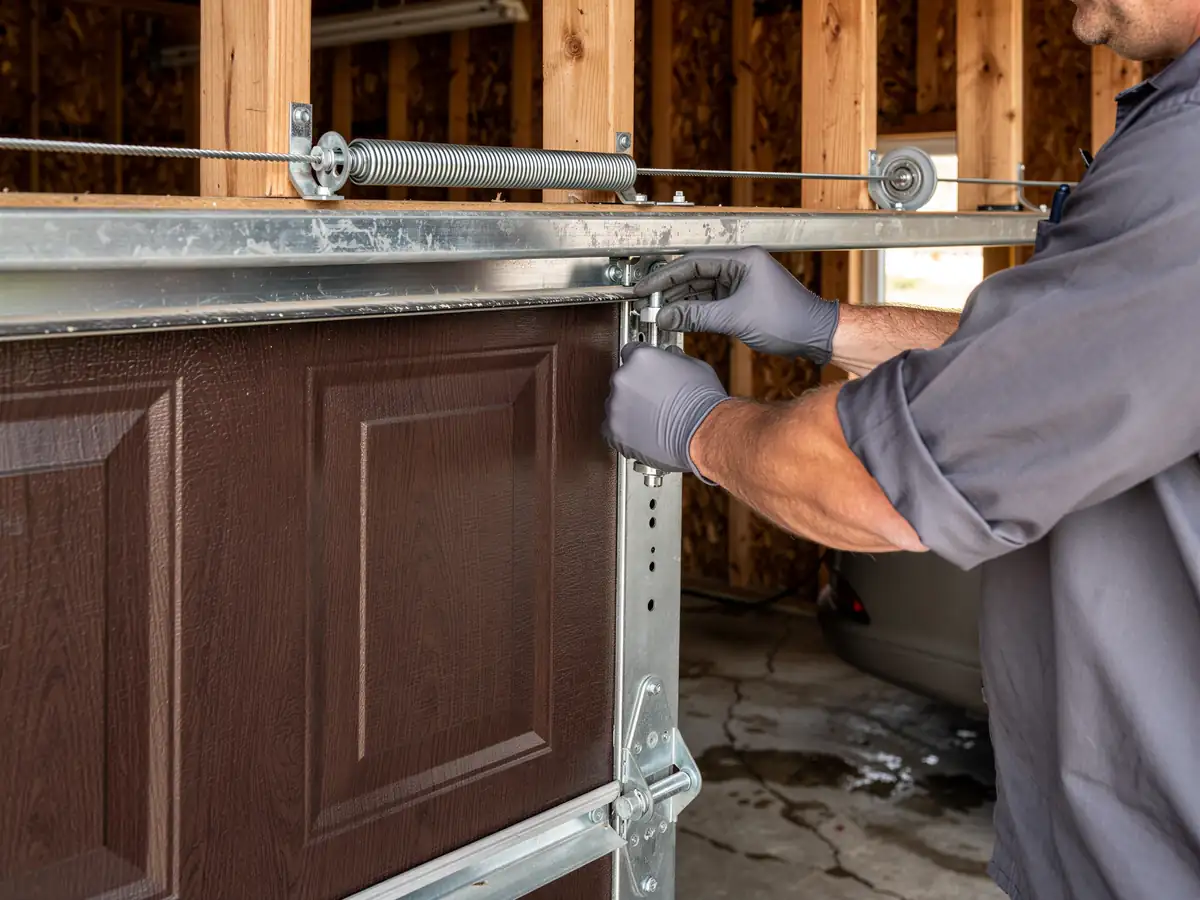
We'll say this plainly: installing a full garage door yourself is not a weekend-project kind of job, and we're not going to pretend otherwise to sell you on hiring us. The honest limitation is that we don't do remote consults or sell doors for self-install - if you want to do it yourself, that's a different kind of purchase than what we offer. What we will say is that the risk isn't the panels, it's the spring system under tension and the opener wiring, both of which cause real injuries every year when they're handled without the right bars and clamps. For a household in Keystone with a newer, heavier insulated door and a double-wide torsion spring setup, the forces involved are higher than on the older single-car doors elsewhere in the service area. If you're set on doing some of the work yourself, swapping weatherstripping or hardware trim is reasonable. Setting springs and hanging panels is where we'd ask you to let the crew handle it.