The Symptom
The call we get from Keystone isn't the one we get from the older parts of the service area. It's an opener that's starting to grind on the way up, or a door that shudders for the first foot of travel before it smooths out. That's not a spring problem yet - it's a gear and roller problem, and it shows up right on schedule for houses built when this area was built.
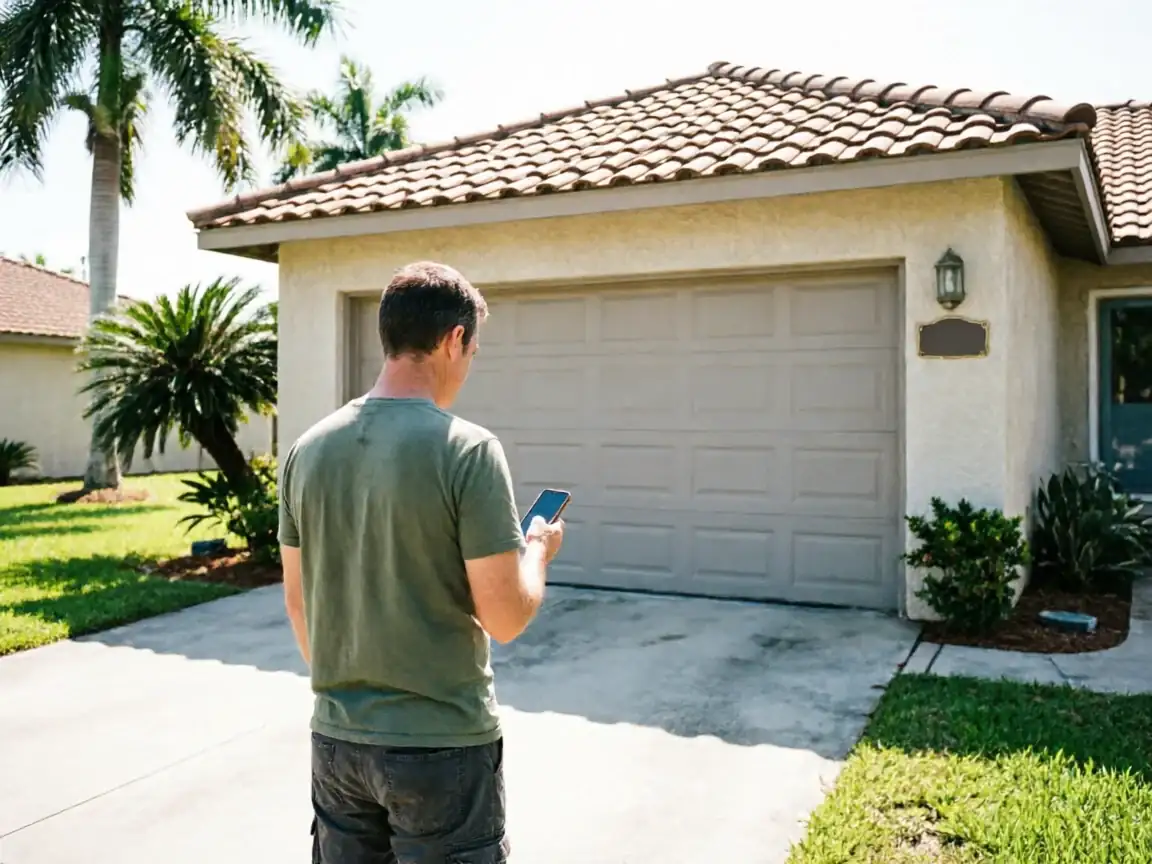
Keystone's housing stock is newer than most of what we service out of Dunedin - the median home here dates to around 1998, a good two decades past the 1979 median across the wider area we cover. That matters for maintenance because a door installed in the late 90s is now deep into its second or third decade of cycles. The nylon rollers that came standard then are past their quiet life. The opener logic boards from that era are starting to fail outright rather than just glitch. None of this is an emergency yet. It's the stage where a maintenance visit catches the part before it becomes a stuck door at 6am.
What Can Go Wrong
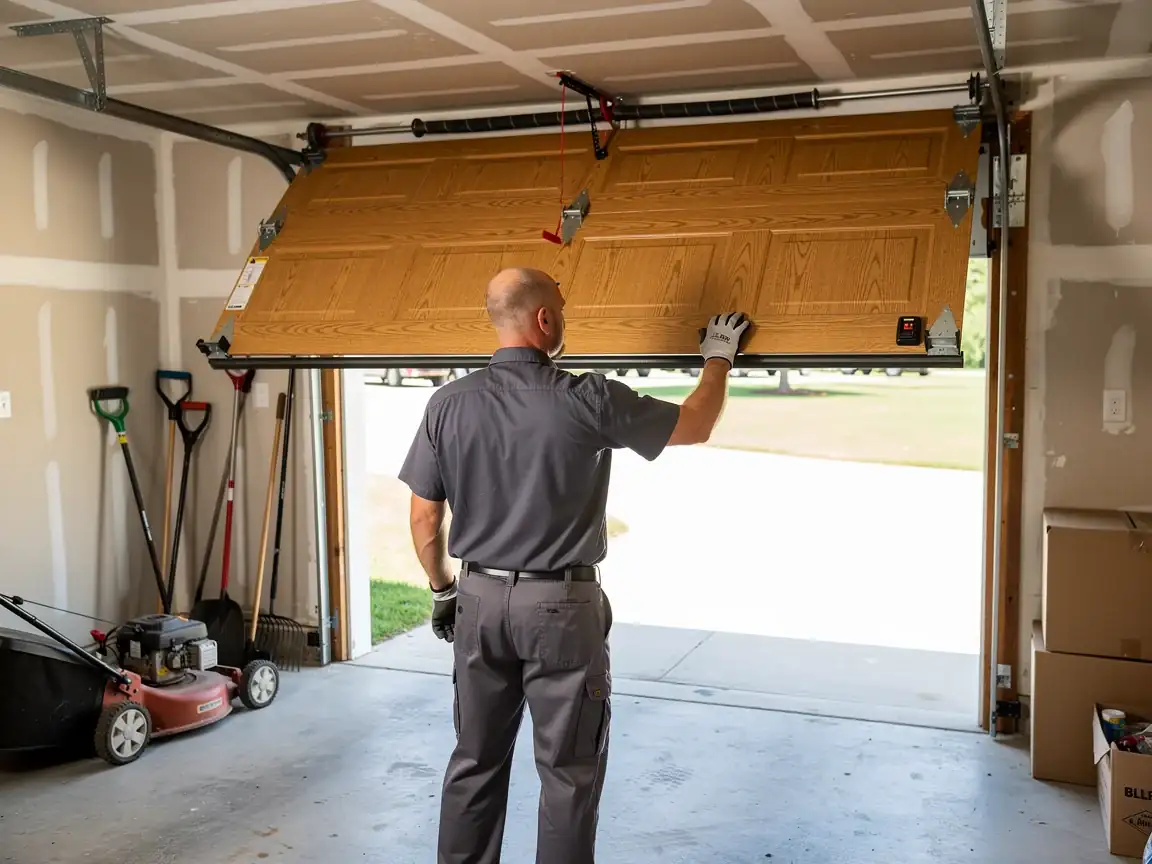
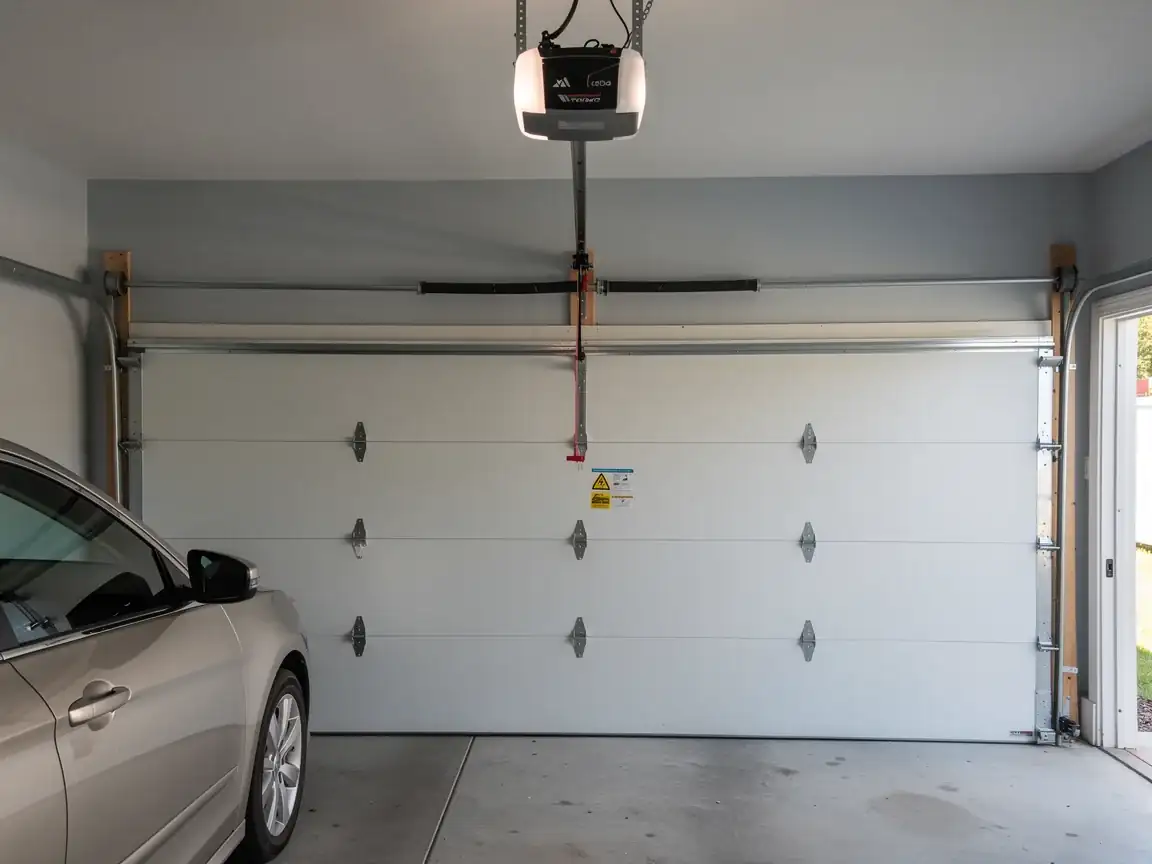
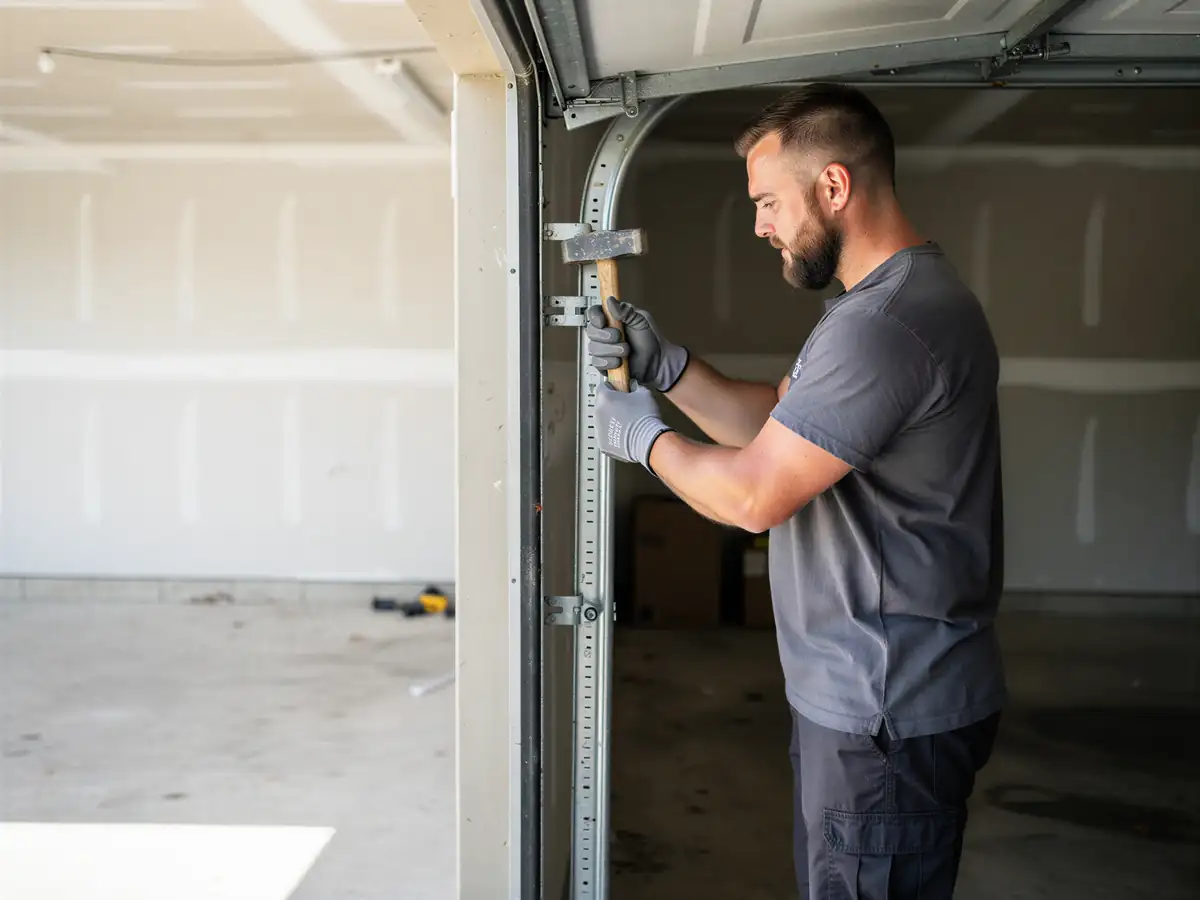
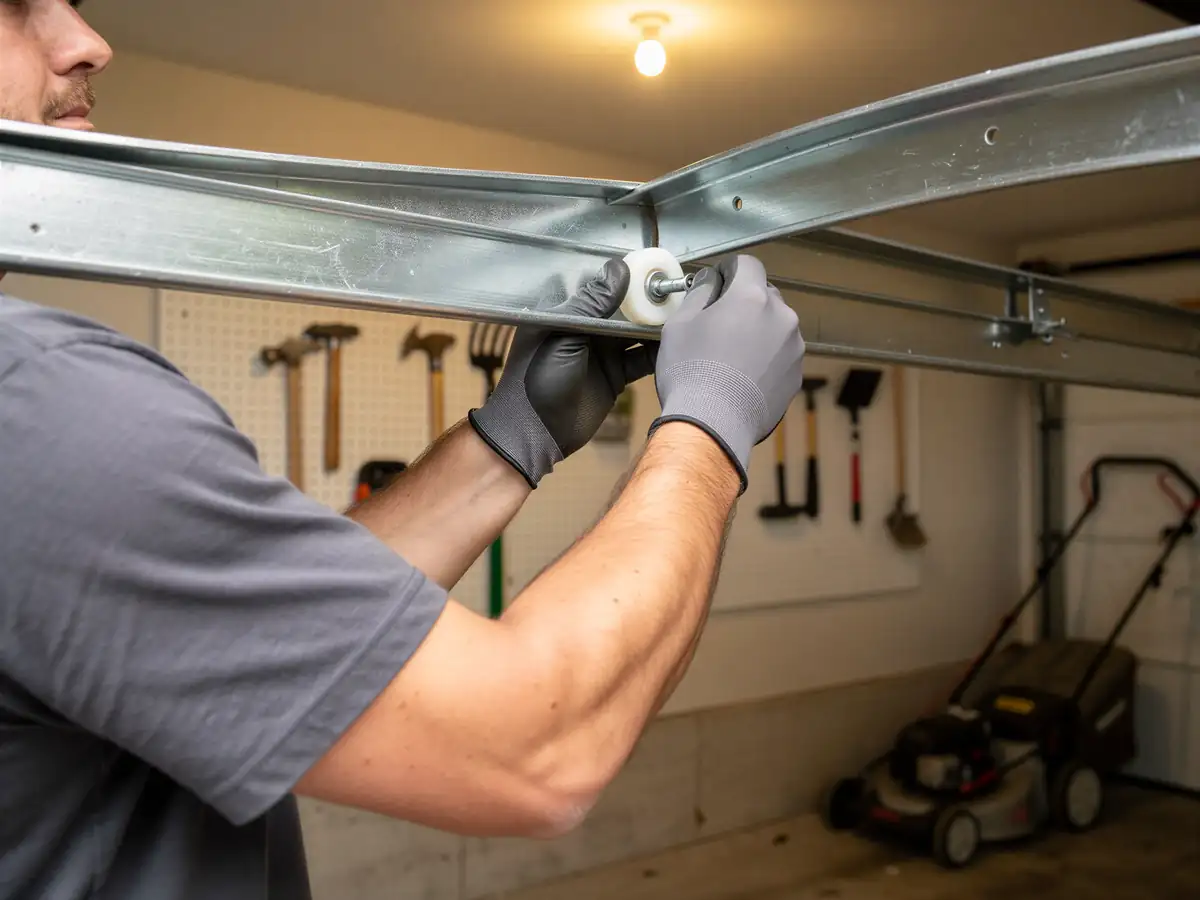
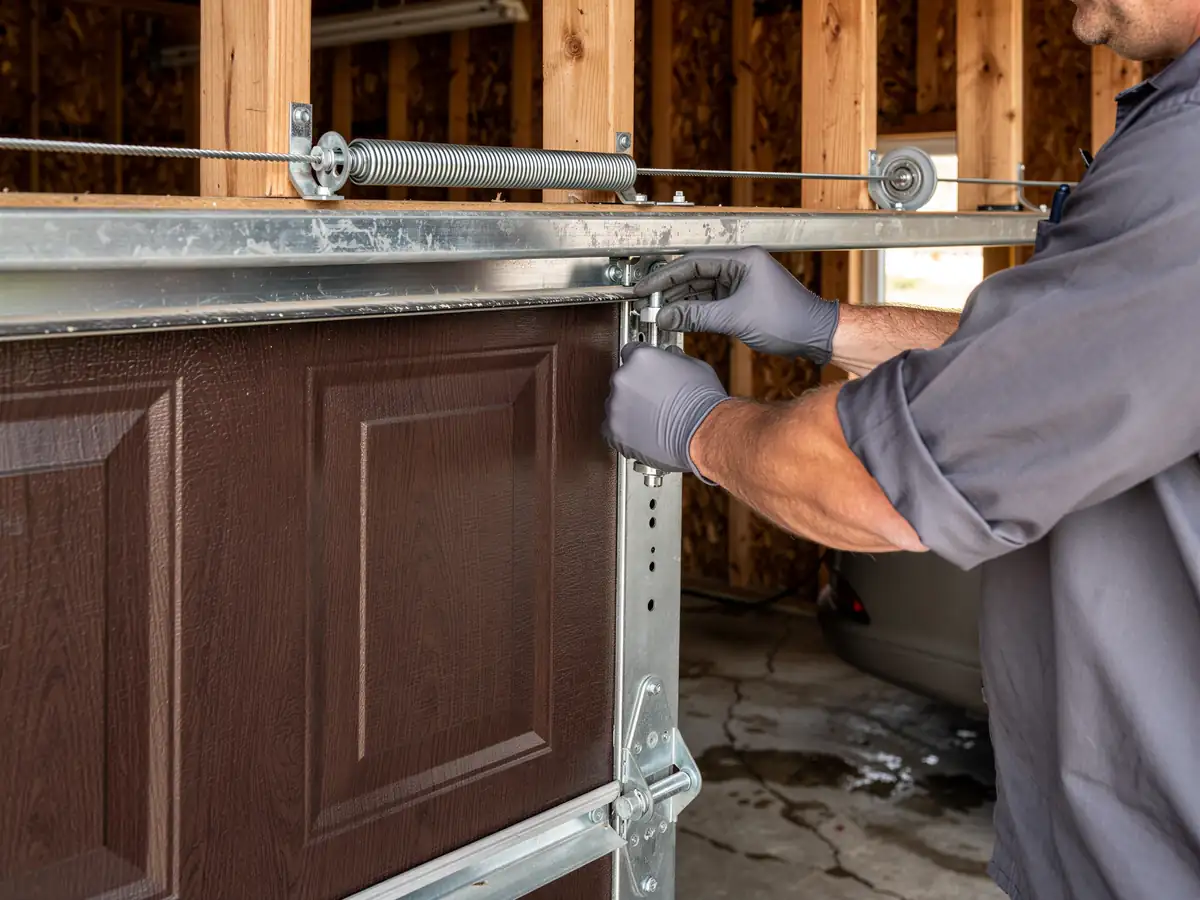
On a door this age, the list is short and predictable. Rollers go first - steel or nylon, 20-plus years of travel wears the stem and the wheel both, and you hear it before you see it. Torsion springs on a standard double door are usually rated for a cycle count that lines up almost exactly with a house built in 1998 hitting replacement range now, especially on doors that get opened more than once a day.
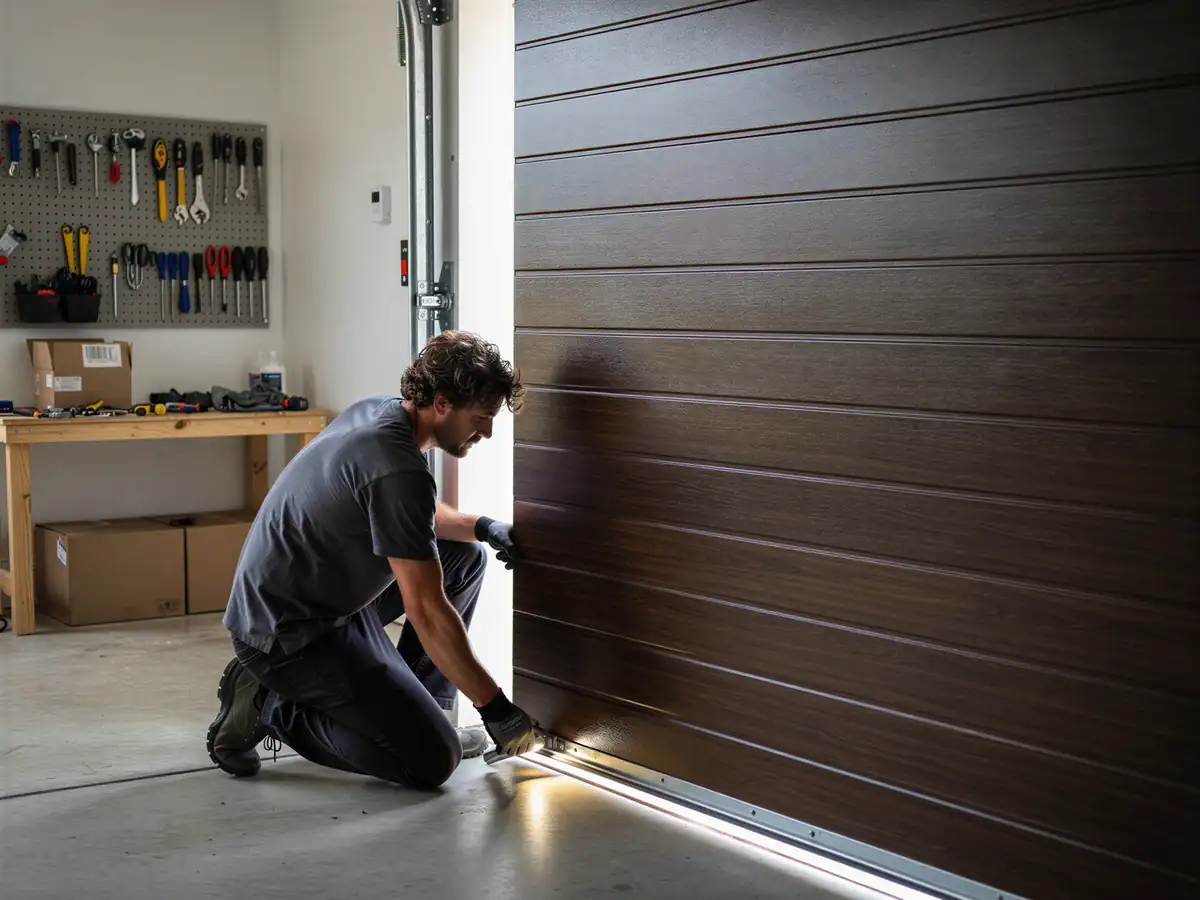
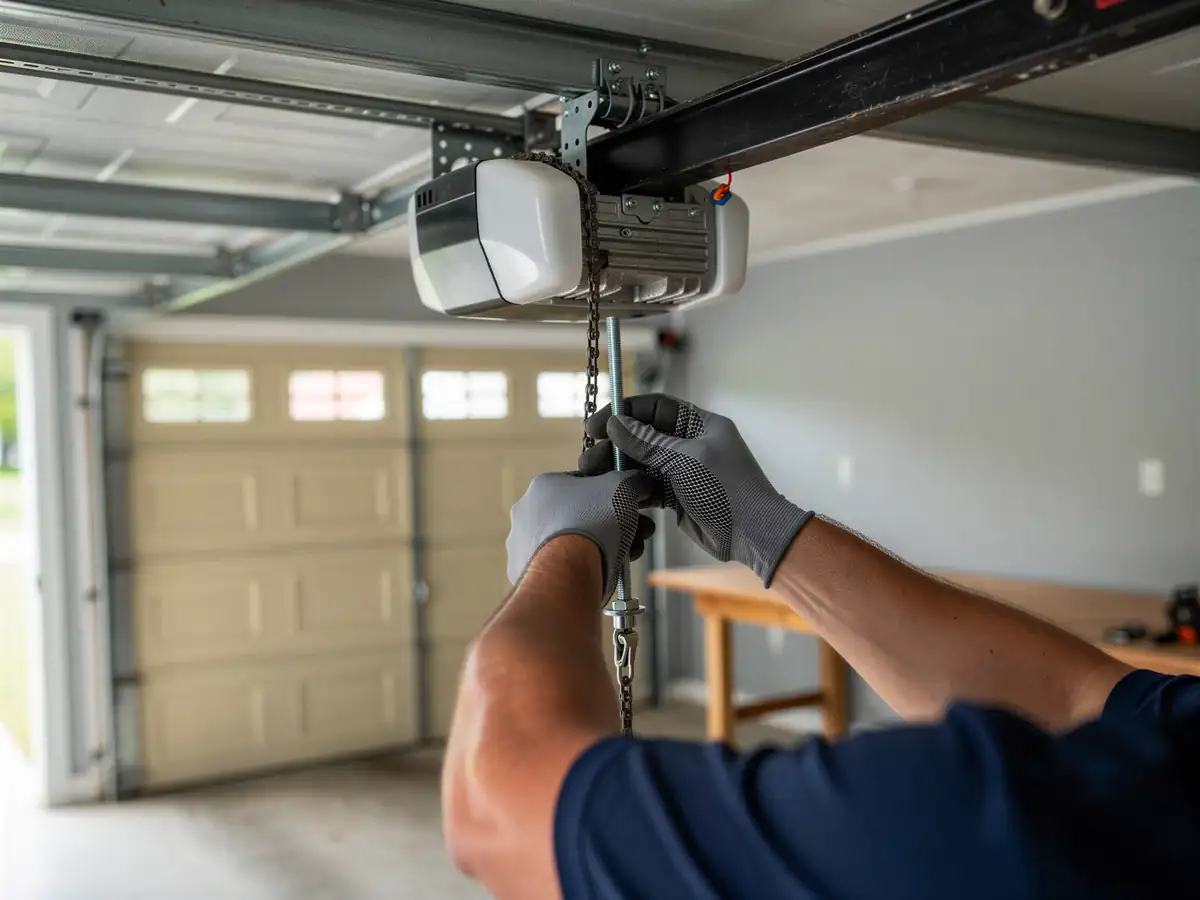
The opener is the other half. Late-90s units often ran a sensor pair that's stiffer to align than current models, and in Florida's mild temperate climate the photo-eye brackets can drift out of true from years of expansion and contraction rather than any one storm. Weatherstripping along the bottom panel is the cheap fix nobody does until the door's letting in enough air to notice. None of this is dramatic. It's wear, on schedule, on a door old enough to have earned it.
How Long It Takes
A standard maintenance visit
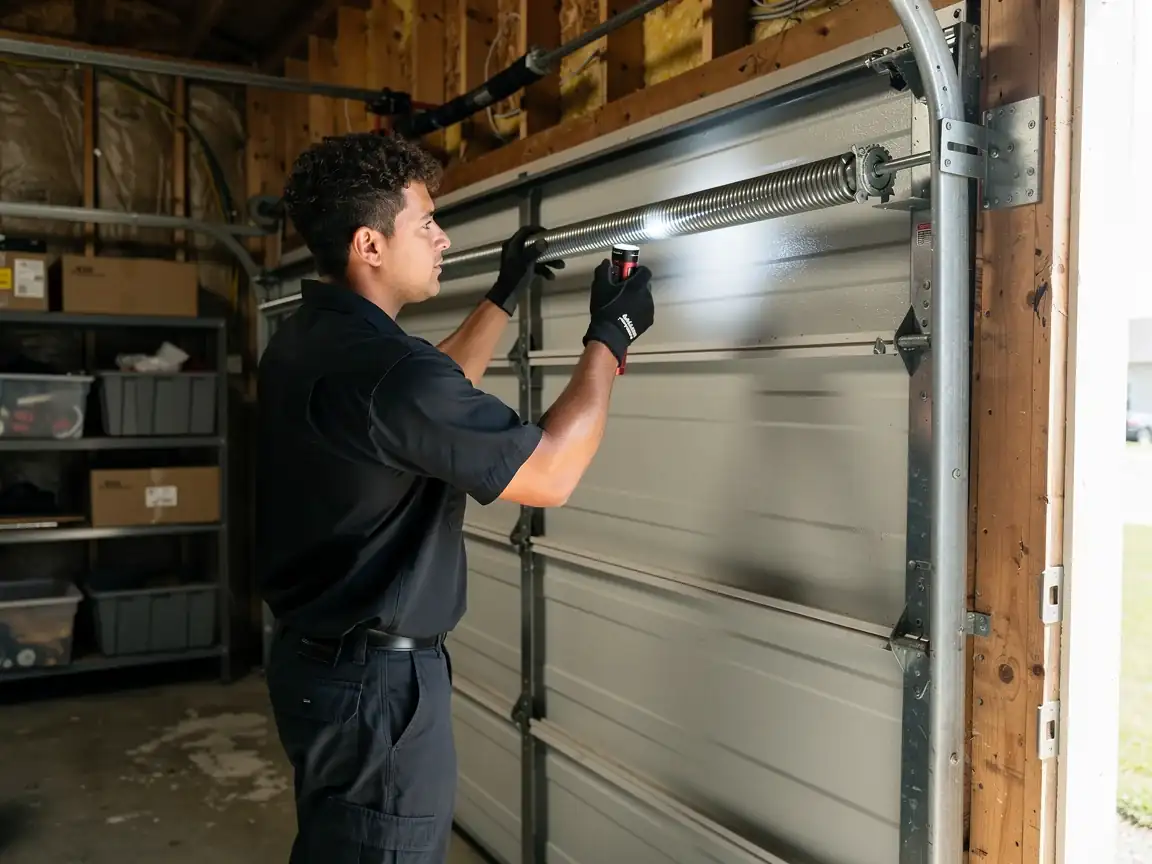
Lubrication, hardware check, roller and cable inspection, opener sensor alignment - runs a defined, bounded job, not an open-ended one. We're driving out from Dunedin, about 14 miles to reach Keystone, so we schedule the visit rather than drop in on short notice. Once the truck's there, the work itself doesn't take all day; it's a focused check of the parts that fail in sequence on a door this age, not a teardown.
- 14 miles
If something's found mid-visit
A spring close to its cycle limit, a gear set that's stripped past dressing - that's a separate conversation and a separate job, because parts aren't always on the truck for every model. We'd rather tell you that on the spot than promise a same-visit fix we can't back up.
The DIY Question
Some of this is fair to do yourself. Wiping down tracks, checking for loose hardware, listening for the specific roller squeal versus a grinding gear - those are things any homeowner in Keystone can do with a flashlight on a Saturday. What isn't a DIY job is anything involving the torsion spring itself. It's under enough tension to do real damage, and that's true whether the door's five years old or twenty-five.
Given that the median home here is pushing 1998, a fair number of original openers are still in service, and swapping a logic board or realigning a photo-eye on an older unit isn't always straightforward - some of those models don't have a direct modern replacement part, which means the honest answer is sometimes "replace the opener" rather than "repair it." We'll say that plainly if it's the case, rather than bill for a patch that won't hold.