What Is on the Truck
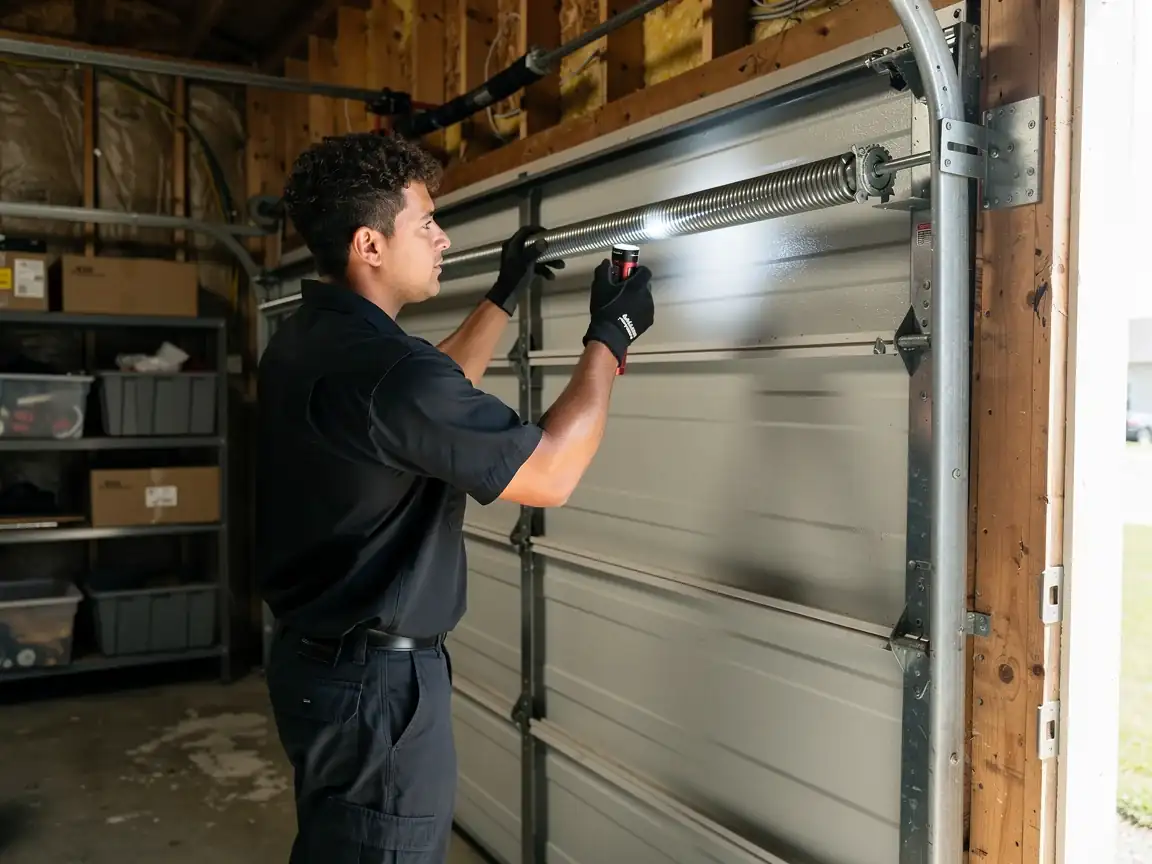
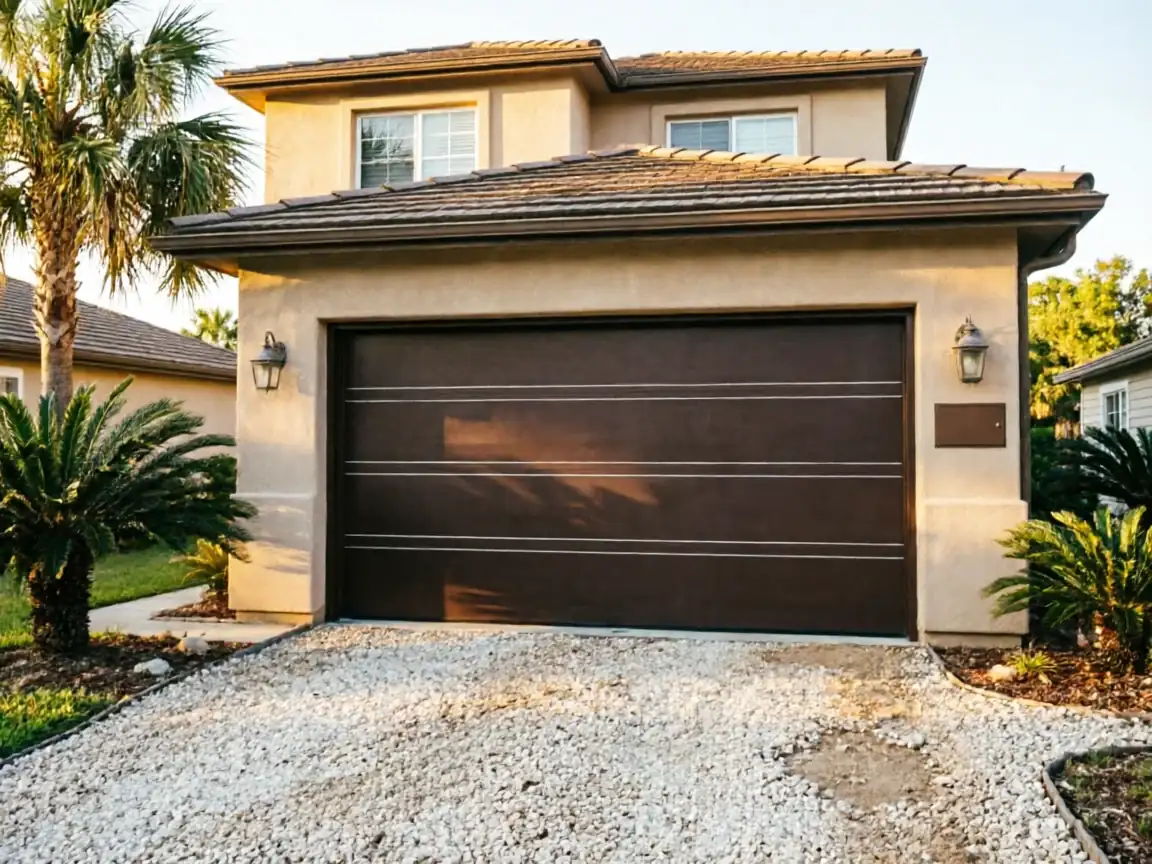
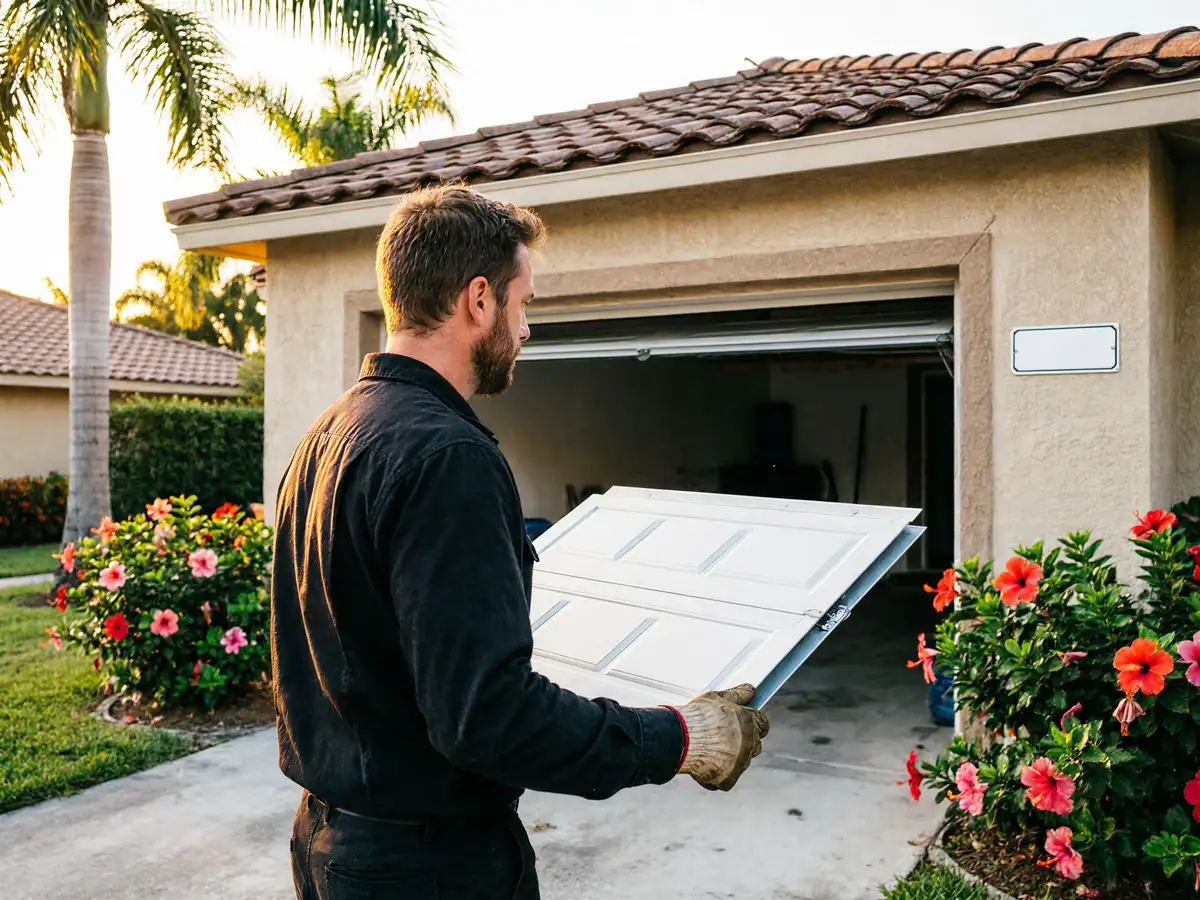
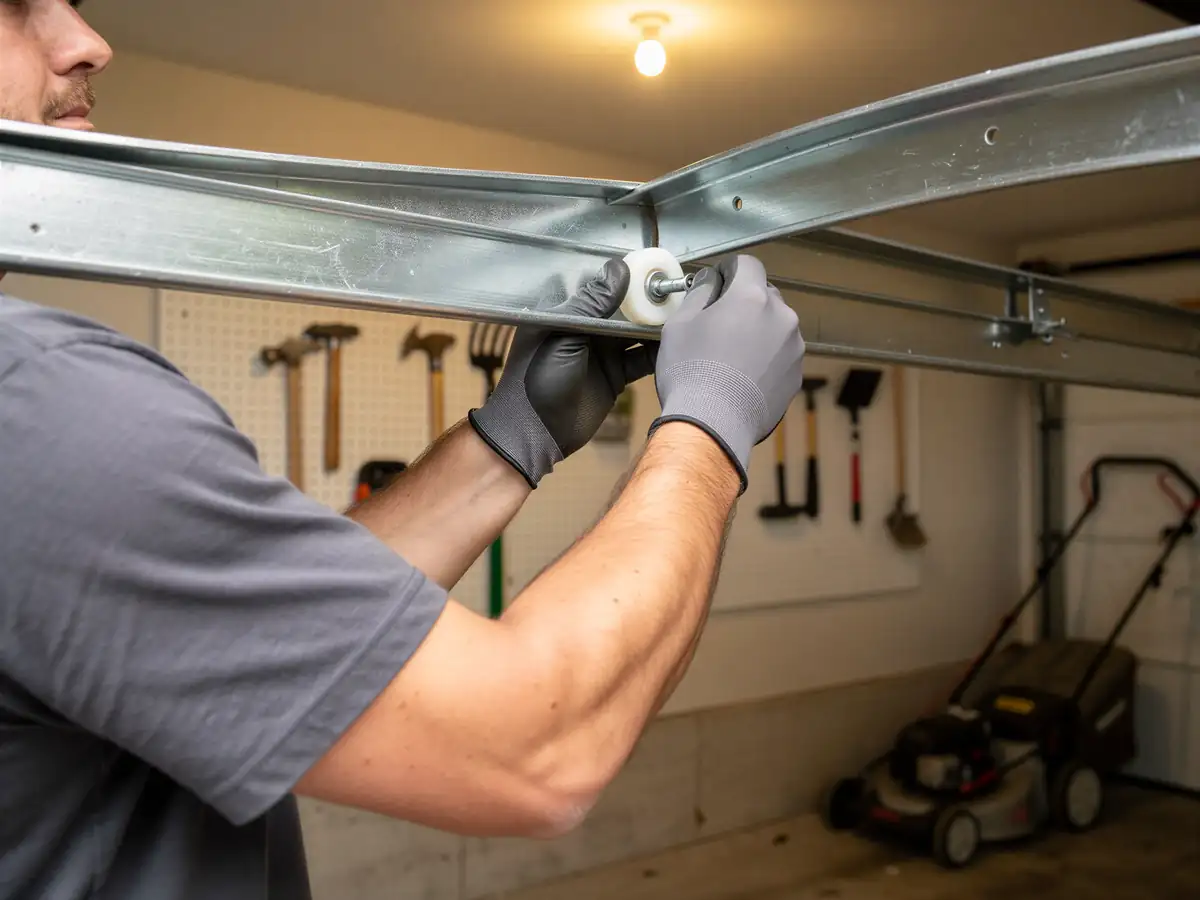
East Lake's housing stock centers around 1990, noticeably newer than the 1960s-70s homes that make up most of the wider Dunedin service area. That gap matters for rollers. A door from 1990 is more likely to have come with nylon rollers on a steel track rather than the all-steel roller-and-track setups common on older stock, so the truck carries both nylon and steel replacements plus the longer-stem versions that newer tracks sometimes call for. We also bring sealed-bearing rollers as a step-up option, since a lot of 1990s-era builders spec'd the cheaper unsealed kind that wear out faster. We don't stock every obscure stem length - if a door has a track profile we don't recognize on sight, we tell you that up front rather than guess and come back twice. Given the age of most doors out here, that's a rare problem, not a common one.
What the Repair Takes
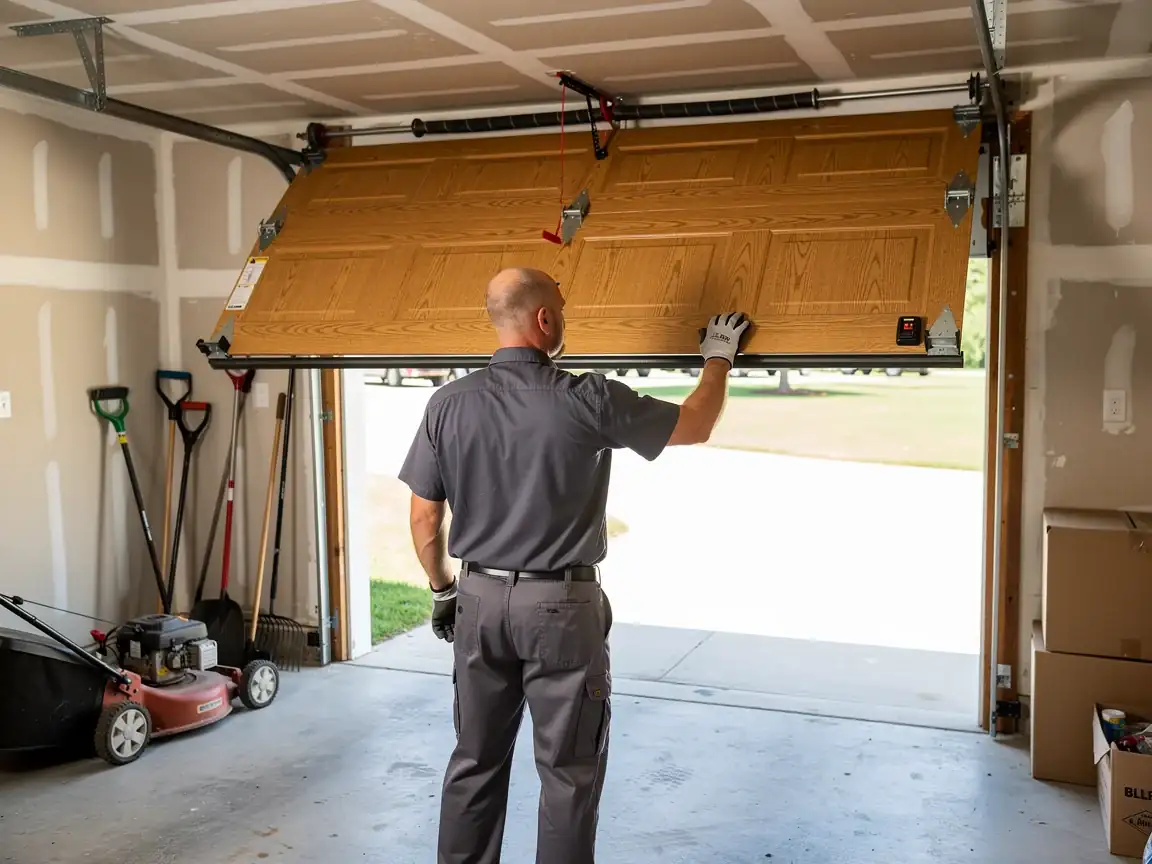
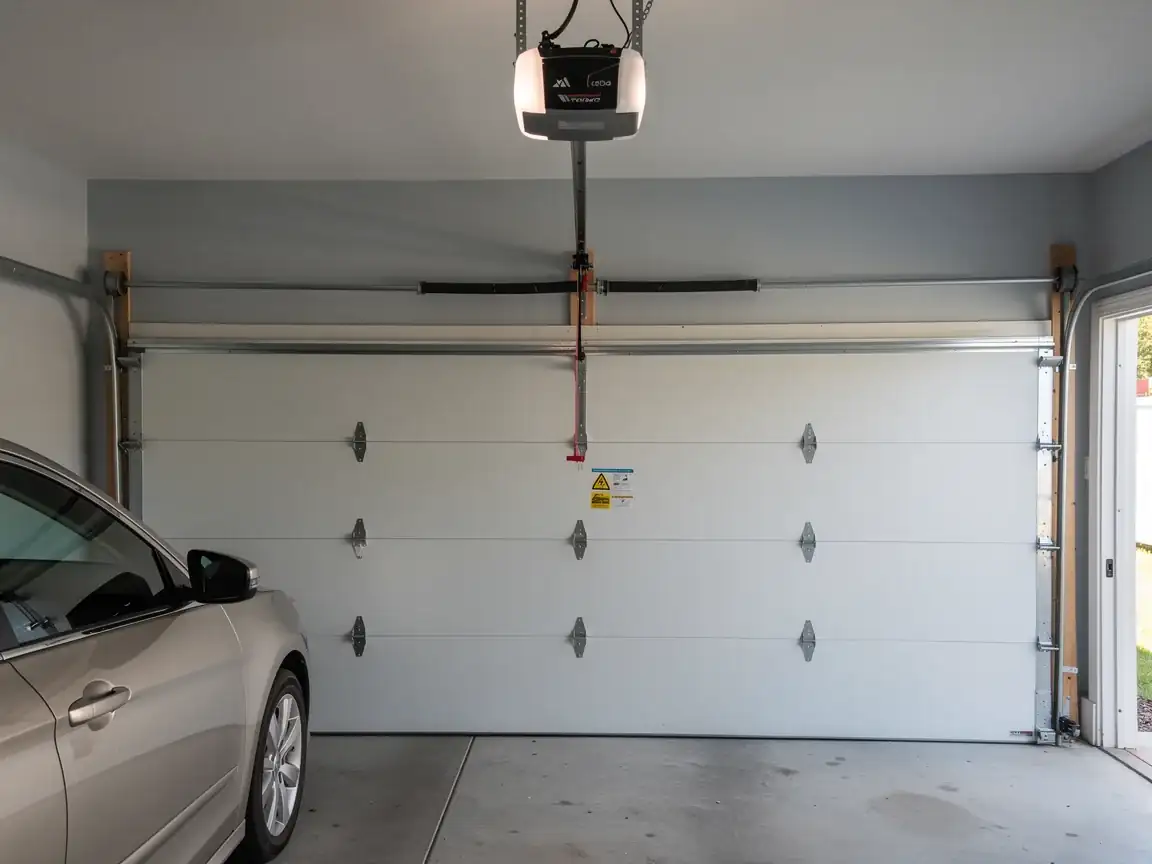
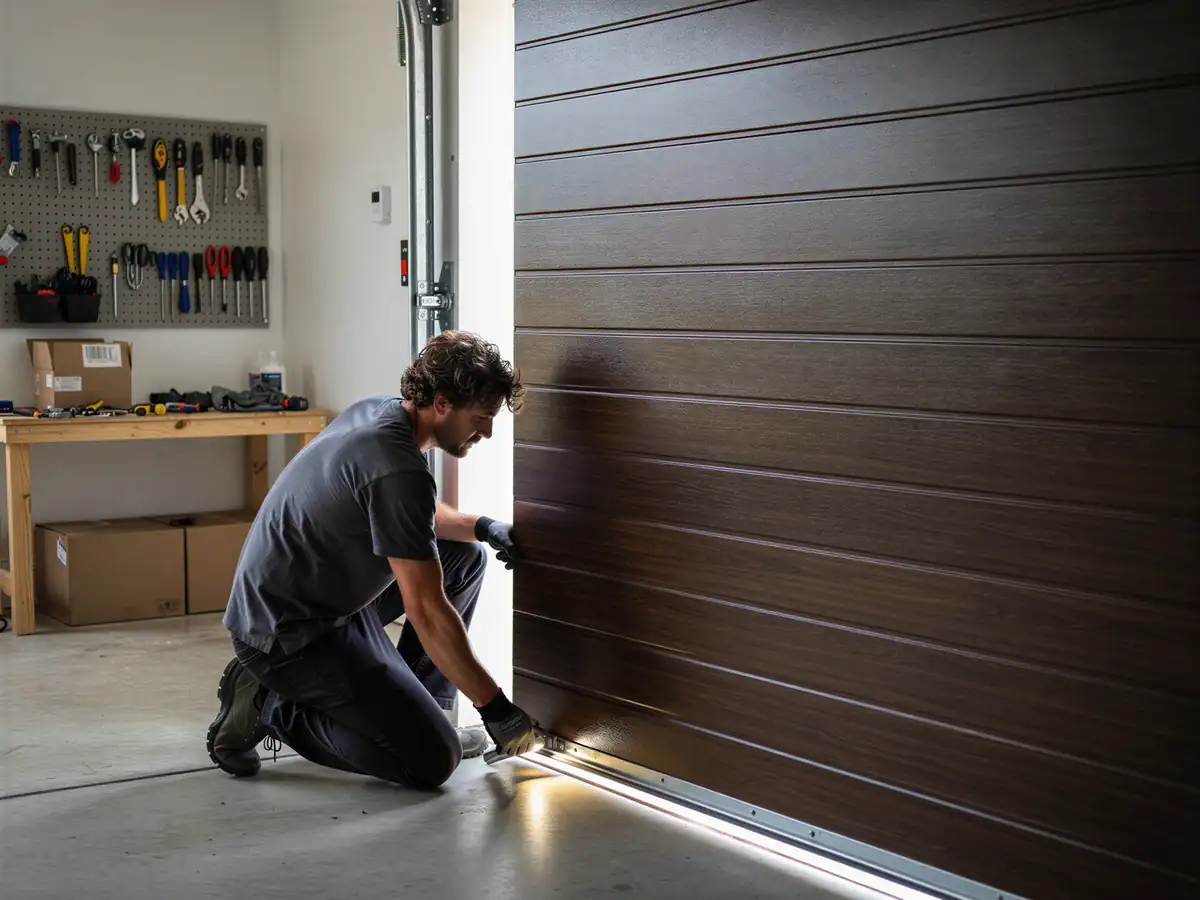
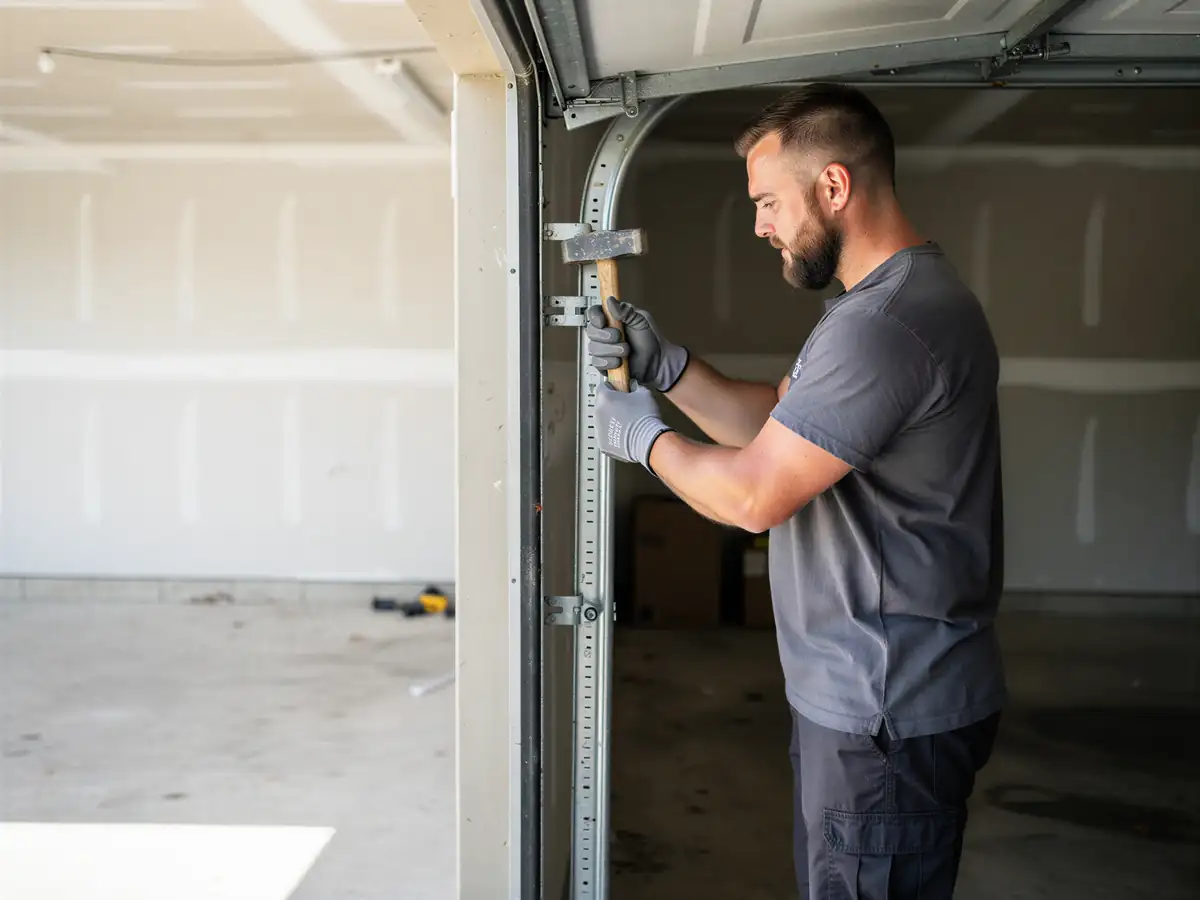
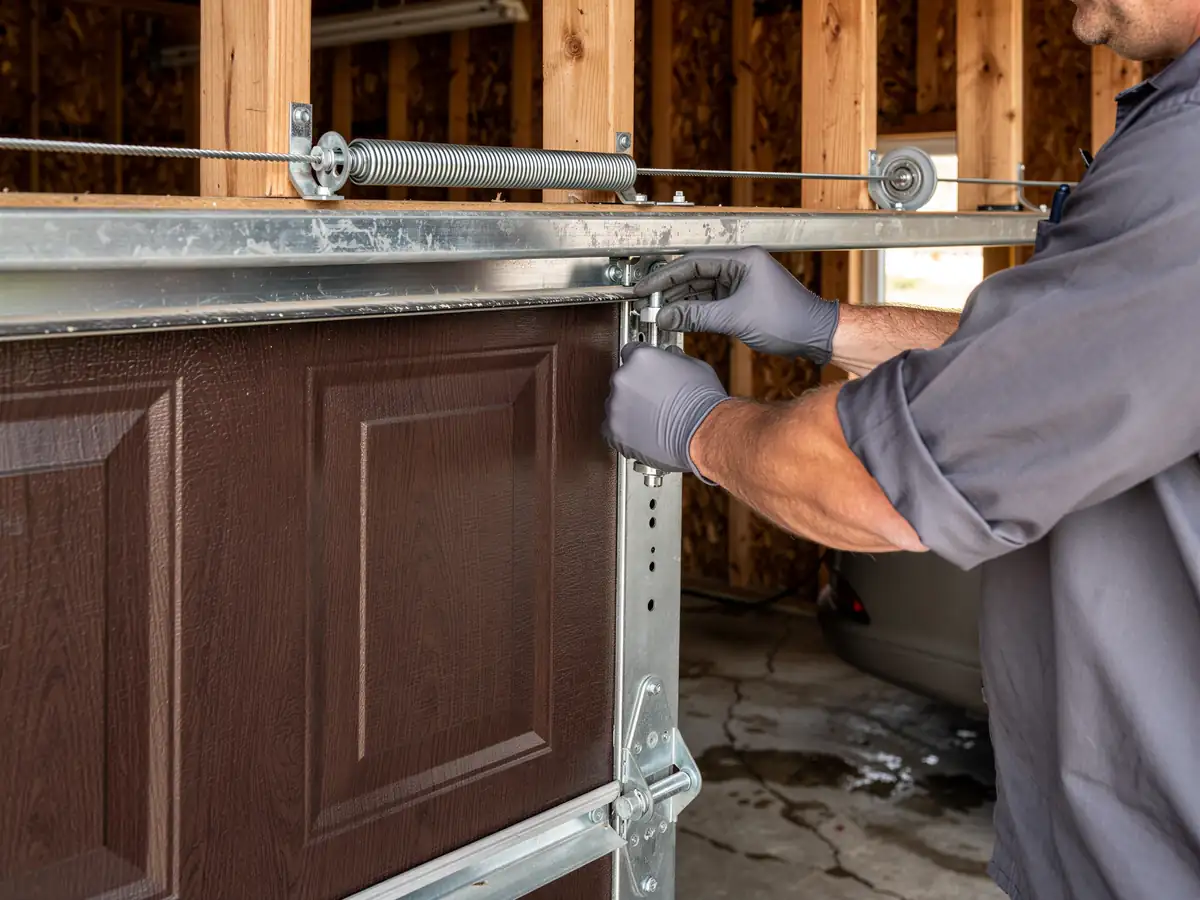
Roller replacement on a door from this era is usually a tear-down of the roller brackets on both sides of each panel, one at a time, so the door never loses its alignment in the track. On a standard double door that's eight to ten rollers plus the two at the bottom corners, which take more load and wear first. If the track itself has gone out of square - common once a bent hinge starts chewing into a nylon roller - we true the track before fitting anything new, because a fresh roller in a bent track just wears again in a few months. We travel to East Lake from Dunedin, about 10 miles out, so we bring a full roller kit on the truck rather than planning on a second trip for parts.
What Can Go Wrong
A roller that's worn but not yet broken usually just gets loud - a grinding or rattling sound as the door travels. Left alone, a cracked nylon roller can bind in the track, and if it jumps the track entirely under tension, that's a job that may also need a new section of track, not just the roller. On the newer doors typical of East Lake, the opener's safety sensors sometimes mask early signs of a roller problem because the door looks like it's moving fine right up until it jams - so a door that hesitates or jerks partway through its travel is worth a call before it fails outright, not after.