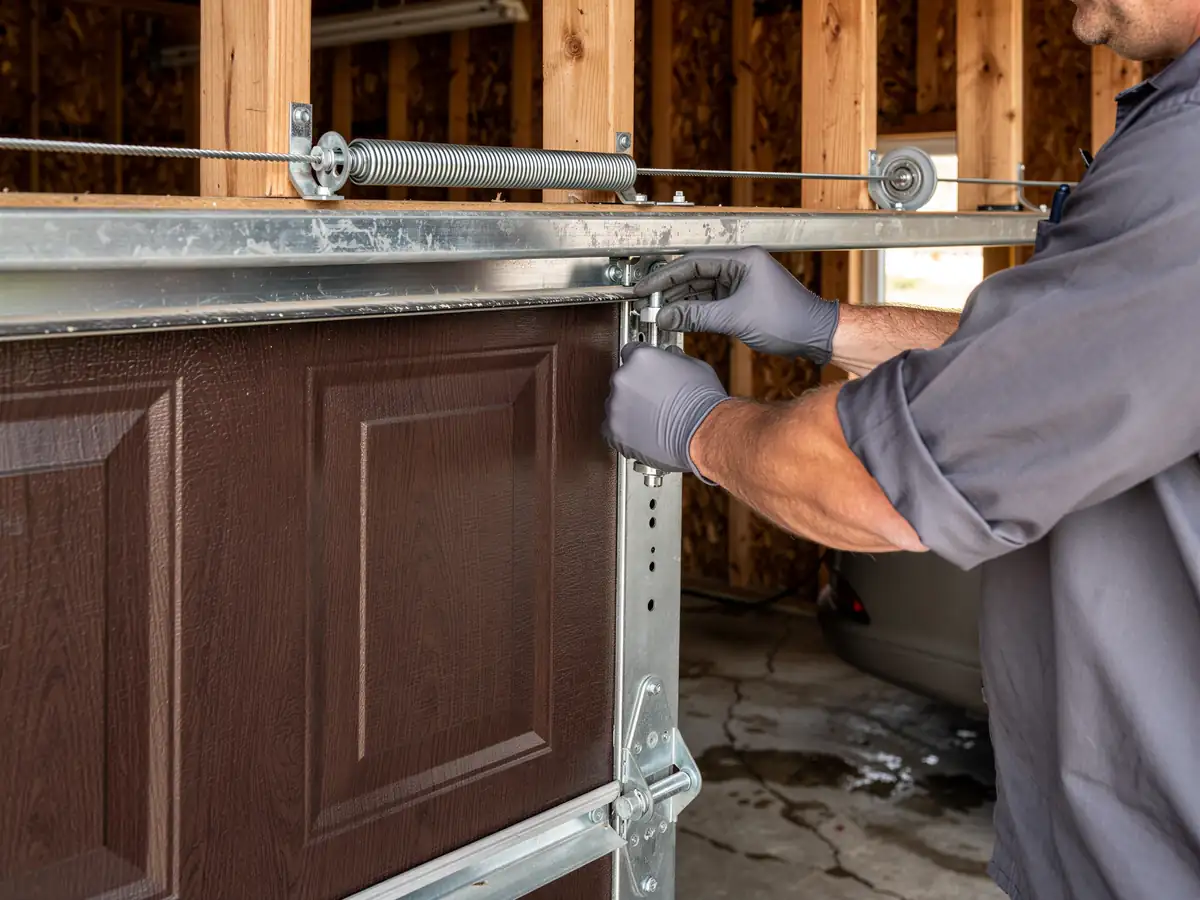
What Is on the Truck
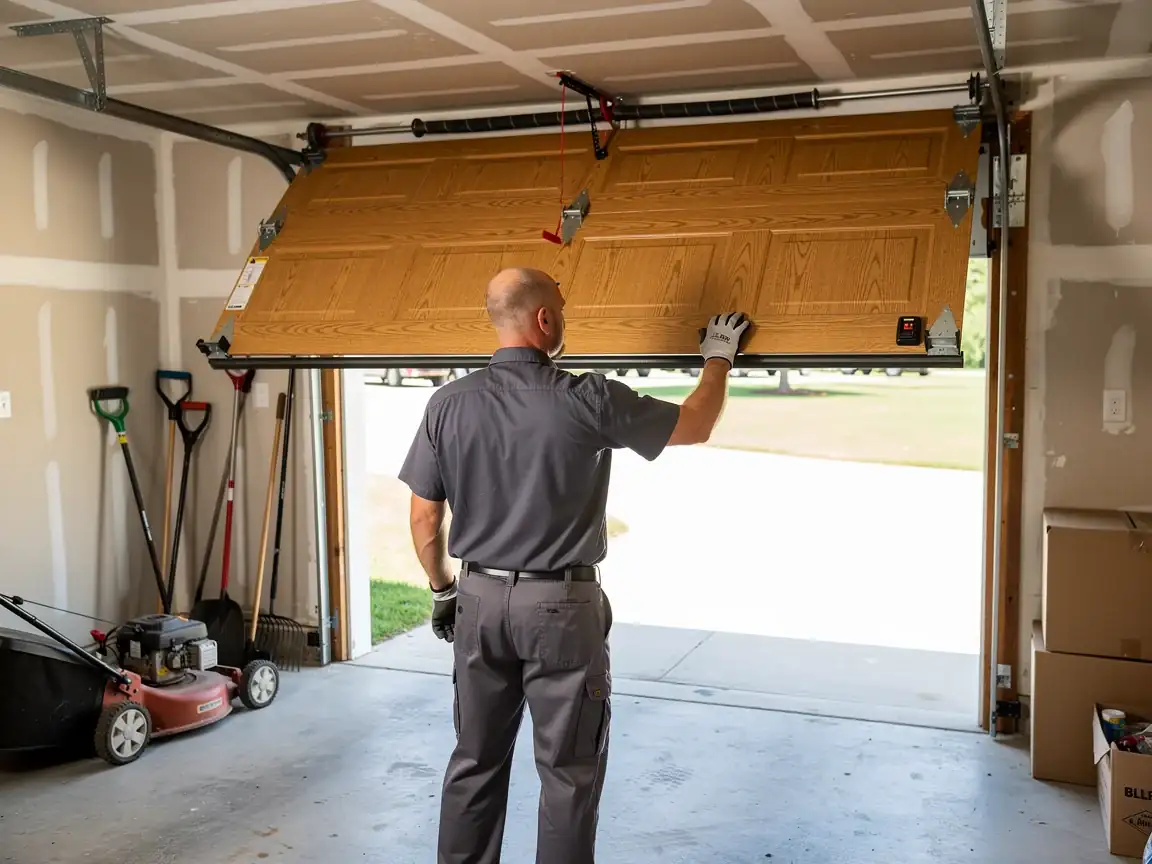
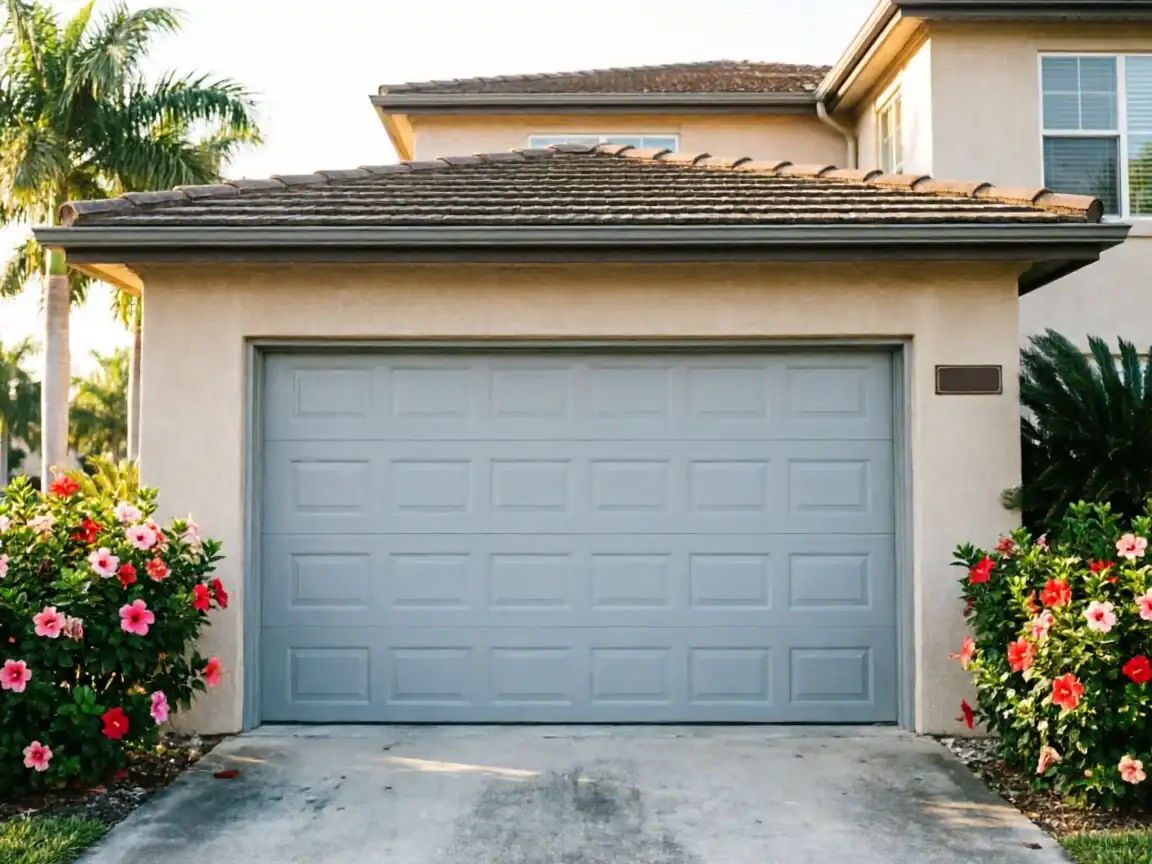
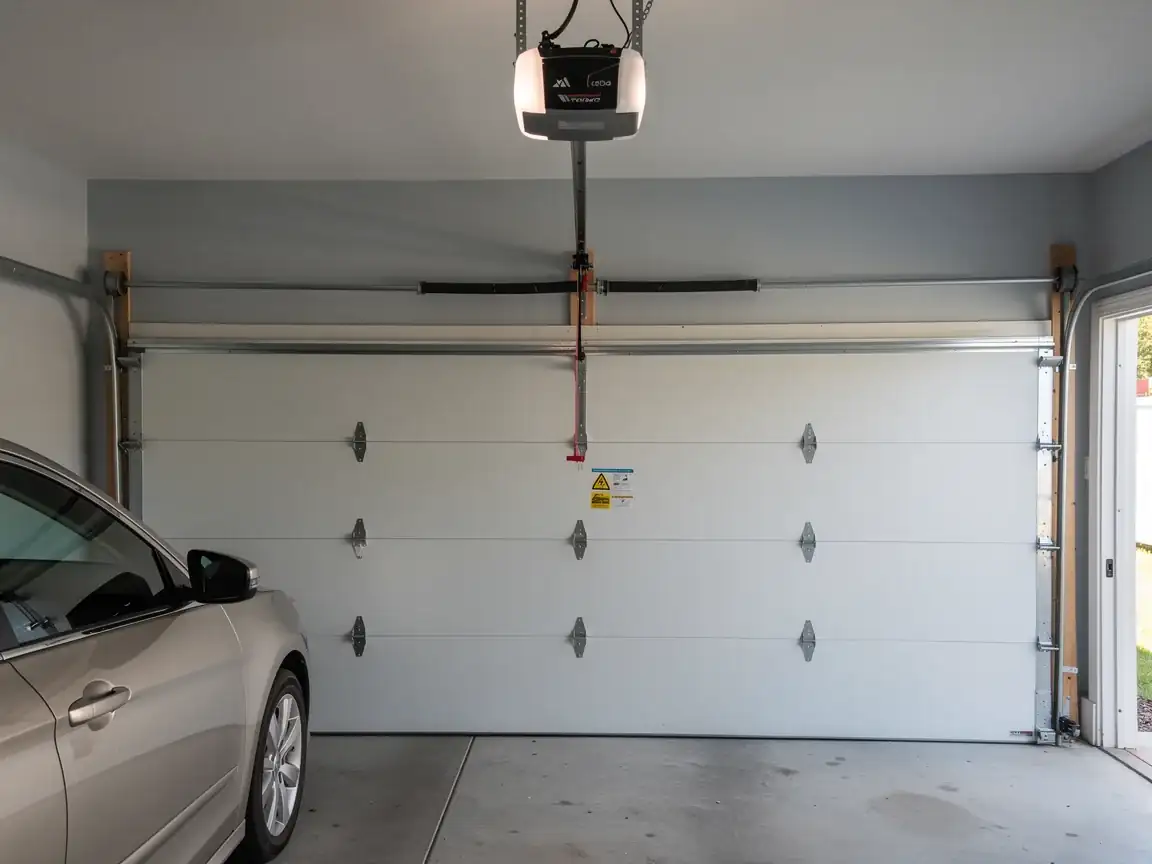
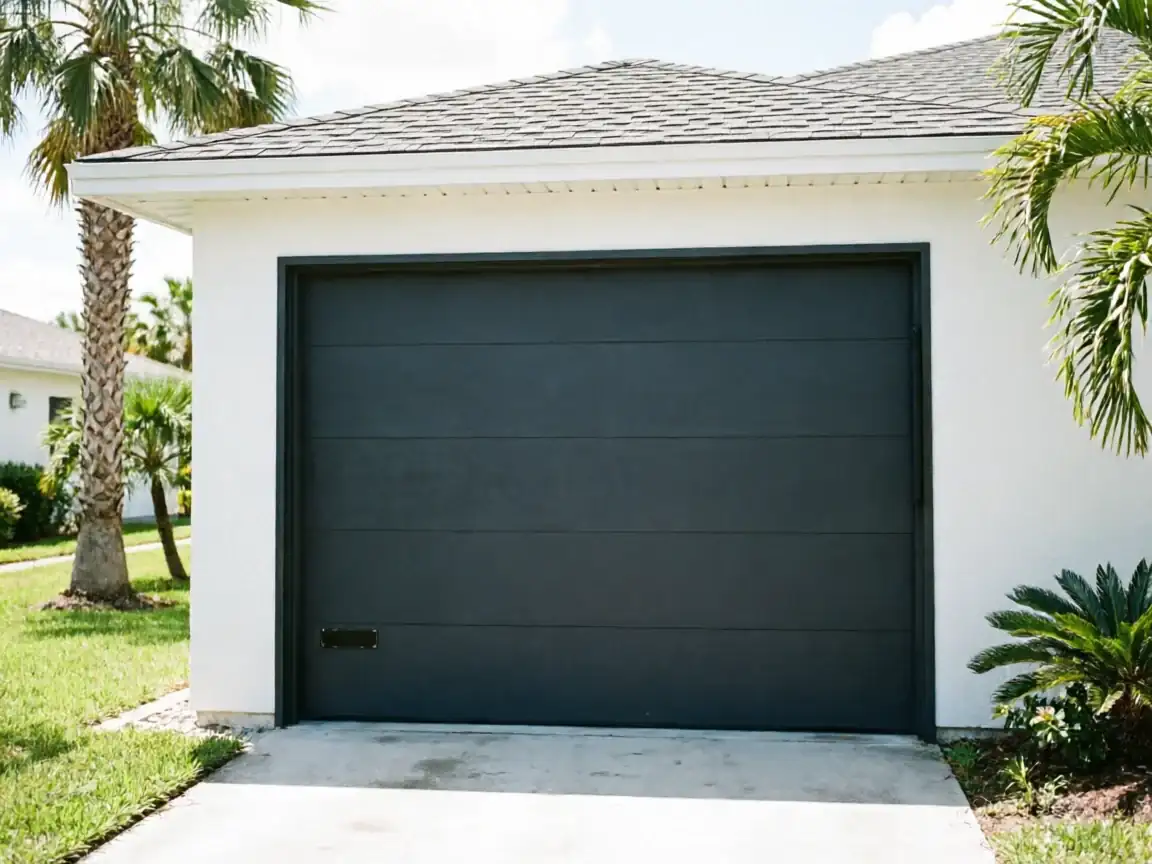
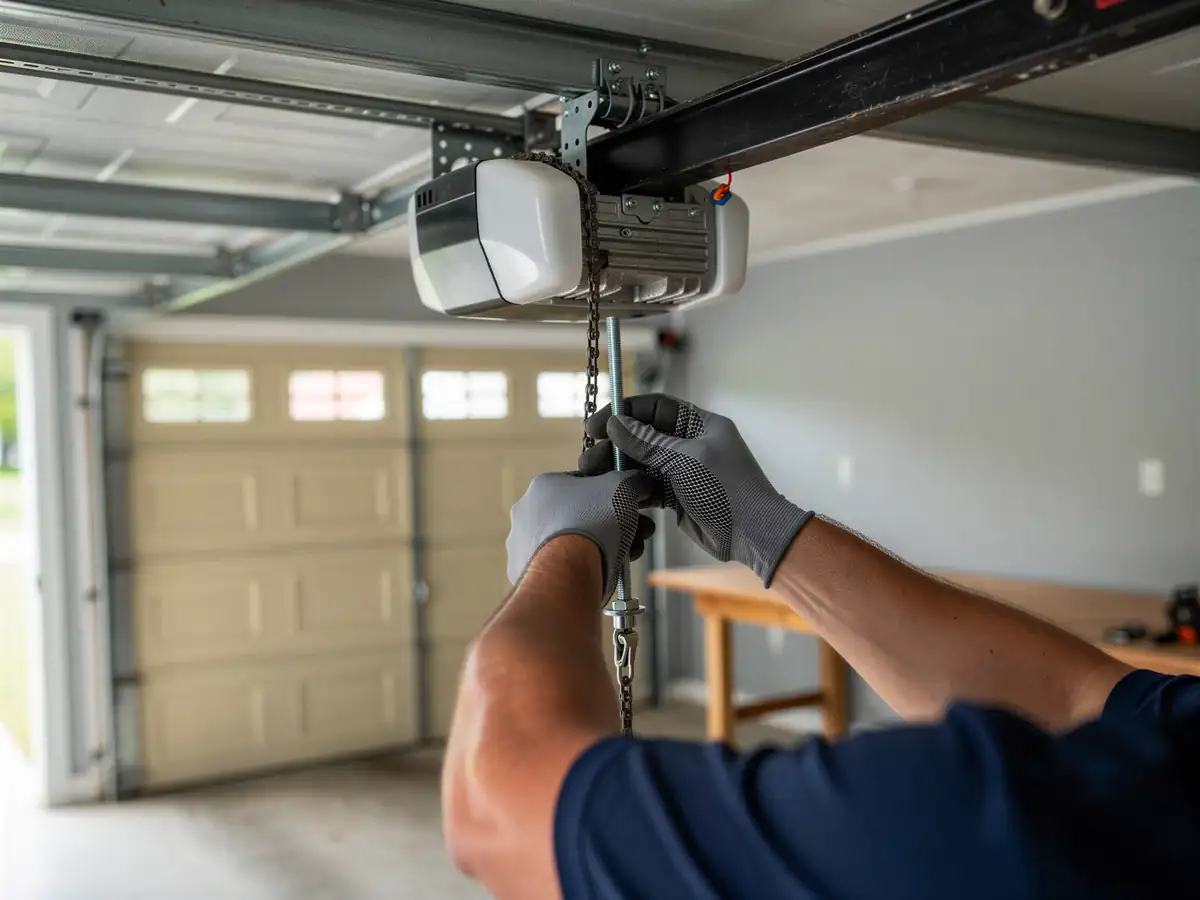
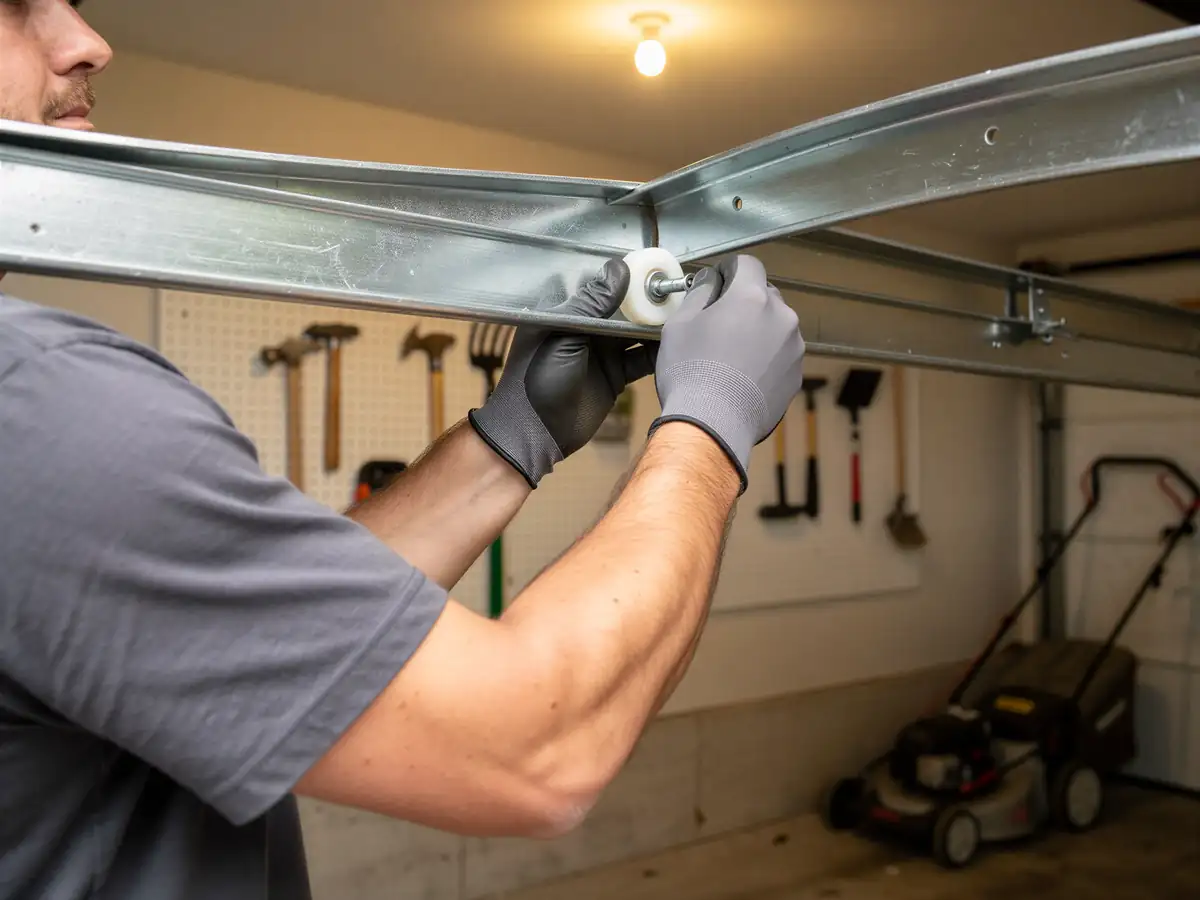
When we head out to East Lake, the truck is stocked differently than it would be for a 1960s neighborhood closer to Dunedin. Most doors here went up around 1990, so we're carrying steel panel hardware, torsion spring sets in the sizes that fit that era's door weights, and nylon rollers to replace the steel ones that were still common on builder-grade doors from that period. We also bring opener parts for chain and early belt-drive units, since a lot of East Lake garages still have their original opener or a direct replacement from the 1990s or early 2000s.
We don't load up on parts for wood panel doors or the older flush-mount track hardware you'd find on a house from the 1960s - that stock doesn't move in this neighborhood and we'd rather carry what actually fits. If your door turns out to be older than the neighborhood norm, we may need to order a part rather than carry it, and we'll say so up front instead of guessing at a fix on the spot.
What the Repair Takes
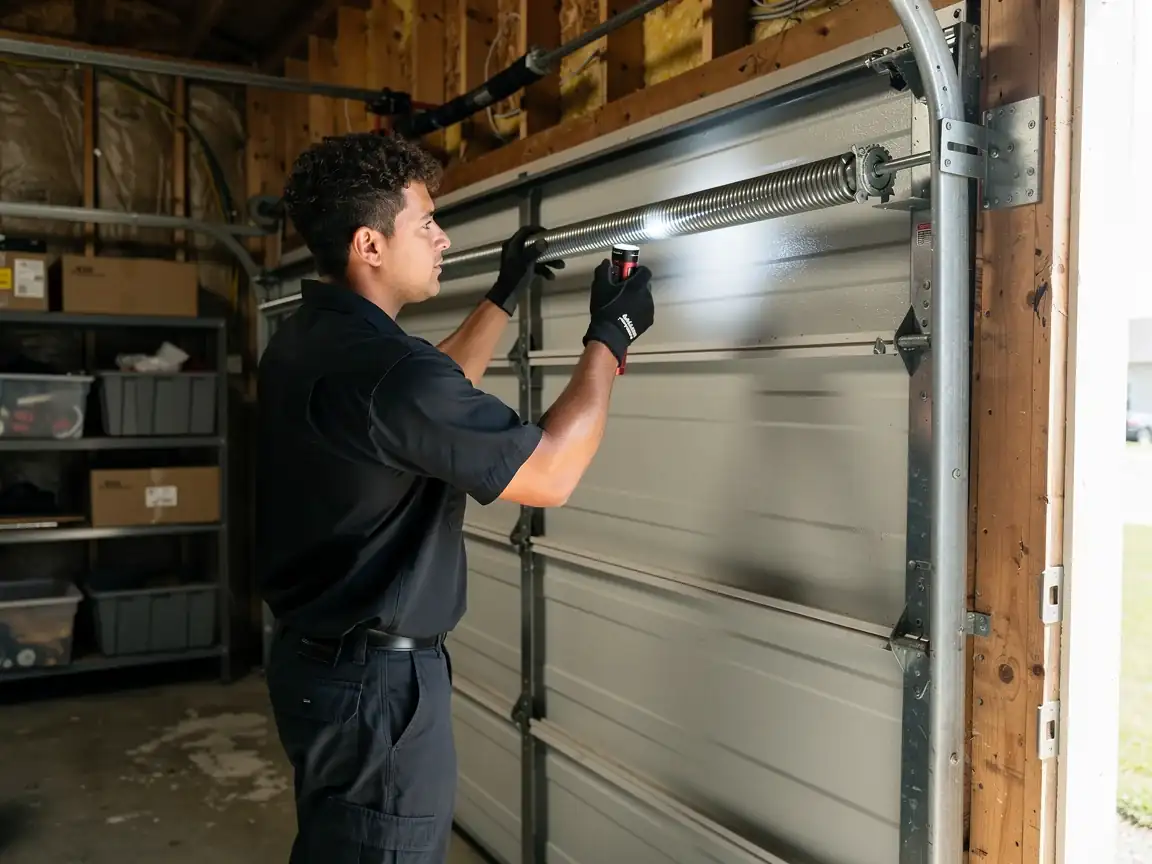
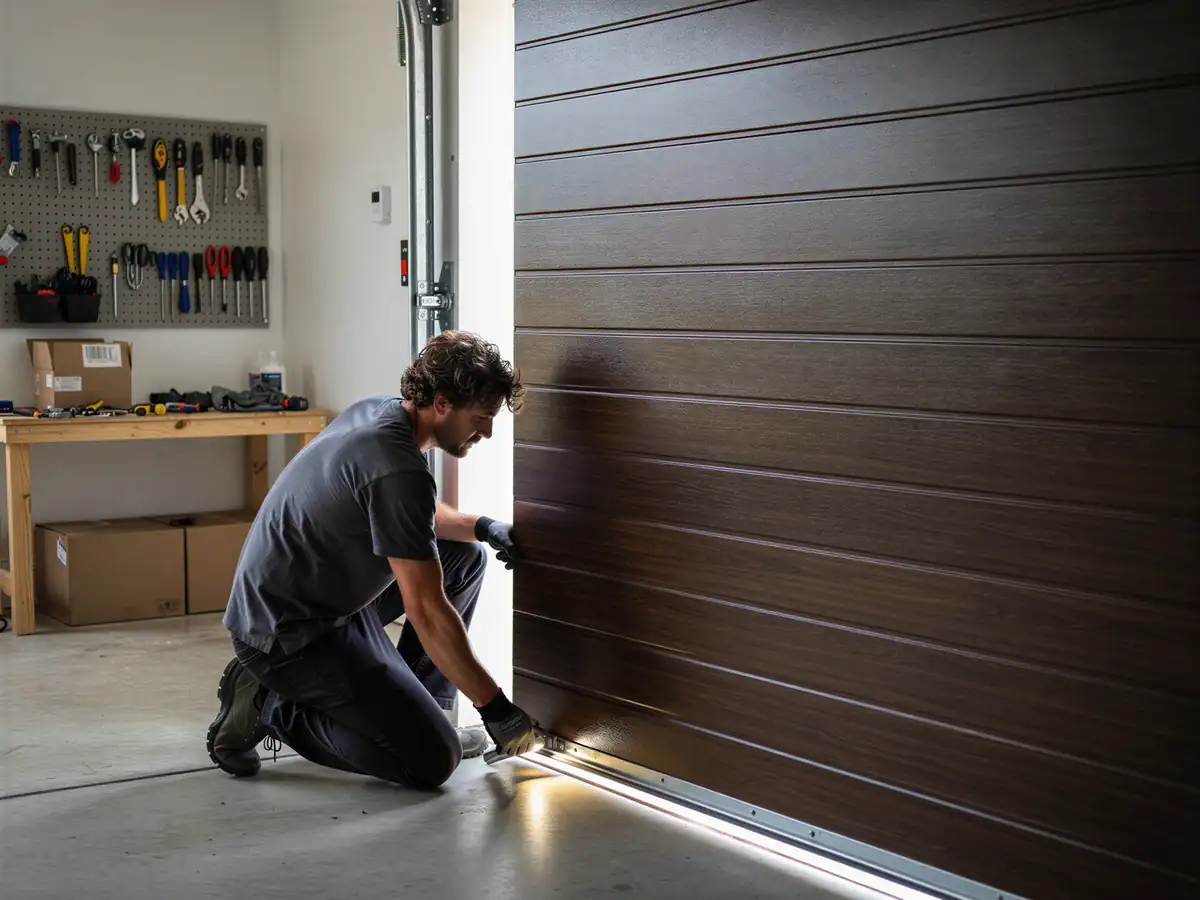
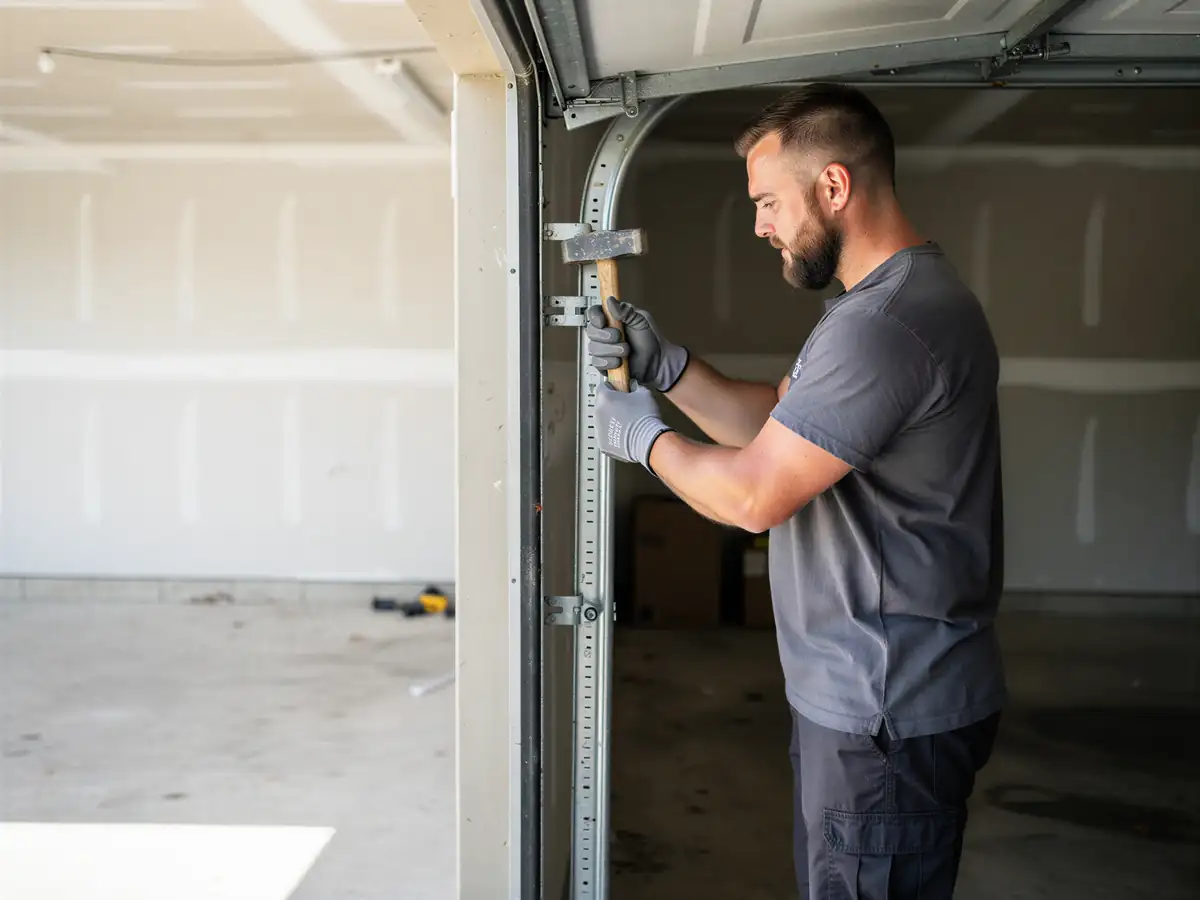
A standard maintenance visit - lubrication, hardware inspection, balance check, opener safety test - runs about the same length no matter the house. What changes in East Lake is what we find once we're in there. Doors from around 1990 are old enough that the galvanized coating on springs and track brackets is starting to show surface rust in spots, even though this area sits in a mild temperate band that's easier on hardware than a humid coastal strip would be. We tighten mounting bolts that have worked loose over three decades of daily cycling and check roller brackets for the kind of wear that shows up right around this age, not sooner.
We're about ten miles out from our shop in Dunedin, so we schedule East Lake maintenance visits rather than offering same-day drop-ins - if you need a spring replaced the same afternoon it snaps, call ahead and we'll tell you honestly whether that's doable that day or needs to go on the next run out this way.
Why It Happens Here
East Lake's housing stock sits apart from the older pockets in our service area
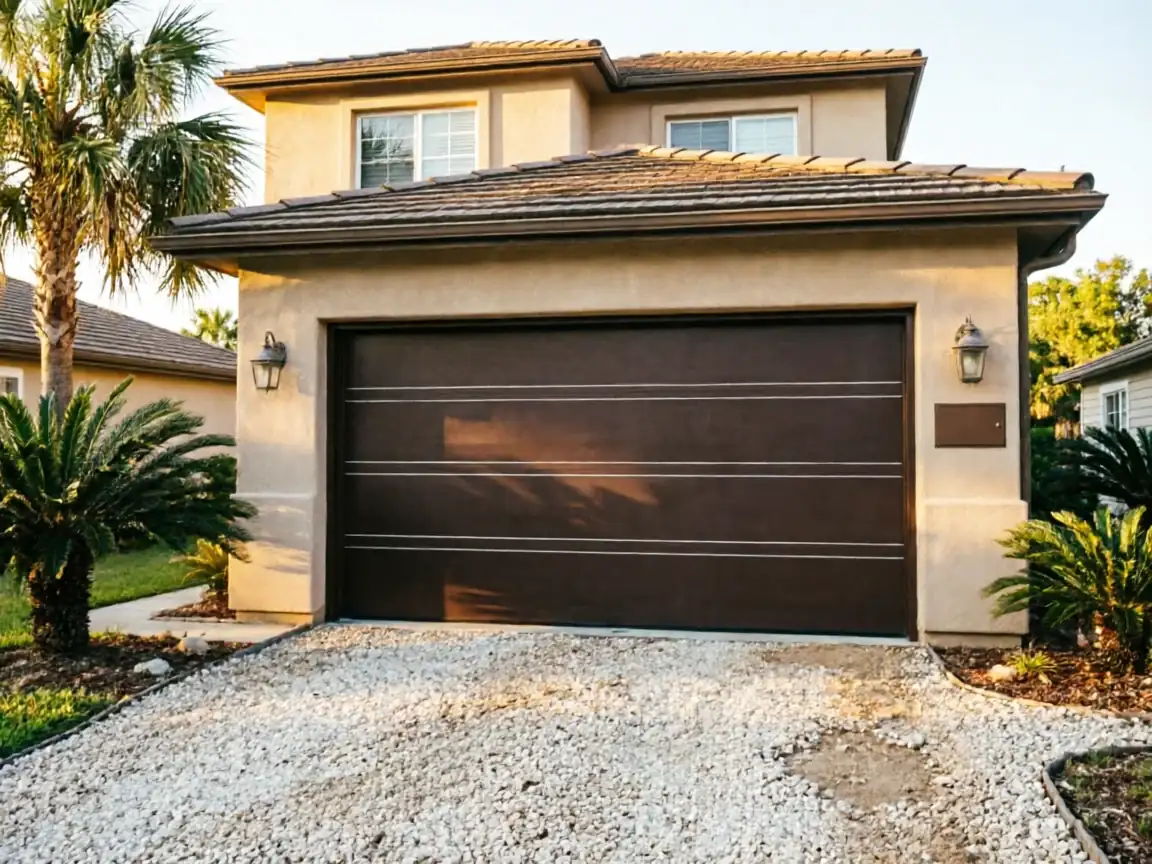
Across the wider area we cover, homes were built anywhere from 1958 to 2005, with the midpoint landing around 1979 - a spread that includes a lot of original one-piece doors on hardware nobody stocks anymore. East Lake doesn't fit that pattern. The median build year here is closer to 1990, which means sectional steel doors, torsion spring systems, and openers built for that generation of equipment are the norm, not the exception.
With roughly 13,614 households in East Lake and a median income of $93,862
Noticeably higher than the $84,220 median across the broader service area - we see more owners booking a maintenance visit before anything breaks, rather than waiting for a spring to snap or a cable to fray. That's not a complaint about anyone else's approach, just a pattern we notice when we're out this way.
- 13,614 households
What Can Go Wrong
On a door built around 1990, the failures we see most are mechanical fatigue, not manufacturing defects. Torsion springs rated for 10,000 cycles start showing their age right around the 30-year mark, and a lot of East Lake doors are sitting at or past that point now. Rollers wear unevenly if the door's slightly out of balance, which puts extra strain on the opener's gear set - and that gear set, if it's the original from the same era as the door, is often the next thing to go.
We'll also find openers that still have working motors but safety reversal systems that no longer test correctly, which is a repair we won't skip past even if the rest of the door checks out fine. One honest limit: if your spring system is the older extension-spring style rather than torsion, we may not carry an exact match on the truck for every bracket configuration, and that part sometimes has to be ordered rather than installed same visit.