What Is on the Truck
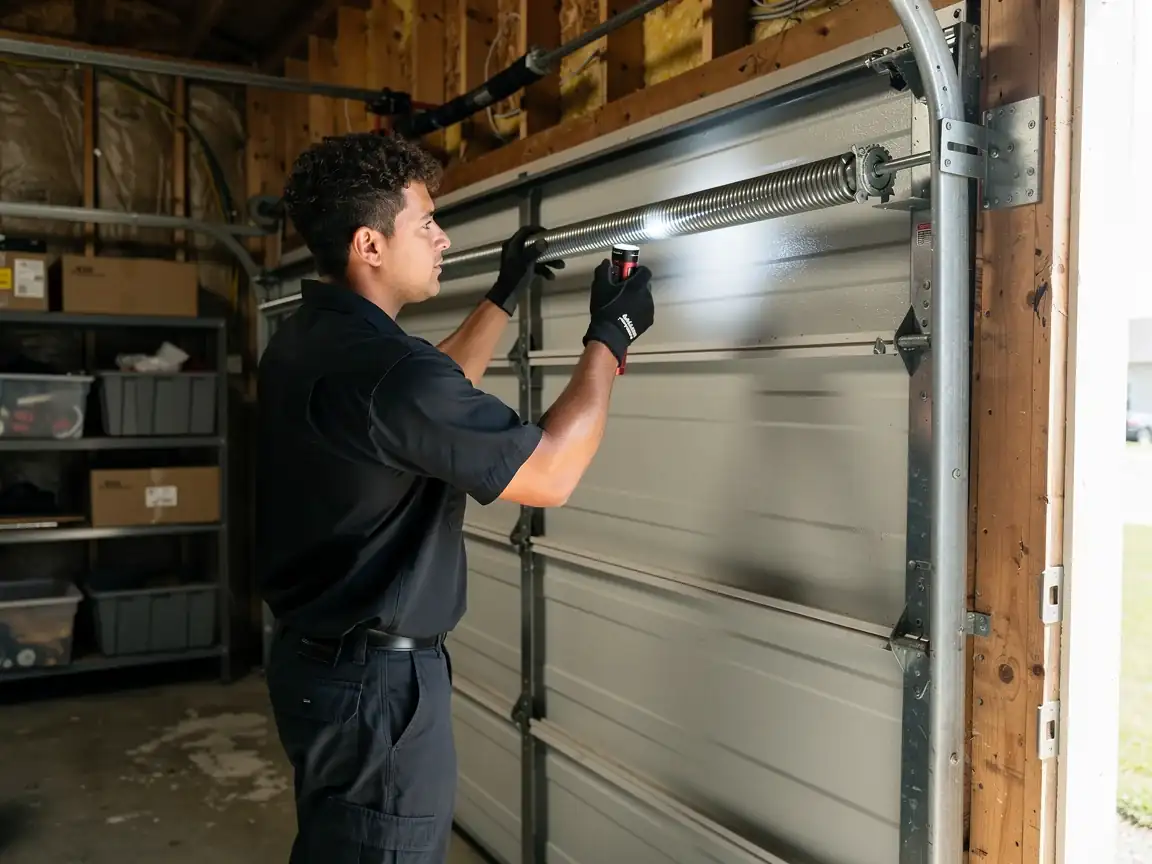
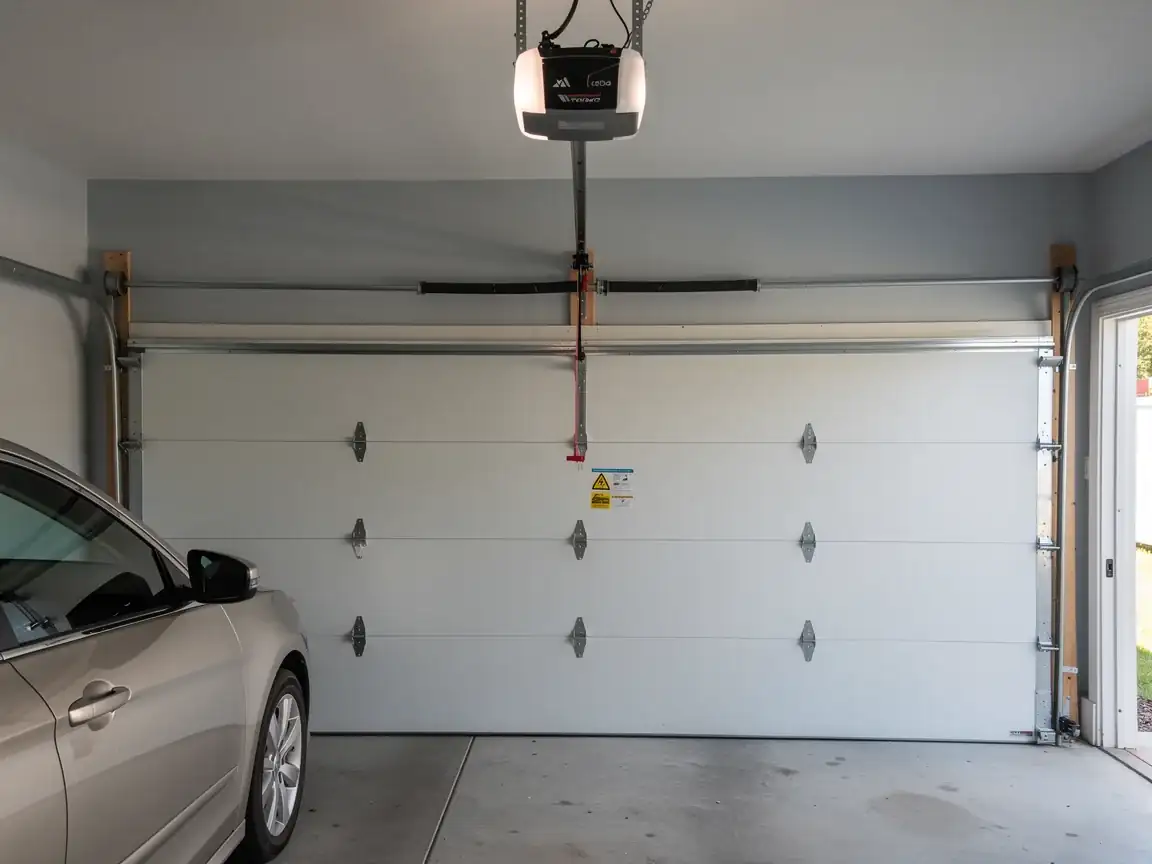
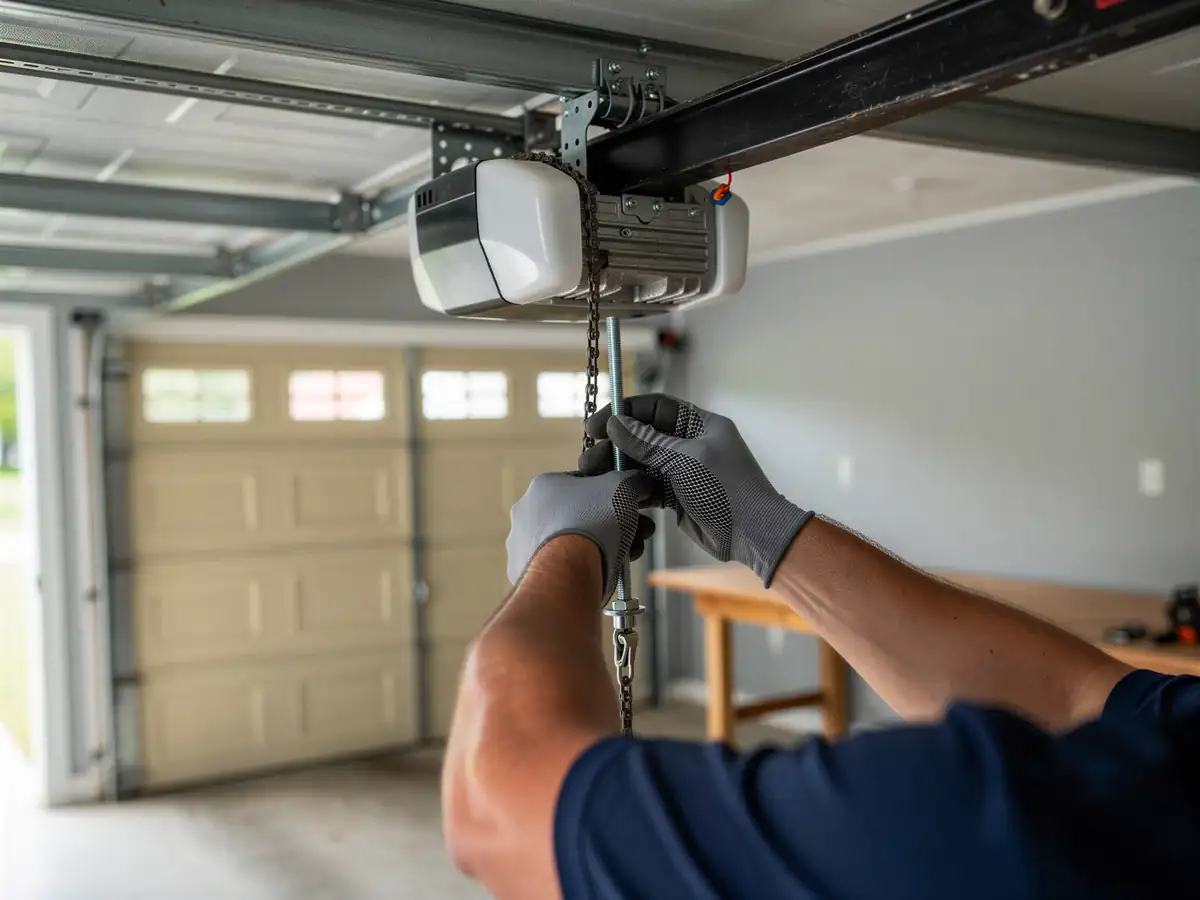
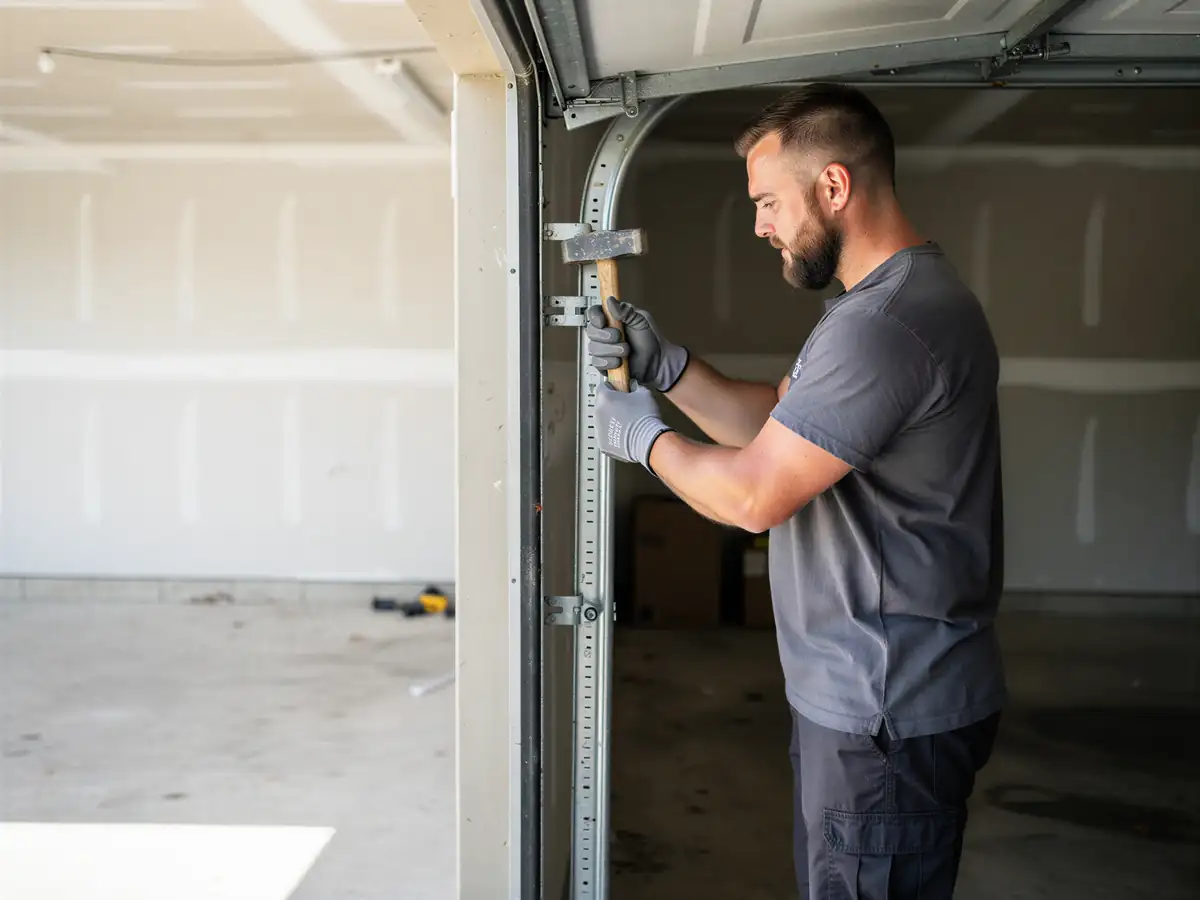
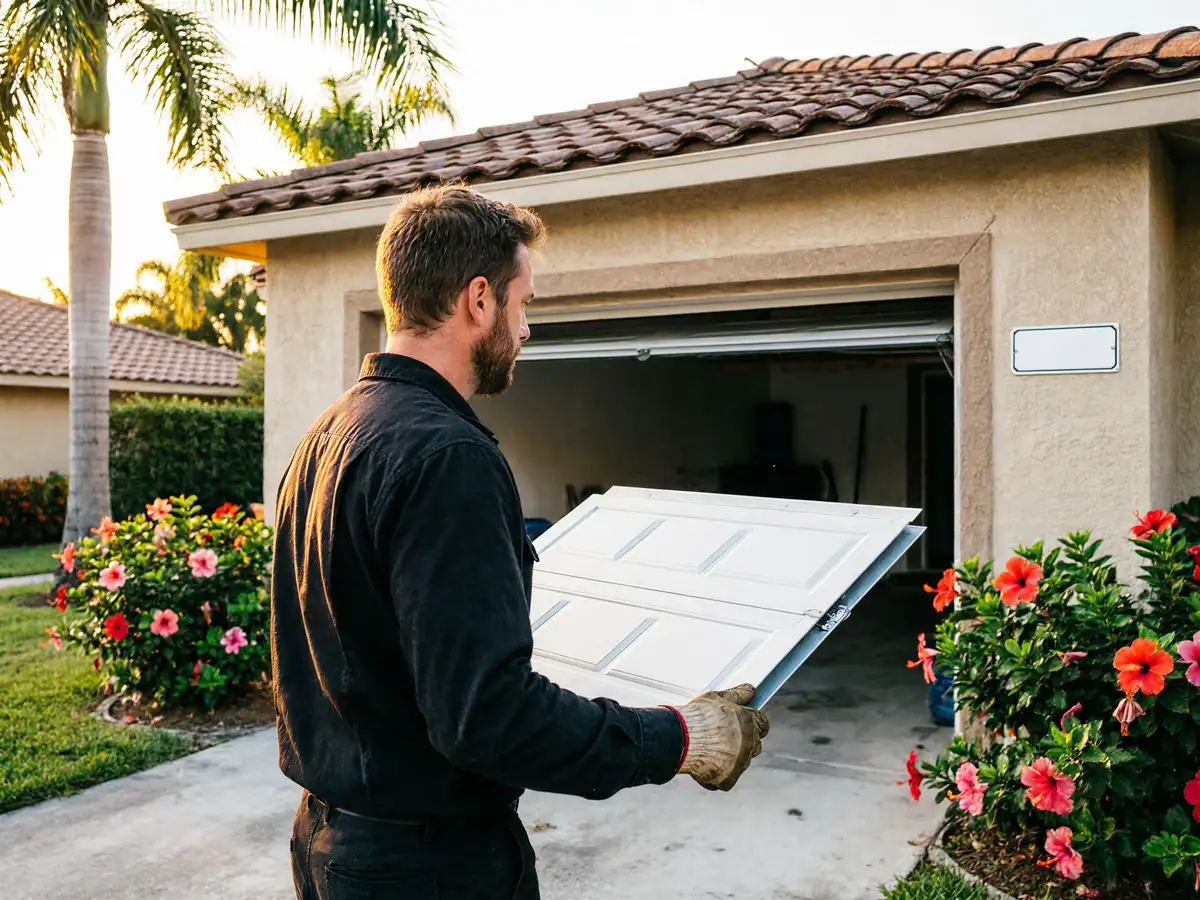
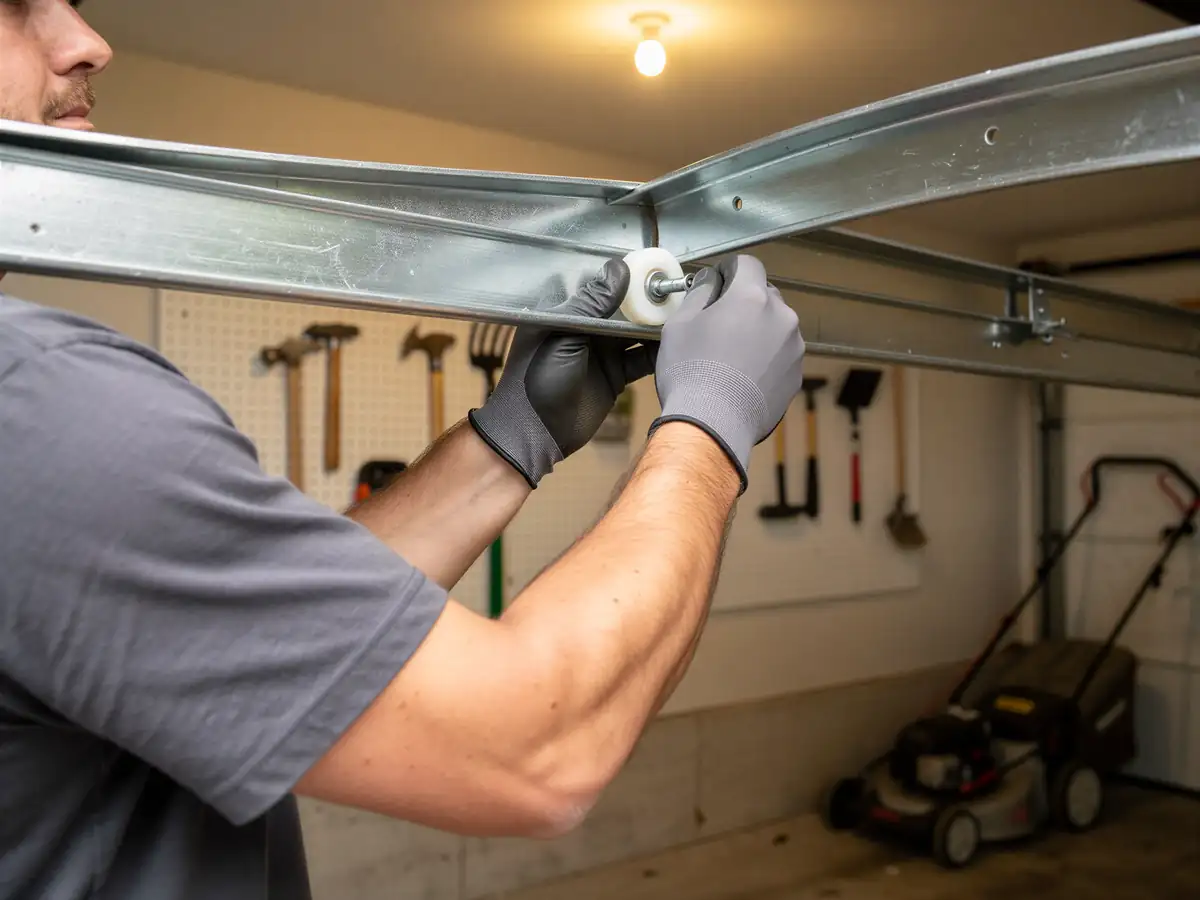
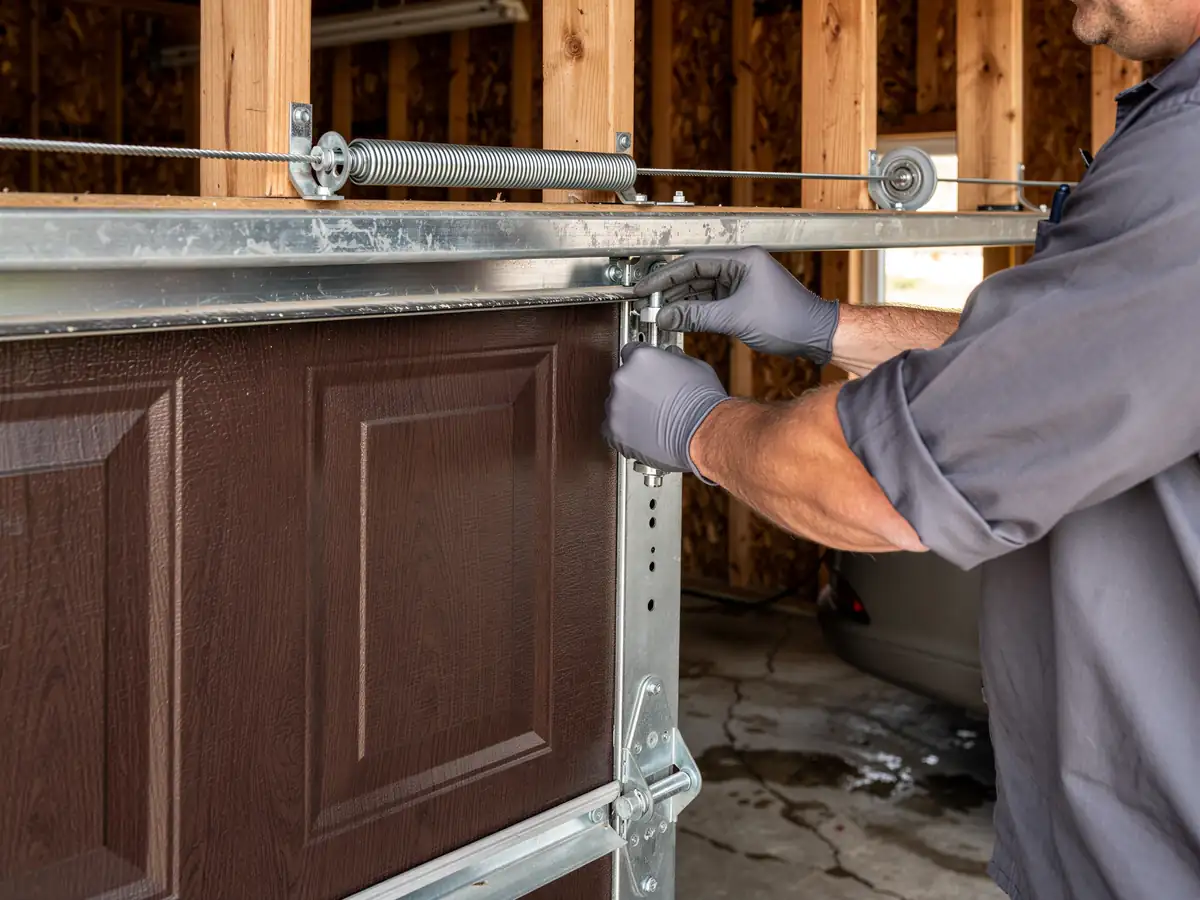
East Lake's housing stock skews newer than most of the neighborhoods we cover out of Dunedin - the median build year here lands around 1990, a good decade or more past the 1958-2005 spread across the wider service area. That matters for what we load before we head out. Houses from 1990 mostly came with the first generation of chain-drive openers with the big plastic logic boards, and steel sectional doors on galvanized torsion springs rather than the older extension-spring setups you still find on pre-1970s construction. A lot of that original 1990s hardware is still in the garage, untouched, because nothing ever failed hard enough to force a swap - it just got slower and noisier. We carry torsion springs sized for mid-size sectional doors, the common gauge of nylon roller, and circuit boards or full opener units that cross over to those early-90s drive systems, since the exact board is rarely sitting on a shelf anywhere nearby. If a part is specialty beyond that, we say so up front rather than guess on the truck.
What the Repair Takes
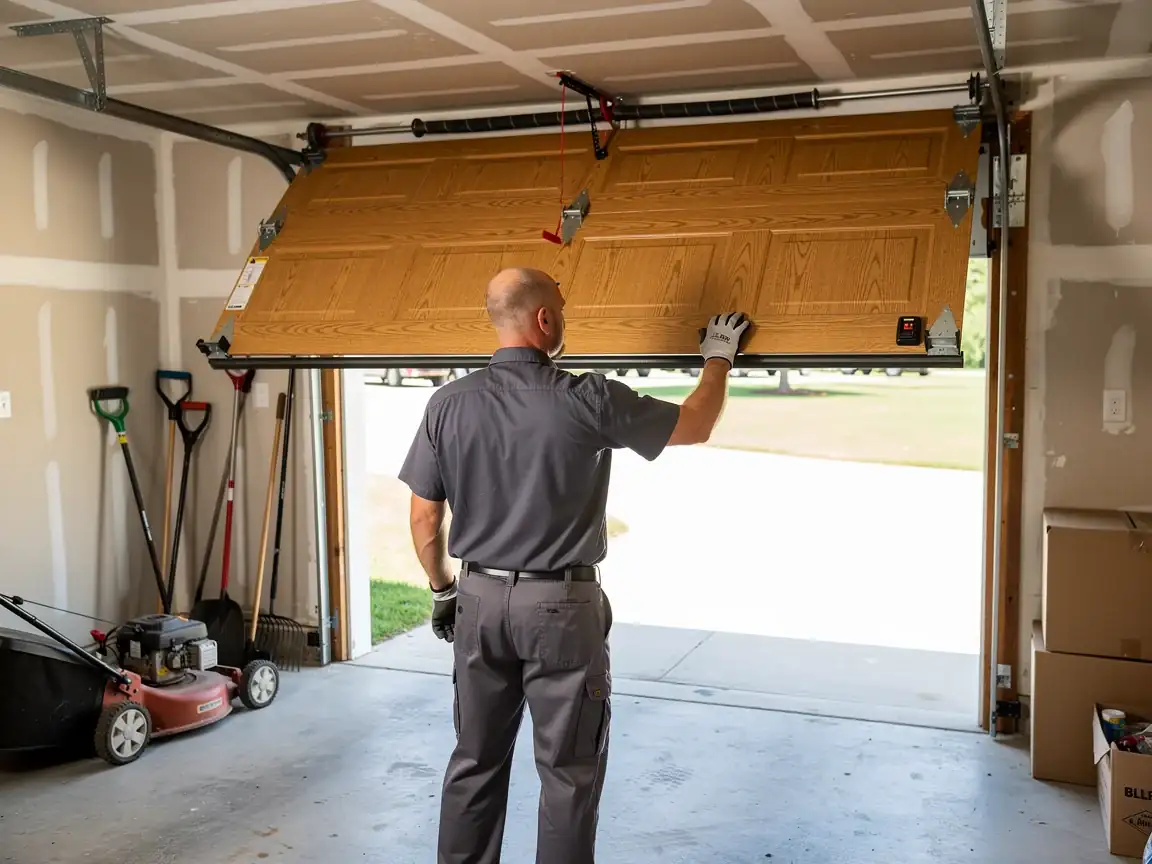
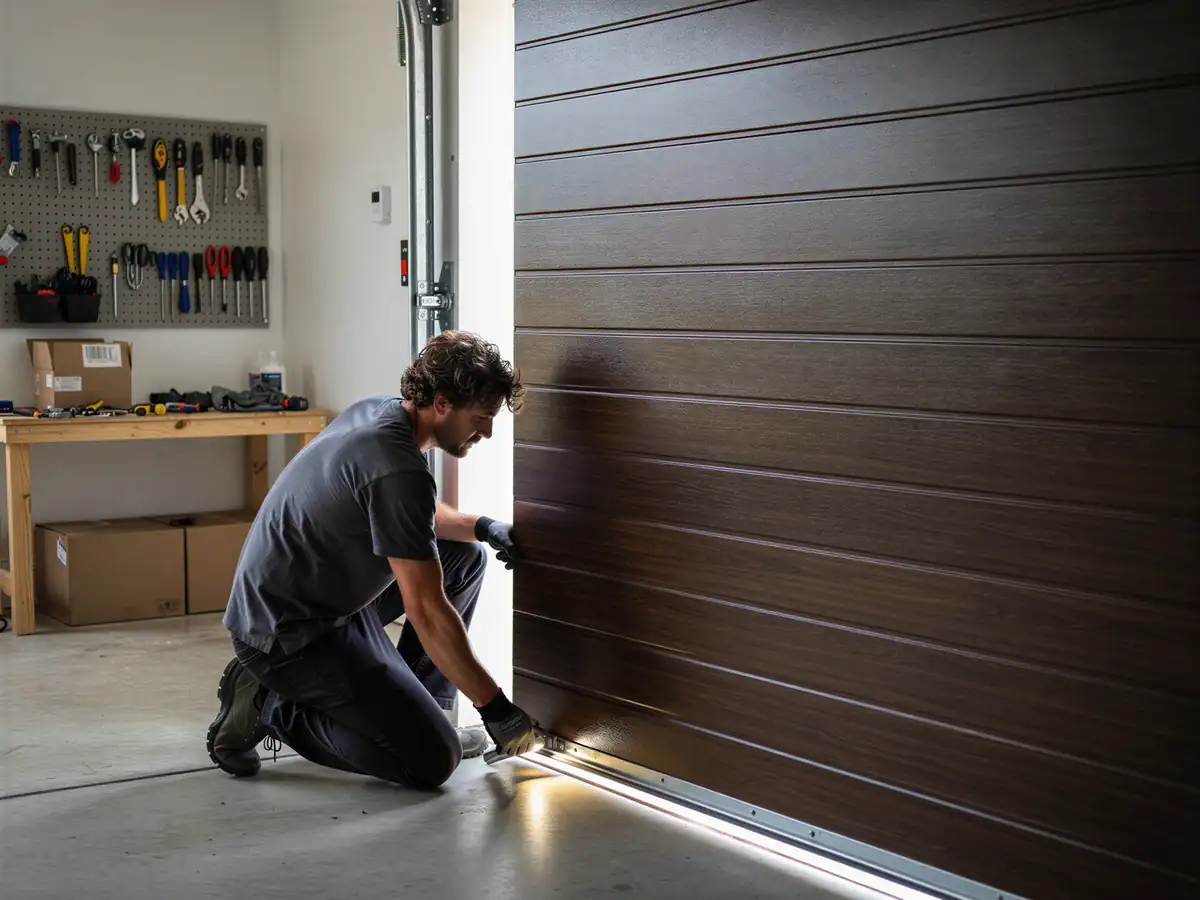
We come from Dunedin, about 10 miles out, so a same-day visit means a same-day drive, not a branch around the corner. That's worth knowing before you call expecting a 20-minute arrival. Once we're on site, a torsion spring swap or opener board replacement on a 1990s-era door is usually a predictable job - the hardware from that build era is well documented and parts aren't hard to source, unlike the older extension-spring doors from the 1960s stock elsewhere in the county. What takes longer is diagnosing intermittent opener faults, which show up more in houses this age because the original logic boards are now over thirty years old and failing in ways that mimic a bad sensor or a dead remote. We test in order - sensors, wiring, then board - instead of replacing the expensive part first. If a part isn't something we stock, we'll tell you the lead time rather than make you wait and wonder.
What Can Go Wrong
The most common call from this part of the area is a spring that finally lets go after three decades of cycling - it rarely gives warning beyond a loud bang. Second most common is an opener that's stopped responding to the remote half the time, which almost always traces back to a logic board from the original 1990 install rather than the motor itself. We also see photo-eye sensors knocked out of alignment, more from a stray bike or mower than from weather, since the climate here doesn't push foundations or frames around much. One honest note: if the opener is original to a 1990-built house, we'll usually recommend replacing the whole unit rather than hunting down an exact board match - at that age, chasing a single part can cost more in time than a new opener, and we'll say so instead of running up a bill on a dying system.