What Is on the Truck
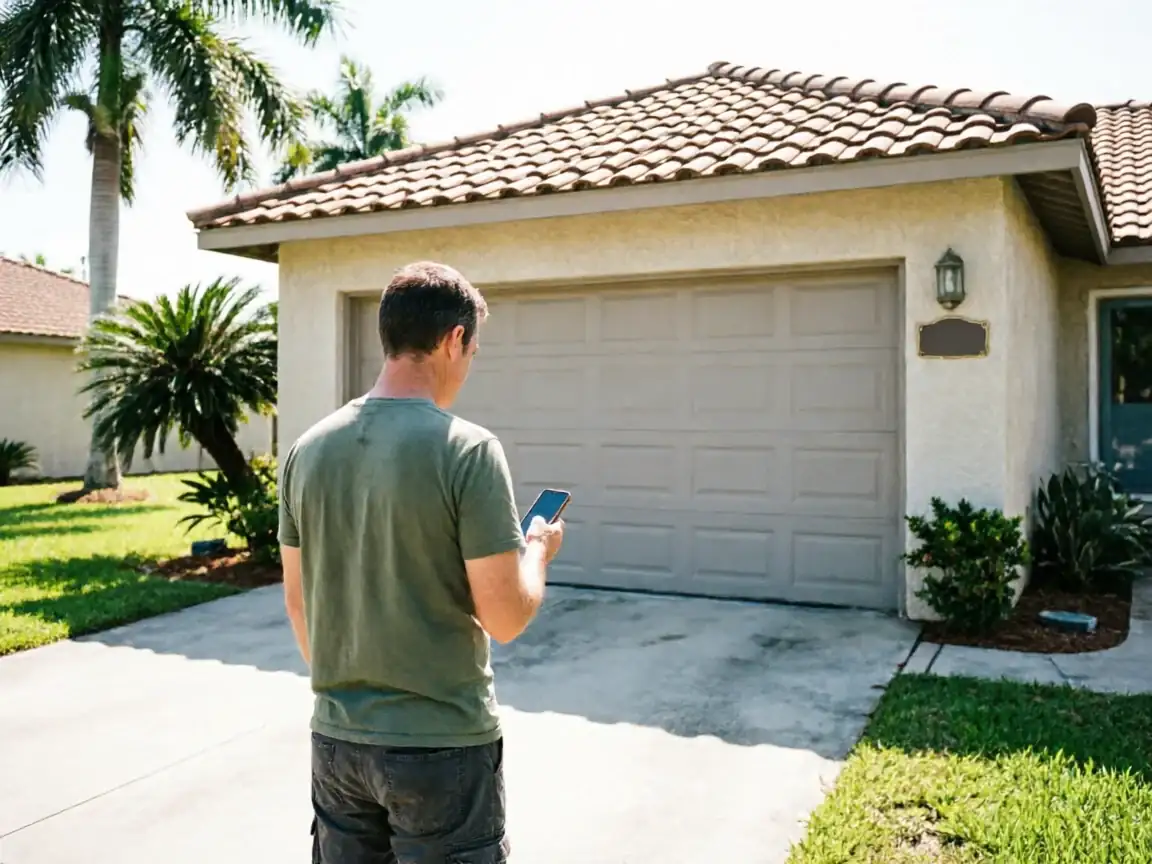
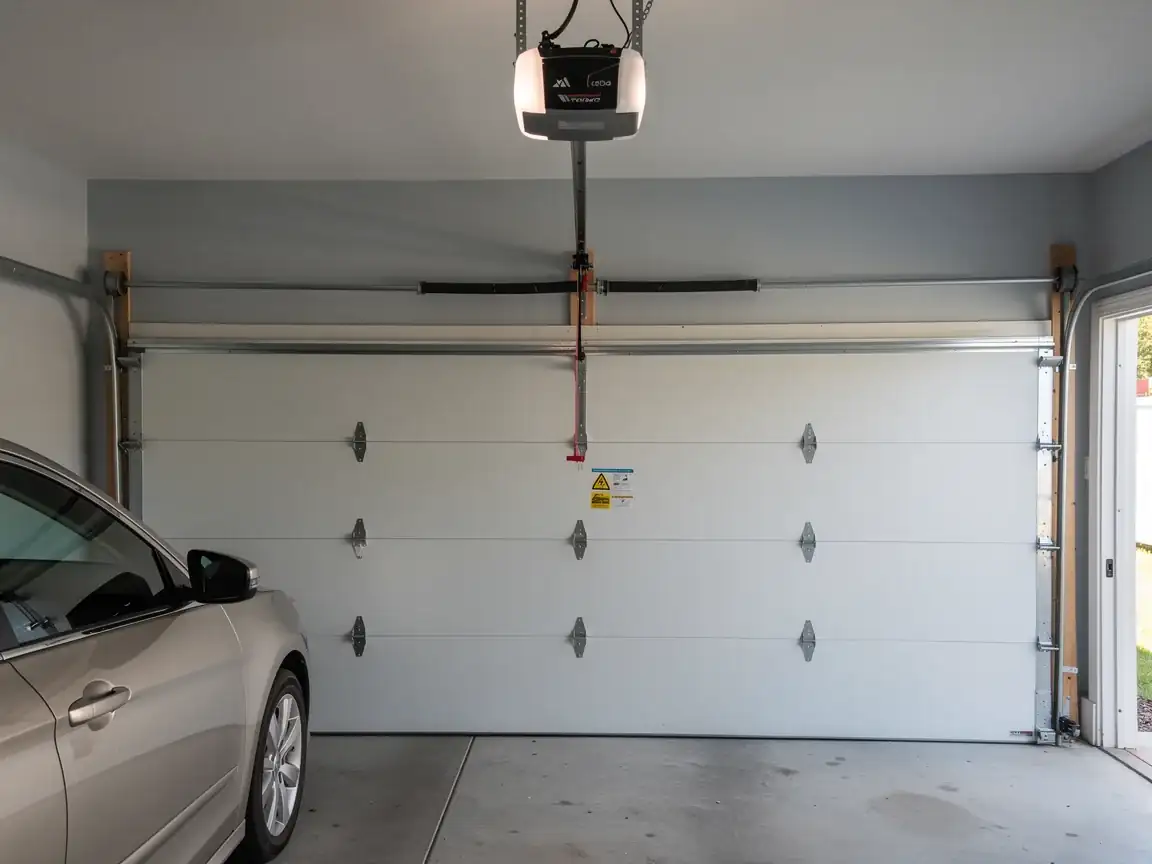
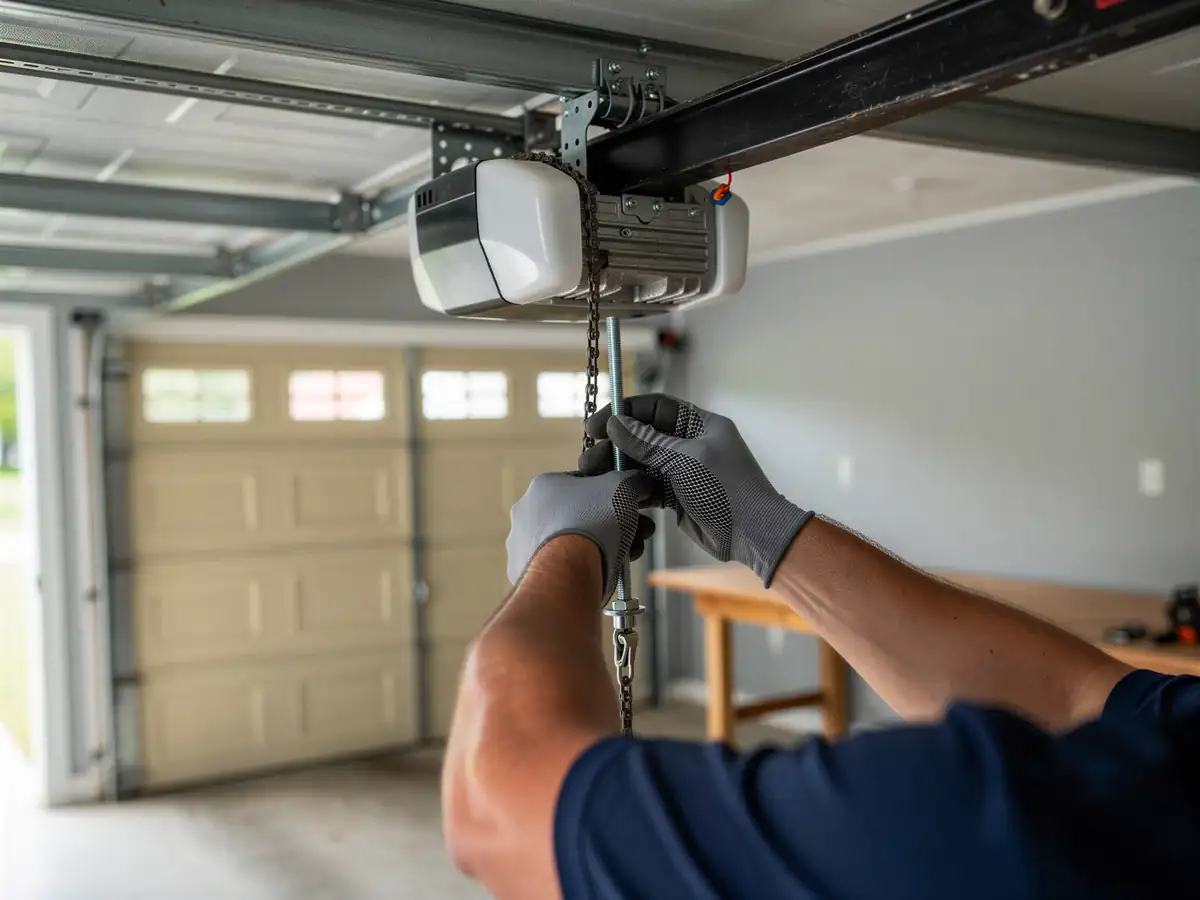
East Lake has about 13,614 households, smaller than some of the other suburbs we cover out of Dunedin, but the opener calls here run consistent because so many houses were built in the same stretch of years. With a median build year around 1990, a lot of the openers still in these garages are original equipment or a first replacement from the late 90s or early 2000s. That means the truck carries circuit boards sized for half-horsepower chain-drive units, drive gears and sprockets that strip under years of chain tension, logic boards for the control panels used before modern rolling-code remotes became standard, and a stock of safety-sensor pairs since that's the single most common failure on openers from this era. We also carry universal remotes and keypads, because matching a 30-year-old opener to a factory remote often isn't possible anymore. We travel from Dunedin, about 10 miles out, so the truck is loaded before the call, not restocked mid-route.
What the Repair Takes
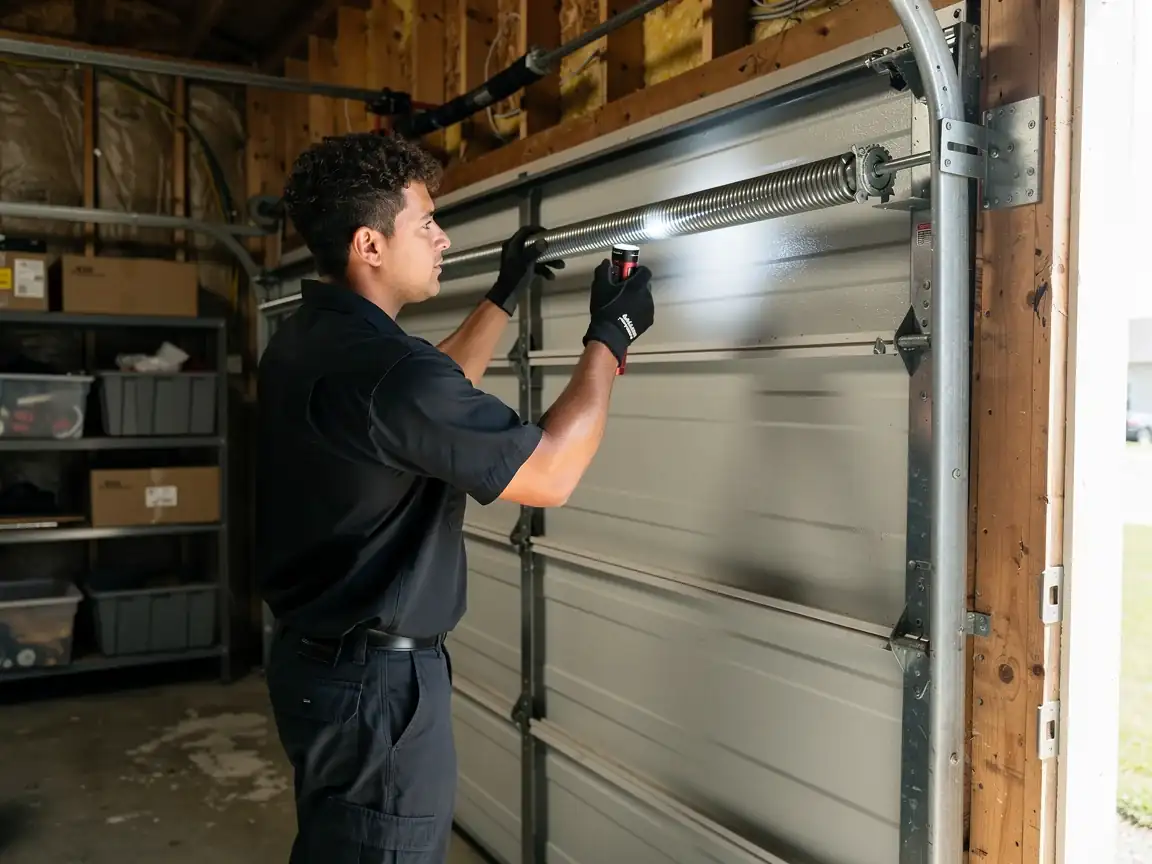
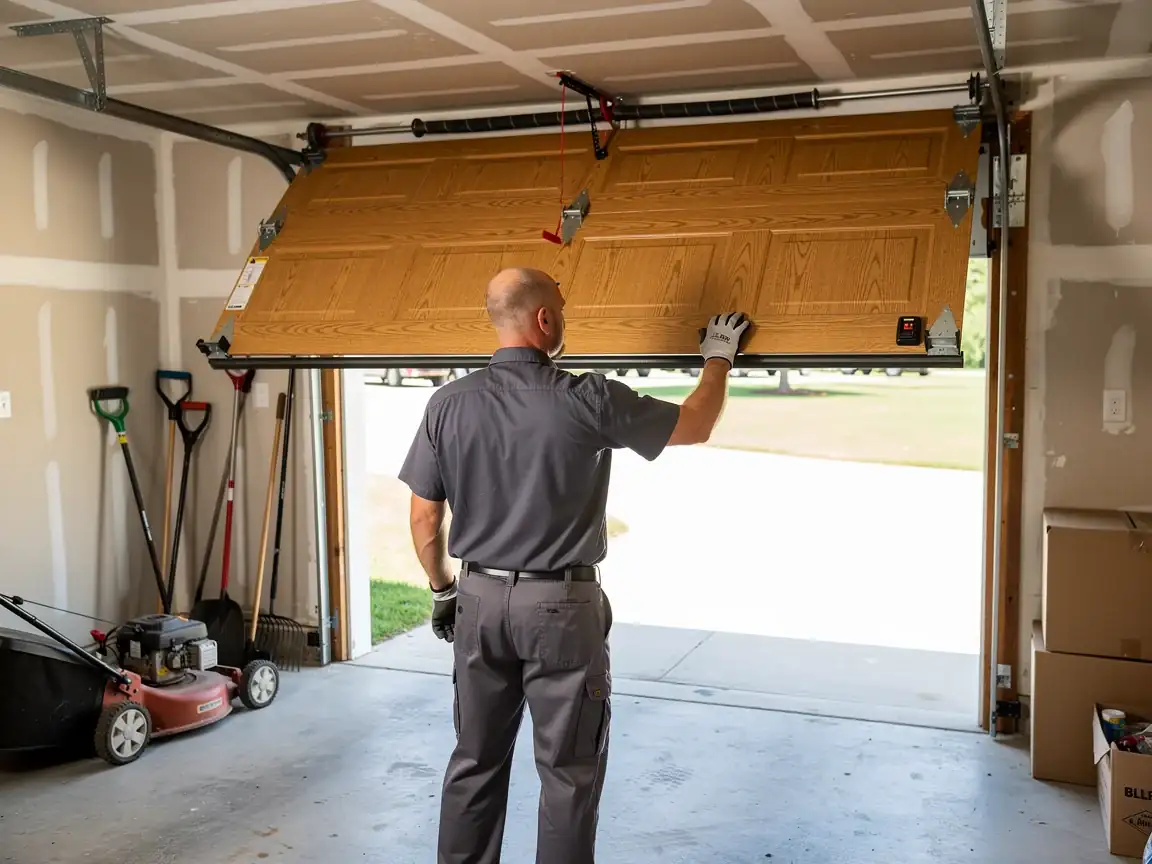
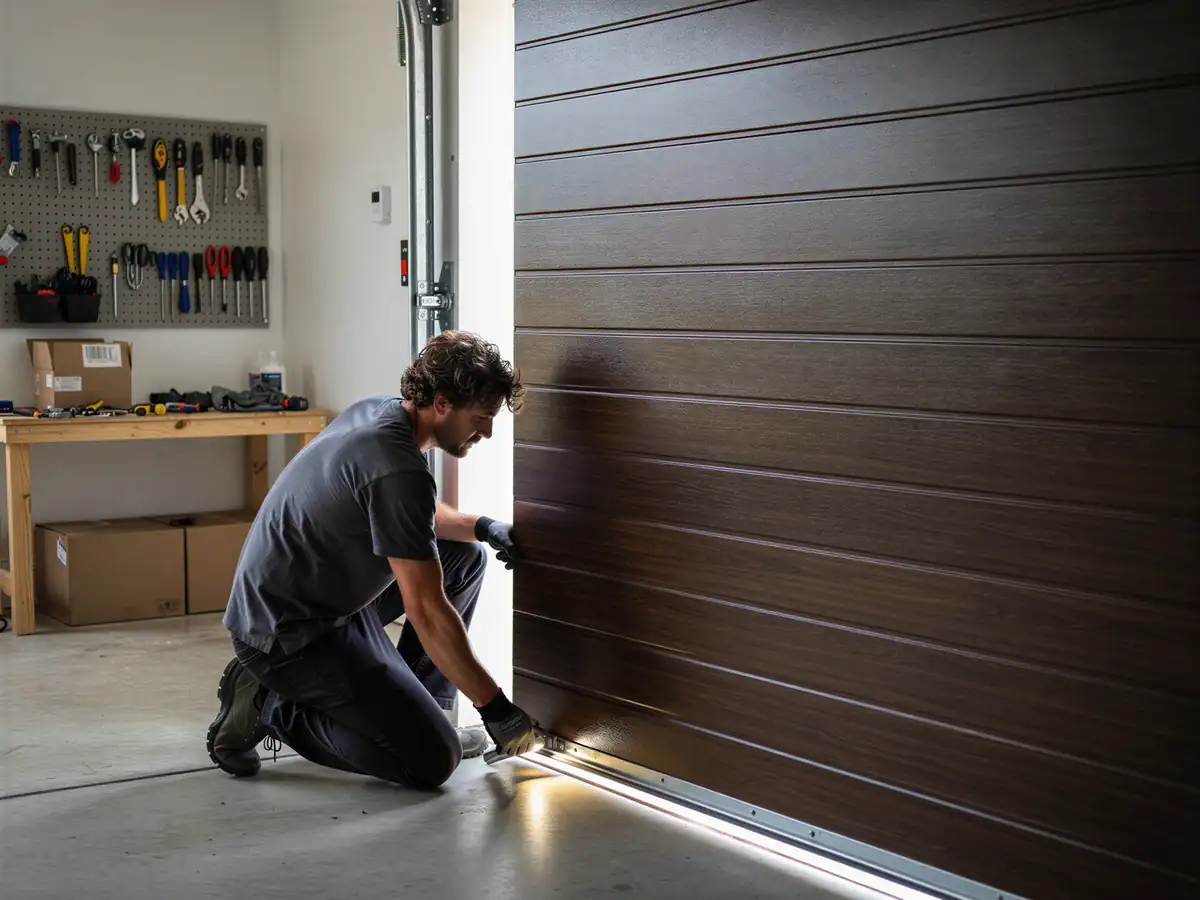
On a house built around 1990, the first question isn't "what's broken" so much as "is the board even still made." A lot of openers from that build window used control boards that have since been discontinued by the manufacturer, which means the repair sometimes becomes a motor-head swap rather than a board swap. We test the logic board, the capacitor, the drive mechanism, and the safety sensors separately, because East Lake's housing age means these parts fail independently more often than together. If the motor itself is sound and it's a board or sensor issue, that's usually a same-visit fix. If the whole head unit is the original 1990s install and the housing has gone brittle, we'll tell you straight that a new opener costs less over time than chasing parts for a unit nobody stocks anymore. Mild coastal-belt temperatures here don't stress openers the way extreme heat or cold would elsewhere, so most of what we see is ordinary wear, not climate damage.
What Can Go Wrong
The most common mistake we see is someone replacing the safety sensors themselves and getting the alignment just slightly off, which makes the opener refuse to close at all rather than fail safely. Another is swapping in a universal remote that isn't matched to the opener's rolling-code generation, which works for a week and then stops syncing. On the older 1990s-era units specifically, we sometimes find a board that's been replaced with a part from a different model line, because the original was unavailable, and the mismatch causes intermittent failures that look like a bad motor but aren't. We won't guess at a fix over the phone for these - mismatched parts need an in-person check. And we'll say plainly that if the opener is the original from a 1990-built house and the gearset is worn down to metal shavings, that's a replacement job, not a repair, no matter how good the board still tests.