What Is on the Truck
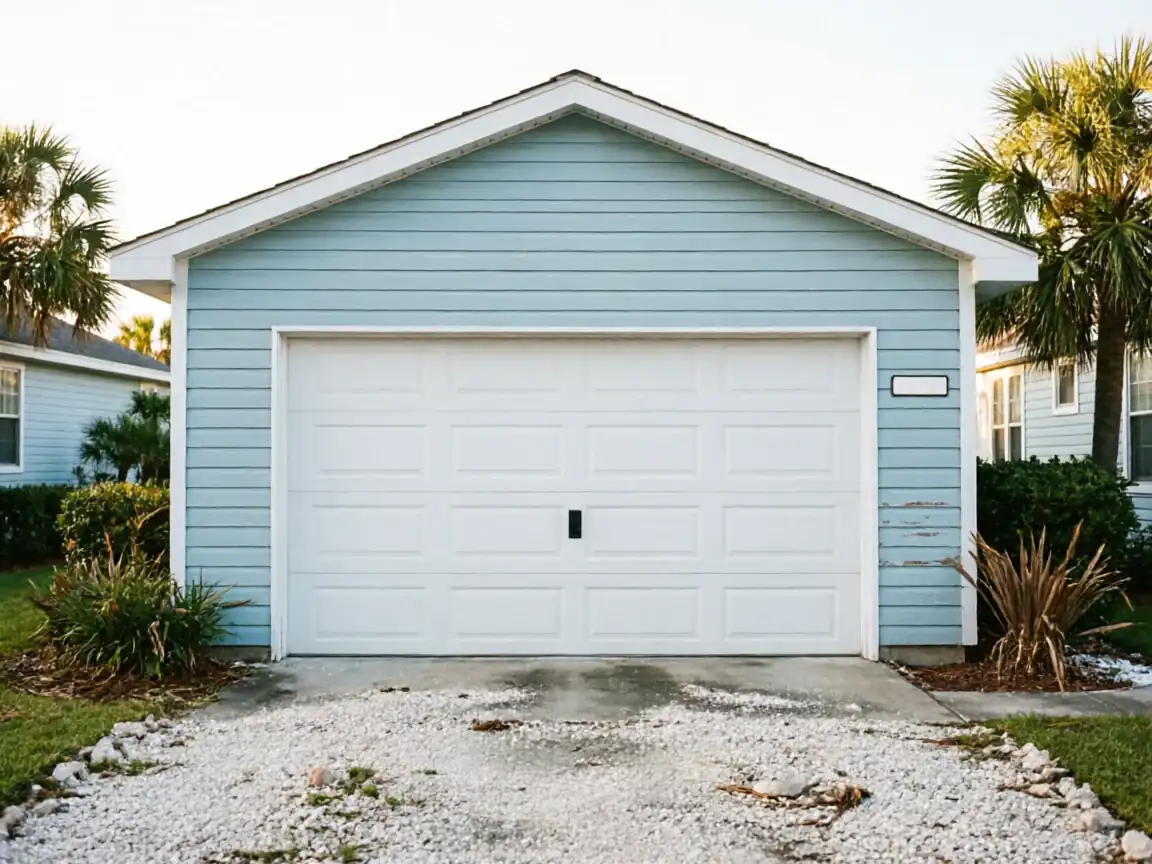
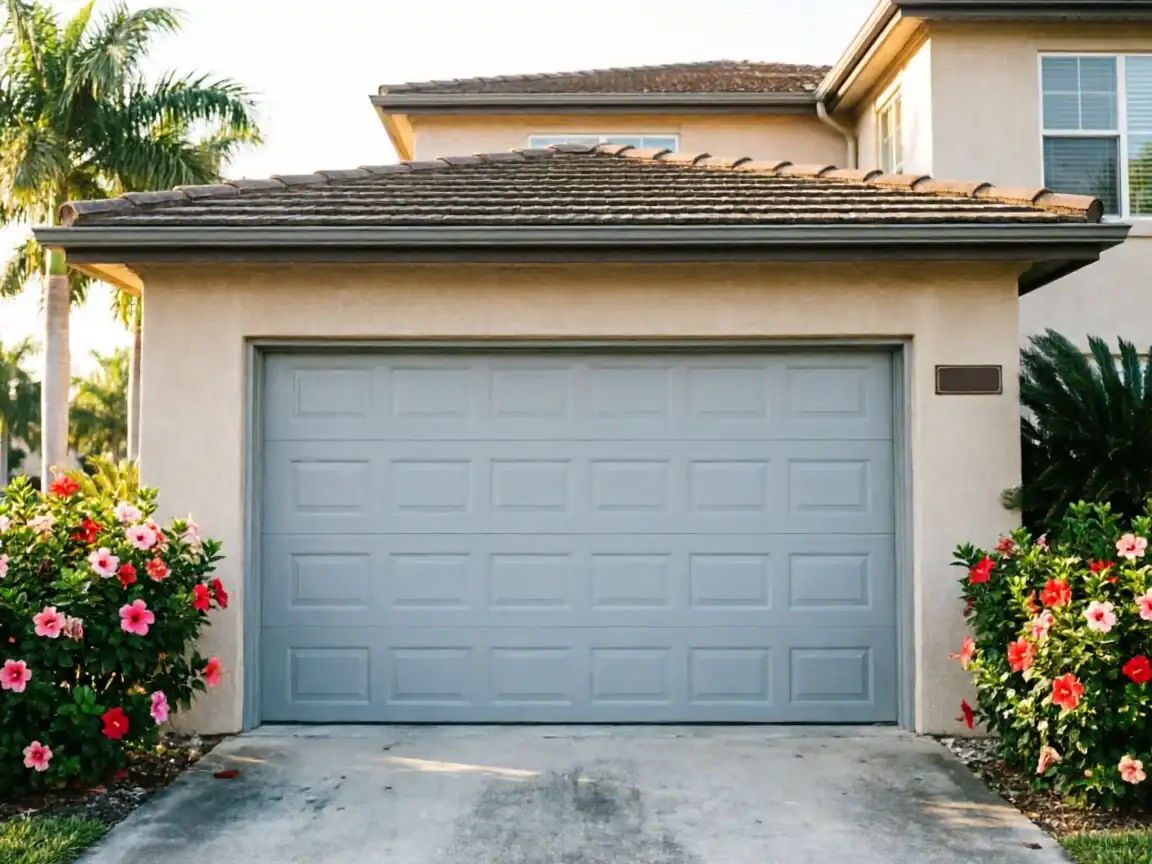
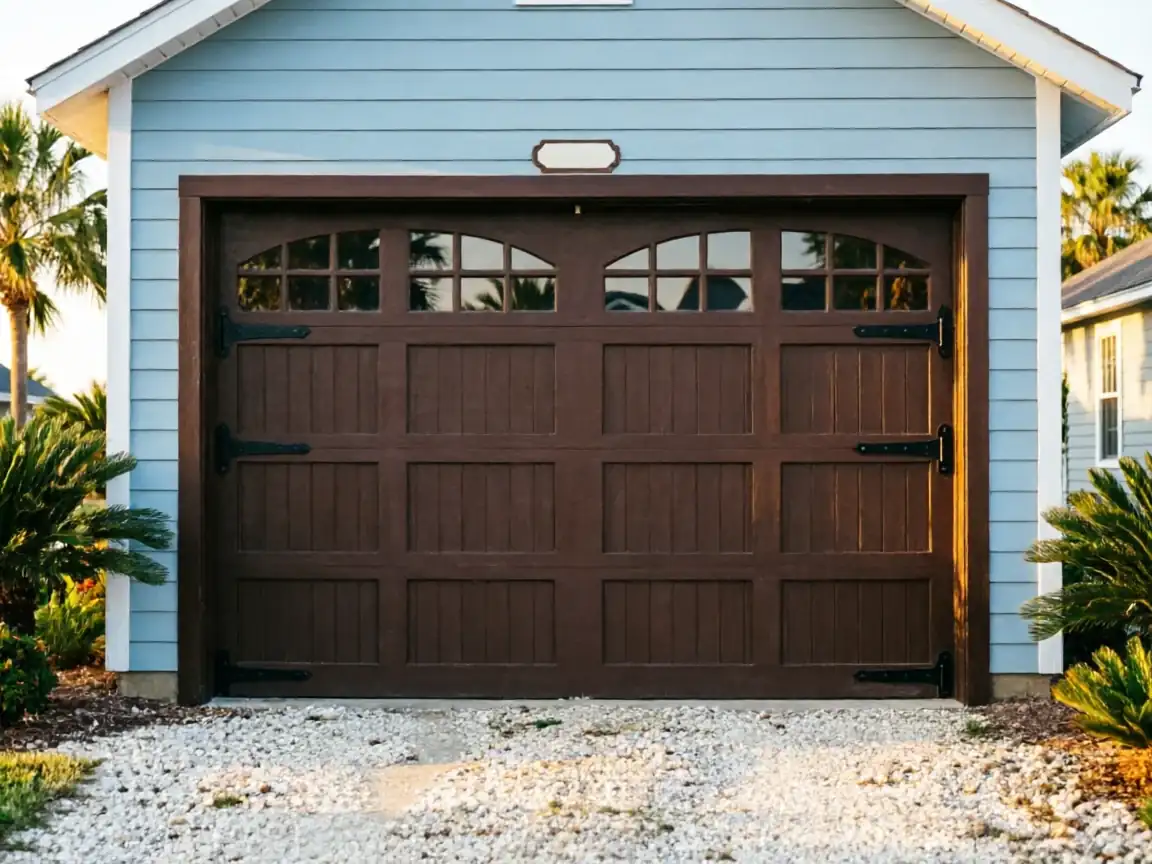
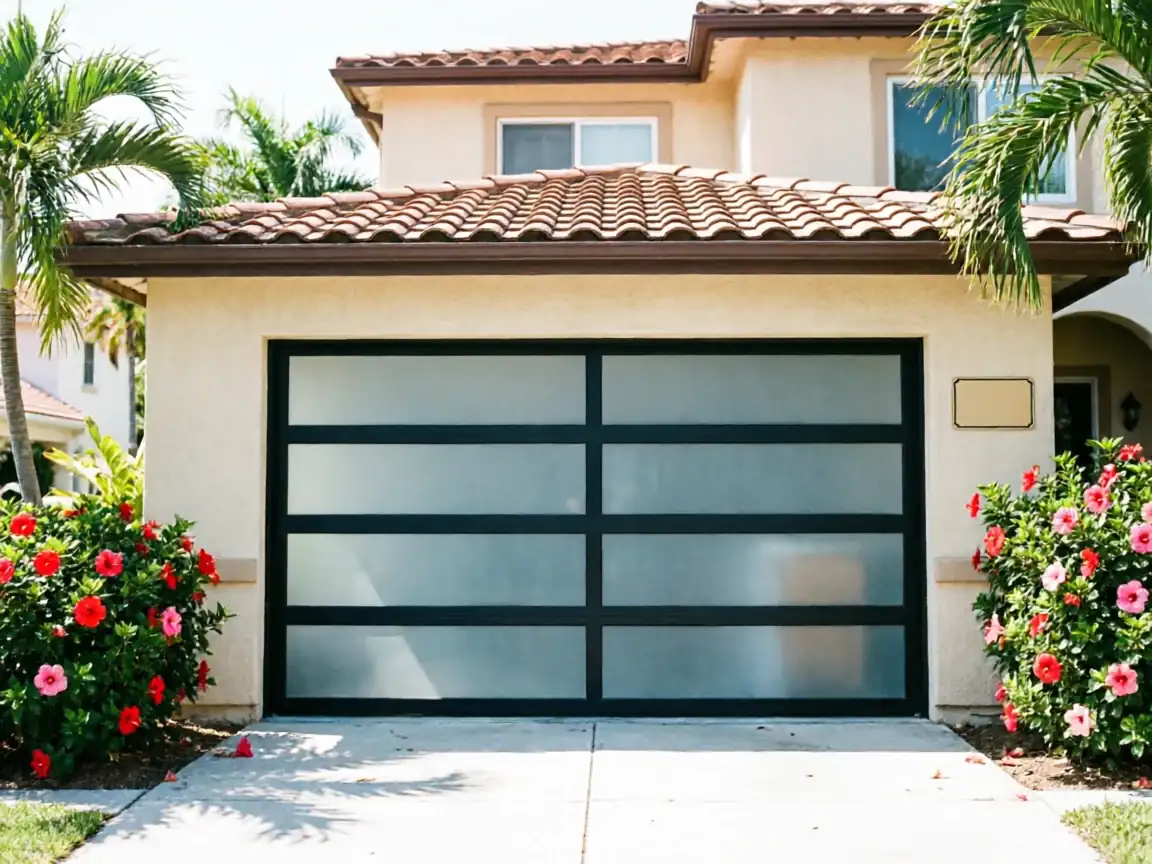
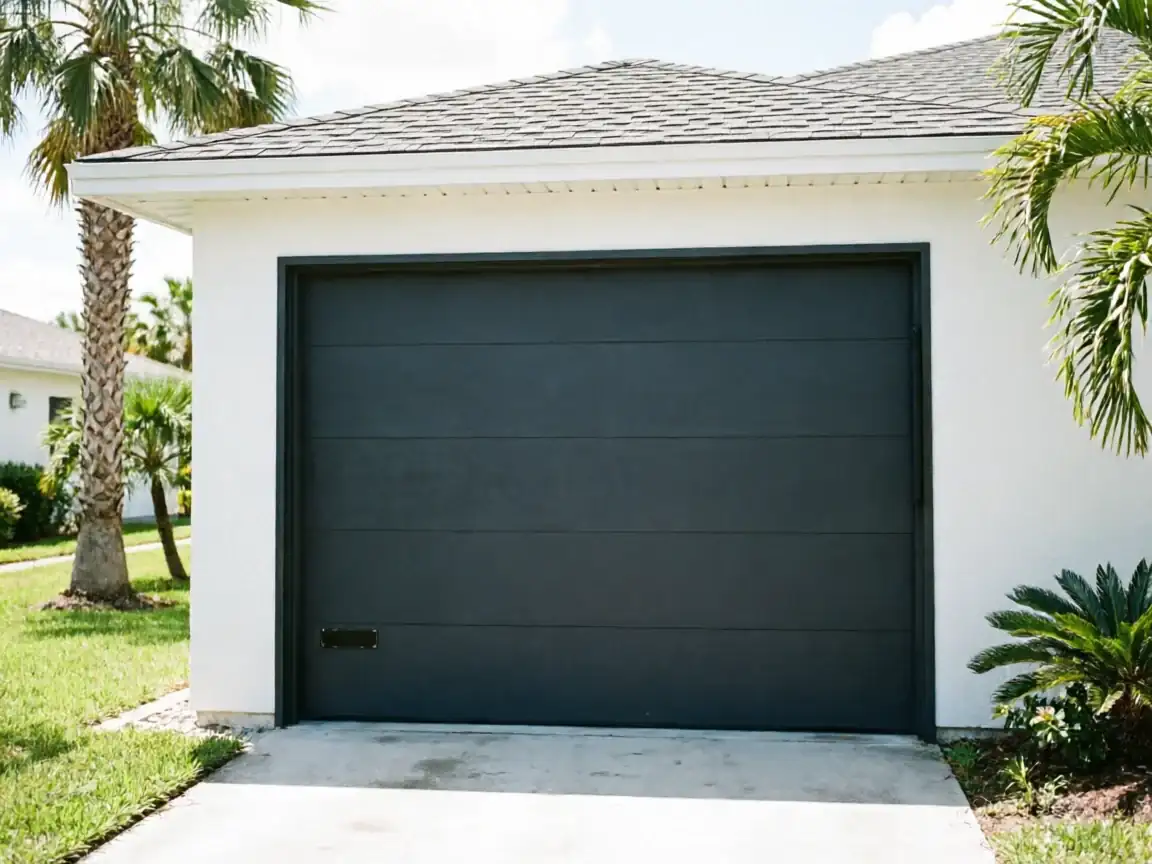
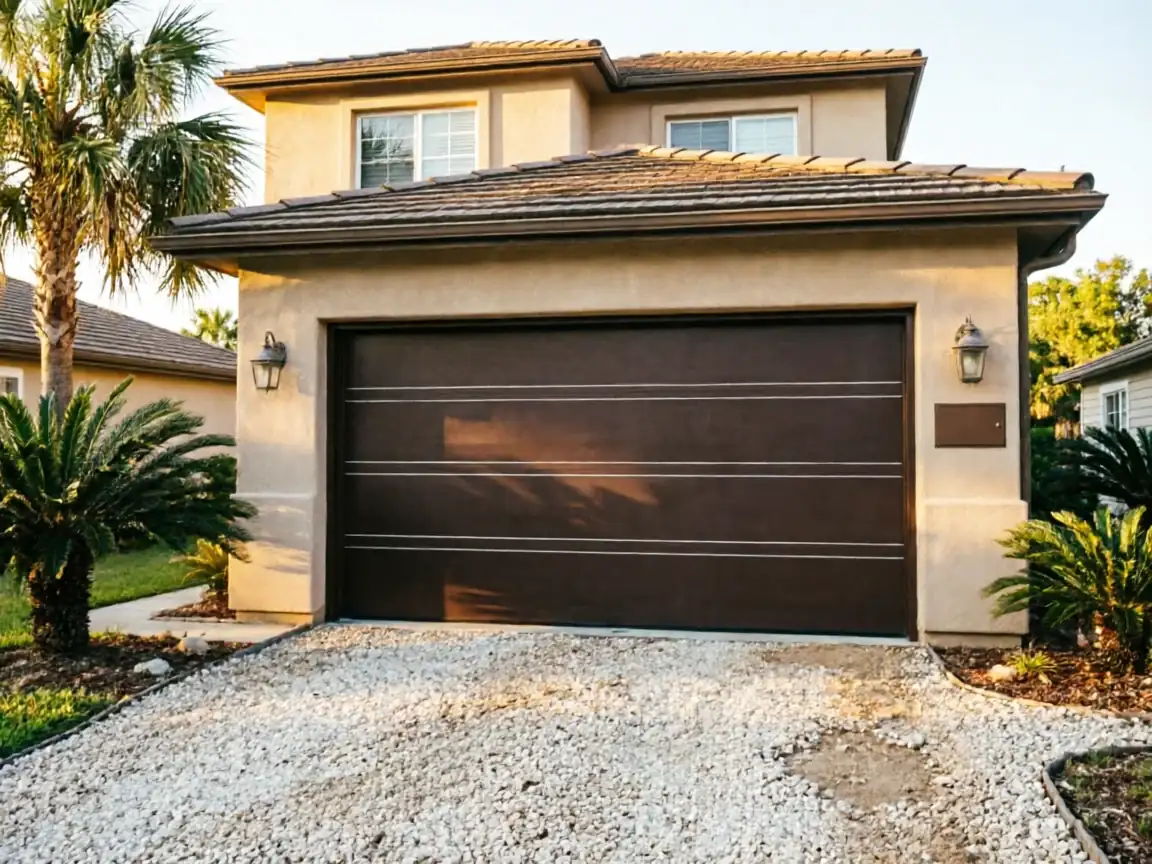
Most of the garages we're replacing doors on in East Lake belong to houses built around 1990, which means a double-wide opening built for a steel sectional door, not the narrow single-car bay you'd find on an older street closer to the water. The truck carries 16x7 and 9x7 steel sections in insulated and non-insulated runs, standard torsion springs sized for that era's heavier panel weight, and galvanized track built for a mild coastal climate rather than snow load or deep freeze. We don't stock custom wood doors or anything outside standard steel and aluminum sectional sizes - if a homeowner wants a carriage-style wood door or an odd clearance for a vaulted ceiling, that's a special order with its own lead time, and we'll say so up front rather than promise a truck-stock fix. Openers on the truck are chain and belt drive units sized for a standard double door; if the existing header or jamb framing is undersized for the door going in, that gets flagged before anything is cut.
What the Repair Takes
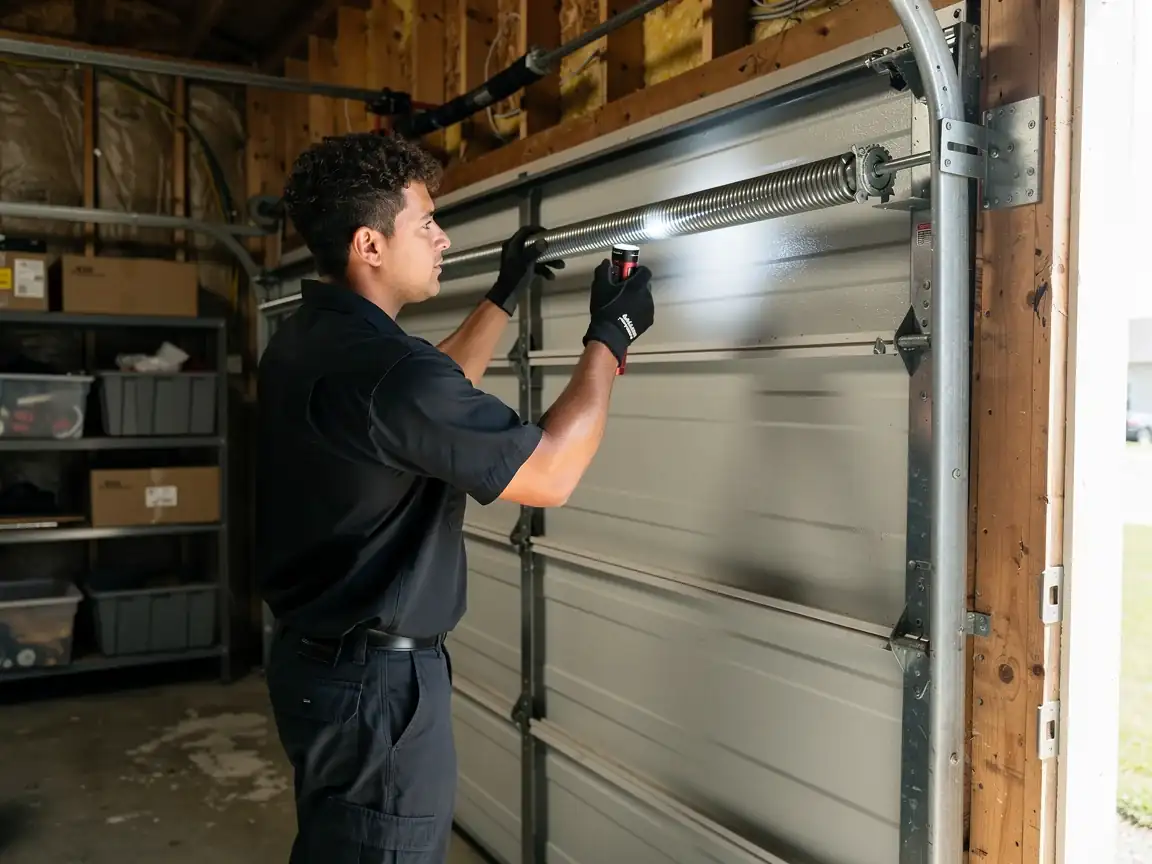
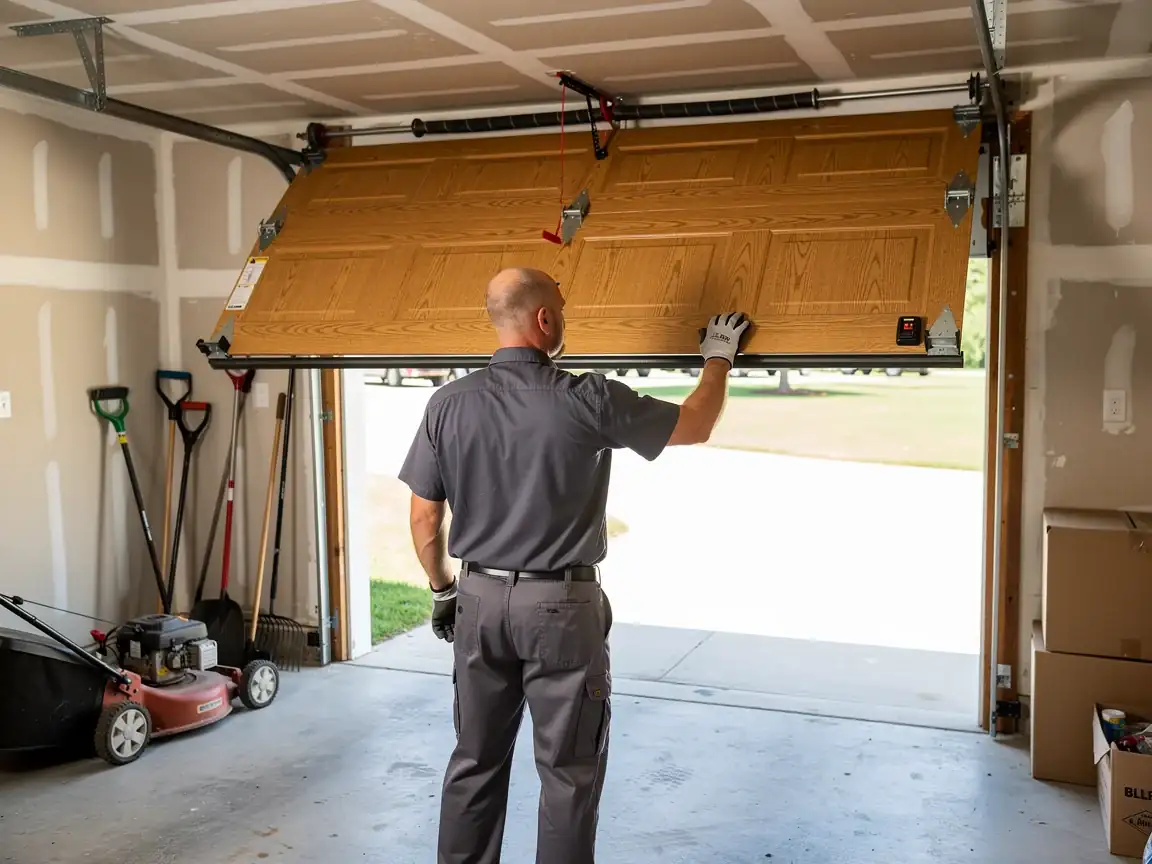
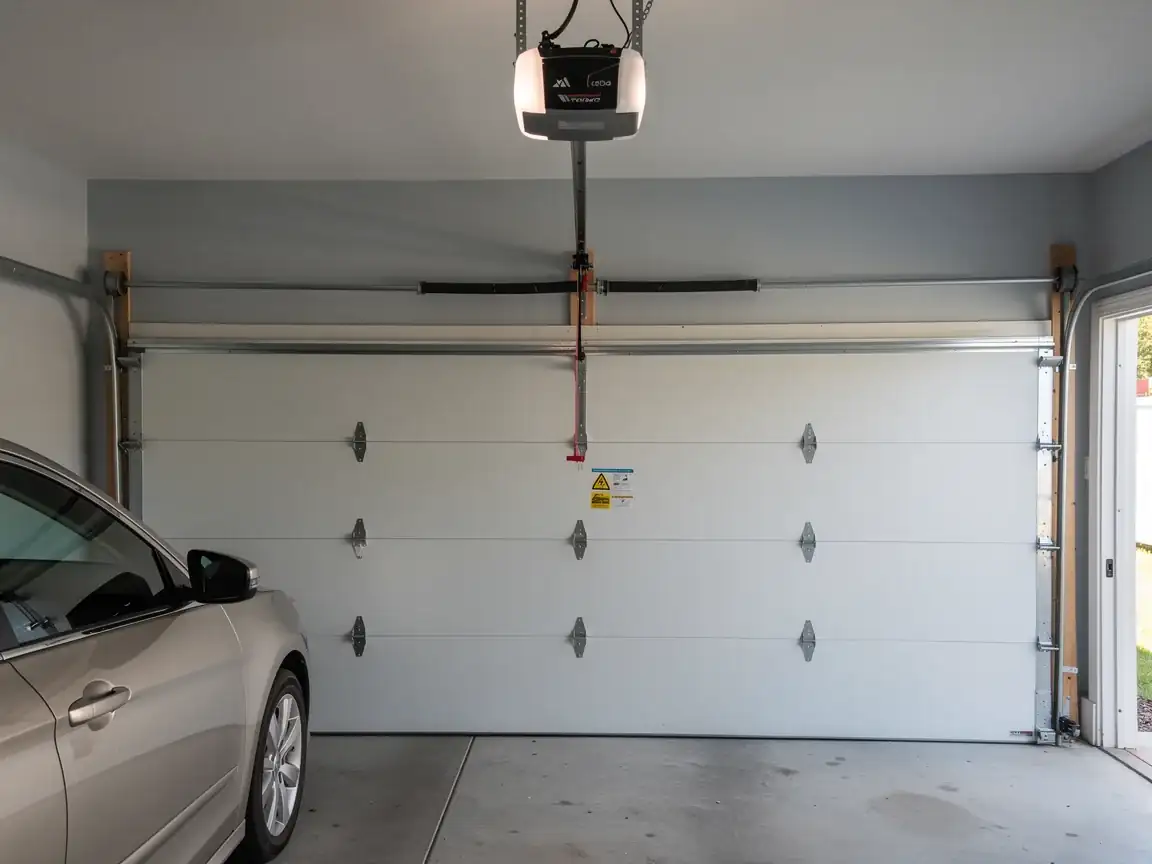
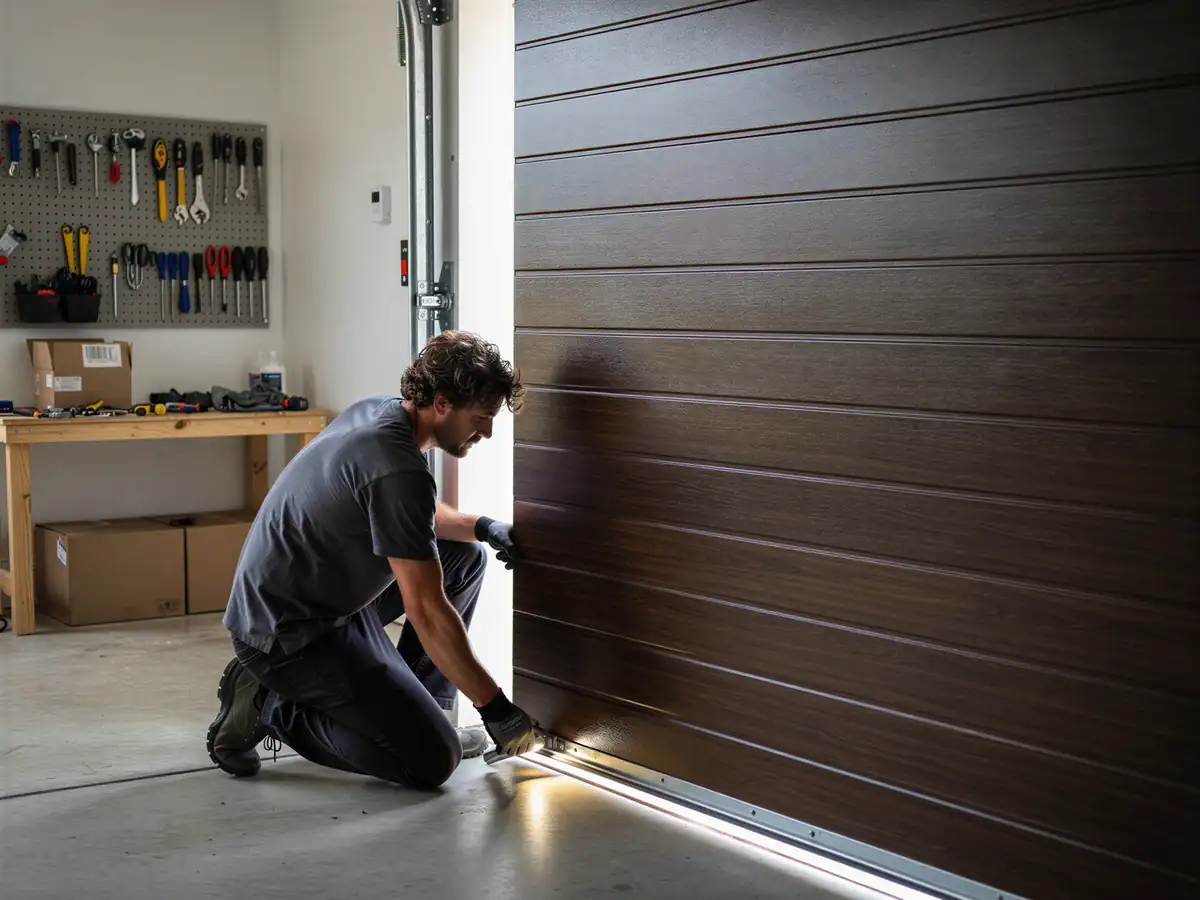
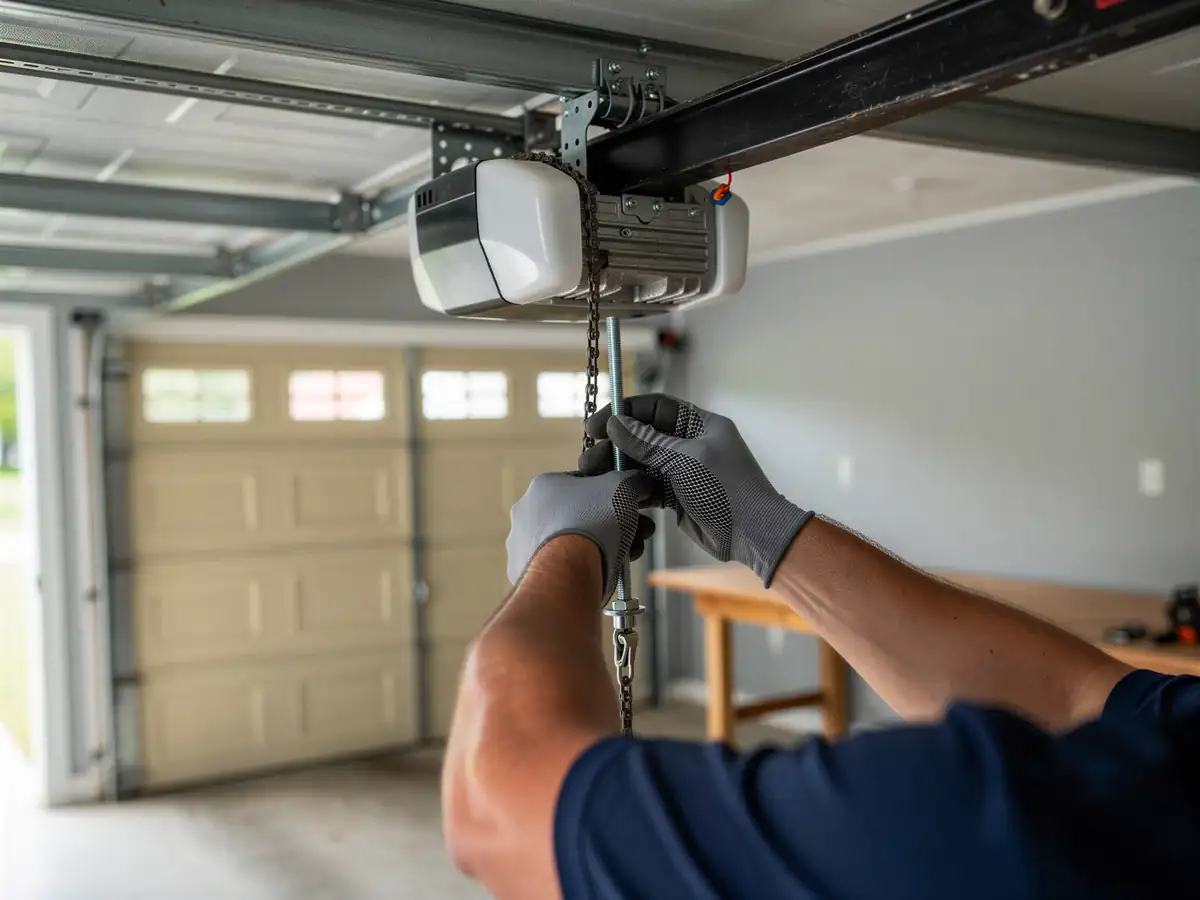
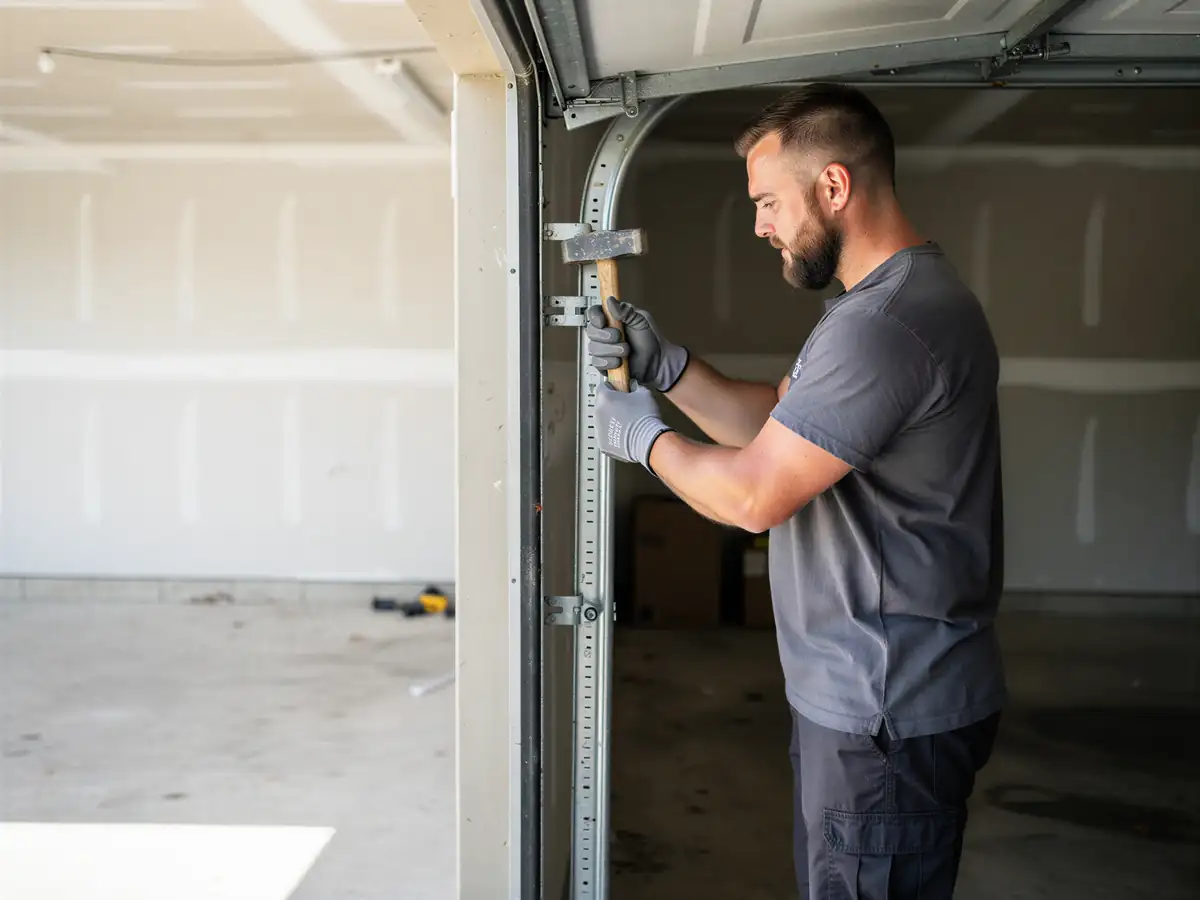
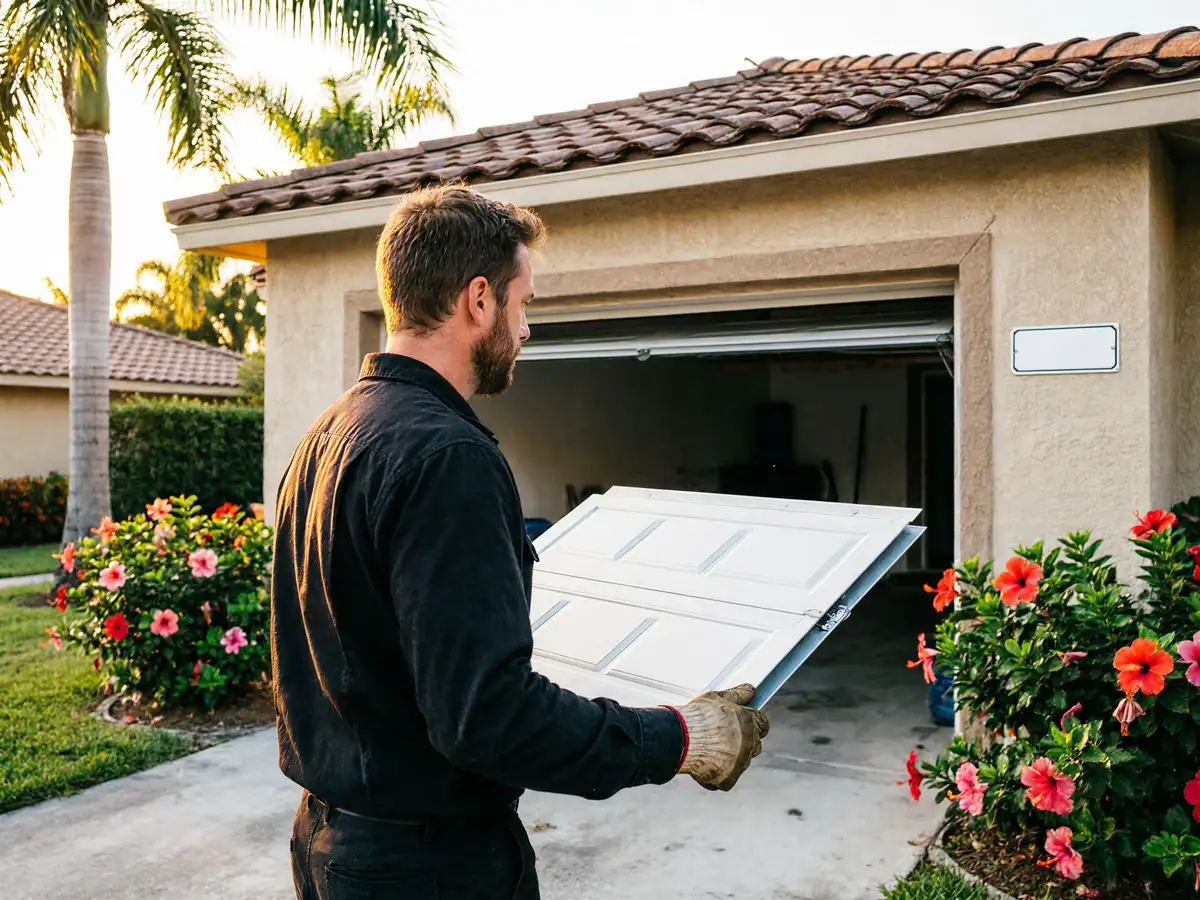
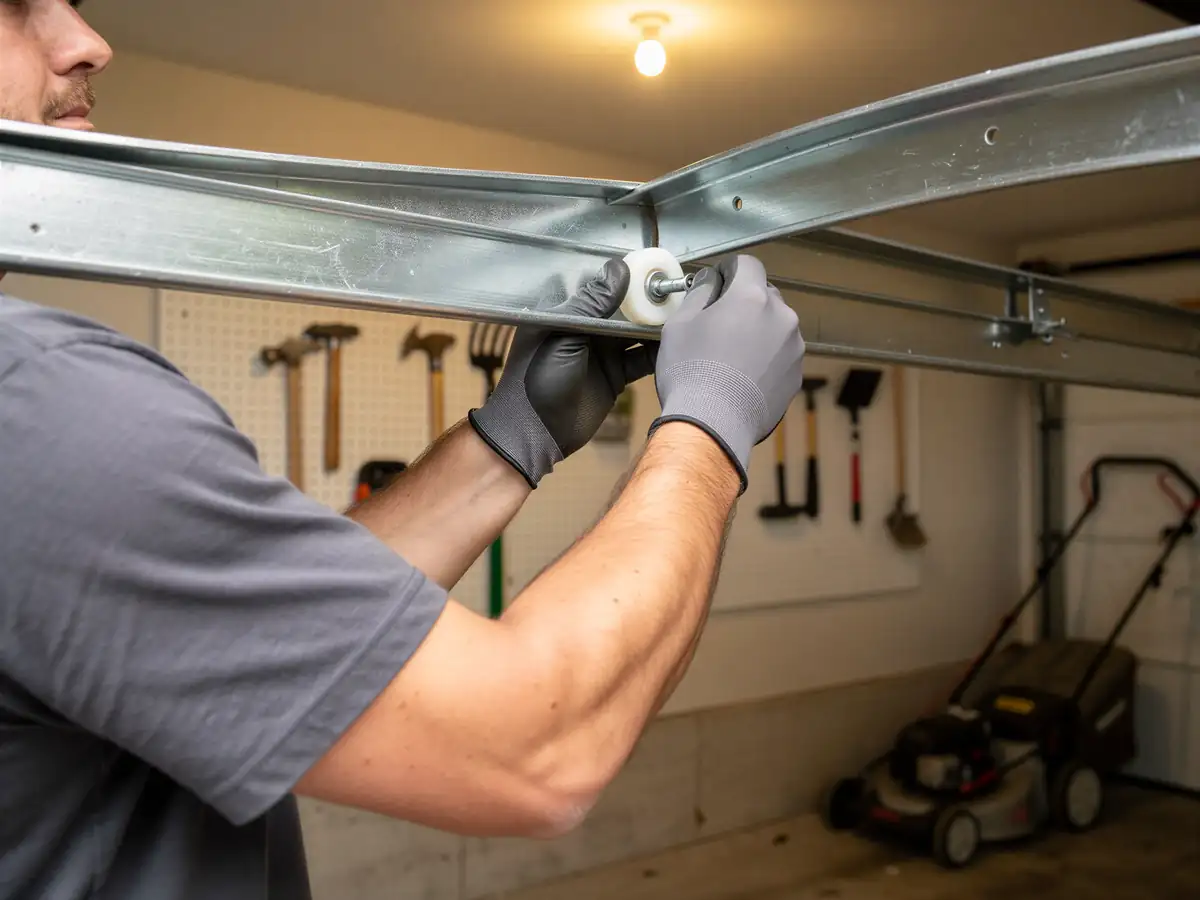
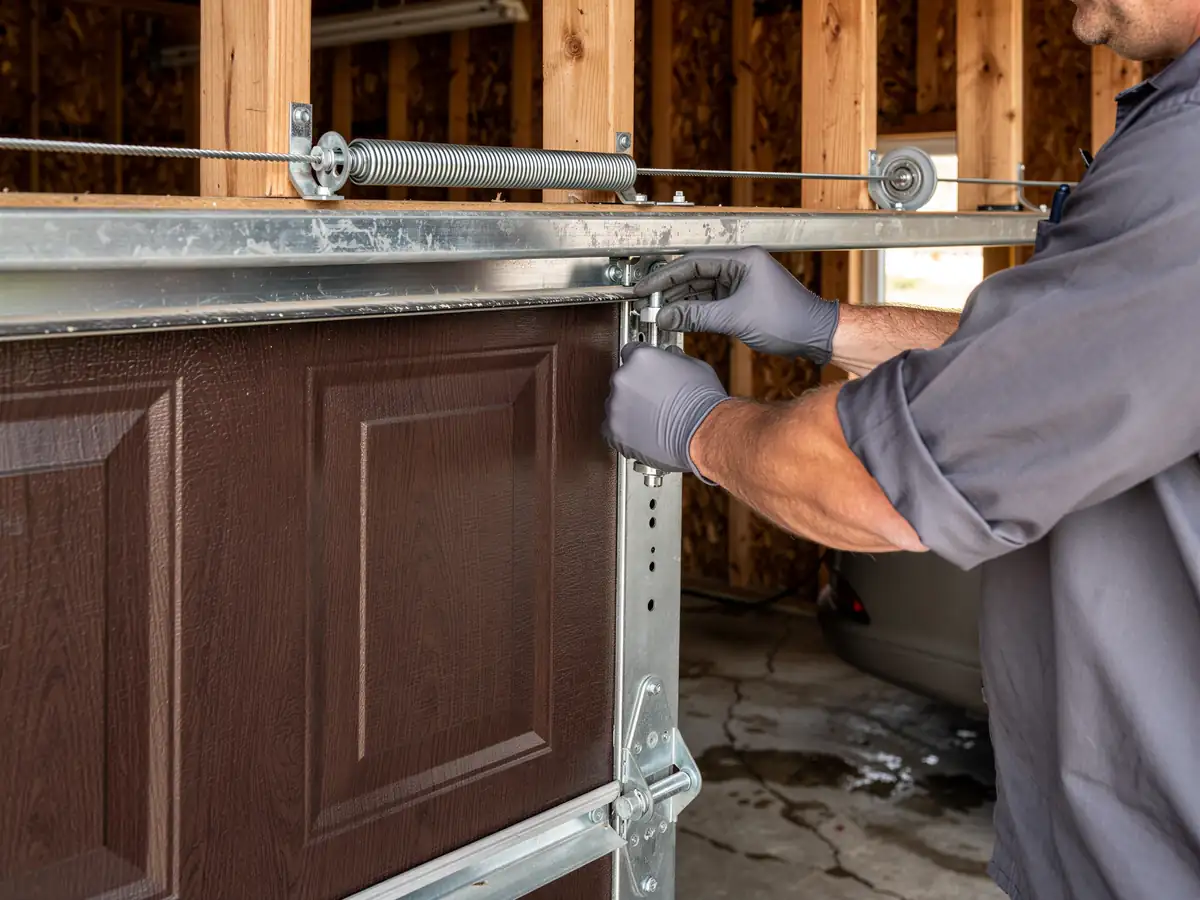
Installing a new door on a 1990s-built East Lake garage starts with pulling the old door and track completely, then checking the jamb and header framing - builder-grade construction from that period often used lighter studs than what a heavier insulated door now calls for. We reset the track plumb, hang new sections, and size the torsion spring to the actual door weight rather than reusing whatever spring was on the old door, since a mismatched spring is the single most common callback we see on new installs. Opener mounting and safety sensor alignment happen last. We don't quote a fixed number of hours for this because header condition varies house to house, and we're not going to promise a time window we can't stand behind from 10 miles out in Dunedin. What we will tell a homeowner before we start is whether the existing framing needs carpentry work first - that's not included in a door install and we say so rather than discover it mid-job.
What Can Go Wrong
The most common surprise on an East Lake install is framing that was never built for the door now going in - a heavier insulated steel door on a header sized for the lighter 1990s original can sag the opening over time if we don't reinforce it first, and we won't install over a header we don't trust. Old wiring run through the garage for the original opener sometimes isn't rated for a newer unit's draw, which means an electrician's job, not ours. Track misalignment hidden behind drywall patches from a prior repair is another one we catch during tear-out, not before. The honest limitation: if the opening itself is out of square by more than a small margin, a straight door swap isn't the fix - that's a carpentry job first, and we'll say that plainly instead of forcing a door into a frame that won't hold it.