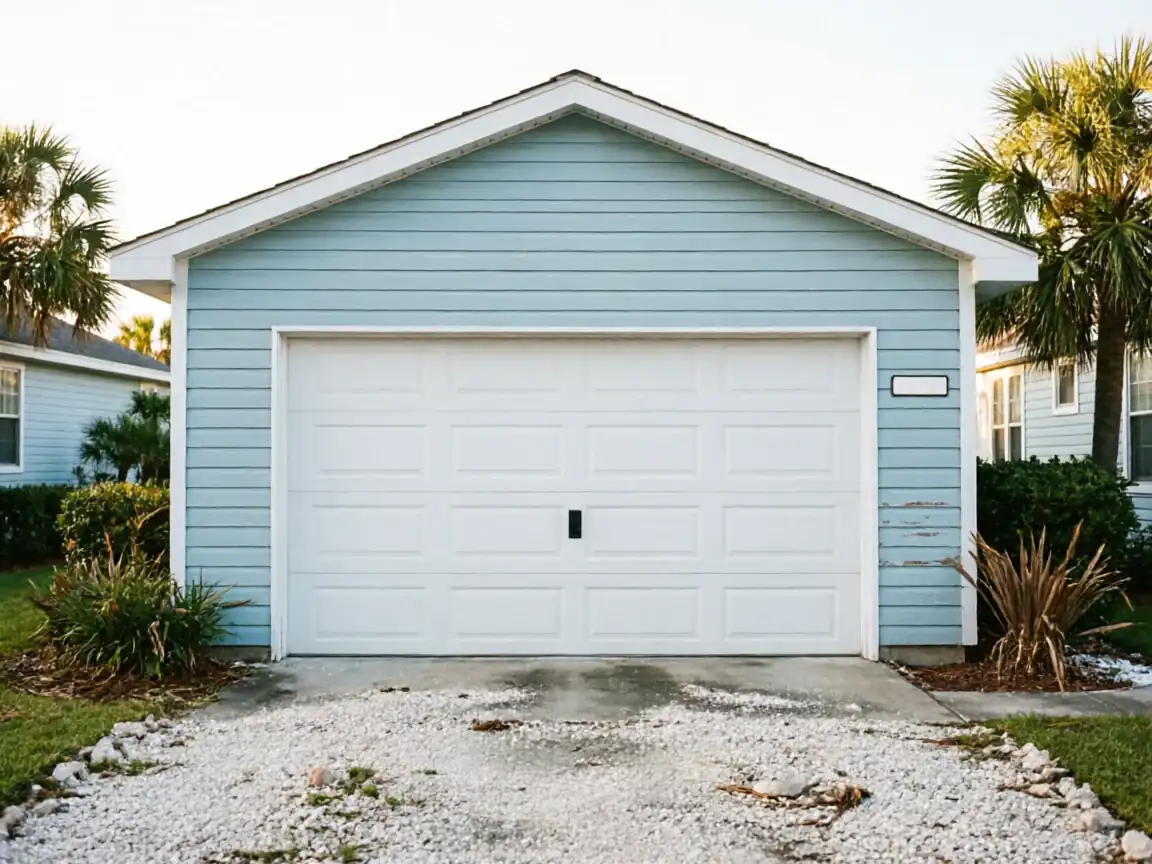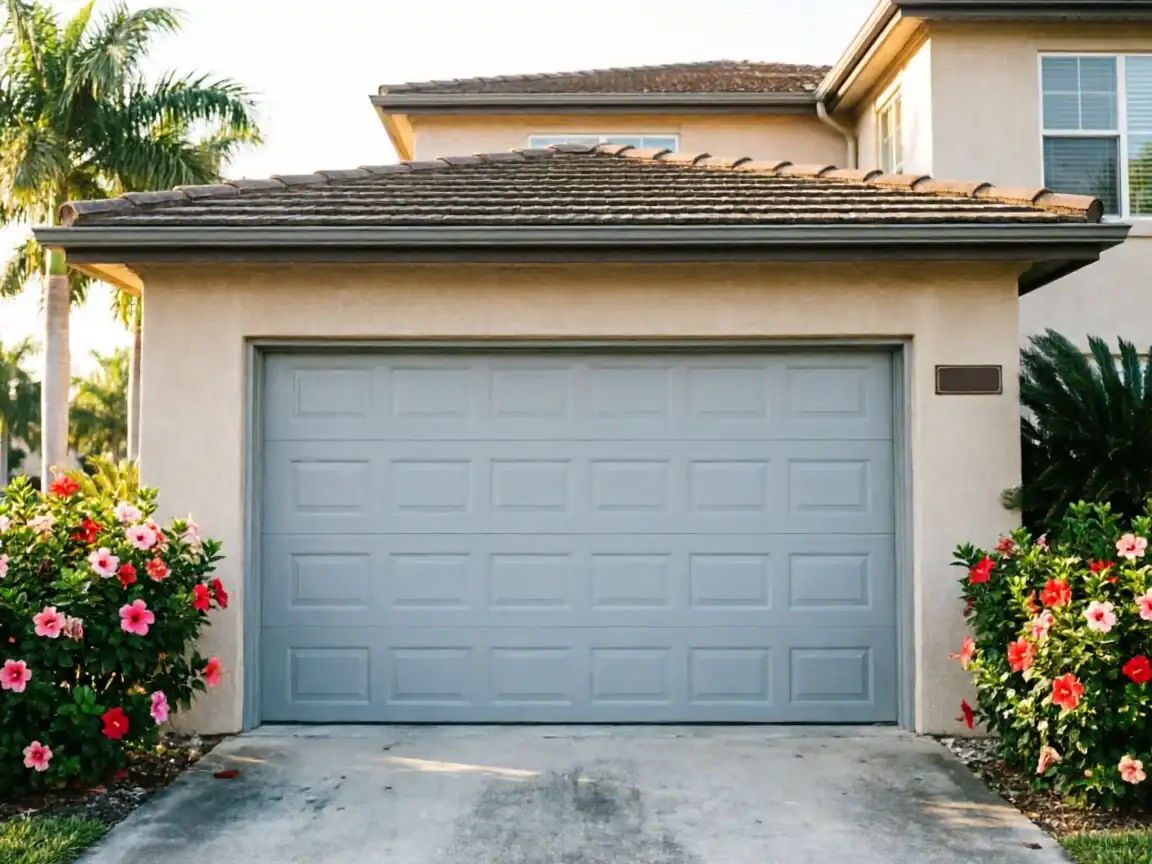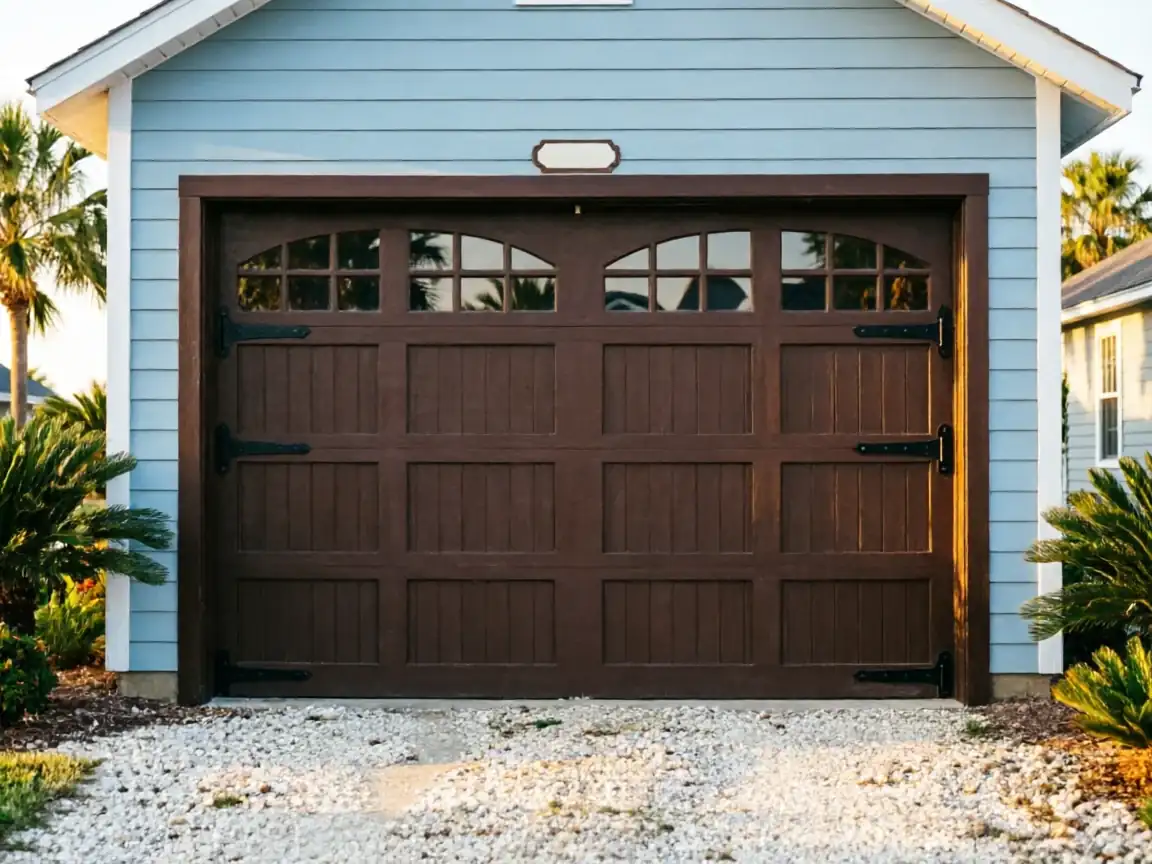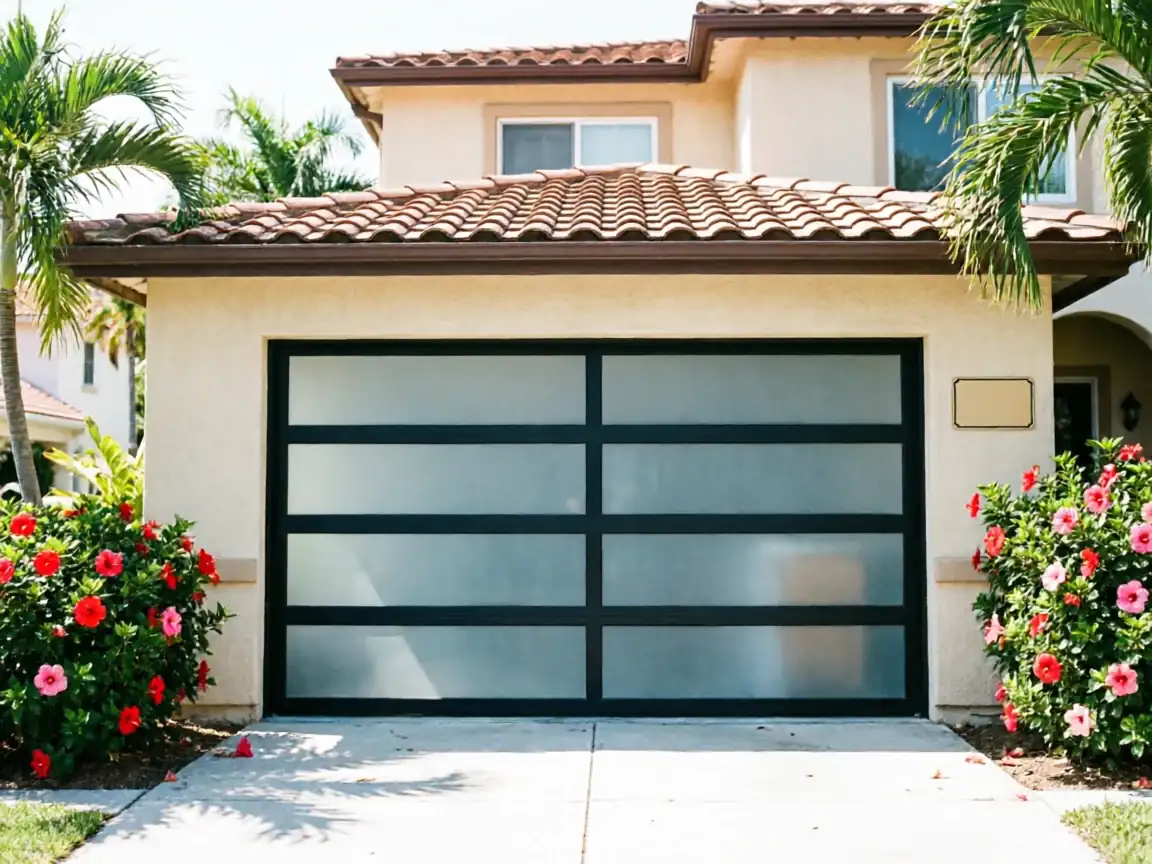
Why It Happens Here
Median household income in Oldsmar sits at $76,100, a bit under the $84,220 median for the wider service area we cover from Dunedin. That gap matters the moment an opener quits, because it sets where the repair-or-replace line actually falls. On a house in this income bracket, spending $150-$300 to swap a circuit board, a drive gear, or a worn sprocket usually wins over a full unit replacement, as long as the motor itself still turns and the rail isn't bent.
The housing stock here backs that math up. Oldsmar's median year built is 1988, which puts it on the newer end compared to the broader area F1 covers (built mostly 1958 through 2005, median 1979). Openers installed when these houses went up, or in the one replacement cycle most owners make a decade or two on, are now old enough that gears strip, logic boards drift, and remotes stop pairing reliably. None of that means the unit is dead. It usually means one part is.
With 5,451 households in town, most of this housing came up close together, in the same few years, with the same handful of opener brands builders were installing at the time. That's why the failures cluster the way they do rather than showing up at random.
The Symptom
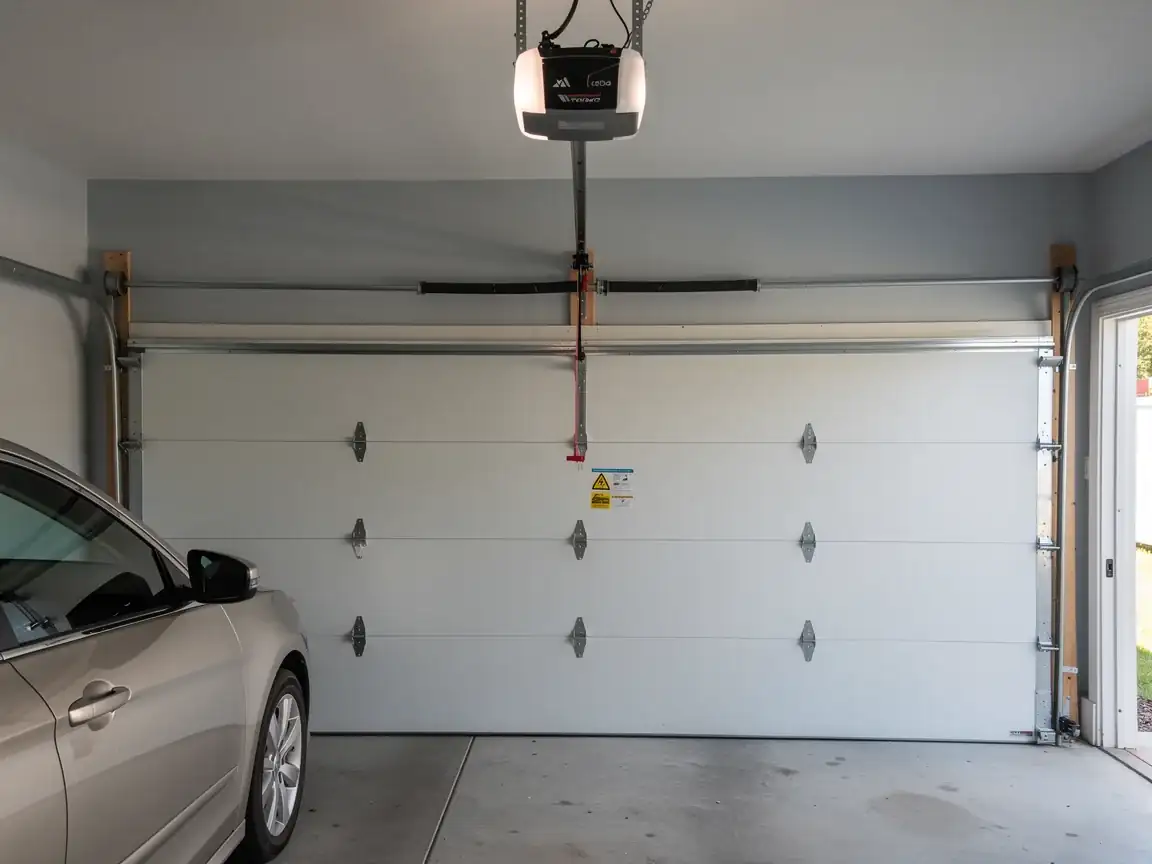
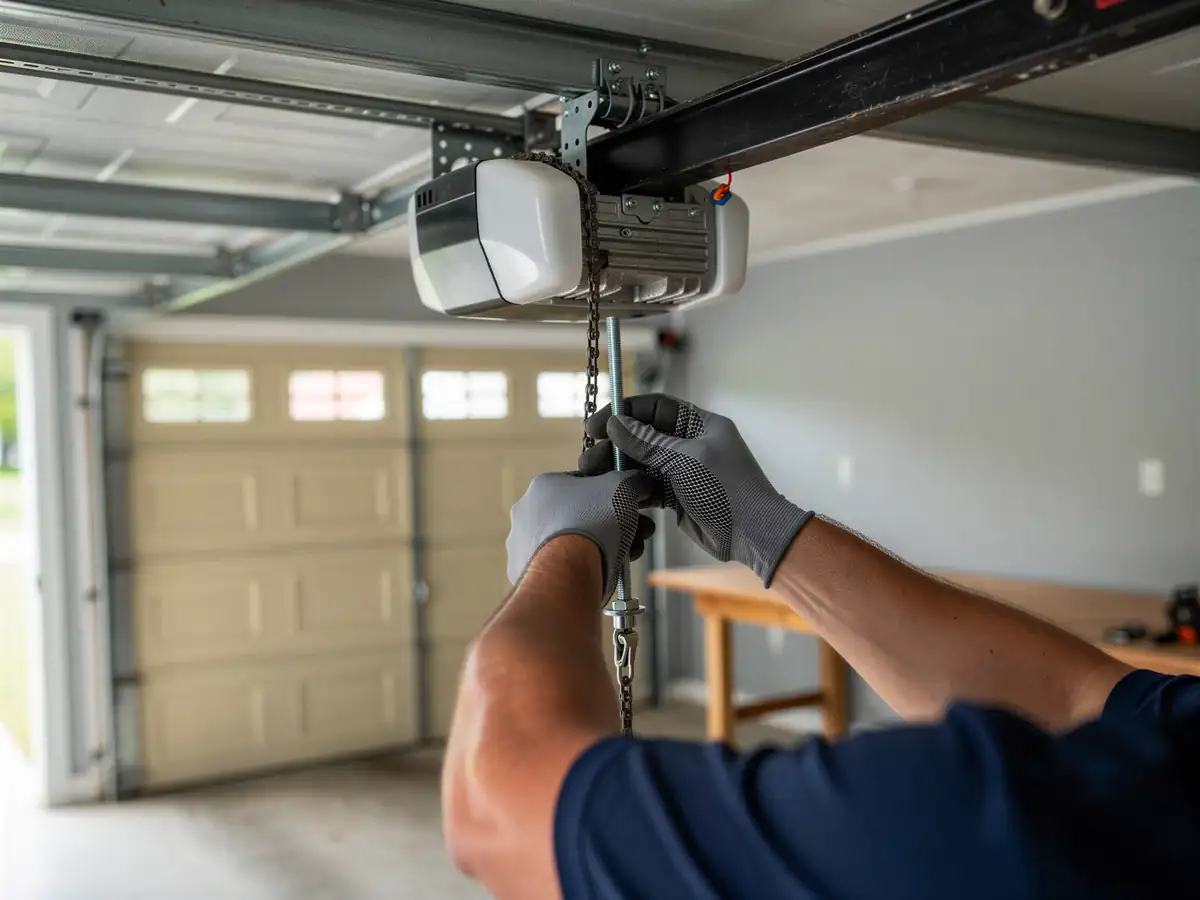
The door that reverses before it touches the floor, the opener that runs but doesn't pull the chain, the remote that worked yesterday and does nothing today - these point at different parts, not the same fix. A reversing door usually means the travel limits have drifted or a sensor's out of alignment, not a dead unit. A motor that hums without moving the carriage is often a stripped gear, a part we replace rather than swap the whole opener for. Dead remotes with a motor that still runs locally at the wall button point at the receiver board, not the drive.
Grouping these by symptom instead of guessing the cause is how we keep an opener repair a repair, and not an unnecessary replacement. Mild temperate conditions here don't put the kind of stress on belts and gears that extreme heat or hard freezes do elsewhere, so when a unit fails in this area it's almost always wear or age, not weather damage. That's one less thing to rule out on the call.
Getting It Booked In
We run the truck from Dunedin, about 9 miles to Oldsmar
So a repair call here isn't a same-block job the way it would be for a house closer to the shop. We don't quote a response window for this town and won't pretend one - tell us the symptom when you call and we'll give you an honest estimate of when we can get there, not a number pulled out of the air.
- 9 miles
Having the opener's brand and the age of the house ready when you call helps
If you know whether the unit's original to the house or a later swap, that narrows down which parts we bring. For a wider look at what we do for garage doors around Oldsmar beyond openers, see Oldsmar Garage Doors. If you're closer to Dunedin itself, our main opener repair page covers that side of the service area: Opener Repair in Dunedin.
What Is on the Truck
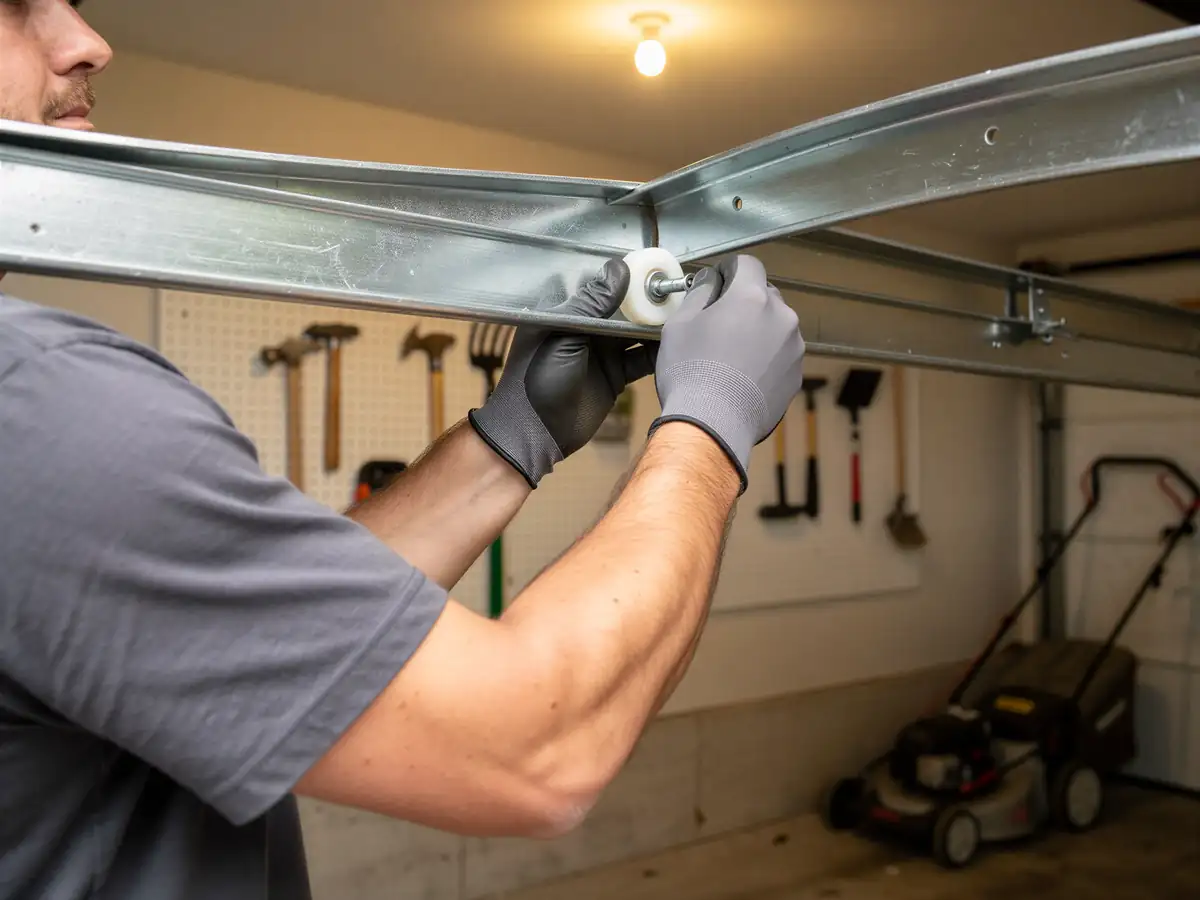
For a town built mostly around 1988, the common failures are gear sets, logic boards, drive belts and chains, limit switches, and photo-eye sensors - parts that wear out on a schedule, not parts tied to one bad batch or one brand recall. We stock the pieces that fail most often on openers from that install era so a single visit can usually close the job instead of becoming a return trip.
What we don't carry is every proprietary board for every opener ever sold. If your unit is a less common brand or an older model with a part no longer manufactured, we'll tell you that on site rather than make you wait on a special order you didn't ask for. In that situation, replacing the opener is often the straighter path, and we'll say so plainly instead of pushing a repair that won't hold.
What the Repair Takes
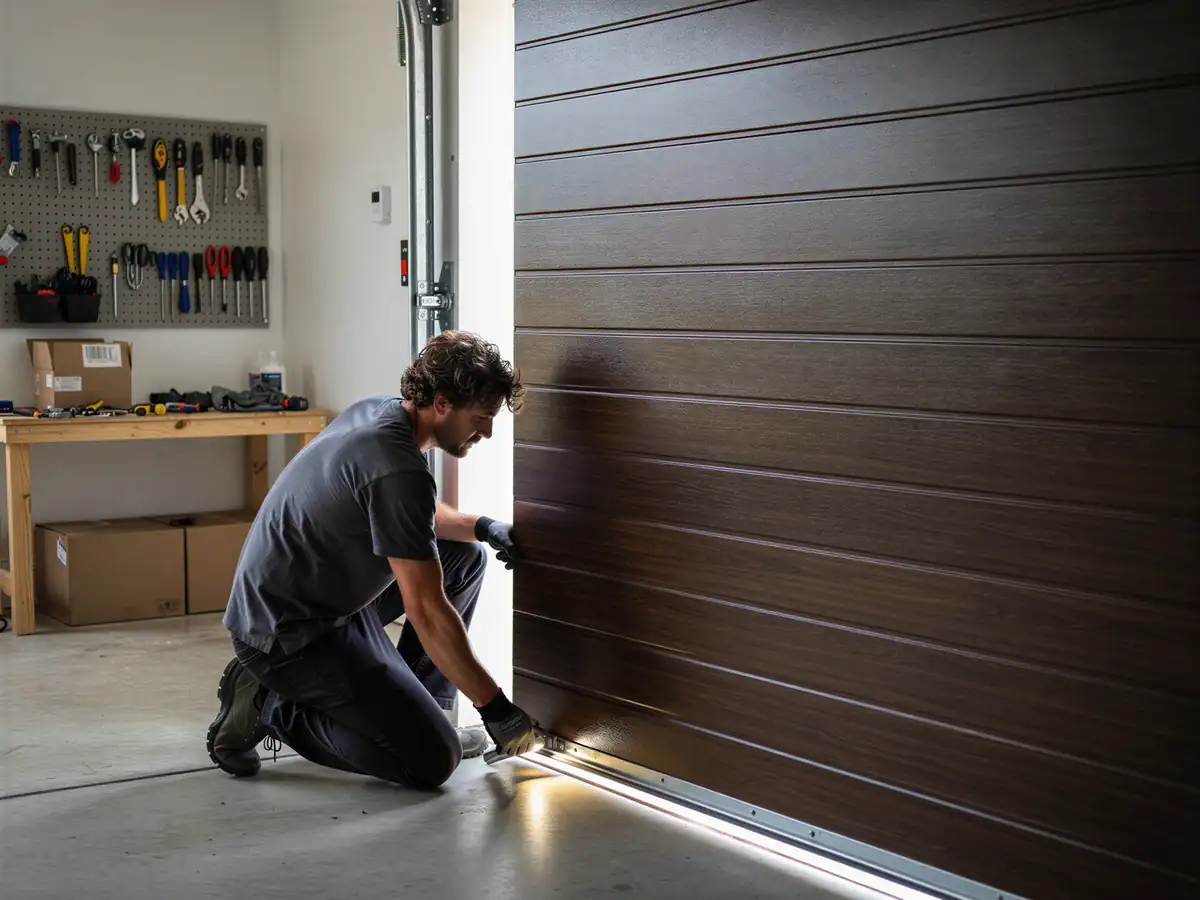
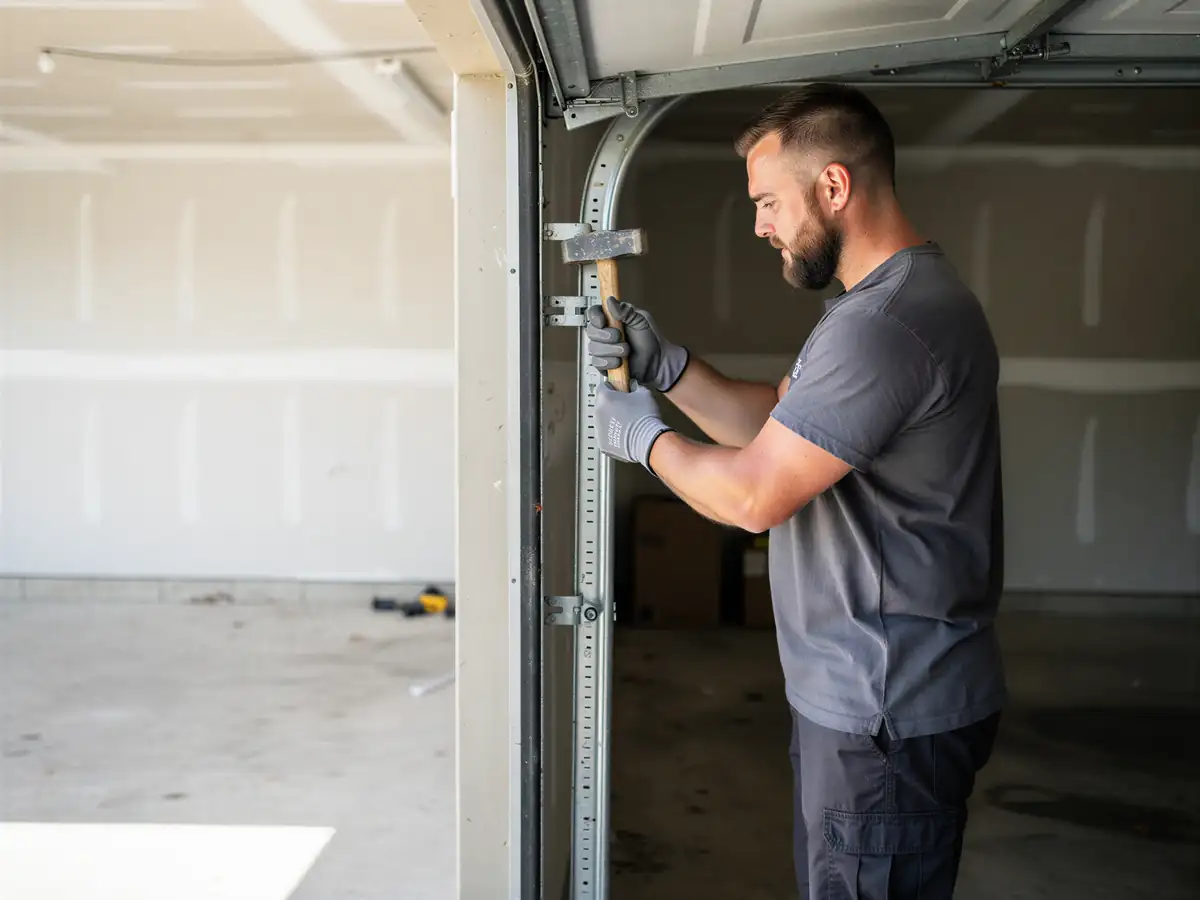
Most opener repairs in houses from this era are a single visit: diagnose the symptom, replace the worn part, test the door through a full cycle, reset the travel limits and force settings so the door reverses correctly rather than slamming or stalling. That last step gets skipped more than it should, and it's the difference between a fix that lasts and one that calls us back out in a month.
What it doesn't take is guesswork. We don't swap a whole unit when a $40 gear kit solves it, and we won't tell you a board is fine when the real problem is a stripped sprocket hiding behind it. The honest limitation here: if the opener is original to a 1988 build and hasn't been touched since, parts for that exact model may already be out of production, and at that point we'll walk you through a replacement instead of chasing a repair that won't outlast the visit.