Why It Happens Here
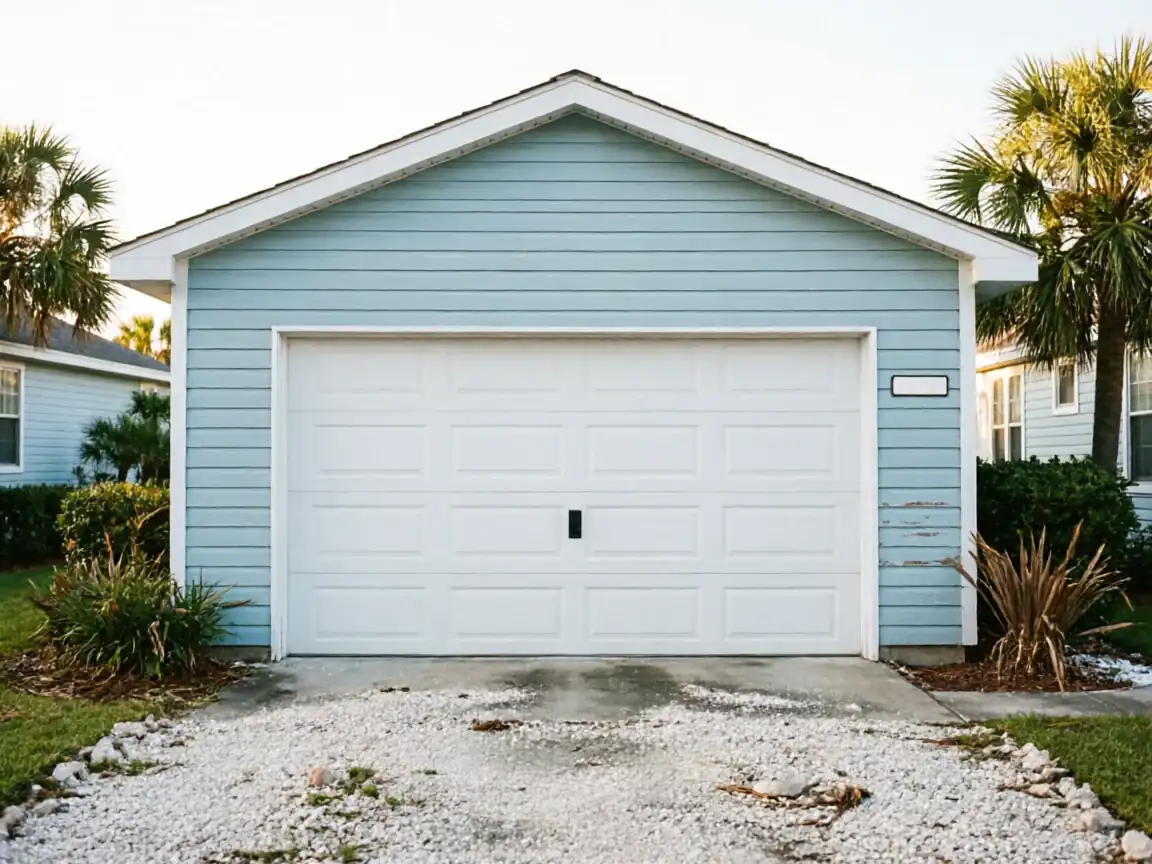
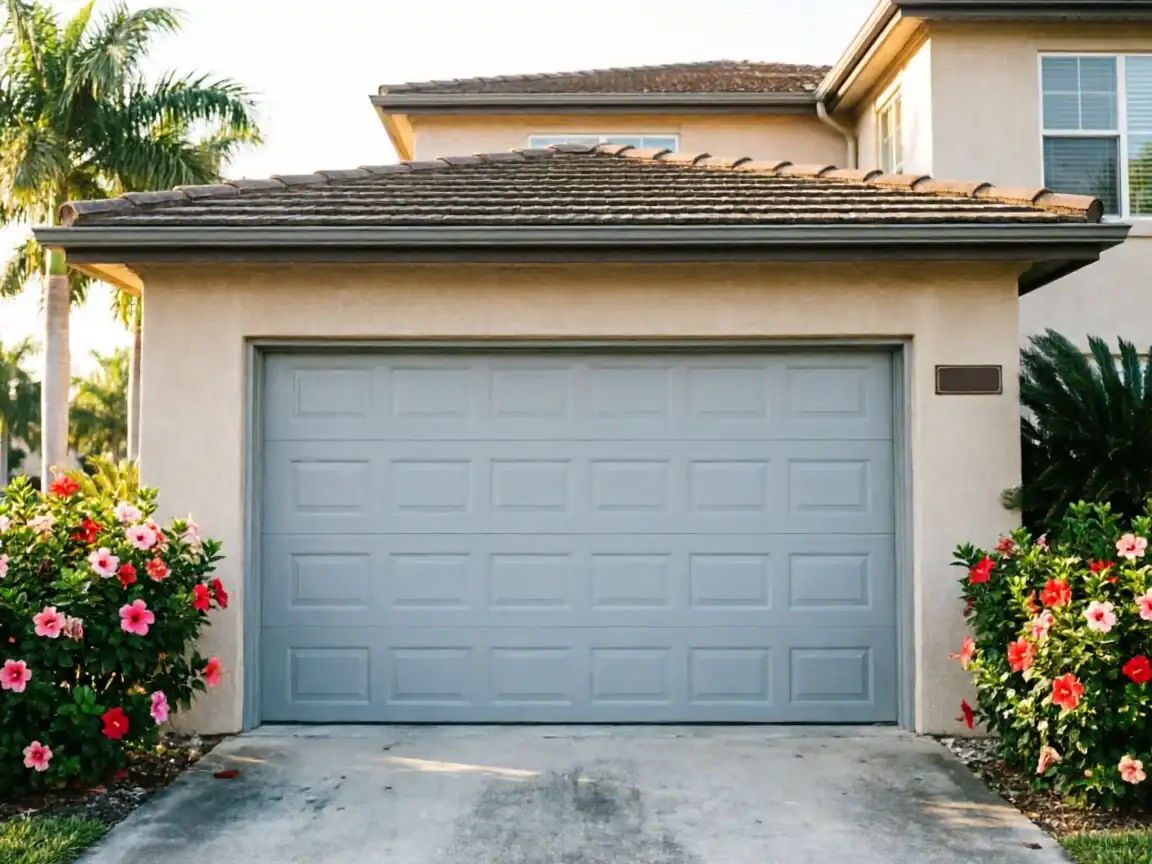
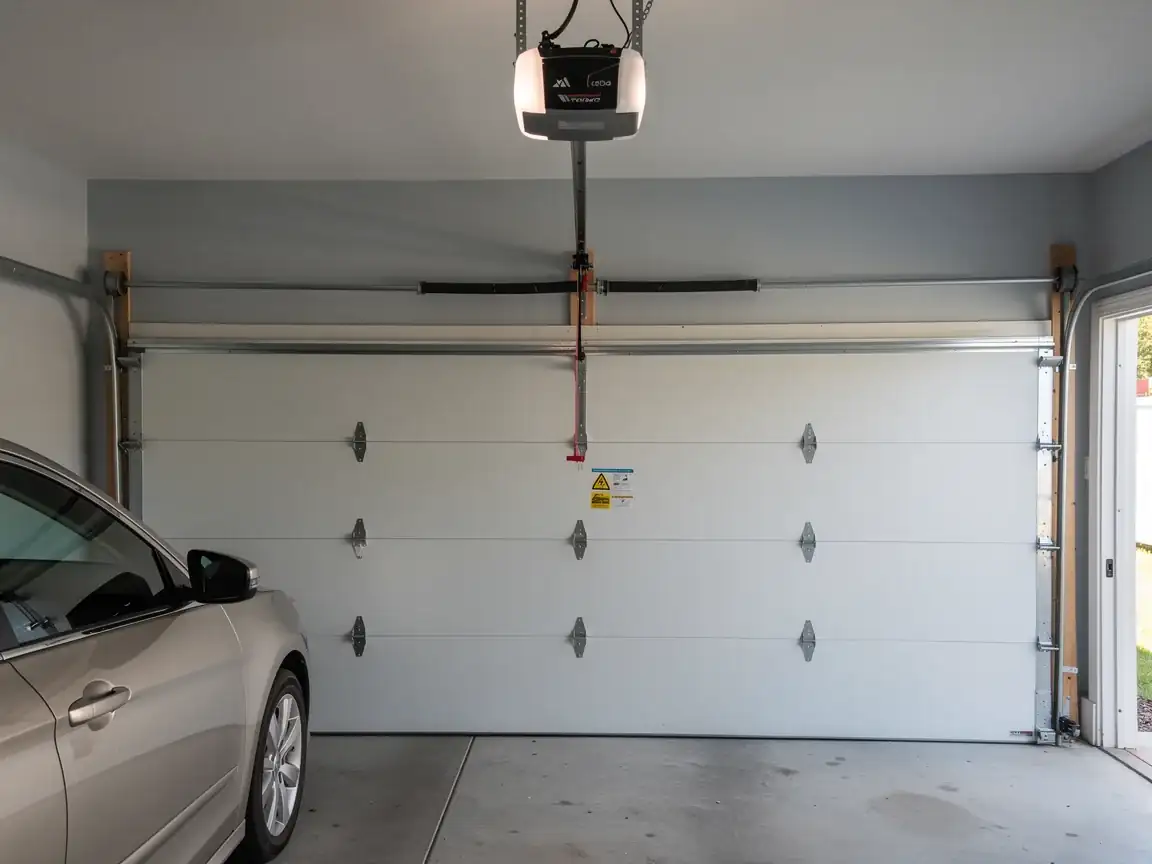
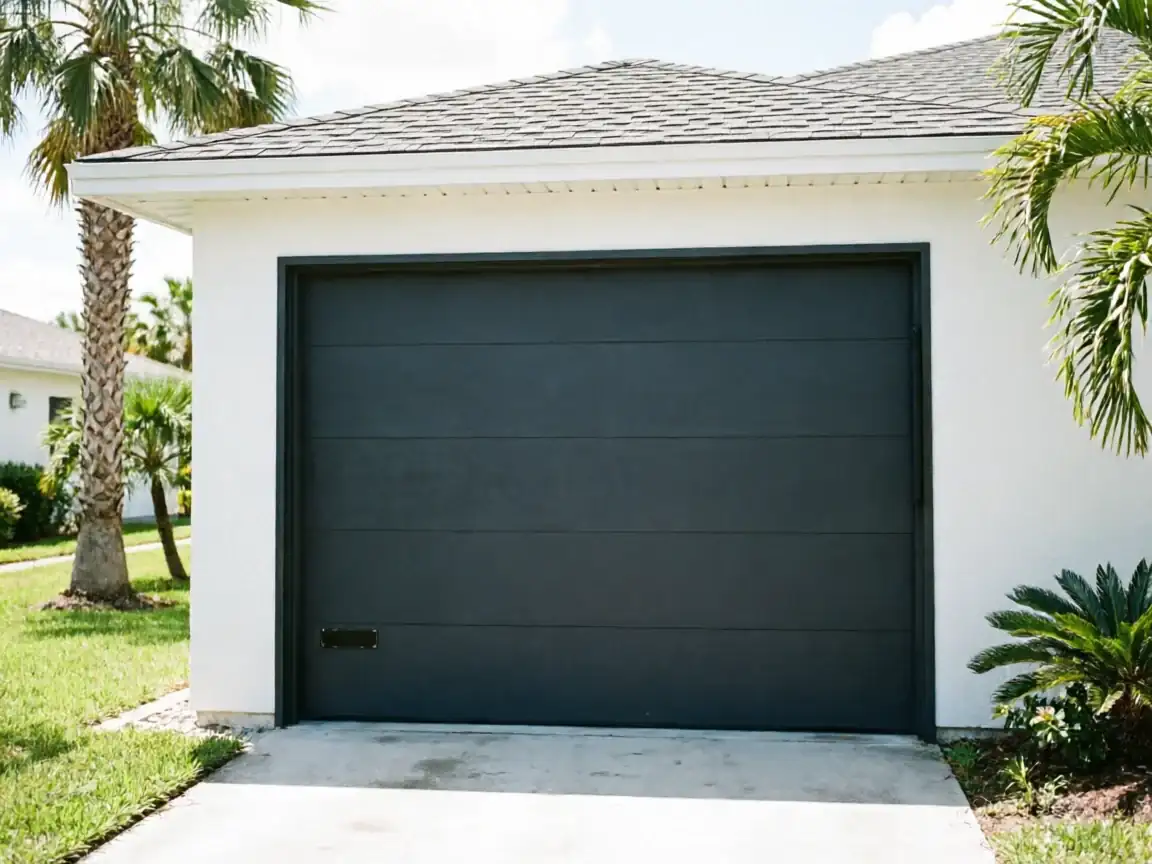
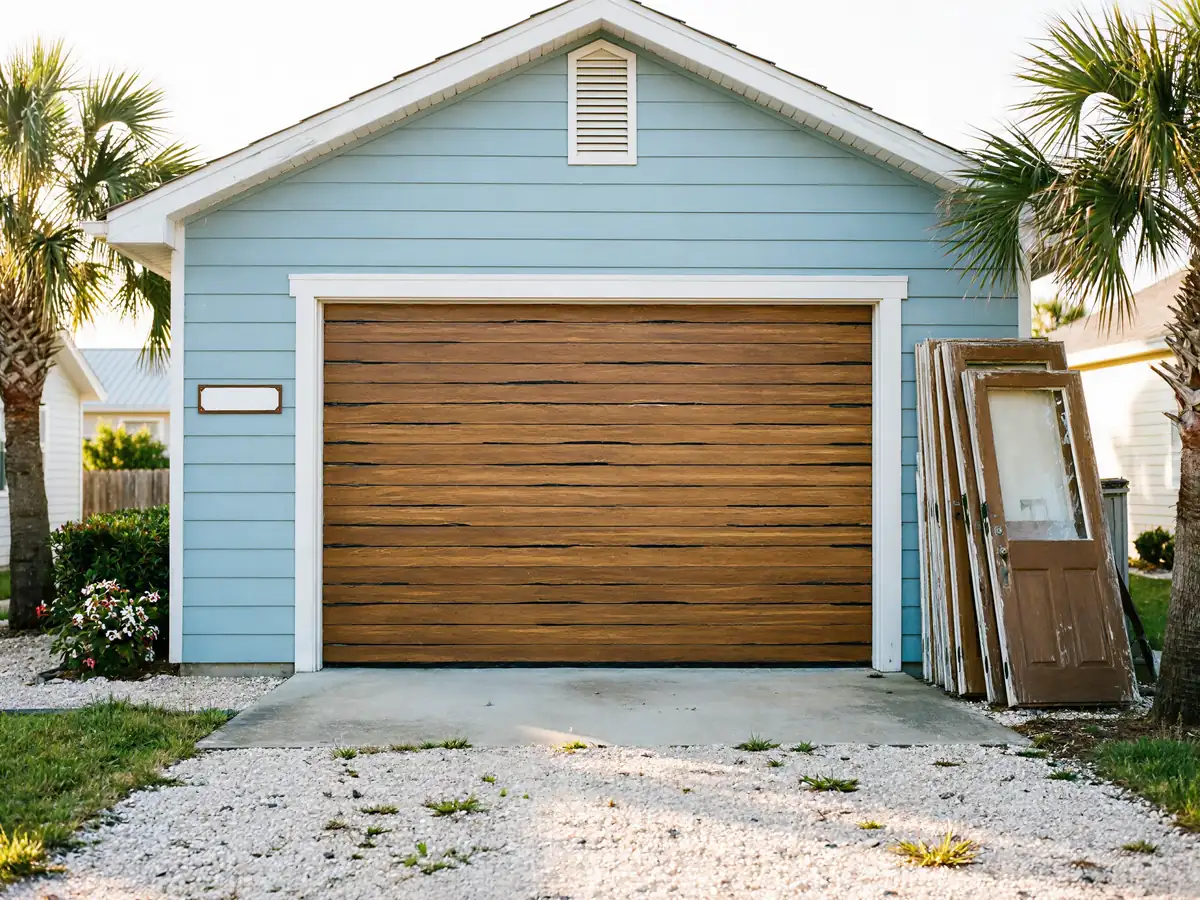
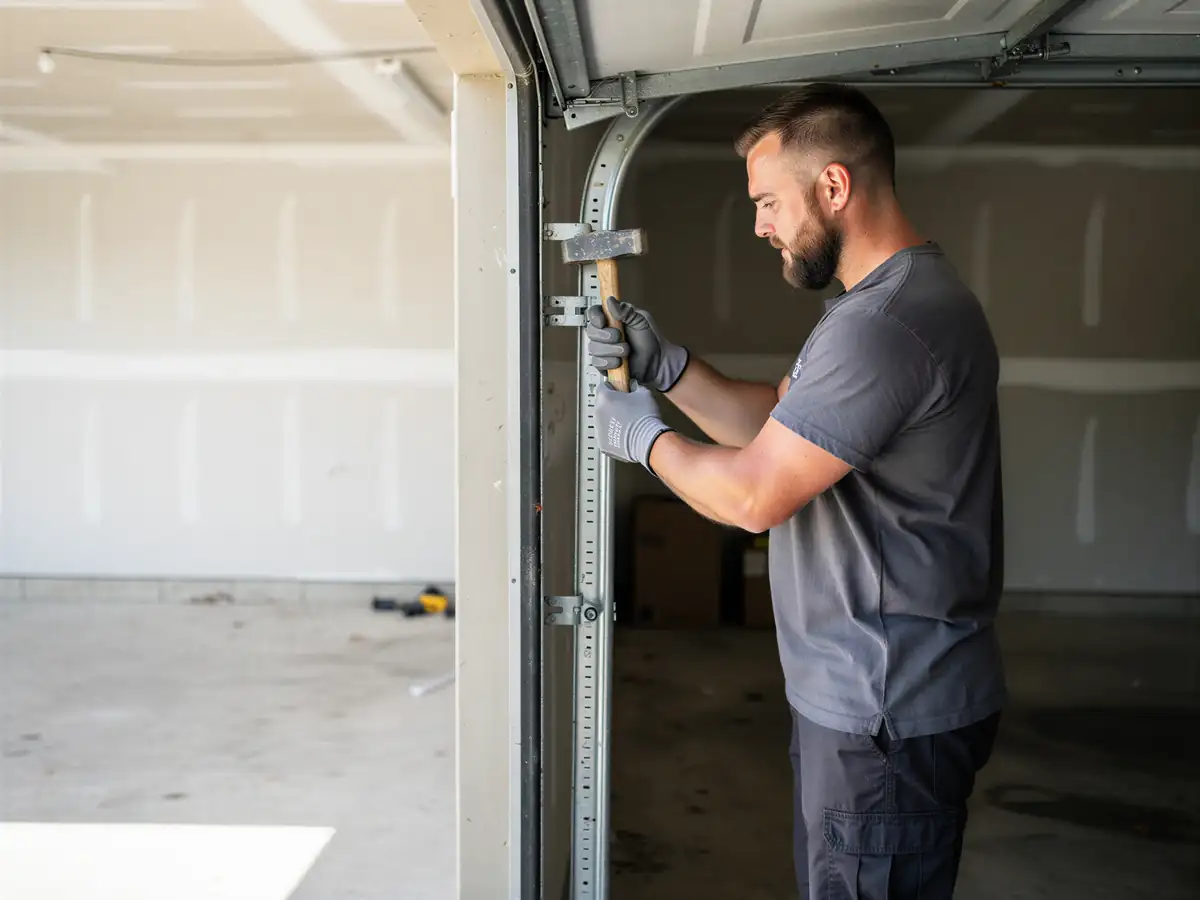
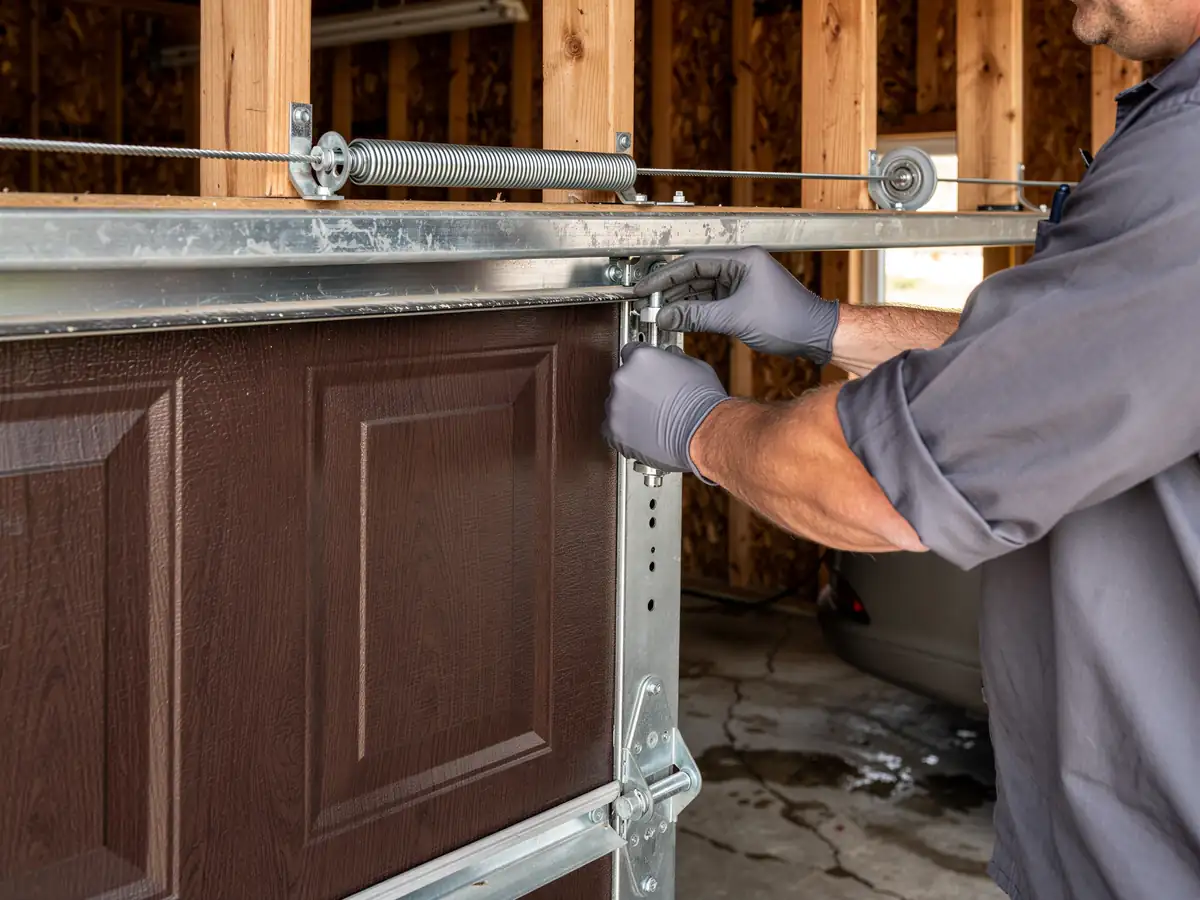
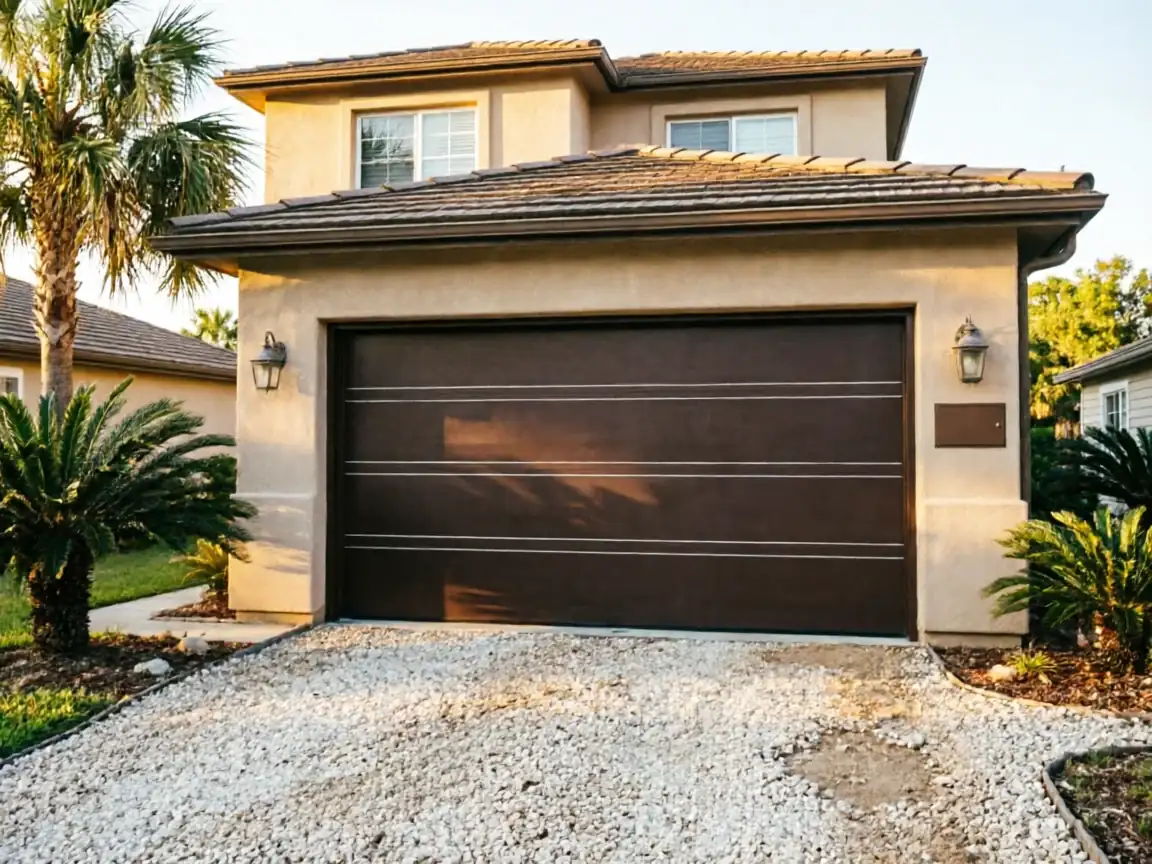
Most garages in Oldsmar went up around 1988, which puts them a decade or more newer than a lot of what we see closer to Dunedin. That matters because a door from that era is almost always a factory steel raised-panel unit, two-car width, hung on a torsion spring mounted center-overhead rather than the older side-mounted setups you find on 1960s stock elsewhere in the service area. The springs on a door that age have usually been cycled 10,000 to 15,000 times by now, which is right where torsion springs start to fatigue and snap without warning. The openers paired with these doors are typically chain-drive units from the late 80s or early 90s if they haven't been swapped out yet, and the gear sets inside those are long past their rated life. None of this is dramatic weather-driven failure - our climate band here is mild, so we're not fighting the frost-heave or wind-load problems you'd see further north. It's just steel and springs doing what steel and springs do after thirty-plus years of daily use.
The Symptom
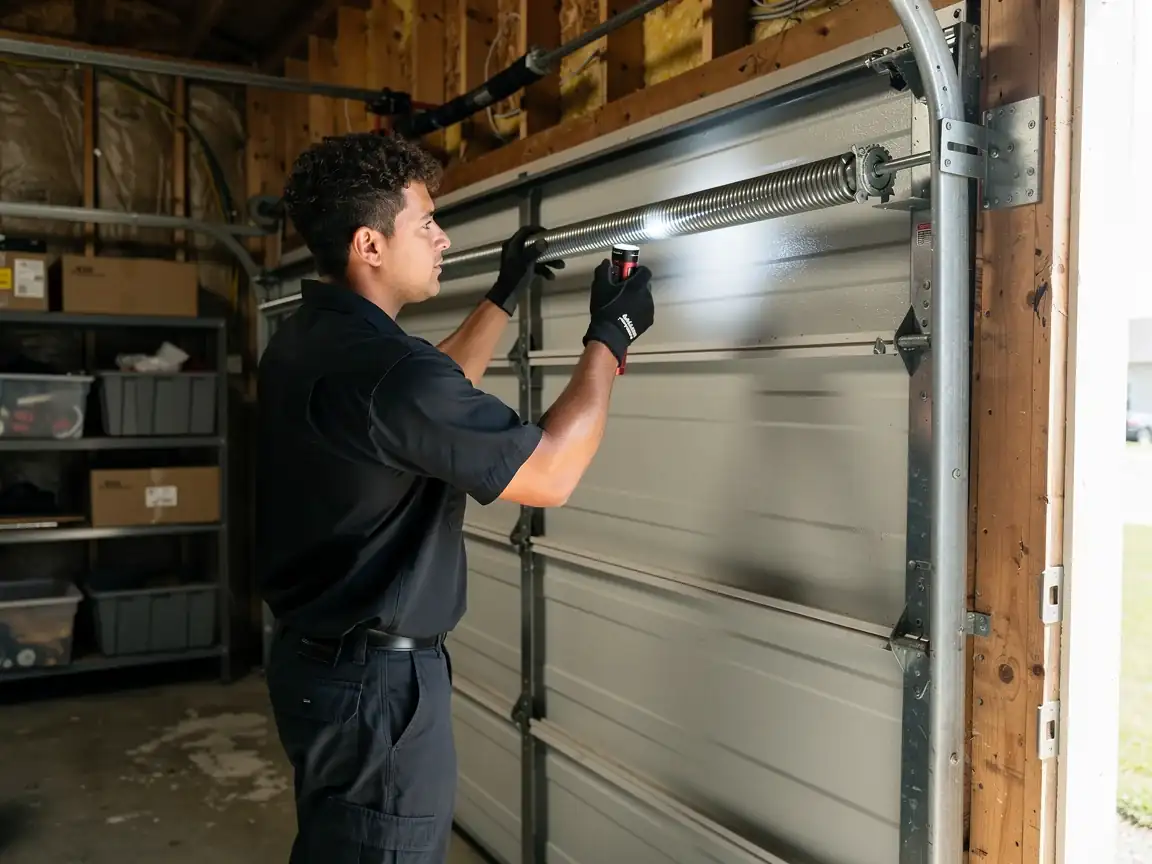
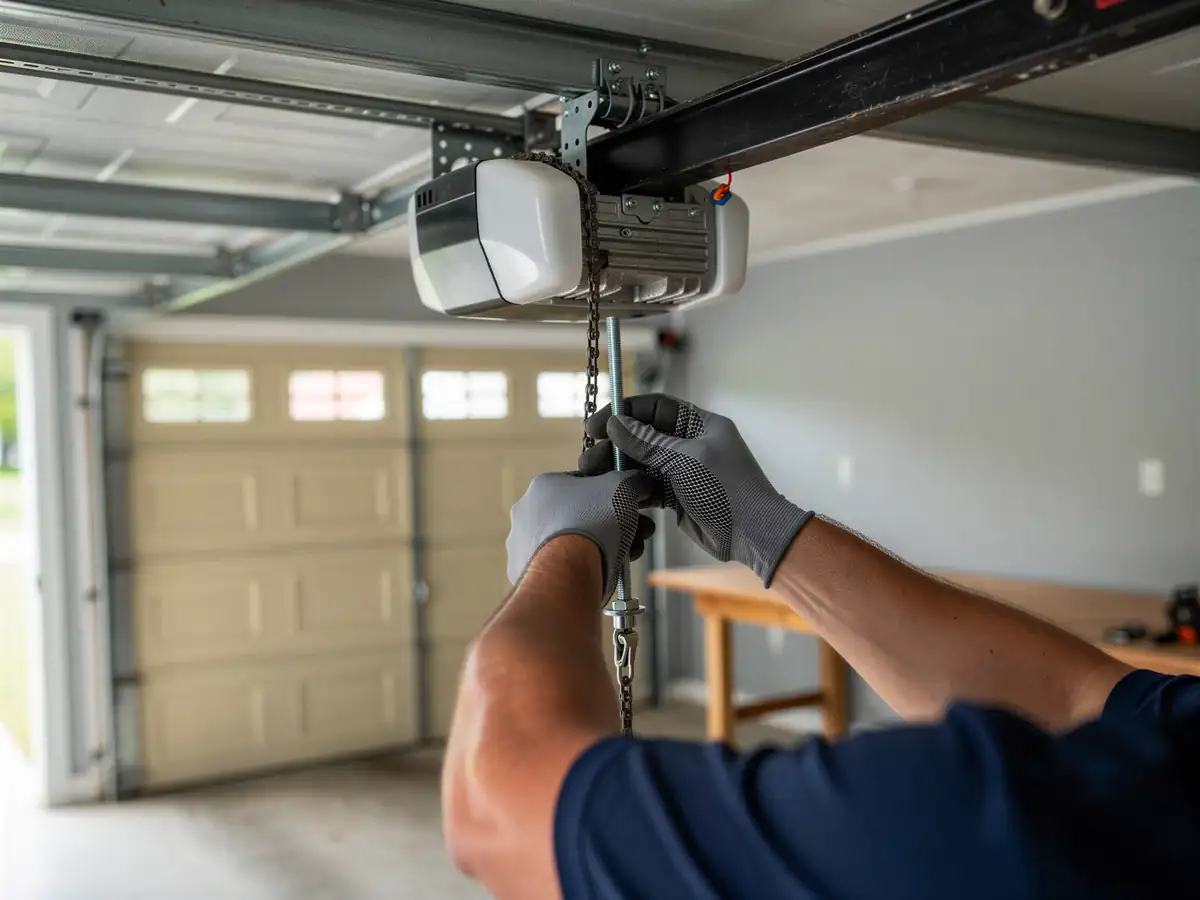
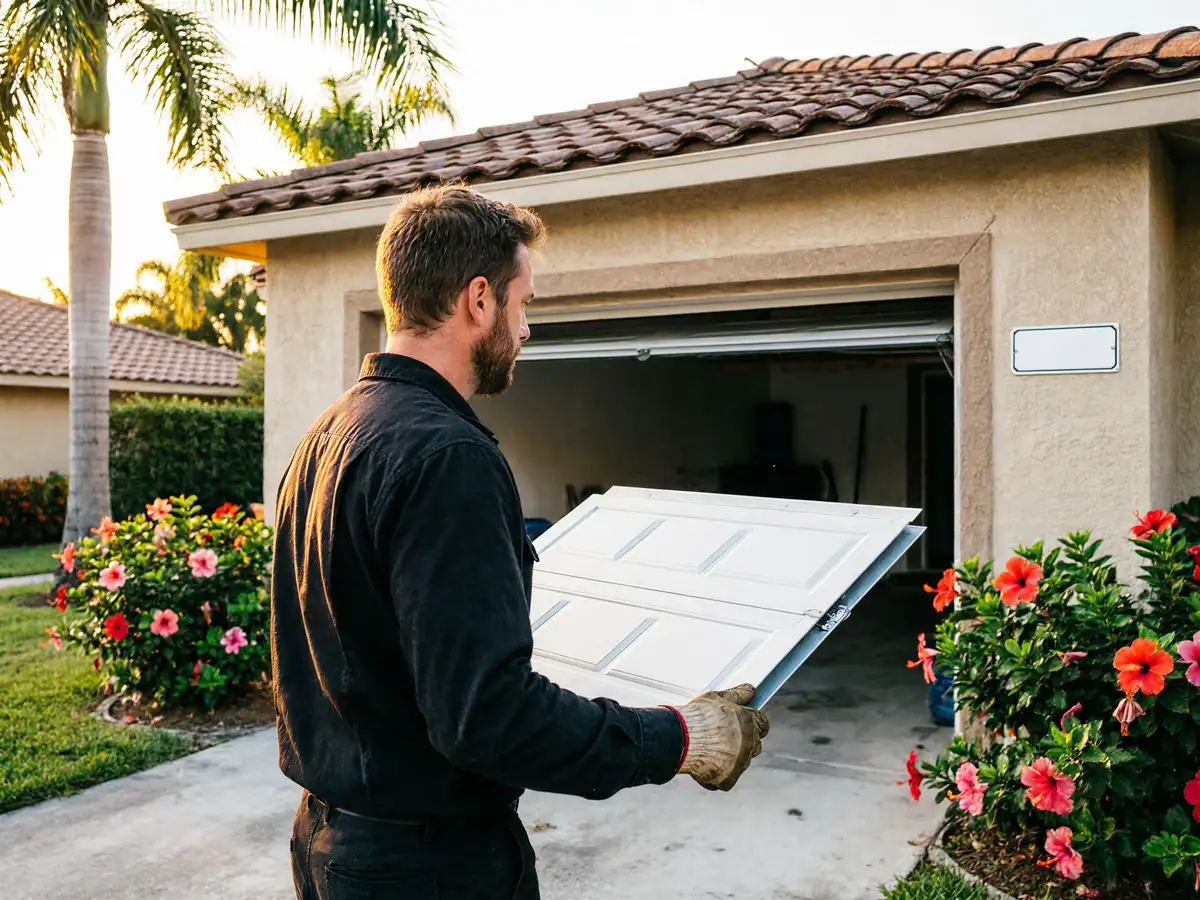
The complaint we hear most from this stretch is a door that starts strong and then stalls a few inches up, or one that drops faster than it should on the way down. Both point to the same suspect: a torsion spring that's lost tension, sometimes unevenly across a double door's two springs, which makes the panel rack sideways in the track instead of lifting square. On the late-80s steel doors common here, you'll also see surface rust bubbling along the bottom panel where condensation sits, especially once the seal at the bottom edge has hardened and stopped flexing. If the opener is original to the house, a grinding or clicking sound before the door moves at all usually means the drive gear has worn down to plastic dust inside the housing - a cheap part to replace, but one that takes the whole unit apart to get to.
What Is on the Truck
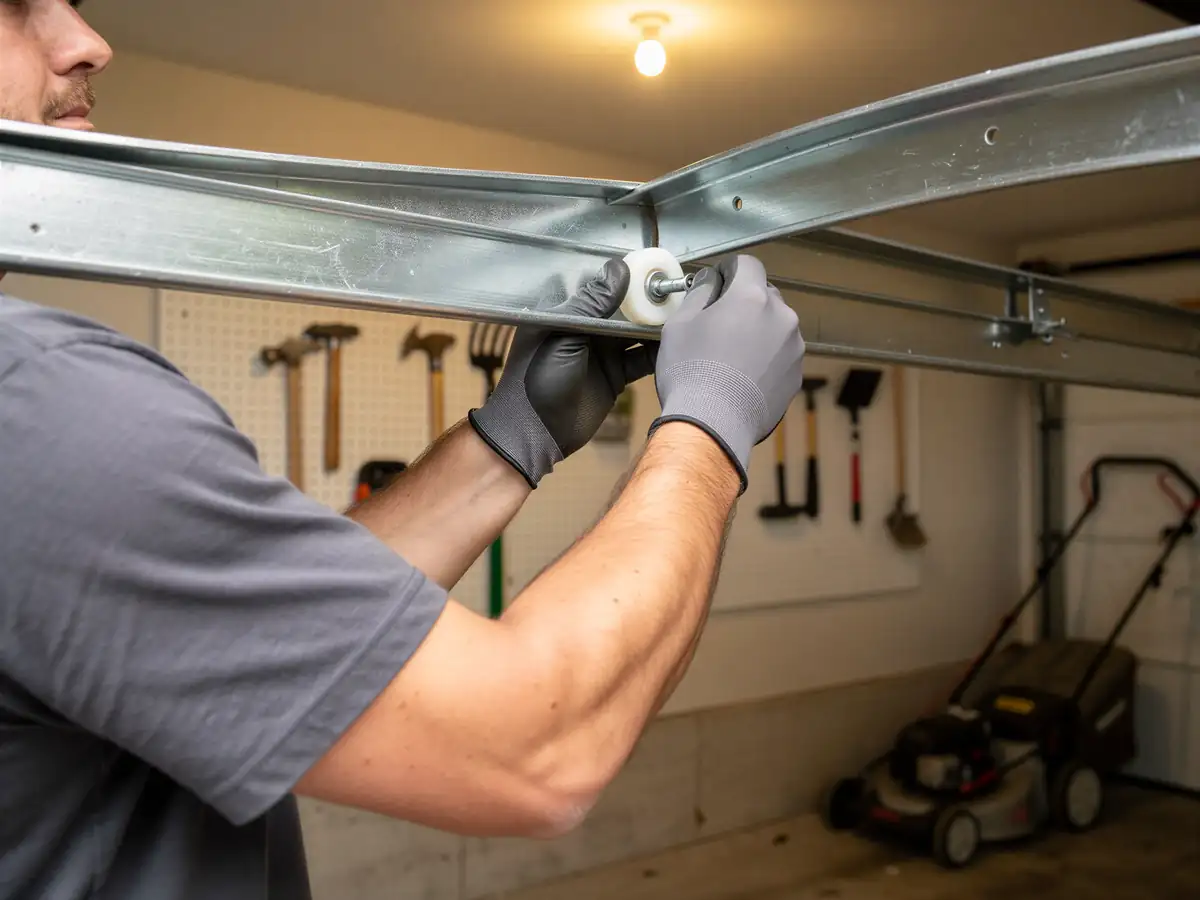
For Oldsmar calls we stock torsion springs sized for the standard 7-foot and 8-foot double door heights common on builds from that late-80s run, plus the steel end bearings and center bearing plates that wear out alongside them. We carry both chain-drive and belt-drive opener gear kits, since houses here are a mix of original equipment and later replacements. Galvanized rollers go on most jobs now instead of the nylon ones that shipped standard in 1988 - nylon's quieter when new, but it cracks faster in heat and doesn't owe anyone a name-brand replacement after this many years. What we don't carry is custom-width panel stock for doors outside the standard sizes - if a door's been cut down or is an odd import width, that's a special-order part and we'll tell you the lead time before we start, not after.
What the Repair Takes
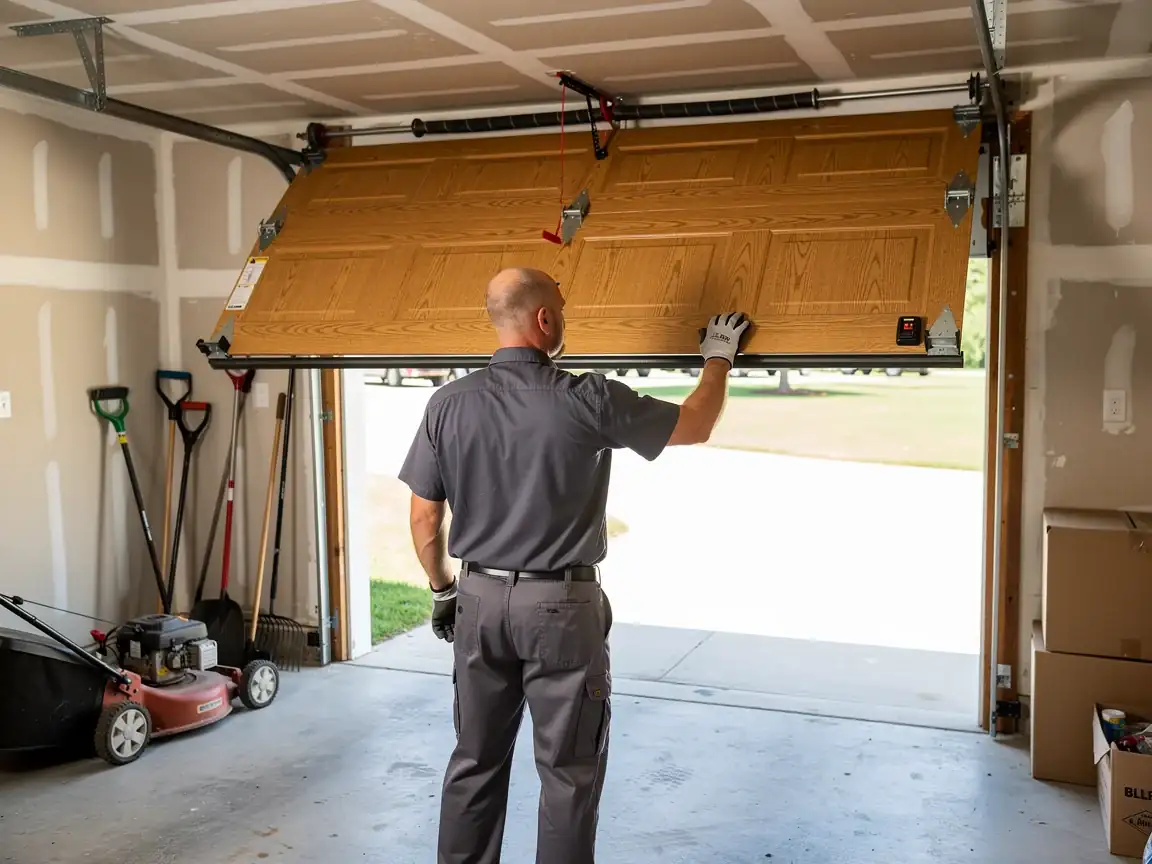
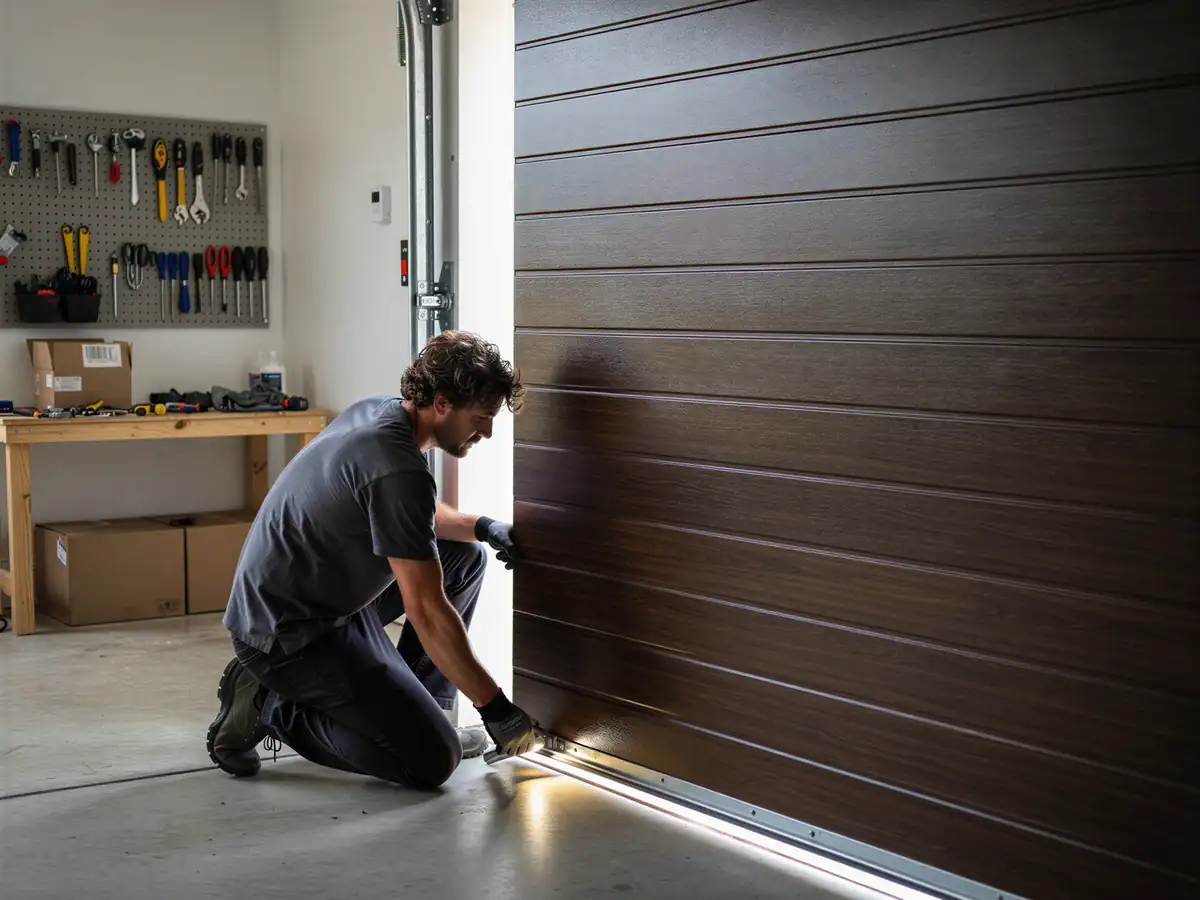
A straightforward torsion spring swap on a standard double door runs under two hours once we're on site, including re-balancing the door so it holds at any height without the opener fighting it. Bearing and roller replacement adds maybe thirty minutes if we're already in there. Opener gear kit swaps run similar timing, though if the whole unit is original to 1988 we'll usually tell you straight that a new opener costs about the same as a rebuild and comes with a working safety reversal system the old one may not have. We won't talk you into replacing a door that's structurally sound just because the paint's gone - steel panels from that build era hold up fine past forty years if the spring and hardware underneath are doing their job.