Why It Happens Here
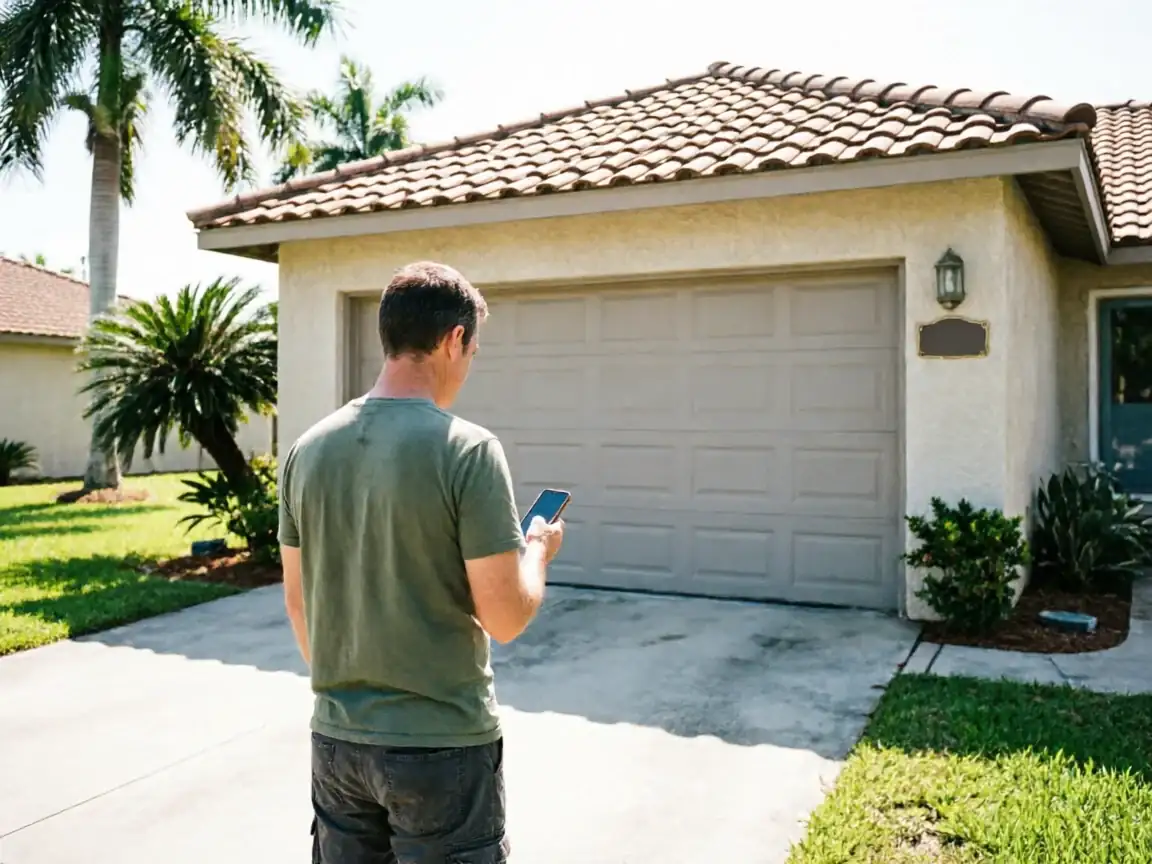
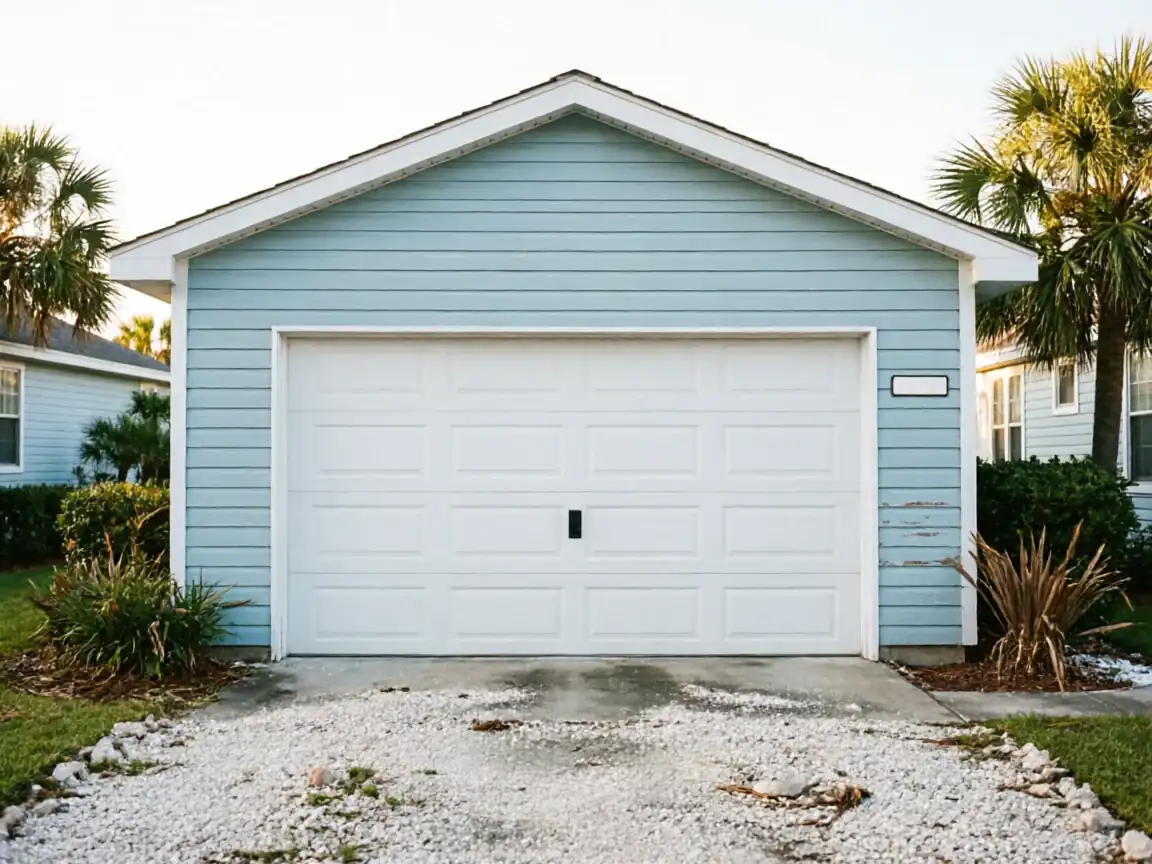
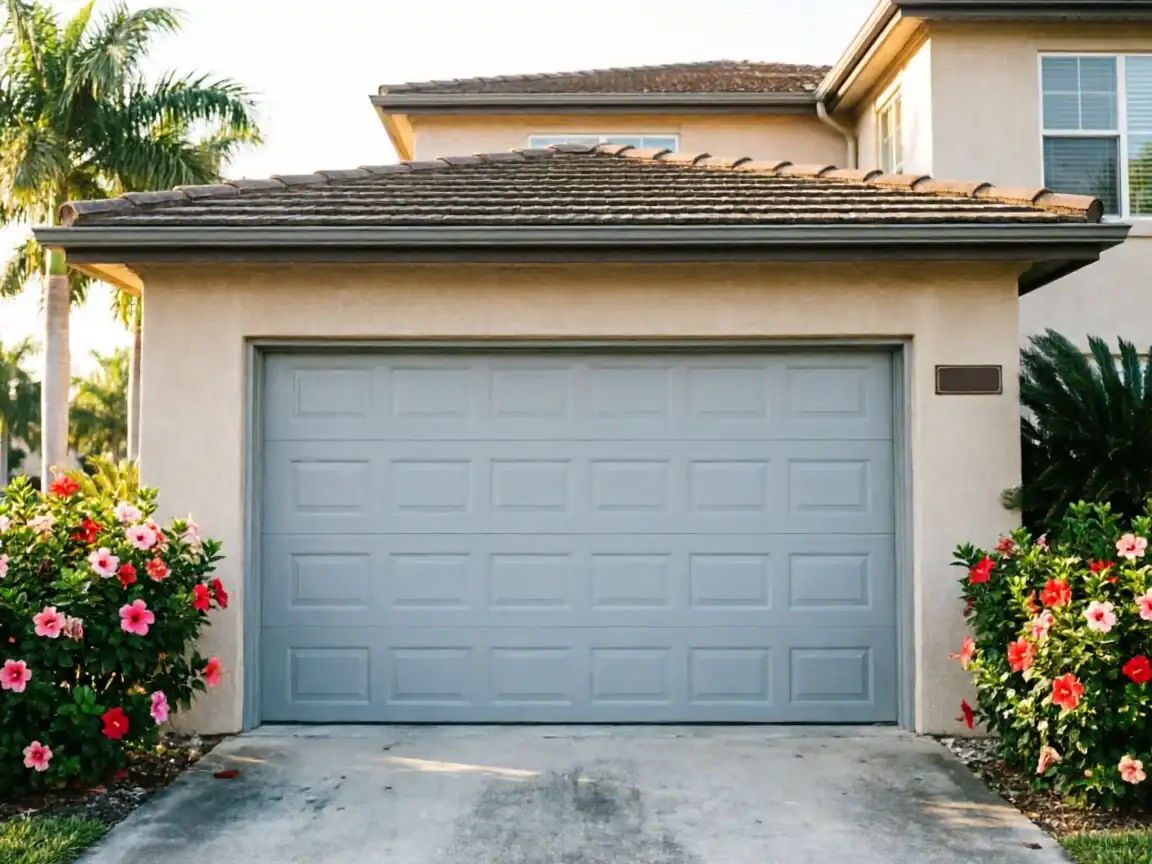
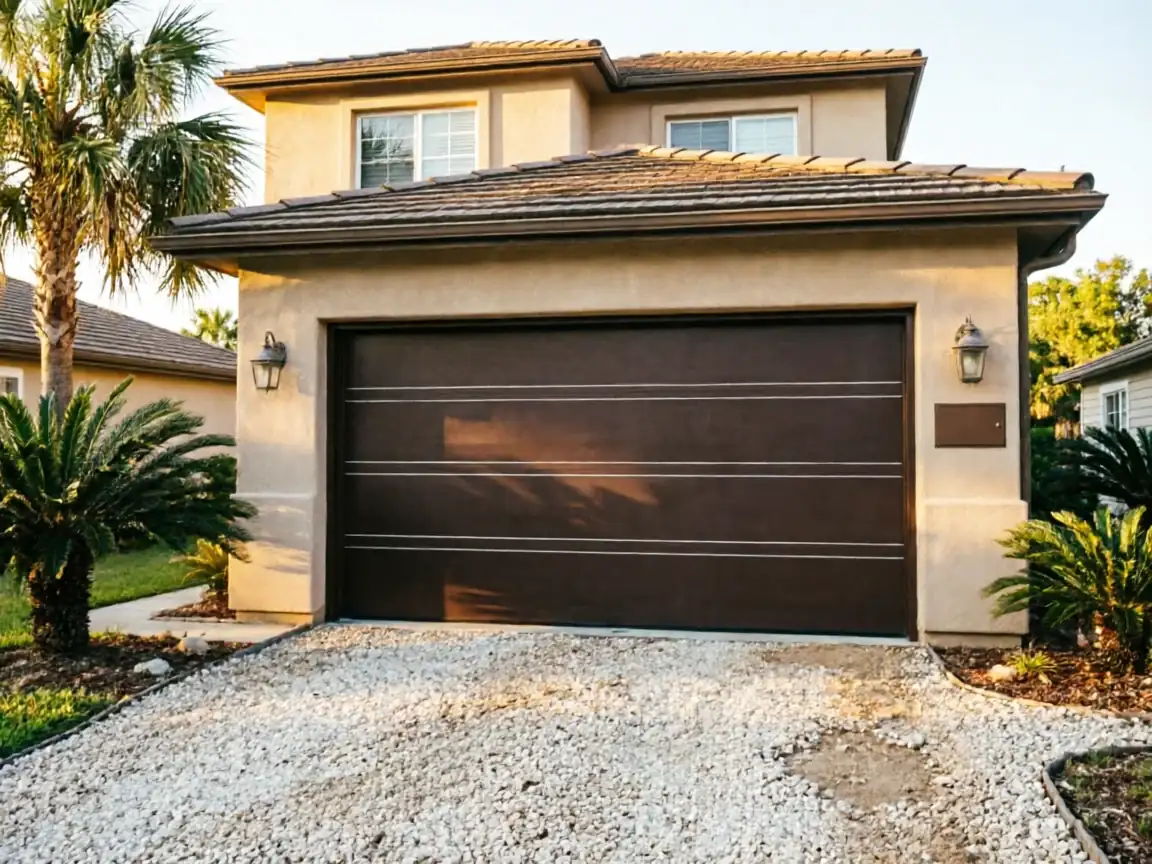
Oldsmar sits about 9 miles from our shop in Dunedin, and that drive shapes how a maintenance call here actually works - we're not pulling up from around the corner, so we plan the visit instead of swinging by on a whim. The houses we find once we're there mostly went up around 1988, which puts this town's door and opener hardware in a different window than a lot of the rest of the service area, where homes run anywhere from 1958 to 2005. A door and opener installed in the late 1980s or early 1990s is now 30-plus years into a cycle that torsion springs, cables, and chain-drive openers were never built to last through without attention. Add Tampa Bay's mild but humid, salt-tinged air and you get steady, slow corrosion on hardware that was fine when it went in but is tired now. We're not guessing at this - it's the ordinary wear pattern for a door that's been cycling twice a day for three decades. The honest limit: if a spring has already snapped or an opener's logic board is fried, that's a repair call, not a maintenance visit, and we'll tell you that on the phone before we drive out.
The Symptom
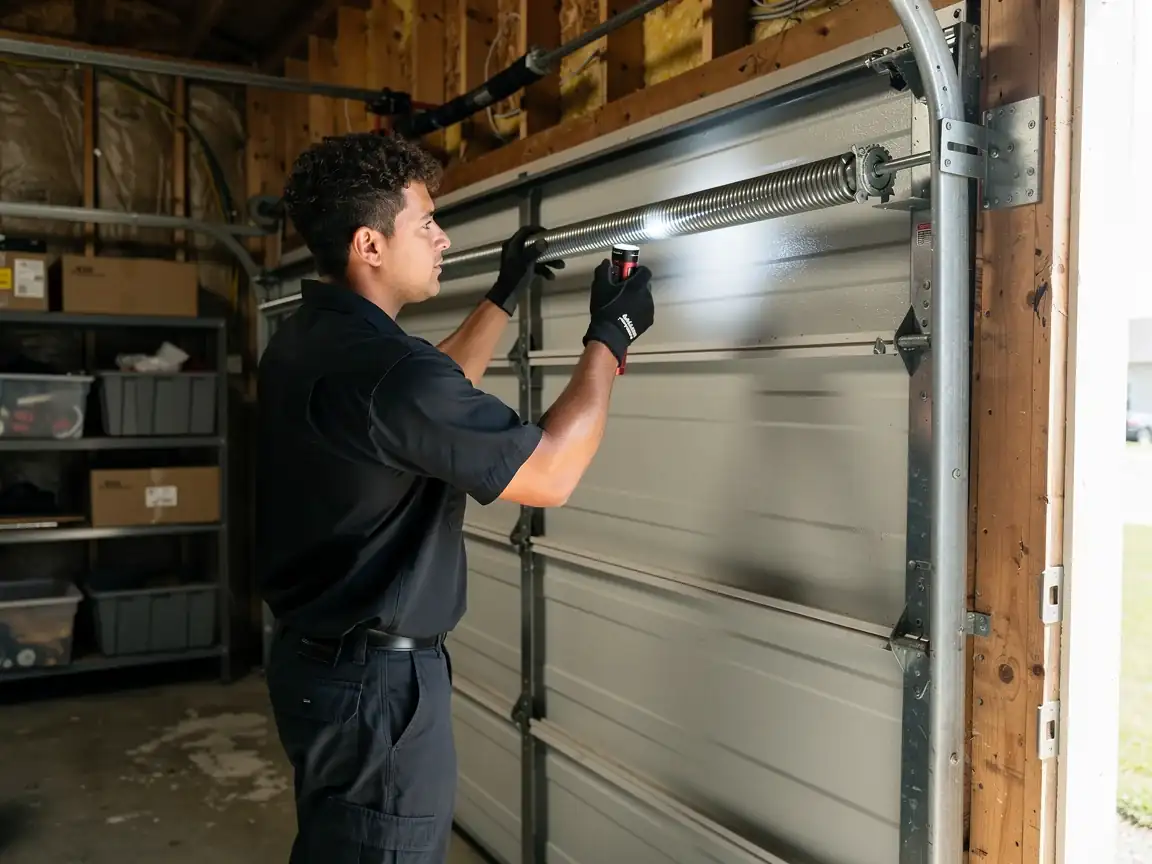
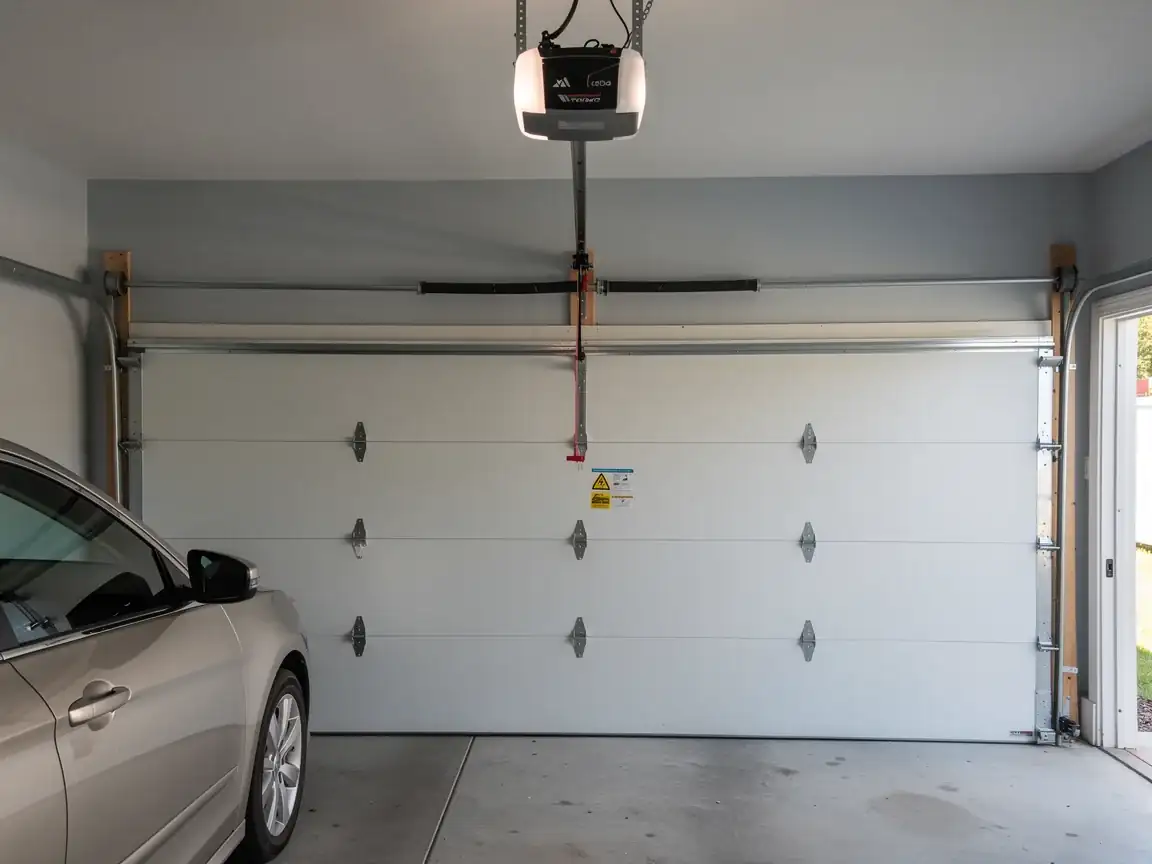
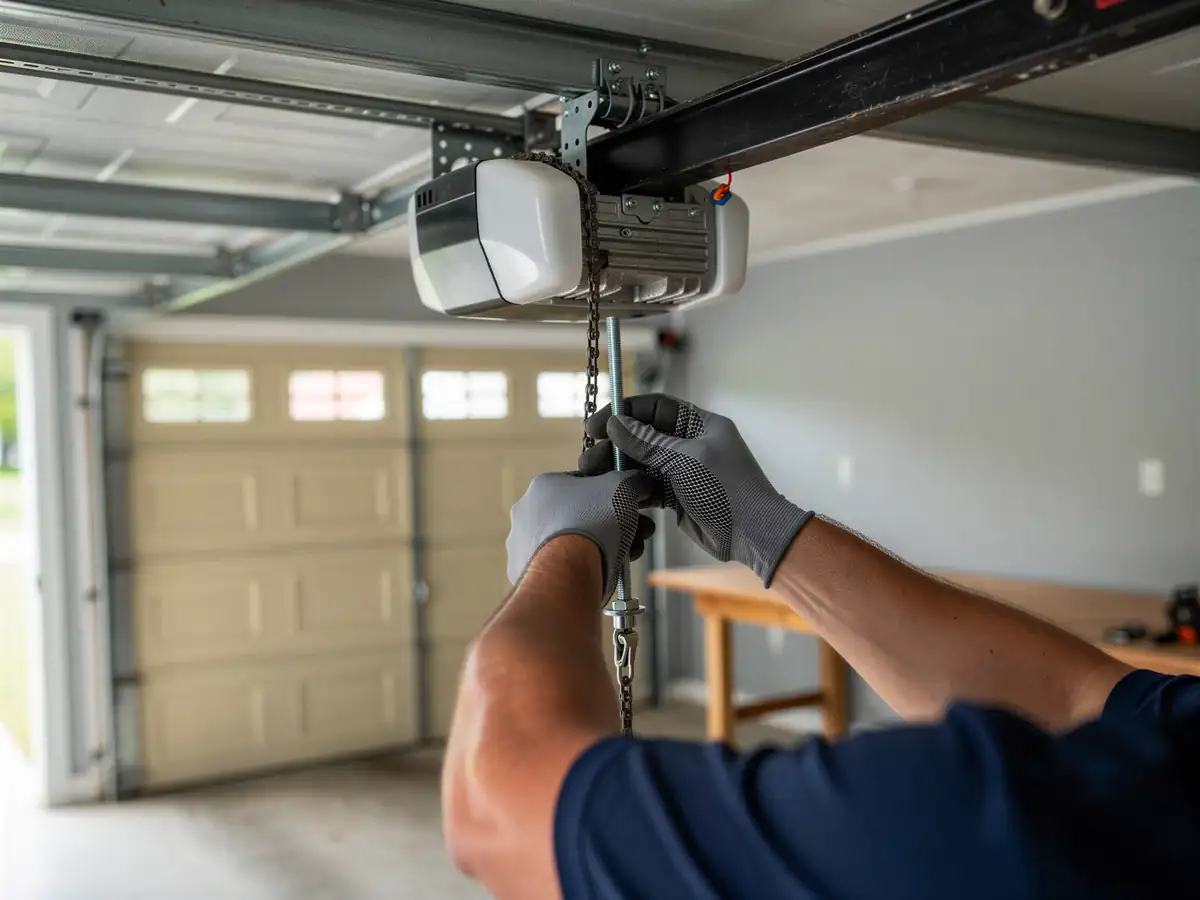
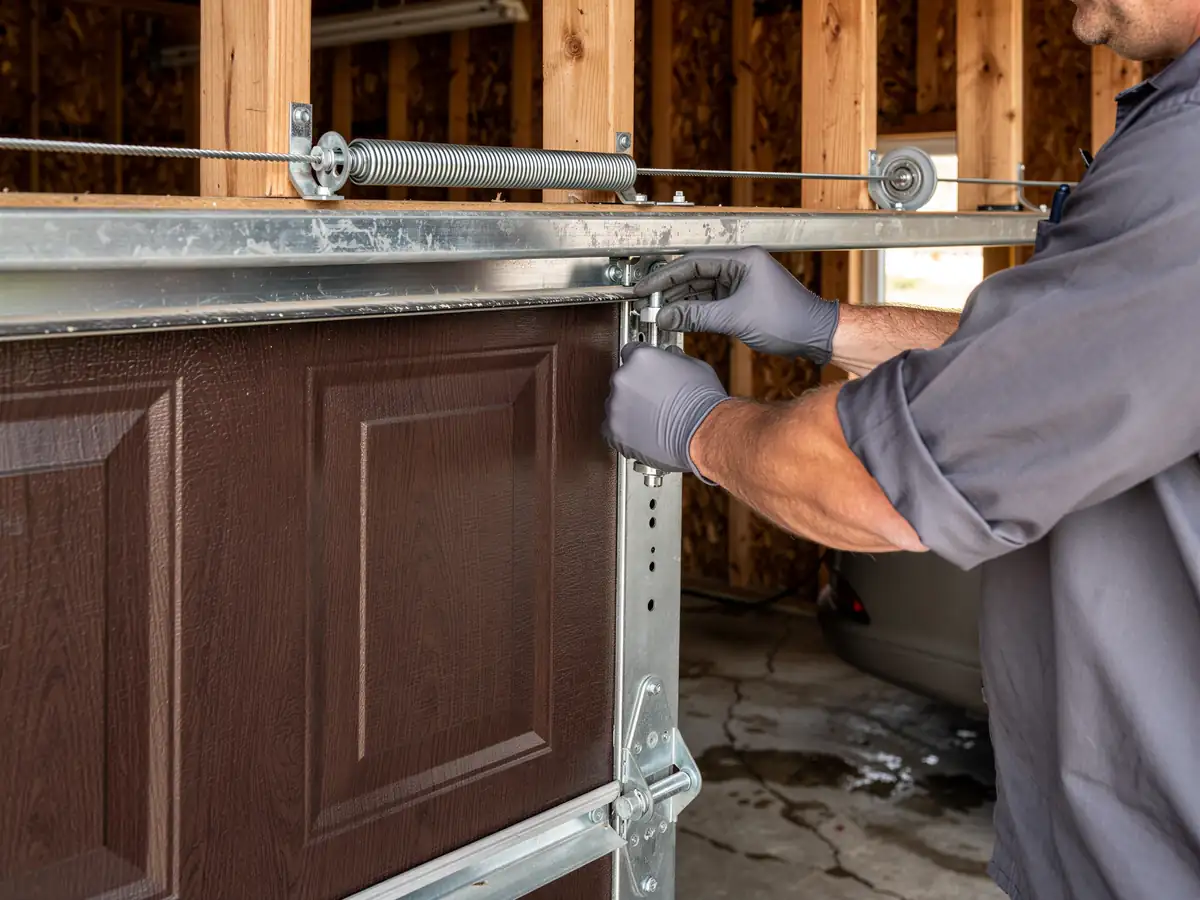
On a house built around 1988, the maintenance calls we get from Oldsmar tend to sound similar. Owners mention a door that groans or shudders partway through its travel, a remote that only works from six feet away instead of across the driveway, or a door that reverses on its own for no clear reason. These point to original torsion springs losing tension after years of temperature swings, nylon rollers that have gone brittle and started to crack, or opener sensors whose alignment has drifted a fraction of an inch - enough to trip a safety reversal. None of these are dramatic failures yet. They're the warning signs that show up before a cable snaps or a spring lets go entirely, which is usually what gets a same-day repair call instead of a scheduled maintenance one. Catching it at the groaning-door stage is cheaper and safer than catching it after.
What Is on the Truck
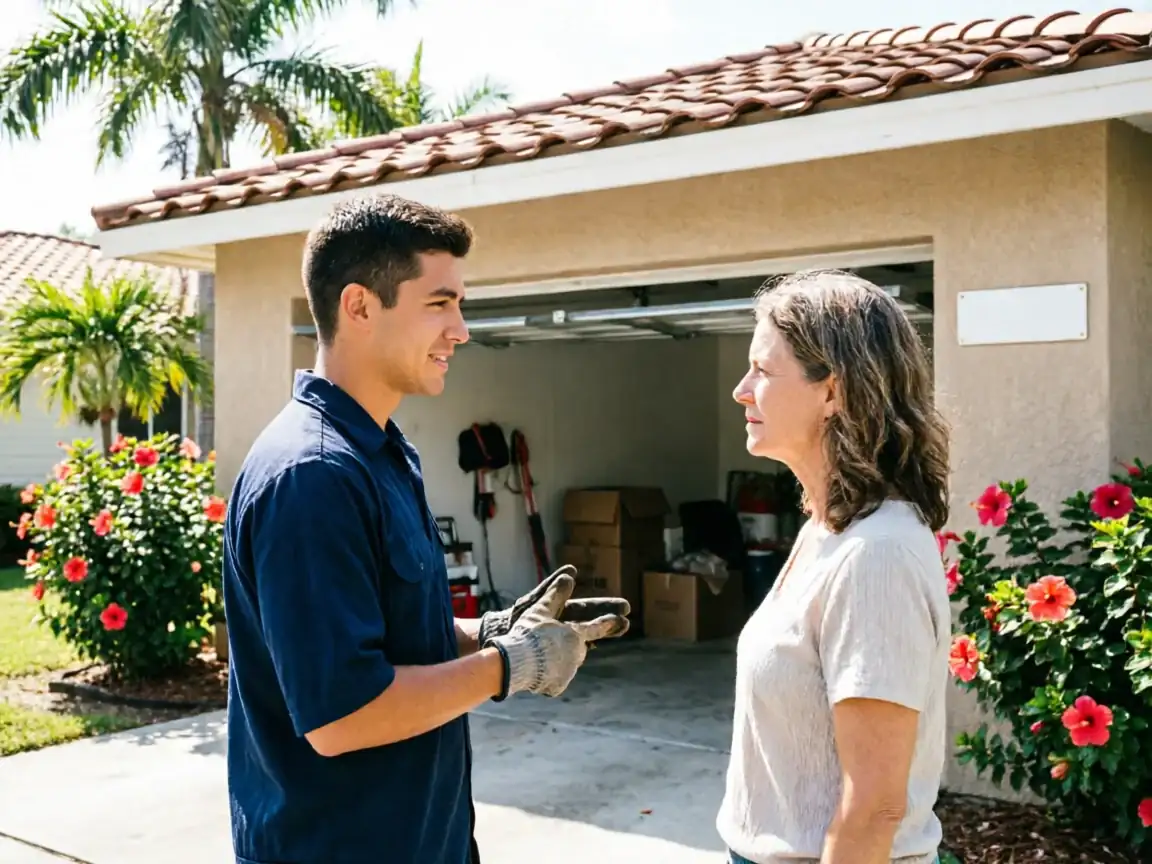
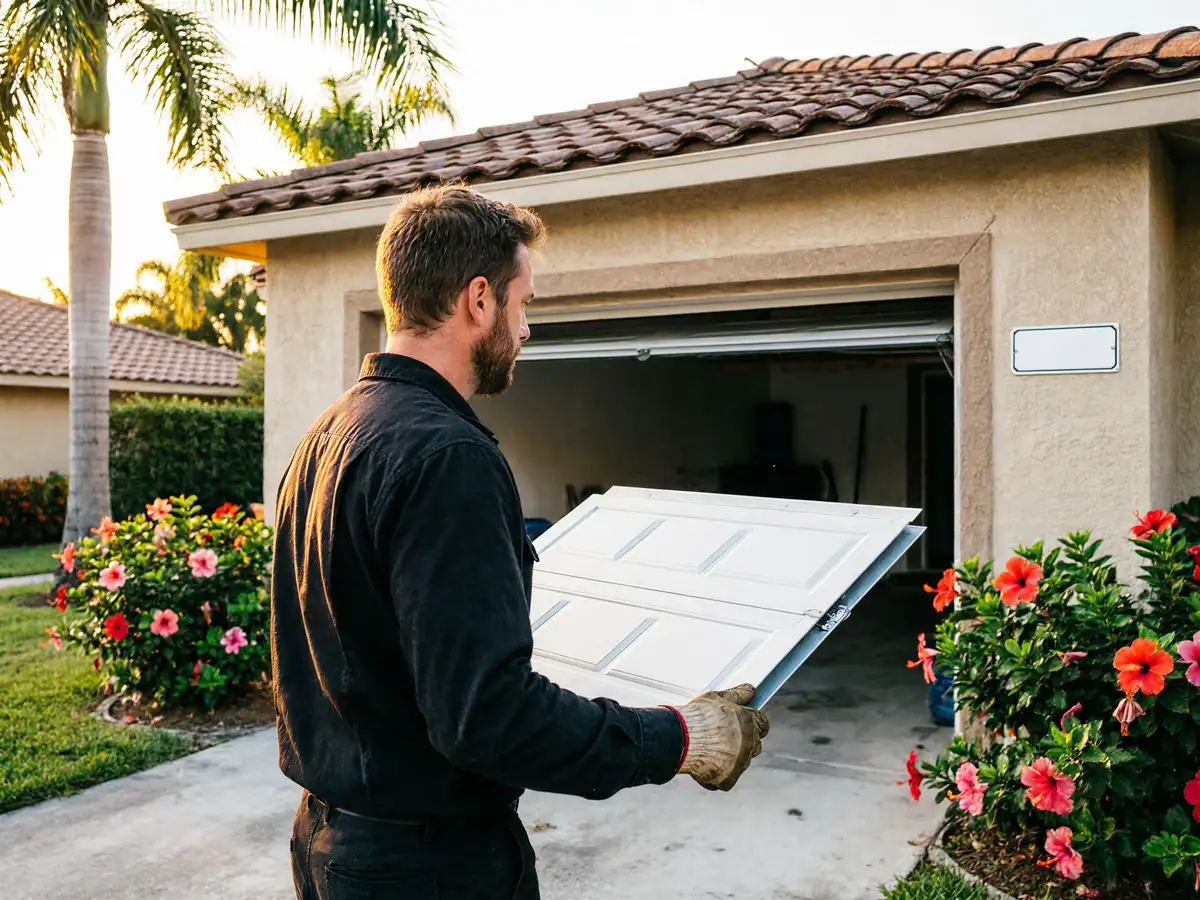
For a town where most doors trace back to the late 1980s, the truck carries galvanized torsion springs in the common residential sizes from that era, standard-track rollers in both nylon and steel, and the lubricants suited to mild, humid coastal air rather than a dry climate. We also stock basic opener sensor hardware, since misaligned safety eyes are one of the most common fixes on a house this age. What we don't carry is every specialty panel or obsolete opener logic board - if your door is an unusual brand or a custom size, that part may need to be ordered, and we'll say so up front rather than stringing out a visit pretending we can fix it on the spot.
What the Repair Takes
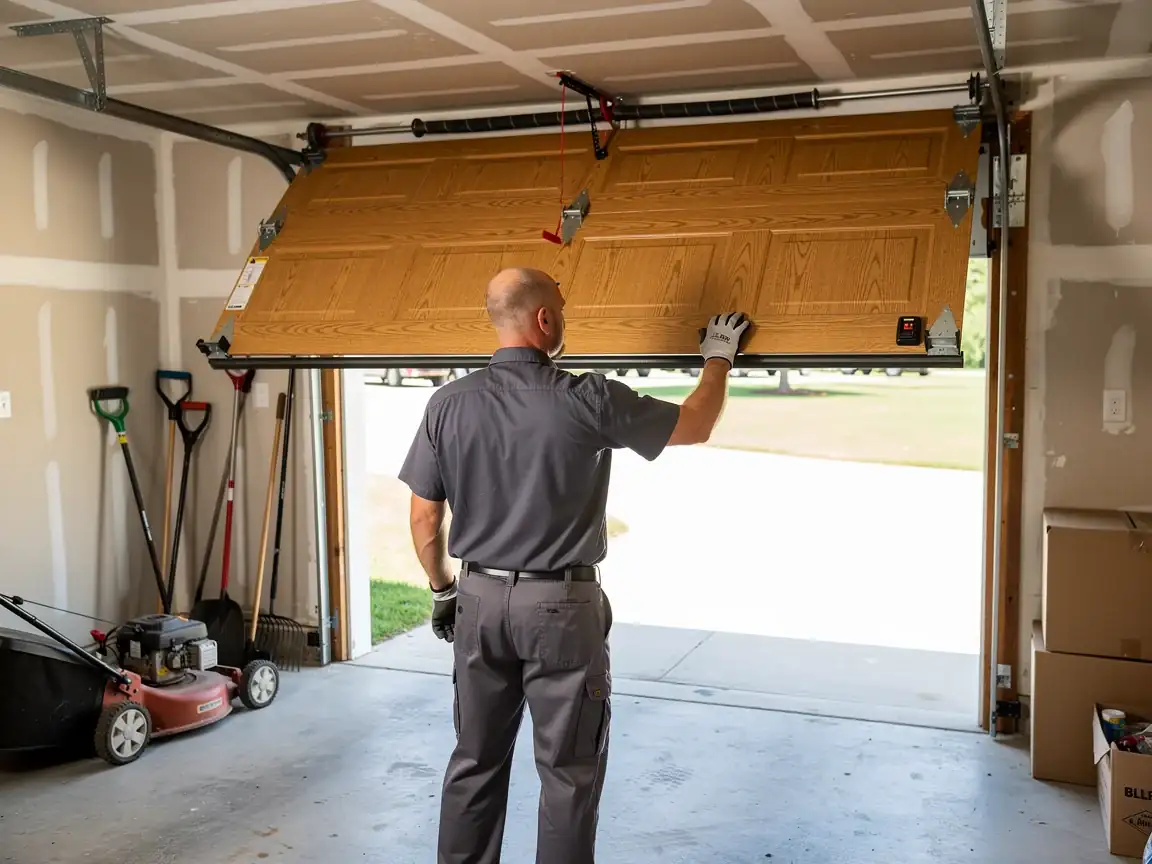
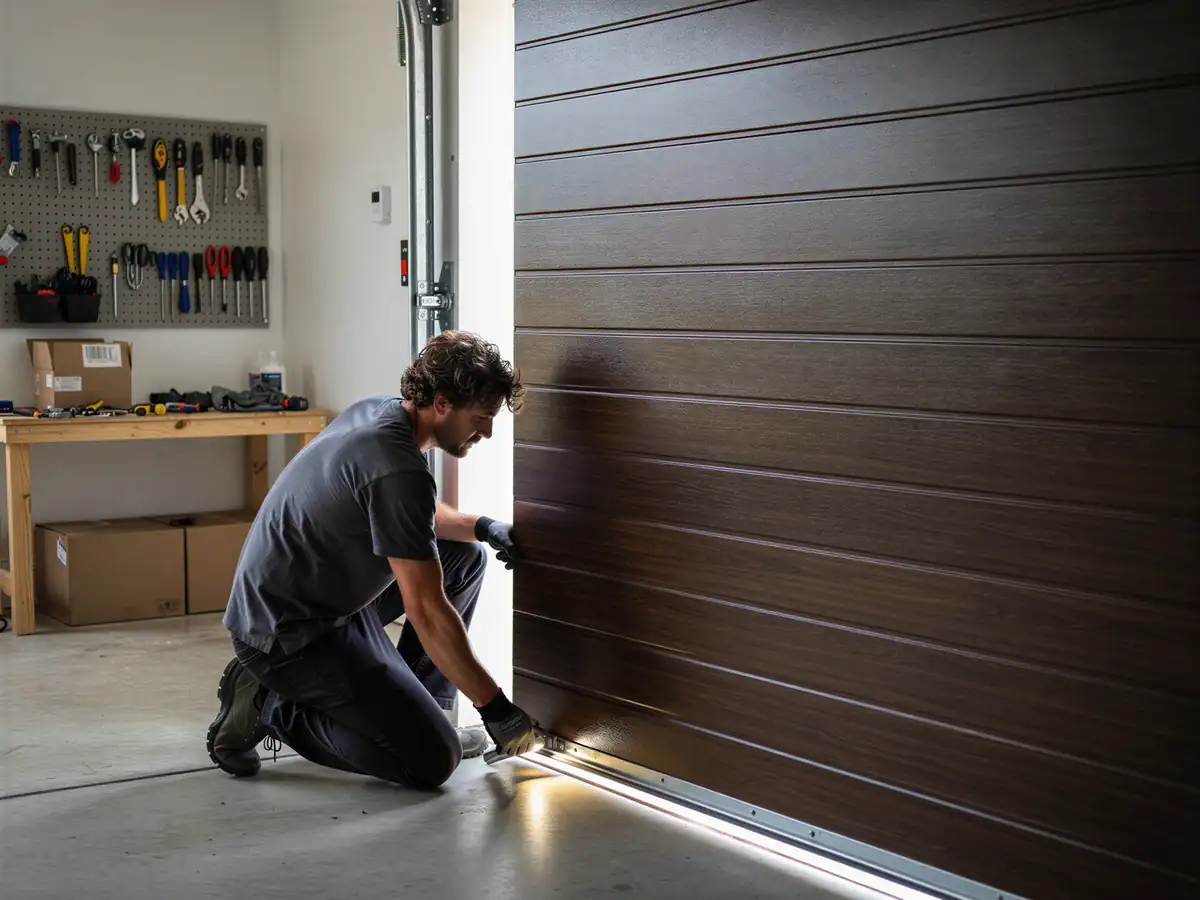
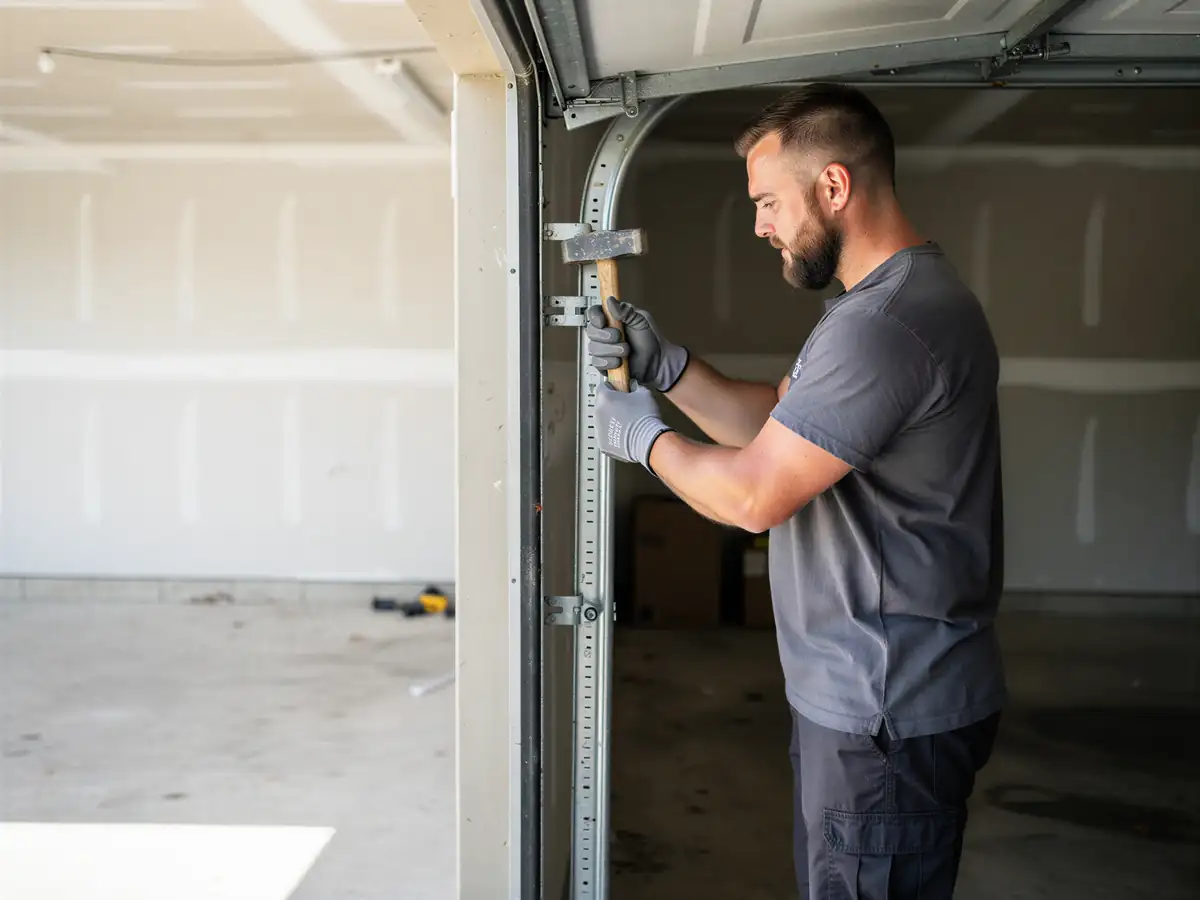
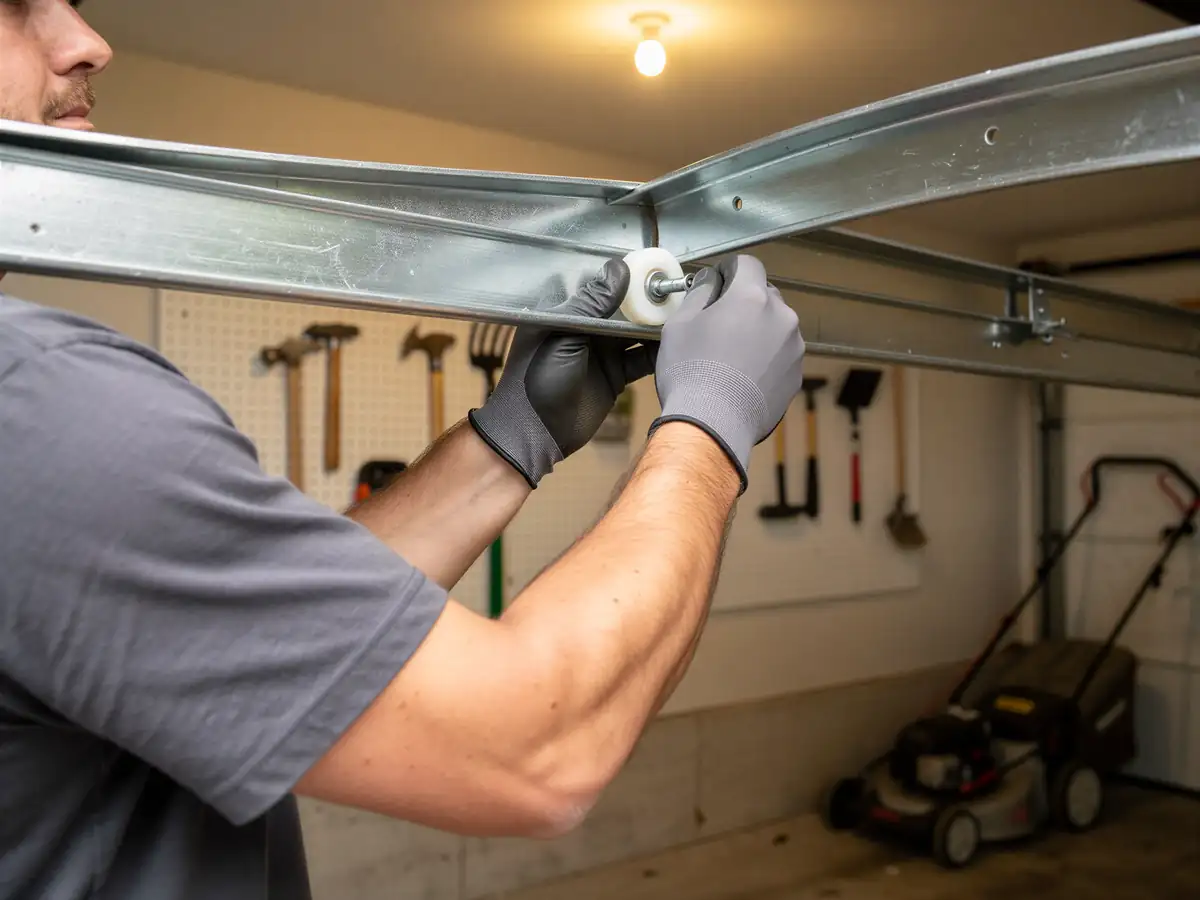
A standard maintenance visit covers spring tension check, roller and hinge inspection, track alignment, opener sensor alignment, and lubrication - the kind of once-a-year attention a 1988-era door needs to keep running another decade instead of failing in a way that takes the whole opener with it. If we find a part that's past adjusting, like a spring that's stretched out or a roller that's cracked through, we'll replace it on the visit if it's a common size we carry, or quote it separately if it needs ordering. We won't pad a maintenance visit into a full replacement sale if the door doesn't need it - sometimes the honest answer on a 30-year-old door is that it's got a few more good years left with the right parts swapped out.