Why It Happens Here
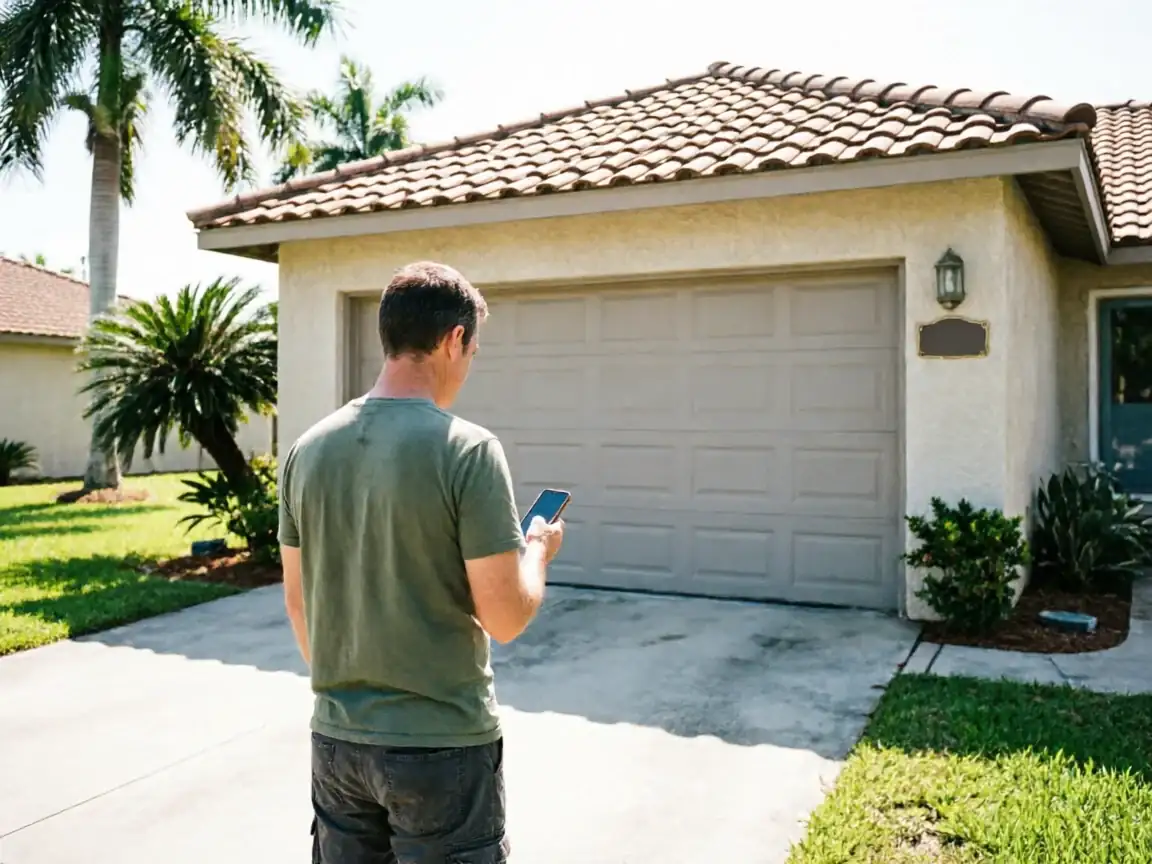
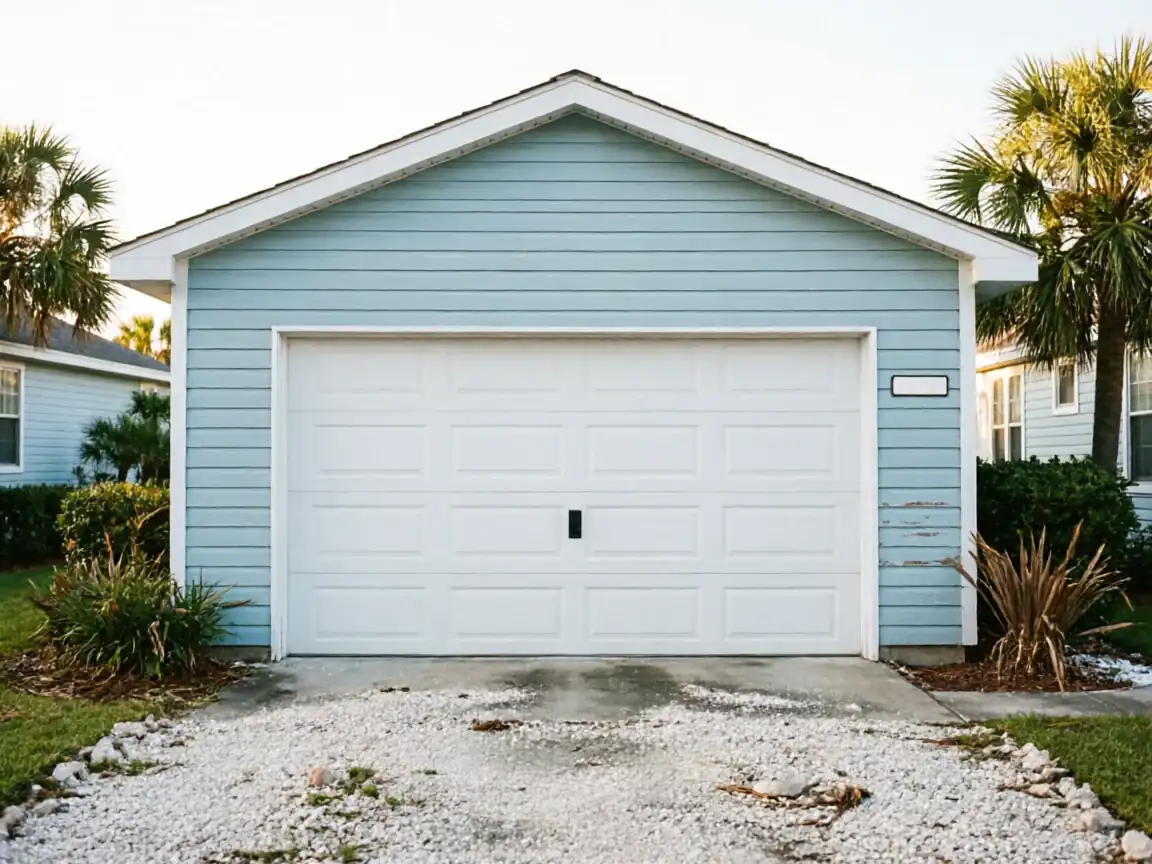
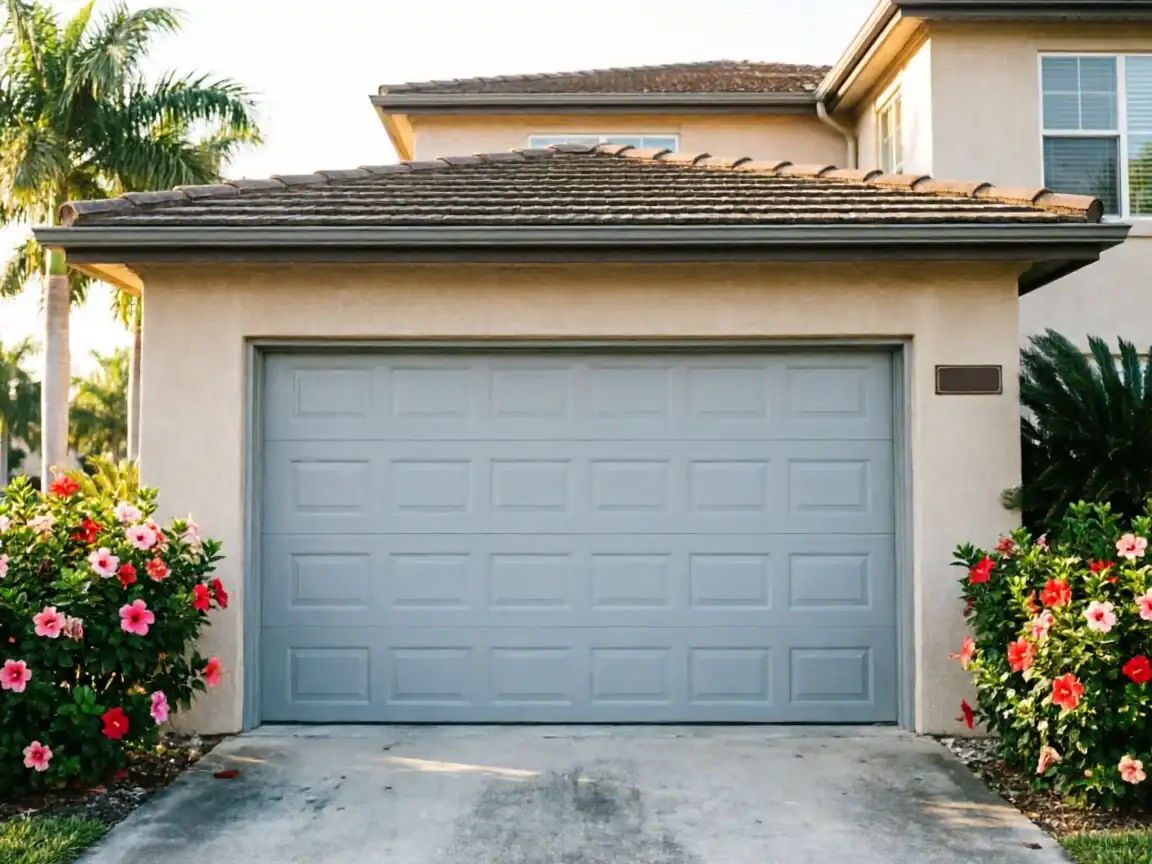
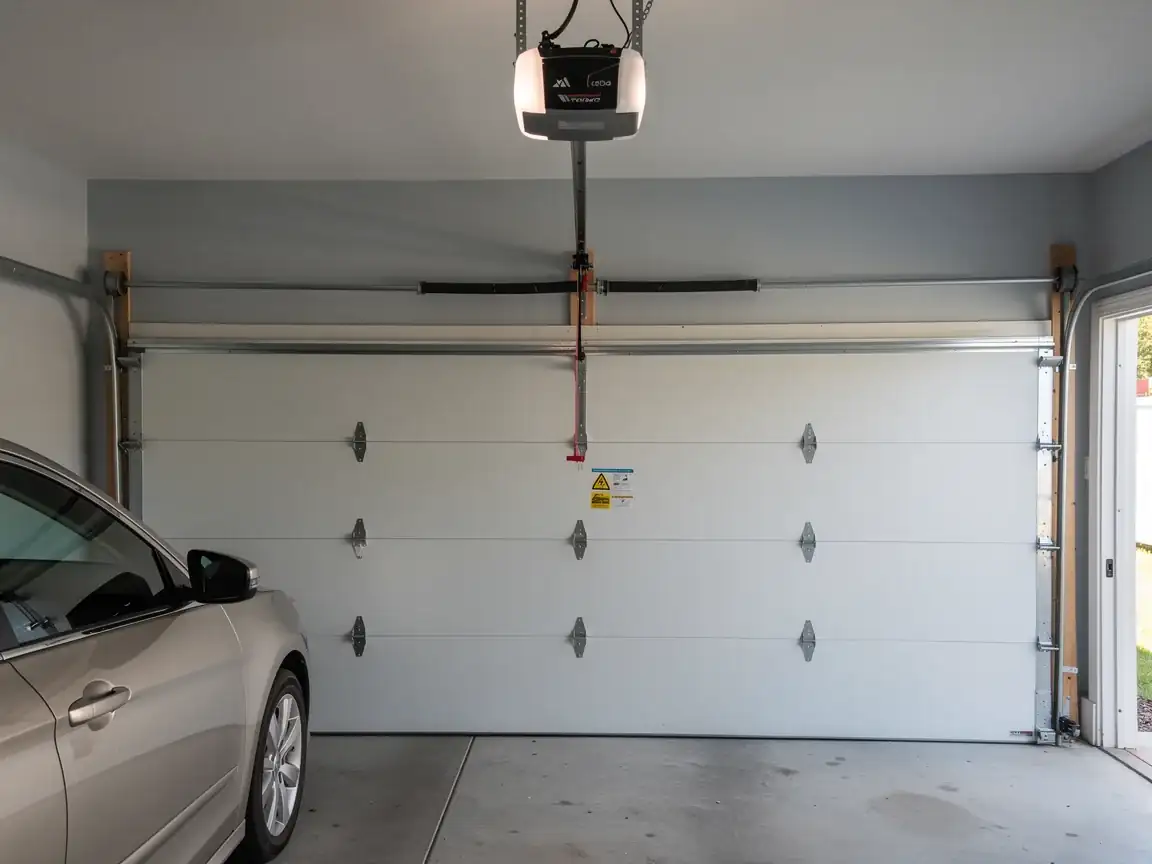
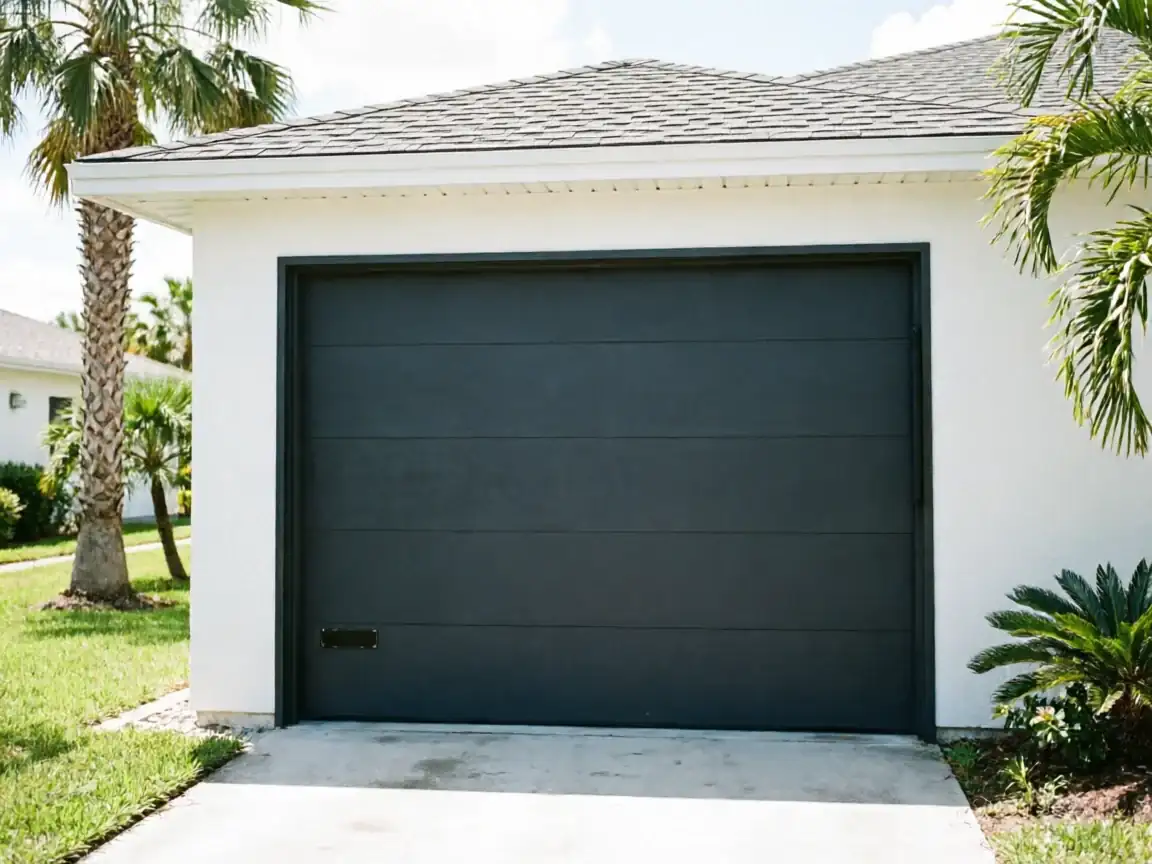
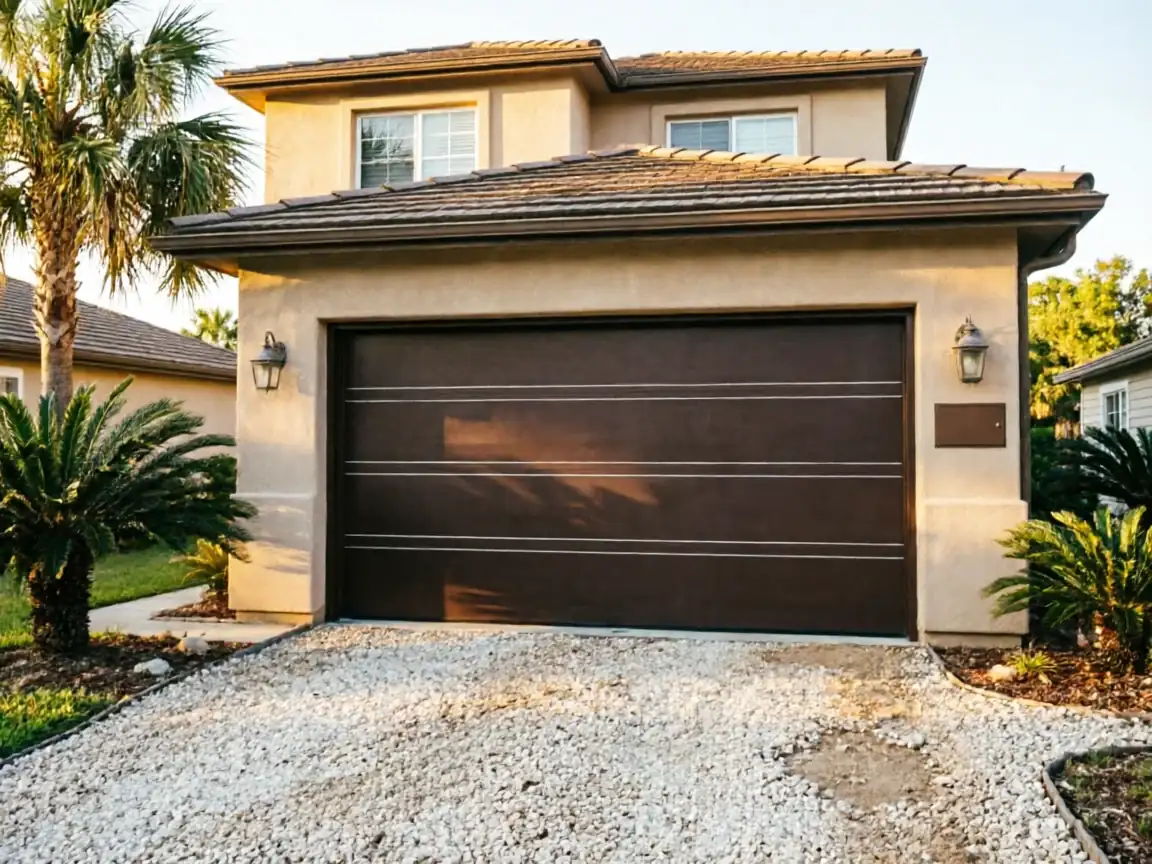
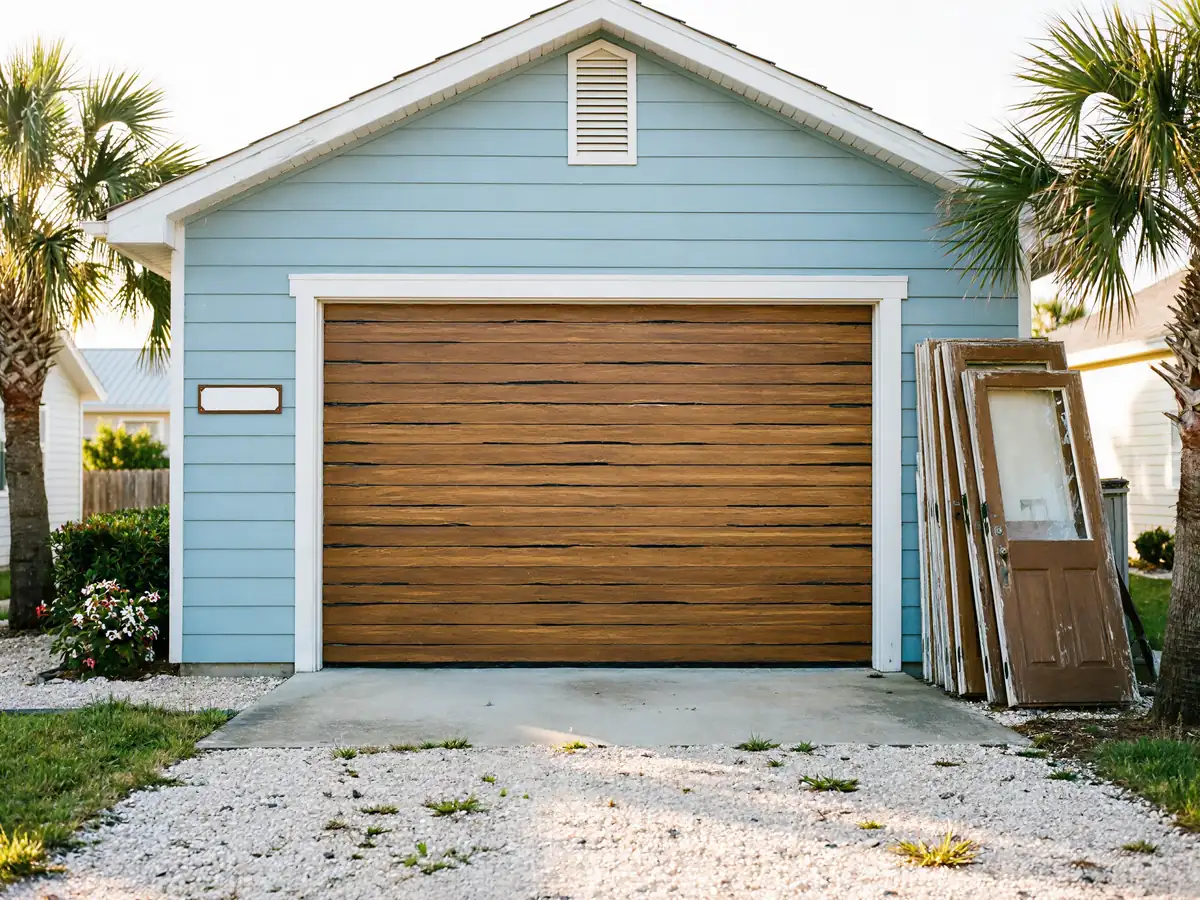
Most houses in Westchase went up around 2001, which puts this neighborhood a couple of decades newer than much of the surrounding Dunedin service area, where the typical build year runs anywhere from 1958 to 2005. That difference matters more than people think. A door that's original to a 2001 build isn't fighting 1970s rust and settling - it's a builder-grade steel door with a builder-grade opener, both selected to hit a price point during construction, not to last forever. Twenty-plus years in, those doors are hitting the end of their service life at the same time, street after street, because the whole neighborhood was built in the same few years. That's different from older pockets of the service area where doors have already been replaced once or twice and the hardware is a mixed bag. In Westchase, it's common to find the original torsion spring, the original opener, and the original panel all still in place, all aging out together. The fix isn't a patch job on hardware this old - once the opener motor and the panel are both near the end, replacement is the honest answer, not another repair call.
The Symptom
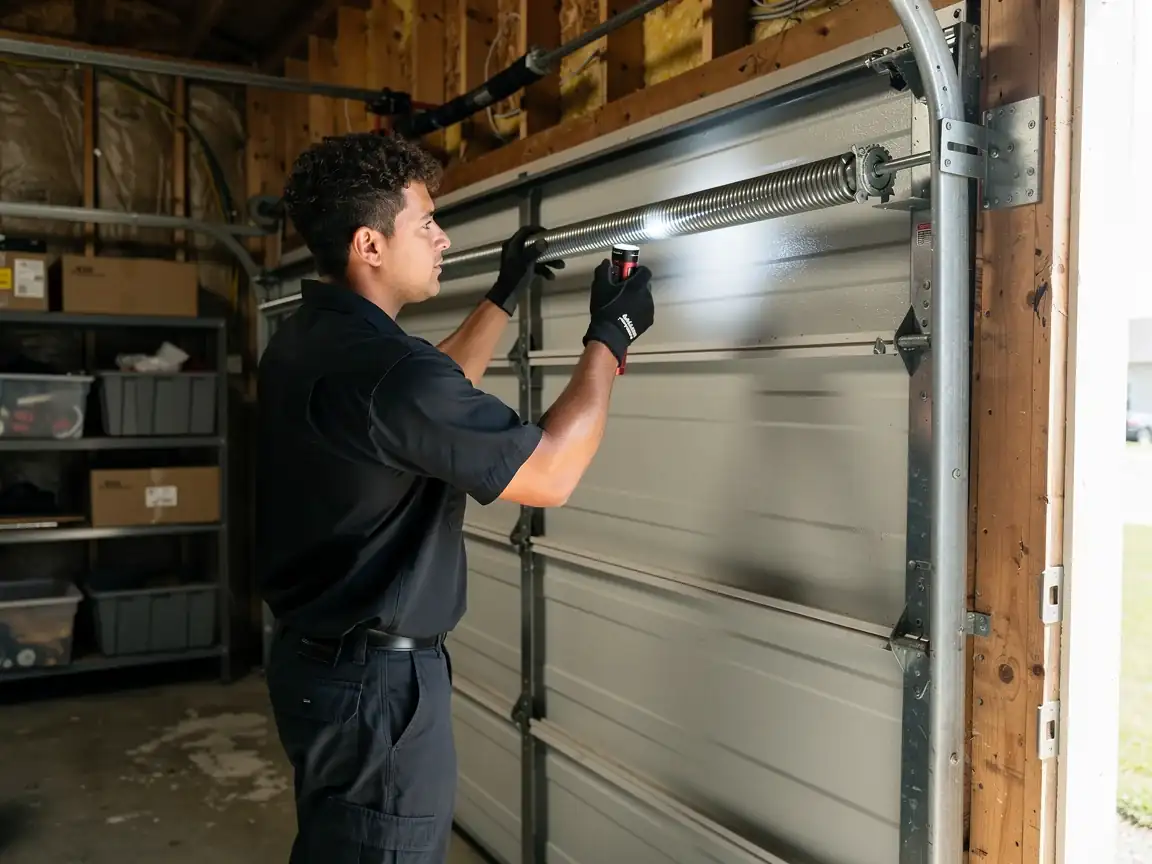
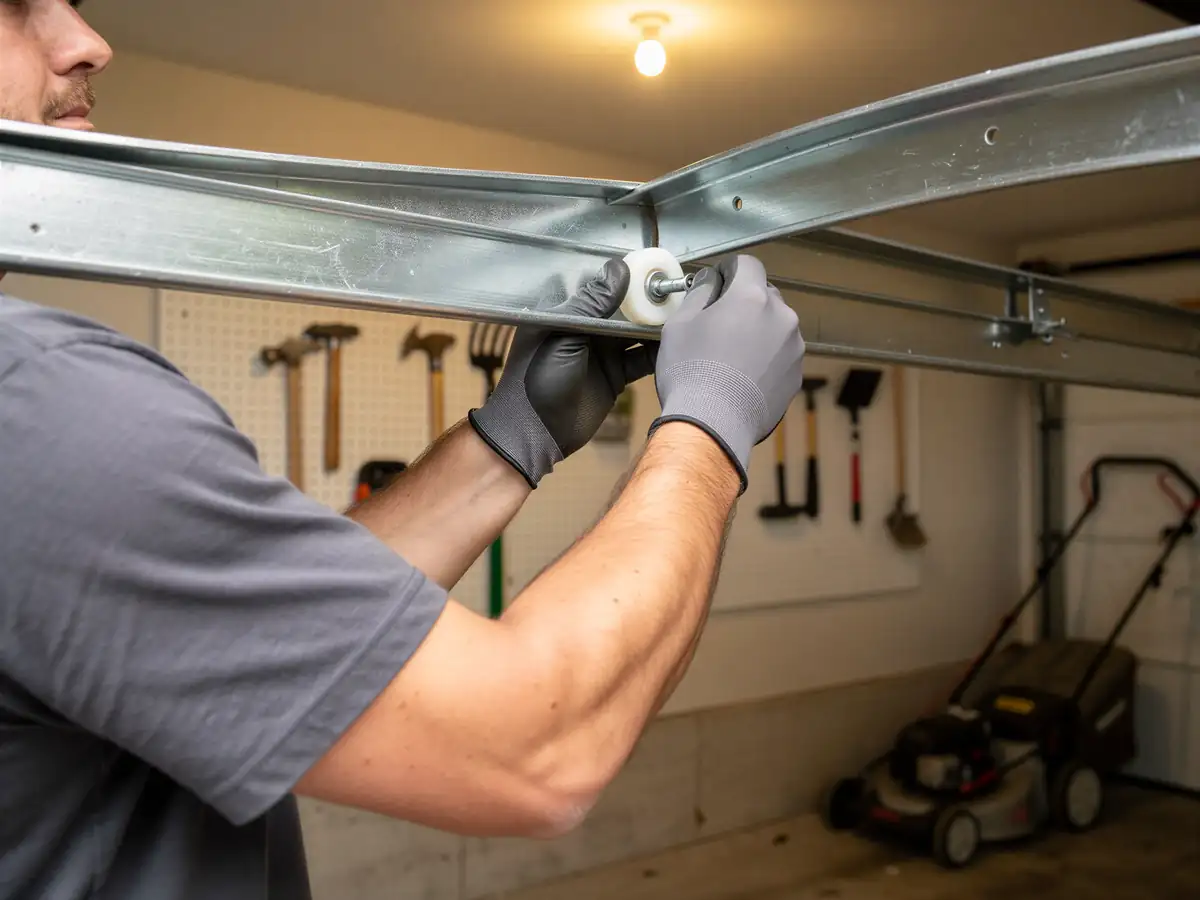
The giveaway in a 2001-built Westchase house is usually the opener failing before the door itself does - the motor strains, reverses for no reason, or just stops responding to the remote. Rollers from that era are typically nylon, and after two decades they're worn oval instead of round, which shows up as a door that shudders or binds partway up the track. Panels can look fine from the driveway and still have soft spots where the steel has started to delaminate from the insulation backing, especially lower panels that catch water. None of these are dramatic failures. They're slow ones, and homeowners often live with a sticking door for months before calling. The honest read: if the opener is original and the door is original, fixing one and leaving the other is usually a short-term patch, not a real solution.
What the Repair Takes
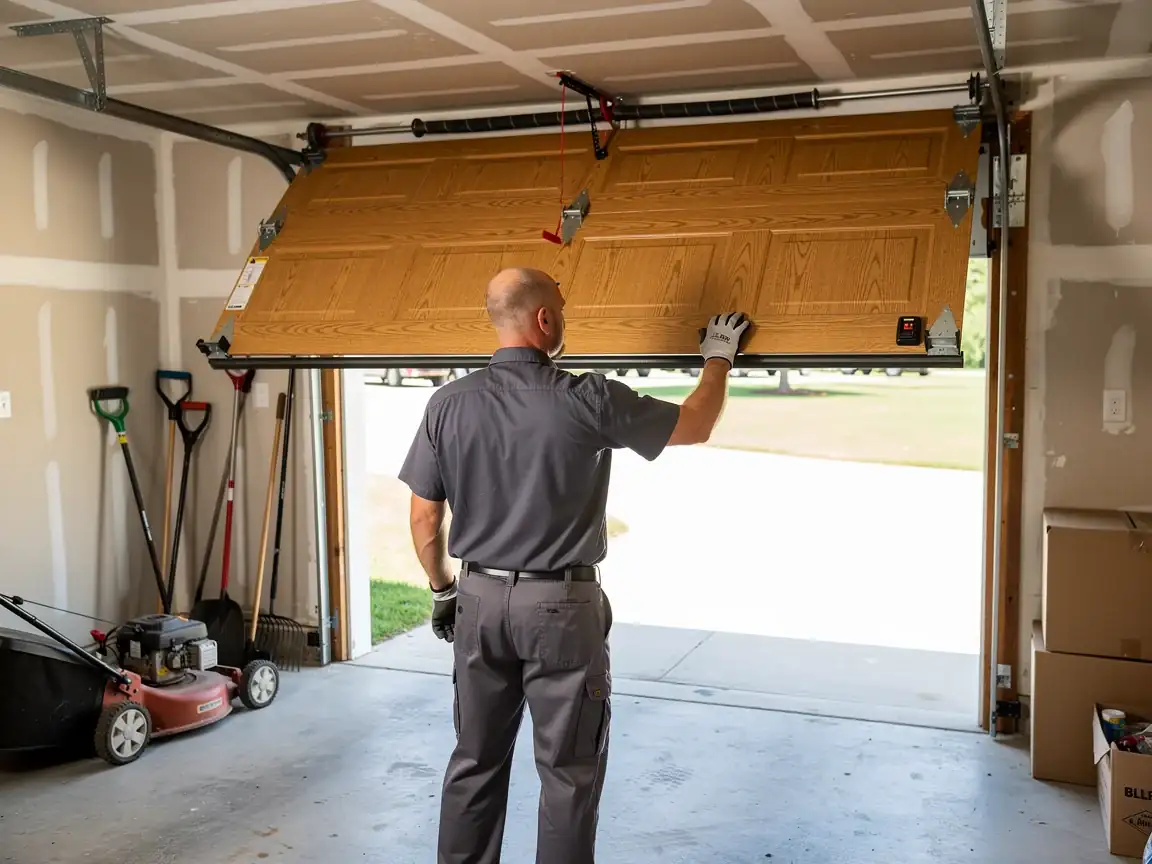
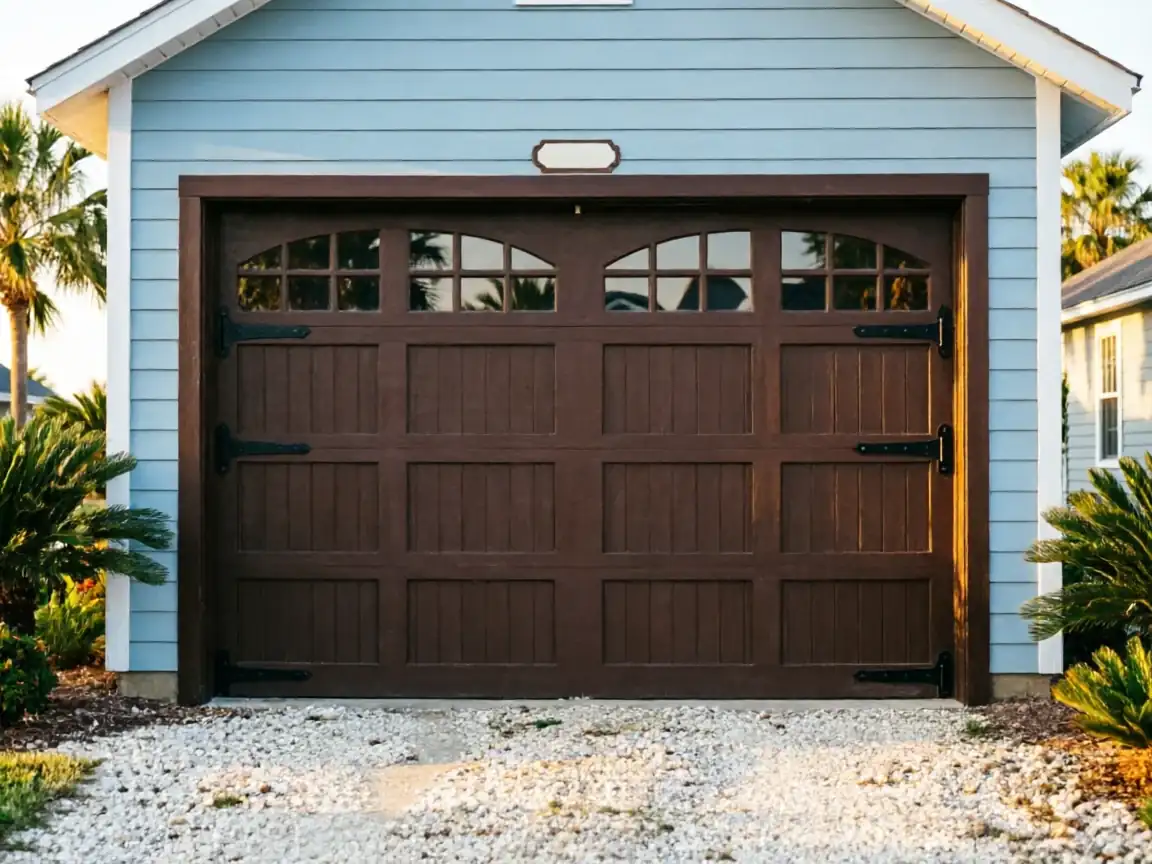
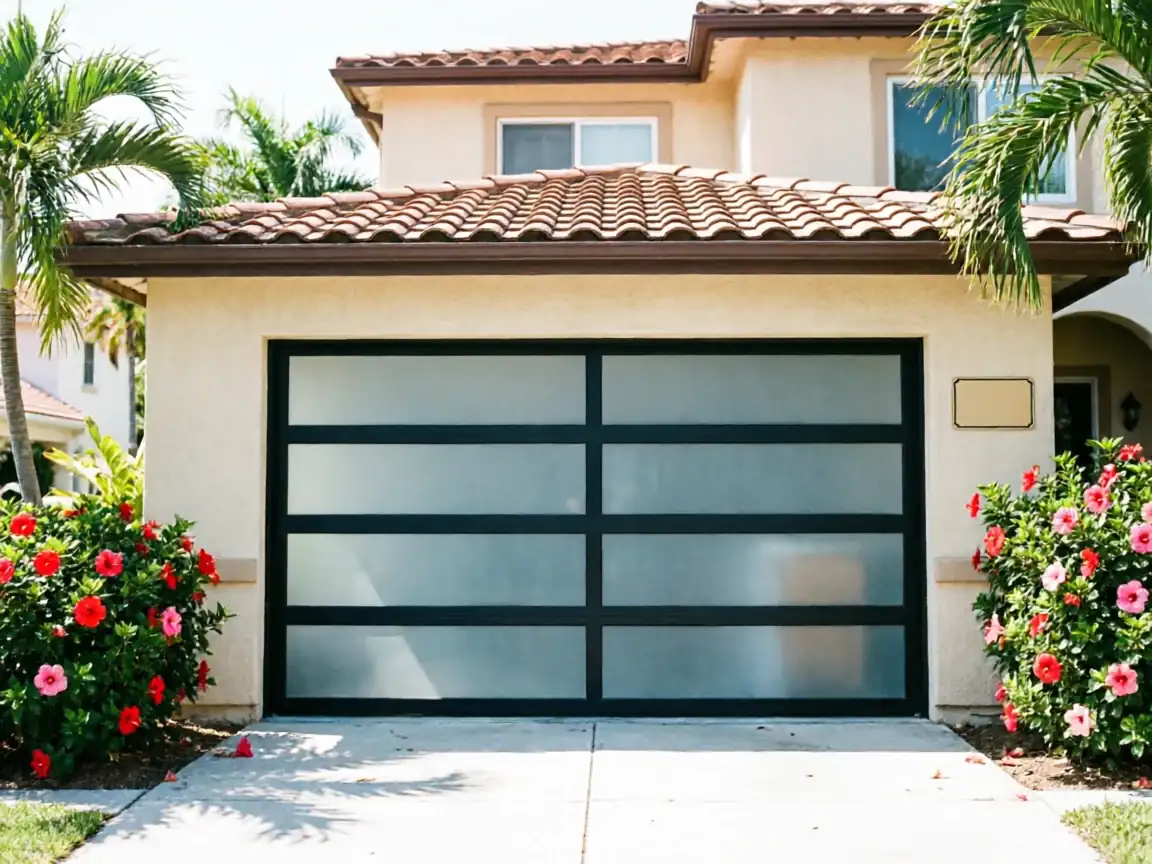
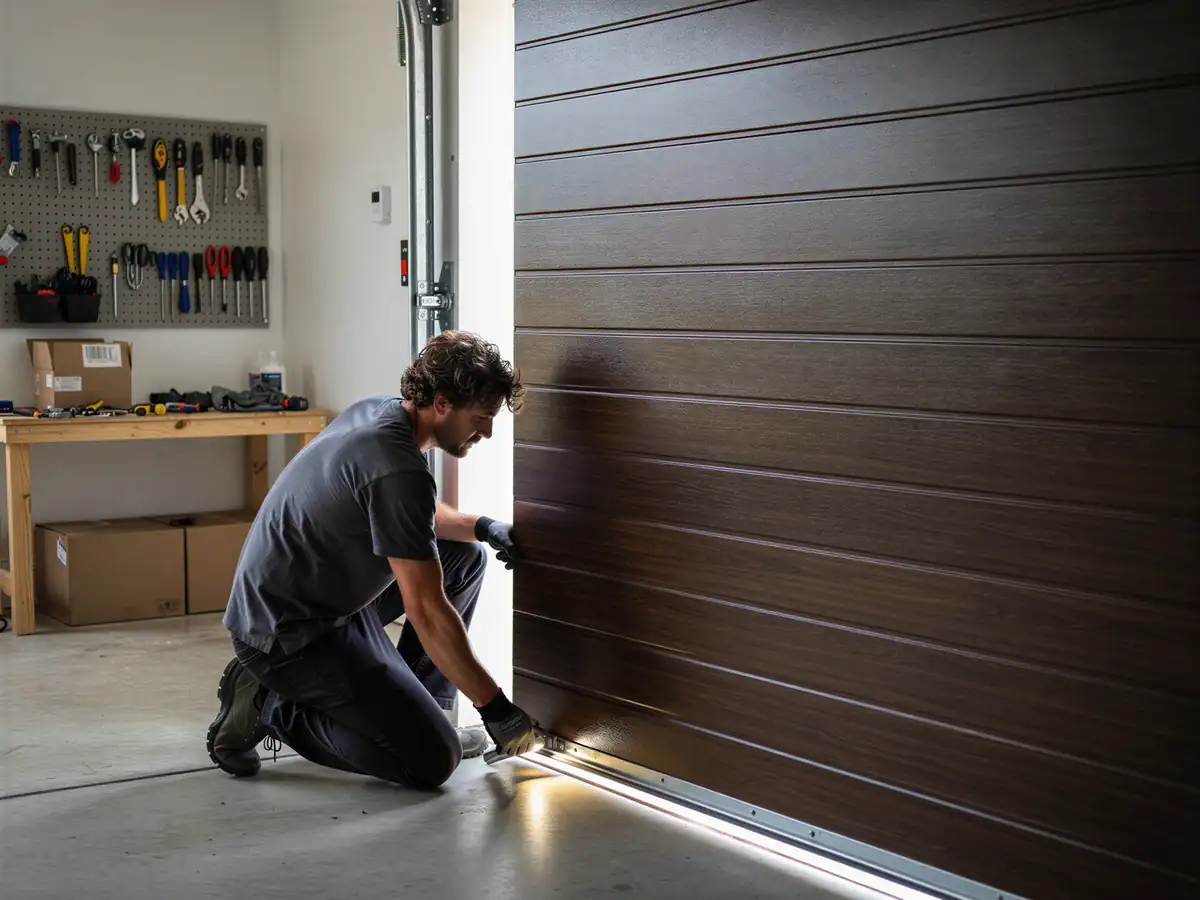
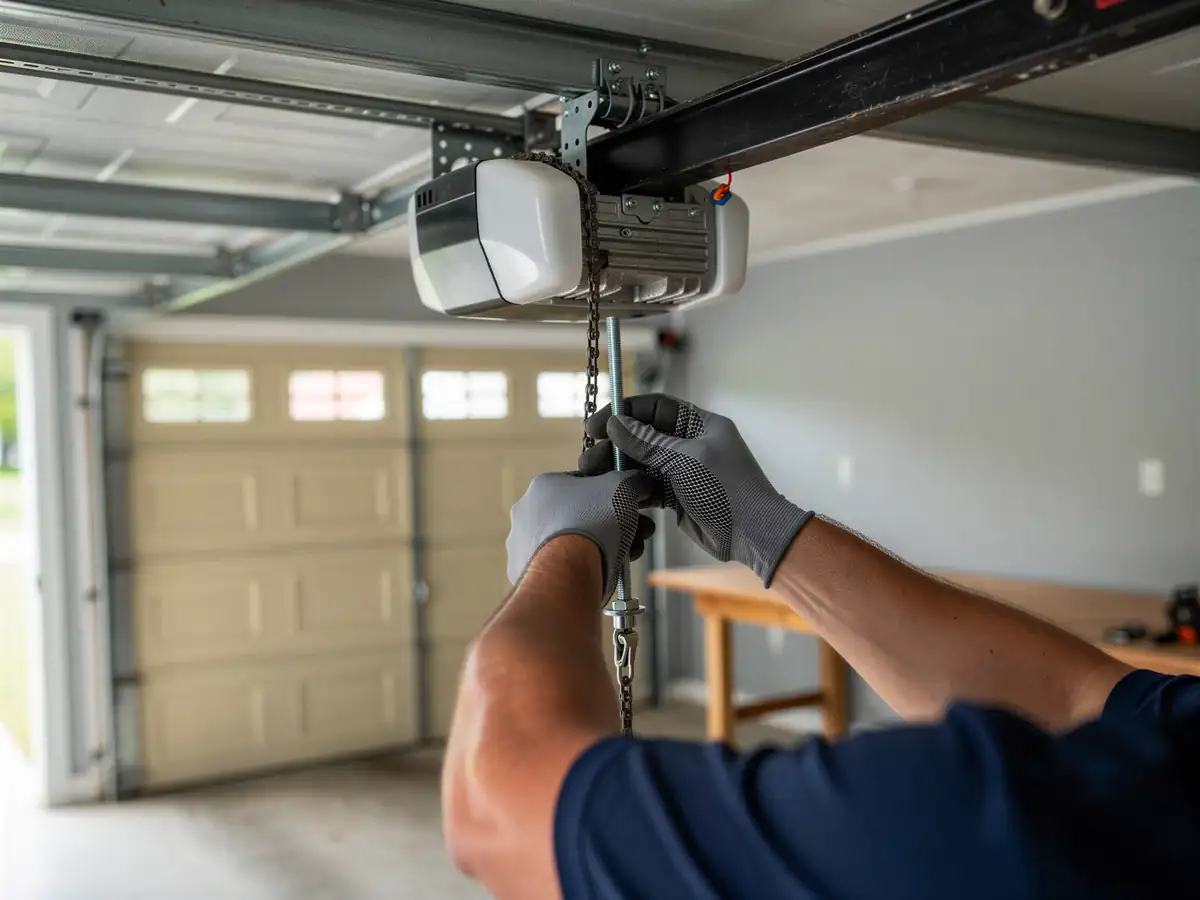
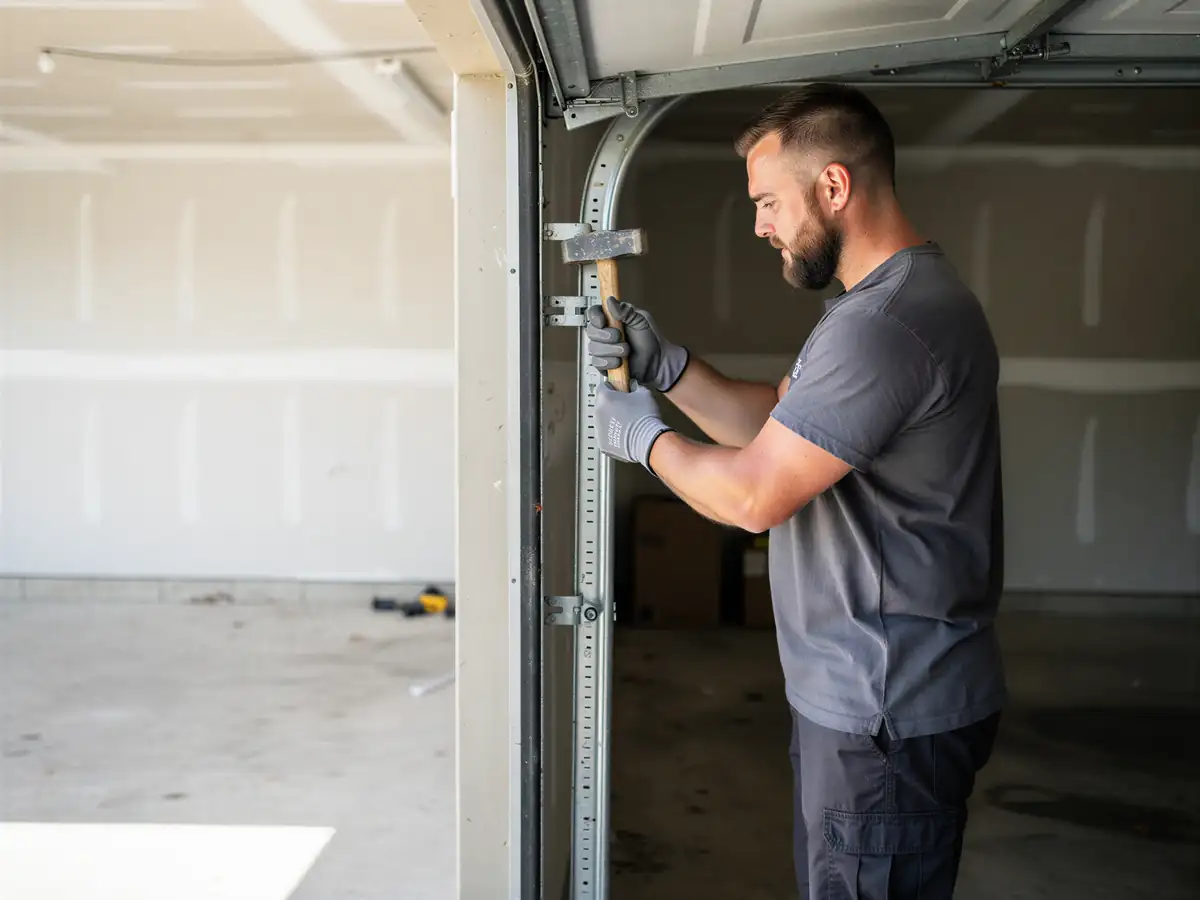
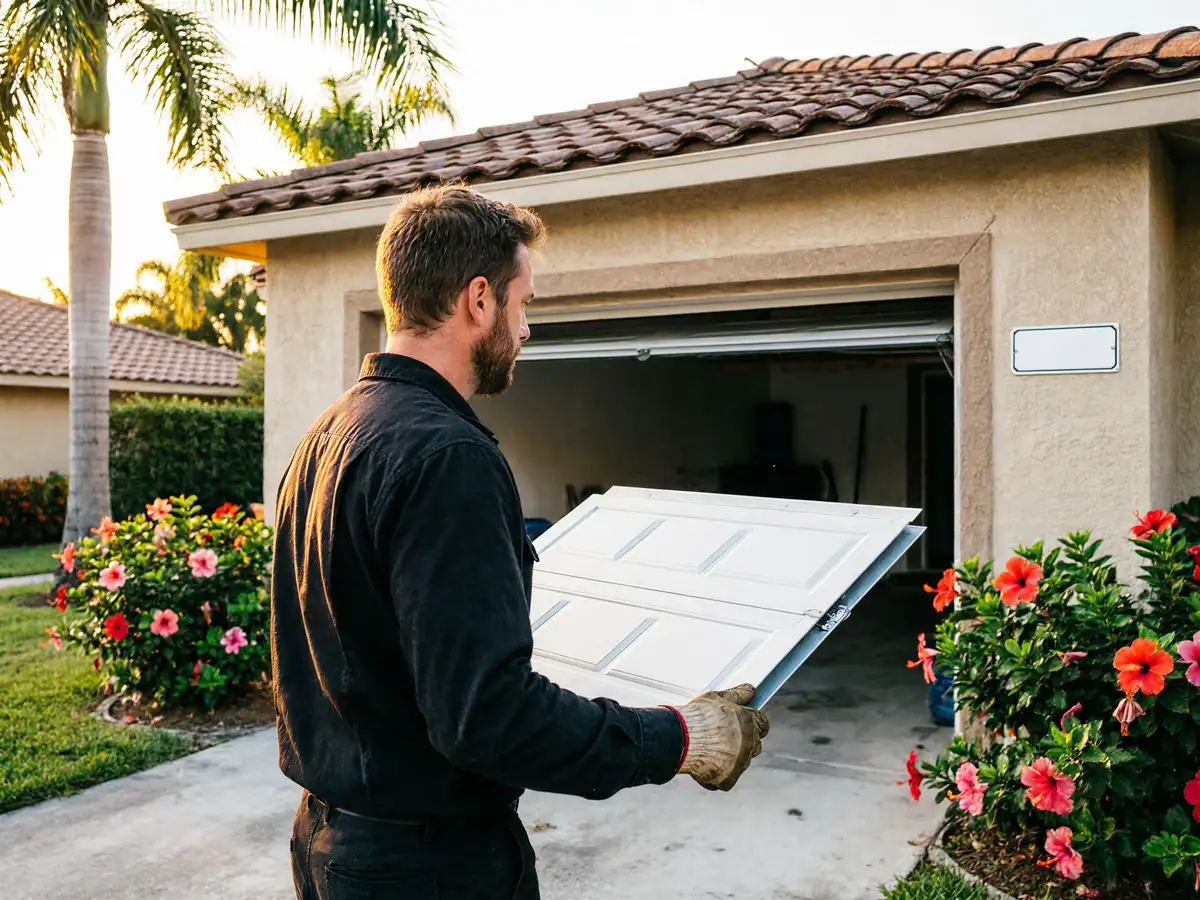
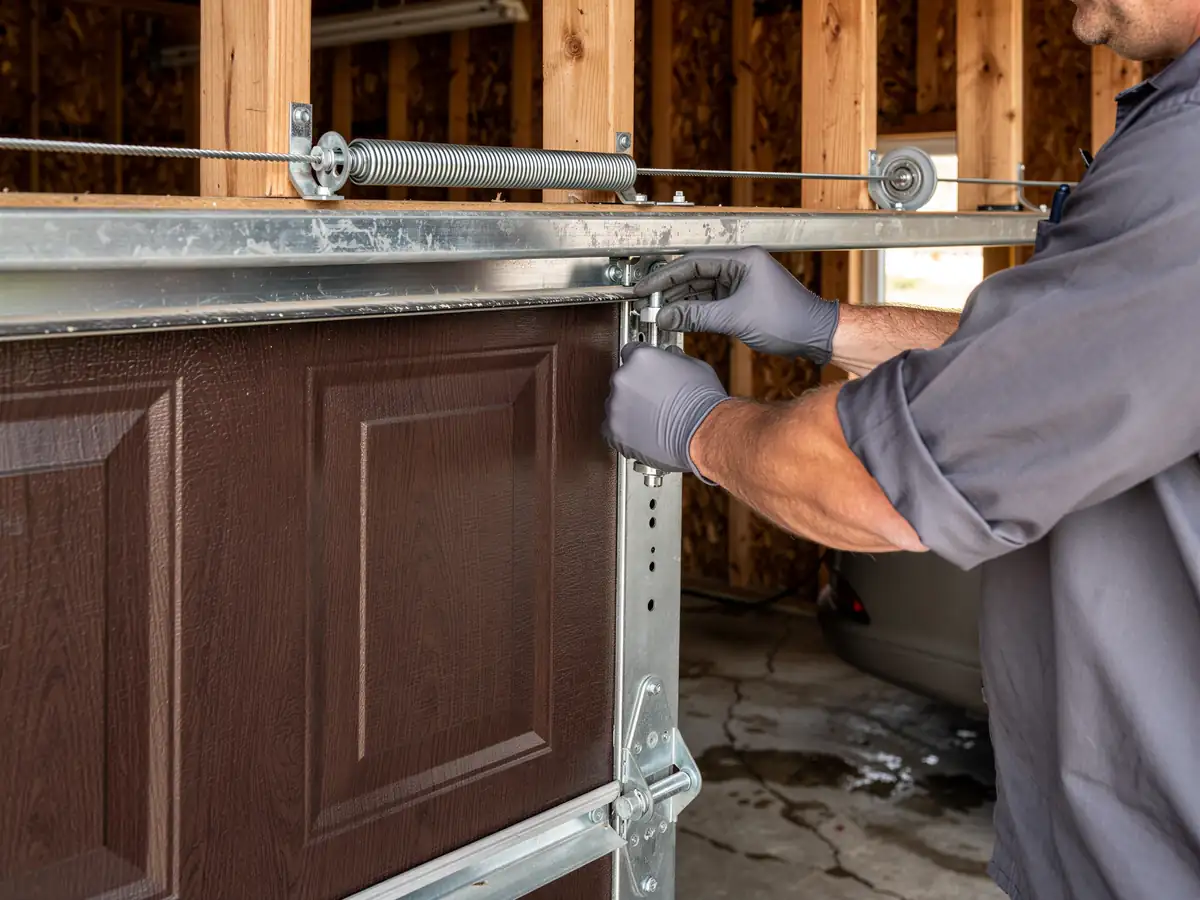
A full install replaces the door panels, track, springs, and usually the opener in one visit, which is the right call once a 2001-era door and opener are both near end of life - patching one and leaving the other just means a second service call in a year or two. The old torsion spring and track come out, new track gets squared and leveled against the frame, and the new door gets balanced before the opener is mounted and programmed. For a two-car garage this is typically most of a day, not an hour. One limitation worth saying plainly: if the framing around the opening has shifted or isn't square - which happens even on newer builds - that adds time and isn't something a crew can quote accurately over the phone. It gets assessed on site, before anything is cut or installed.