Why It Happens Here
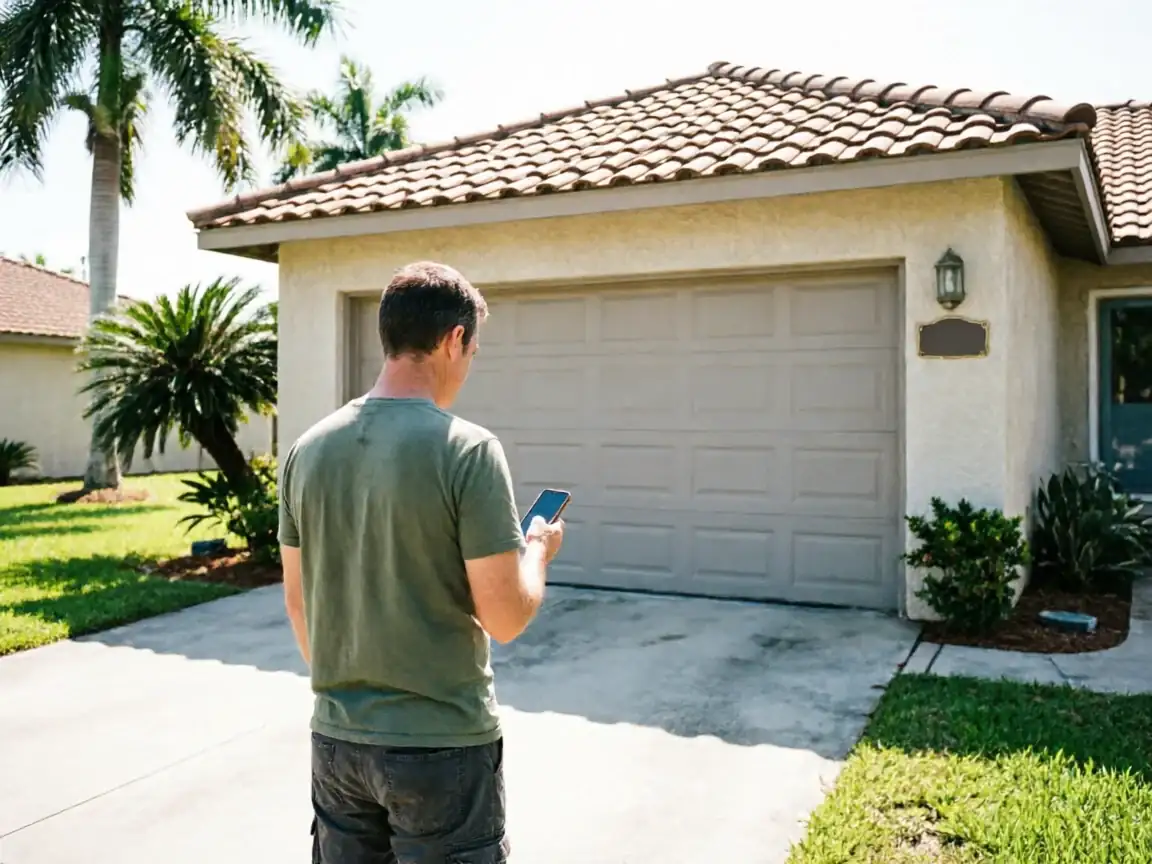
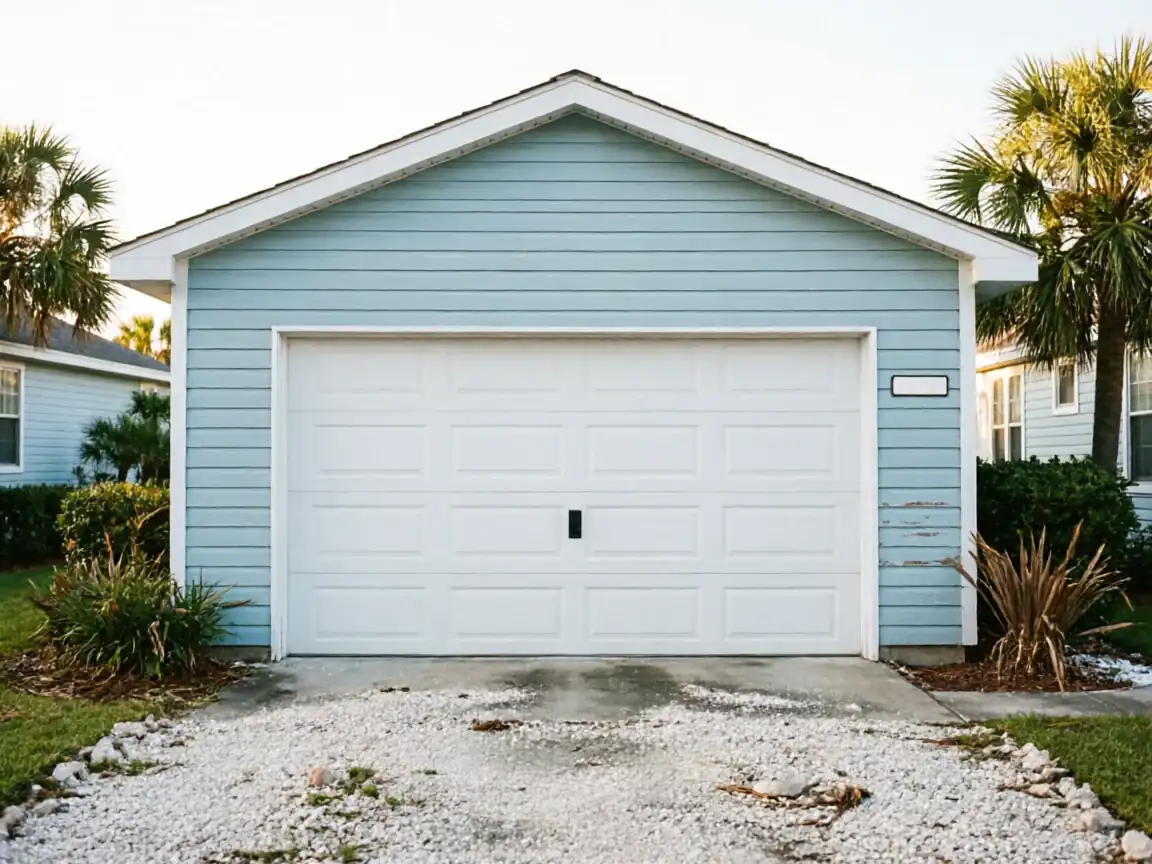
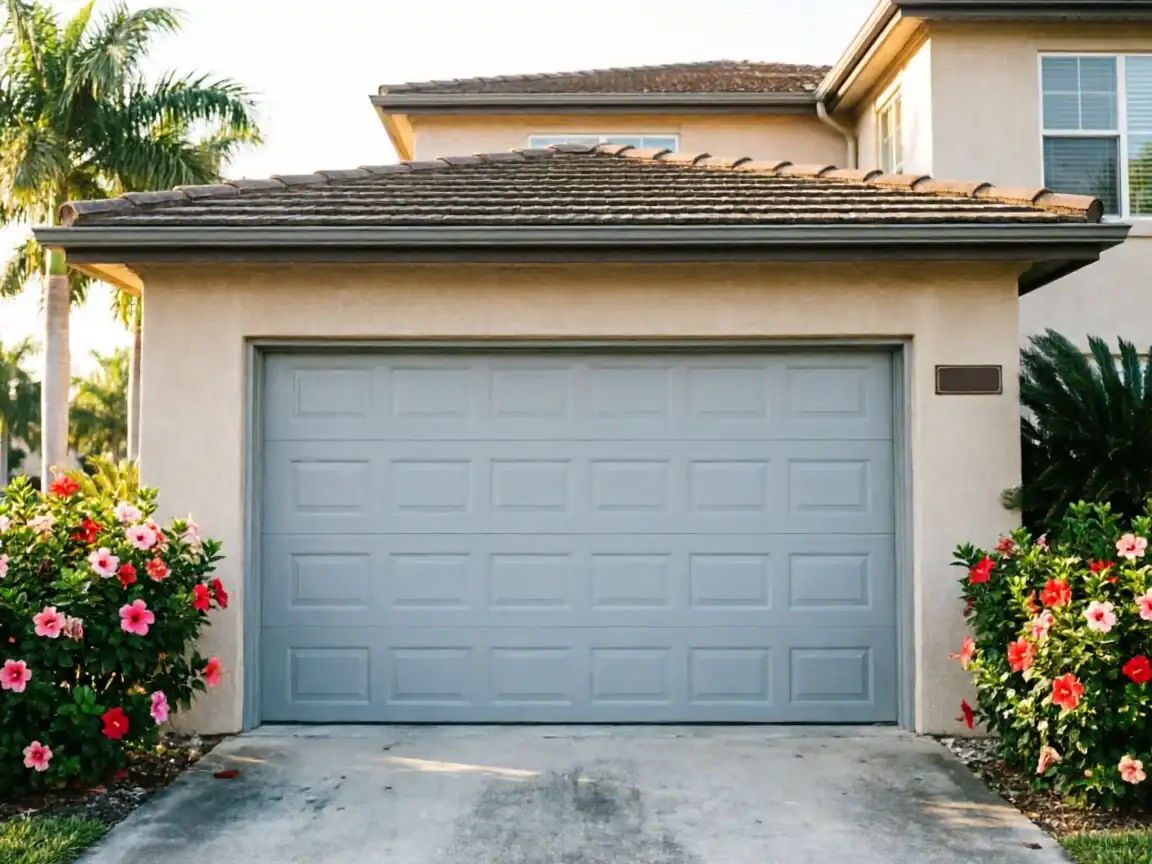
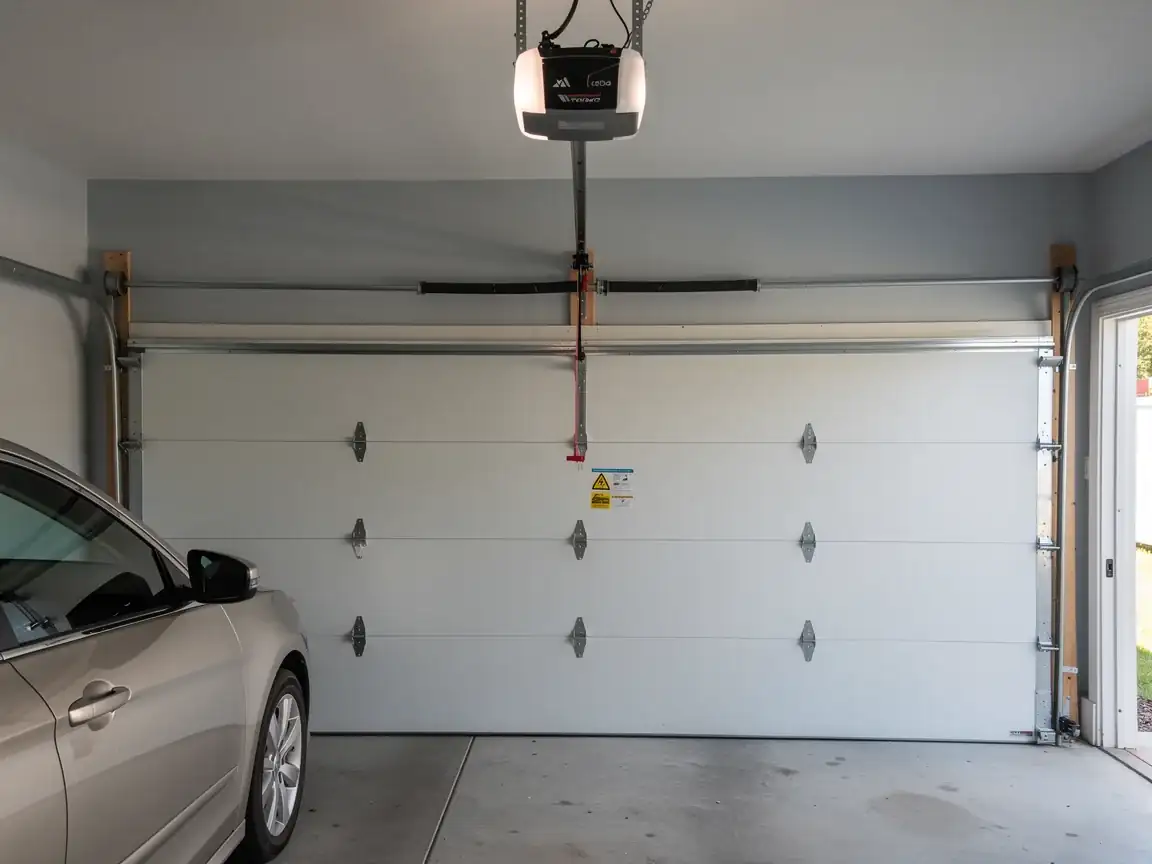
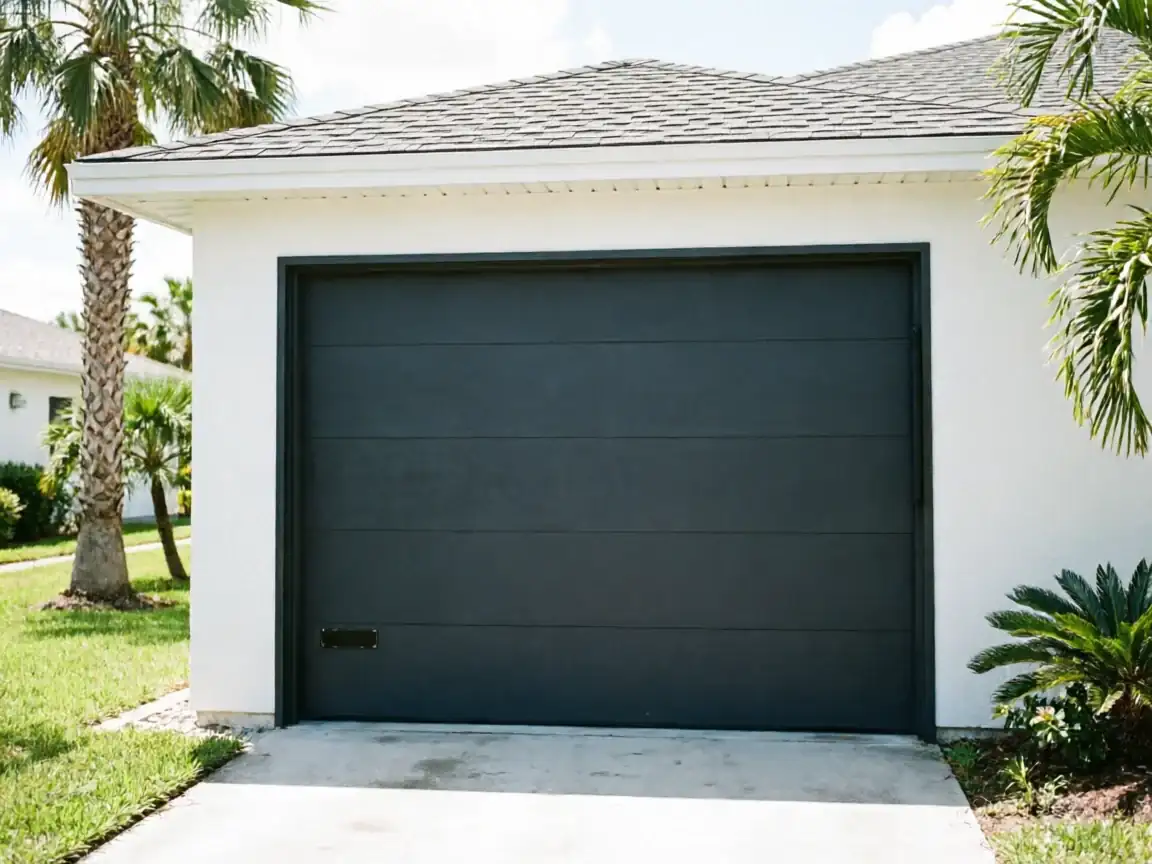
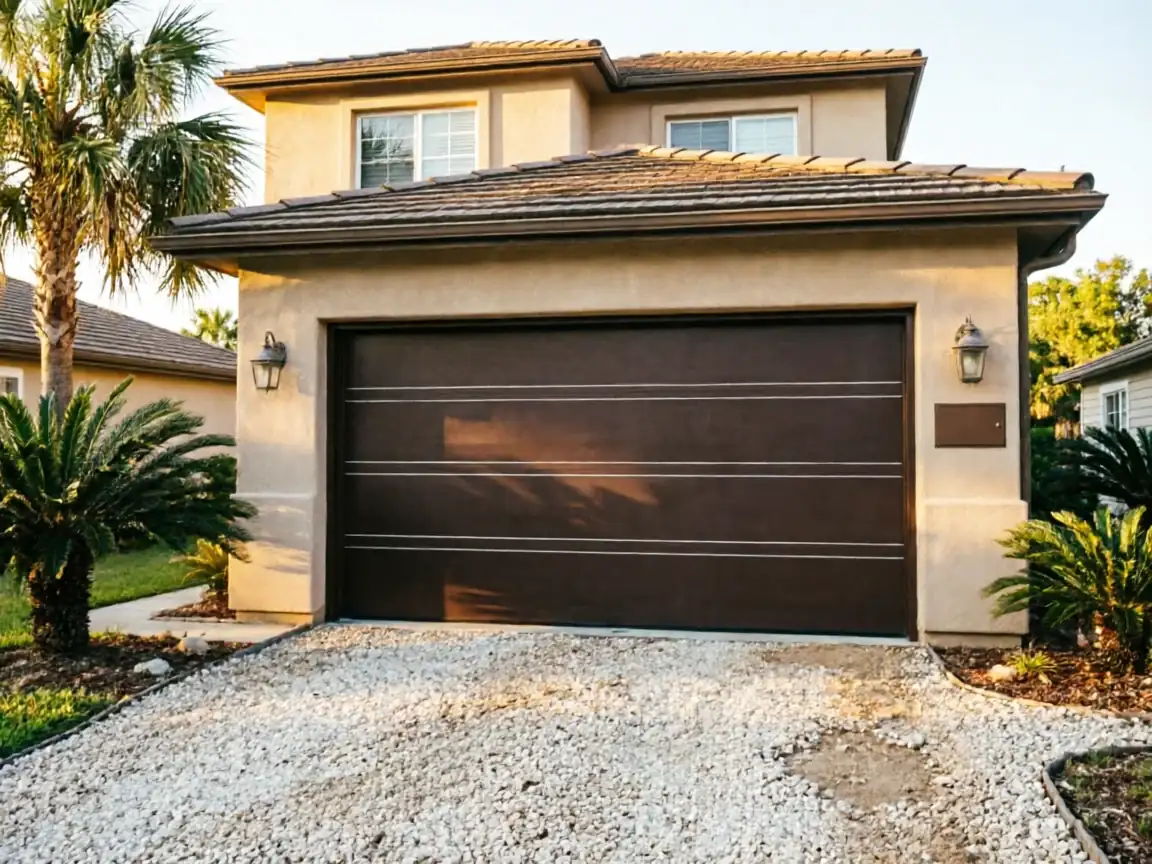
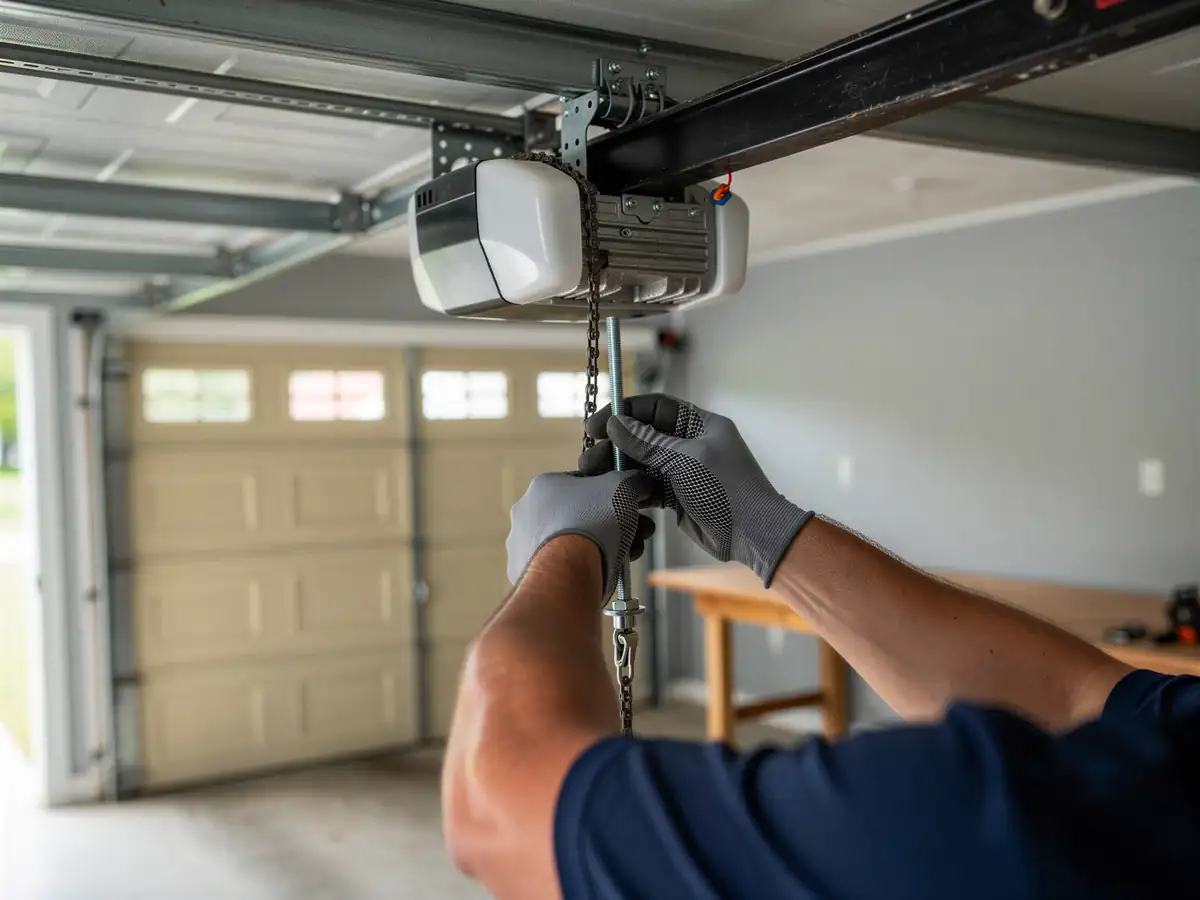
Westchase is younger than most of the neighborhoods we cover out of Dunedin. The median home here was built around 2001, which means most garage doors are factory steel sectional units on wider two-car openings, paired with belt-drive or screw-drive openers rather than the older chain units common in 1970s construction elsewhere in the service area. That's a different maintenance profile. These doors came with galvanized hardware and sealed bearings designed to run quieter and last longer with less attention, so a lot of Westchase owners assume they don't need a schedule at all.
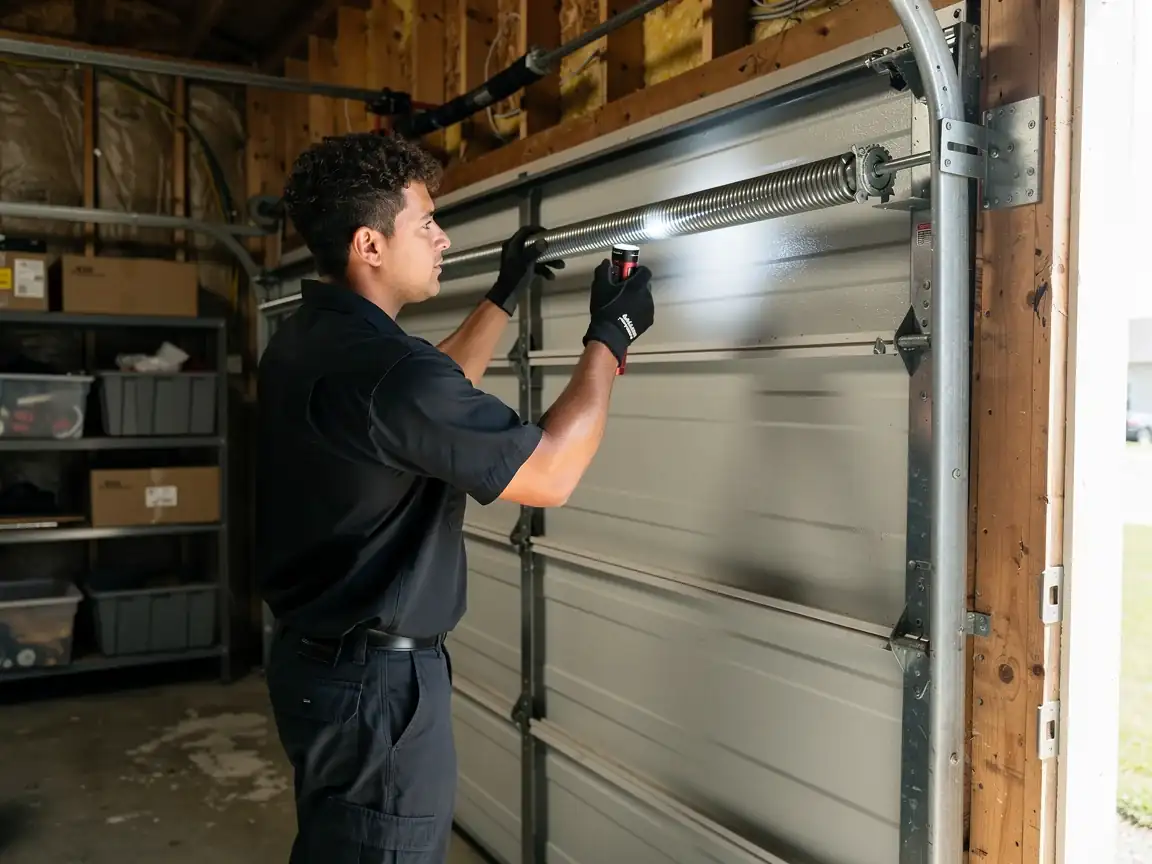
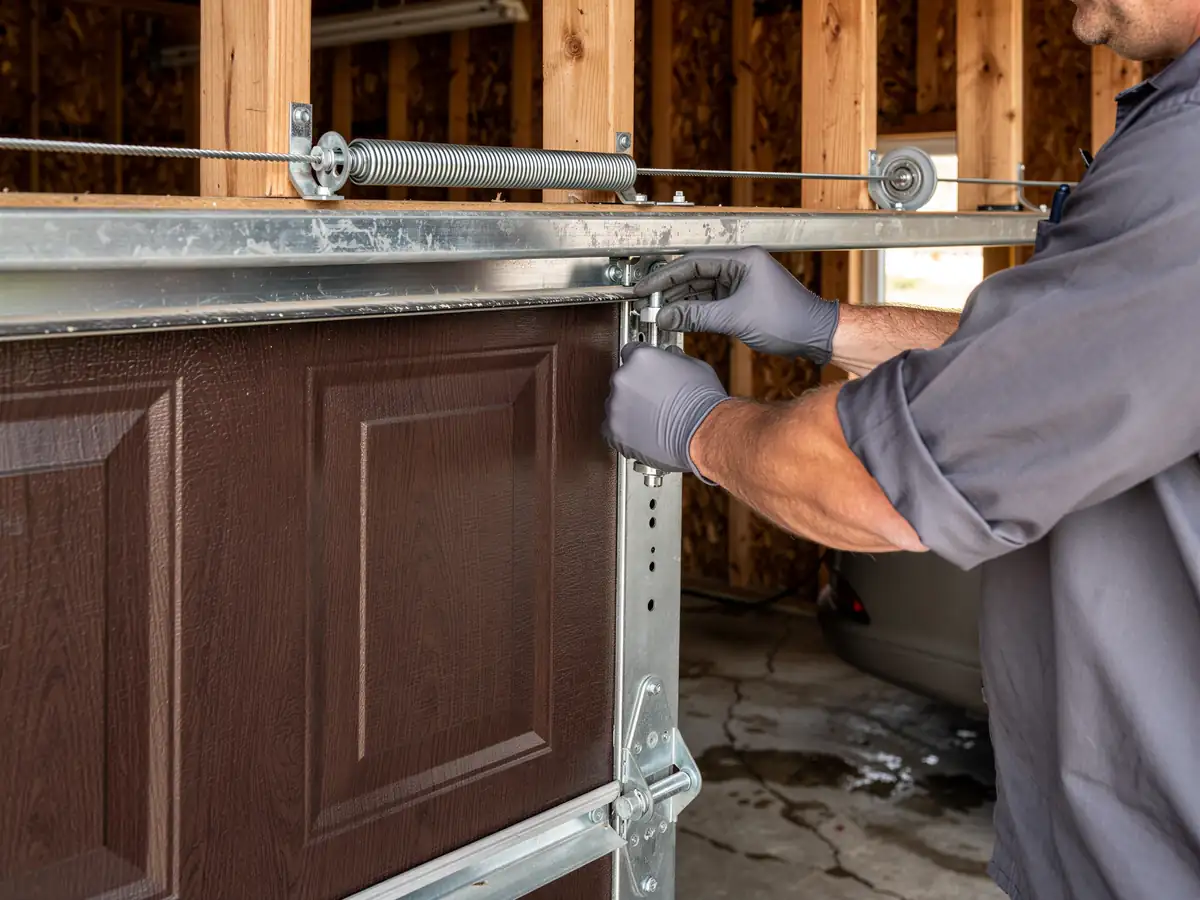
They still do. A 20-plus-year-old torsion spring has usually cycled tens of thousands of times by now, even on a door that looks fine from the driveway. The region sits in a mild temperate climate band, so Westchase doors aren't fighting hard freezes or big swings, but humidity and salt-laden air still work on exposed springs, cables, and track bolts over two decades. The failure mode here isn't rust-through rot like you'd see on much older doors - it's fatigue in parts that were installed once in 2001 and never looked at again.
With 9,783 households in Westchase, a lot of these doors are hitting the same age window at roughly the same time.
The Symptom
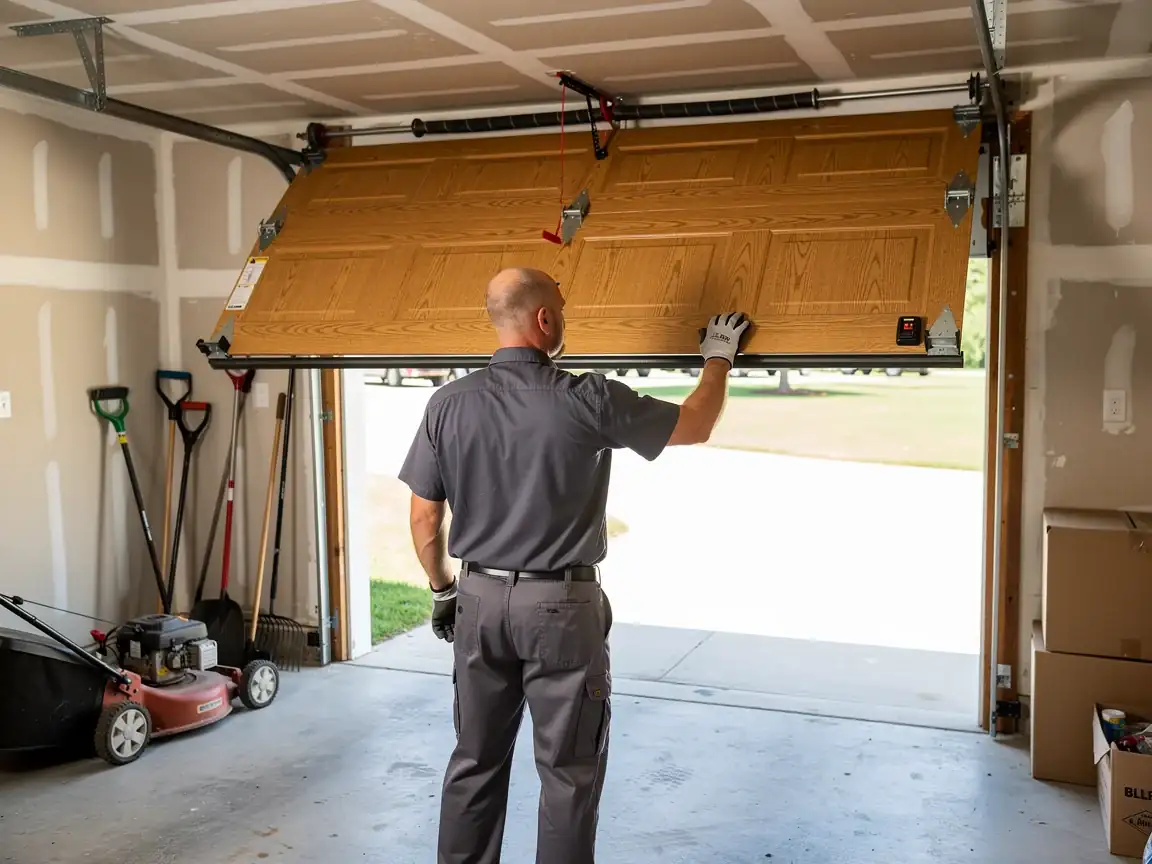
On a newer door like this, the first sign is rarely a door that won't open at all - it's a door that hesitates, jerks partway up, or reverses on its own when the opener's force sensors pick up extra resistance from a spring that's lost tension. Because these are factory steel doors on wider openings, the panels are heavier than older single-car doors, so when a spring starts to go, the opener strains harder to compensate before anything visibly breaks.
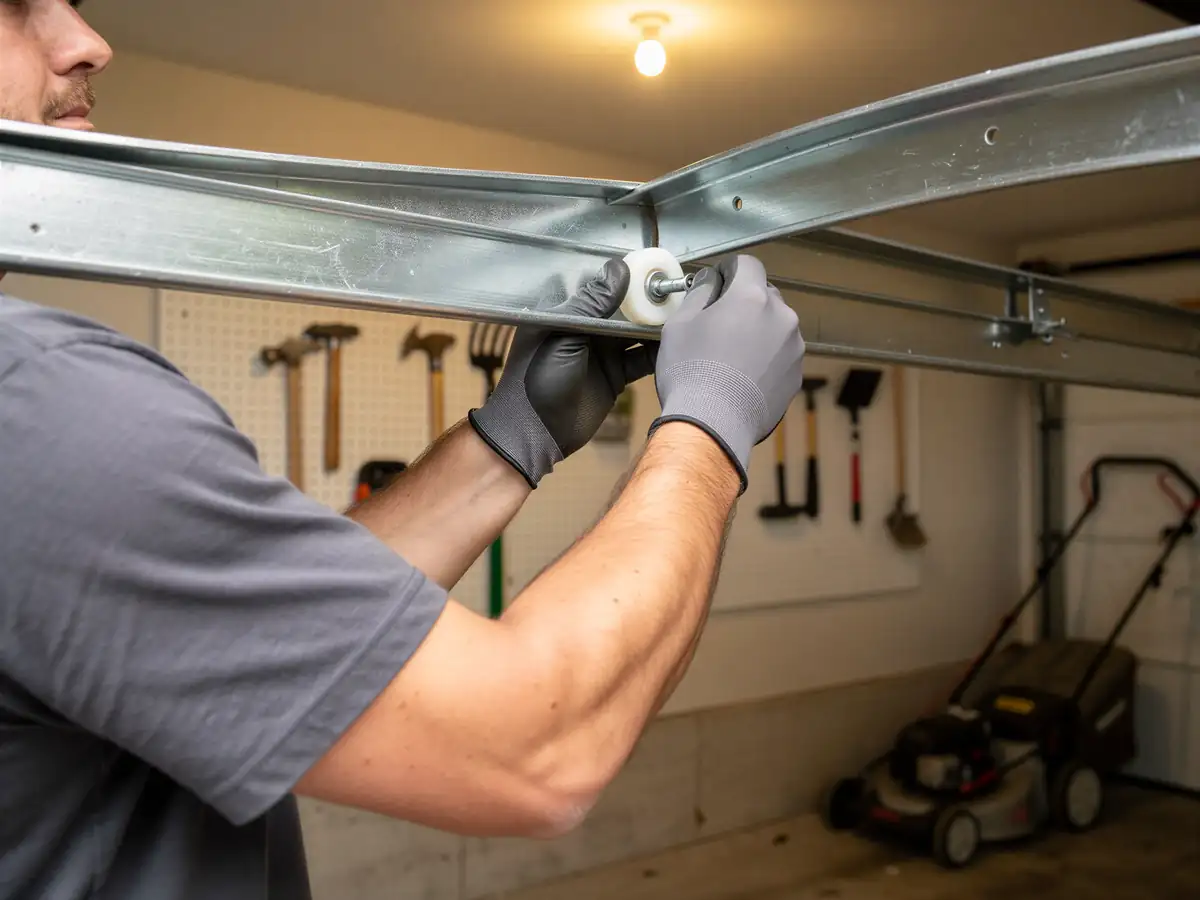
Another pattern specific to this housing stock: belt-drive and screw-drive openers common in Westchase builds tend to run a long time before failing outright, but the rollers and track rollers they're paired with are original-install plastic or nylon rollers now over two decades old. You'll hear it before you see it - a grinding or clicking as the door travels, especially near the top of the track where the curve puts more load on worn rollers.
A door that's noticeably louder than it used to be, or one that takes an extra second to respond to the remote, is worth a look now rather than after it quits on a Saturday morning.
Getting It Booked In
We run out of Dunedin and cover Westchase as part of that territory, about 13 miles out
There's no local branch or crew based in Westchase itself - we travel in for the job, so we ask for a little lead time when you call rather than promising a same-hour window we can't back up from that distance.
- 13 miles
Median household income in Westchase runs around $120,070, notably higher than much of the rest of our service area
And we mention that only because it tends to track with newer builds and two-car garages - which means our visit usually involves checking two full-size steel doors and two openers rather than one older single door. Tell us that up front when you call and we'll plan the visit for both.
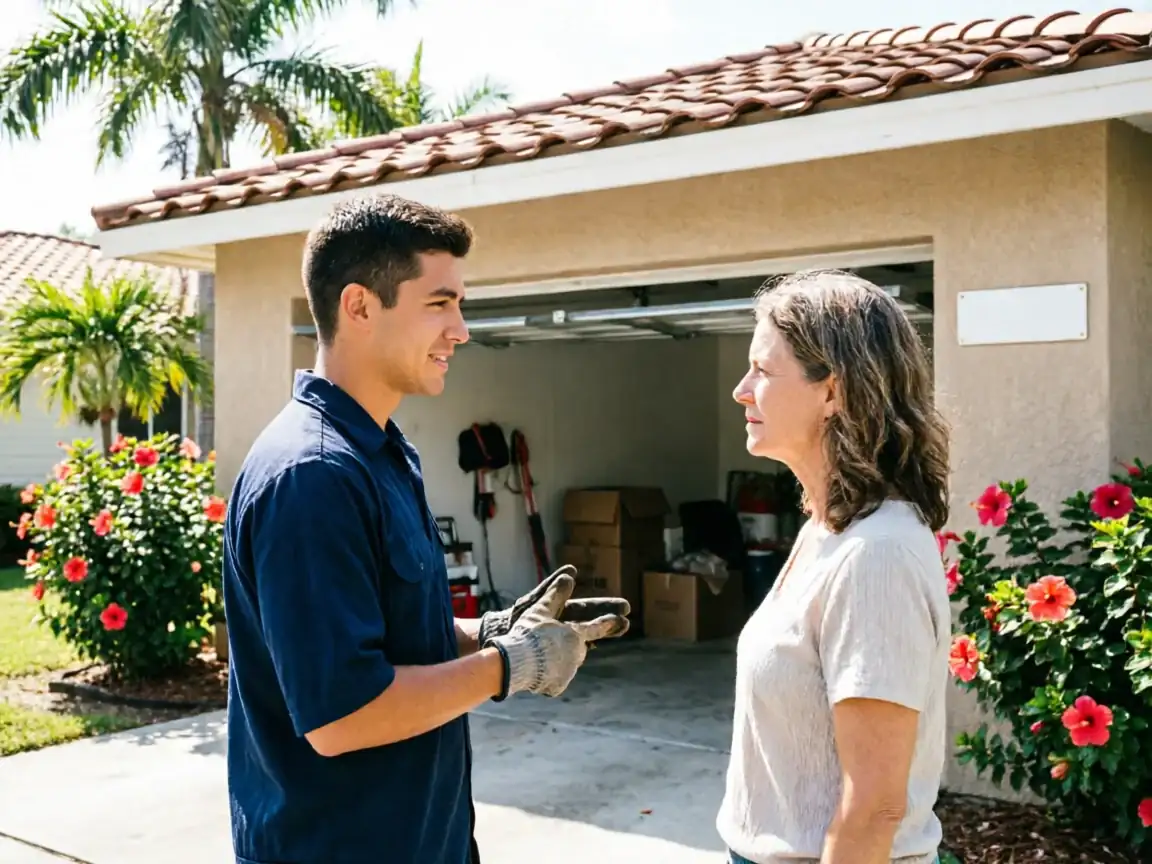
If you're not sure whether what you're hearing is worth a truck trip from Dunedin, describe it when you call
The grinding, the hesitation, the remote delay - and we'll tell you honestly whether it can wait for your next scheduled check or needs a sooner look.
What the Repair Takes
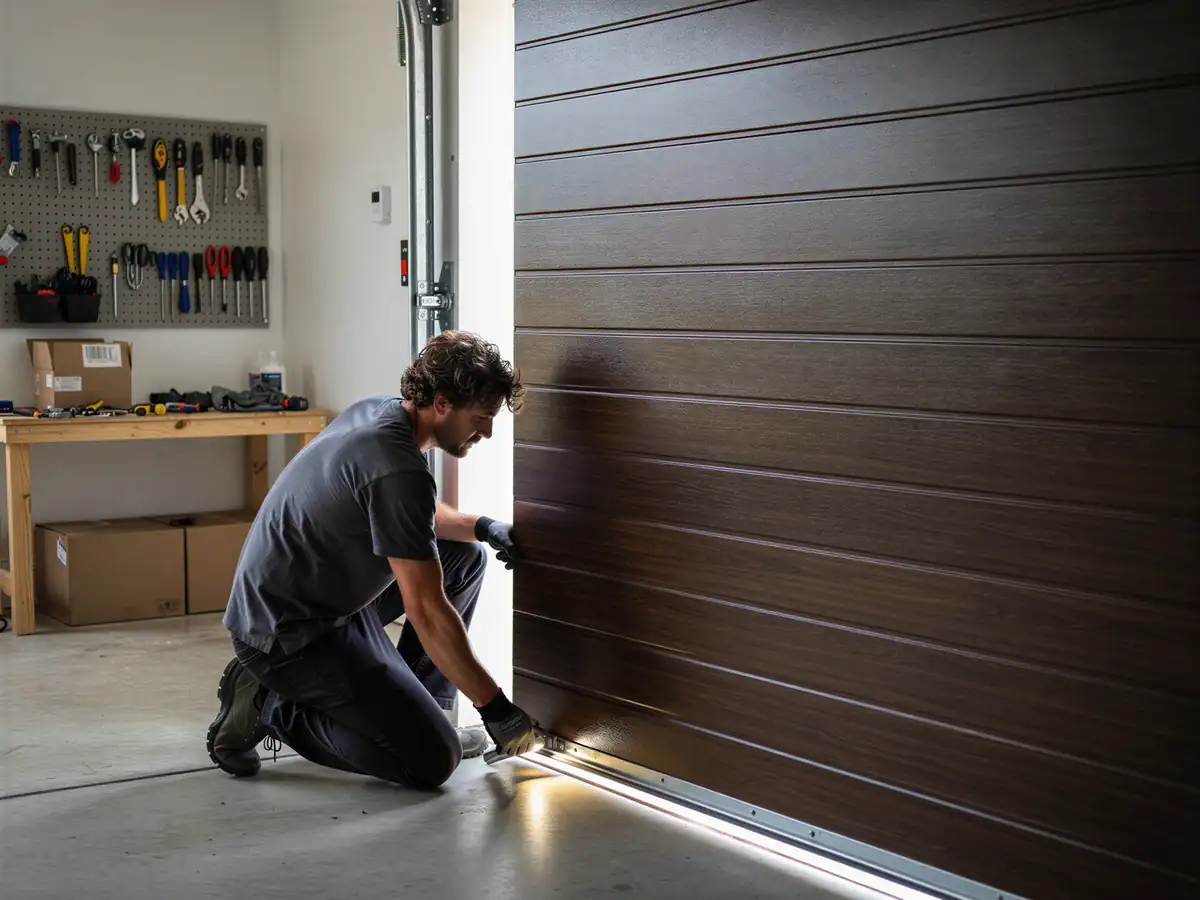
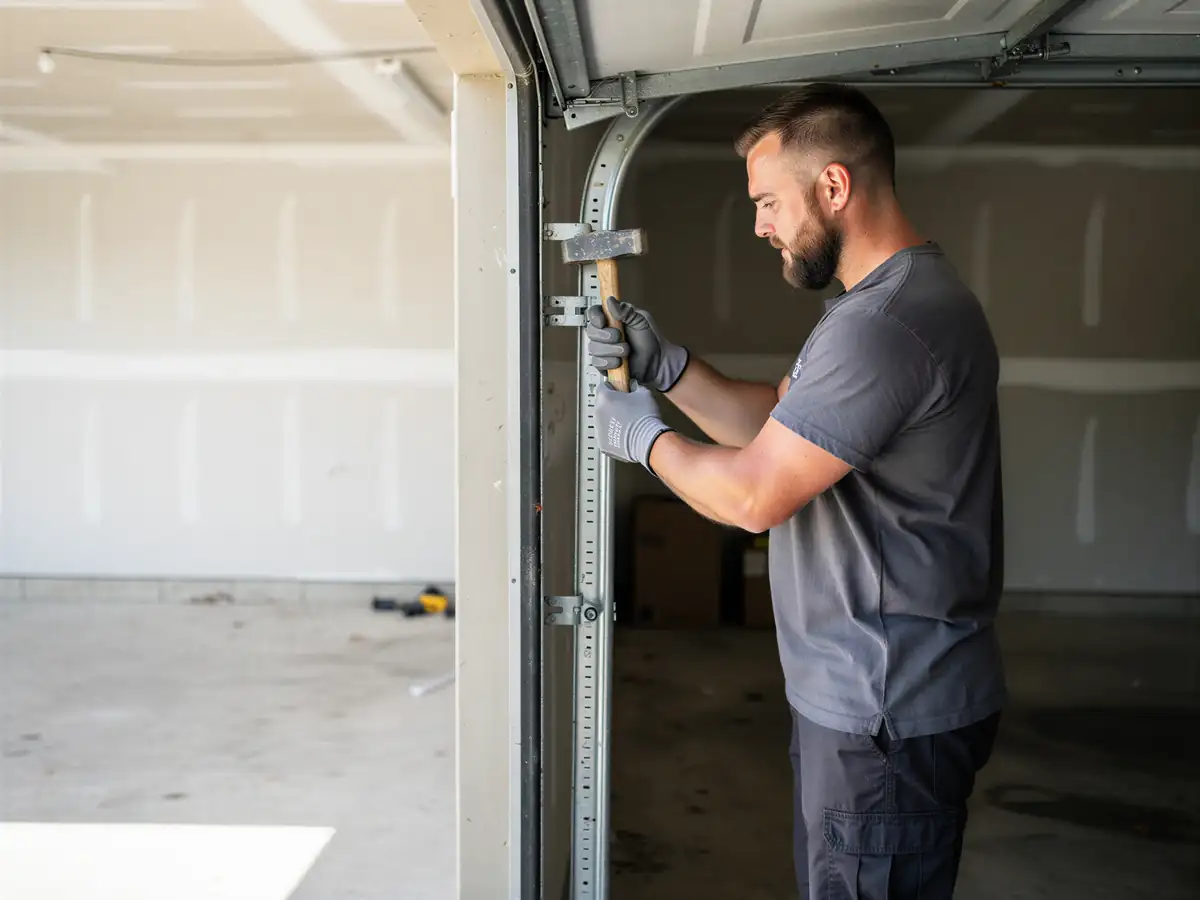
For a door built around the same era as most of Westchase's housing, a standard maintenance visit covers spring tension, track alignment, roller condition, cable wear, and opener force settings - the parts that degrade with cycles rather than with age alone. On a 2001-era steel door, we're rarely dealing with panel rot or rusted-through skins the way we might on much older construction elsewhere in the area; it's almost always hardware fatigue.
We'll be straight about limits: if a torsion spring is original and showing uneven wear, we replace it rather than re-tension it, and if an opener's circuit board is failing alongside worn mechanical parts, patching one side while ignoring the other just means a second call sooner than you'd like. Replacing a spring pair and a full roller set on a newer two-car door is a different job, in parts and labor, than a quick lubrication and adjustment visit - we'll tell you which one your door actually needs before we start, not after.