Why It Happens Here
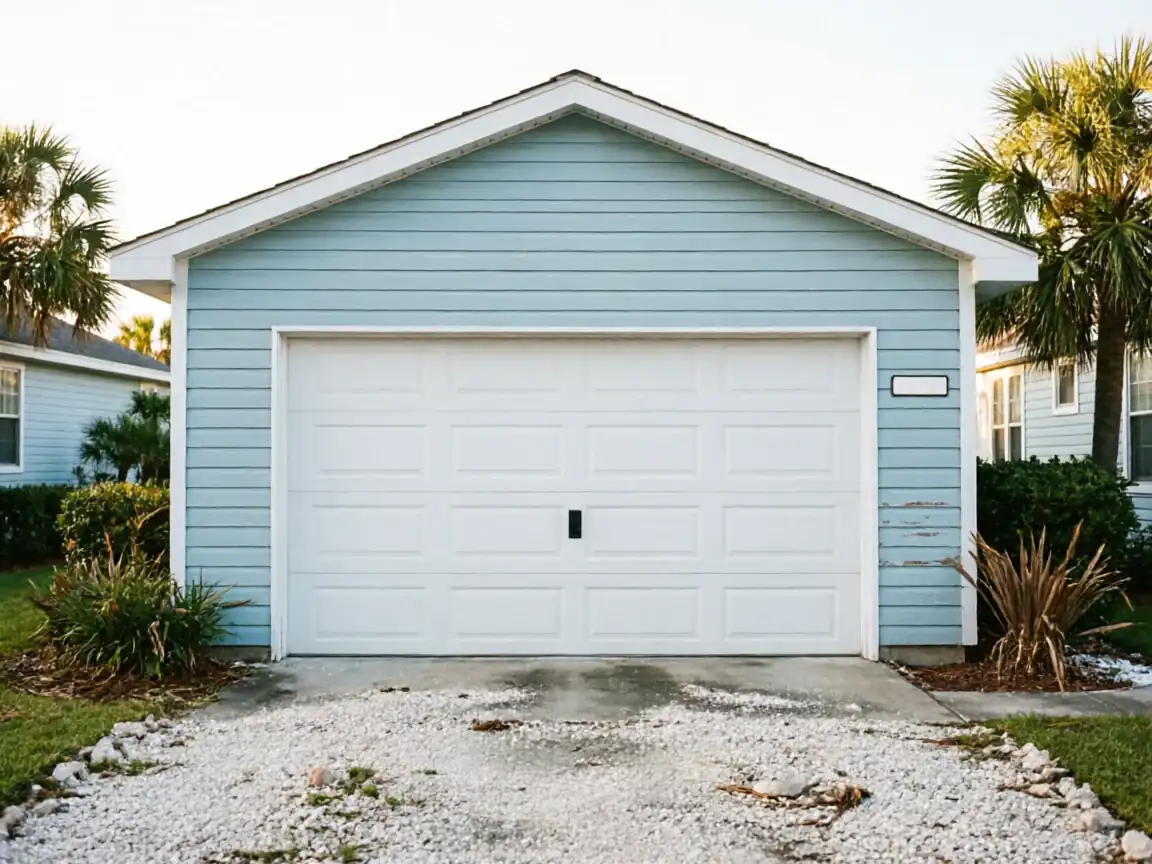
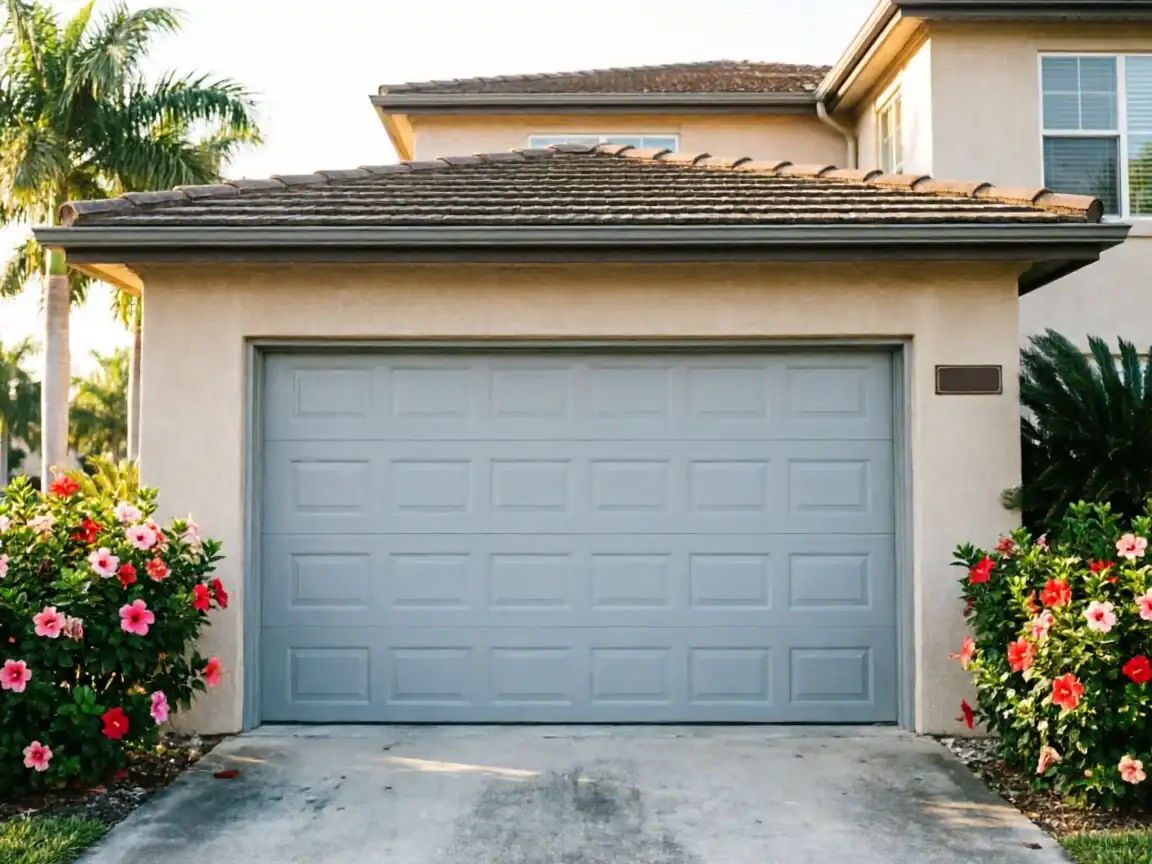
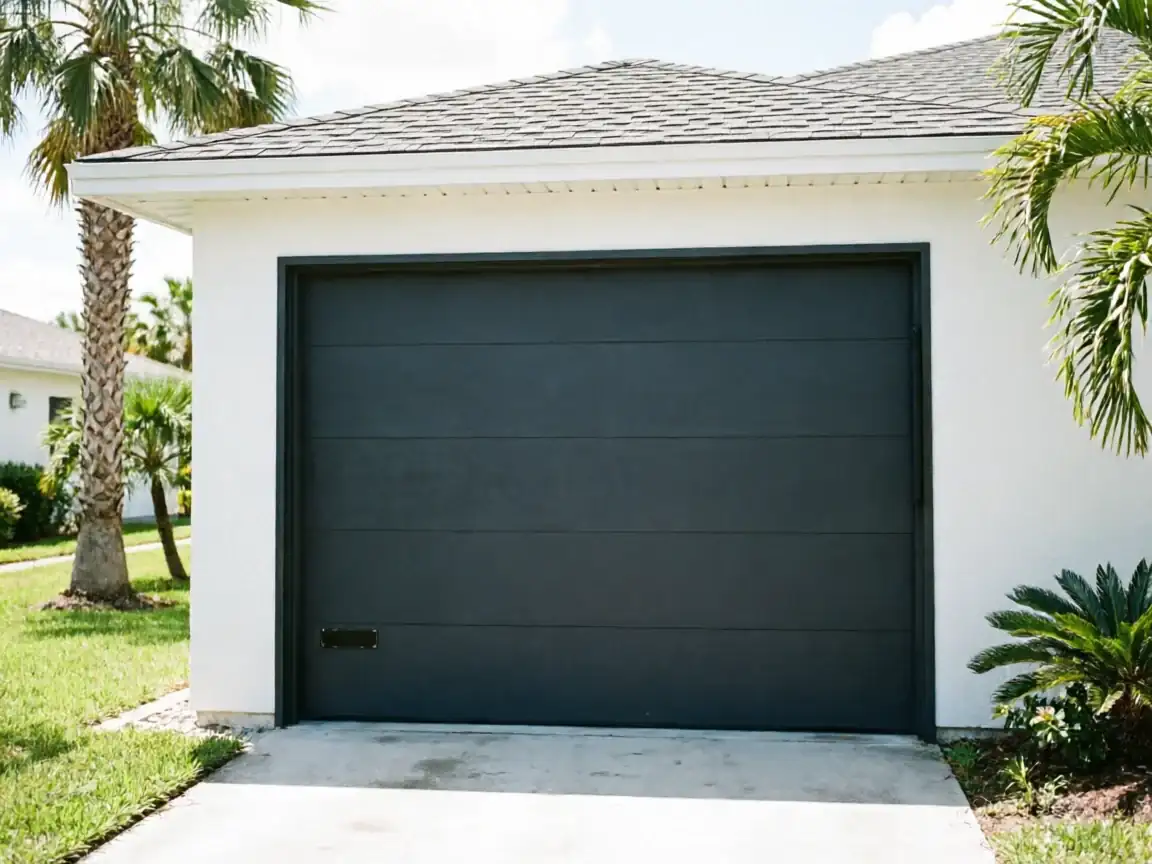
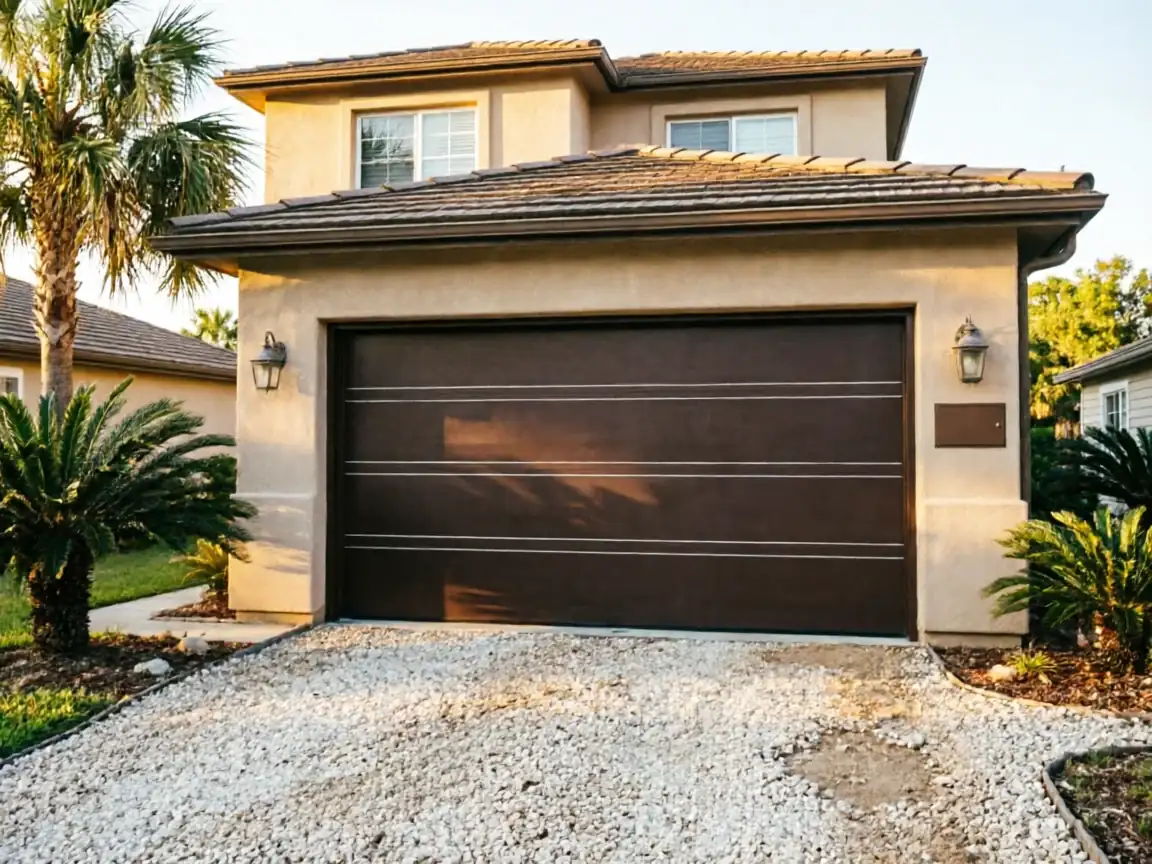
Westchase runs about 9,783 households, a planned community built out mostly after the mid-1990s, with a median construction year around 2001. That puts most garage doors here at least two decades newer than the typical door we see closer to Dunedin, where stock often dates back to the 1960s and 70s. Newer doesn't mean damage-proof. A 2001-built door still gets backed into, still takes a basketball off the bottom panel, still gets clipped by a trailer hitch pulling out of a driveway. What's different is the cause. In the older stock around Dunedin, panels fail from age: rust-through, delamination, steel that's thinned out from thirty years of Gulf Coast humidity. In Westchase, the climate here is the same mild temperate band as the rest of the service area, so panels aren't failing from weather exposure nearly as often. The dents and cracks we get called out for are impact damage on doors that are otherwise sound. That's actually good news for a repair call, because it usually means one panel needs replacing, not the whole door.
The Symptom
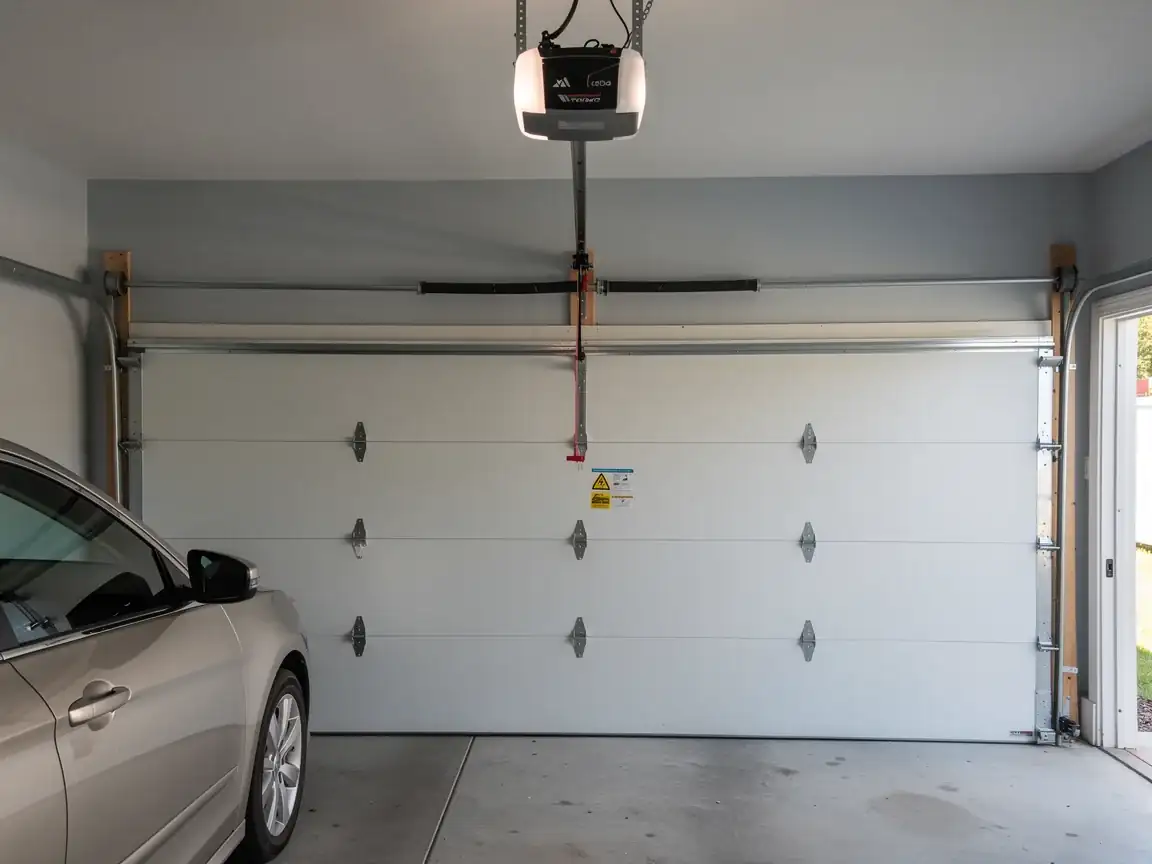
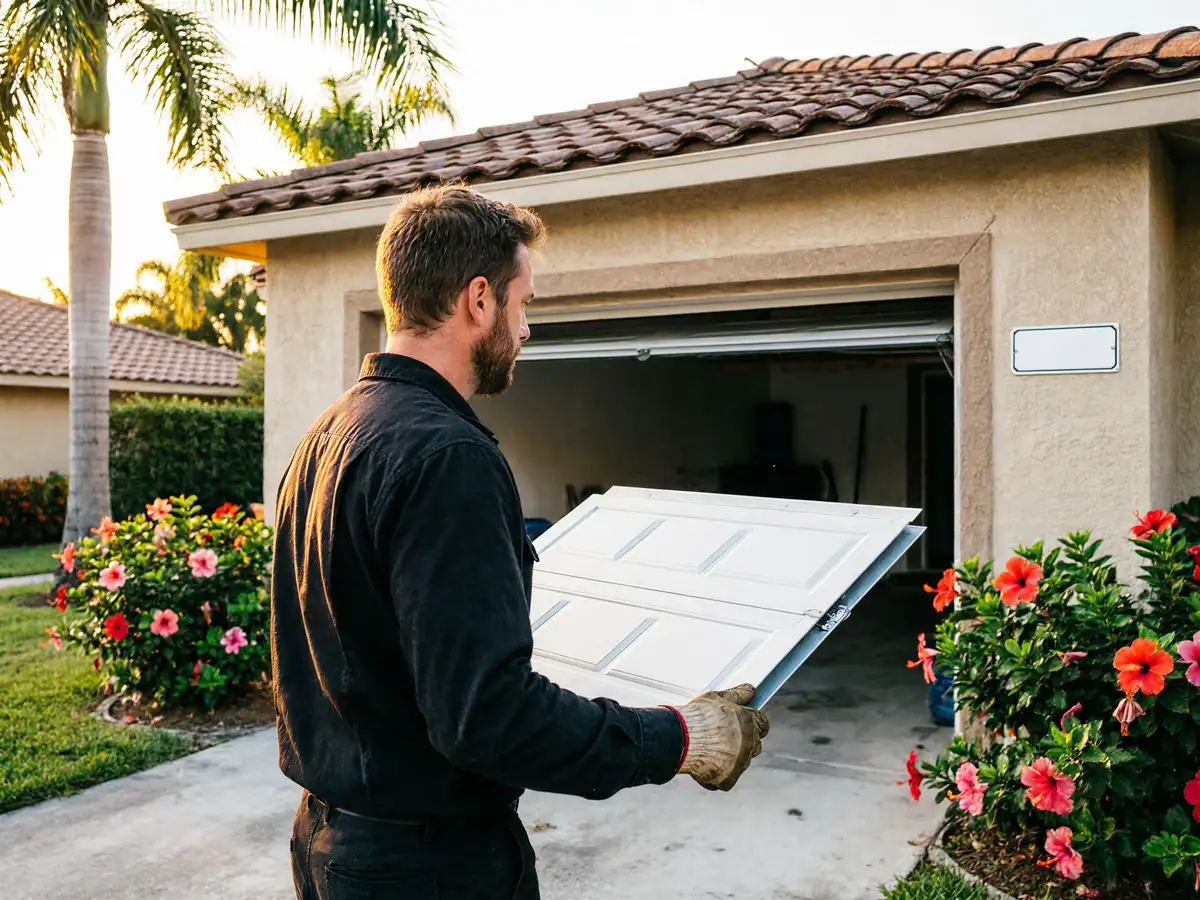
Most of what shows up in Westchase is a single dented or bowed panel, usually the bottom section, sometimes a middle one after a ladder or bike gets leaned against it. You'll see a crease that doesn't pop back out, or a crack along a panel seam on an insulated steel door. Less common here is the panel warping we see on older unpainted wood or thin aluminum doors elsewhere in the service area. If the door still opens and closes but drags or binds near the damaged section, that's usually the panel pulling on its neighbors, not a track or spring problem. If the whole door sags or won't stay up, that's a separate issue and worth mentioning before we quote a panel swap, since replacing one panel won't fix a spring or cable problem underneath it.
What the Repair Takes
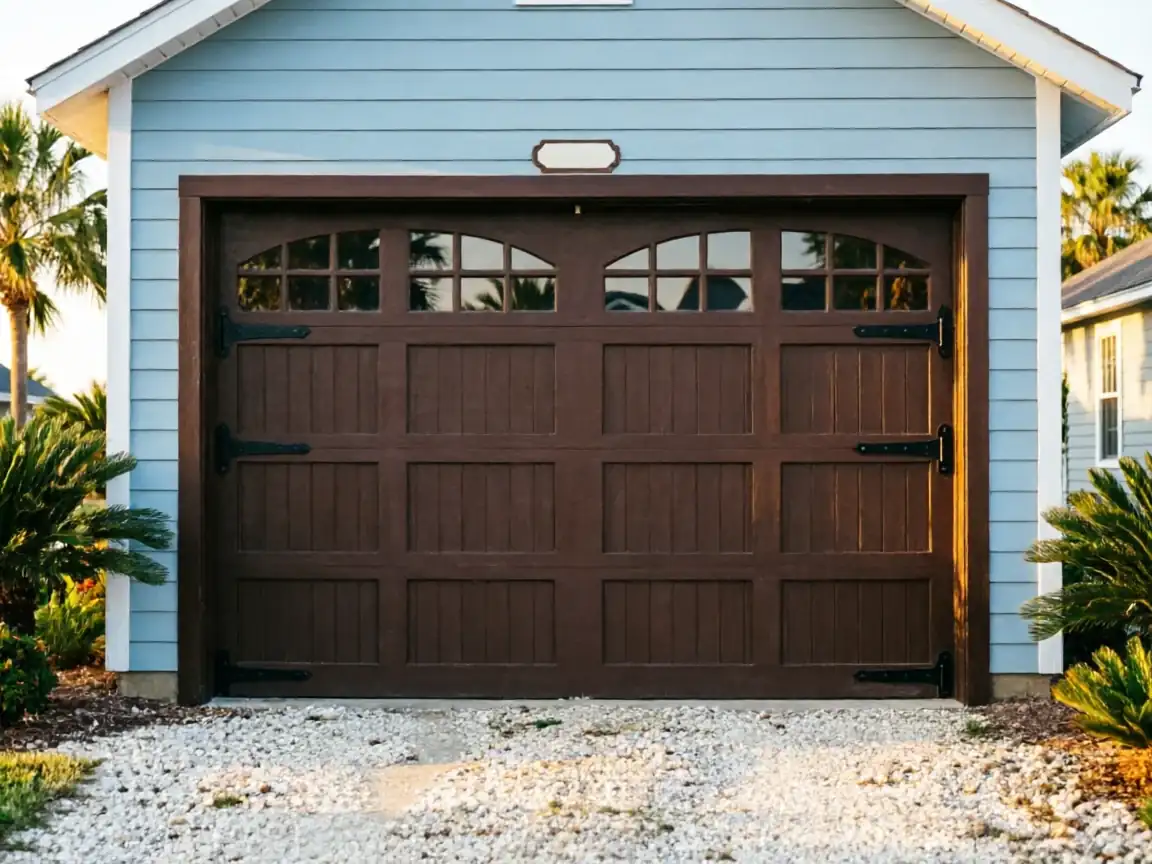
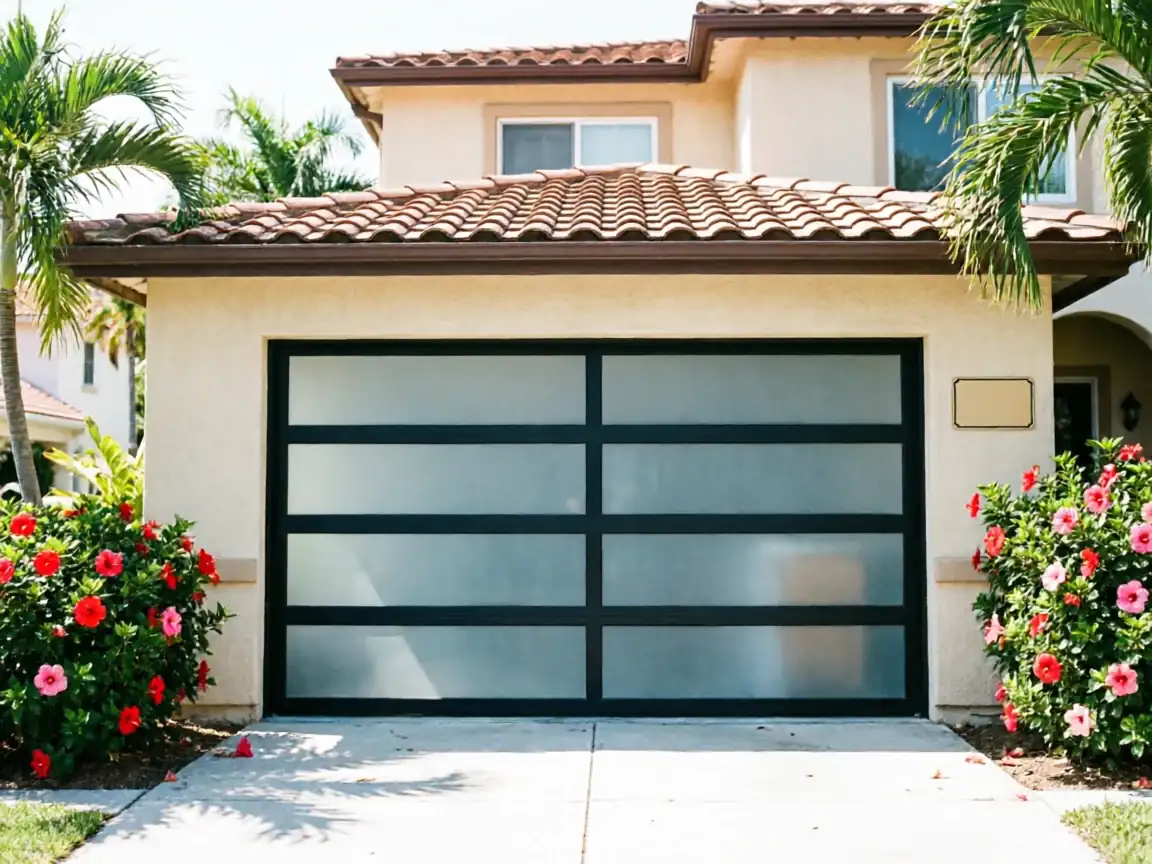
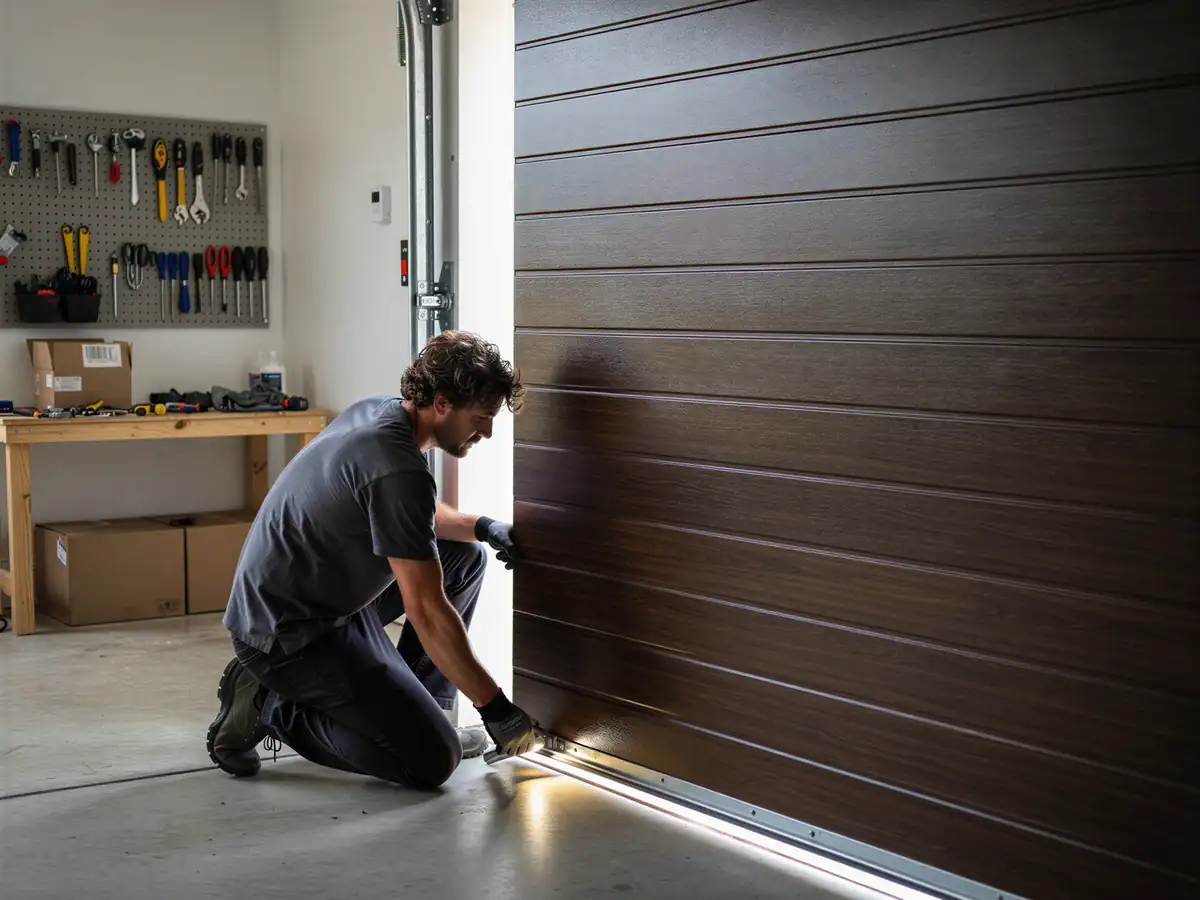
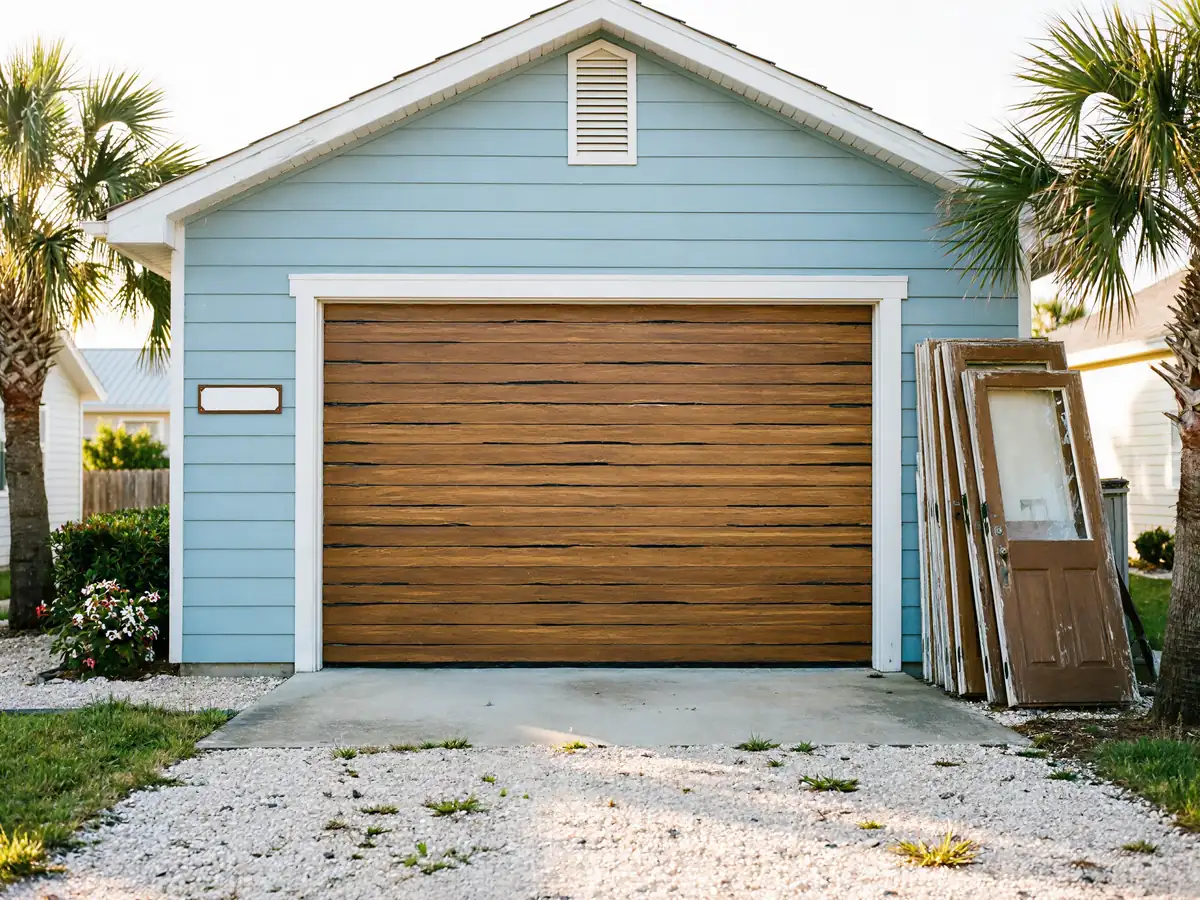
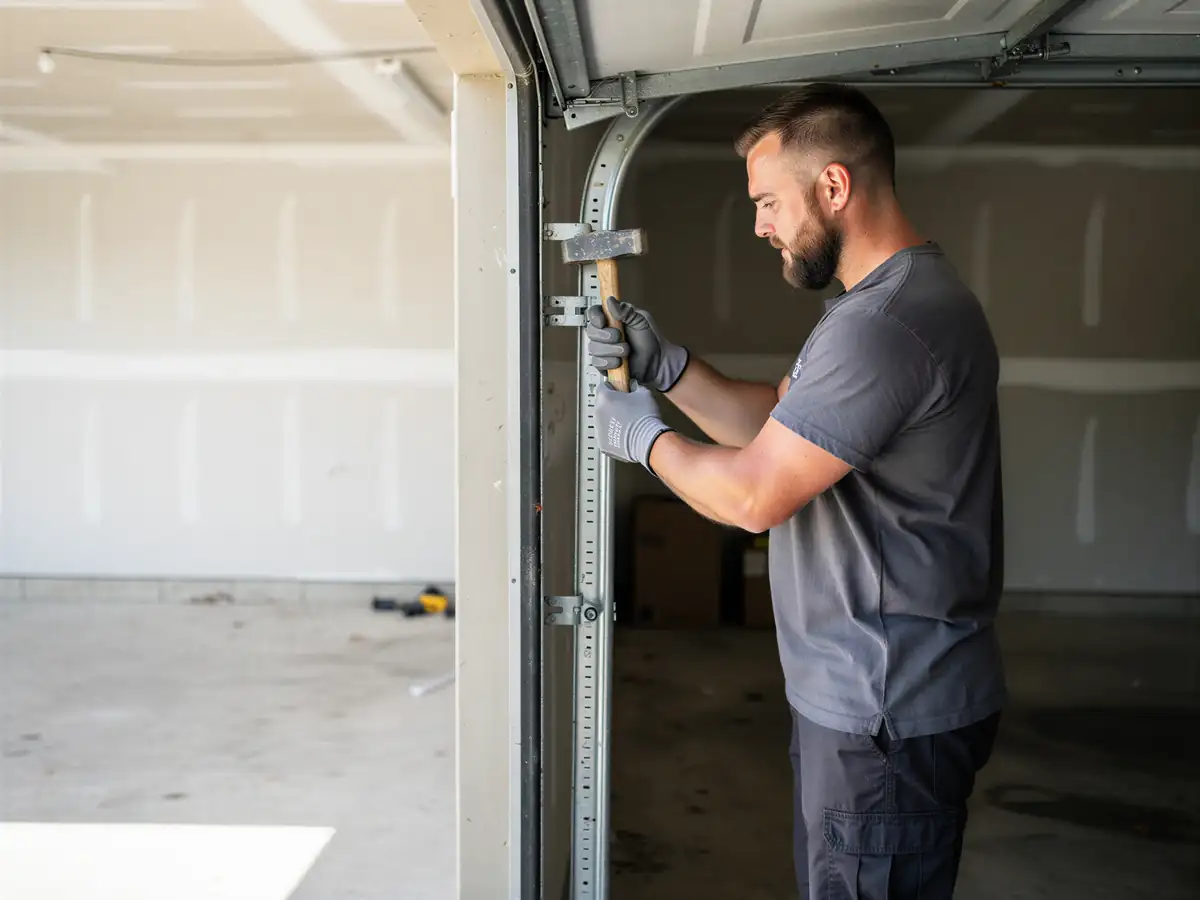
Because most Westchase doors date to around 2001 or later, panel sizing tends to be standard sectional dimensions, which makes sourcing a matching replacement panel more straightforward than on the older, sometimes custom-width doors closer to Dunedin. We still need the exact brand, model, and panel design to match color and texture, since a manufacturer can discontinue a specific woodgrain or paneling pattern within a few years and leave no exact match available. That's the honest limit: if your door's original panel style has been discontinued, we can get close on color and profile, but we won't promise an invisible match. For a single damaged panel on a door that's otherwise working fine, replacement is usually the right call over full door replacement, since the hardware and opener don't need touching.