What the Repair Takes
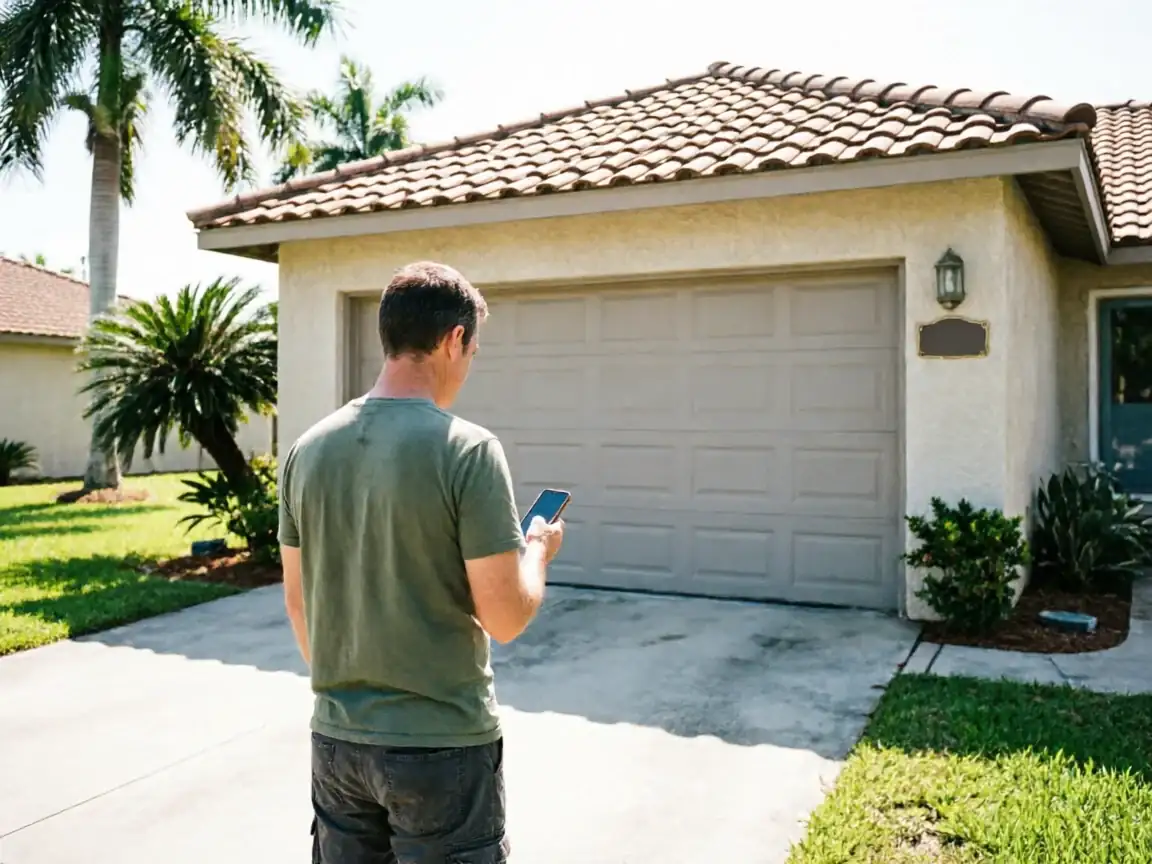
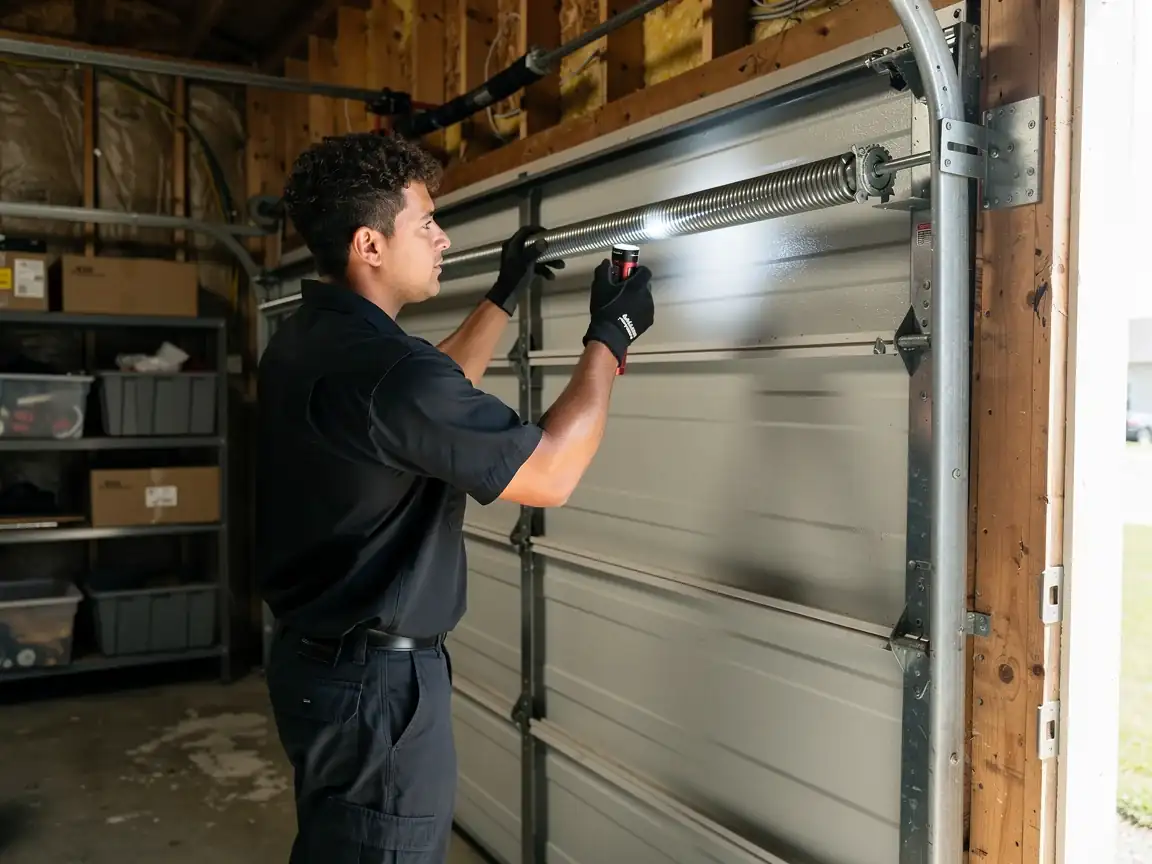
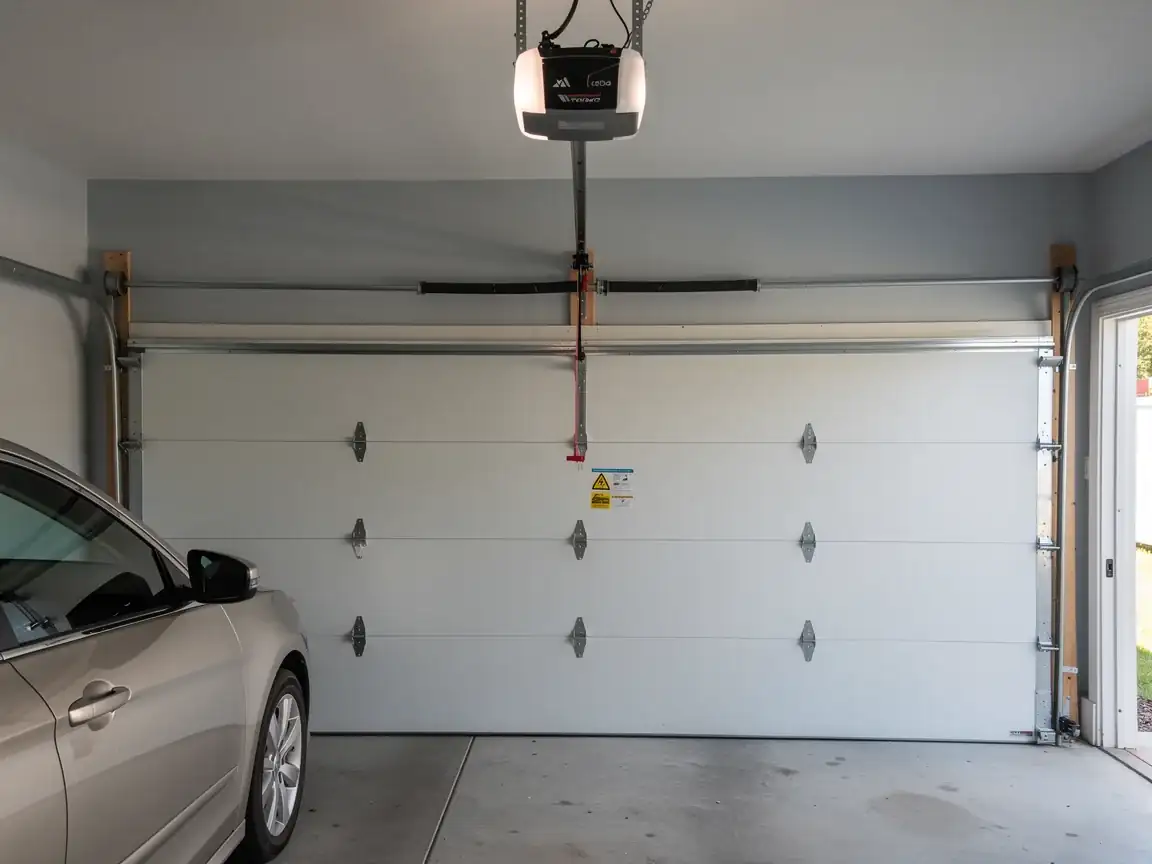
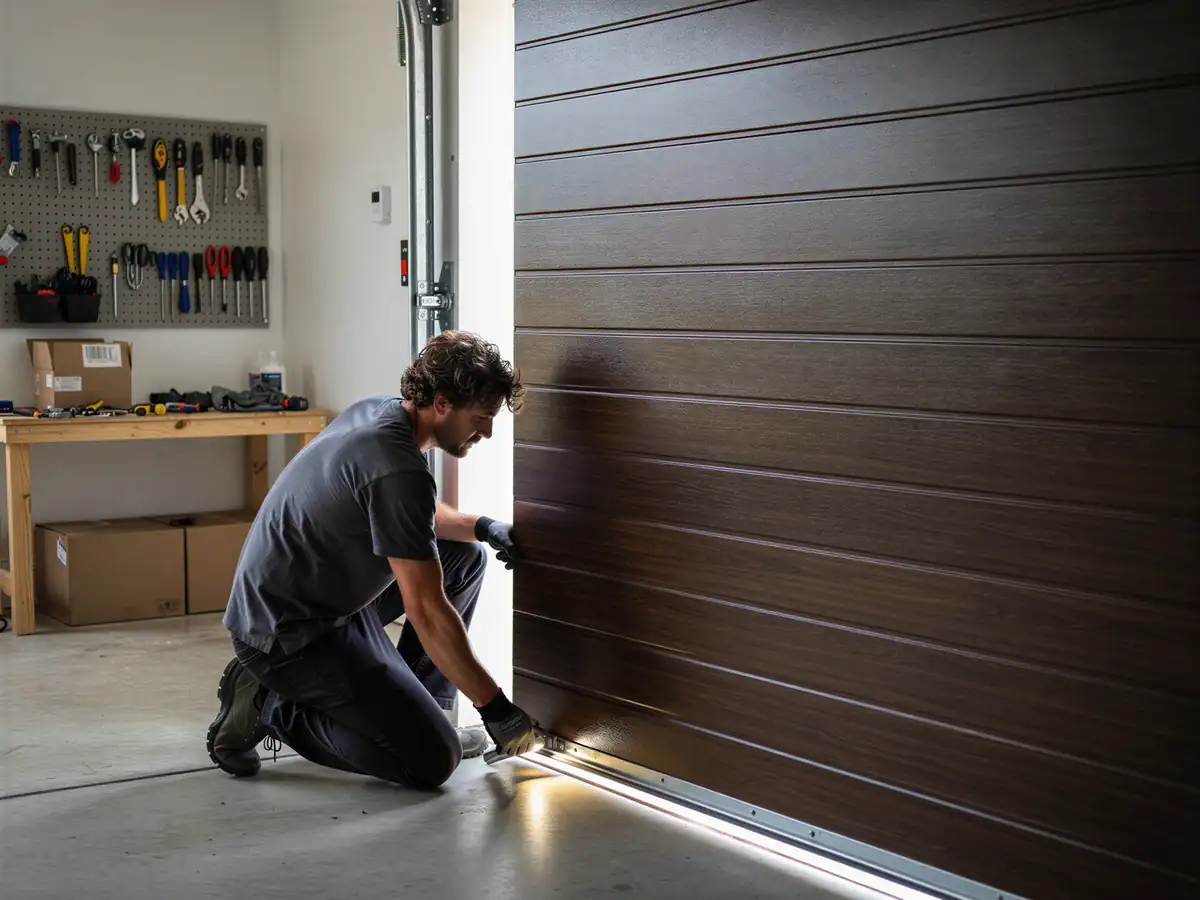
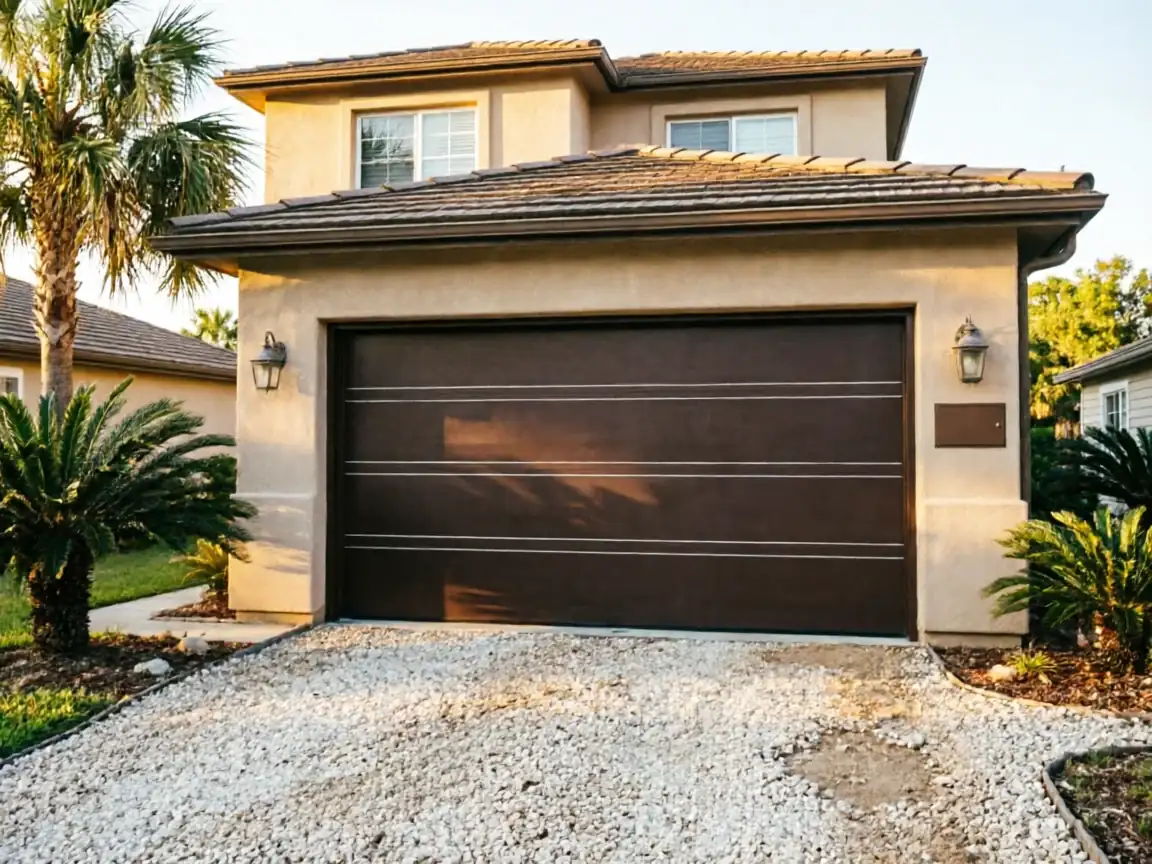
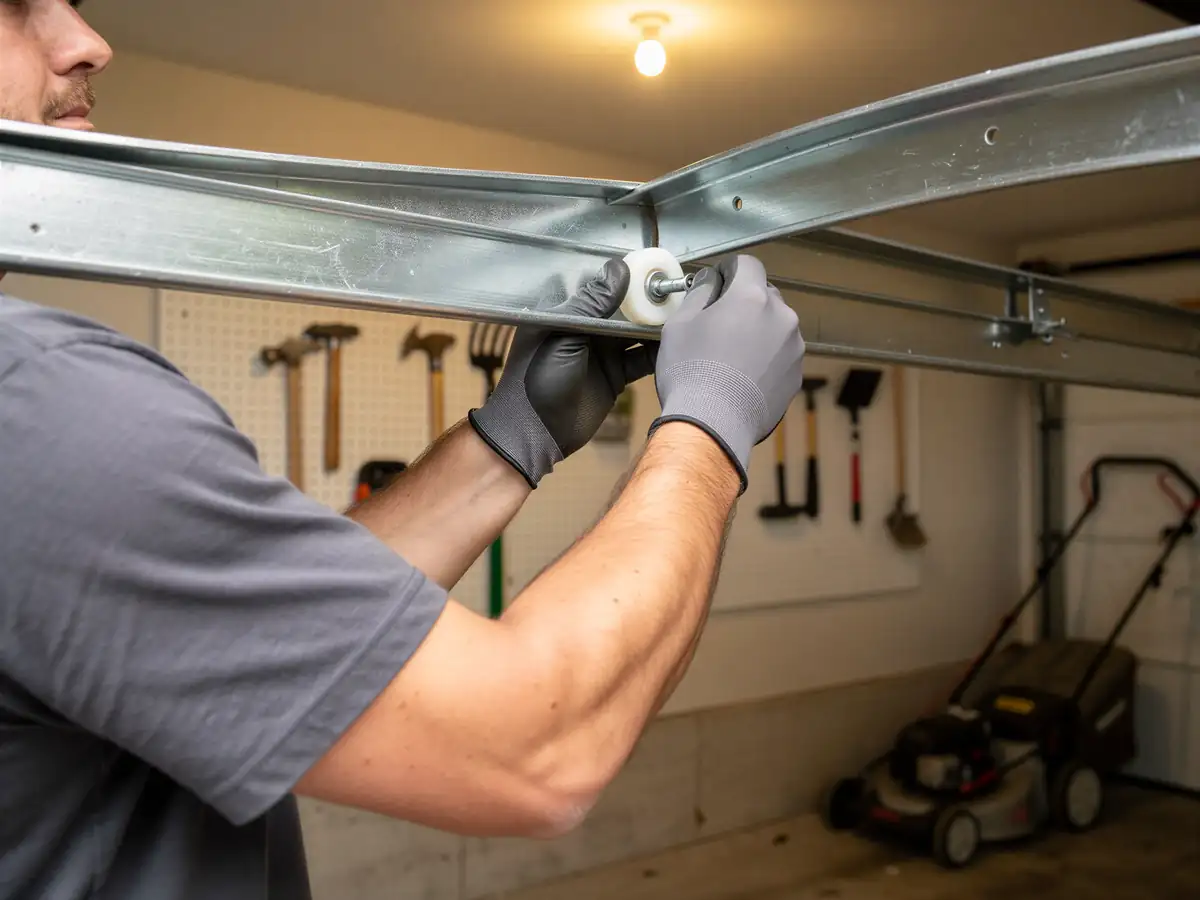
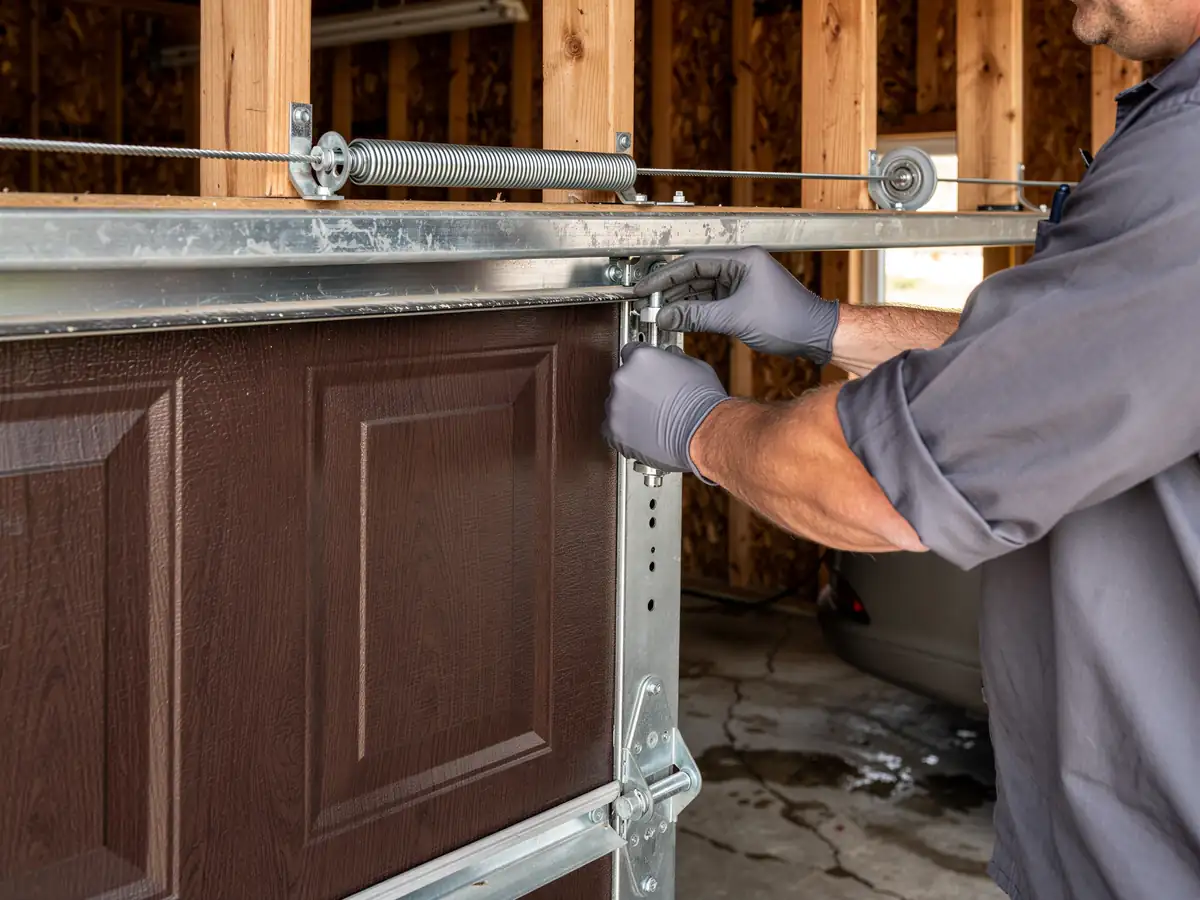
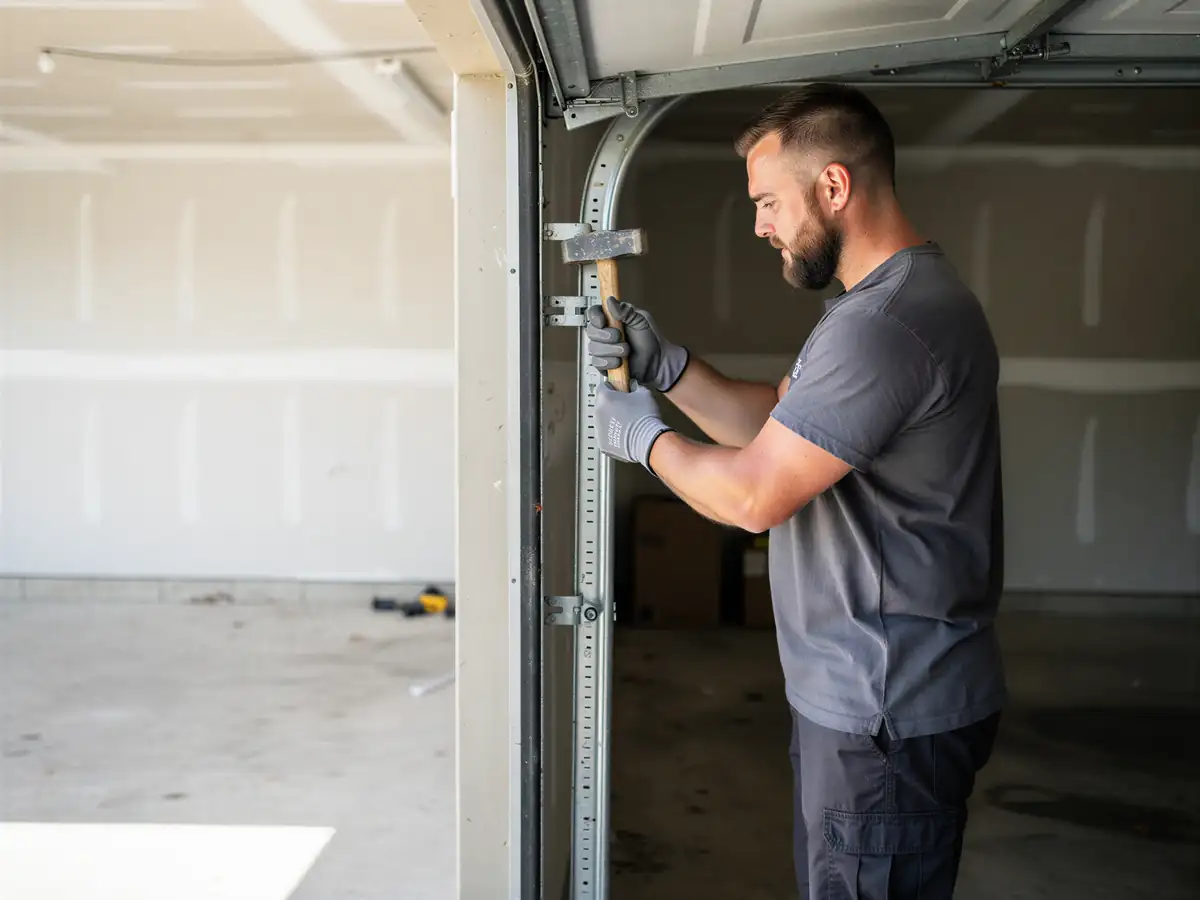
Citrus Park's housing stock mostly went up around 1991, well after the wave of older construction found closer to the coast. That matters for an off-track call because doors from this era almost always shipped with galvanized steel tracks, nylon rollers, and extension or torsion springs rated for lighter sectional panels than what you'd find on a house built in the 1960s. When one of these doors jumps the track, the cause is usually a bent track rail from the roller catching on a worn bracket, or a roller that's cracked and binding instead of rolling. The fix is straightforward on paper: loosen the track bolts, work the rail back to true with a level, check that both sides are plumb to each other, then tighten and cycle the door by hand before trusting the opener to it. Where it gets slower is when the bracket itself has pulled loose from the framing, which happens more often on doors that have been running 25-30 years without the track ever being re-squared. That's a bracket replacement, not just a bend-back, and it adds time to the job. We bring both outcomes with us rather than guessing from the phone.
The Symptom
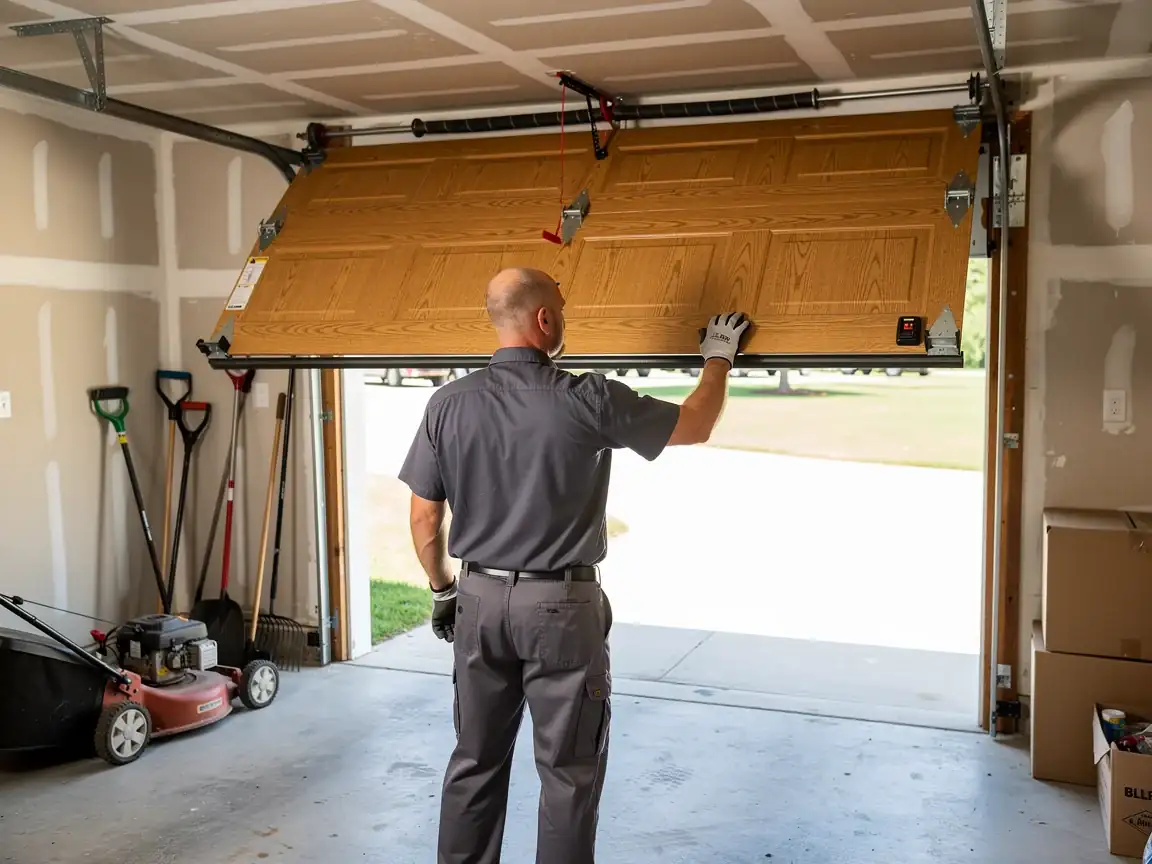
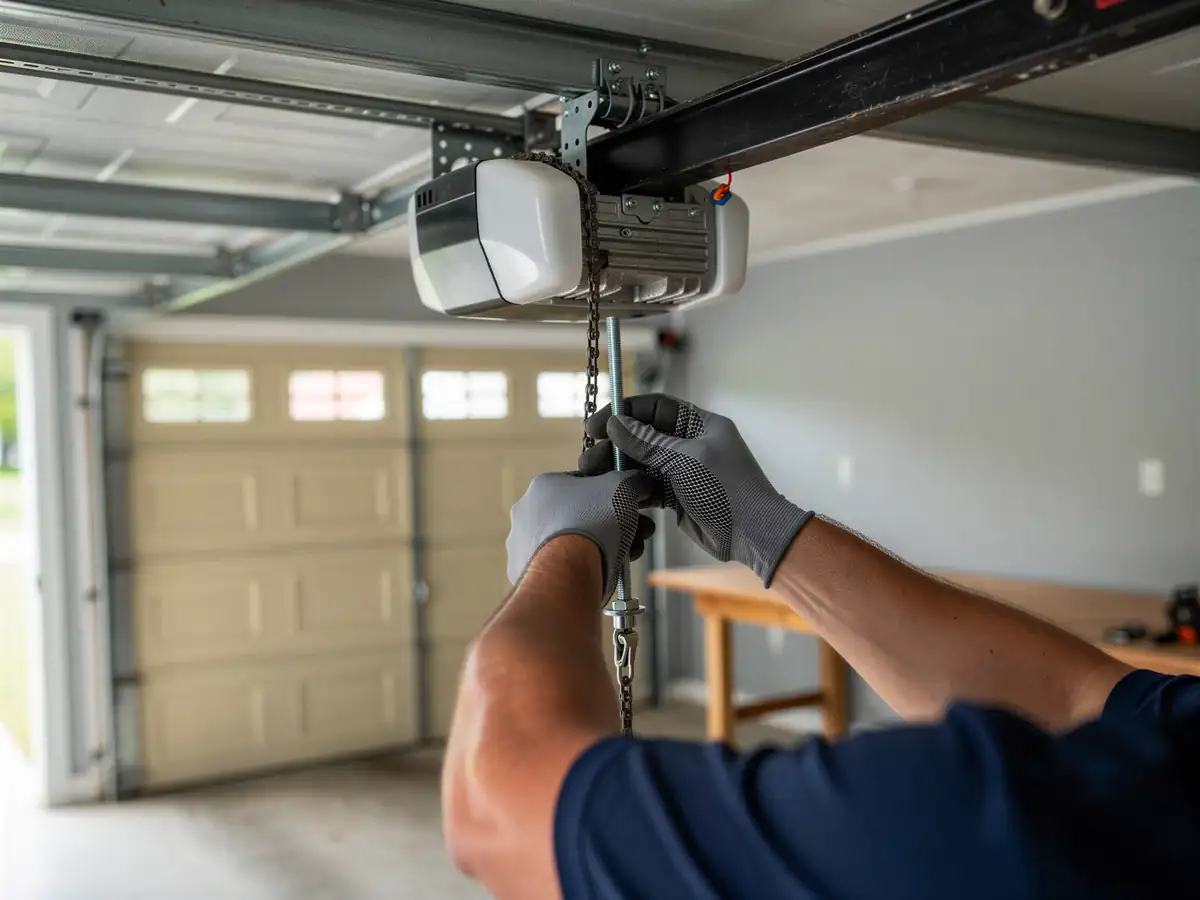
The door usually still moves when this happens, which throws people off. It doesn't drop and stop dead - it creeps up crooked, one corner ahead of the other, then grinds or stalls a few inches in. Sometimes you'll hear a scrape instead of the usual roll, or see a gap opening between the bottom panel and the track rail on one side. On the 1991-era doors common in Citrus Park, this is often a nylon roller that's split from age and heat cycling rather than a dramatic impact. The climate here is mild temperate, so it's not thermal cracking from hard freezes - it's closer to thirty years of expansion and contraction on plastic hardware that was never meant to last the life of the door. If the opener keeps trying to pull a door that's already partway off the rail, you'll hear the motor labor and smell hot plastic from the opener housing before anything else fails.
What Is on the Truck
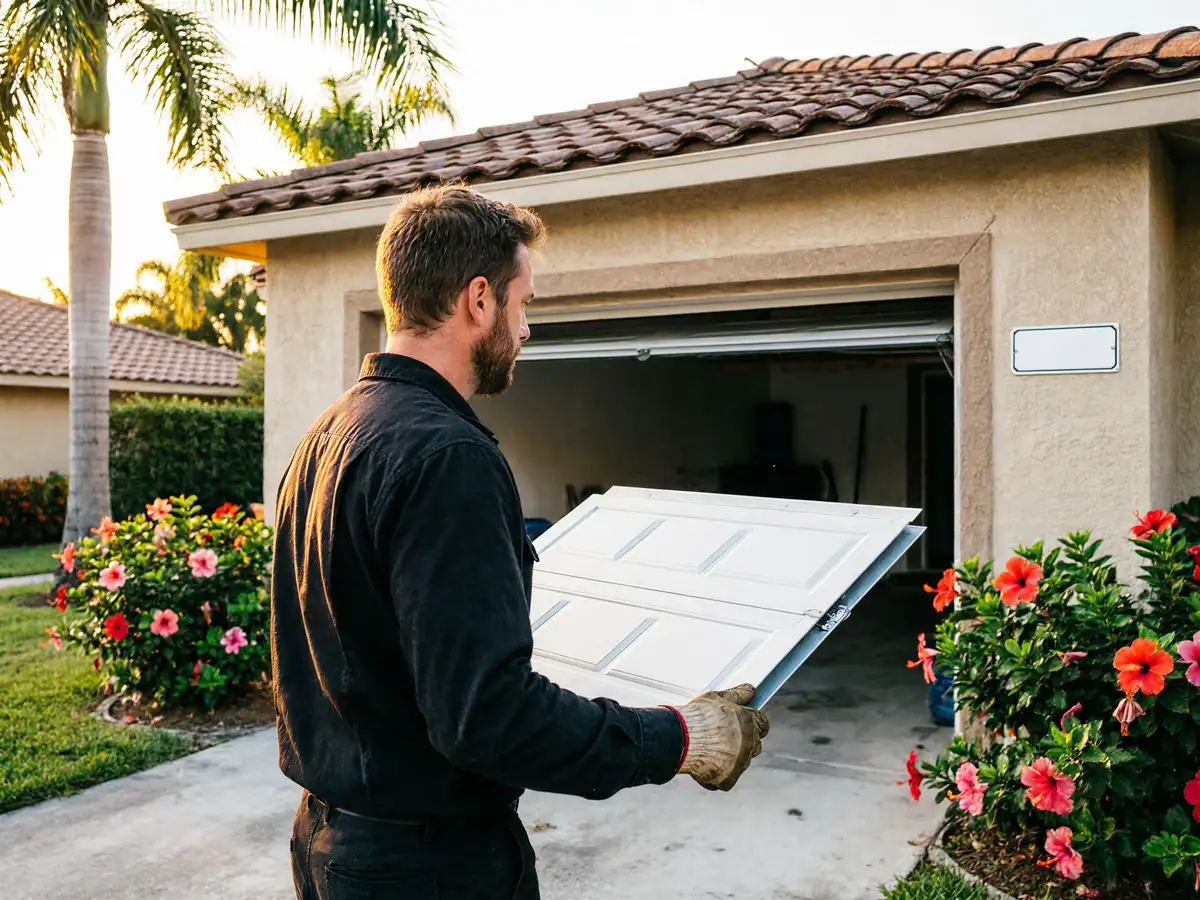
For 1991-era doors, the truck carries nylon and steel rollers in the sizes that fit sectional doors of that period, replacement track sections in standard galvanized widths, and the lag screws and brackets to reset a pulled mounting point. We also carry torsion and extension spring sets sized for lighter residential doors, since Citrus Park's housing stock skews toward single and two-car doors rather than the heavier wood or oversized panels you see on older coastal homes. What we don't stock on the truck is anything custom-cut - a track bent into an unusual radius from a vehicle impact, for instance, sometimes has to be ordered rather than straightened on site. That's rare, but it happens, and when it does we'll tell you up front rather than making a return trip look like part of the plan.
Getting It Booked In
We cover Citrus Park from our base in Dunedin, about 16 miles out, along with the rest of the service area - Belleair, Safety Harbor, Oldsmar, and the other communities listed on our main site. Call ahead with what you're seeing: whether the door moved at all before sticking, whether a cable looks loose, and roughly how old the door is if you know it. That lets us load the right rollers and track stock before we leave rather than guessing. See our general page for Citrus Park for the full range of work we do in the area, or check the off-track page for Dunedin itself if you want the broader service details.