What the Repair Takes
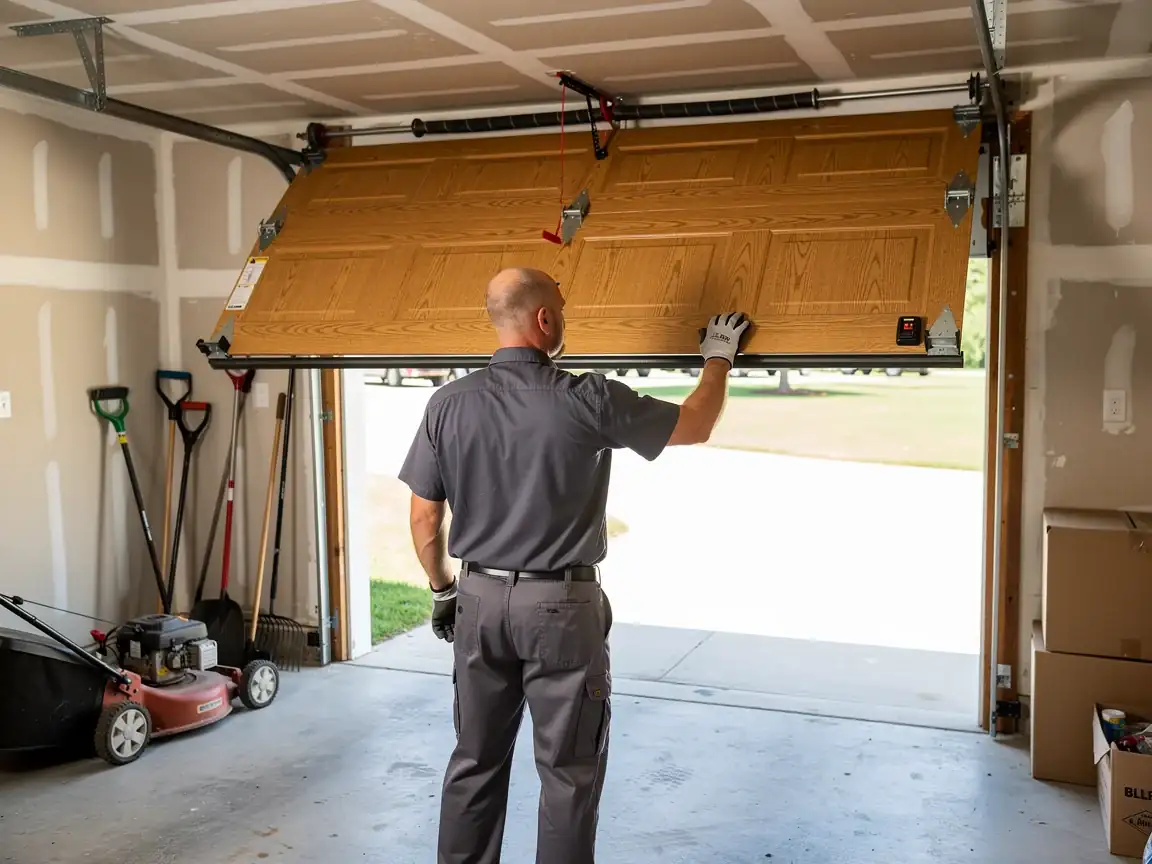
Citrus Park sits about 16 miles from our shop in Dunedin, the longest run on our list of covered areas. That distance matters less than what's waiting at the house when we get there. Most of the housing stock across our territory runs from 1958 to 2005, with a median around 1979 - older torsion hardware, side-mounted openers, doors that have outlived two or three remotes. Citrus Park skews younger. The median home here went up in 1991, a full decade past that area-wide midpoint. That means the doors we're pulling off trucks and openers we're diagnosing skew toward later production runs: sectional steel doors on standard torsion springs, chain or belt-drive openers with circuit boards instead of the simpler relay logic you'd find on an older unit. The repair itself isn't harder, but it's a different parts bin. A board gone bad on a 1990s opener isn't the same fix as a cracked drum on a 1960s one, and showing up with the wrong assumption wastes the trip. We build the truck load around what we expect to find before we leave Dunedin, not after.
The Symptom
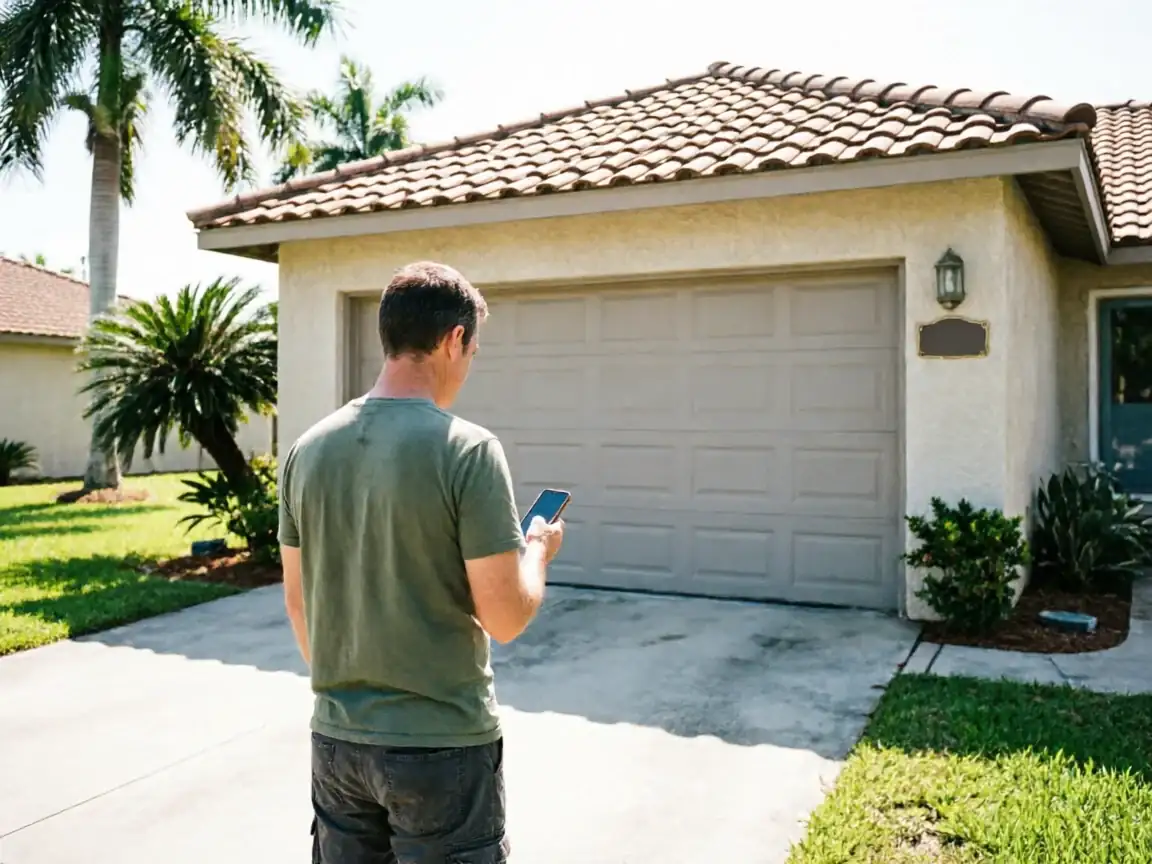
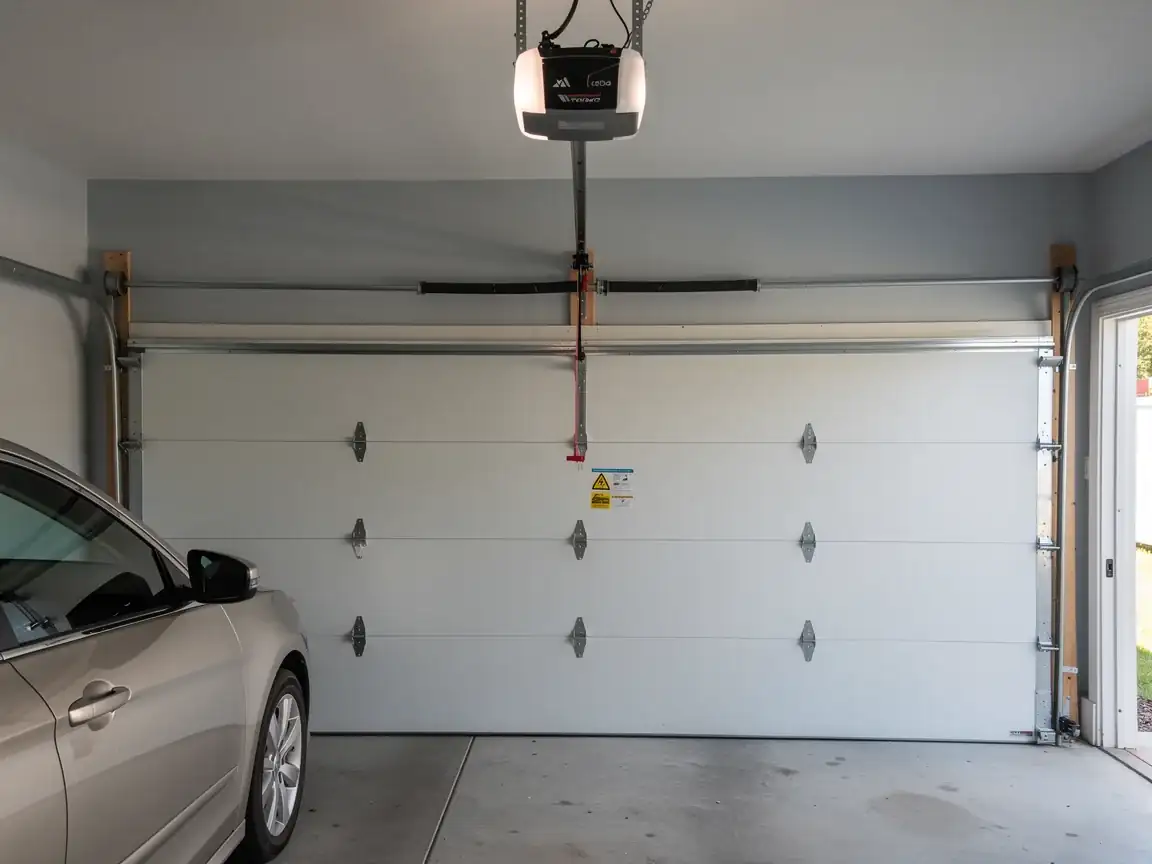
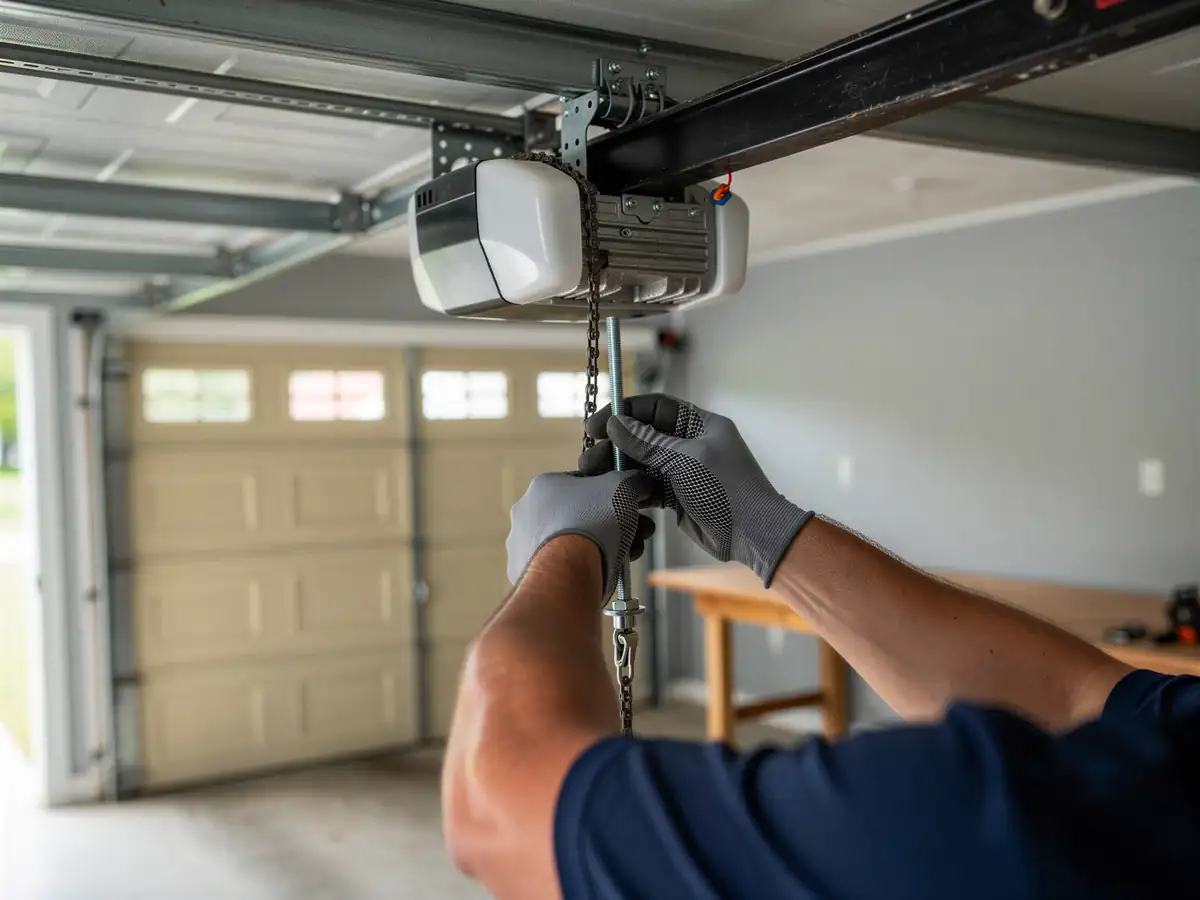
In a neighborhood this age, the complaints we hear most are electrical before they're mechanical. An opener that reverses at random, lights that flash without a clear code, a remote that sometimes catches and sometimes doesn't - that's a logic board or a sensor pair losing alignment over time, not a worn-out spring giving up all at once. Springs still fail here, same as anywhere steel fatigues under tension, but a house built in 1991 hasn't put in the same decades of cycles as the older stock we see closer to the center of our coverage area. The mild temperate climate across this whole region doesn't put the stress on hardware that freeze-thaw cycles do farther north, so when something fails here it's usually wear, a bad capacitor, or a sensor knocked out of alignment, not weather damage. If your door is sticking halfway up and reversing, start with the photo-eye sensors at the bottom of the track before assuming the opener itself is dead.
What Is on the Truck
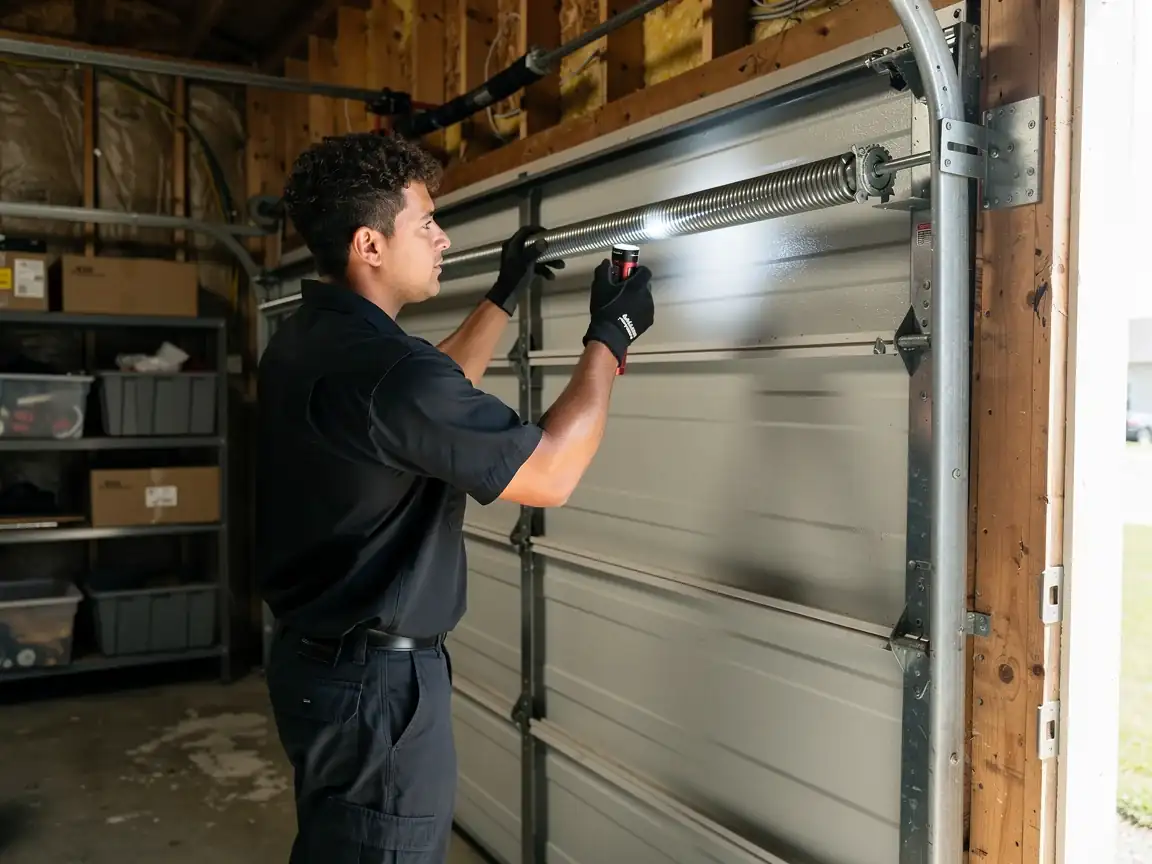
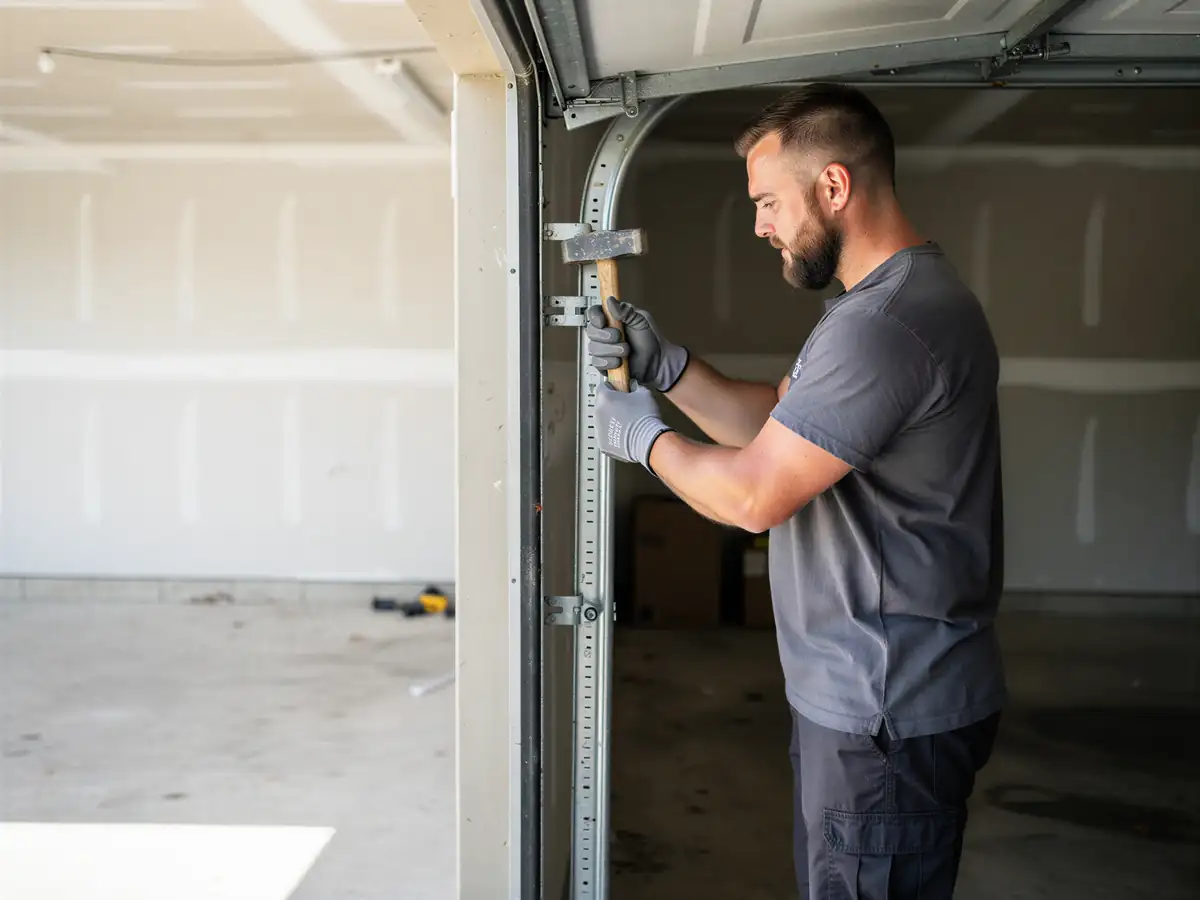
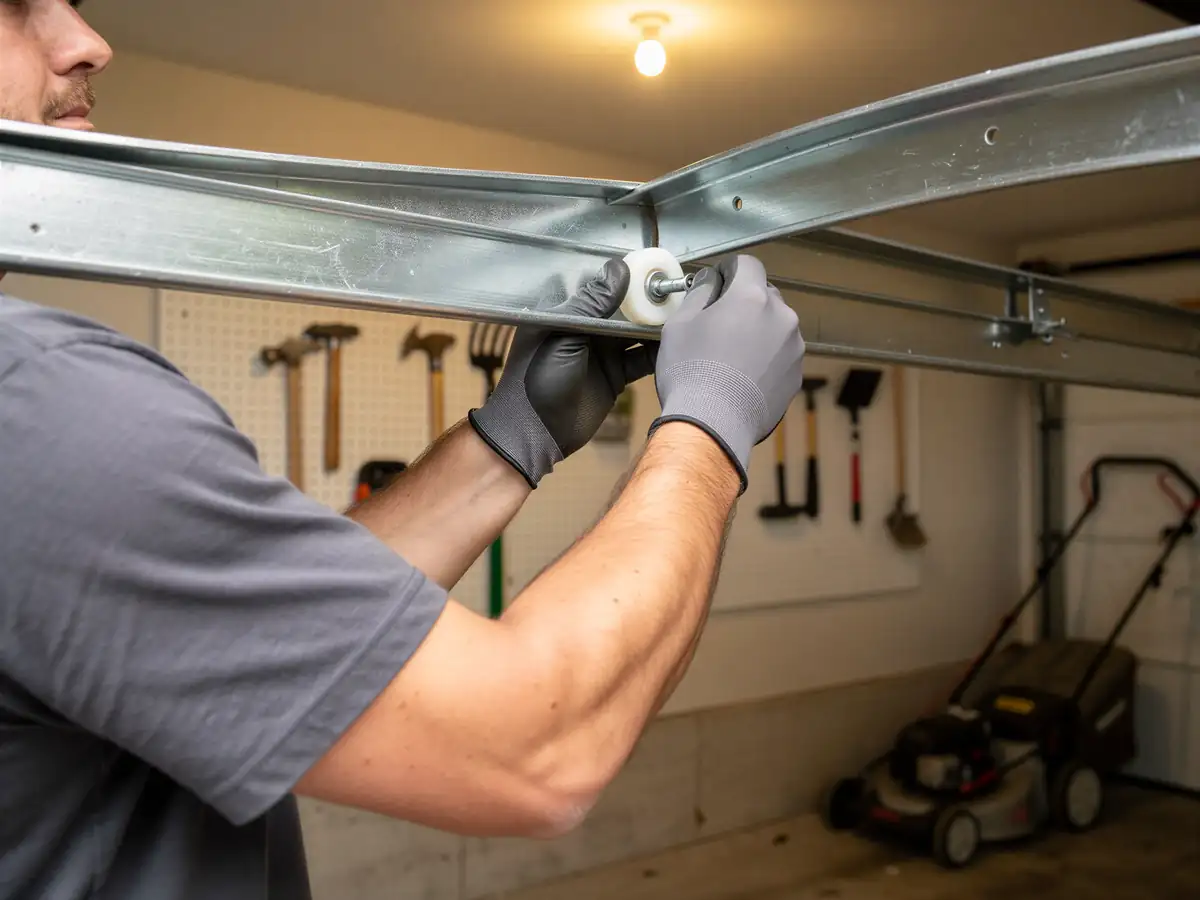
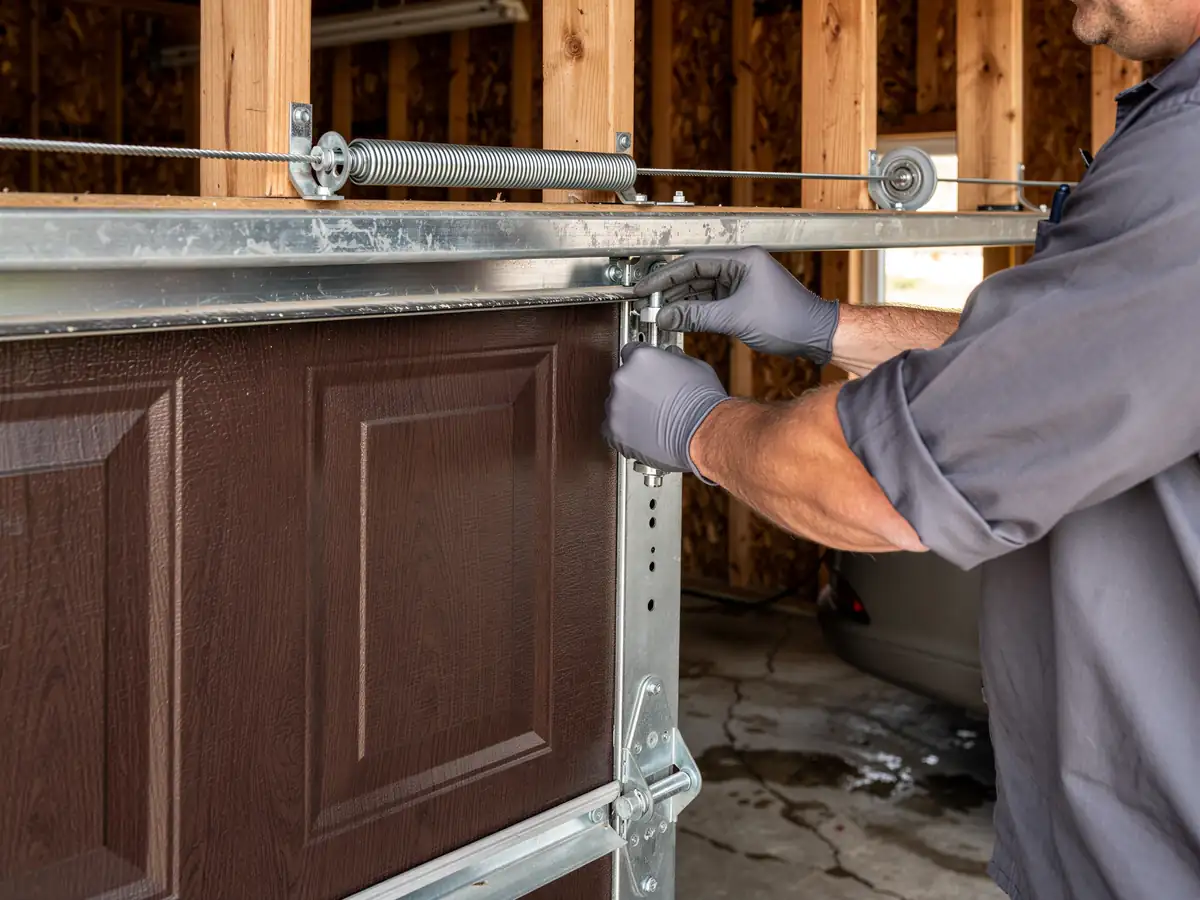
For a service area where the median home is pushing 1991, we carry circuit boards and sensor kits that fit later-model openers, not just the parts that match older torsion setups. We stock standard torsion springs in the sizes that fit sectional steel doors from that era, along with rollers and cable common to the production runs sold through the 1990s and 2000s. What we don't carry on every truck is a board for every opener model ever made - some of the less common ones are special order, and that's the honest limitation: if your opener is an odd brand or a rare drive type, the board might take a few days to land rather than finish in one visit. We'd rather tell you that up front than promise a same-day fix we can't back.
Getting It Booked In
With a median household income of $84,220 across the area, most jobs we quote in Citrus Park land toward full opener replacement rather than a string of small patch repairs, since the math on a newer board plus labor often closes the gap with a new unit fast. We'll still fix what's fixable if that's the better call for your door. Tell us what the door is doing - grinding, reversing, silent - and whether it's the opener or the door itself acting up, and we'll load the truck accordingly before the drive out from Dunedin.