What the Repair Takes
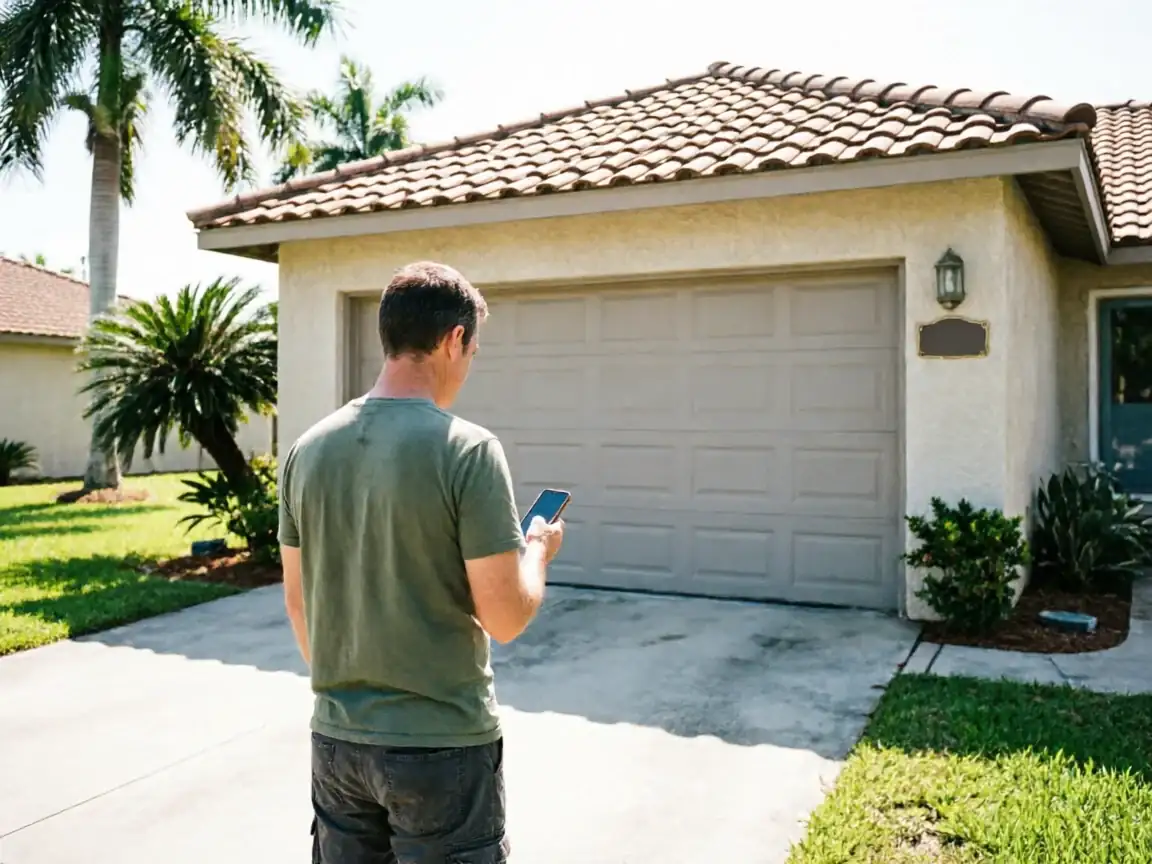
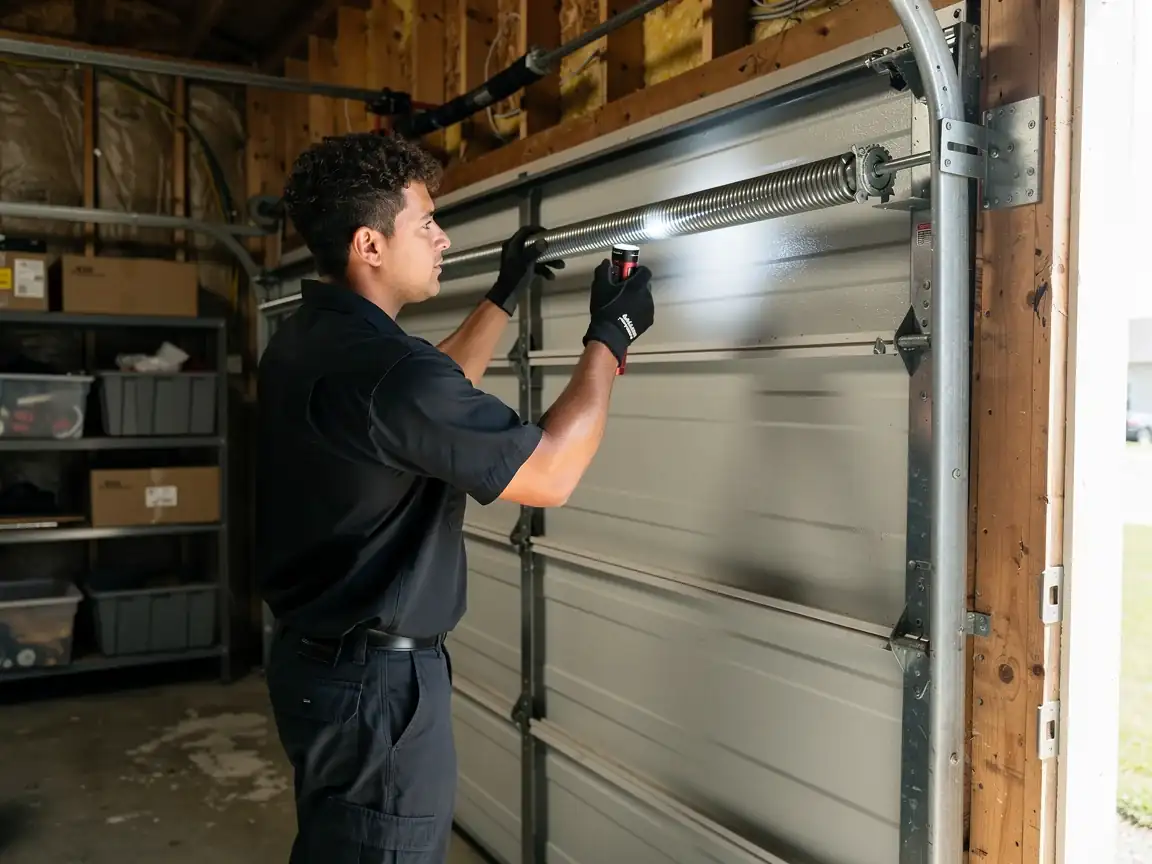
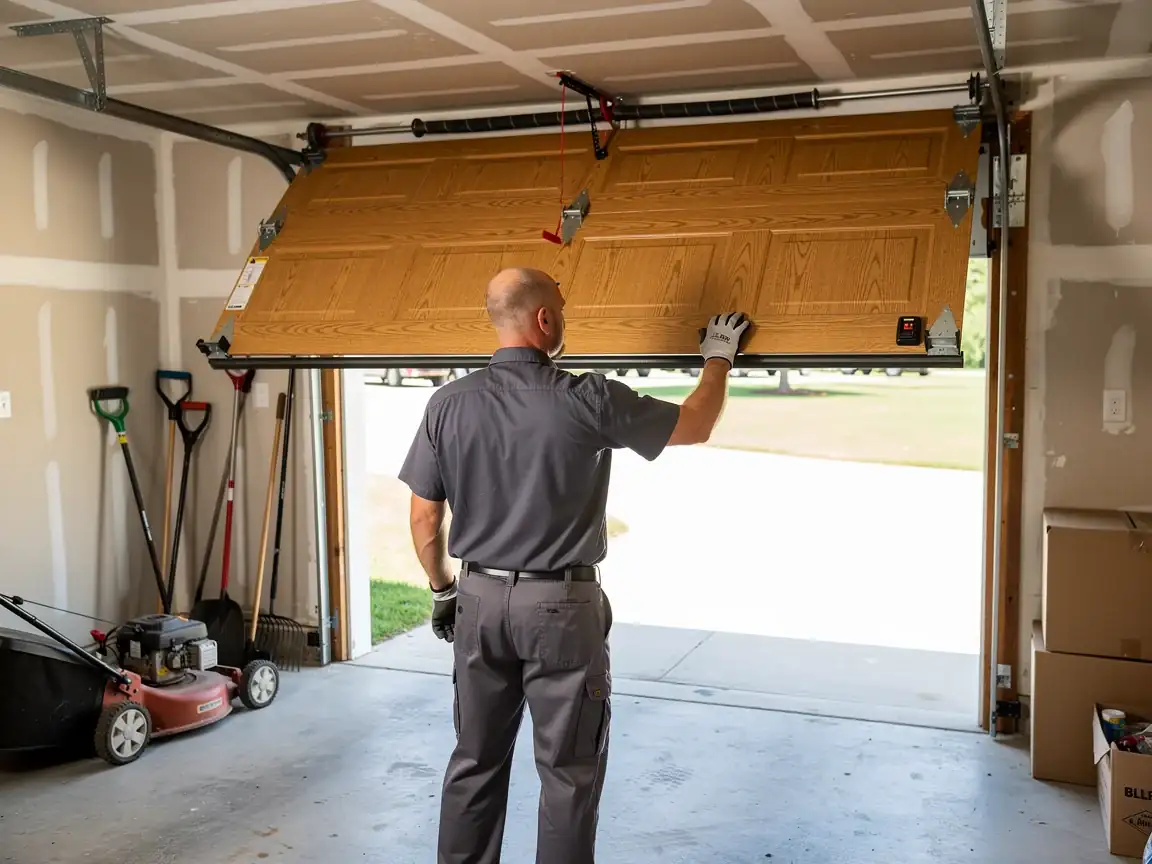
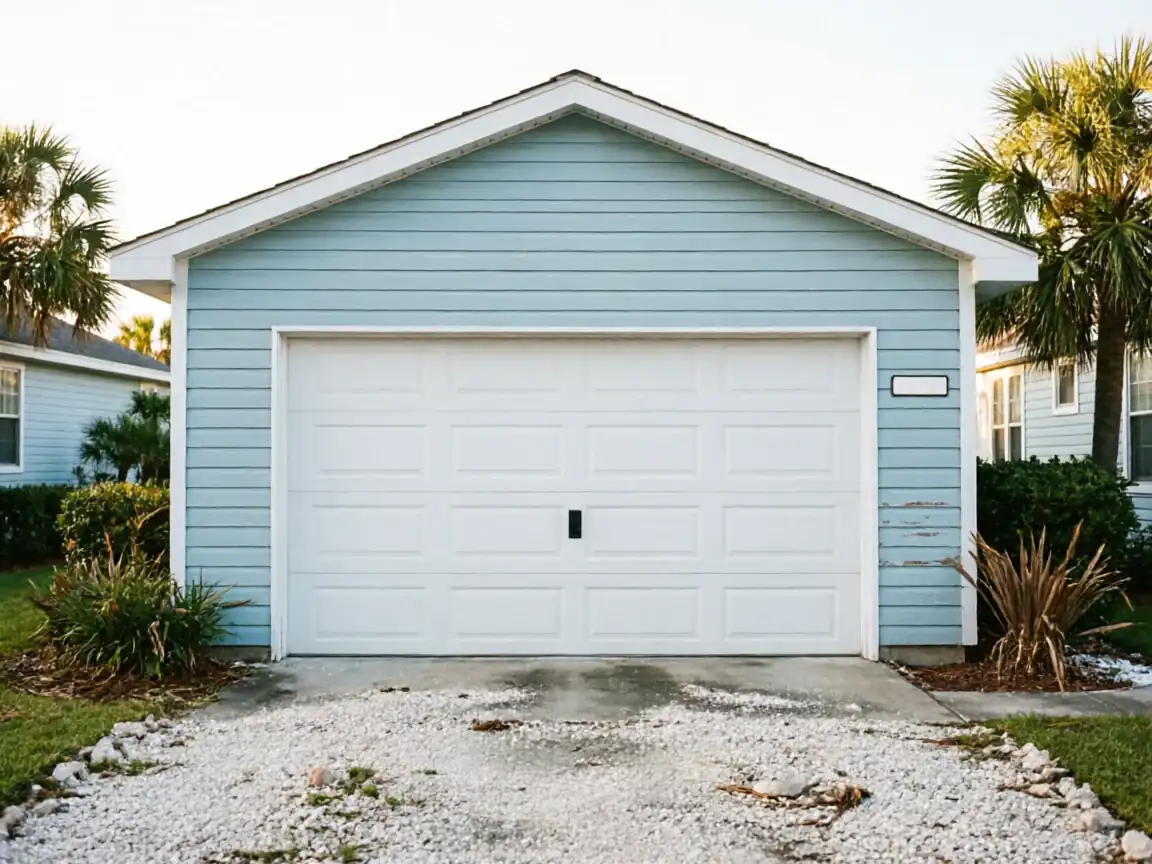
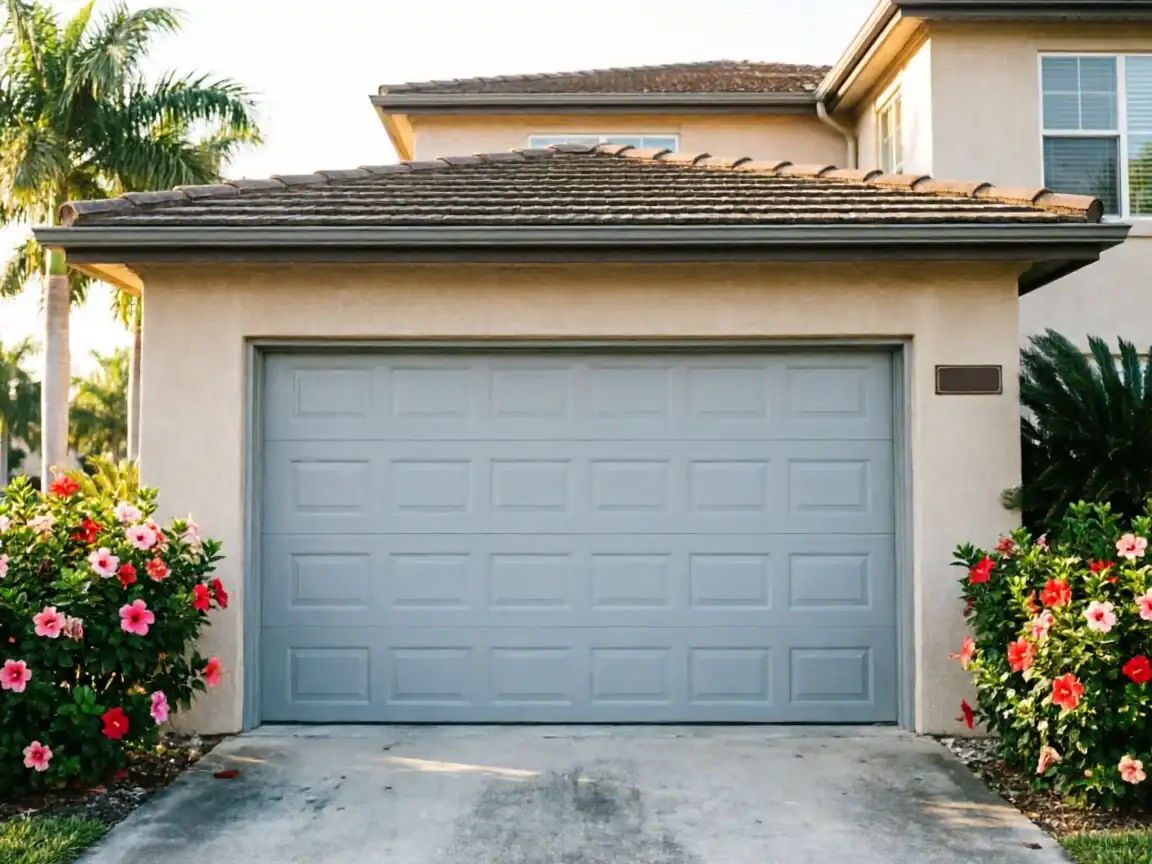
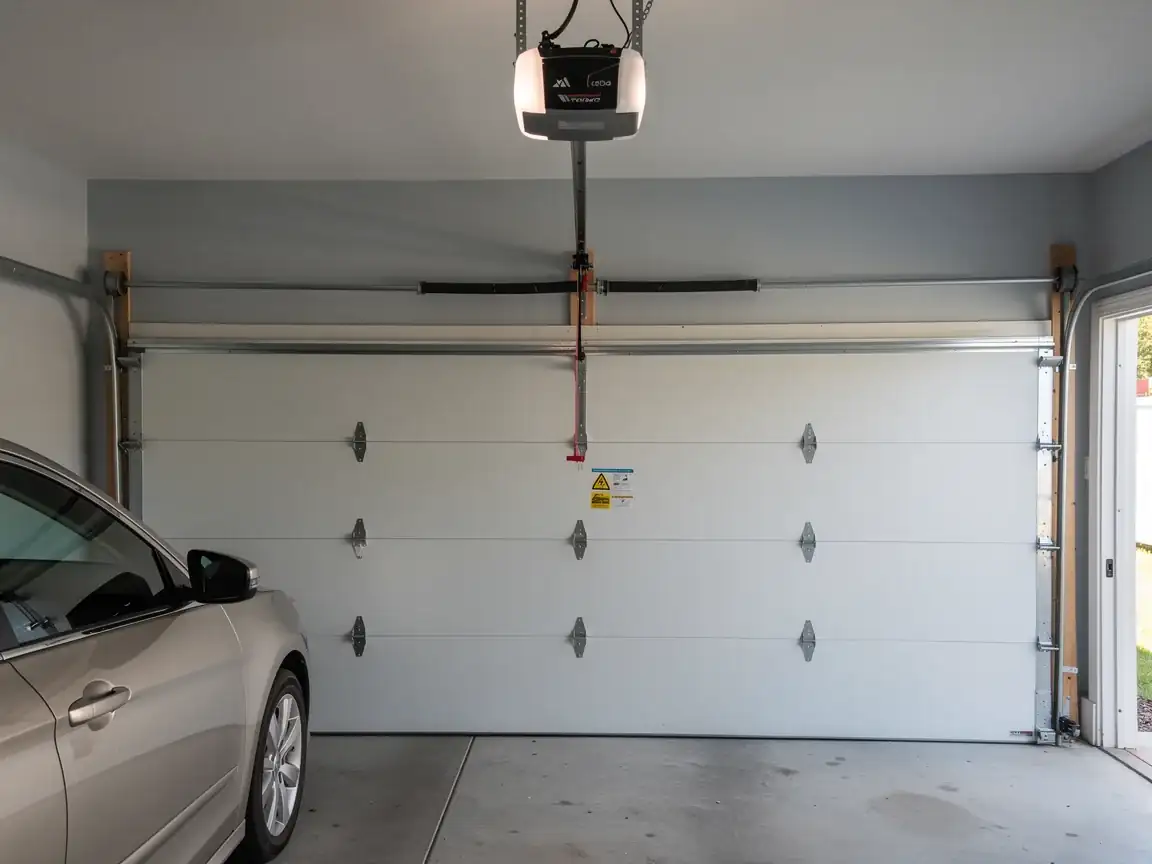
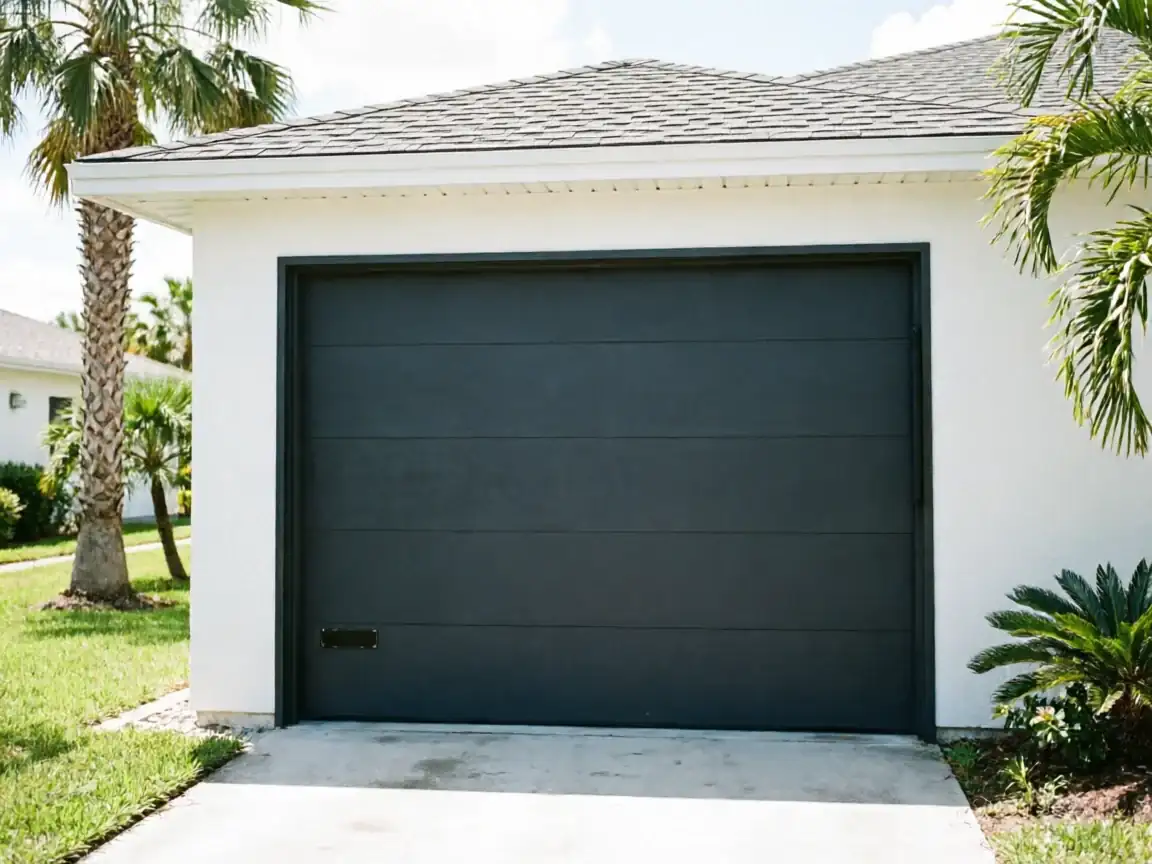
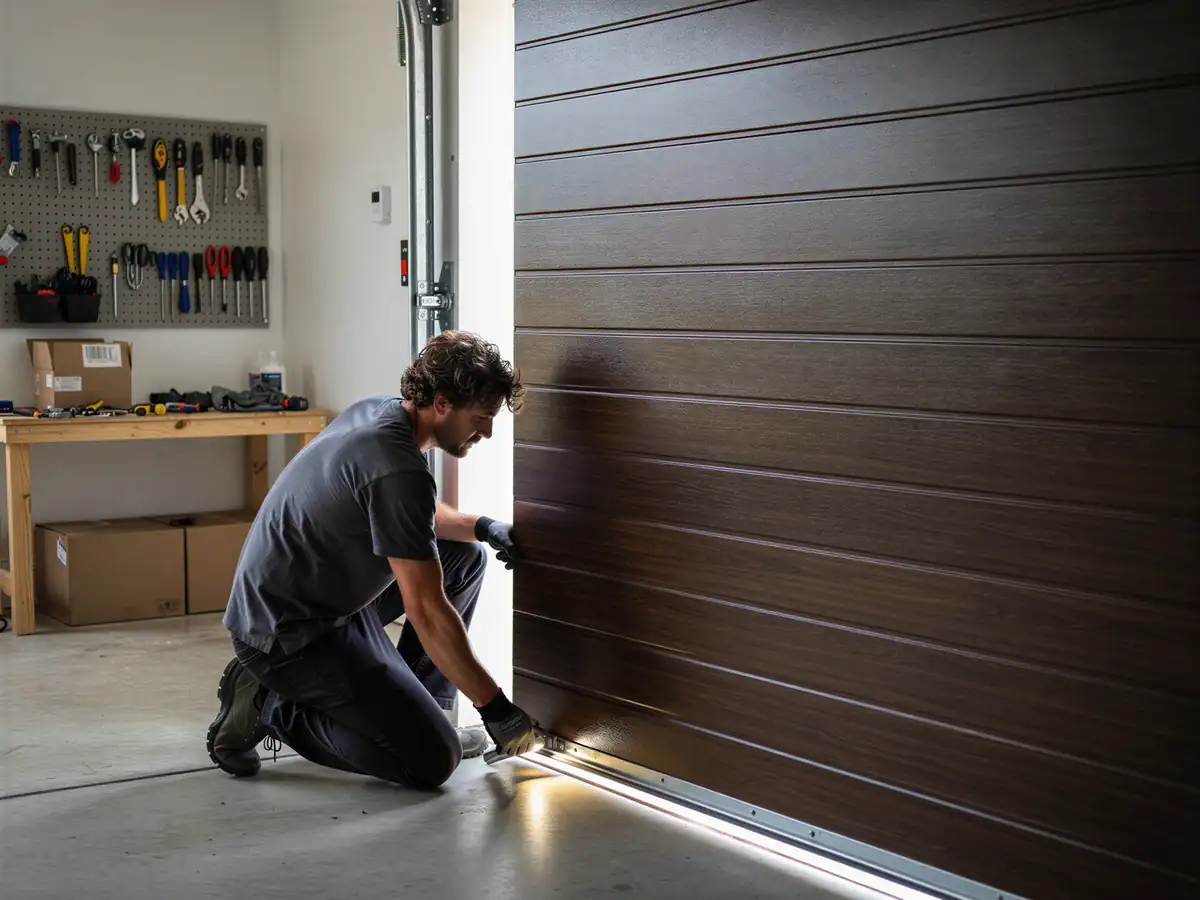
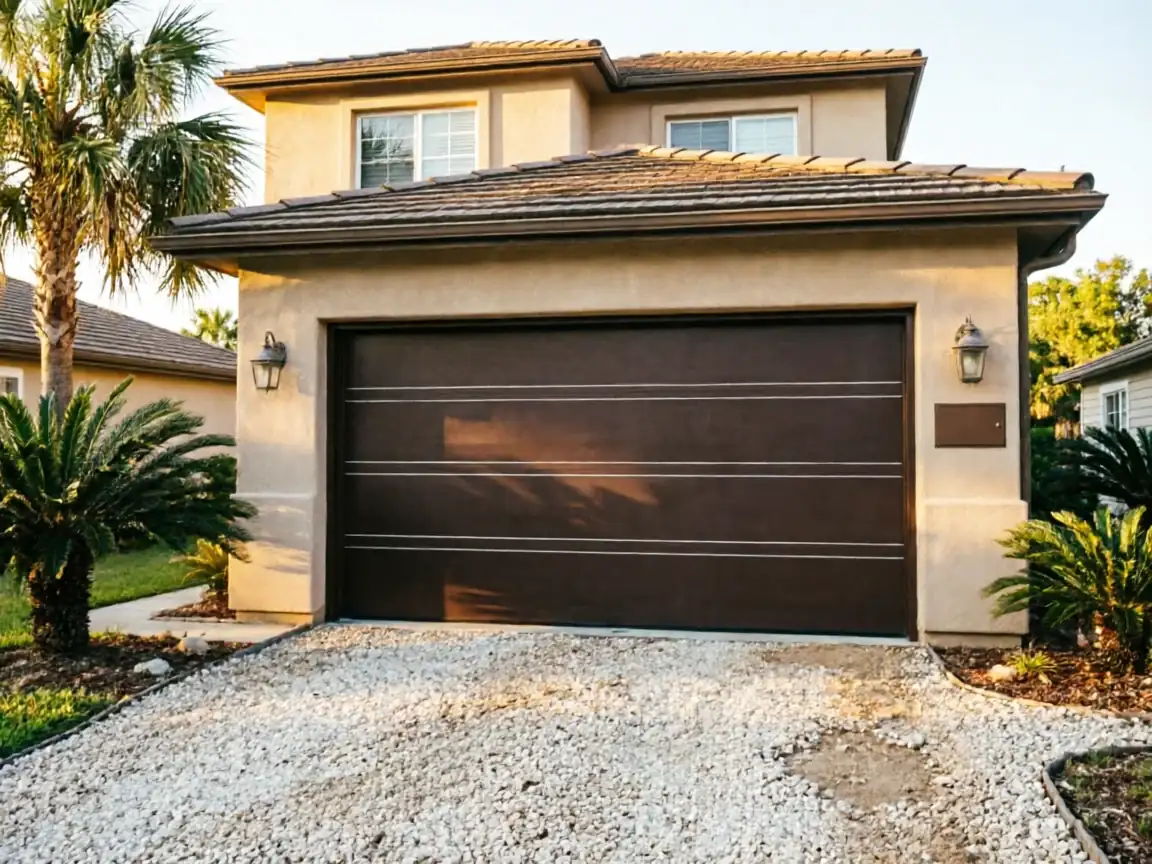
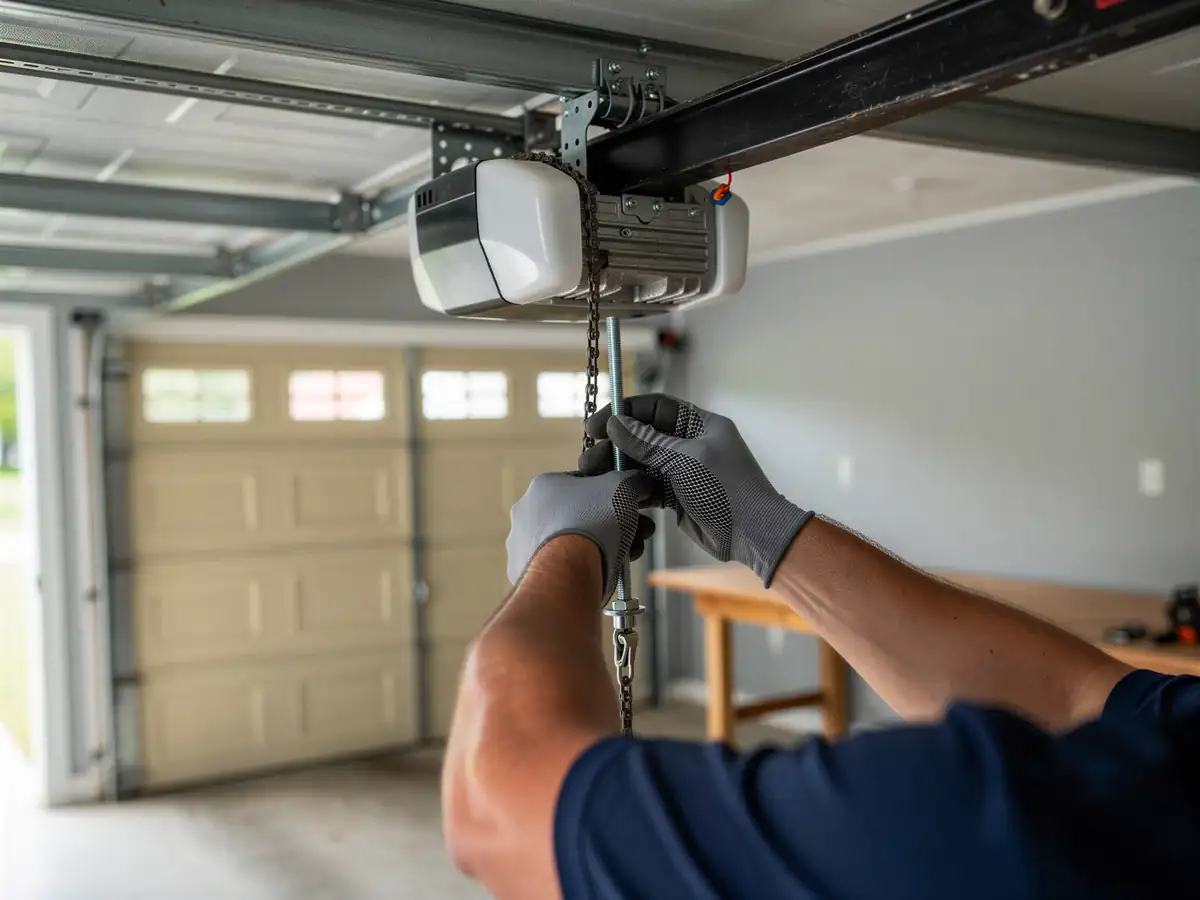
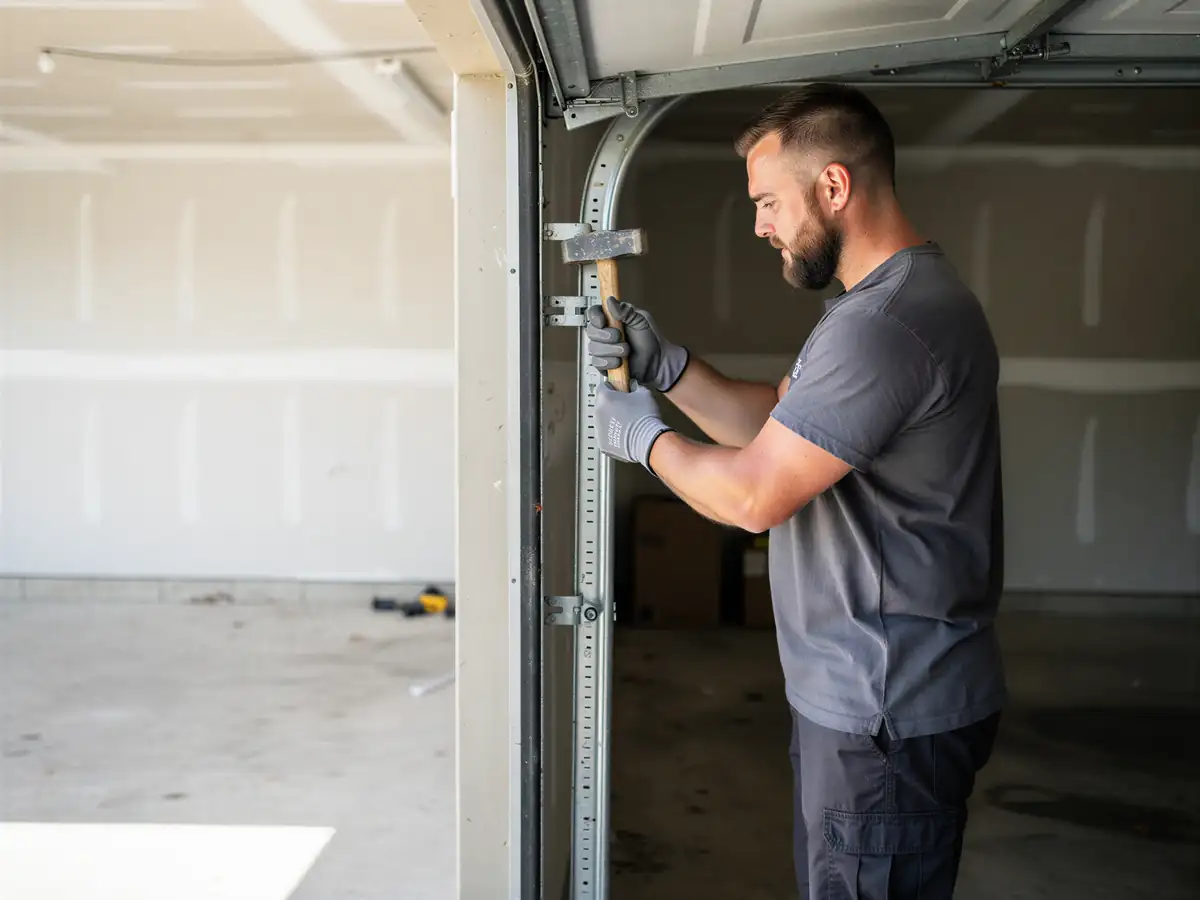
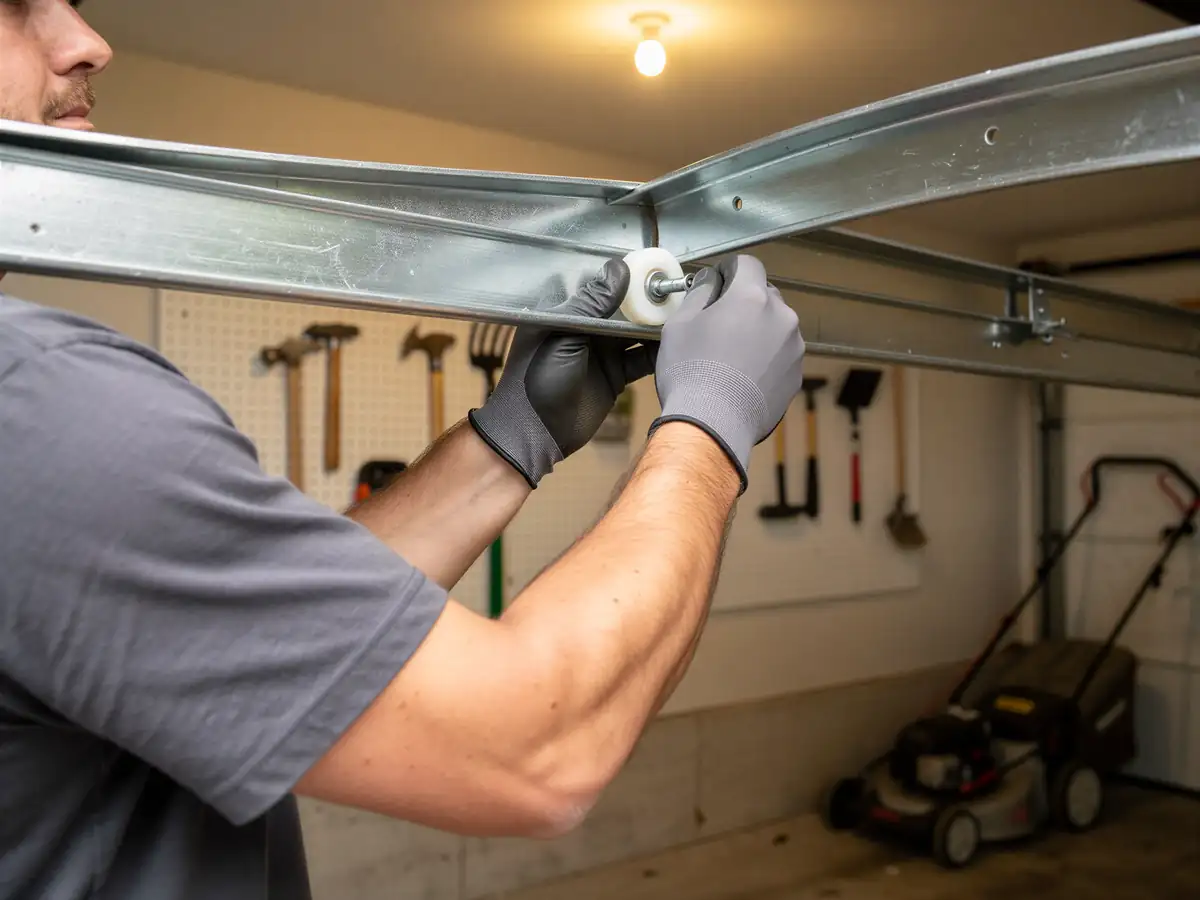
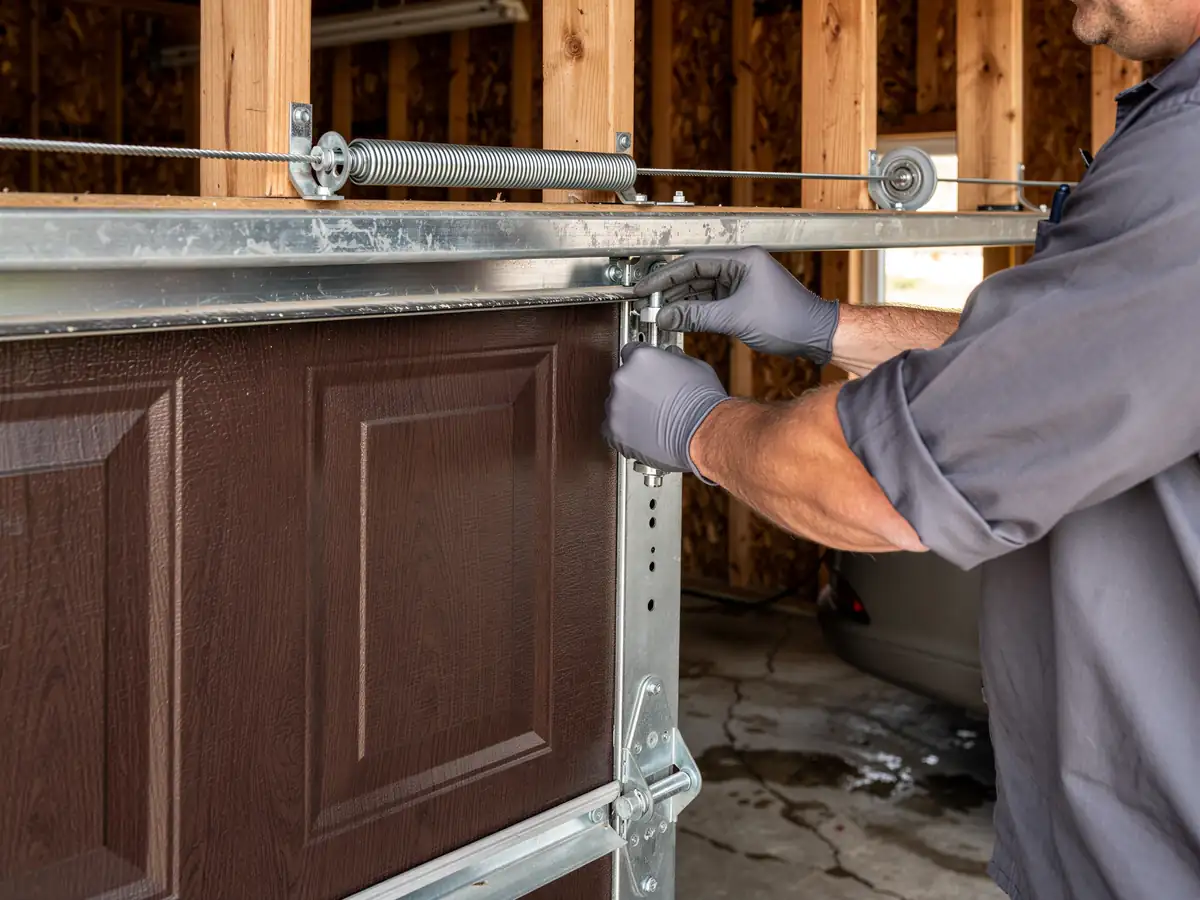
Most of Citrus Park went up around 1991, which puts the doors here in a different category than the older torsion-and-one-piece combinations you still find closer to Dunedin. These are steel sectional doors, usually 16x7 on a double garage, hung on galvanized tracks with torsion springs mounted on a center shaft above the opening. That's a newer system than a lot of the service area, and it changes what maintenance actually involves - less about freeing up seized original hardware, more about managing wear on parts that were already factory-standard when the house was built. The spring sizing on a door this size is specific: a torsion spring rated for a 16-foot door isn't interchangeable with a lighter single-door spring, and guessing wrong on replacement puts uneven tension on the shaft. A proper maintenance visit checks spring wind, track alignment, and the condition of the rollers before anything looks broken, because on a 30-year-old steel door, the first sign of spring fatigue is usually the door feeling heavier to lift by hand, not a snapped cable.
The Symptom
The complaint we hear most from this part of the service area is a door that's started grinding or catching partway through its travel, usually around the midpoint where the rollers cross from the vertical track into the curve. On a door installed in the early '90s, that's old age showing up in the roller bearings and in a track that's worked slightly out of plumb over three decades of use. It's not dramatic - nothing snaps, nothing falls - but the door starts taking longer to open, the opener strains against it, and eventually something does give. The other symptom worth watching is surface rust on the spring coils and hinges. The climate here is mild rather than extreme, so you're not dealing with freeze-thaw cracking, but steady humidity does slow work on bare metal, and a door that hasn't been lubricated in a couple of years will show it first at the hinges, where the paint wears through fastest.
What Is on the Truck
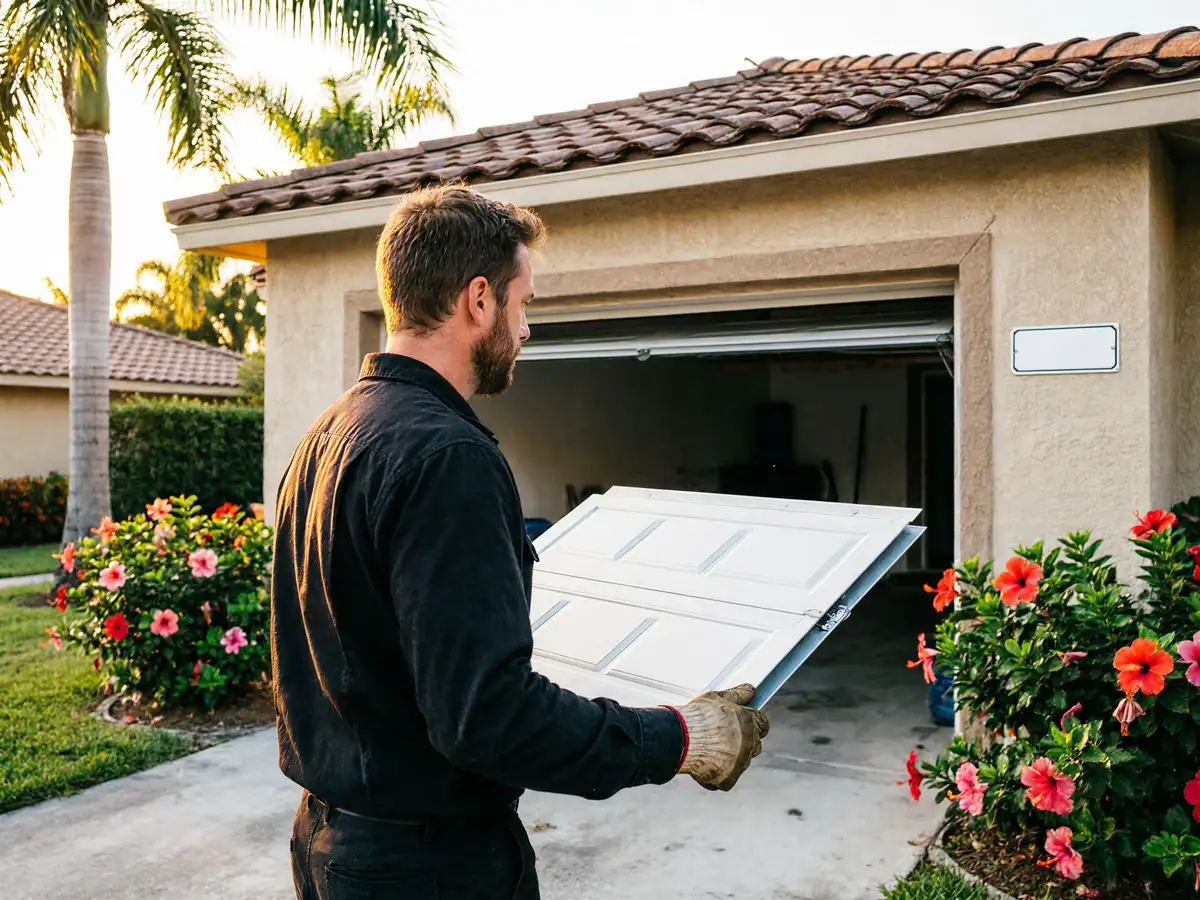
Standard rollers, cables, hinges, and torsion springs sized for the common residential door widths cover most calls out this way without a special order. Where it gets slower is anything unusual - a custom panel width, an opener model that's been discontinued, or hardware from a door manufacturer that doesn't stock parts regionally. We won't pretend to carry everything for every door; if your installer used something nonstandard, that part may need to be ordered, and we'll tell you that up front rather than make a second trip look like bad planning. For a typical 1990s-era sectional door in Citrus Park, though, the parts that wear out - springs, rollers, cables, hinges - are the parts we're already carrying.
Getting It Booked In
Citrus Park sits about 16 miles from our base in Dunedin, which is a normal run for us but worth knowing if you're trying to coordinate a window - we're not dispatching from somewhere closer. We cover maintenance visits out this way on the regular schedule, same as repair calls, and it's worth getting a visit done before a spring or roller fails outright rather than after. If you want the broader picture of what we do across the service area beyond maintenance, that's covered on our Dunedin maintenance page; for more on what we handle specifically in your neighborhood, see our Citrus Park page.