Why It Happens Here
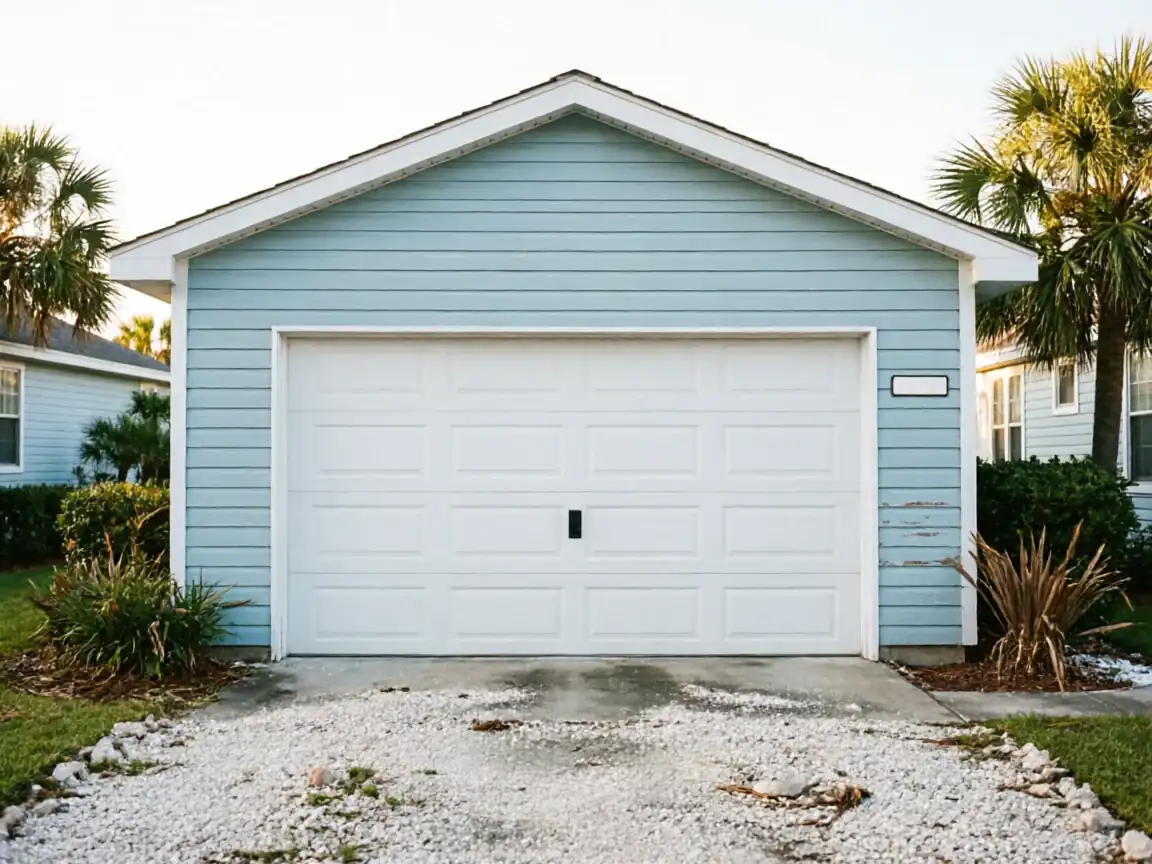
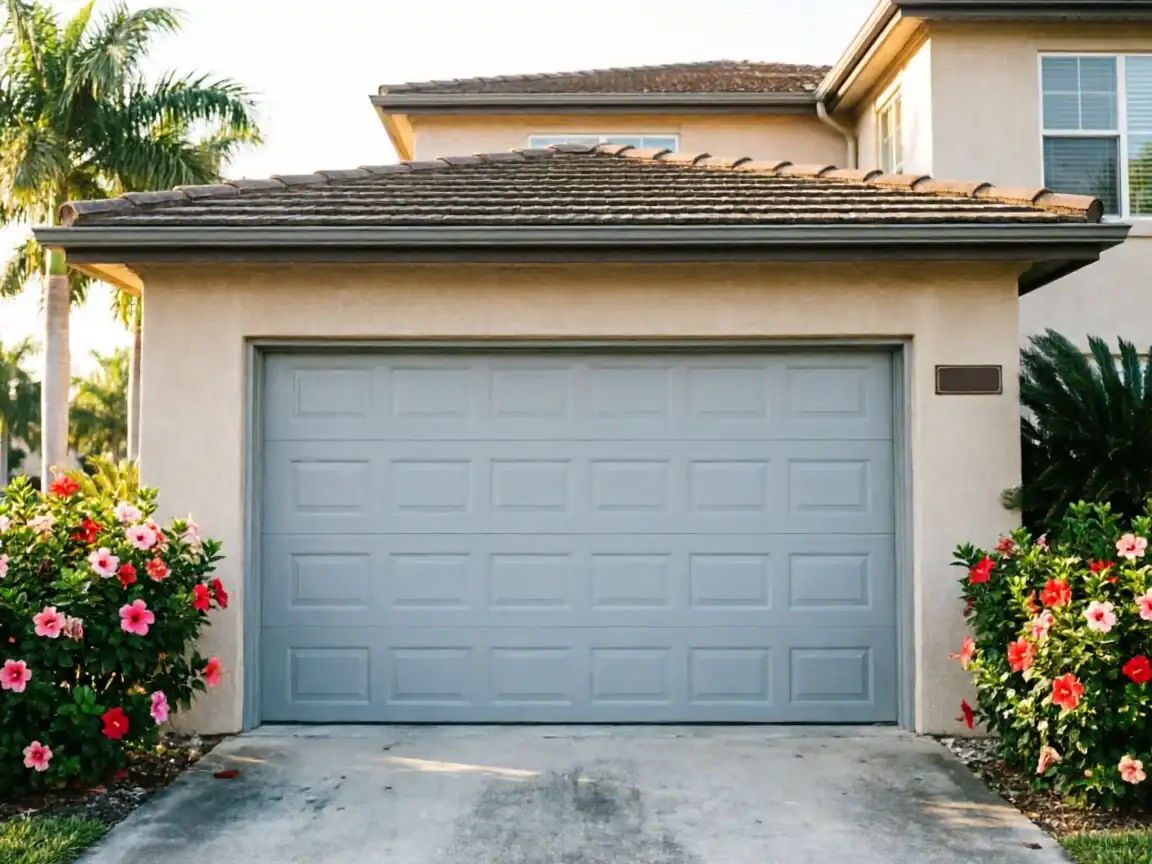
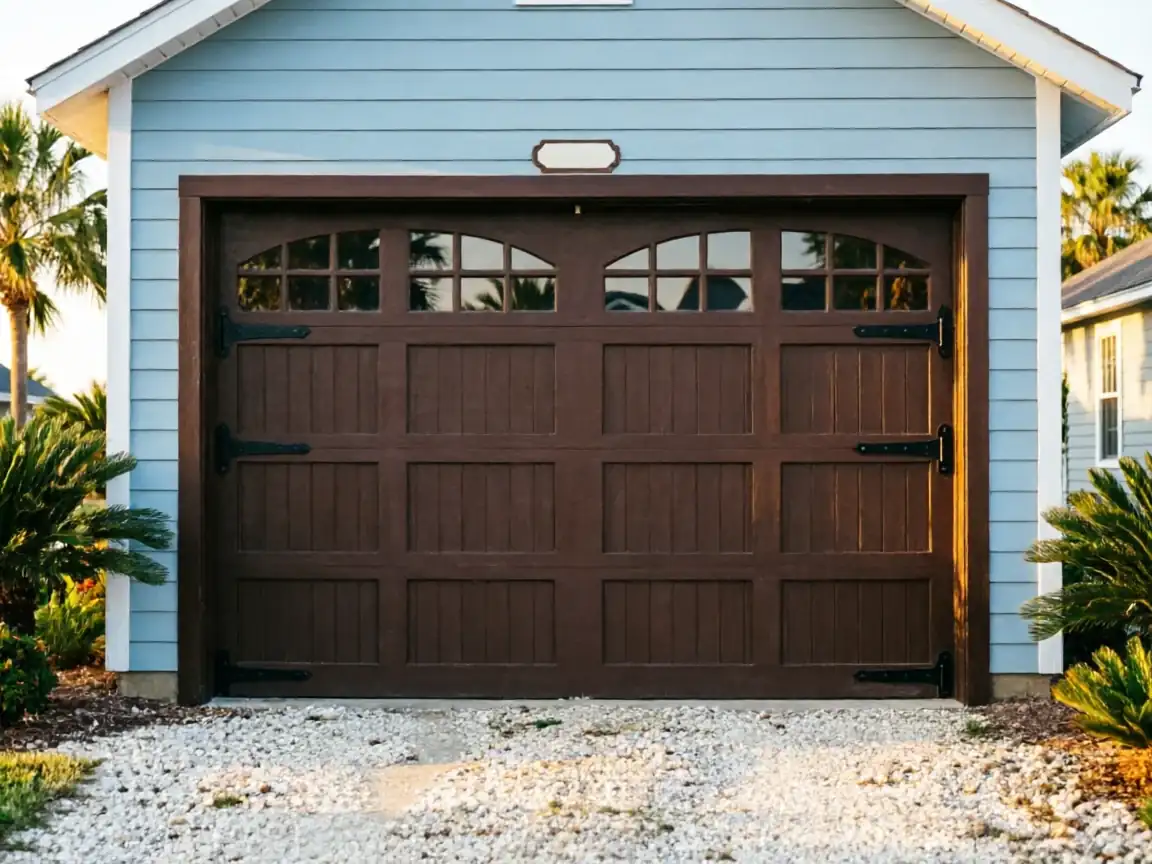
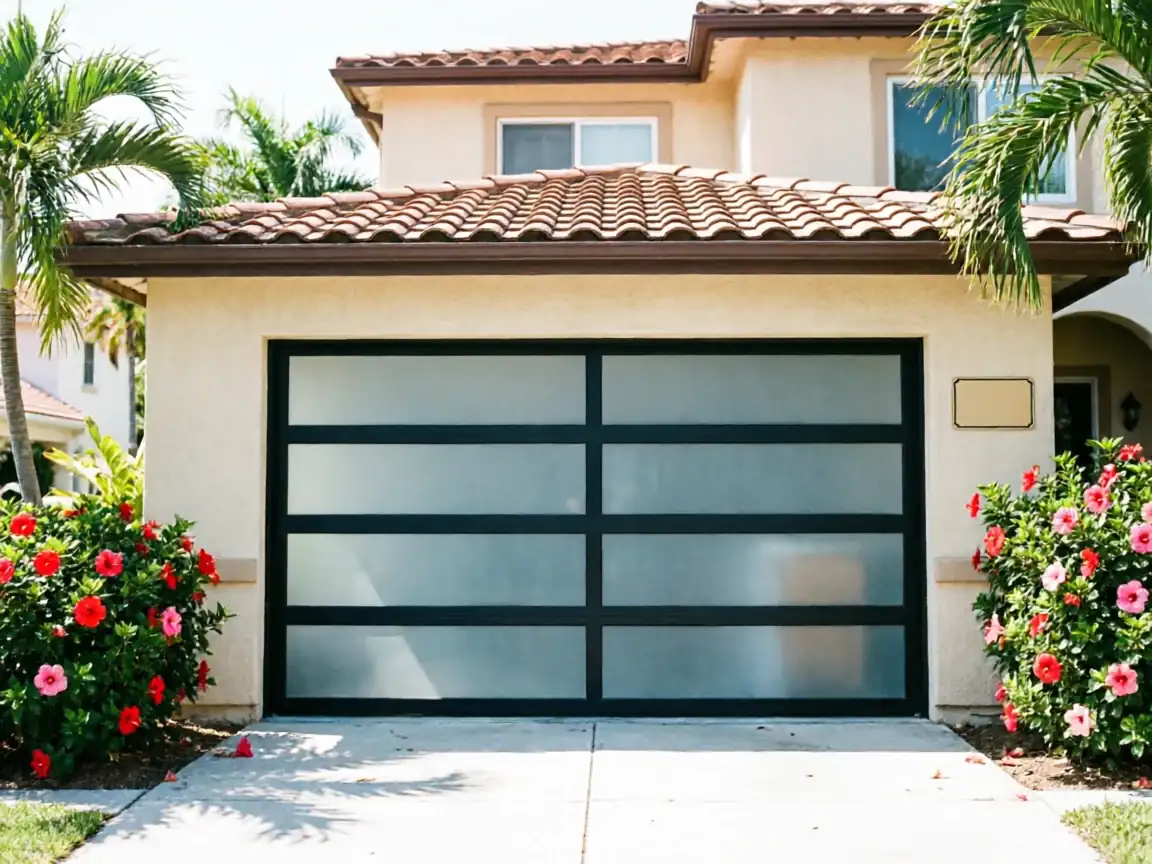
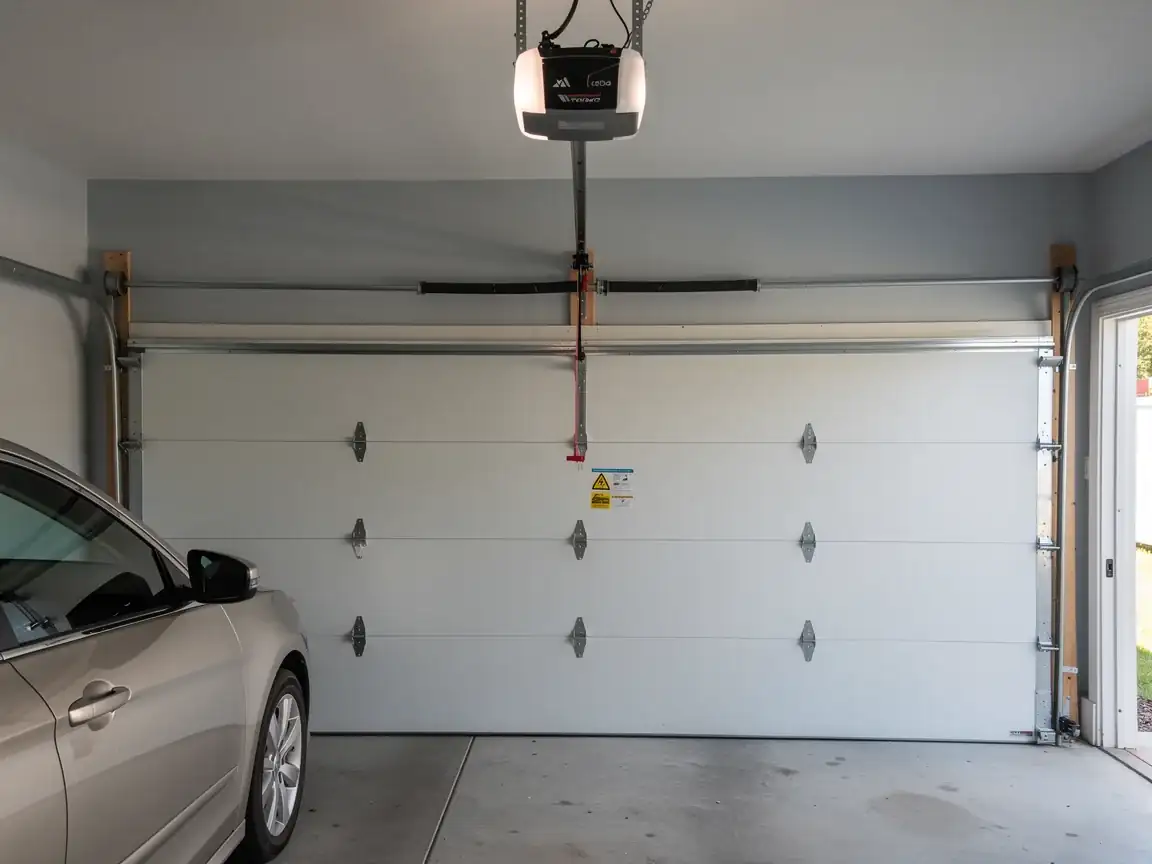
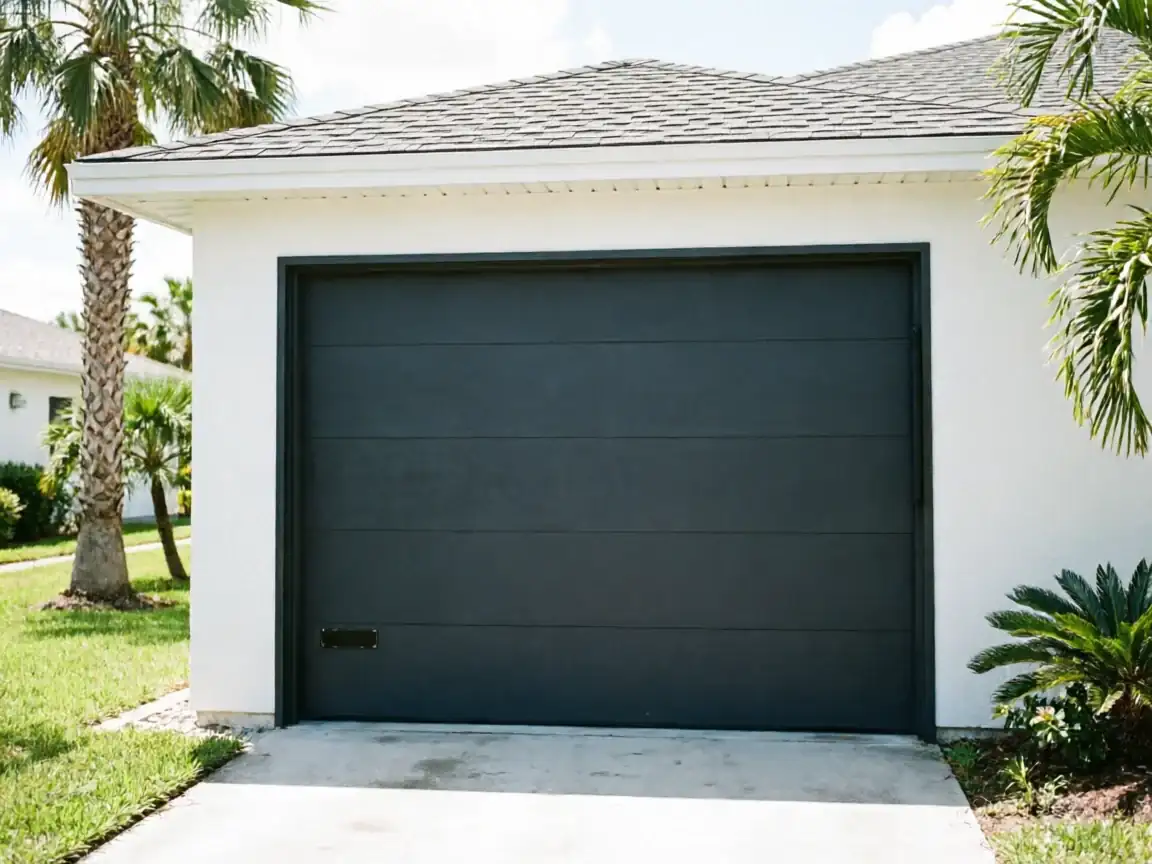
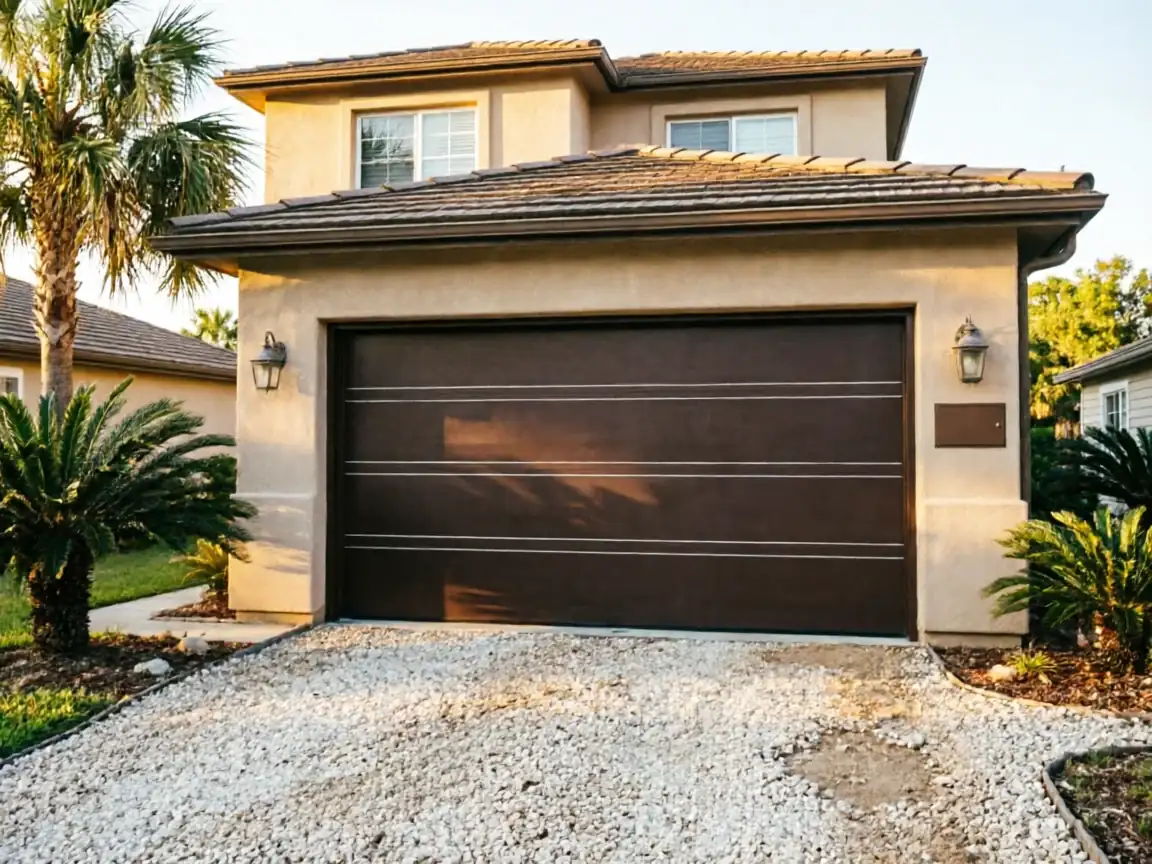
Safety Harbor's housing stock centers on 1984, which puts most garages in this suburb a full generation past the heavier wood doors you still see on older streets closer to the bay. By the early 1980s, builders here were hanging steel sectional doors - lighter panels, narrower stiles, and track built to a tighter tolerance than the doors that came before them. That's good for weight, but it means the rollers doing the work are smaller too, and on a lot of these doors they're still the stamped steel rollers the builder put in, not an upgrade.
Steel rollers on steel track wear a specific way: the roller stem doesn't bend so much as the wheel itself flattens on one side from thousands of cycles, and once it's not round anymore, every open and close puts a wobble into the track. Safety Harbor sits in a mild temperate band, so you're not dealing with the freeze-thaw cycling that cracks nylon rollers up north - the wear here is almost pure mileage, door cycles plus age, not weather damage. A door from a 6,858-household area with a fair number of two-car garages means a fair number of doors getting used twice a day, every day, since 1984 or close to it.
The Symptom
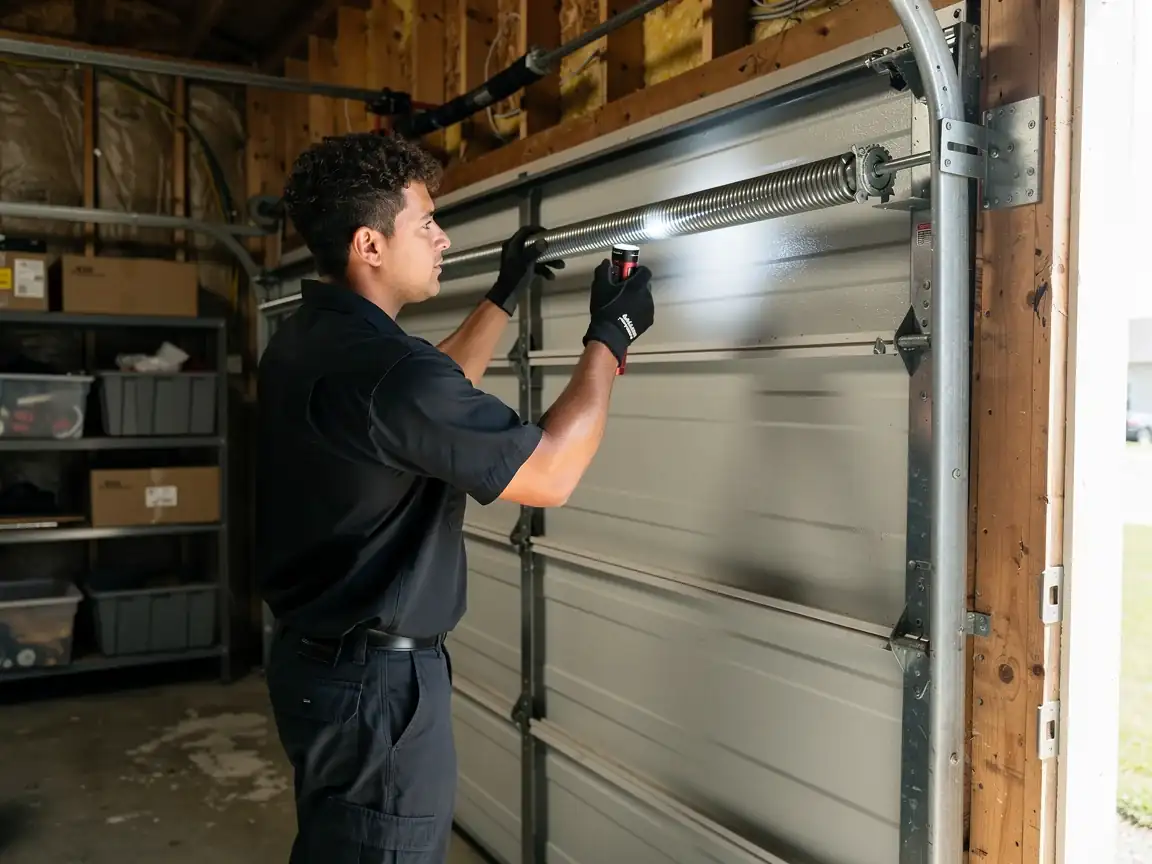
The first sign is usually noise before it's movement - a grinding or clicking as the door passes a certain point on the track, worse on the humid mornings this area gets. That's a flat spot on a roller catching the rail. Left alone, the next stage is the door jumping slightly in the track instead of rolling smooth, which you'll feel through the opener as a hesitation or a slight jerk partway through the cycle.
On a lot of these 1984-era steel sectional doors, the rollers are original or close to it, and steel rollers don't give much warning before one seizes outright. When a roller stops turning and starts dragging, it chews a groove into the track edge, and that's a track problem on top of a roller problem. Catching it at the noise stage, before the drag stage, is the difference between swapping rollers and replacing a section of track.
What Is on the Truck
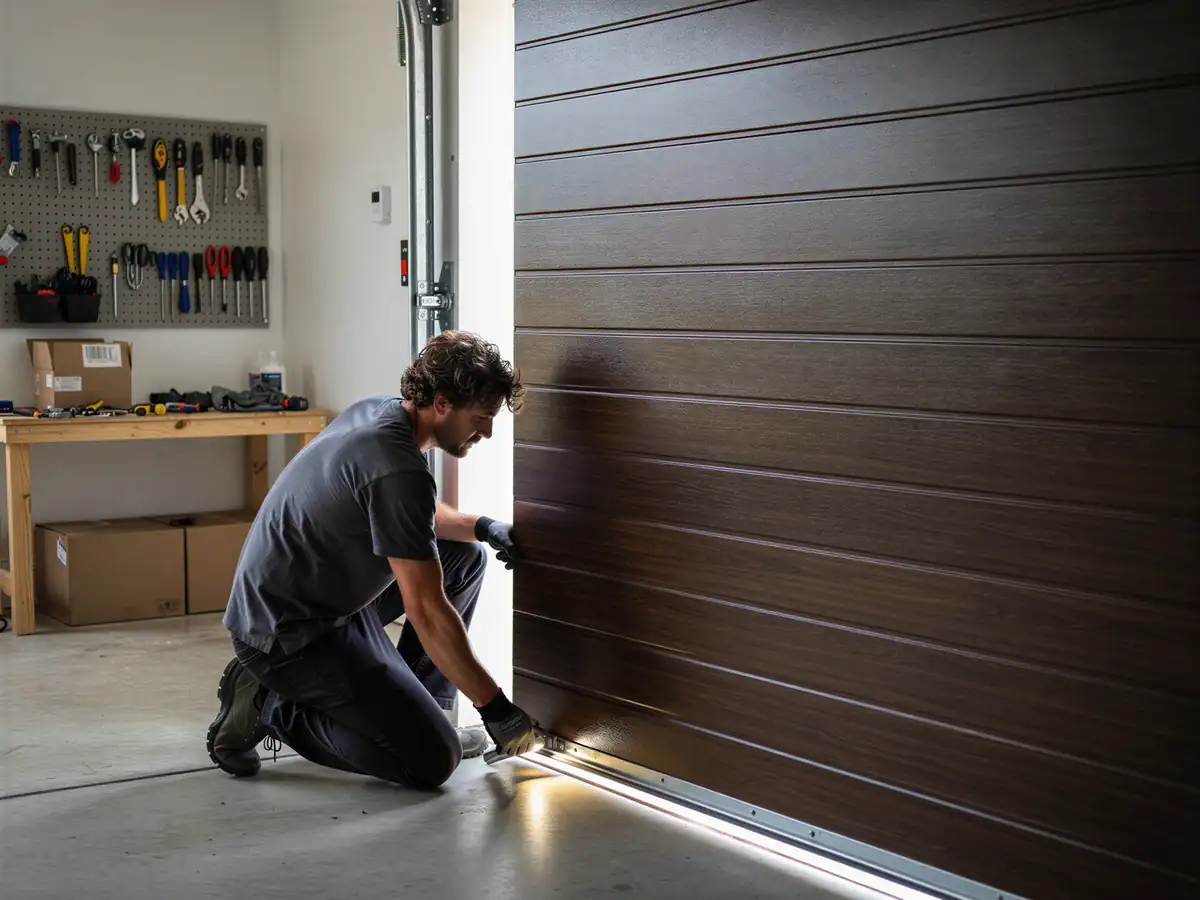
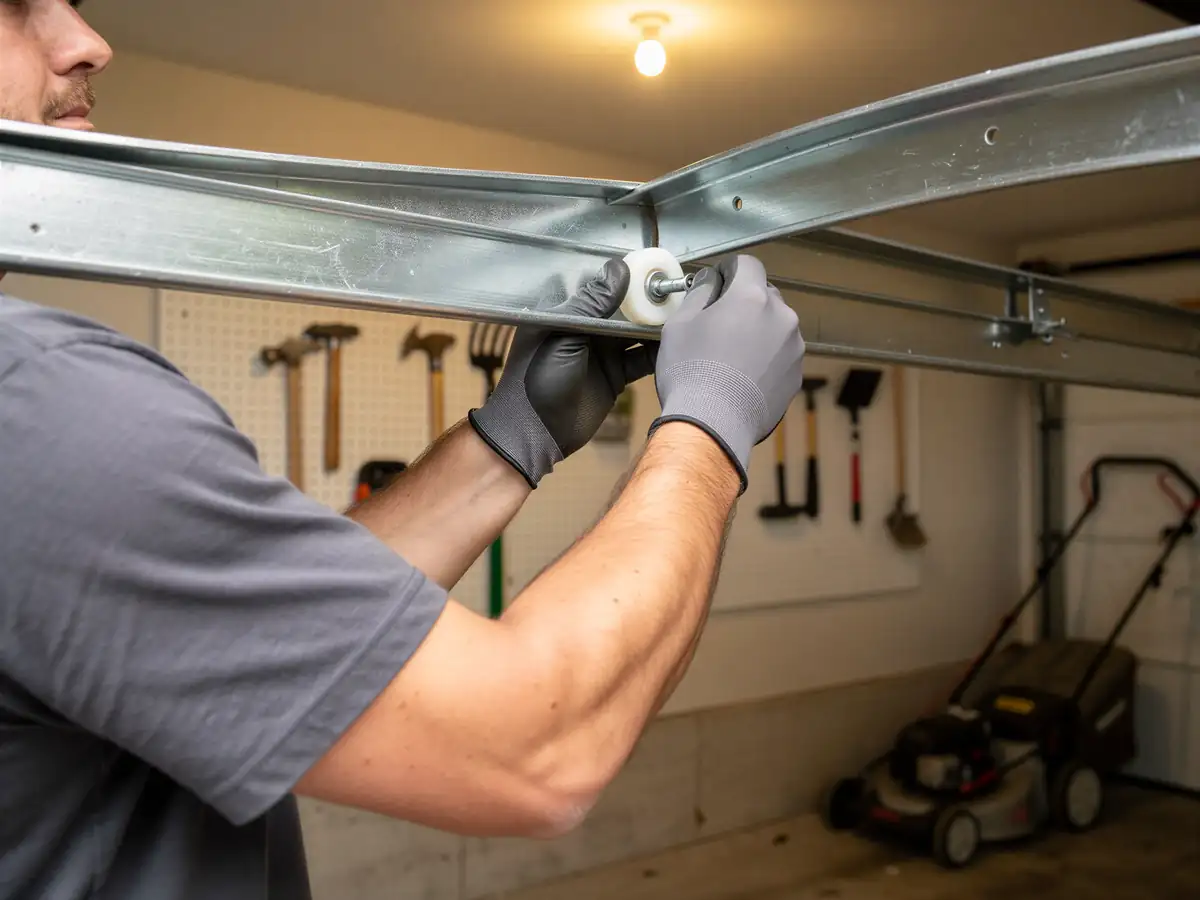
For this kind of job we carry nylon rollers with sealed bearings as the standard upgrade over the stamped steel originals
Quieter, and they don't flat-spot the way steel does. We stock the common stem lengths and roller sizes that fit the sectional doors typical of Safety Harbor's 1980s-era construction, along with the track sections and roller brackets needed when a worn roller has already damaged the rail it rides in.
What we don't carry on the truck is replacement parts for doors built well before or well after that era
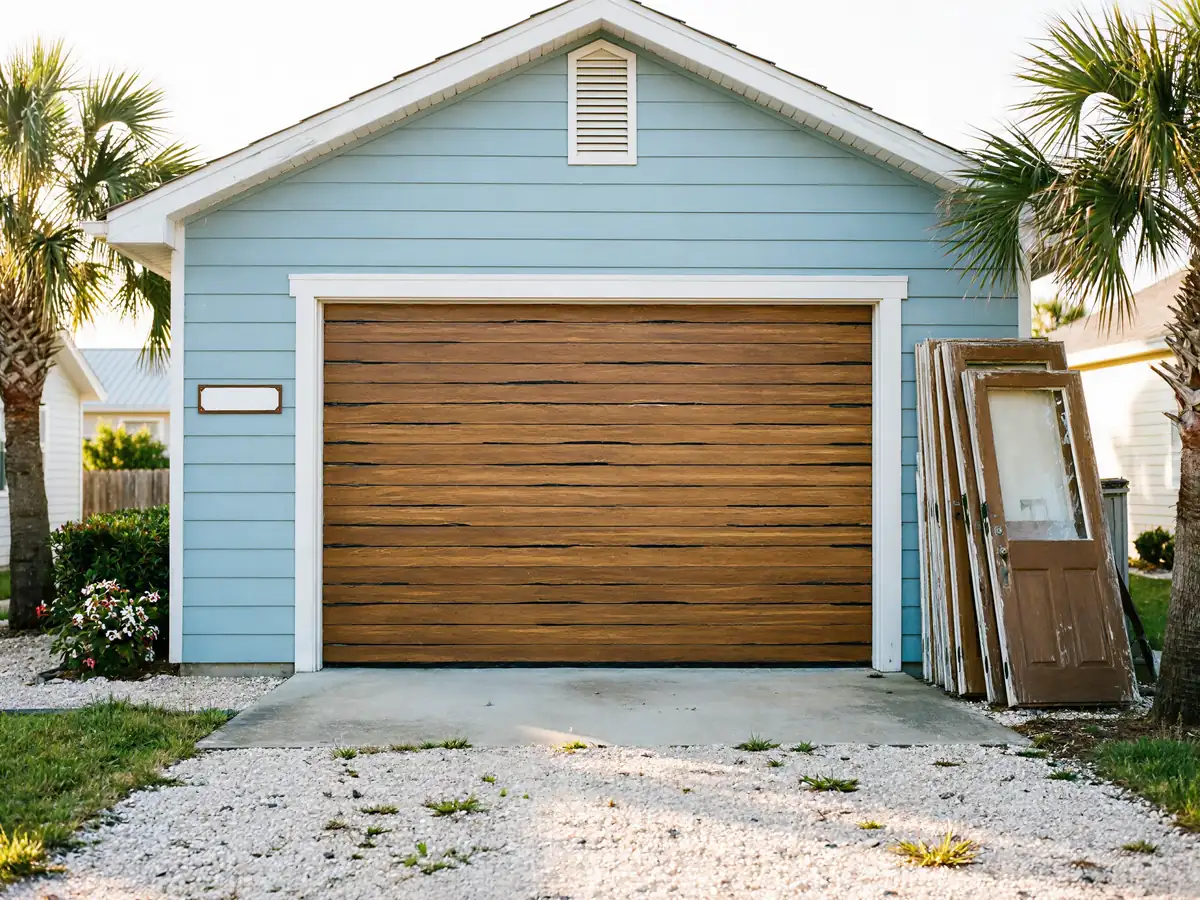
If your house is one of the older wood-panel holdouts near the water, the roller setup and hinge spacing can be different enough that we're ordering, not swapping on the spot. That's an honest limit, not a sales pitch: better to tell you upfront than to charge for a return trip.
The Cost of This Job
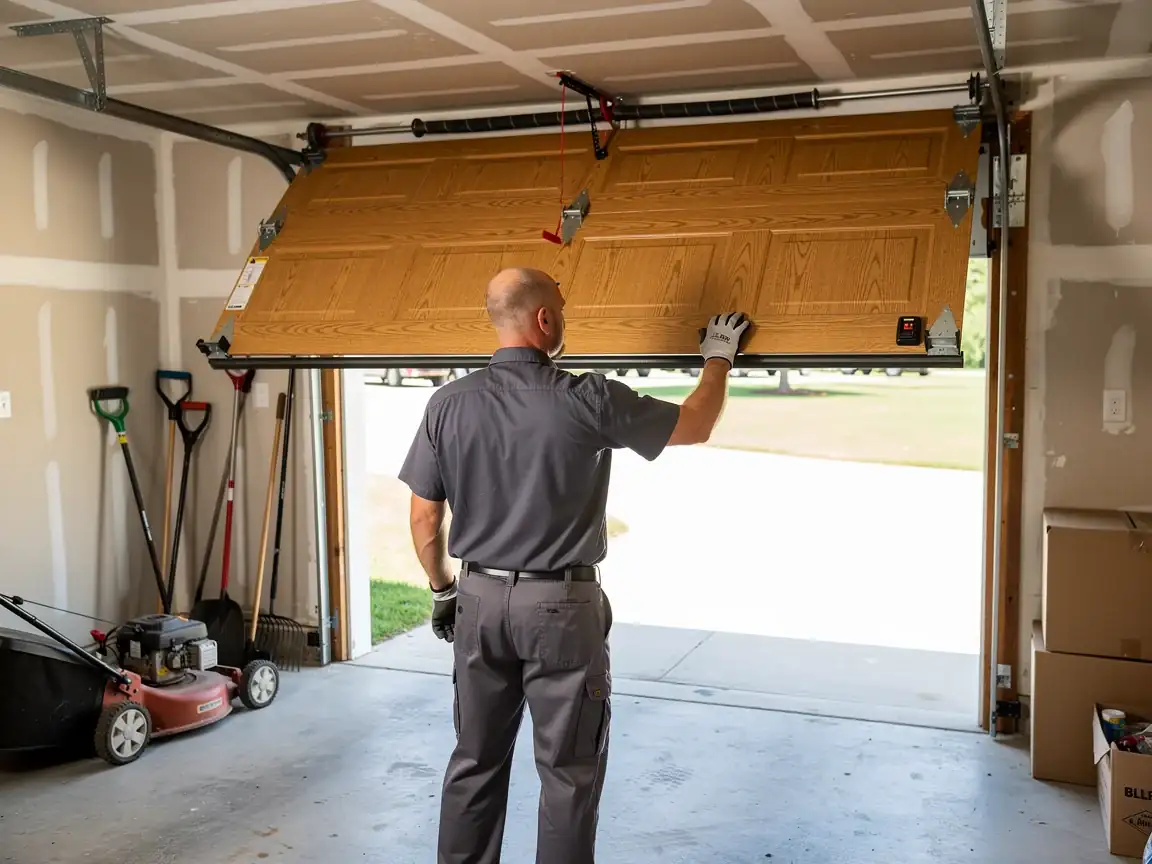
A straight roller swap - ten rollers, nylon with sealed bearings, no track damage - is a contained job: parts and labor, done in one visit from Dunedin, 7 miles out. It costs more when a seized roller has already scored the track, because then you're paying for a section of rail too, and more again if both sides are worn unevenly and we're correcting the track alignment at the same time.
Safety Harbor's median household income runs well above the wider service area's average, and we've found most owners here choose to do both sides of the track at once rather than patch one roller and call it done - it costs a bit more up front but means you're not back on the schedule in six months for the other side. We'll tell you plainly if your rollers are fine and the noise is actually a hinge or a spring, because swapping parts that aren't the problem doesn't fix the door.