Why It Happens Here
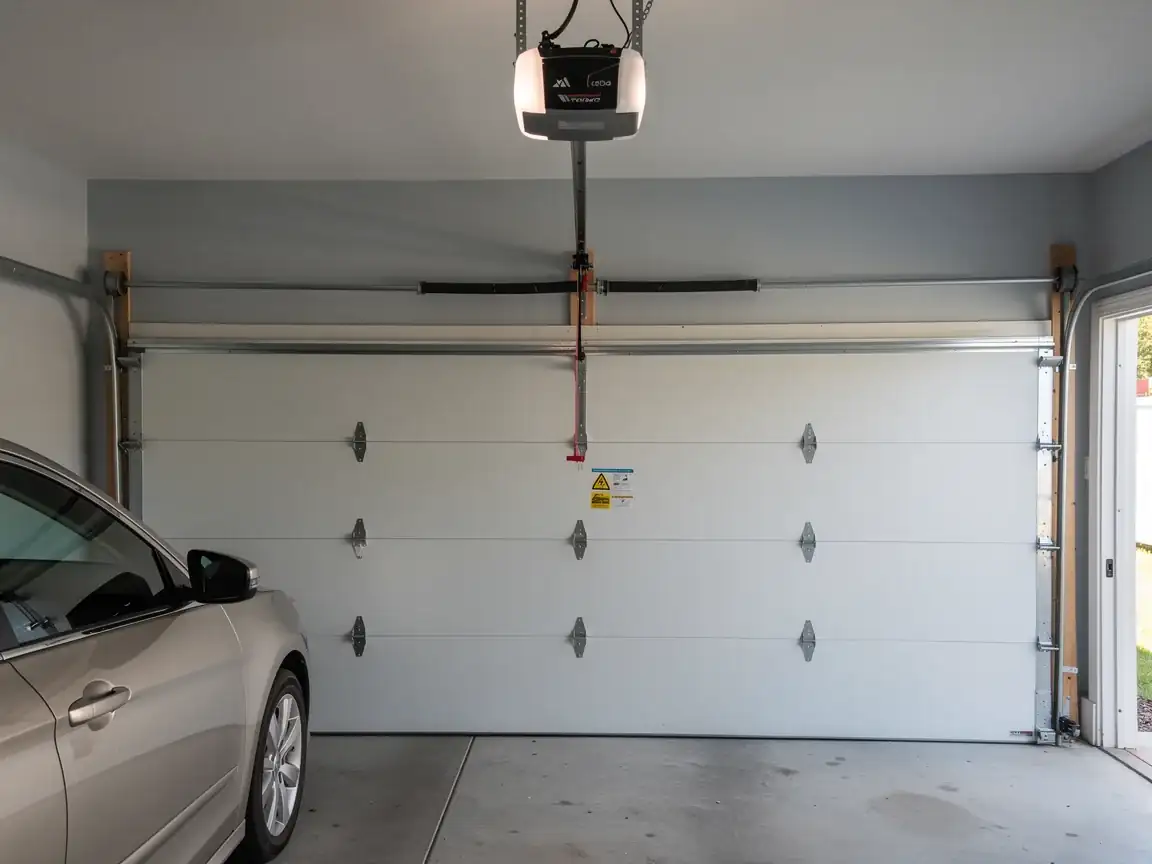
Most houses in Safety Harbor went up around 1984, a few years after the wider service area's 1979 median, which means a lot of these garage doors are still wearing the exact steel or fiberglass panels that came with the house. Nobody swapped them out because nothing forced the issue - the opener got replaced, maybe a spring, but the panels themselves just sat there absorbing forty years of Florida sun.
Safety Harbor's 6,858 households sit squarely in that stretch of homes built between 1958 and 2005 where original hardware is common across the area. The mild temperate climate here doesn't crack panels the way freeze-thaw regions do, so when a Safety Harbor panel fails after four decades it's almost always UV breakdown and surface rust along the seams, not cold damage. That's a slower failure than what you'd see up north, but it still ends the same way - a panel that flexes where it shouldn't or a bottom section that's rusted through from years of lawn sprinklers hitting it.
The Symptom
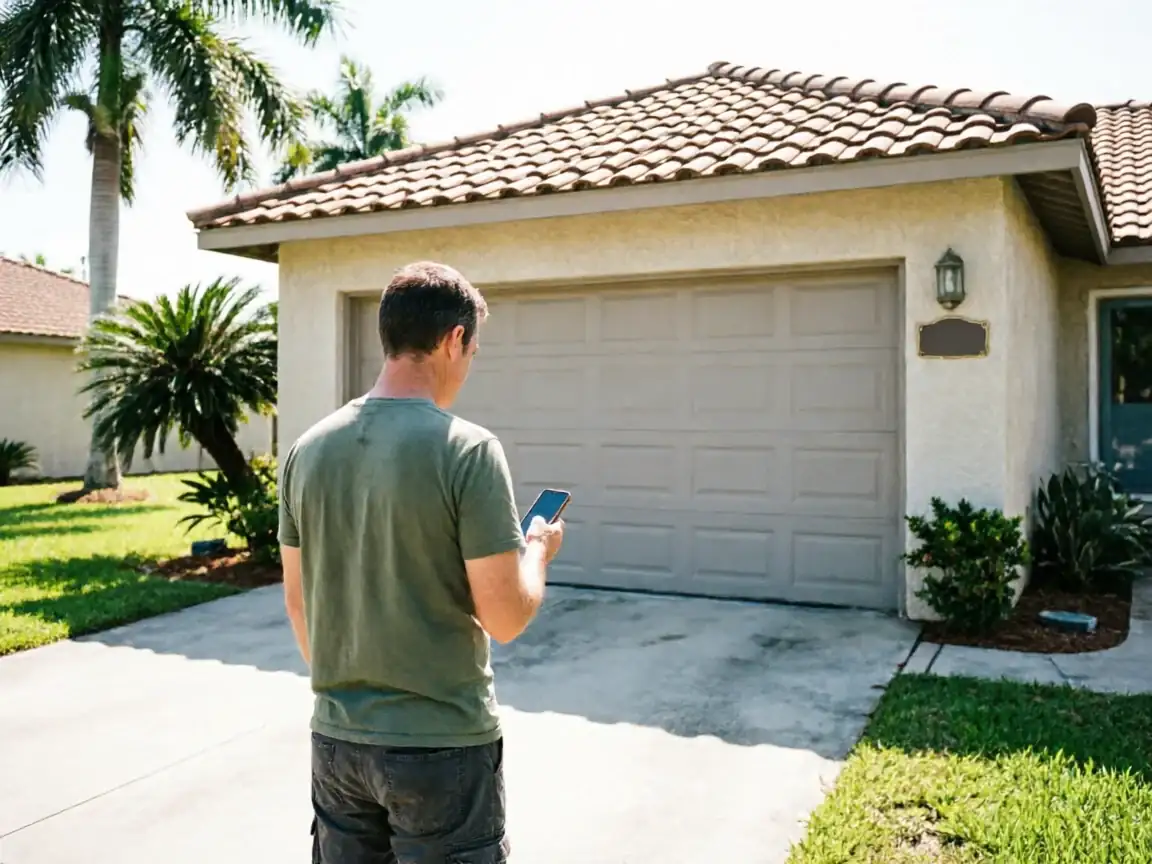
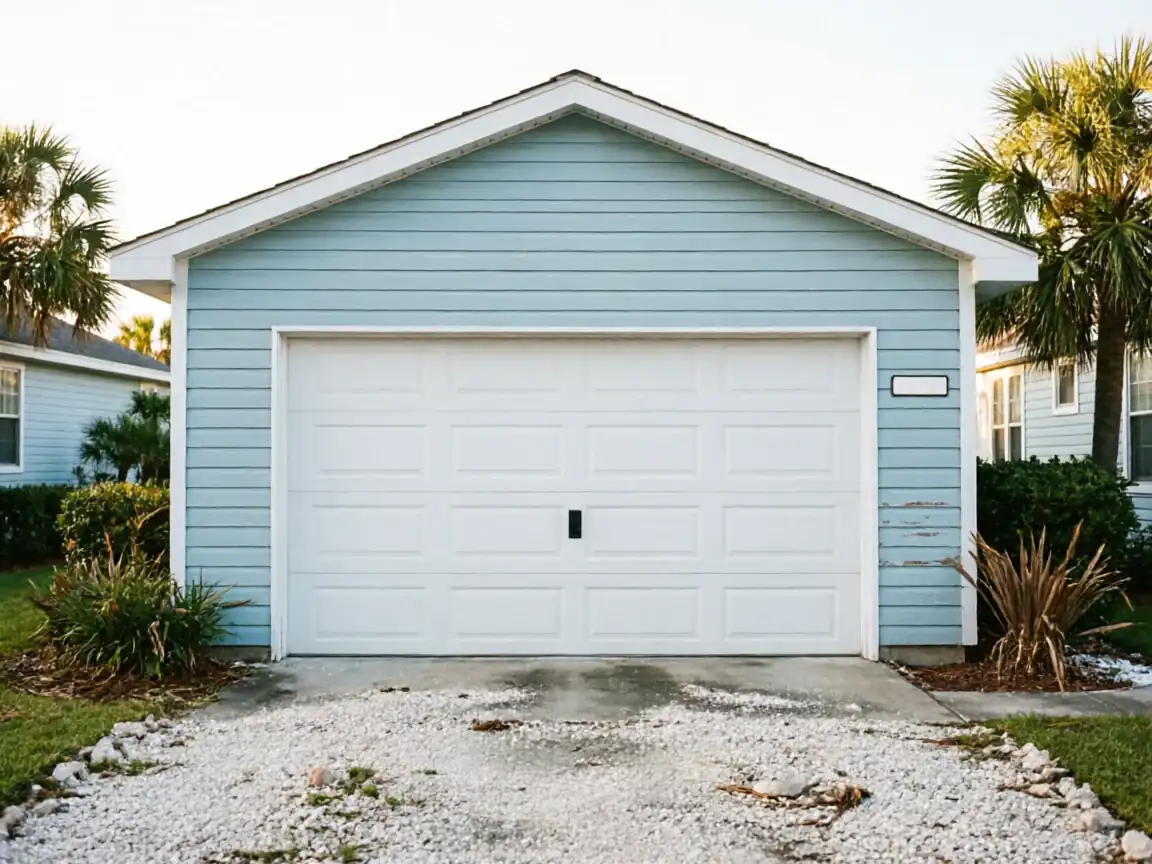
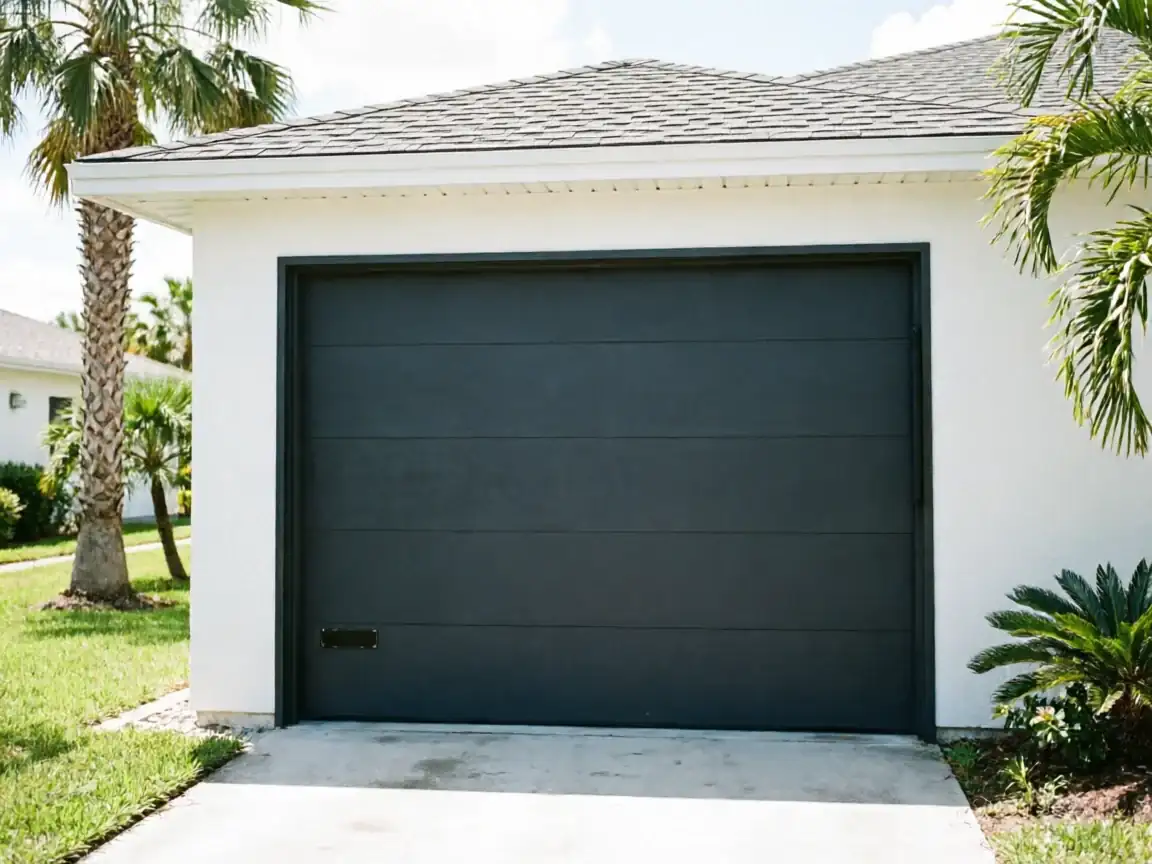
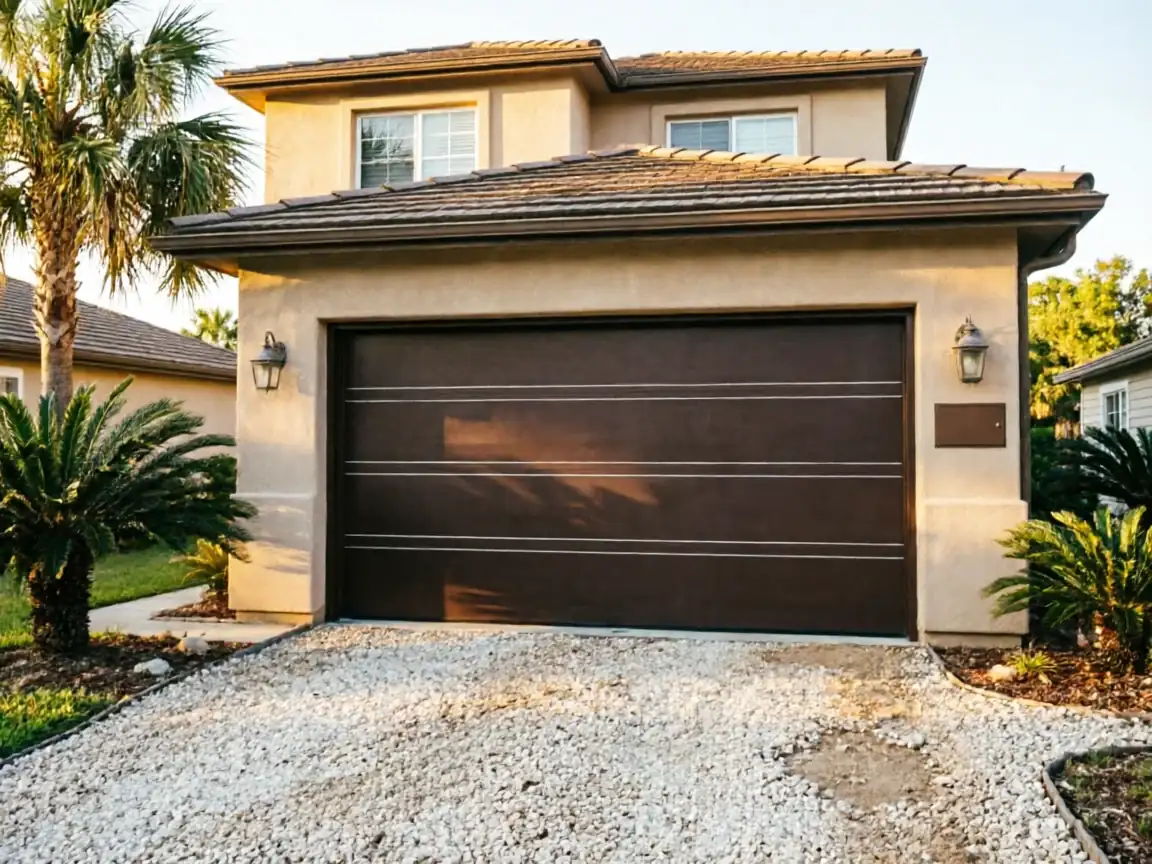
The giveaway on a house this age is usually color, not shape. The bottom one or two panels fade and chalk differently than the panels above them because they take the brunt of reflected heat off the driveway, so you end up with a door that's two shades of the same color. Look closer and you'll often find pinhole rust starting along the bottom seam or around the roller stem, especially on steel doors that never got repainted.
On fiberglass panels from this era, the symptom is usually delamination - the outer skin separates from the foam core and the panel goes soft or starts to bow when the door is down. Either way, the door still opens and closes fine, which is exactly why these go unaddressed for years. Owners notice the look before they notice any functional problem, and by the time a panel is visibly bowing, the hardware around it - hinges, rollers - has usually been riding slightly out of true for a while too.
What Is on the Truck
We run this job out of Dunedin, seven miles from Safety Harbor
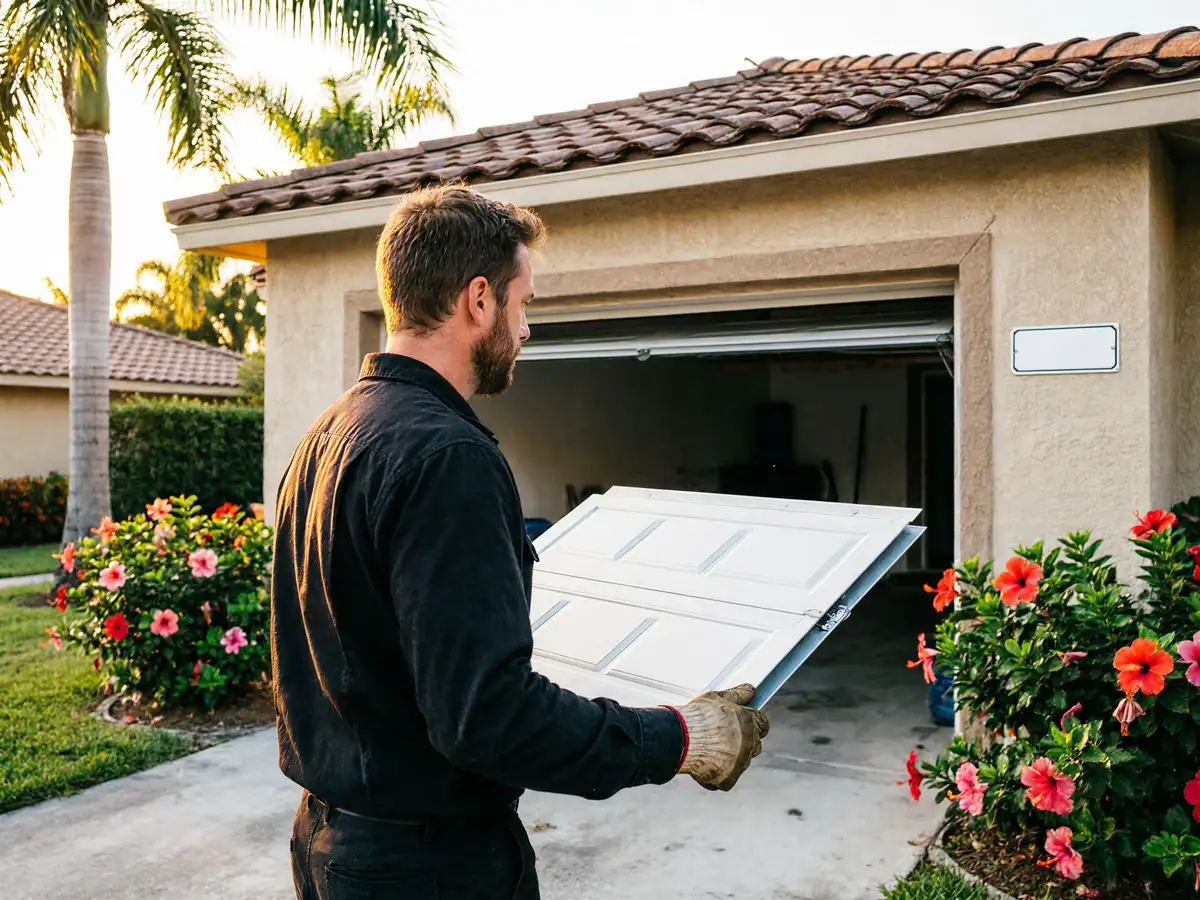
And because enough of this town's housing stock is from the same 1960s-through-80s window as the rest of the area, we stock panel sections sized for that era's sectional doors rather than guessing on-site. What we can't always do is match an exact discontinued color or a panel groove profile from a manufacturer that stopped making that line years ago - that's the honest limit here. When the existing panel is a style nobody's made in decades, the realistic options are a close match on the section we replace, or moving to a full new door so the whole face matches.
For straightforward swaps
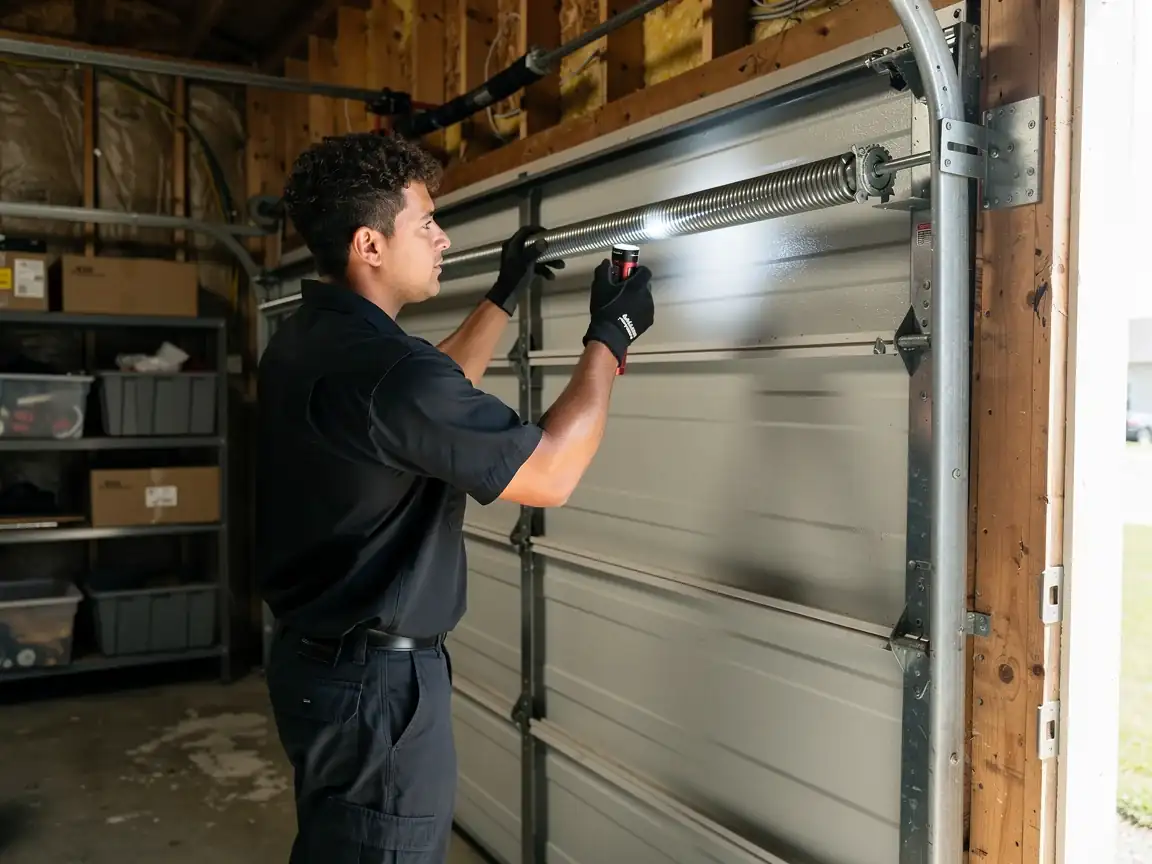
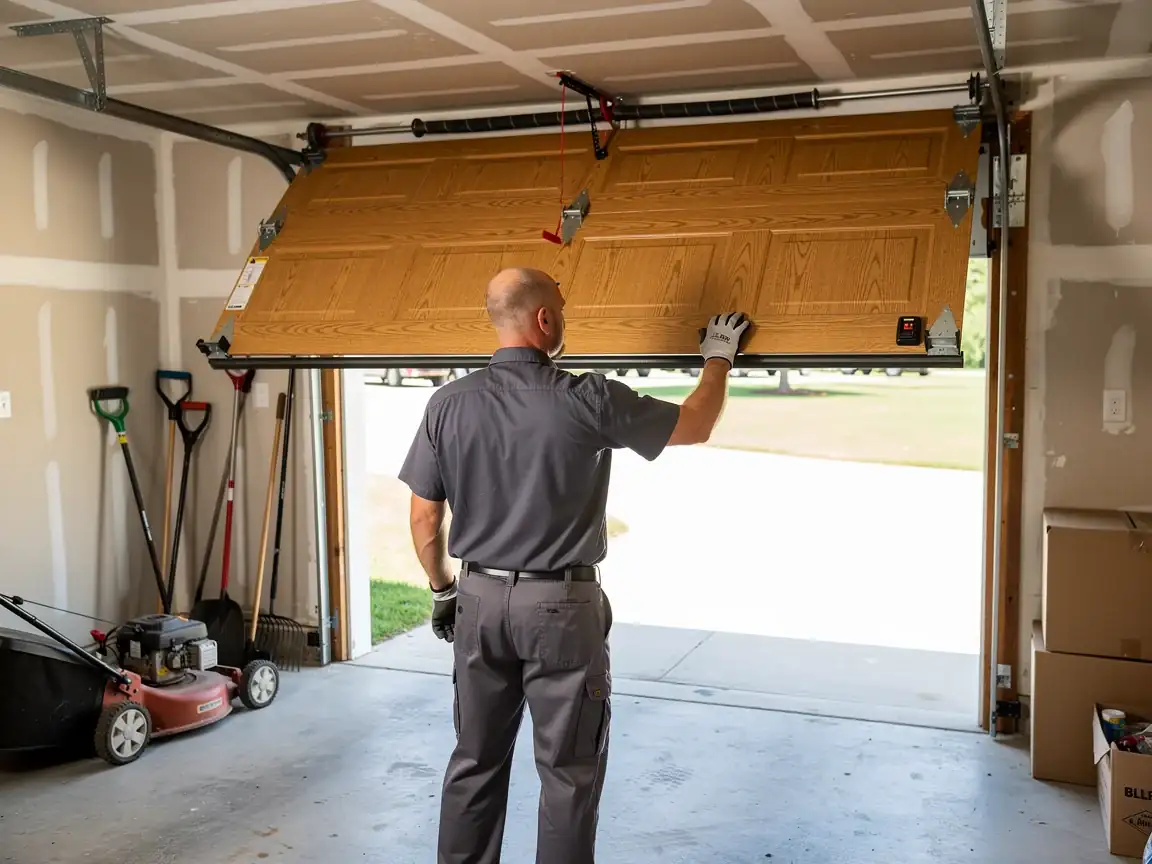
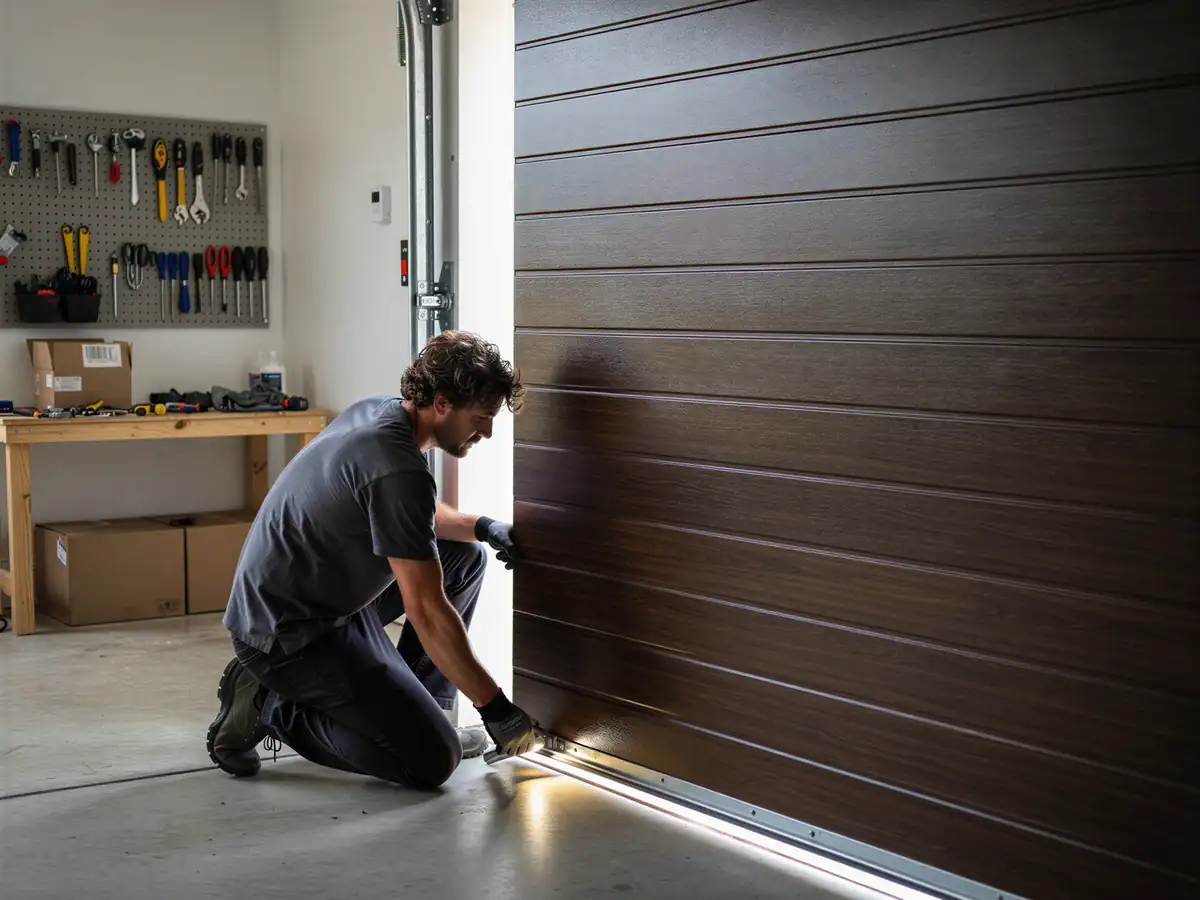
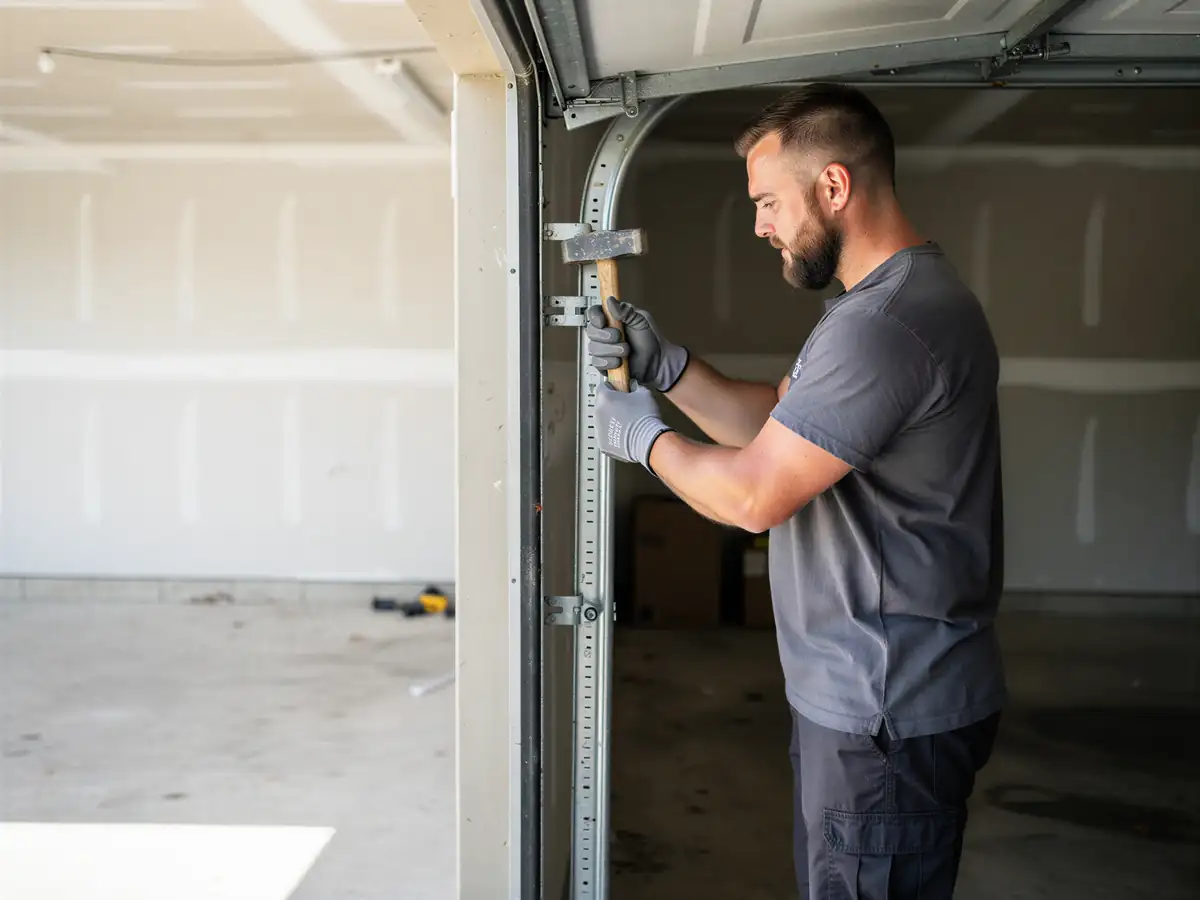
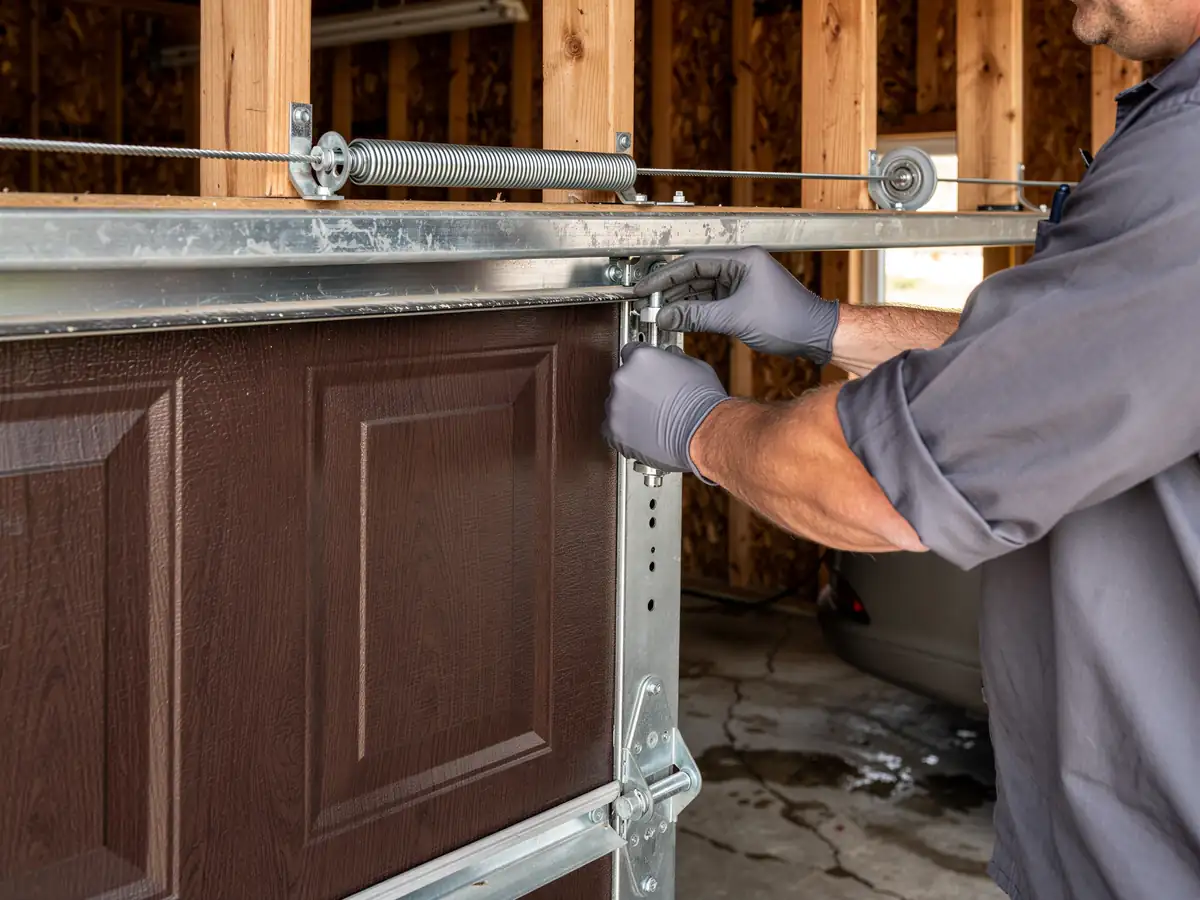
A single bottom panel with surface rust but sound hardware around it - we carry the fasteners, weatherstrip retainer, and matching hinges needed to do the section without touching the rest of the door. If the hinges or rollers show the same age-related wear as the panel, we'll flag that while we're there rather than send someone back out a second time.
The Cost of This Job
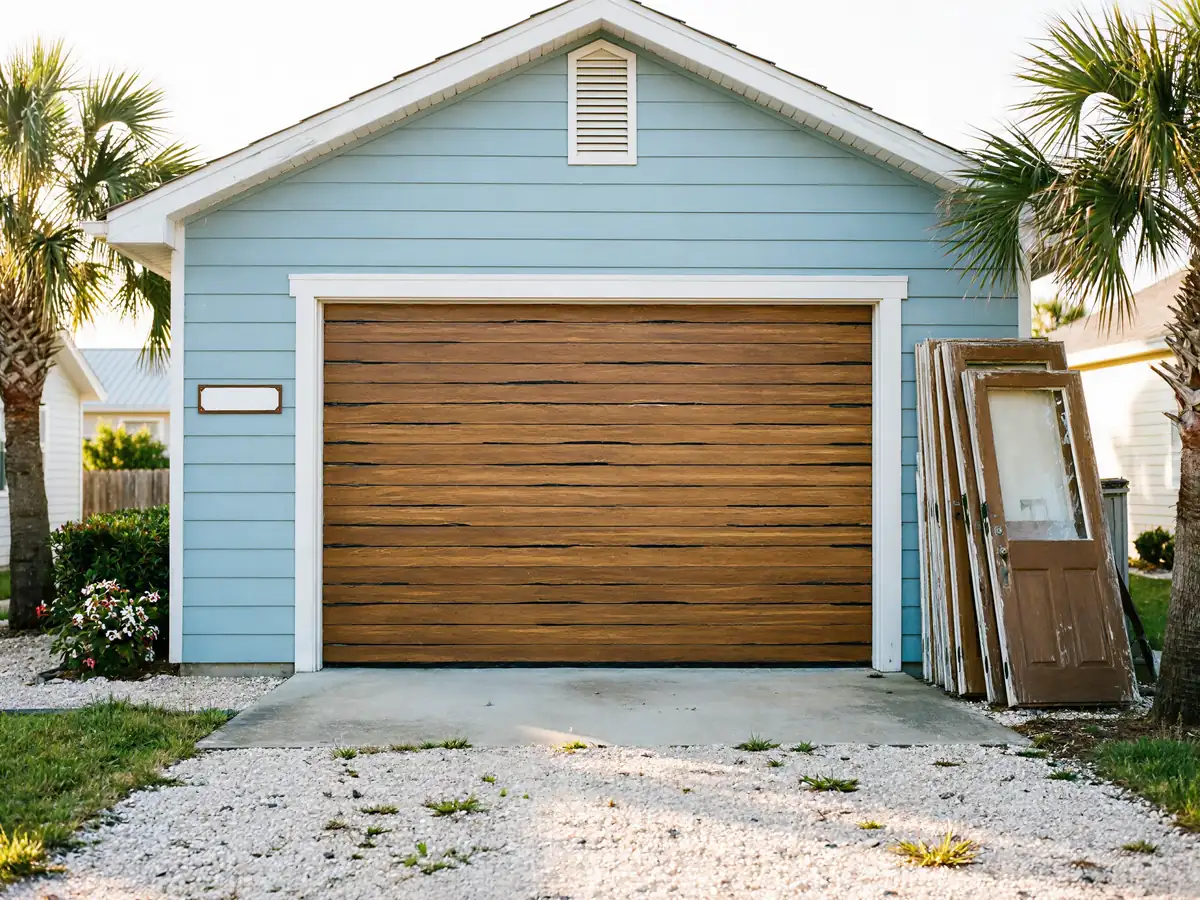
With a median household income of $105,813 in Safety Harbor, well above the $84,220 average across the 142,490 households in the wider service area, we see more owners here choose a full panel set over a single patched section when the color match isn't going to be close anyway. That's a judgment call tied to what the door looks like from the street, not a rule we push.
We don't have a fixed price to quote without seeing the door - panel cost swings with material, insulation, and whether the track or hinges need attention at the same time. What we can tell you up front is that a single-panel repair on sound hardware is a smaller job than a full panel set, and a full set is worth comparing against the cost of a new door once a door is old enough that more than one panel is going.