Why It Happens Here
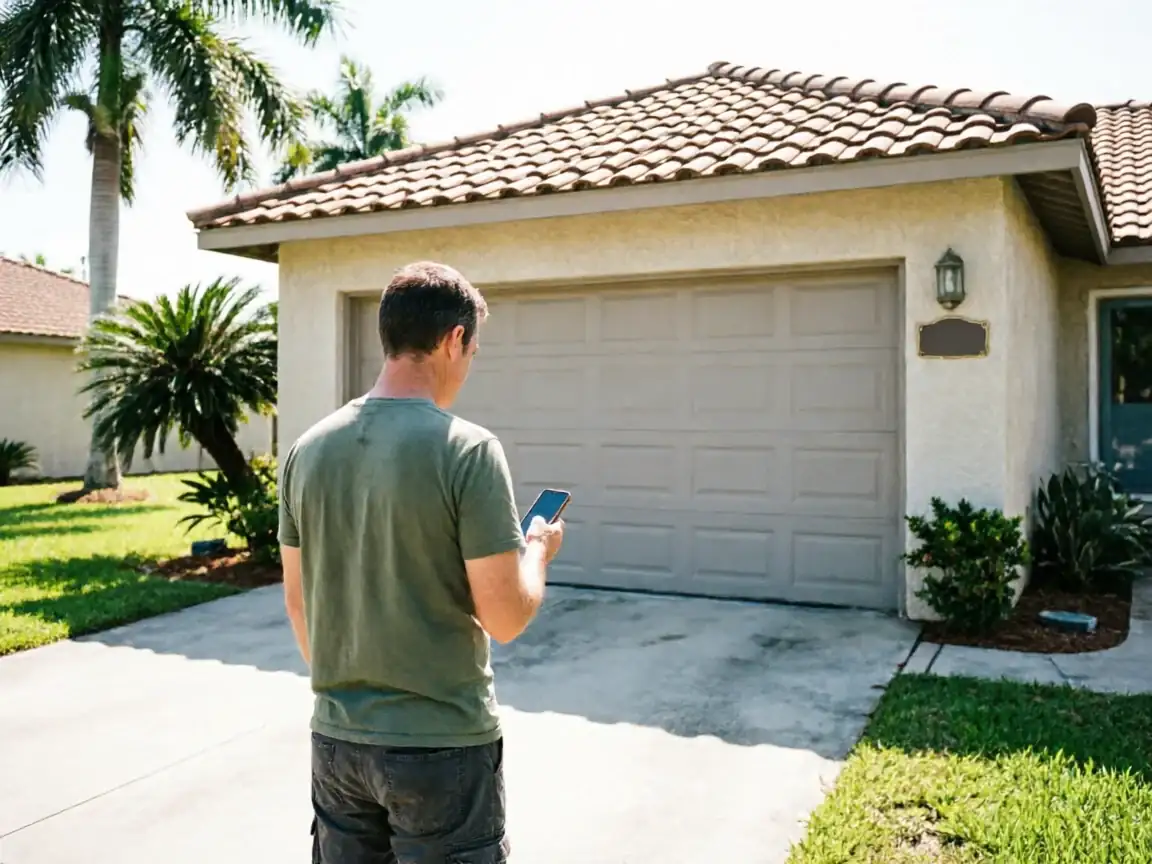
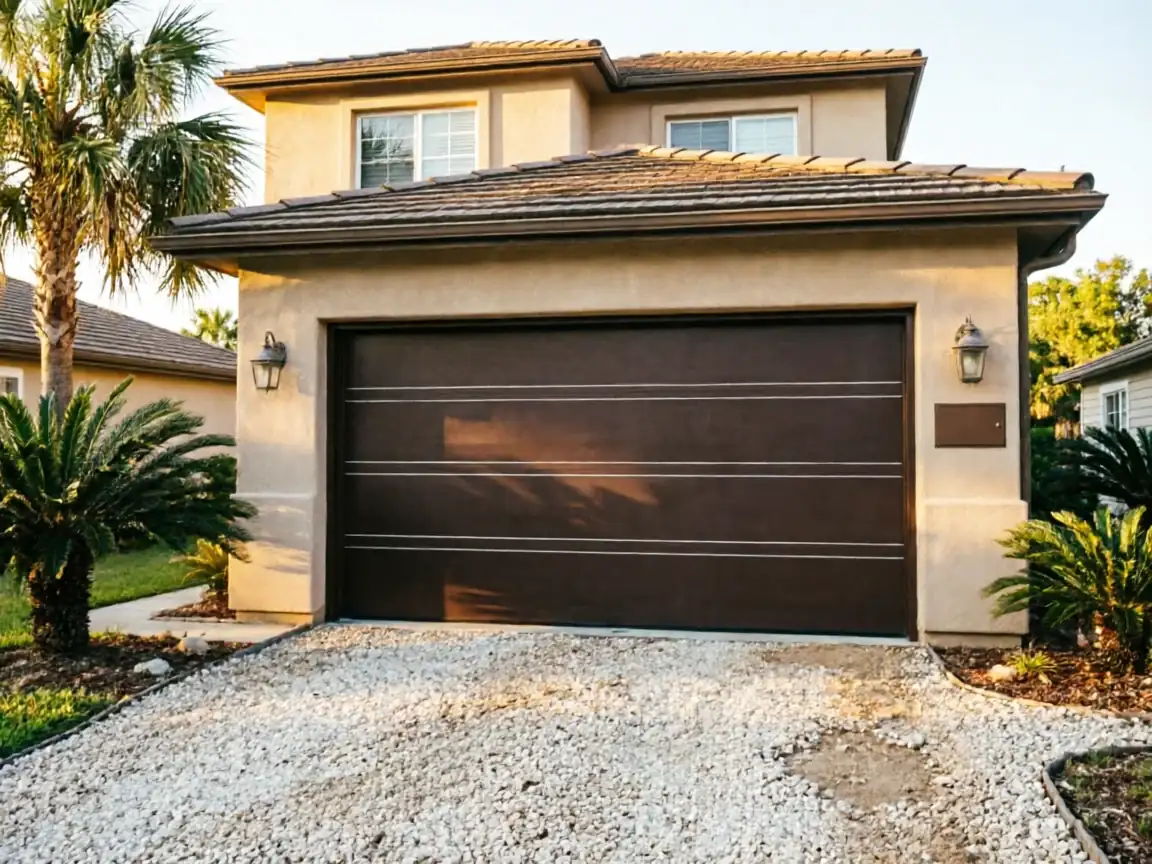
Safety Harbor sits seven miles from our Dunedin shop, close enough that a call here doesn't turn into a half-day trip, but far enough that we load the truck knowing what we're driving into before we leave. That matters because this town's housing stock isn't the same mix as the rest of our service area. Across the wider territory, most houses date from the 1960s and 70s, but Safety Harbor's median build year runs closer to 1984 - a decade newer. That gap changes what we expect to find on a job. Doors from the mid-80s onward were more likely built for steel sectional panels and extension or torsion spring setups that match what's still being manufactured today, instead of the older one-piece slab doors with hardware nobody stocks anymore. The flip side is that 1984 construction is old enough that original springs, openers, and rollers are at or past the end of their service life on a lot of these houses now. With 6,858 households in town and a median income of $105,813, we also see more owners asking for a clean upgrade instead of a patch - belt-drive openers, insulated panels, that kind of call - rather than the cheapest fix that gets them through another year.
The Symptom
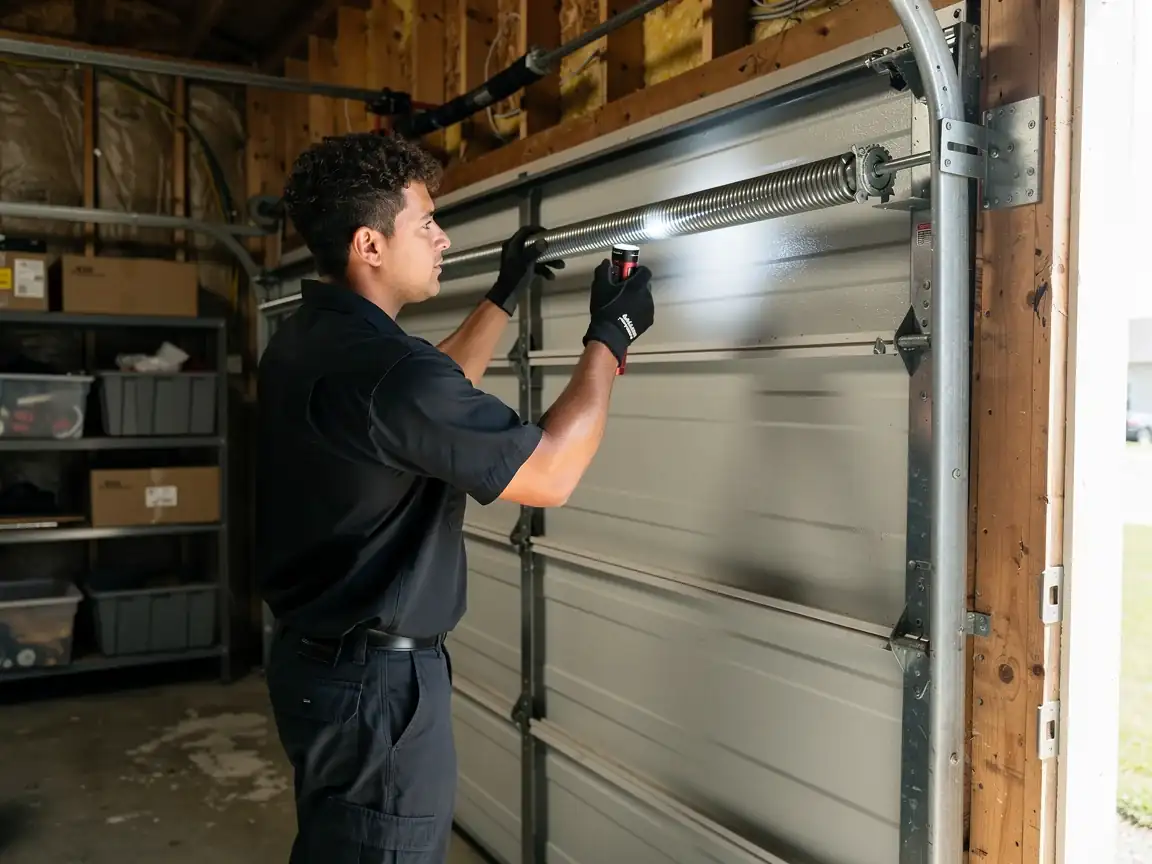
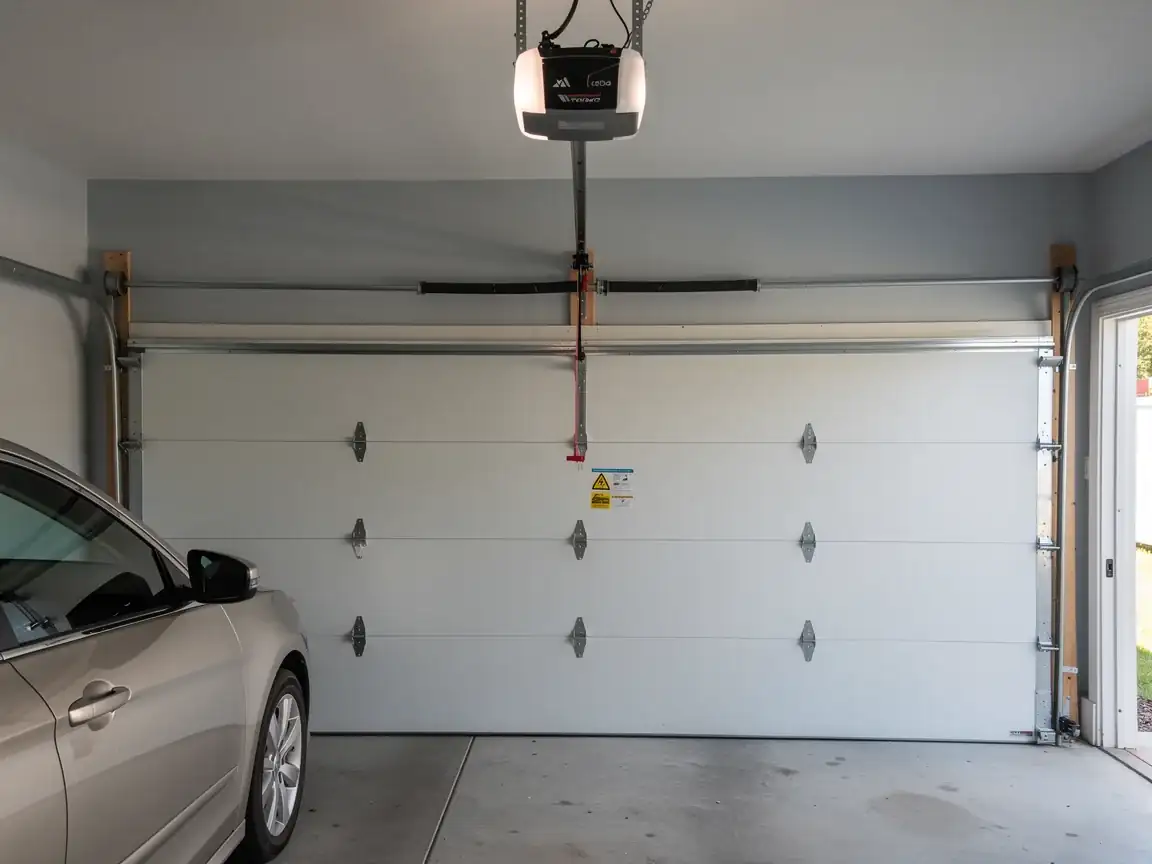
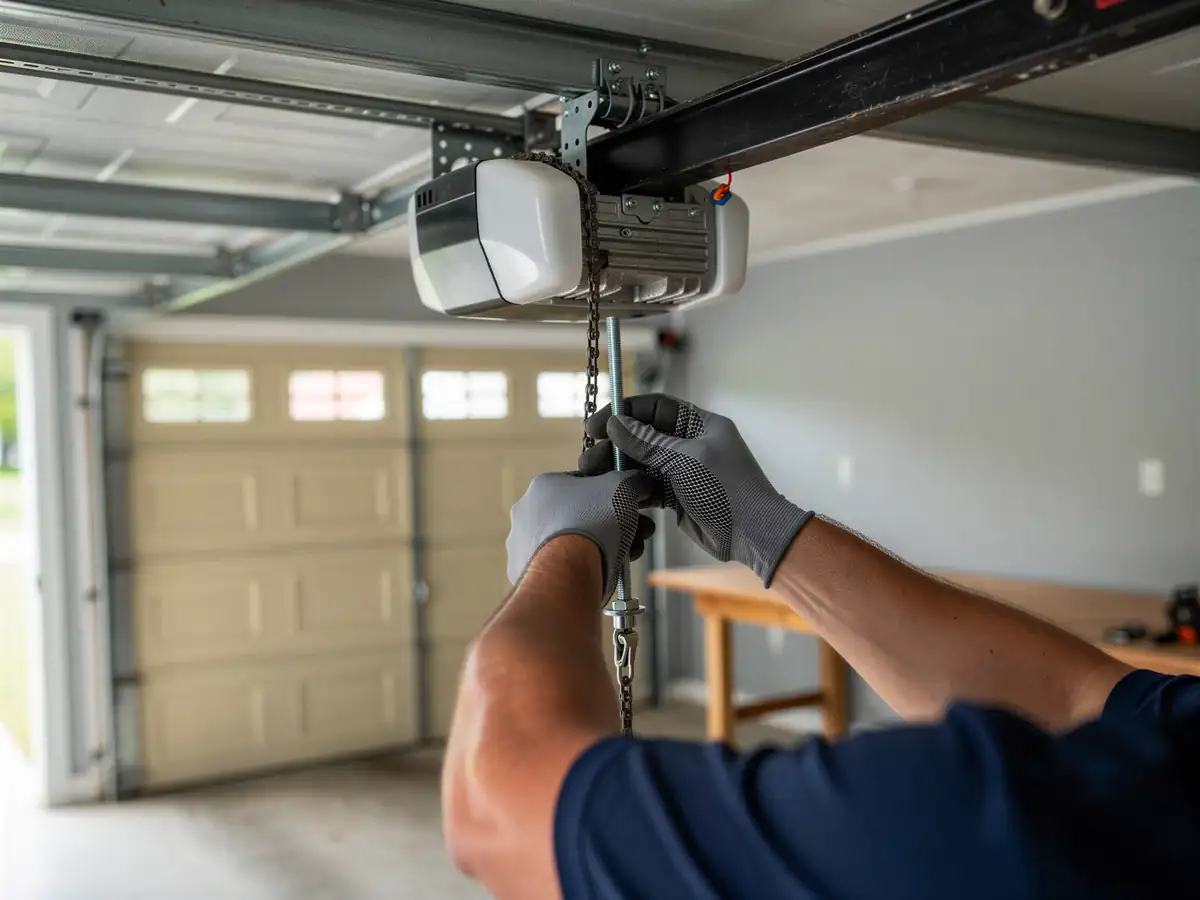
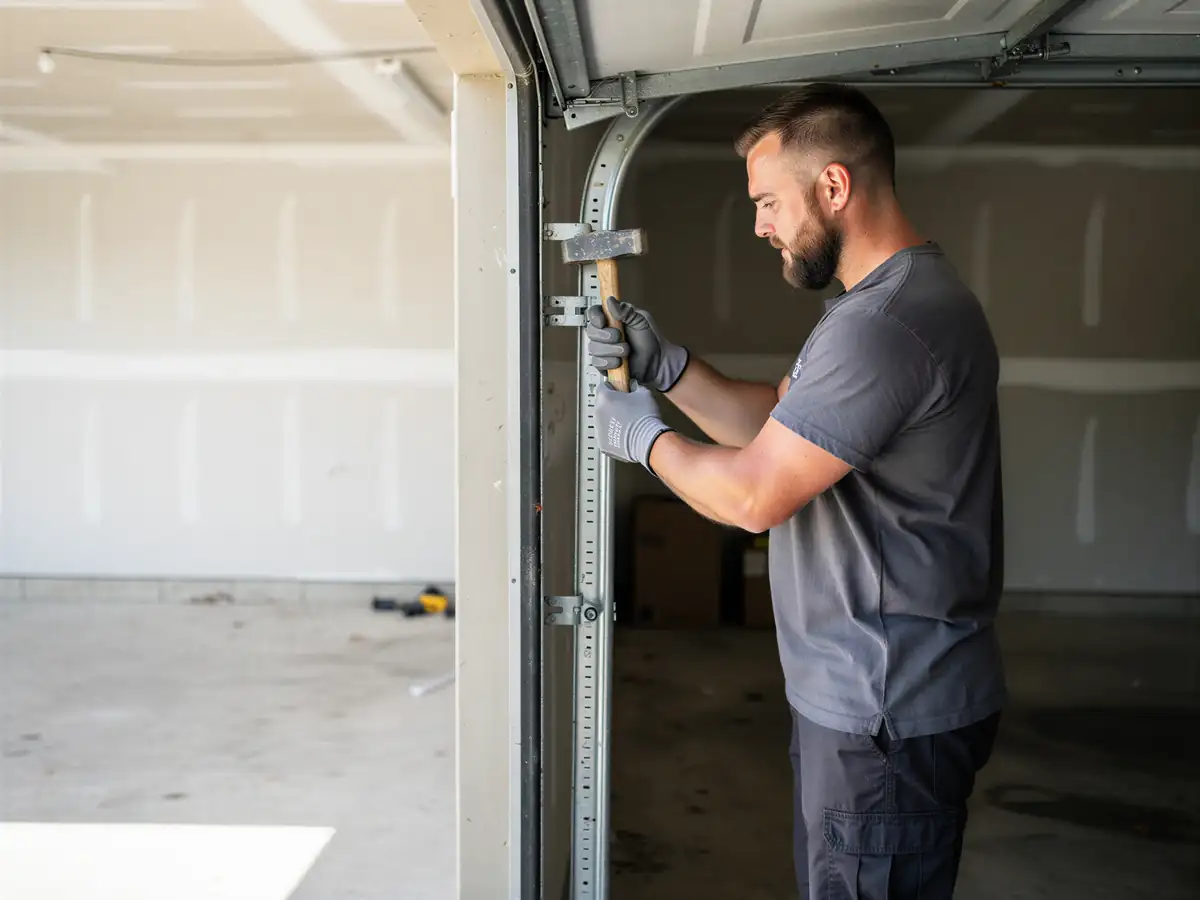
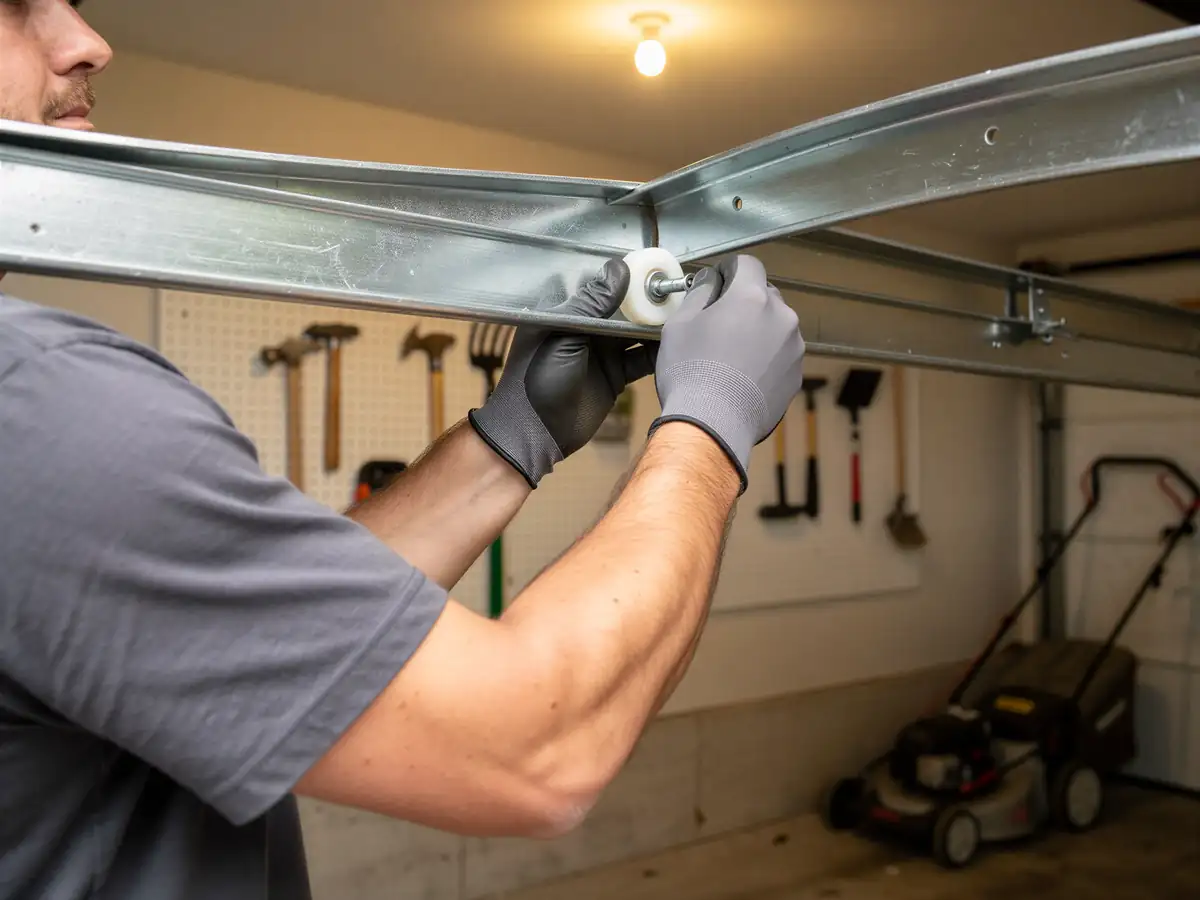
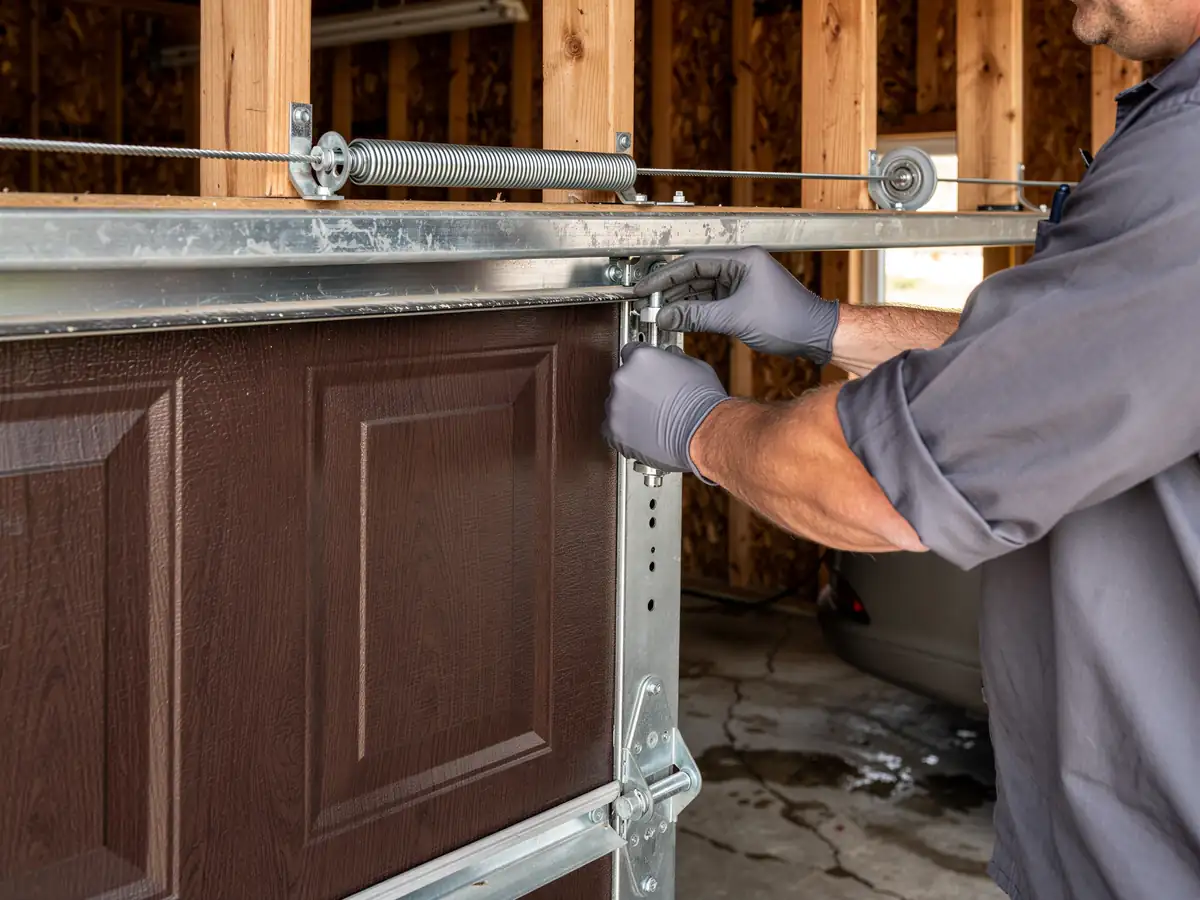
The complaint we hear most from Safety Harbor runs along these lines: the door worked fine, then one morning it wouldn't go up, or it went up and dropped partway, or the opener just hums without moving the door. On a house built in the early-to-mid 80s, that's almost always a torsion spring that's reached the end of its wind cycle - these springs are rated for a number of open-close cycles, not a number of years, and a door that's been used daily for four decades has probably used up what it had. We also see cable fray on the same timeline, and on houses where the opener itself is original, the drive gear or circuit board going out entirely. Mild year-round temperatures here mean we're not chasing the extreme expansion and contraction problems you'd get further north, so when a spring or cable fails on a Safety Harbor door, it's wear, not weather, that did it. That's useful to know up front, because it tells us the fix is almost always mechanical and straightforward rather than something tied to a swollen track or a frozen roller.
The Cost of This Job
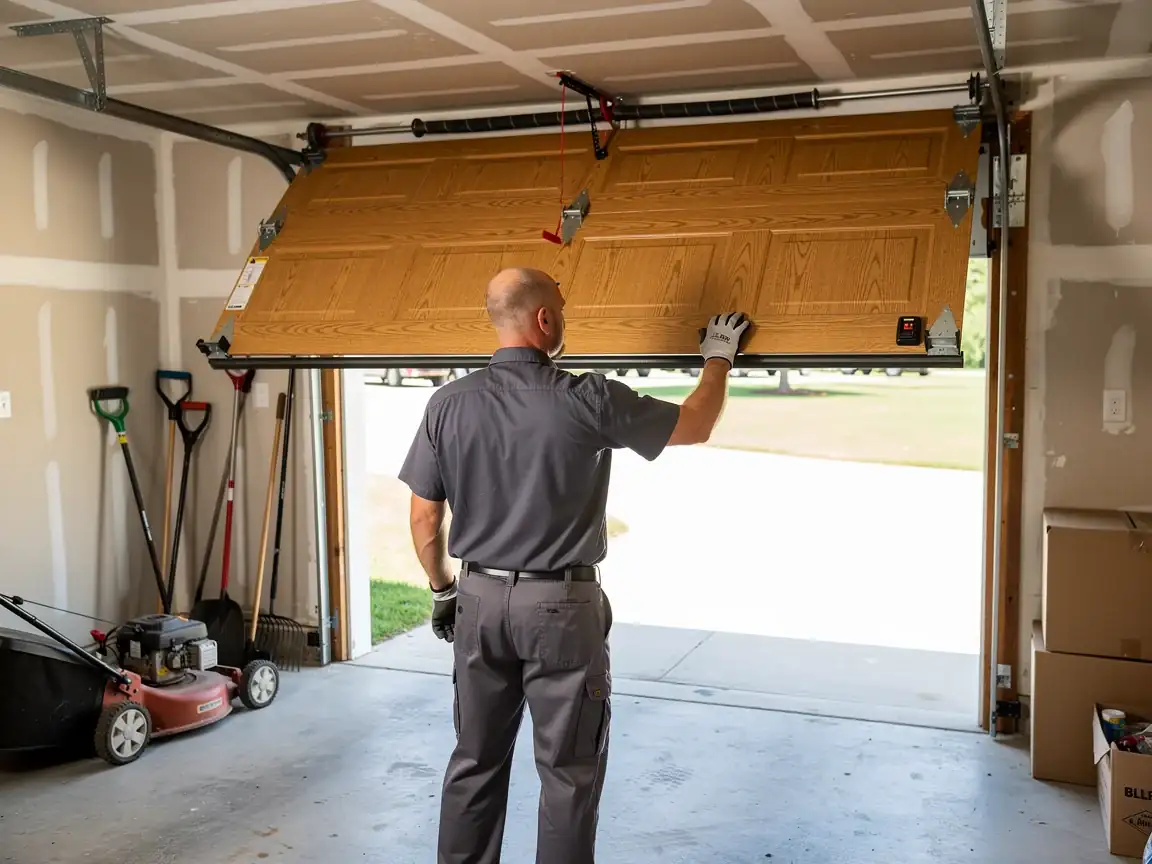
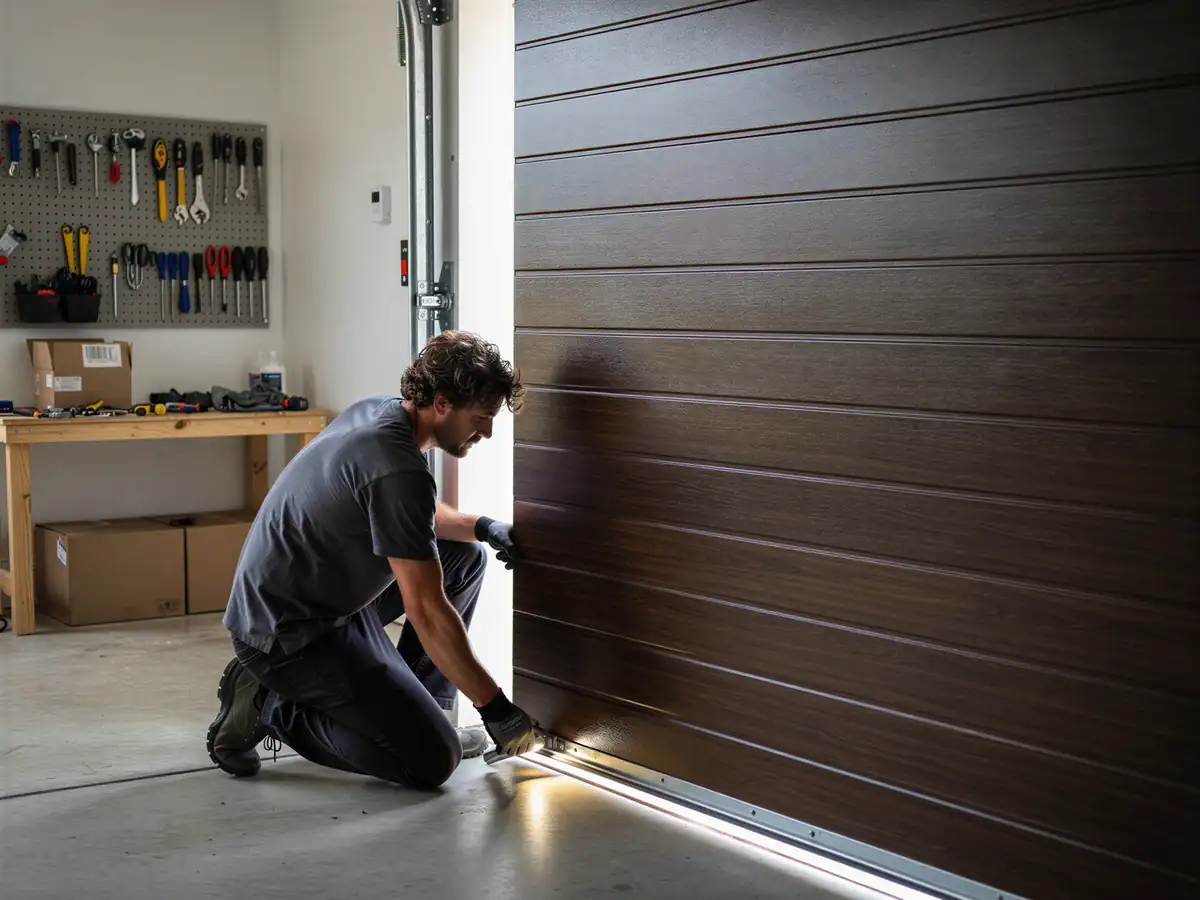
We don't post a flat price here because spring size, door weight, and opener type all move the number, and guessing at it before we've seen the door does Safety Harbor owners no favors. What we can say is that a torsion spring replacement is a same-visit job once we're on site with the right spring size, and most of the opener and cable work common to this town's 1980s-era doors doesn't require a return trip. The $105,813 median income here is well above the service area's $84,220 average, and we see that reflected less in bigger invoices and more in owners choosing full opener upgrades over patch repairs when a door is already apart. If a job turns out to need a special-order part, we'll quote the part and the wait before doing anything, not after.