Why It Happens Here
Safety Harbor is a small town by the numbers - about 6,858 households, a fraction of the 142,490 across the whole area we cover out of Dunedin. That size matters more than it sounds like it should. A town this compact doesn't generate the install volume of the bigger suburbs, so the jobs we get called for tend to cluster around a narrower band of house ages rather than the wide mix you'd see somewhere larger.
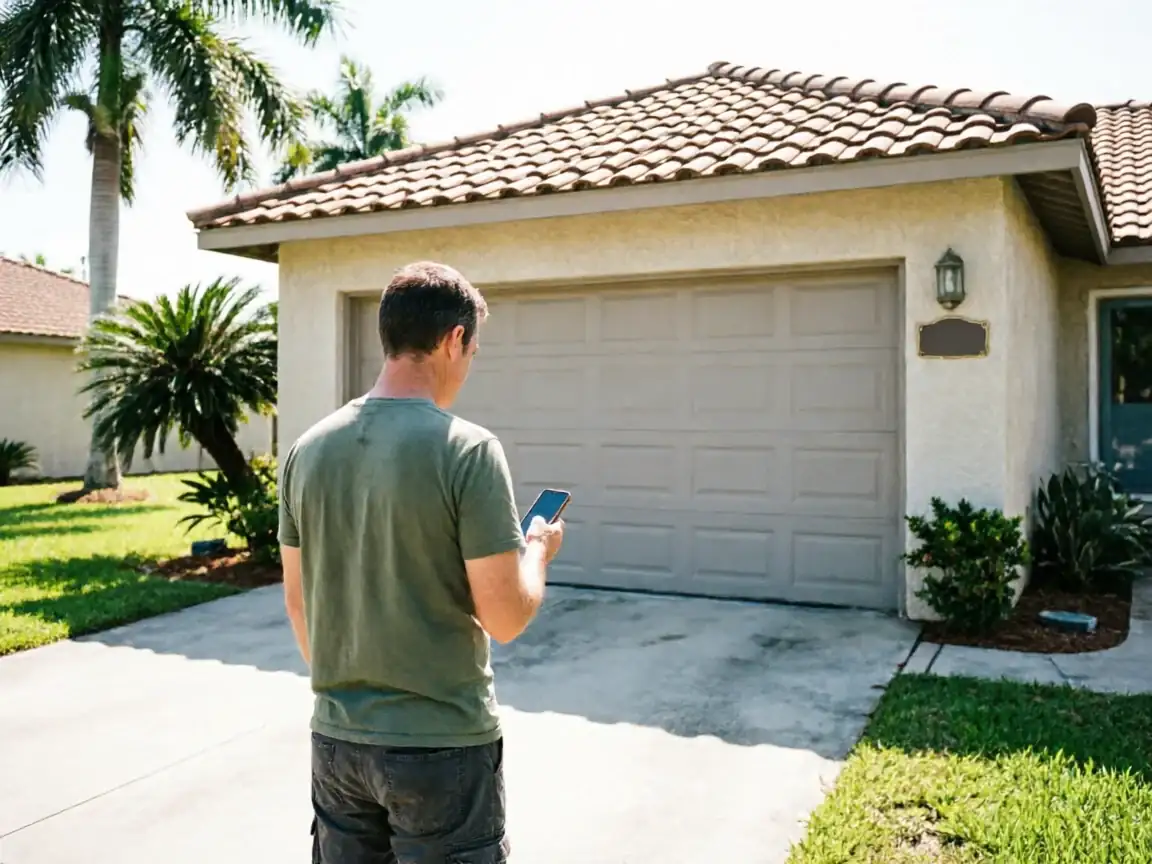
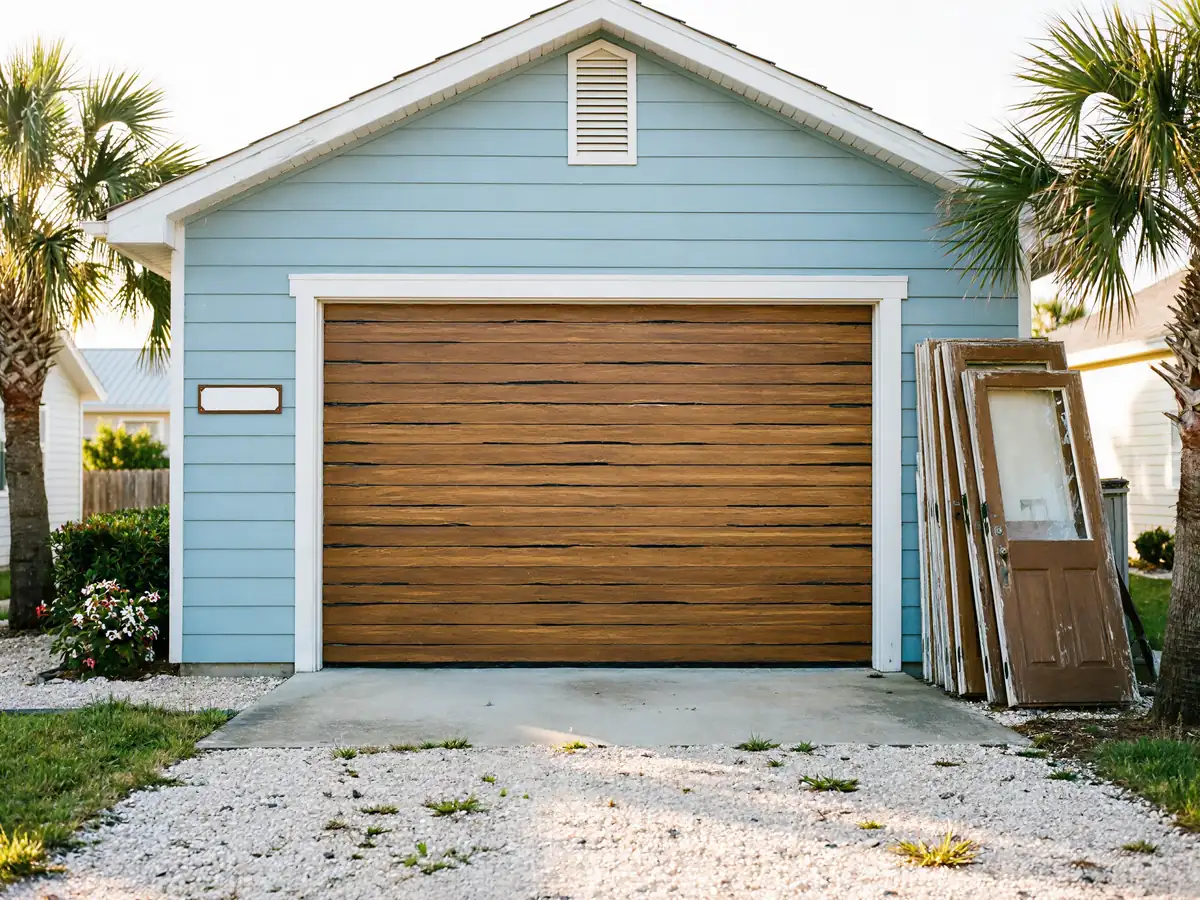
The band here centers on 1984, about five years newer than the 1979 median across the service area as a whole, and newer still than the oldest pockets built back in 1958. That five-year gap sounds small until you're standing in front of the door. Houses from the late 70s and earlier often still carry one-piece wood slabs on side-mounted hardware. Houses built closer to 1984 were far more likely to go up with a steel sectional door from the factory, usually on extension springs rather than torsion. When a Safety Harbor homeowner calls about a new installation, it's almost always because that original steel sectional has finally worn through its hardware life, not because someone's fighting a door that predates the Johnson administration.
The Symptom
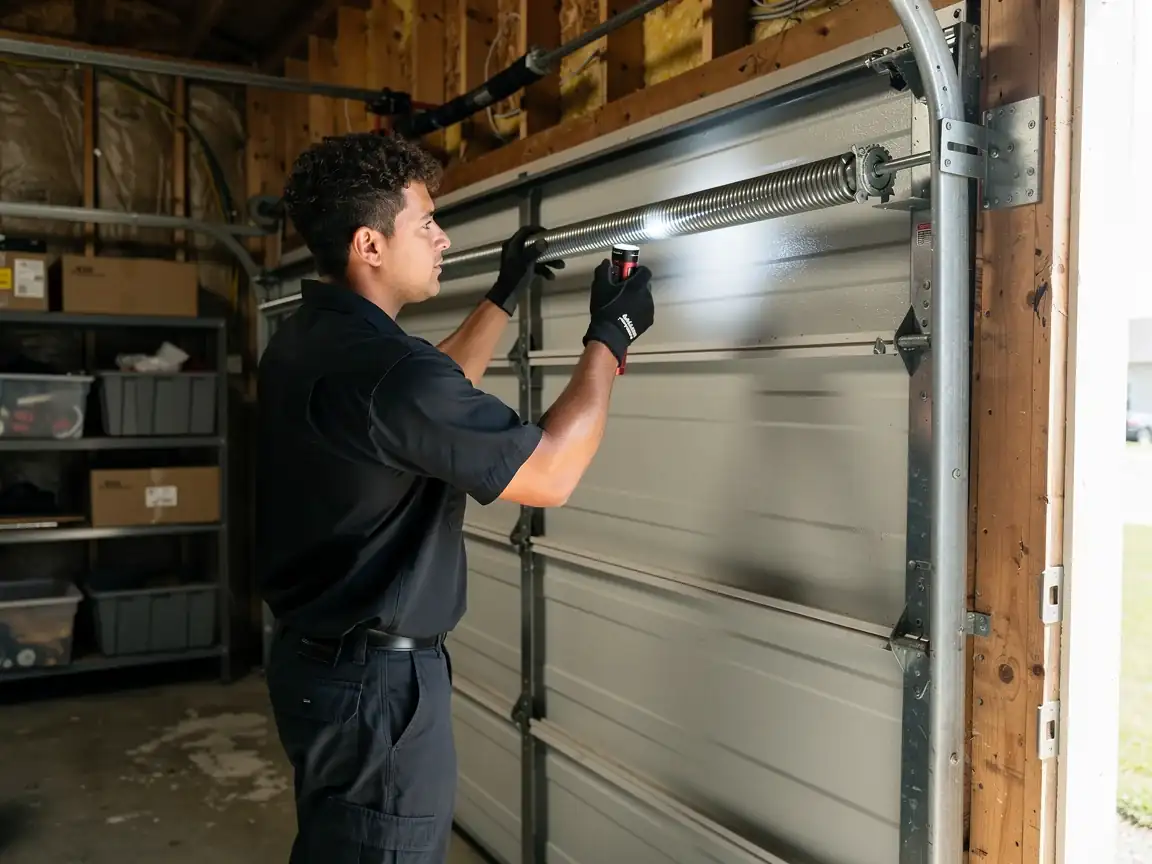
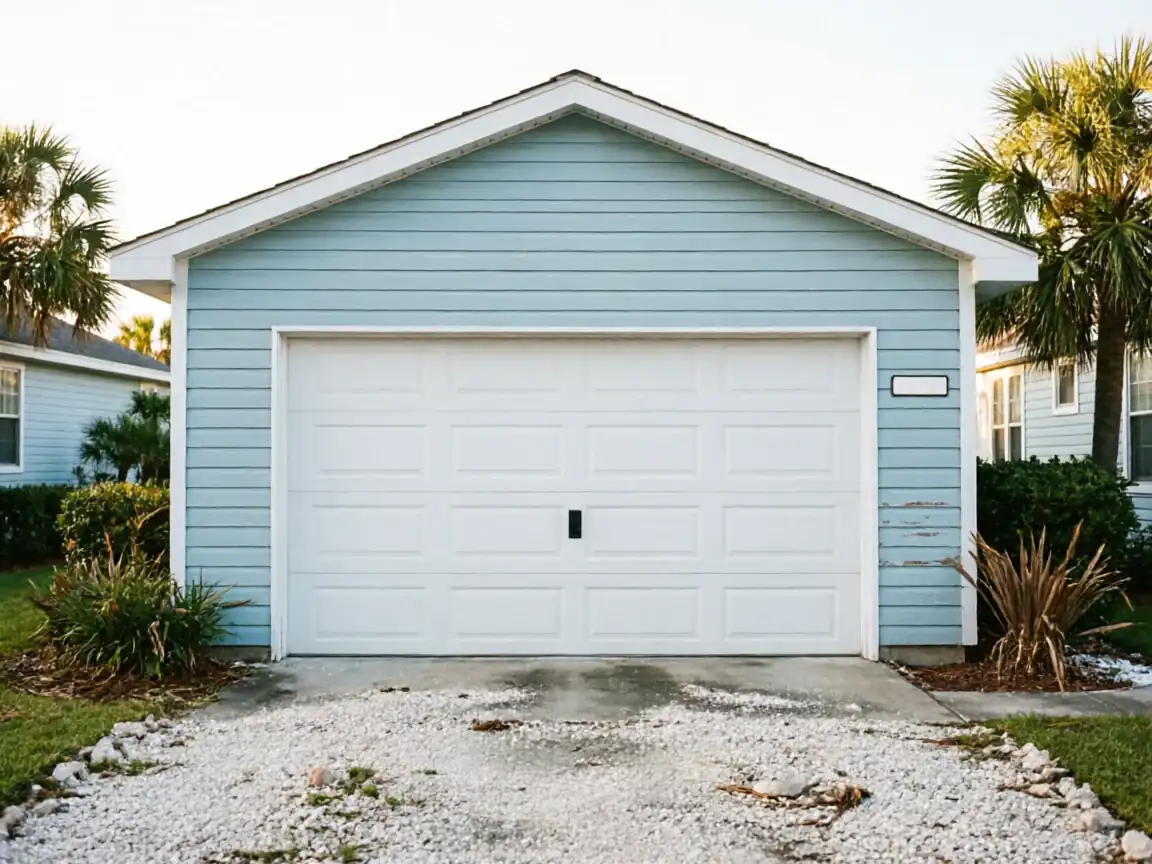
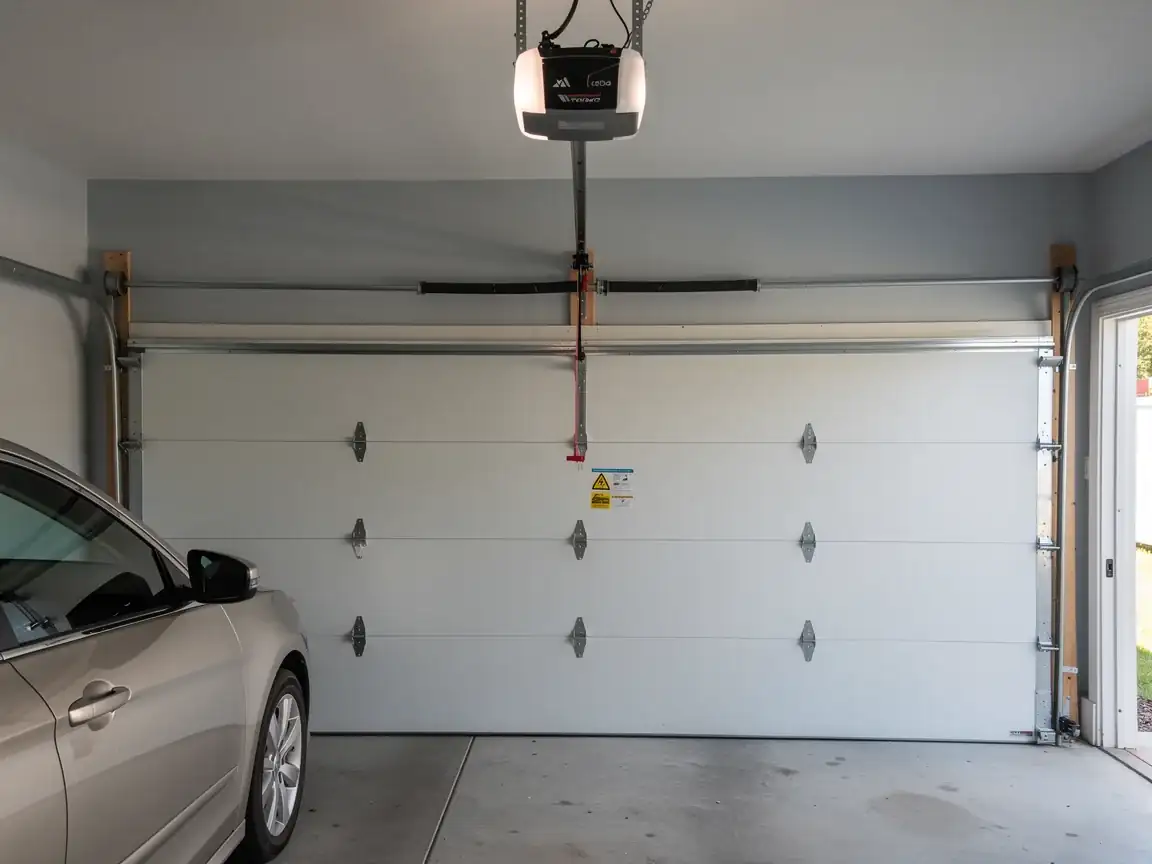
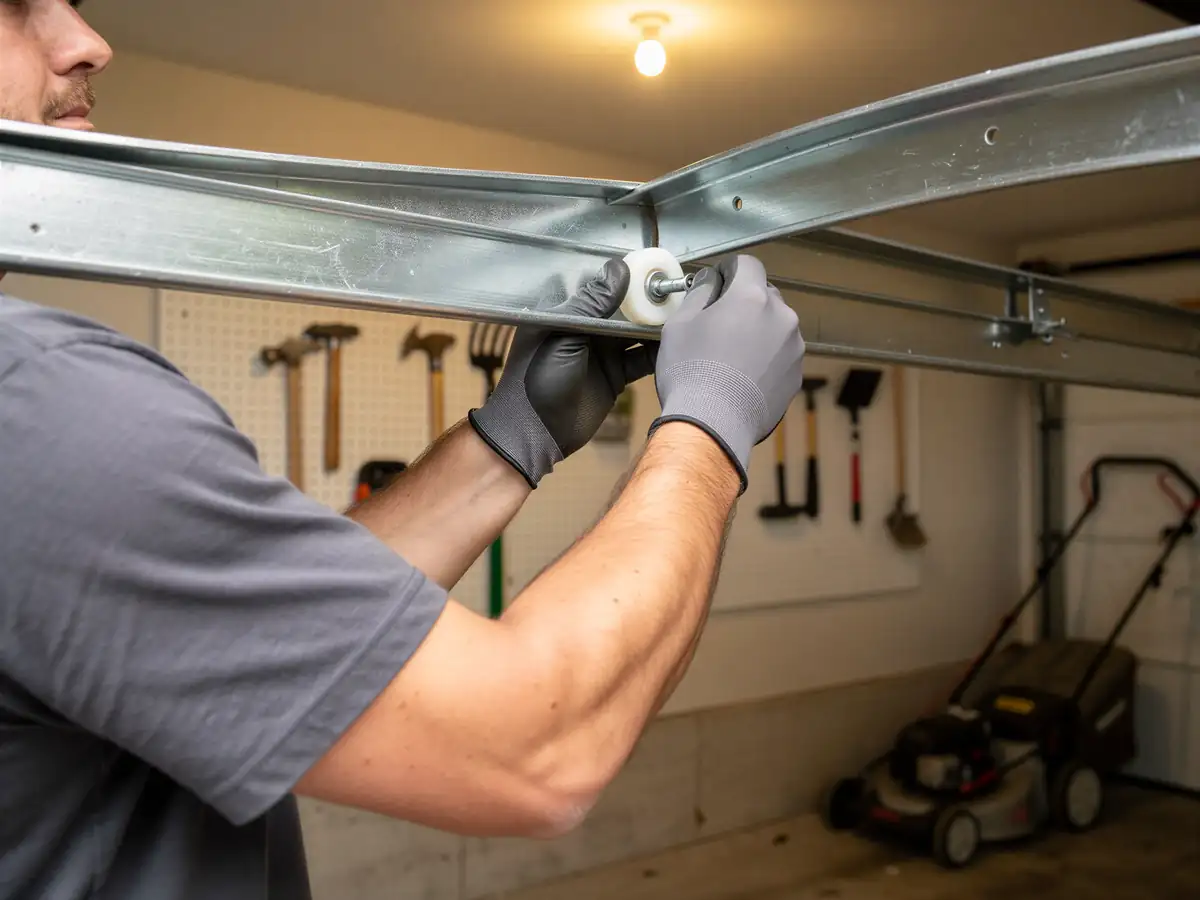
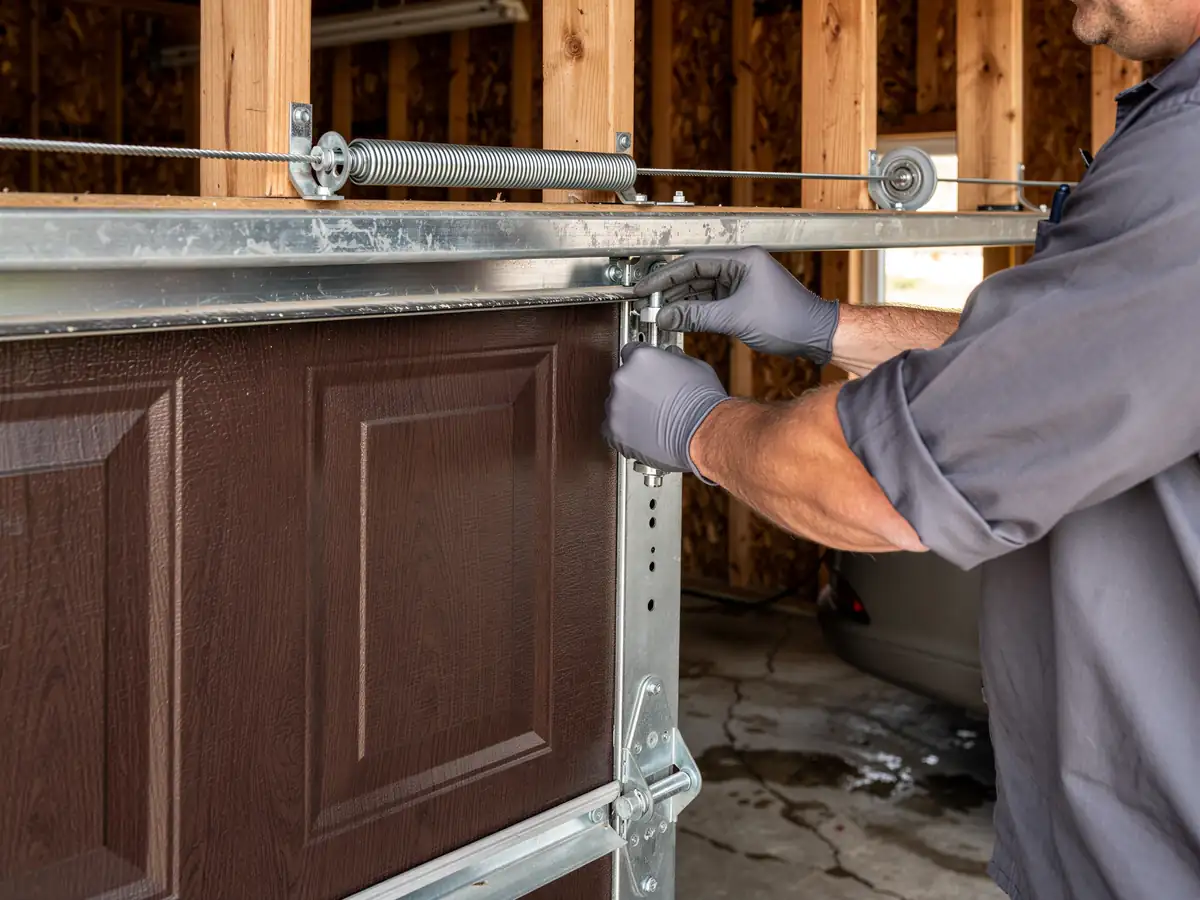
The door that prompts the call is usually the factory-original steel sectional, now pushing past 30-40 years old depending on exactly when the house went up. Extension springs on these doors lose tension unevenly over that much time, so one side of the door sags, the panels rack slightly as the door travels, and the opener strains harder each month than the installer ever planned for. Homeowners usually describe it as the door looking crooked when it's partway up, or the opener straining and grinding near the top of the run.
The mild climate here doesn't put the same freeze-thaw stress on hardware you'd see up north, so corrosion from weather isn't usually the driver - it's straight mechanical fatigue from three or four decades of daily cycles. By the time a homeowner is ready to replace rather than keep patching extension springs and worn rollers, the honest call is usually for a new door and opener together, since matching new panels to 40-year-old hardware rarely holds up for long.
What Is on the Truck
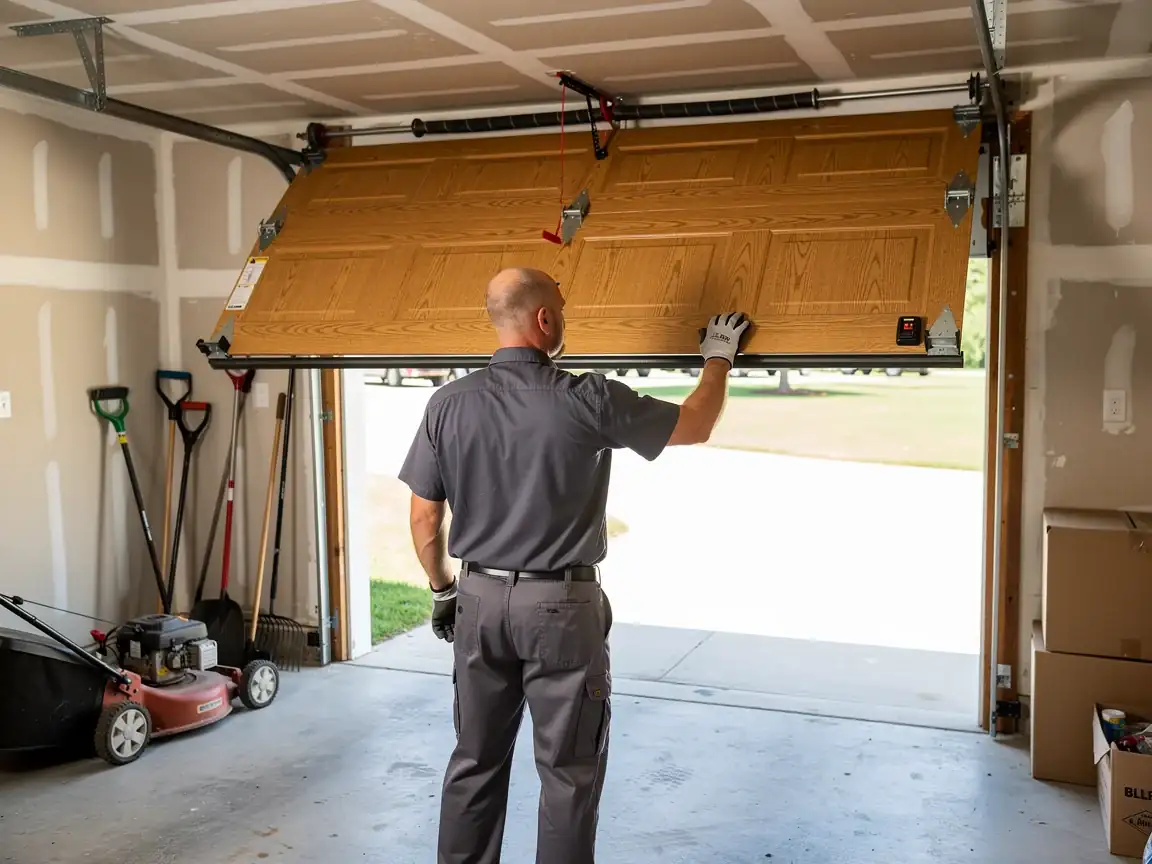
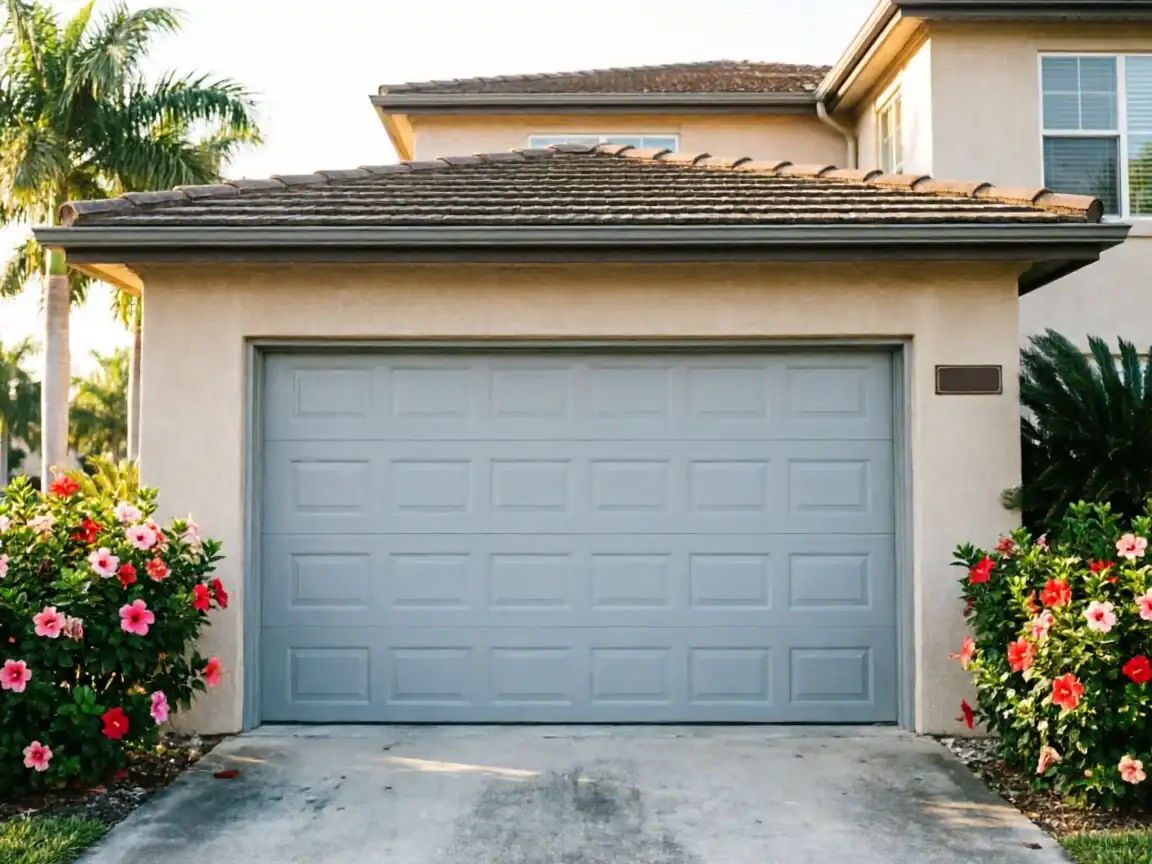
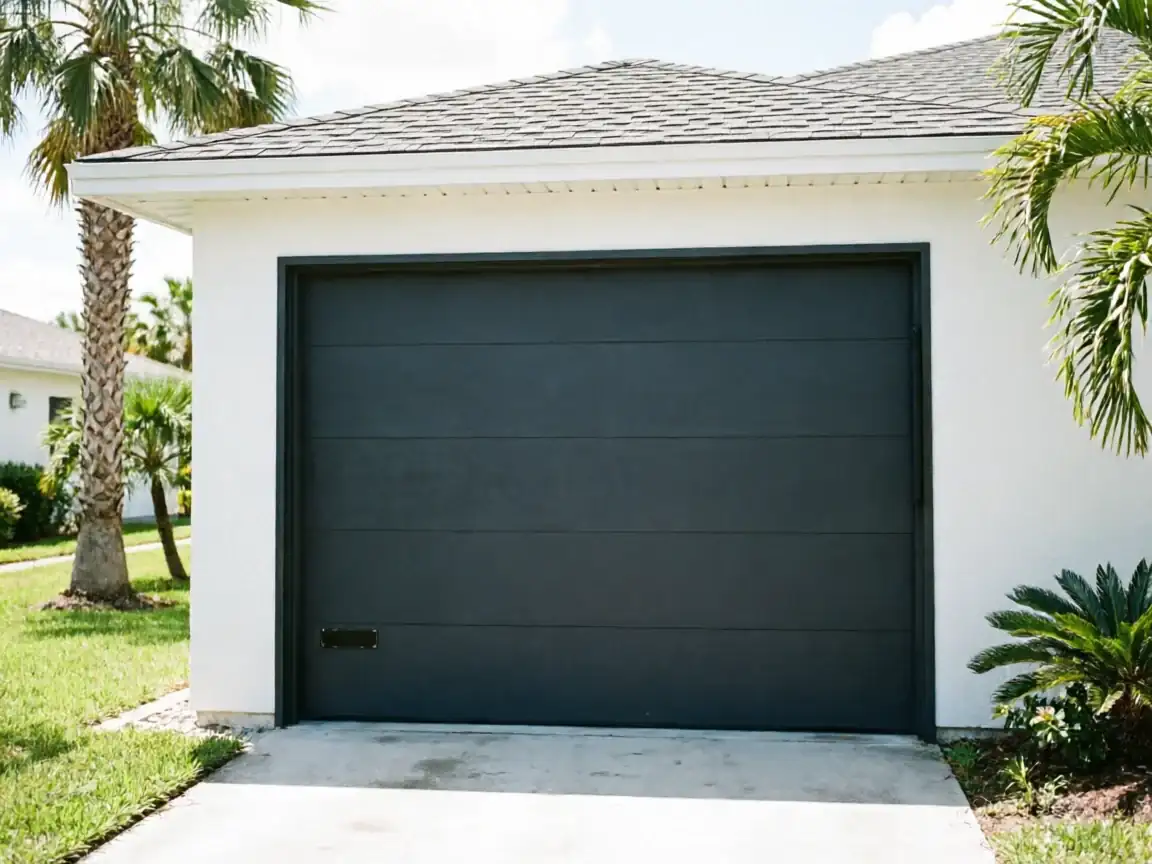
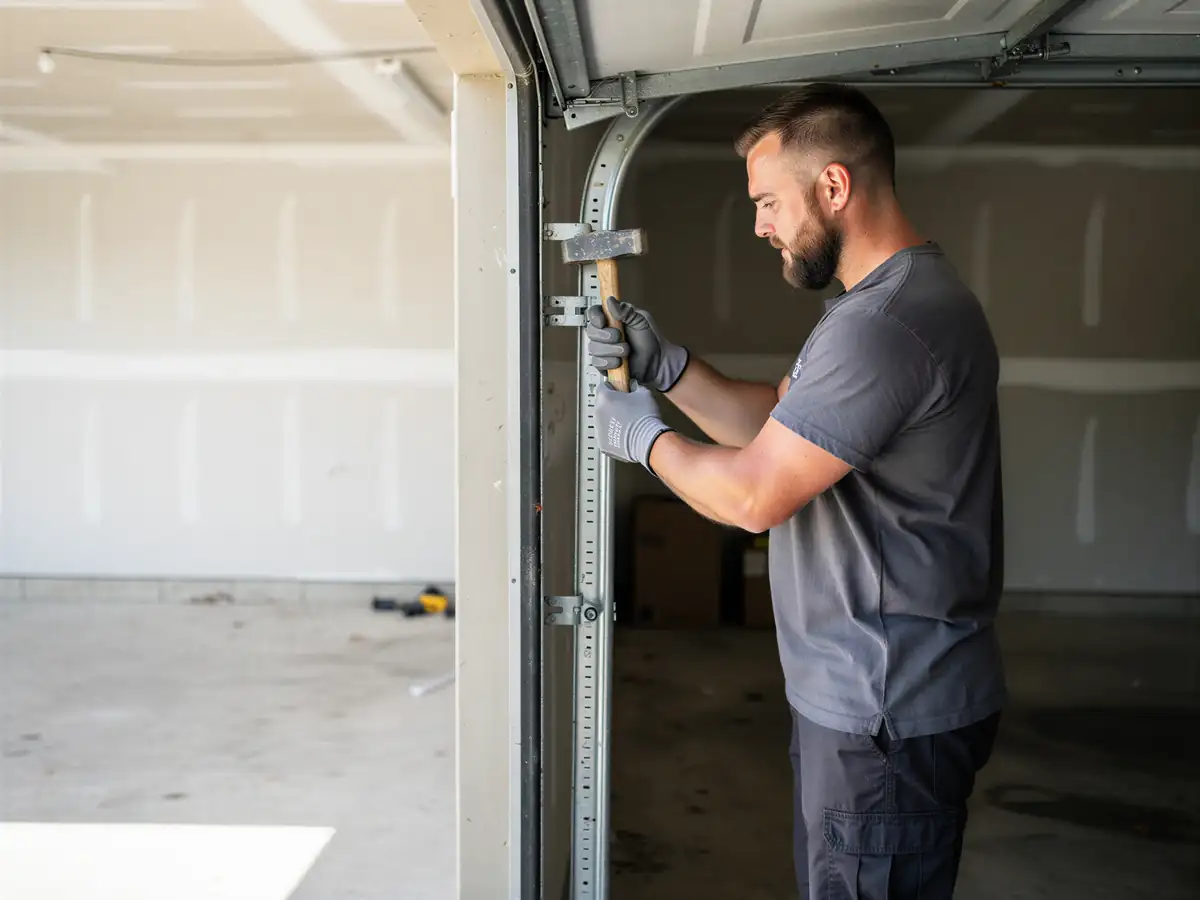
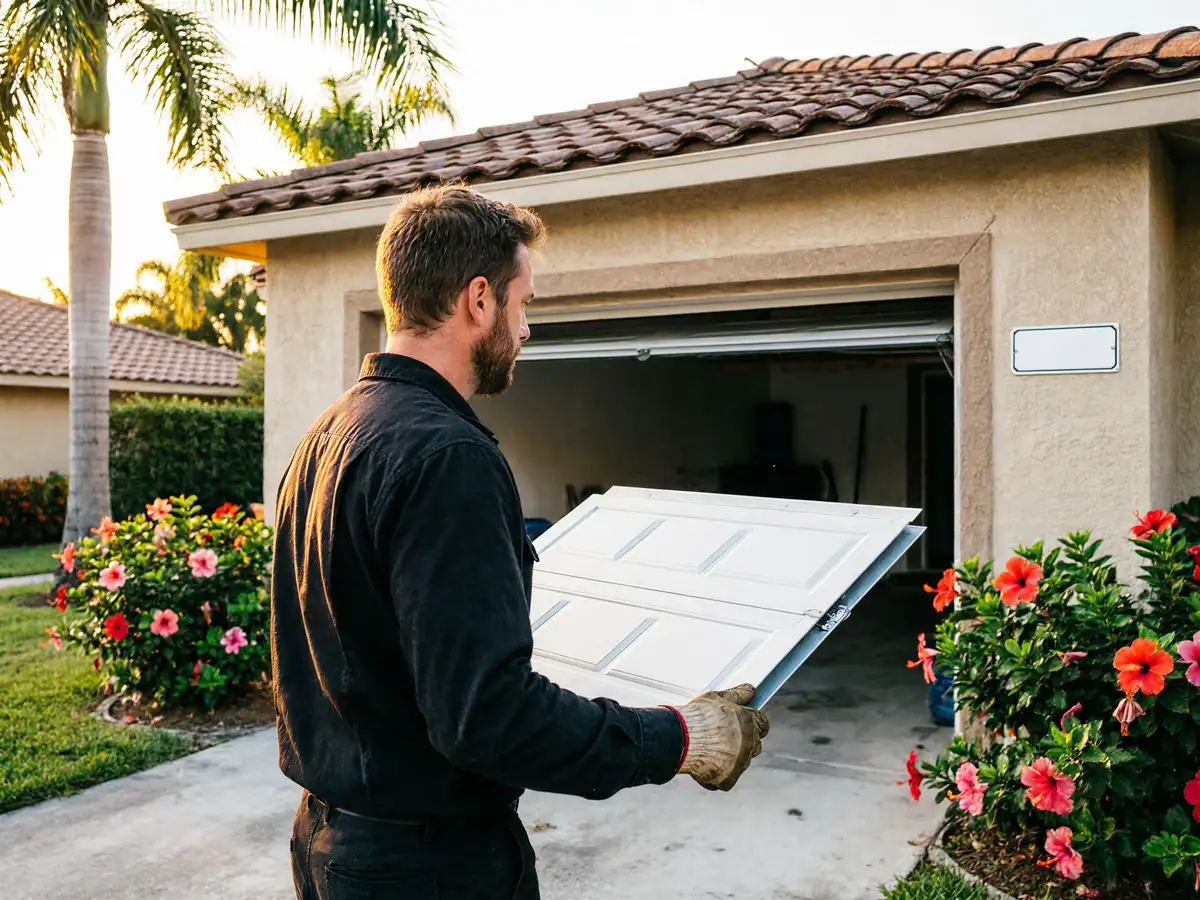
For a Safety Harbor install, the truck carries steel sectional doors sized to the openings common in this town's 1980s-era construction
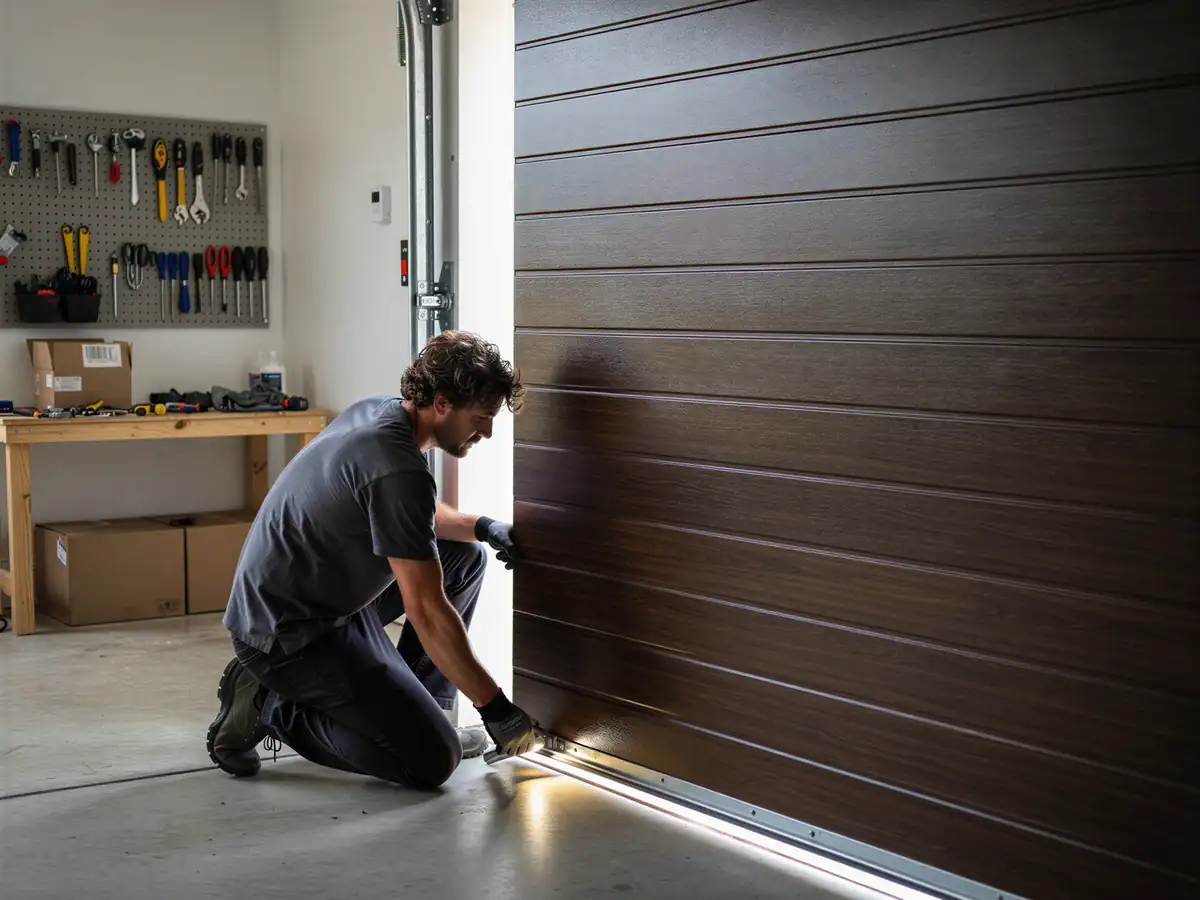
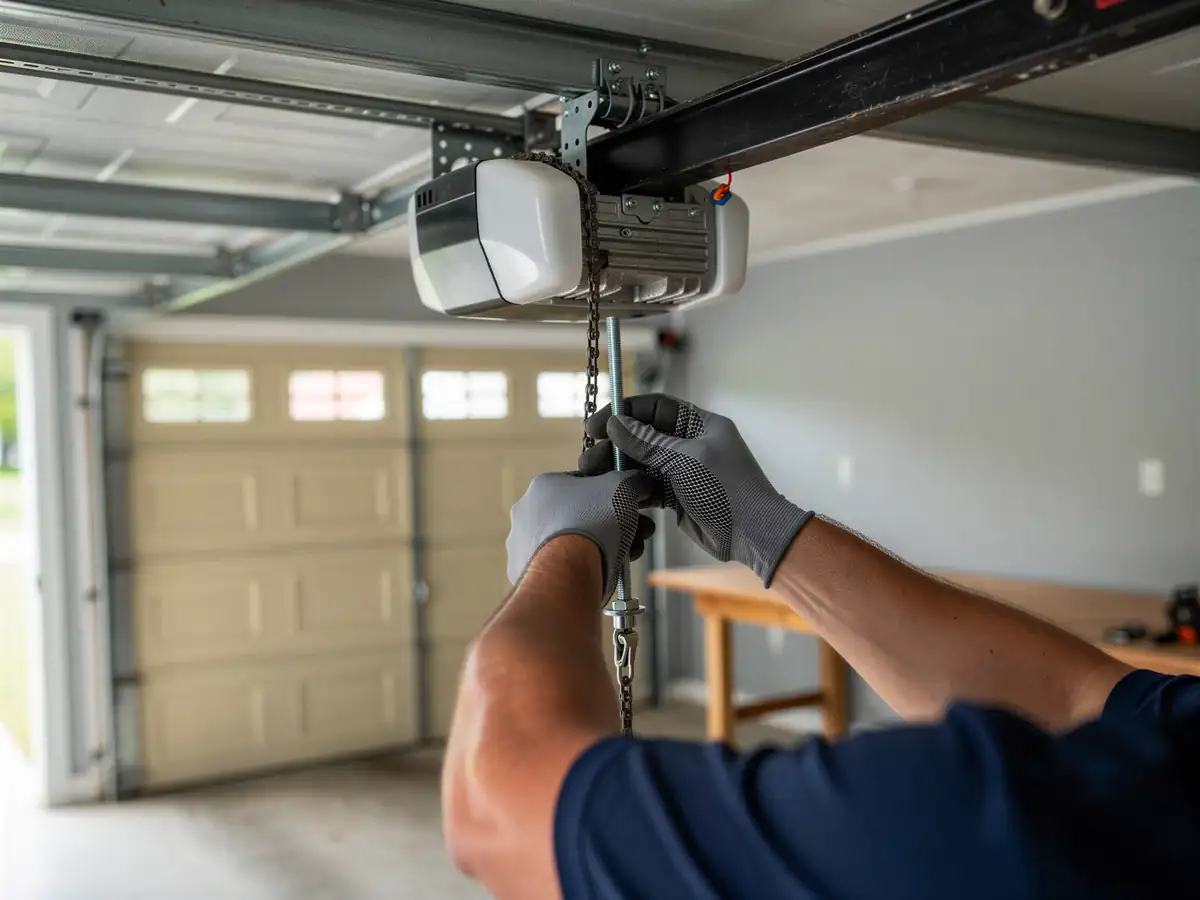
Along with torsion conversion hardware, since torsion springs outlast the extension setups these houses were originally built with and are what we'd put in given the choice. We also carry openers rated for the panel weights that come with insulated steel doors, which is usually a step up from whatever lighter chain-drive unit came standard decades ago.
We run the 7 miles from our Dunedin base to reach Safety Harbor
So what's on the truck is what gets installed that day - we don't warehouse a separate stock in town, and we won't promise a same-day swap on a size or style that isn't already loaded. If a homeowner wants an uncommon width or a custom insulation spec, that's a special order, not a truck-stock item, and we'll say so up front rather than guess.
- 7 miles
The Cost of This Job
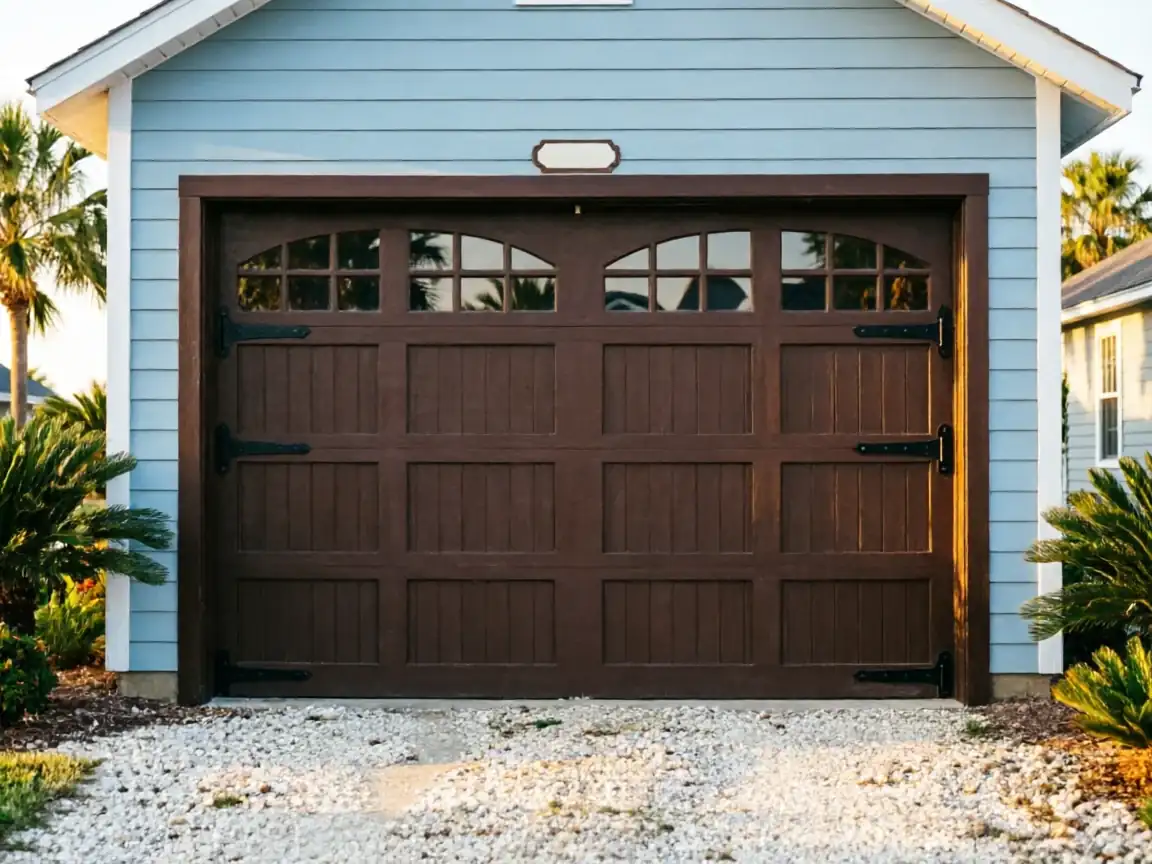
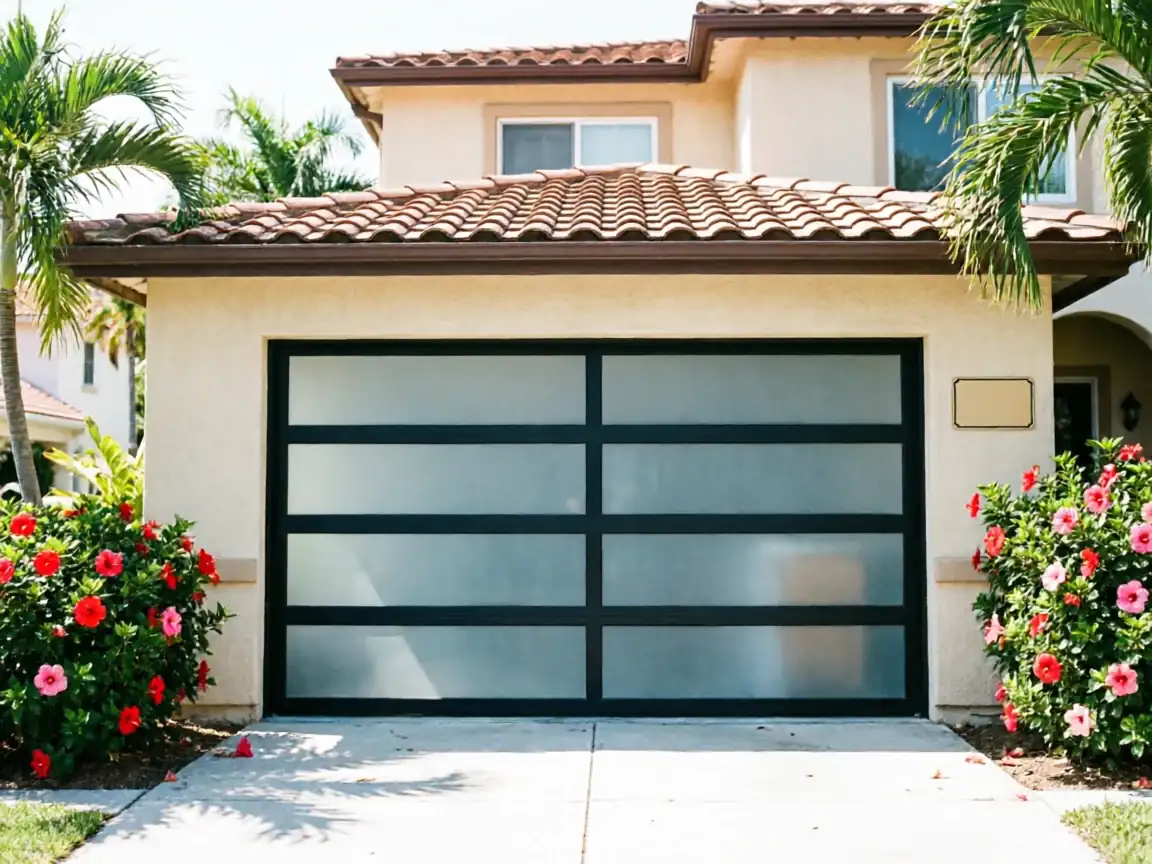
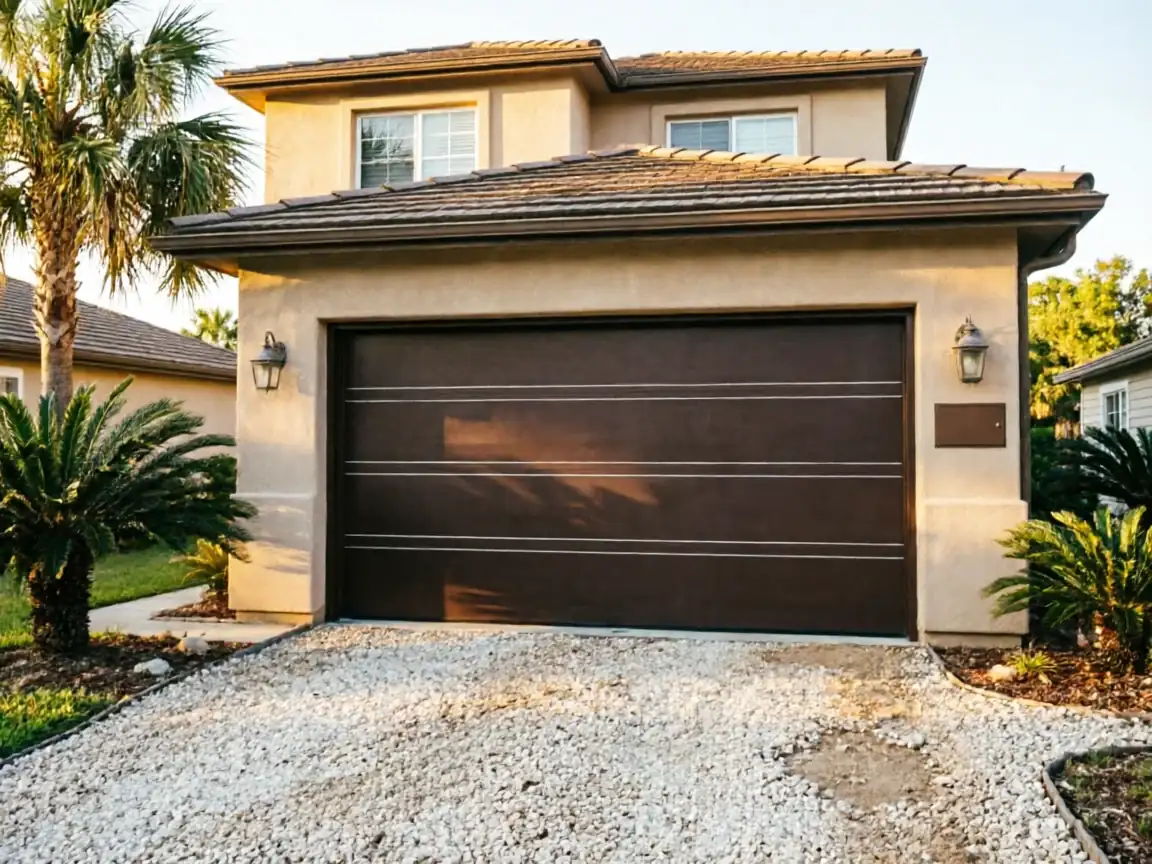
We don't post a flat number for a Safety Harbor install because the spread between a standard steel sectional on torsion springs and a higher-end insulated door with a matched heavy-duty opener is real and depends on what's actually going into the opening. What we can say is that Safety Harbor's median household income, at $105,813, runs well above the $84,220 median across the wider area we serve, and in practice that shows up in which doors homeowners choose - more requests here for upgraded insulation packages and quieter belt-drive openers rather than the base chain-drive setup.
The honest limitation: if your opening is a nonstandard size, or you want a specialty finish not already on the truck, expect a lead time on the order rather than a same-visit install. That's not a Safety Harbor problem specifically, it's true of any special-order door anywhere we go, but it's worth knowing before you book the appointment.